Artwork
南宋 佚名 別苑春山圖 卷|Retreats in the Spring Hills
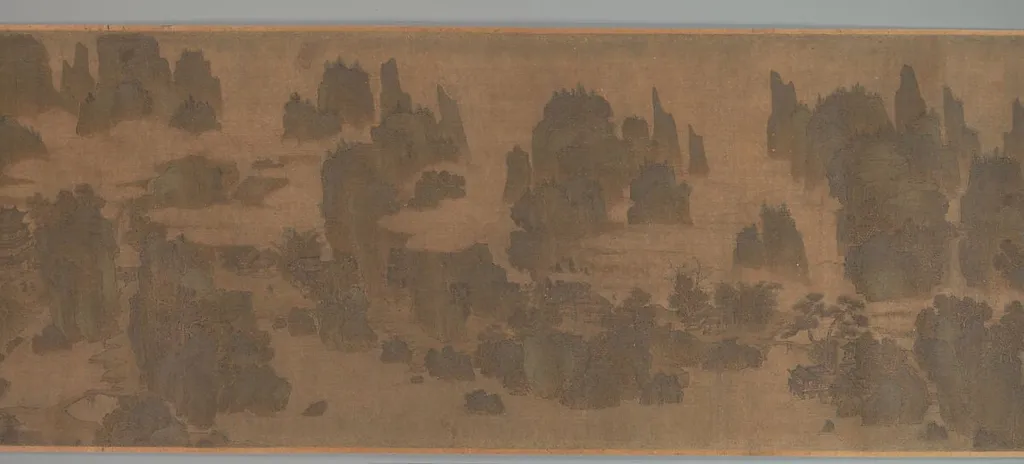
南宋 佚名 別苑春山圖 卷|Retreats in the Spring Hills is an ink painting. It dates from 1124 and is held in the collection of the Metropolitan Museum of Art.
About this work
Subject & Meaning
As a landscape painting, it visualises a secluded retreat within nature, a motif often associated with scholarly withdrawal and contemplation.
The handscroll titled Retreats in the Spring Hills, dated 1124, presents an idealised natural setting of rolling hills and verdant valleys. As a landscape painting, it visualises a secluded retreat within nature, a motif often associated with scholarly withdrawal and contemplation. The anonymous artist employs delicate ink and subtle colour to suggest the transitory quality of spring, reinforcing themes of impermanence and harmony with the environment.
The work's subject, mountainous terrain rendered in a balanced composition, serves as a visual metaphor for spiritual and intellectual retreat, reflecting the cultural value placed on disengagement from worldly affairs in Song-dynasty China.
History & Provenance
Retreats in the Spring Hills is a handscroll executed in ink and colour on silk, attributed to an anonymous painter active during the Song dynasty. The work is dated to 1124, placing its creation in the early twelfth century in China. As the artist remains unidentified, the specific circumstances regarding the original commission or the initial patron are not recorded in available documentation. The painting is currently held in the collection of the Metropolitan Museum of Art.
Context
The handscroll titled Retreats in the Spring Hills, attributed to an anonymous painter and dated 1124, is housed in the Metropolitan Museum of Art. Scholars view it as a representative example of Song-dynasty ink-and-colour landscape painting, emphasising the anonymous workshop practice and the work's role in illustrating the development of Chinese landscape art during the period. Its inclusion in major collections and scholarly catalogues underscores its significance as a surviving example of twelfth-century Chinese landscape painting.
Overview
The anonymous work "Retreats in the Spring Hills" (南宋 佚名 別苑春山圖 卷) is a handscroll painting from the Southern Song dynasty, created using ink and color on silk. This artwork offers a serene depiction of a natural landscape, characteristic of traditional Chinese painting. It is currently housed within the collection of The Metropolitan Museum of Art, representing a significant example of its historical period and artistic tradition.
Technique & Style
The artist's proficiency in traditional Chinese painting techniques is evident in the refined application of brushstrokes. Simple yet effective marks are employed to generate a sense of depth and texture throughout the composition. This skillful manipulation of ink and color on silk demonstrates a mastery of established artistic conventions, contributing to the painting's overall visual harmony and detailed rendering of natural elements.
Artist & collection

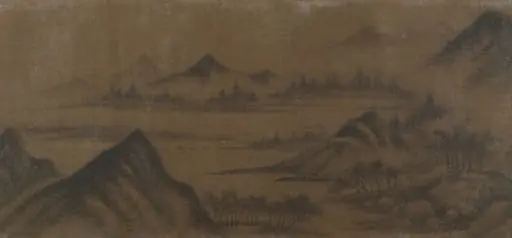 清 佚名 米芾(僞款) 雲山圖 卷|Mountain Landscape
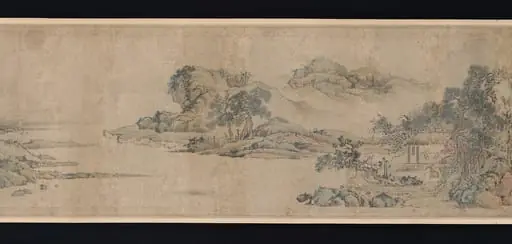 明 佚名 朱德潤 怡樂堂圖 卷|Hall of Harmony and Joy
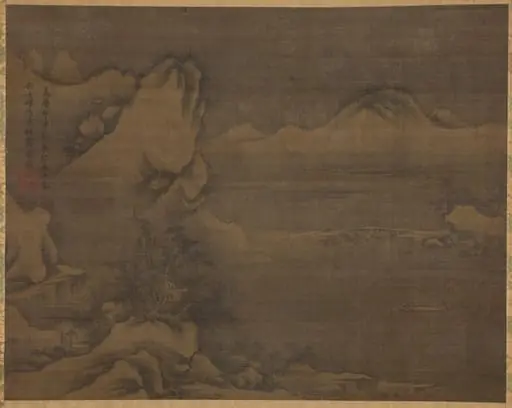 Snowscape with Figures
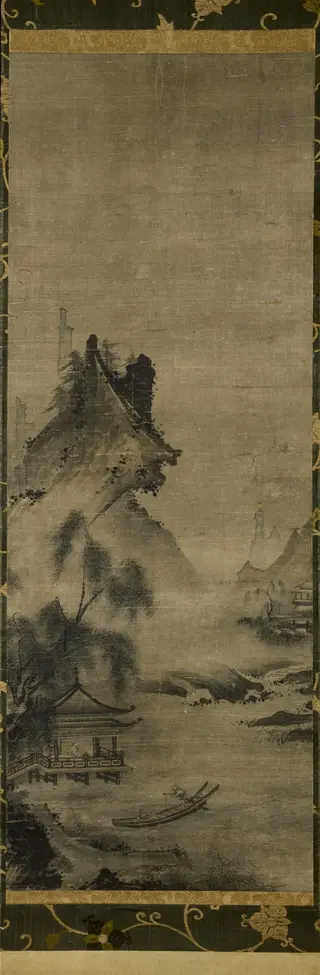 Lakeside Retreat
 南宋 李結 西塞漁社圖 卷 |Fisherman's Lodge At Mount Xisai
 Tao Yuanming's Return Home
 Landscape
 Tao Yuanming's Return Home
 Przeprawa przez górski potok - pejzaż w stylu niebiesko-zielonym
 Lakeside Retreat