Artwork
Reinier van Oldenbarneveldt
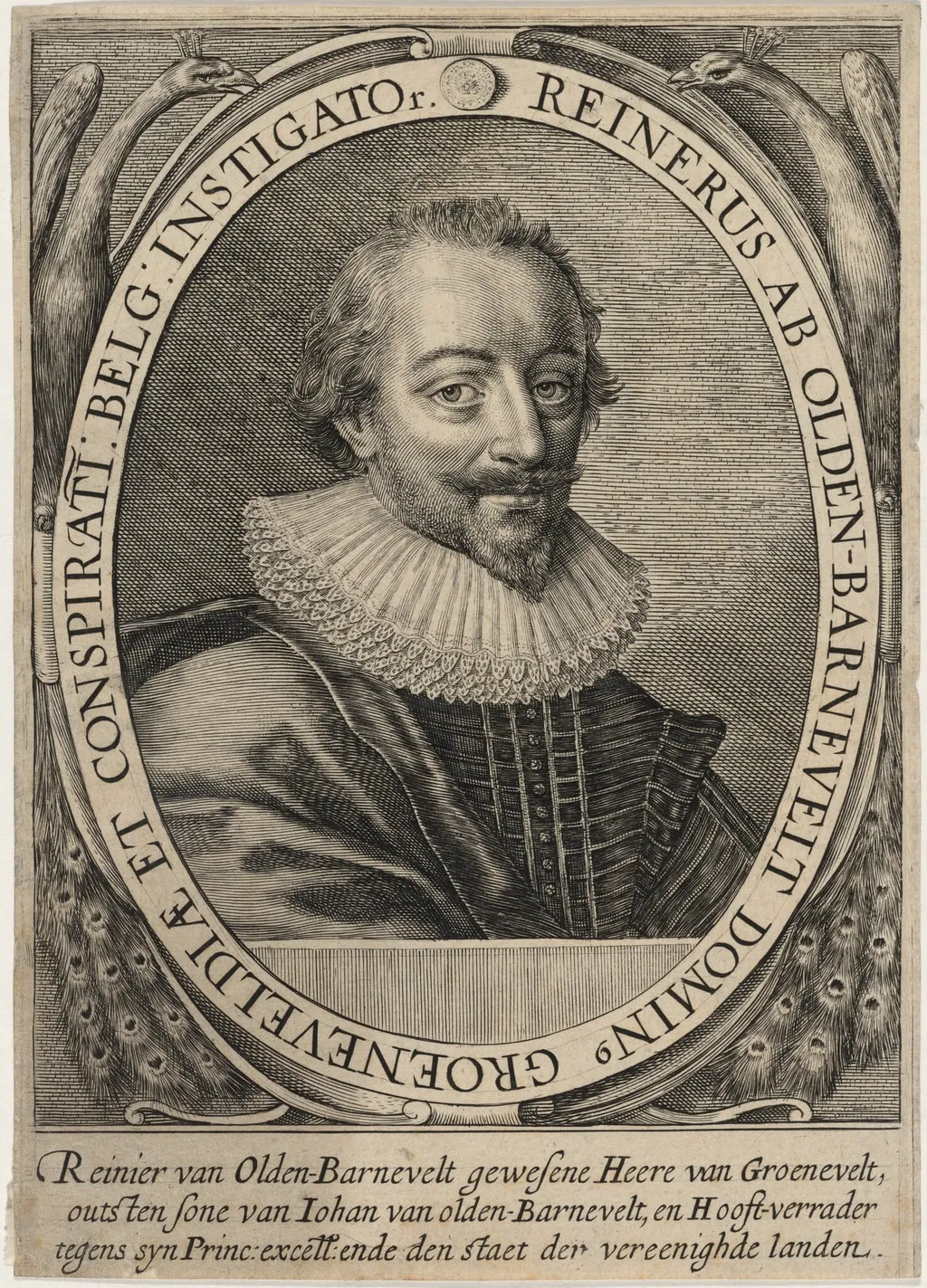
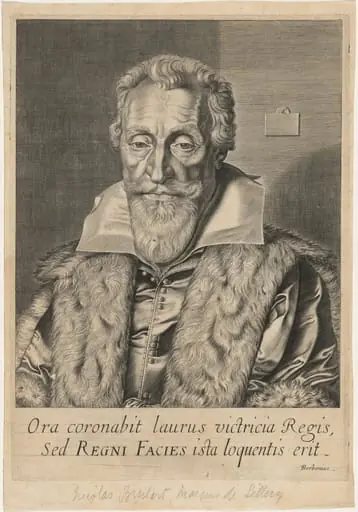
Reinier van Oldenbarneveldt is an ink print by the Romanticist artist Unknown 19th Century. It dates from 1850 and is held in the collection of the National Gallery of Art.
About this work
Overview
Executed with precision, the portrait emphasizes his dignified bearing through fine linear detail and a restrained composition.
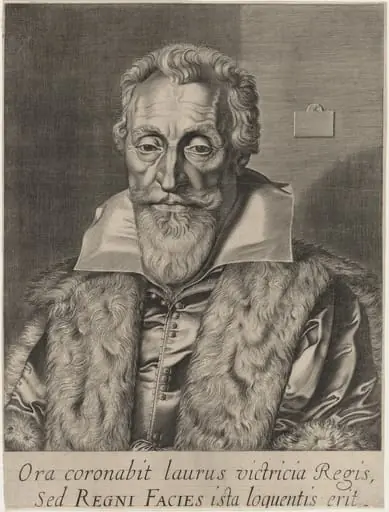
This engraving portrays Reinier van Oldenbarneveldt, a Dutch nobleman of the early 17th century. Executed with precision, the portrait emphasizes his dignified bearing through fine linear detail and a restrained composition. The plain background focuses attention entirely on the figure, a common approach in portraiture of the period.
The medium, engraving on metal, allowed for sharp, enduring lines that captured both texture and expression with clarity.
Subject & Meaning
Reinier van Oldenbarneveldt, son of the influential statesman Johan van Oldenbarnevelt, is depicted with solemnity and composure. His direct gaze and formal attire reflect his social standing and the values of restraint associated with Dutch elite culture. The absence of symbolic objects or elaborate settings suggests an emphasis on personal presence rather than heraldic display, aligning with the era’s preference for understated nobility.
Technique & Style
The portrait was created using metal engraving, a technique involving incised lines on a copper plate inked and pressed onto paper. Fine, controlled strokes define the ruffled collar, fabric folds, and facial contours, demonstrating the artist’s mastery of tonal gradation through line density. The lack of shading or tone relies entirely on line work, a hallmark of Northern European printmaking traditions of the time.
History & Provenance
The engraving likely dates to the early 1600s, shortly after Reinier’s prominence in Dutch political circles. While specific ownership records are sparse, such portraits were often circulated among families and civic elites as tokens of status. Its survival suggests it was preserved within private collections, possibly linked to the van Oldenbarneveldt family or their associates in the Dutch Republic.
Context
This portrait emerged during a period when the Dutch Republic fostered a culture of civic pride and individual representation. Unlike aristocratic portraiture elsewhere in Europe, Dutch likenesses favored realism and modesty. Engravings like this served as accessible reproductions of important figures, disseminating their image beyond painted commissions and reinforcing social hierarchies through visual culture.
Legacy
The engraving remains a document of early 17th-century Dutch portraiture, illustrating how printmaking extended the reach of elite imagery. Though not widely known today, it contributes to the broader understanding of how identity and status were visually constructed in the Republic. Its technical precision continues to inform studies of printmaking craftsmanship from the period.
Artist & collection

Artist

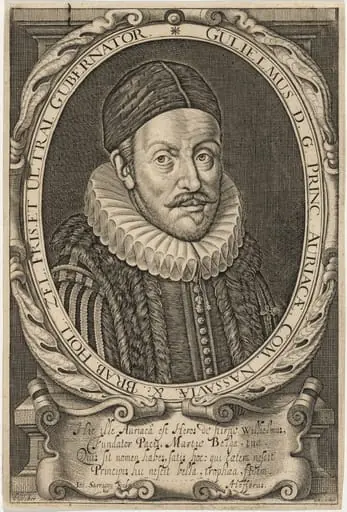 William I, Prince of Orange
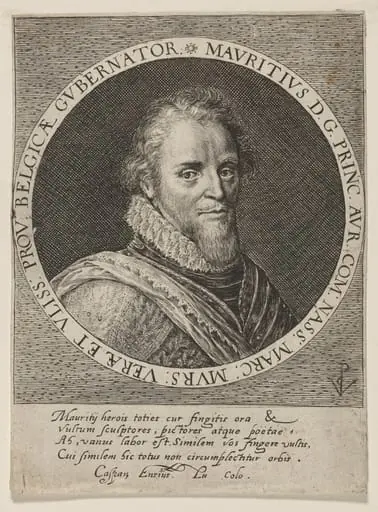 Maurice of Nassau, Prince of Orange
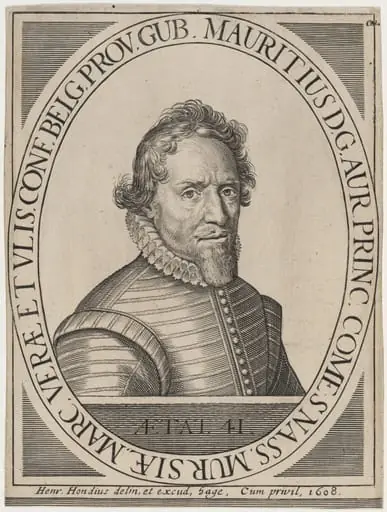 Maurice, Prince of Orange
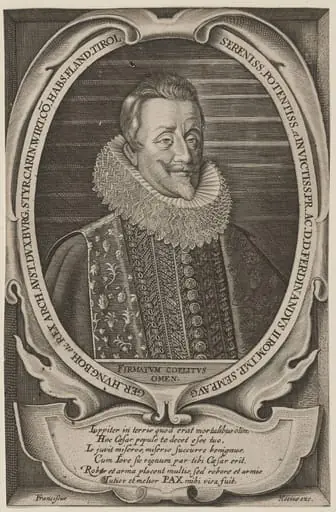 Ferdinand II, Roman Emperor
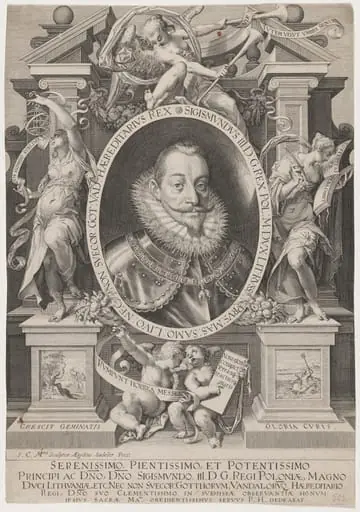 Sigismund III, King of Poland
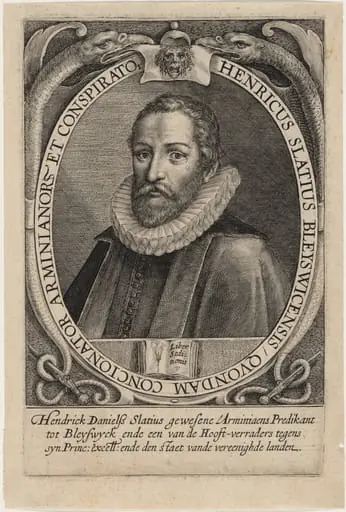 Henrich Daniel Slatius, Arminian Preacher
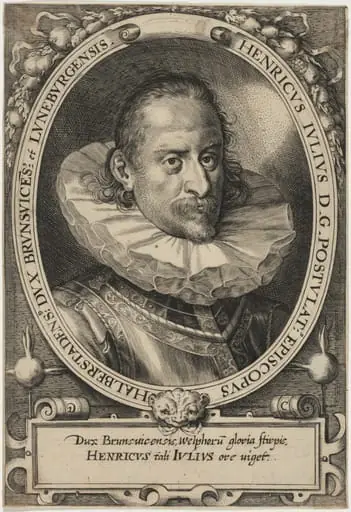 Henry Julius, Duke of Brunswick, Bishop of Halberstadt
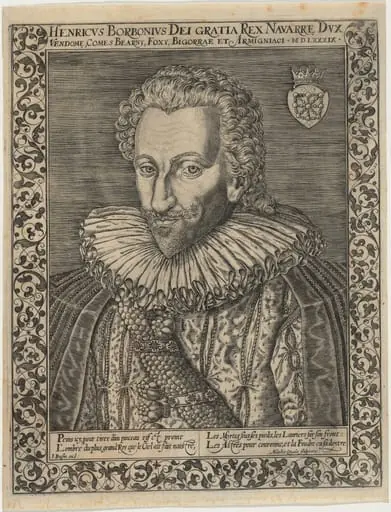 Henry IV of France
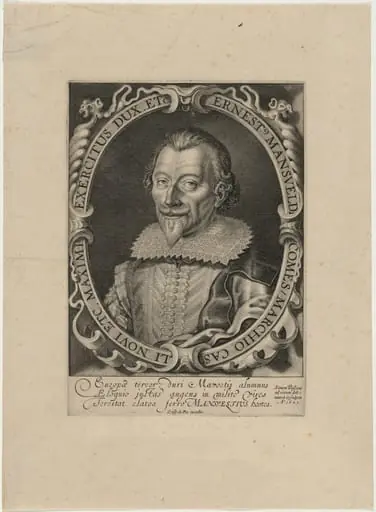 Ernest, Count of Mansfeld
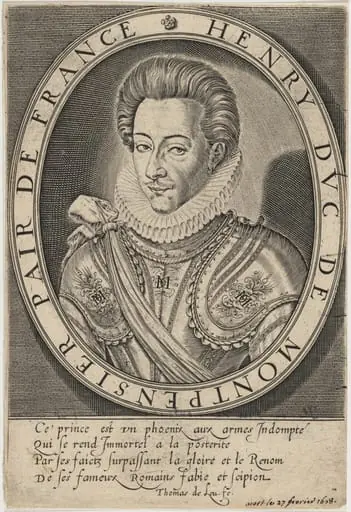 Henry, Duc de Moutpensier