Artwork
Christ
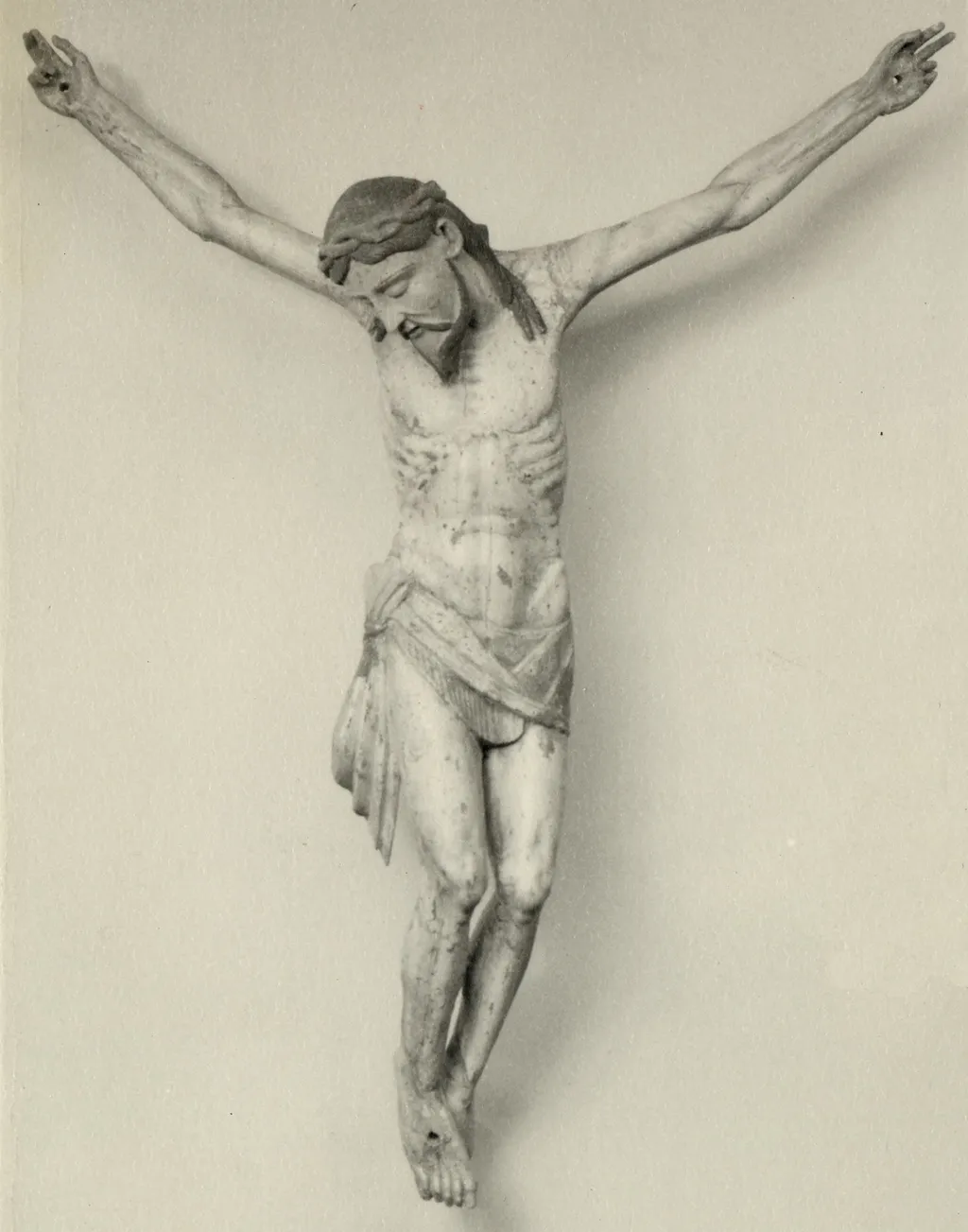
Christ is an unspecified painting. It dates from 1500 and is held in the collection of the Metropolitan Museum of Art.
About this work
Subject & Meaning
The composition follows traditional symbolic conventions associated with the figure of Christ, though specific attributes are not detailed in the documentation.
The painting titled Christ, created in 1500, portrays Jesus Christ as its central figure. As a religious work in the collection of the Metropolitan Museum of Art, it exemplifies Christian iconography in which the depicted Saviour embodies themes of sacrifice, redemption, and divine humanity. The composition follows traditional symbolic conventions associated with the figure of Christ, though specific attributes are not detailed in the documentation.
Measuring 90.2 cm by 69.9 cm, the work is classified as a painting within the religious art genre and remains in the museum's collection.
History & Provenance
Created in 1500, this religious painting depicts Jesus Christ and is currently held in the collection of the Metropolitan Museum of Art. The work is classified as anonymous, with no specific artist identified in available records. Its dimensions are recorded as 90.2 cm in height and 69.9 cm in width.
Details regarding its original commission, early ownership history, or the specific circumstances of its creation remain unattributed in the available sources. No accession number or exhibition history is documented.
Overview
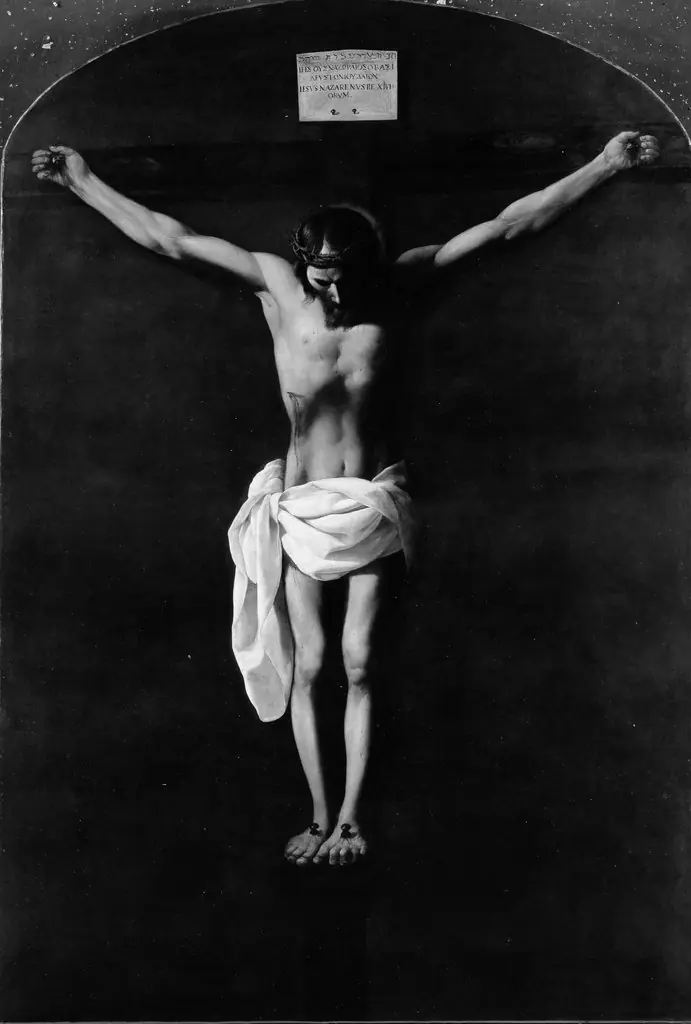
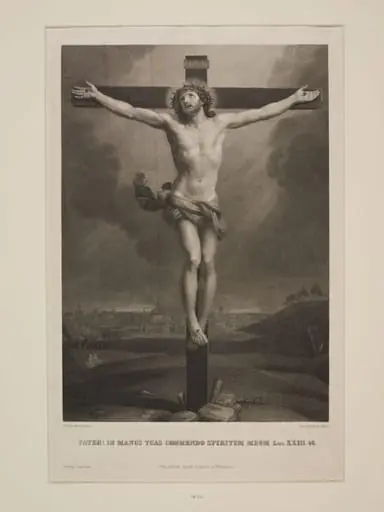
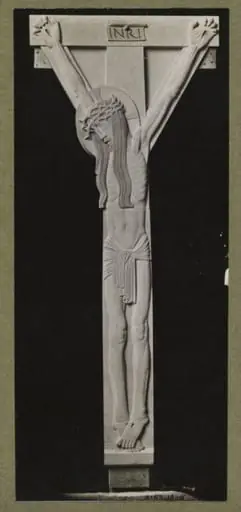
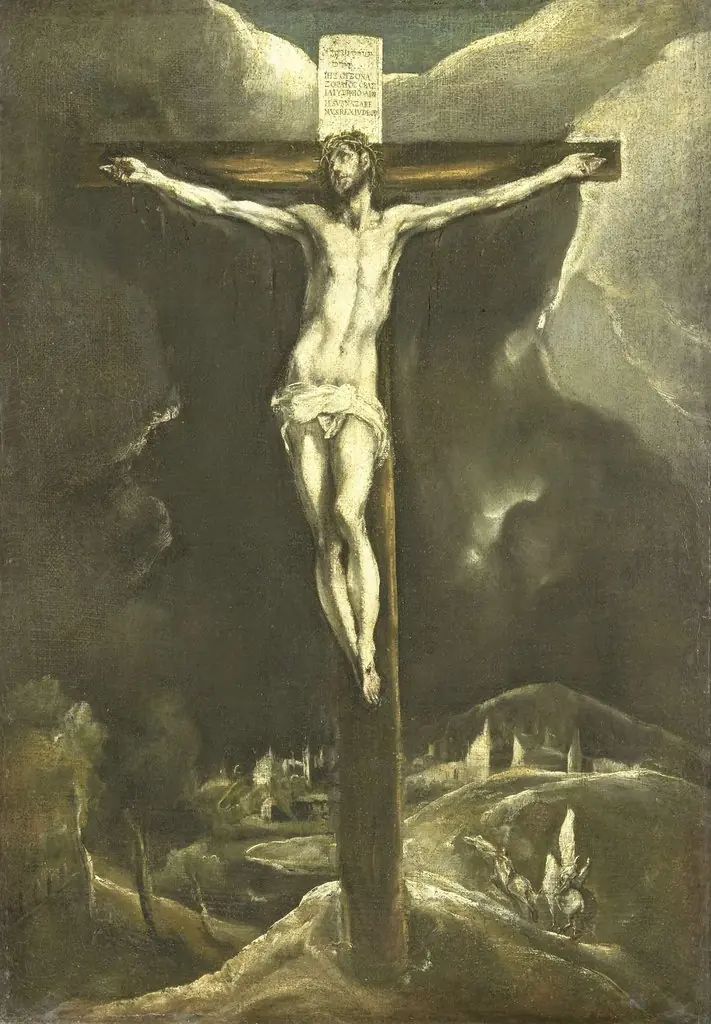
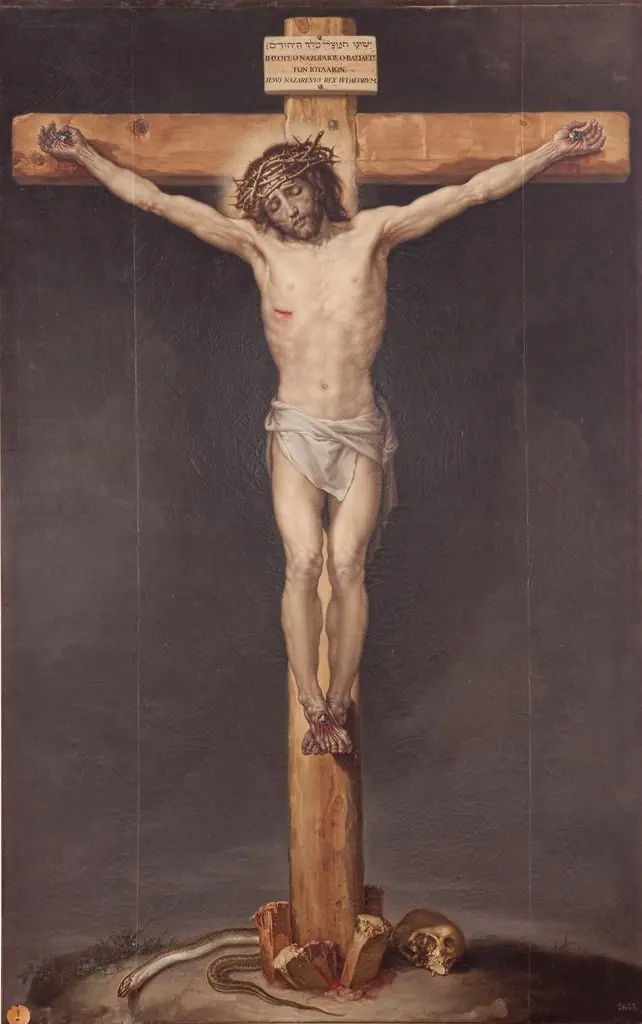
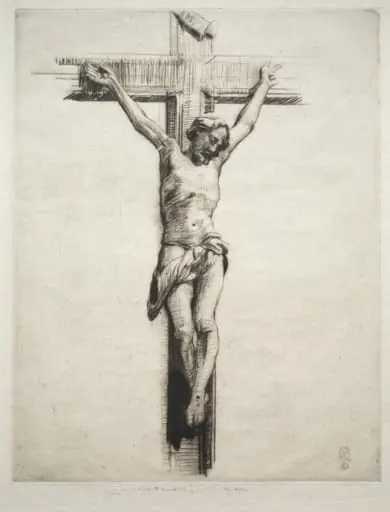
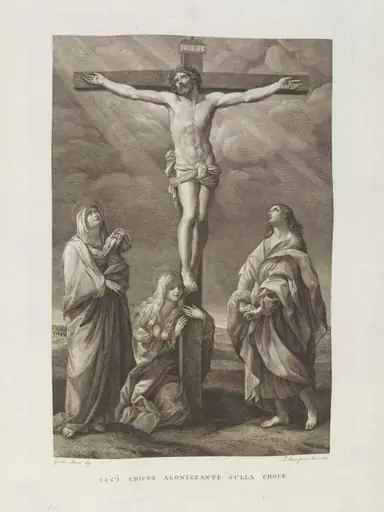
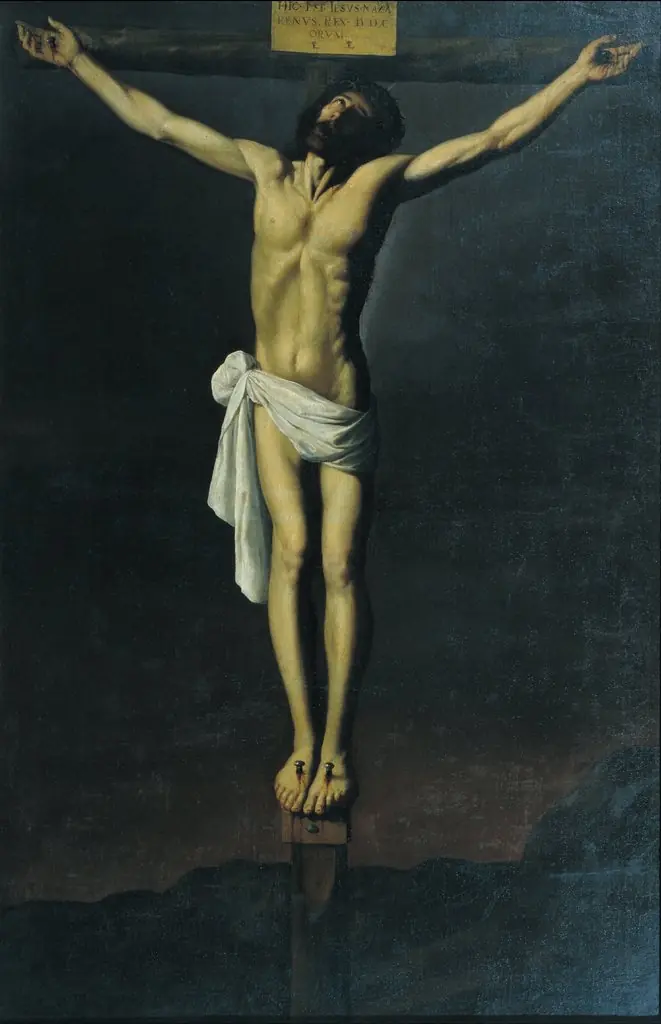
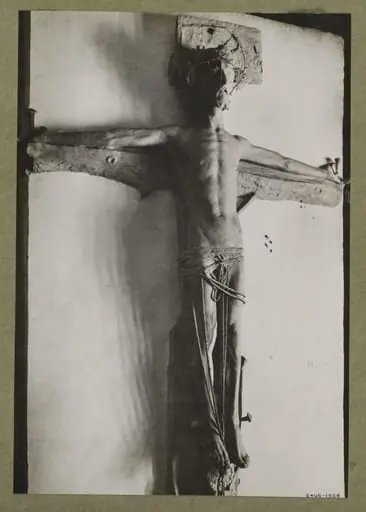
This artwork presents Jesus Christ crucified, with his arms extended and his head gently leaning to one side. The figure's body appears emaciated, characterized by prominent ribs and a slender waist. He is clad only in a loincloth draped around his hips. The piece conveys a profound sense of somber reverence, inviting contemplation of the depicted suffering.
Technique & Style
The artist employed a realistic approach in depicting Christ, evident in the careful rendering of anatomical features and textural elements. Minute attention was paid to the intricate folds of the loincloth and the subtle variations in the skin's surface. This detailed execution contributes significantly to the sculpture's lifelike quality and enhances the somber and reverent atmosphere it projects, drawing the viewer into a direct engagement with the subject.
Artist & collection