Artwork
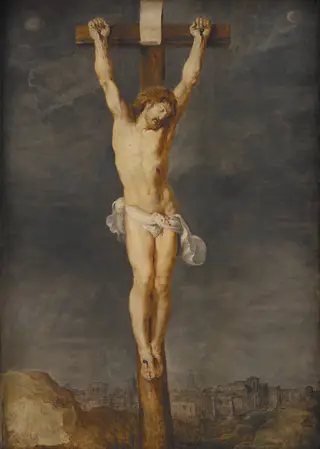
Christ expiring on the cross
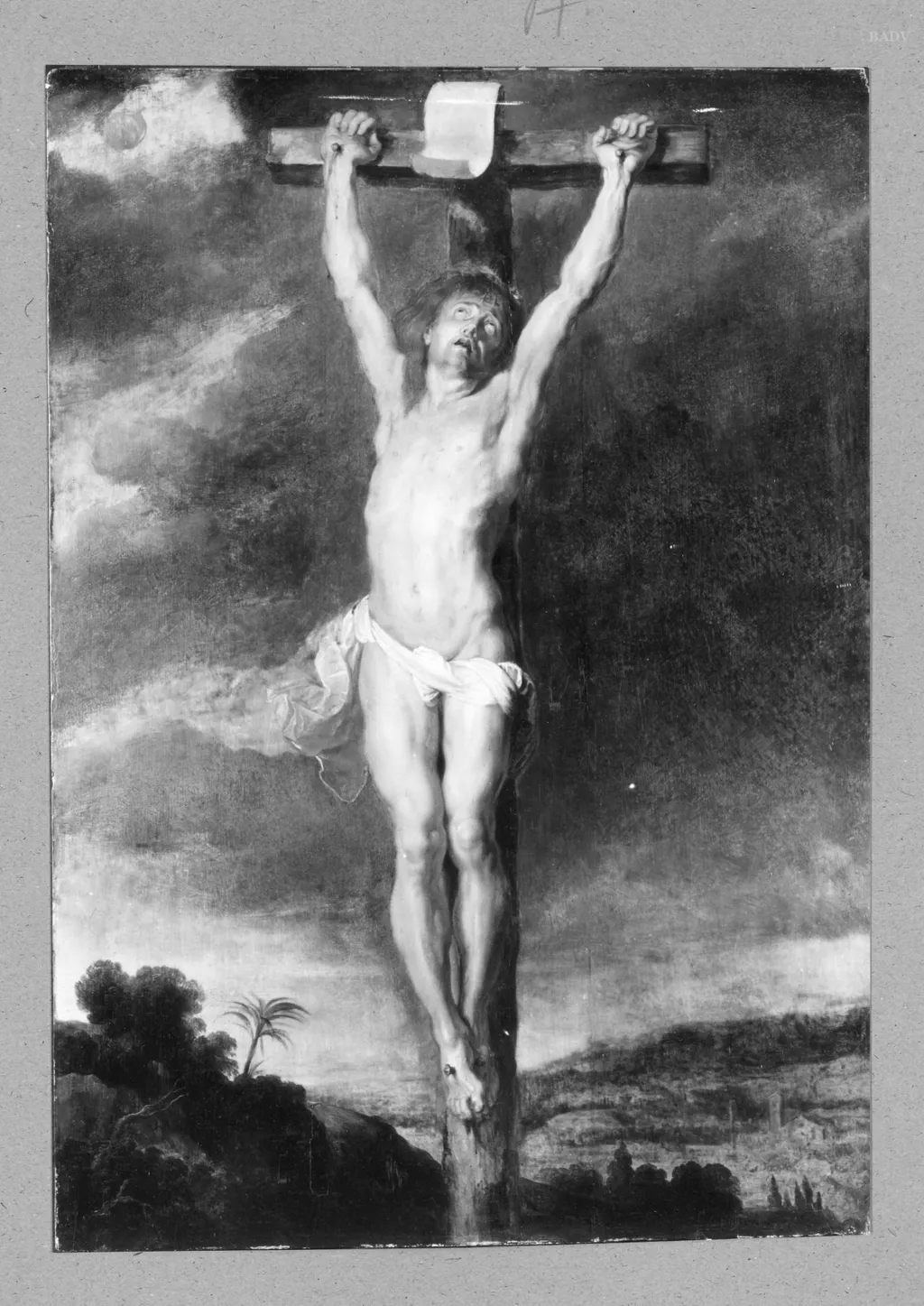
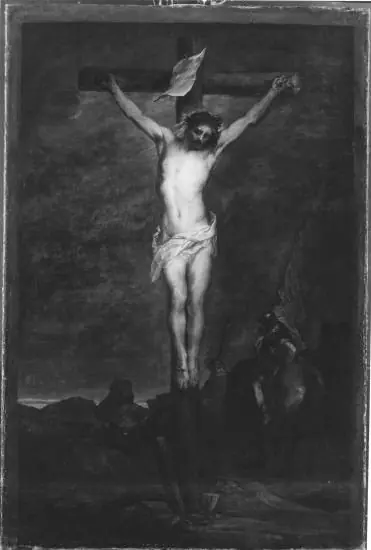
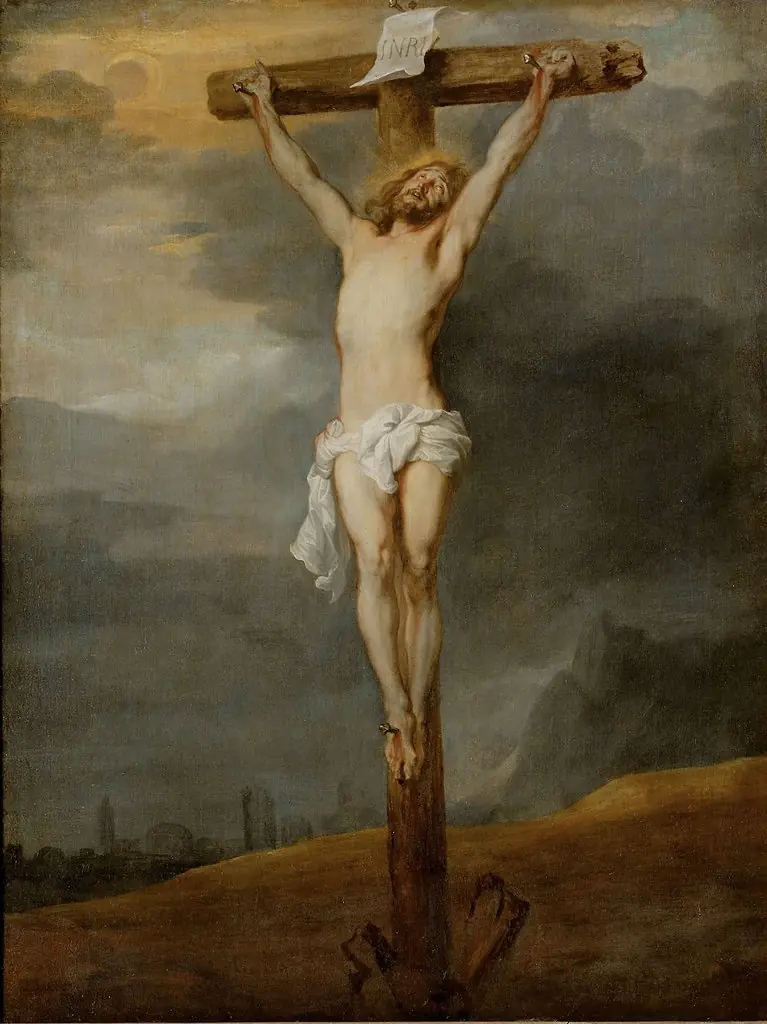
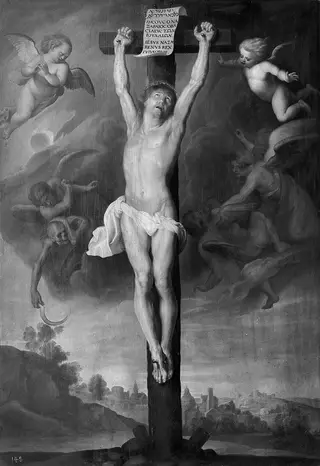
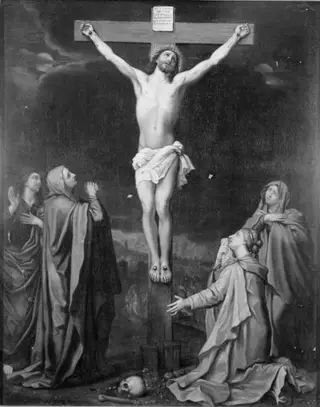
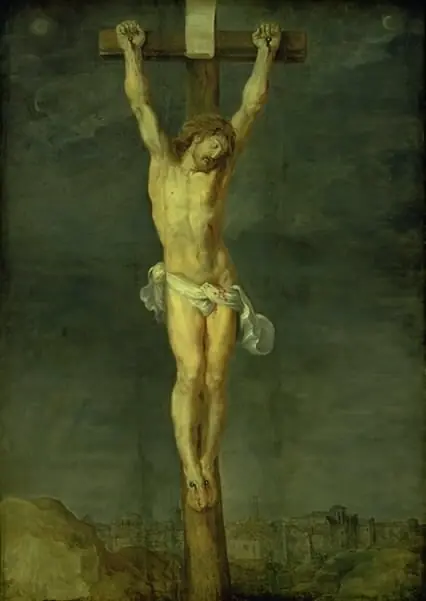
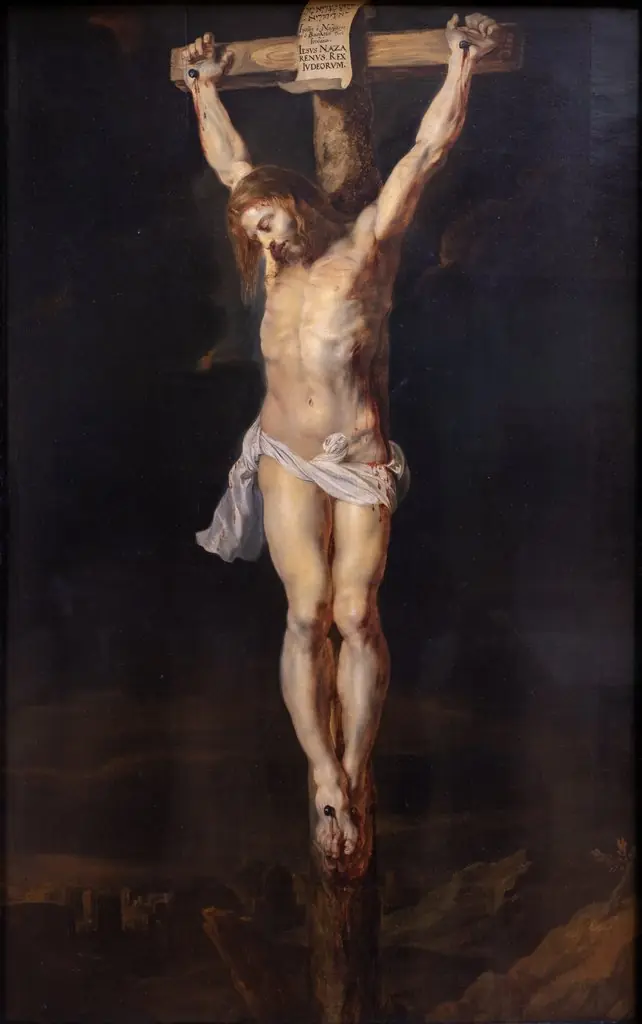
Christ expiring on the cross is an oil painting by the Flemish Baroque painting artist Peter Paul Rubens. It dates from 1619 and is held in the collection of the Museum of Fine Arts Boston.
About this work
Subject & Meaning
As a religious painting, the crucifixion functions as a visual symbol of Christ’s sacrificial death and the promise of redemption central to Christian belief.
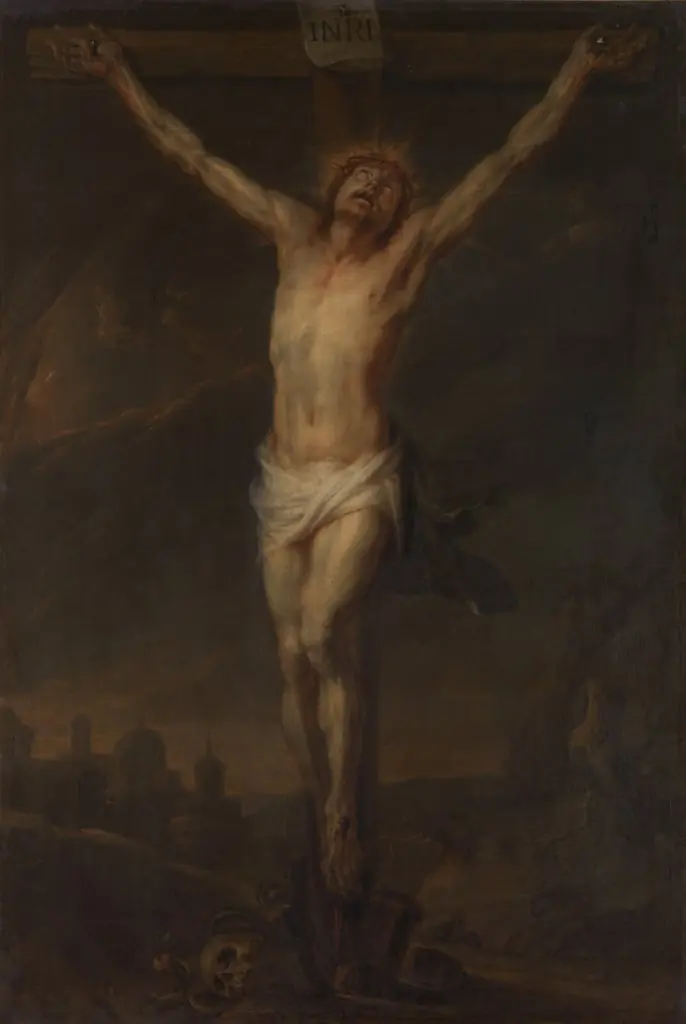
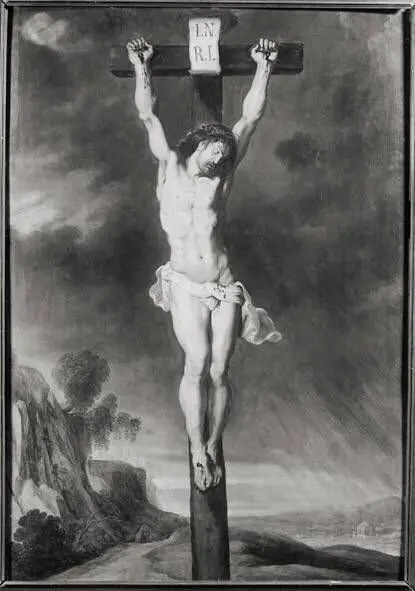
Christ expiring on the cross depicts the crucifixion of Jesus, showing Christ expiring on the wooden cross at the moment of his death. The image centers on the solitary figure of Jesus, emphasizing the physical suffering and spiritual gravity of the event. As a religious painting, the crucifixion functions as a visual symbol of Christ’s sacrificial death and the promise of redemption central to Christian belief. Rubens’ portrayal thus conveys the theological meaning of the Passion, inviting contemplation of faith, mercy, and salvation.
Technique & Style
Christ expiring on the cross is an oil painting on panel depicting the crucifixion of Jesus. The work measures 105 cm in height and 76 cm in width. It was created by Peter Paul Rubens in 1619 using oil paint as the medium.
The painting's formal qualities reflect Rubens' characteristic Baroque style, with dramatic composition and expressive figures centered on the dying Christ.
History & Provenance
The painting was created by Peter Paul Rubens in 1619 as an oil work on panel. It entered the collection of Arthur L. Nicholson before passing to Gottfried Winckler and then José Vigeveno. Subsequently it was acquired by Rose-Marie and Eijk van Otterloo, who donated it to the Museum of Fine Arts Boston.
Earlier in its history the work was held by the Führermuseum in Munich and the Munich Central Collecting Point.
Christ expiring on the cross is held by the Museum of Fine Arts Boston, where it forms part of the Rose-Marie and Eijk van Otterloo Collection. Earlier in its provenance, the panel passed through the hands of collectors Arthur L. Nicholson, Gottfried Winckler, and José Vigeveno, before being held by the Führermuseum and subsequently the Munich Central Collecting Point.
No specific exhibition history is documented in the available sources.
Context
The painting was created in 1619 by Peter Paul Rubens as an oil-on-panel religious composition depicting the crucifixion of Jesus. It entered private collections including those of Arthur L. Nicholson, Gottfried Winckler, and José Vigeveno before being acquired by Rose-Marie and Eijk van Otterloo, whose bequest donated it to the Museum of Fine Arts Boston. The work has been discussed in scholarship as an example of Rubens' Counter-Reformation devotional imagery and his synthesis of Italian compositional models with Northern naturalism, reflecting broader trends in 17th-century devotional painting.
Art historians have analyzed its dynamic figure modeling and emotional intensity as characteristic of Rubens' mature style, situating it within his extensive corpus of Passion imagery and his influence on Baroque religious art across Northern Europe.
Legacy
The painting's influence emerged through scholarly attention to Rubens' emotional intensity and compositional mastery, particularly in religious subjects. Its legacy is anchored in provenance history, including ownership by Arthur L. Nicholson, Gottfried Winckler, and José Vigeveno before acquisition by Rose-Marie and Eijk van Otterloo. The work's technical precision and devotional subject matter continue to inform studies of Baroque art and crucifixion iconography.
Overview
Christ Expired on the Cross is a 1619 oil painting by Peter Paul Rubens, a prominent Flemish Baroque artist. The work depicts the final moment of Jesus Christ's crucifixion.
Own this work as a print
Artist & collection
Artist
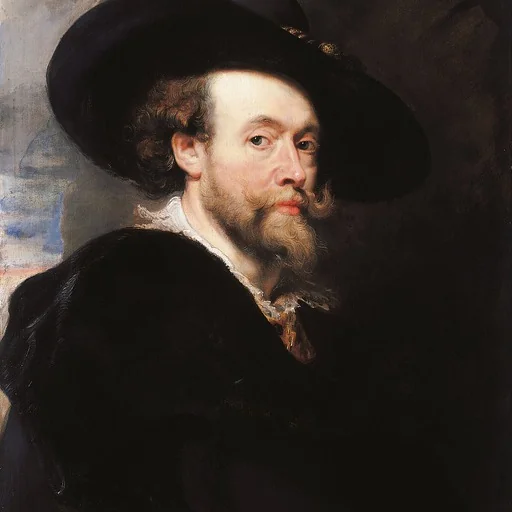
Sir Peter Paul Rubens ( ROO-bənz; Dutch:; 28 June 1577 – 30 May 1640) was a Flemish artist and diplomat.