Artwork
Doge Andrea Gritti (1455–1538)
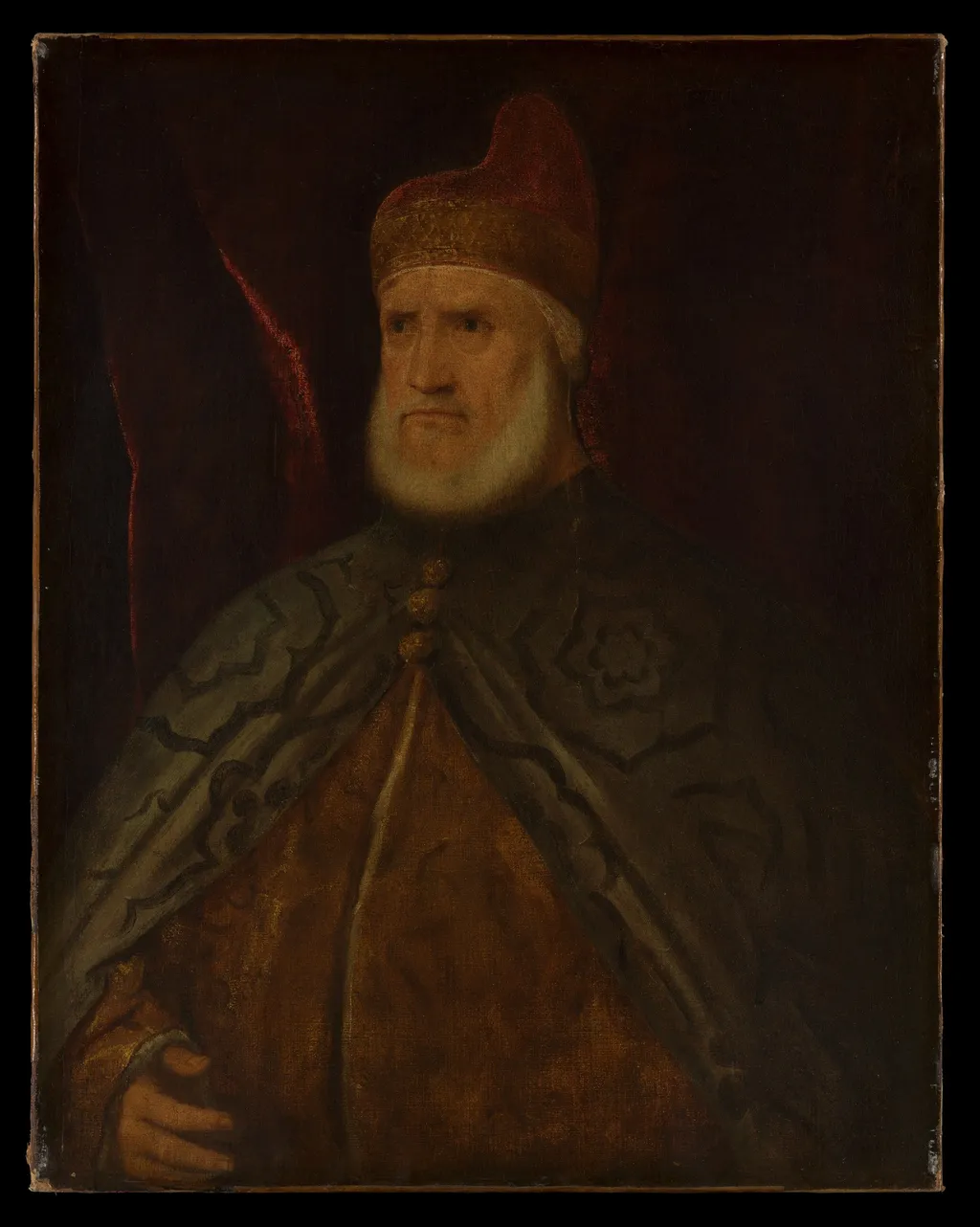
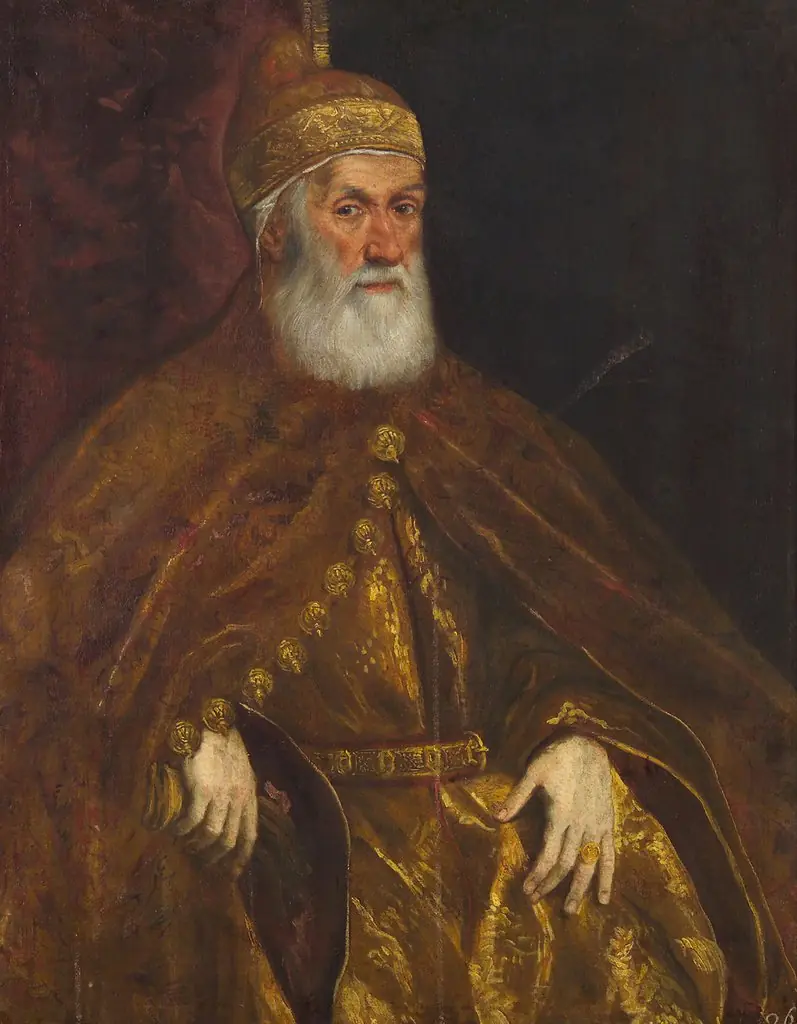
Doge Andrea Gritti (1455–1538) is an oil painting. It dates from 1535 and is held in the collection of the Metropolitan Museum of Art. This oil painting depicts Andrea Gritti, who served as Doge of Venice from 1523 until his death in 1538.
About this work
Subject & Meaning
The painting portrays Doge Andrea Gritti, ruler of the Republic of Venice from 1523 to 1538, in a format typical of Venetian state portraits.
The painting portrays Doge Andrea Gritti, ruler of the Republic of Venice from 1523 to 1538, in a format typical of Venetian state portraits. Rendered in oil on canvas around 1535, the work emphasizes his official status through conventional regalia and a direct, authoritative gaze. Produced by Titian's workshop and now in the Metropolitan Museum of Art, the portrait functions as a record of the doge's political role and the ceremonial symbolism associated with his office. It measures 102.2 by 80.6 cm and entered the museum from the collection of Michael Friedsam.
Technique & Style
The portrait of Doge Andrea Gritti is executed in oil paint on canvas, a medium and support consistent with Venetian practice of the early sixteenth century. The painting measures 102.2 cm in height by 80.6 cm in width, presenting the sitter in a formal portrait format. Attributed to the workshop of Titian and dated to about 1535, the work is held in the collection of the Metropolitan Museum of Art.
The sources do not provide further detail on the handling of the brush, surface condition, or stylistic qualities of the composition.
History & Provenance
The painting was created around 1535 in oil on canvas. It depicts Andrea Gritti, who served as Doge of Venice from 1523 until his death in 1538, and is attributed to the workshop of Titian. The work subsequently entered the collection of Michael Friedsam before being acquired by the Metropolitan Museum of Art, where it is currently held.
Overview
This oil painting depicts Andrea Gritti, who served as Doge of Venice from 1523 until his death in 1538. Created during the 1530s, the portrait presents a solemn figure adorned in the distinctive regalia of his office. The artist emphasizes Gritti's presence through a focused composition, drawing attention to his features and official attire against a subdued backdrop.
Context
This portrait was produced during a period when Andrea Gritti held significant influence as Doge of Venice. Such official likenesses were crucial for commemorating leaders and projecting an image of power and stability for the Republic. The painting thus functions as both a personal depiction and a public statement, reflecting the political landscape and artistic patronage prevalent in Venice during the 1530s.
Artist & collection

- Doge Andrea Gritti
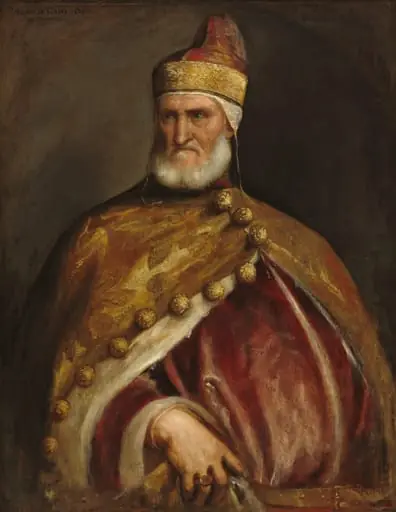 Doge Andrea Gritti
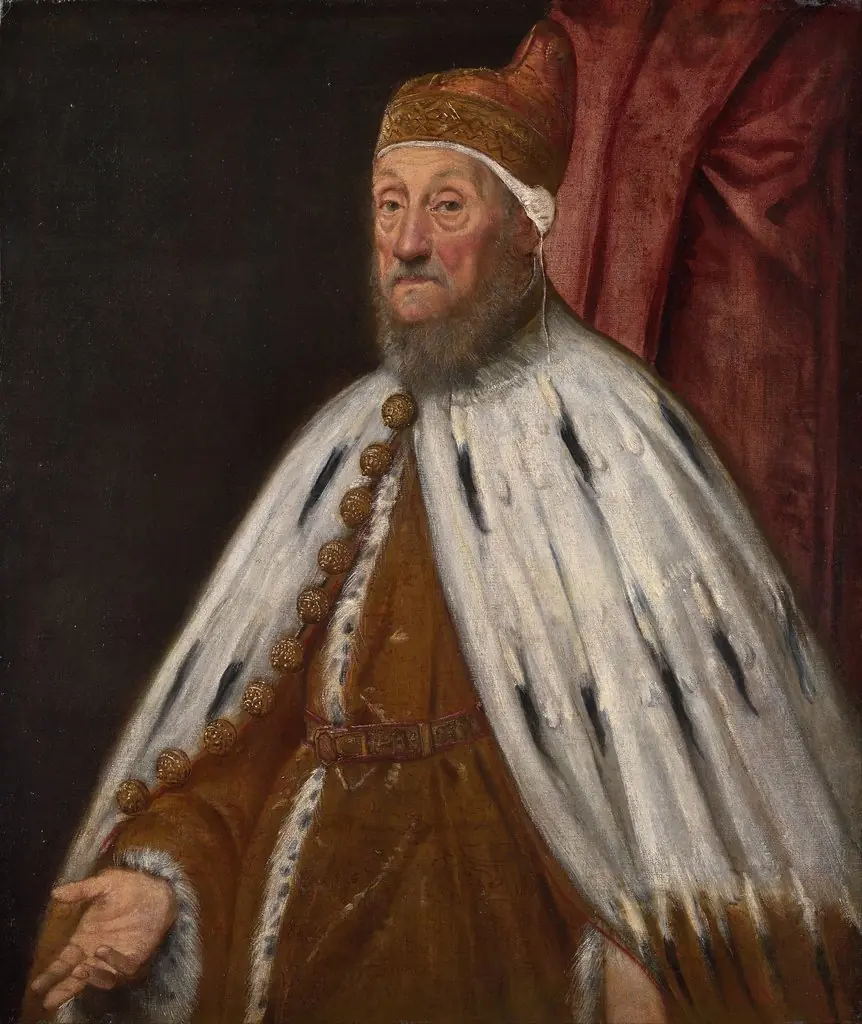 Doge Pietro Loredano
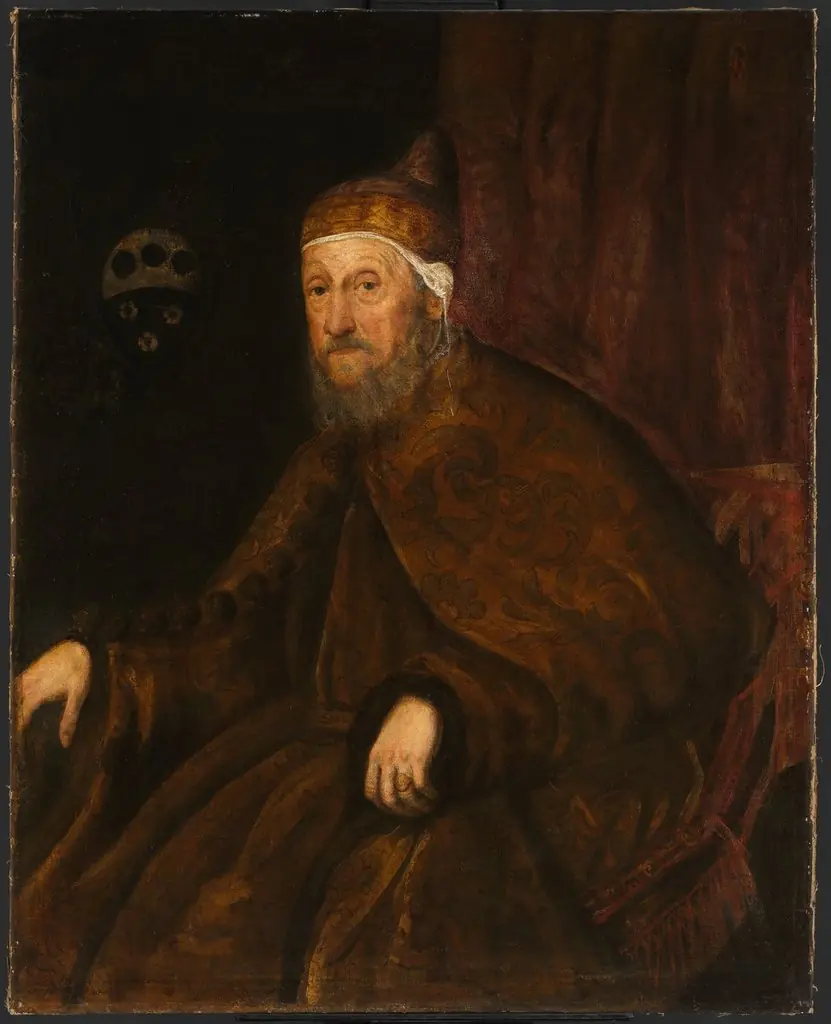 Portrait of Doge Pietro Loredano
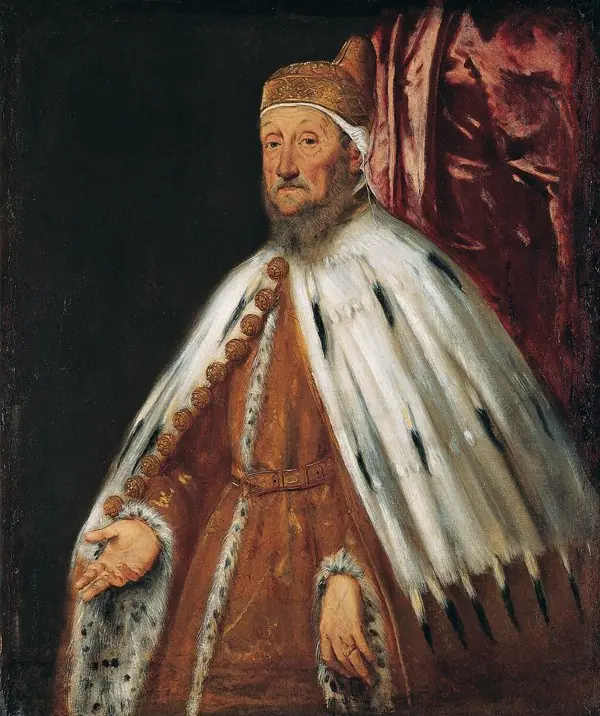 Portrait of Doge Pietro Loredan
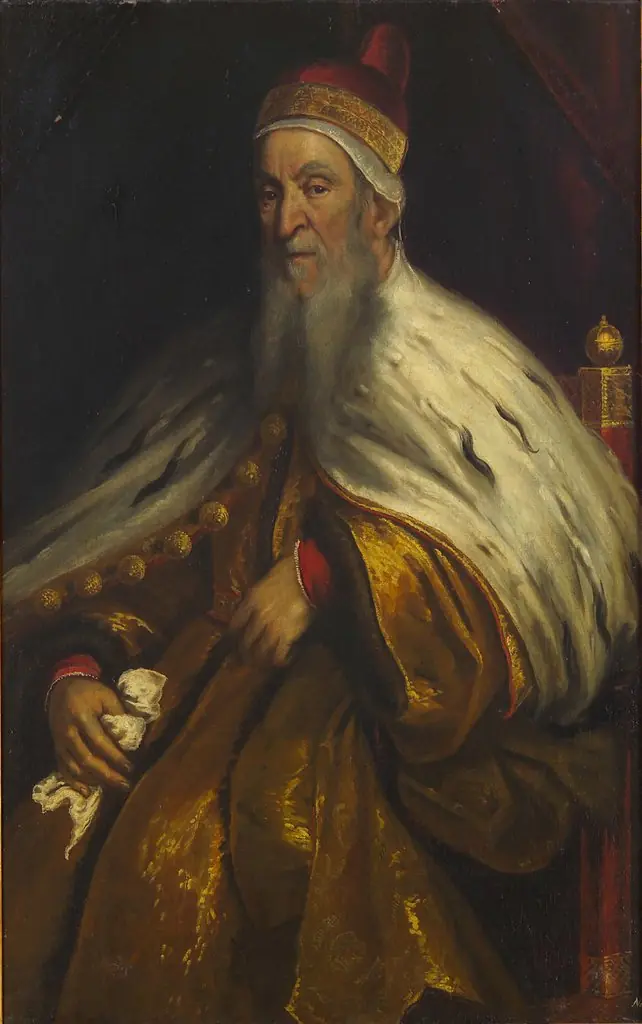 Portrait of Niccolo da Ponte (1491-1585), Doge of Venice
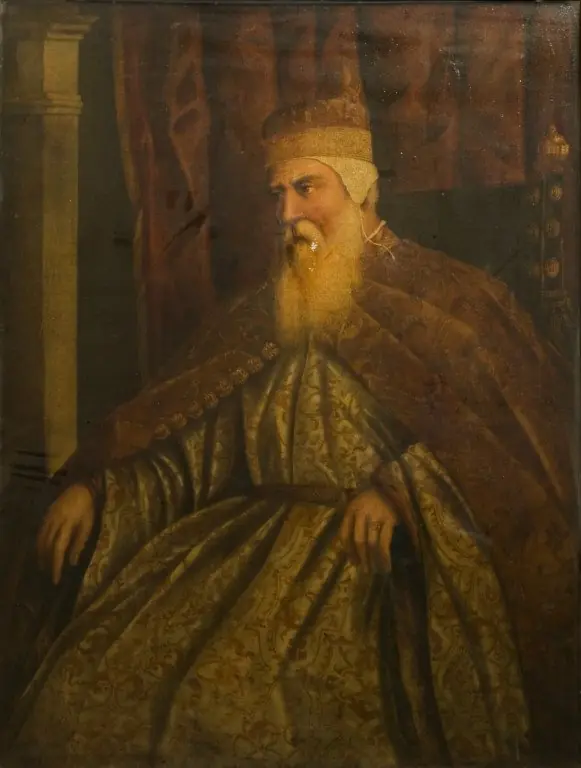 Portrait of Doge Pasquale Cicogna
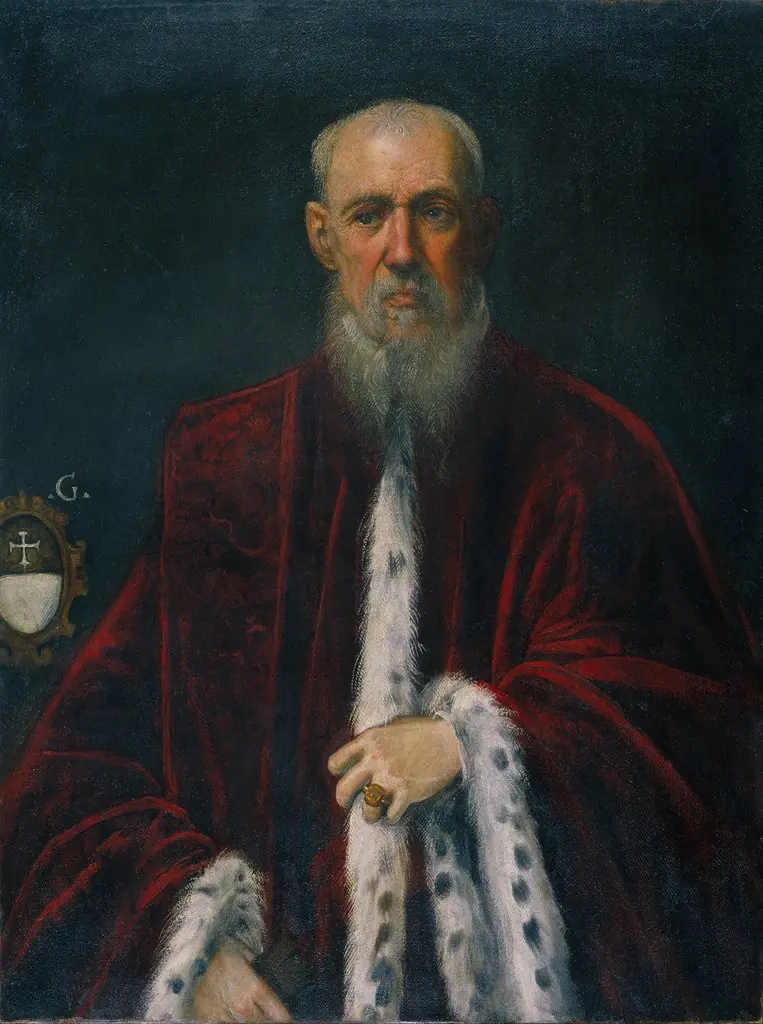 Portrait of the Procurator Alessandro Gritti
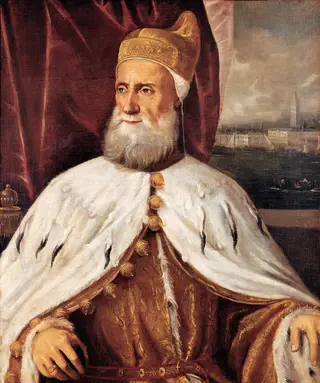 Portrait of Francesco Donato, Doge of Venice
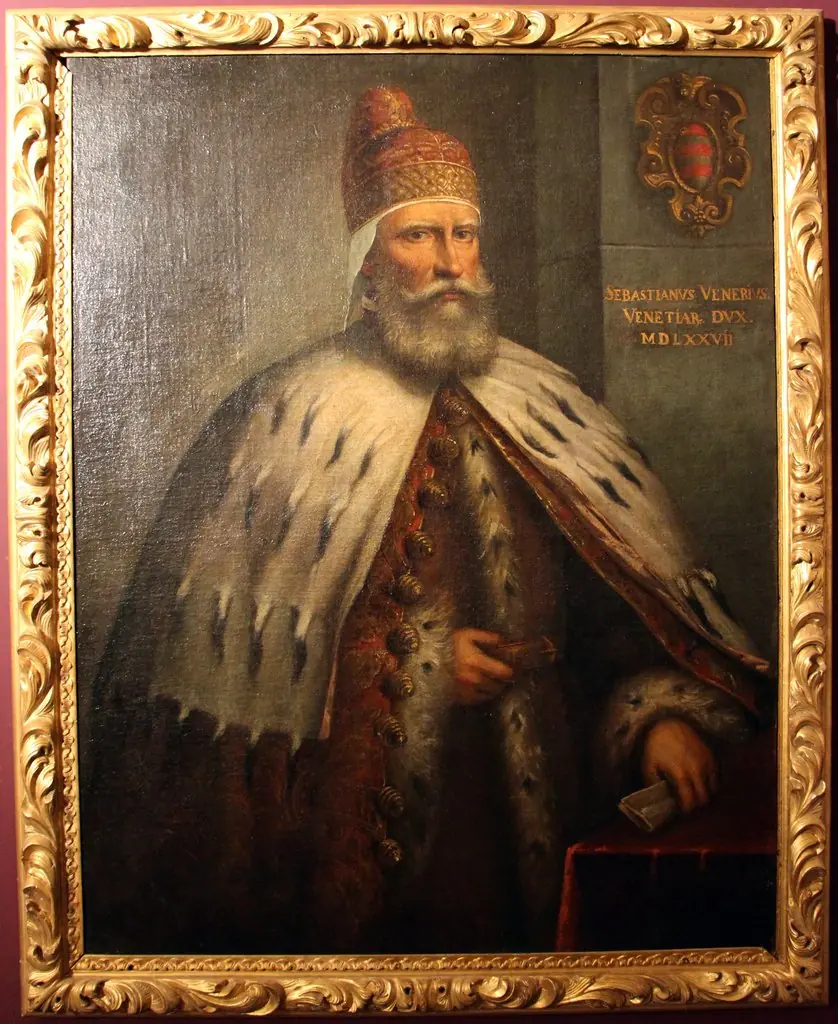 Portrait of Doge Sebastiano Venier