Artwork
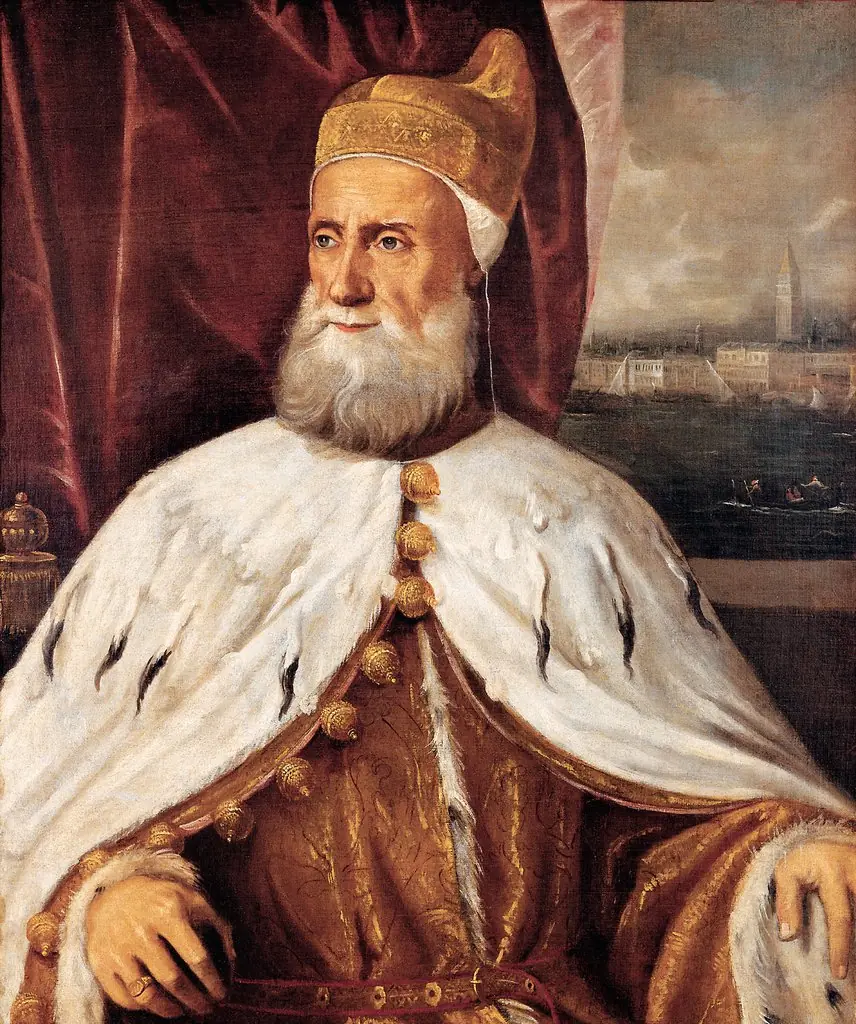
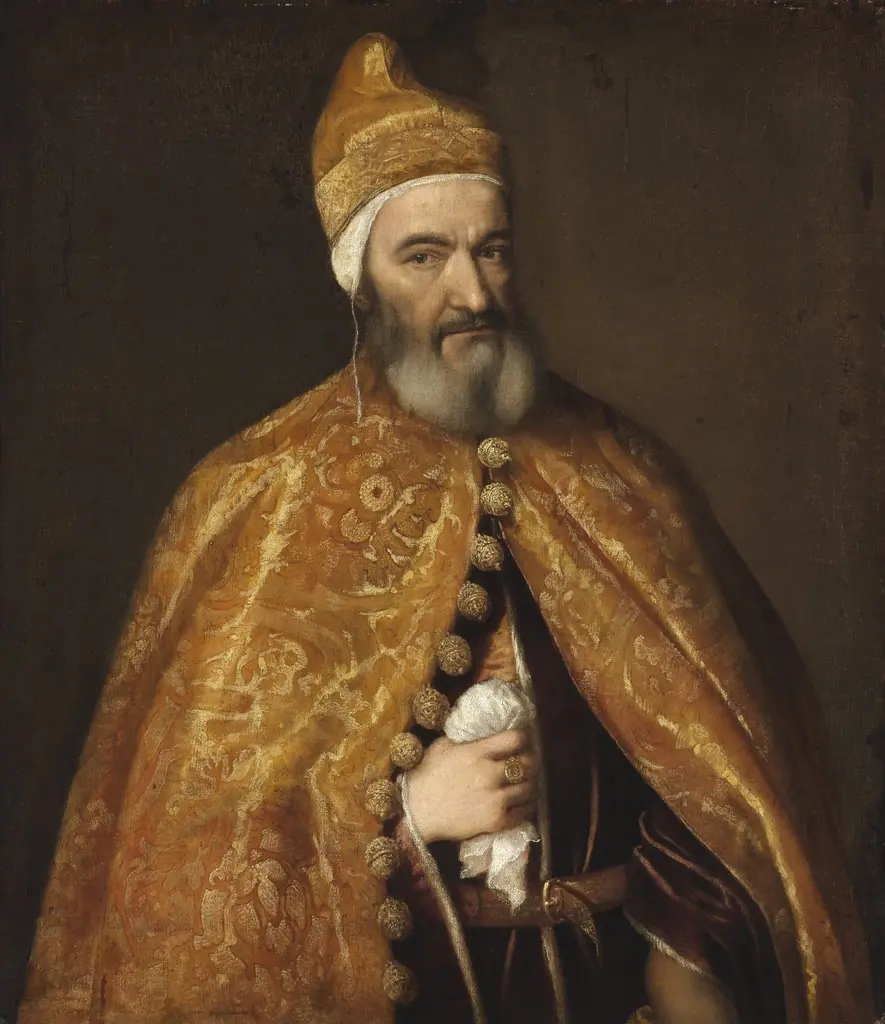
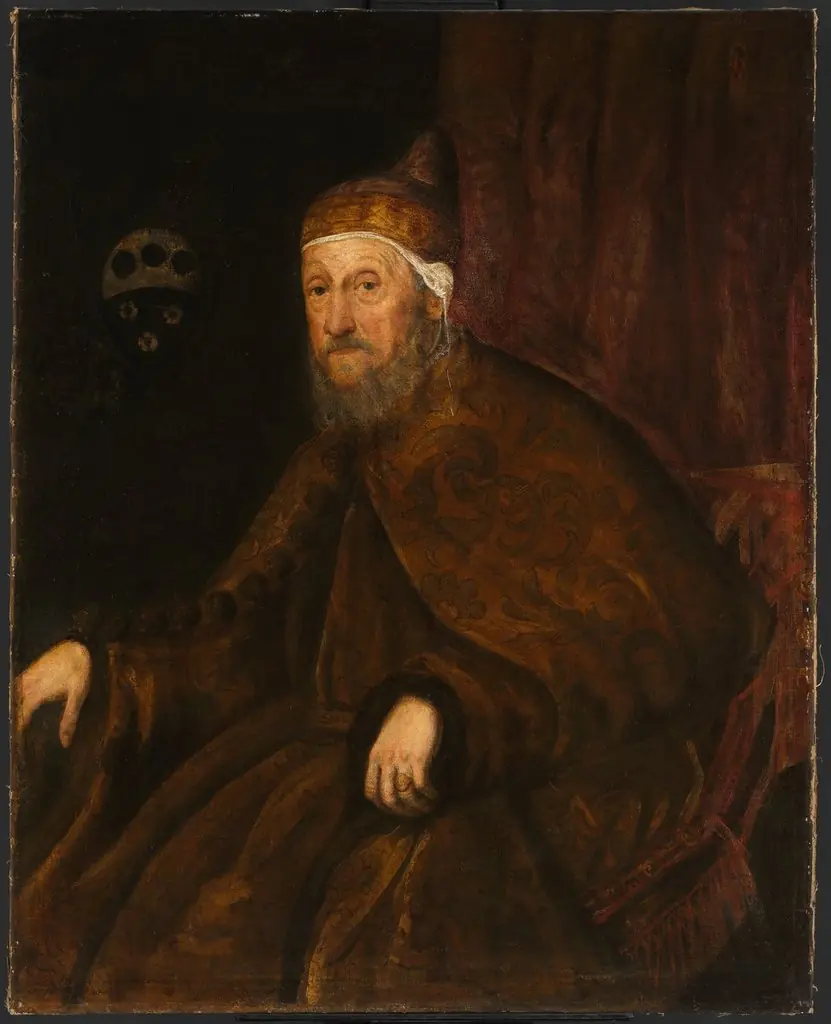
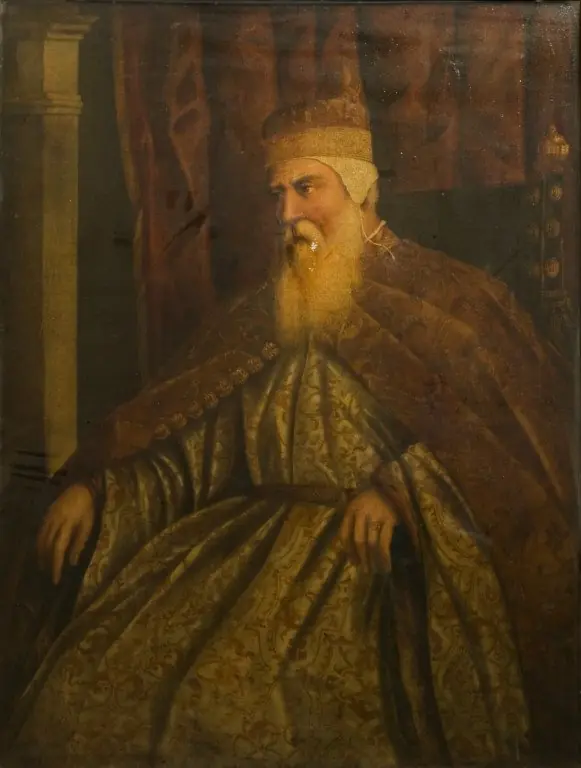
Portrait of Niccolo da Ponte (1491-1585), Doge of Venice
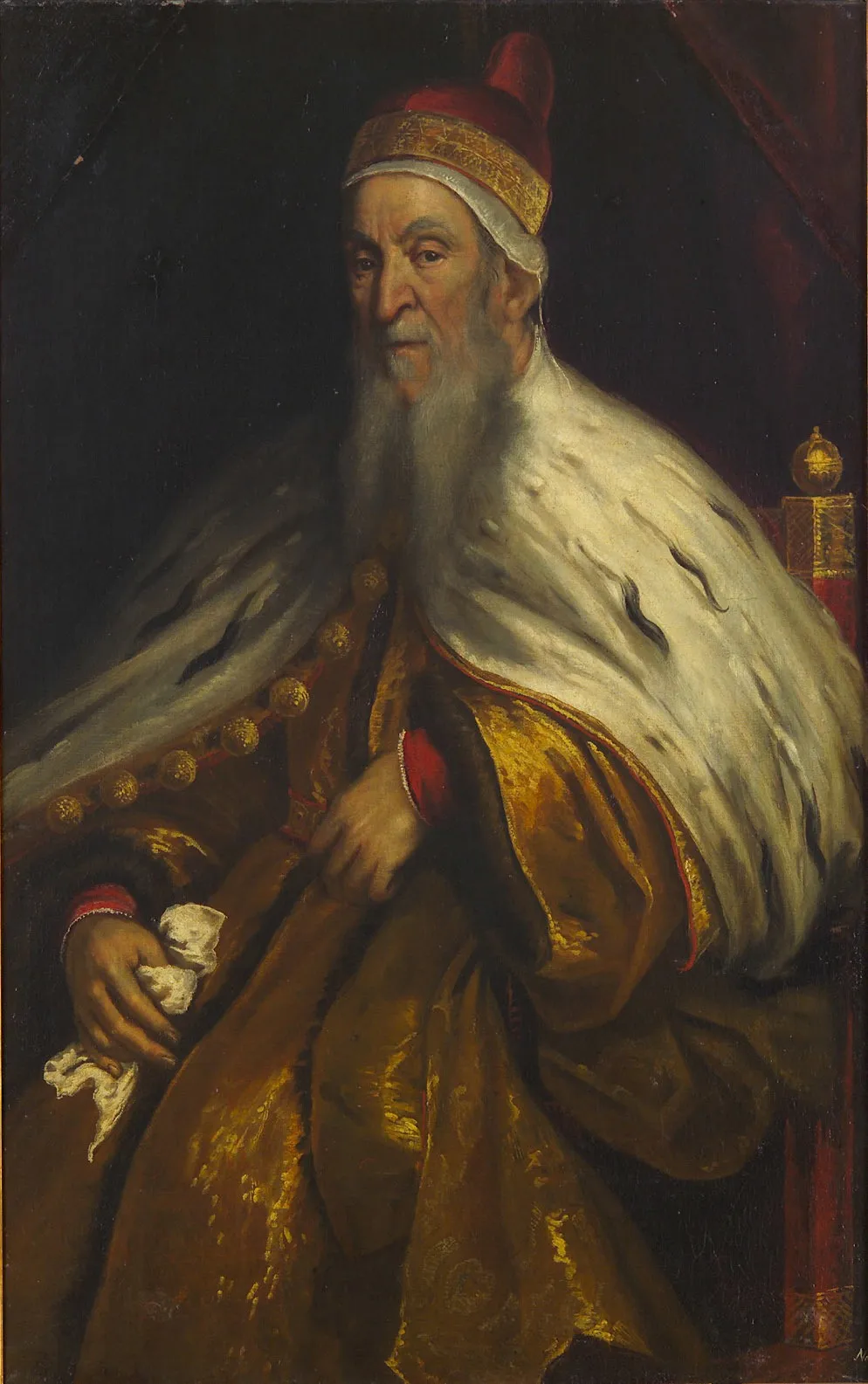
Portrait of Niccolo da Ponte (1491-1585), Doge of Venice is an unspecified painting by the Venetian Renaissance artist Palma il Giovane. It dates from 1590 and is held in the collection of the Kunsthistorisches Museum.
About this work
History & Provenance
The portrait is held in the collection of the Kunsthistorisches Museum, specifically located at Schloss Ambras in Innsbruck.
The portrait of Niccolò da Ponte was created in 1580 by Palma il Giovane for the Doge of Venice. It entered the collection of Archduke Leopold Wilhelm of Austria, who owned the work in the mid-16th century. The painting remained in the Austrian archducal collection before being transferred to the Kunsthistorisches Museum. It is currently housed in Schloss Ambras Innsbruck within the museum's holdings.
The portrait is held in the collection of the Kunsthistorisches Museum, specifically located at Schloss Ambras in Innsbruck. The work entered the imperial collections under the ownership of Archduke Leopold Wilhelm of Austria.
No specific inventory number or detailed exhibition history for this painting is provided in the available sources.
Overview
Executed circa 1590, this oil portrait by Palma il Giovane depicts Niccolò da Ponte, who held the office of Doge of Venice between 1578 and 1585. The work exemplifies the late Venetian Renaissance and is part of the permanent collection of the Kunsthistorisches Museum in Vienna.
Subject & Meaning
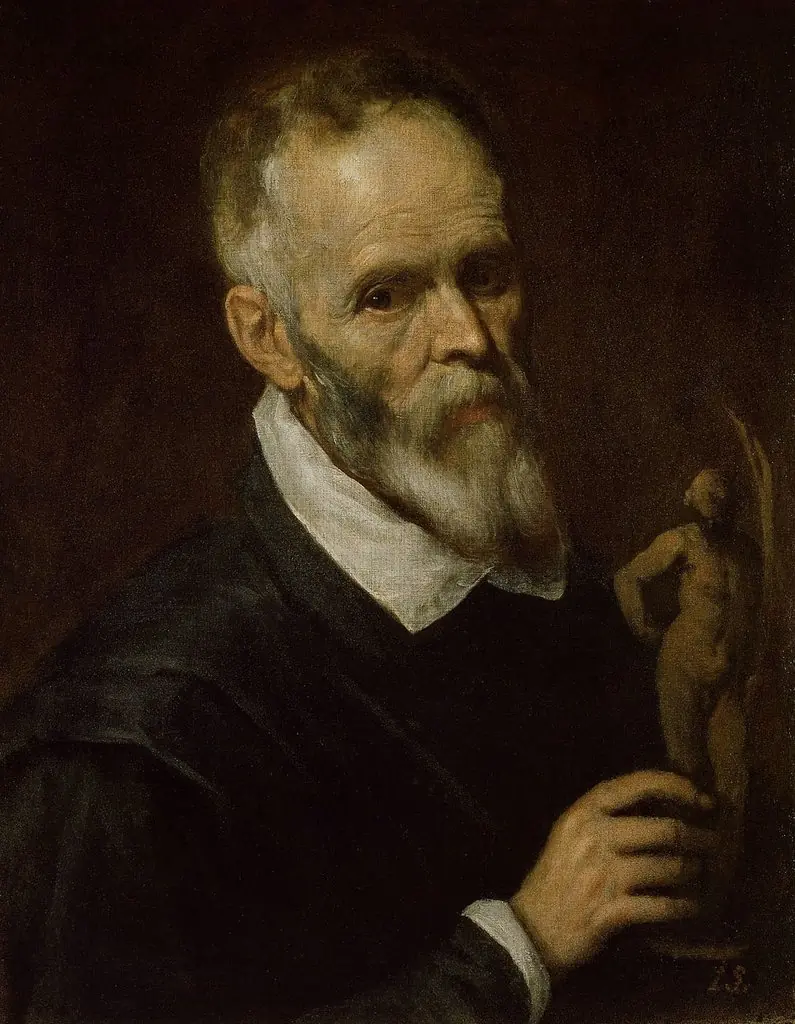
The sitter is presented as an elderly statesman, his white beard and solemn gaze emphasizing authority and experience. He is attired in the ceremonial regalia of the Doge: a red hat edged in gold, a fur-trimmed cloak, and a richly embroidered gold robe, symbols of Venice’s political and economic power.
Technique & Style
Palma il Giovane employs a pronounced chiaroscuro, using a dark backdrop to isolate the figure and accentuate the luminous textures of fur and fabric. The handling of light creates a three‑dimensional effect, while fine brushwork renders the intricate gold embroidery and the subtle folds of the cloak.
Context
The painting reflects the Venetian tradition of commemorating civic leaders with grand, formal portraits. By the late 16th century, such images served both as personal memorials and as visual affirmations of the Republic’s continuity, reinforcing the Doge’s role as the embodiment of state authority.
Artist & collection
Artist
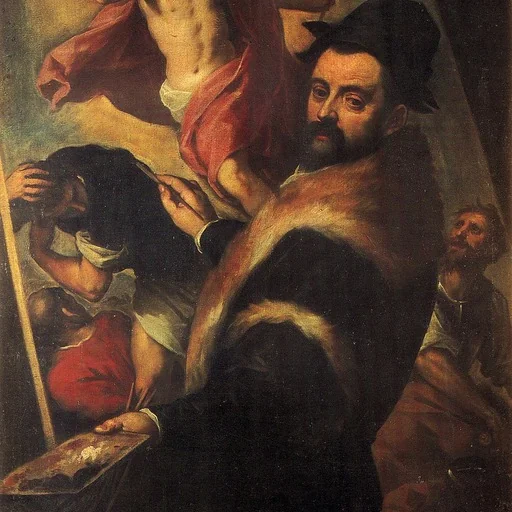
Iacopo Negretti (1548/50 – 14 October 1628), best known as Jacopo or Giacomo Palma il Giovane or simply Palma Giovane ('Young Palma'), was an Italian painter from Venice and a notable exponent of the Venetian school.