Artwork
八仙図|Eight Daoist Immortals Welcoming Jurōjin
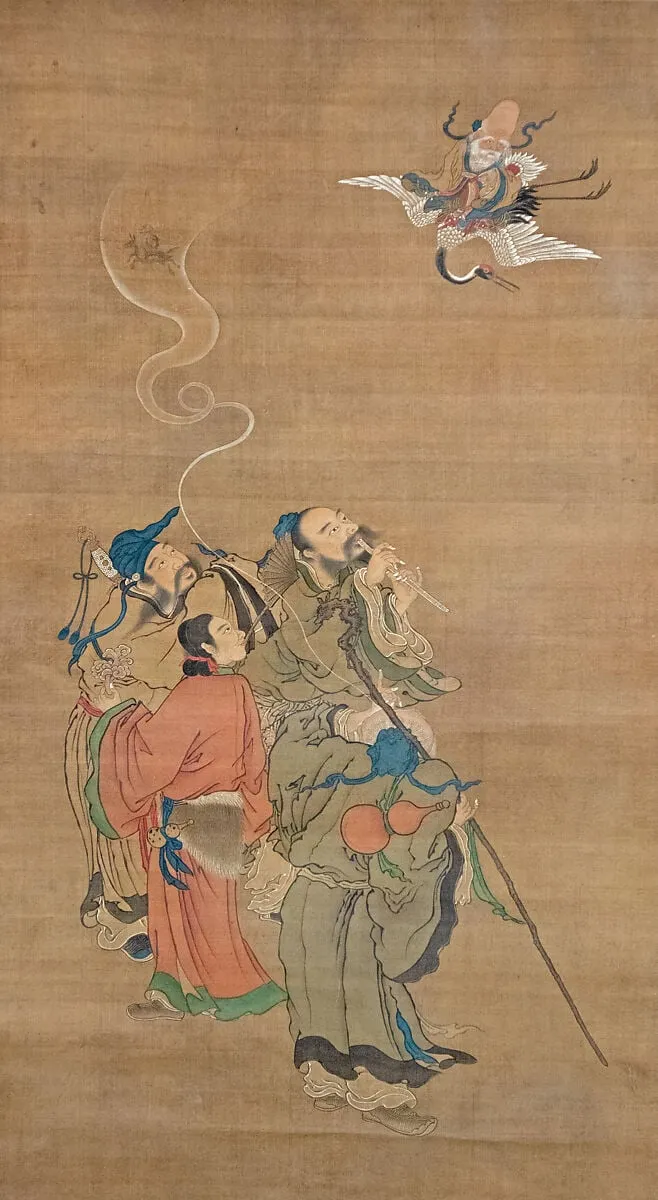
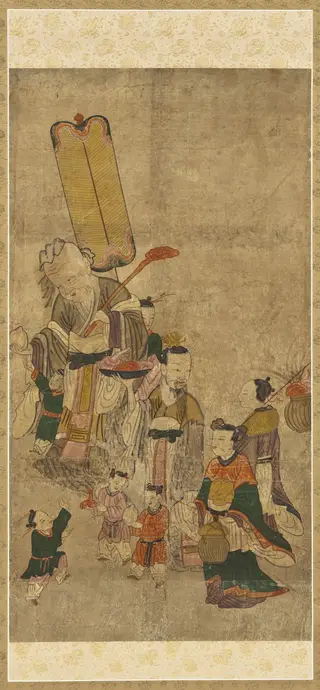
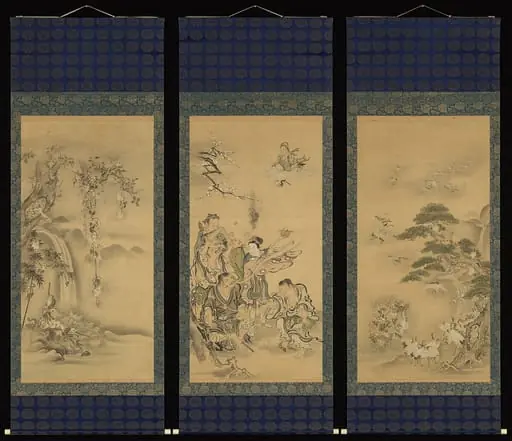
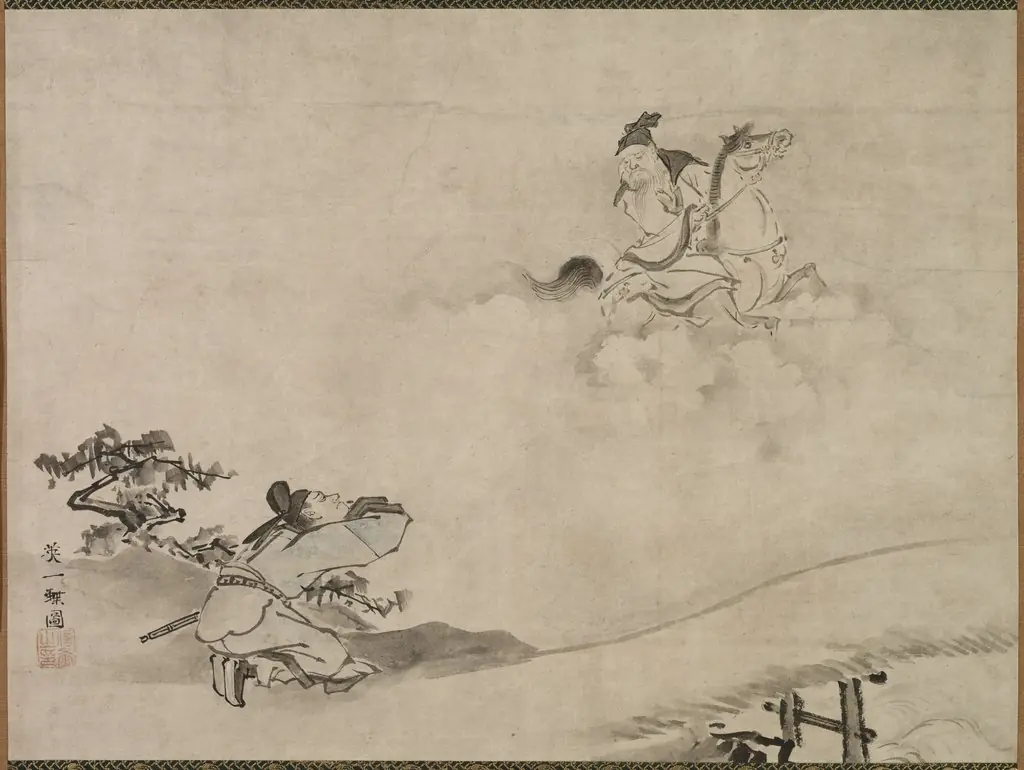
八仙図|Eight Daoist Immortals Welcoming Jurōjin is an ink painting. It dates from 1649 and is held in the collection of the Metropolitan Museum of Art. This hanging scroll, titled Eight Daoist Immortals Welcoming Jurōjin, depicts a celestial gathering rendered with ink and color on silk.
About this work
Subject & Meaning
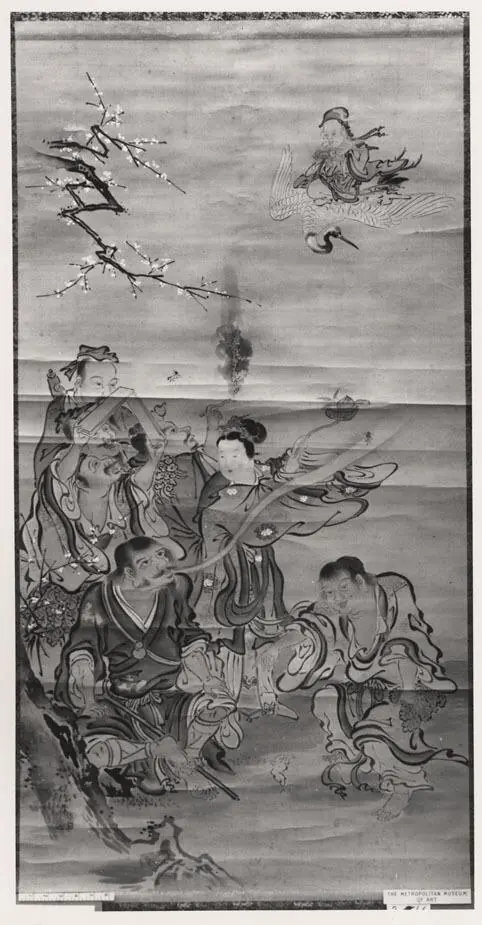
The image includes Taoist imagery, a crane, and human figures, which together convey themes of immortality and auspiciousness central to Daoist belief.
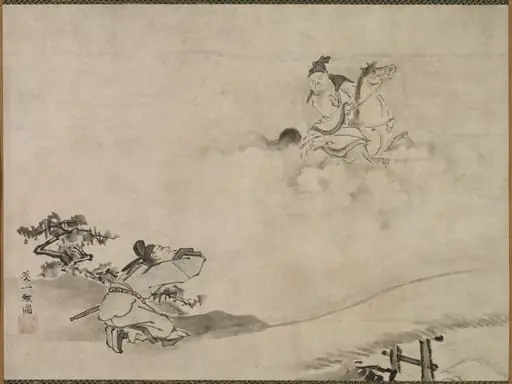
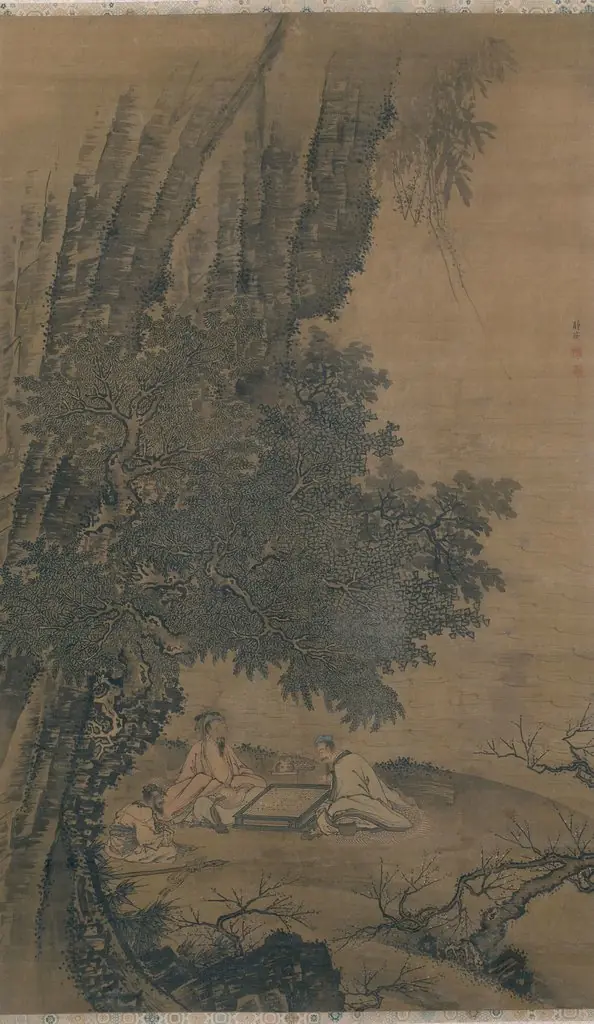
The painting shows the Eight Daoist Immortals welcoming the deity Jurōjin, a scene indicated by the work's title. The image includes Taoist imagery, a crane, and human figures, which together convey themes of immortality and auspiciousness central to Daoist belief. The presence of the crane alongside the immortals reinforces the painting's focus on longevity and blessings, aligning with the celebratory encounter of the immortals with Jurōjin, the god of long life.
Technique & Style
Created in 1649, this work is a hanging scroll executed in ink and color on silk. The piece measures 140.3 cm in height and 78.7 cm in width. Attributed to the artist Zhou Zen, the painting belongs to the religious genre and depicts Taoist themes, including figures of men and cranes.
The support material of silk, combined with the ink and pigment application, reflects traditional techniques used in hanging scroll painting of the mid-seventeenth century. The formal composition centers on the Eight Daoist Immortals welcoming Jurōjin.
History & Provenance
Created in 1649, this hanging scroll depicting eight Daoist immortals welcoming Jurōjin is attributed to the artist Zhou Zen. The work, executed in ink and color on silk, is held in the collection of the Metropolitan Museum of Art, where it is catalogued under accession number 14.76.52. The piece is firmly dated to the mid-17th century and is classified as a religious genre work within Taoist iconography.
Overview
This hanging scroll, titled Eight Daoist Immortals Welcoming Jurōjin, depicts a celestial gathering rendered with ink and color on silk. The composition features eight revered Daoist figures, known as the Eight Immortals, gracefully descending on clouds. Below them, the deity Jurōjin stands, accompanied by his traditional attributes, a long staff and a crane. The artwork presents a scene of spiritual veneration and mythical encounter.
Context
In contrast to artworks commissioned for imperial residences, this scroll was specifically created for a Daoist temple. Its intended setting suggests a function beyond mere aesthetic display, likely serving as an object of devotion or an illustration of religious narratives for practitioners. The subject matter, deeply rooted in Daoist cosmology, would have resonated profoundly within such a sacred environment, reinforcing spiritual beliefs and practices.
Artist & collection