Artwork
Falcon on a Perch
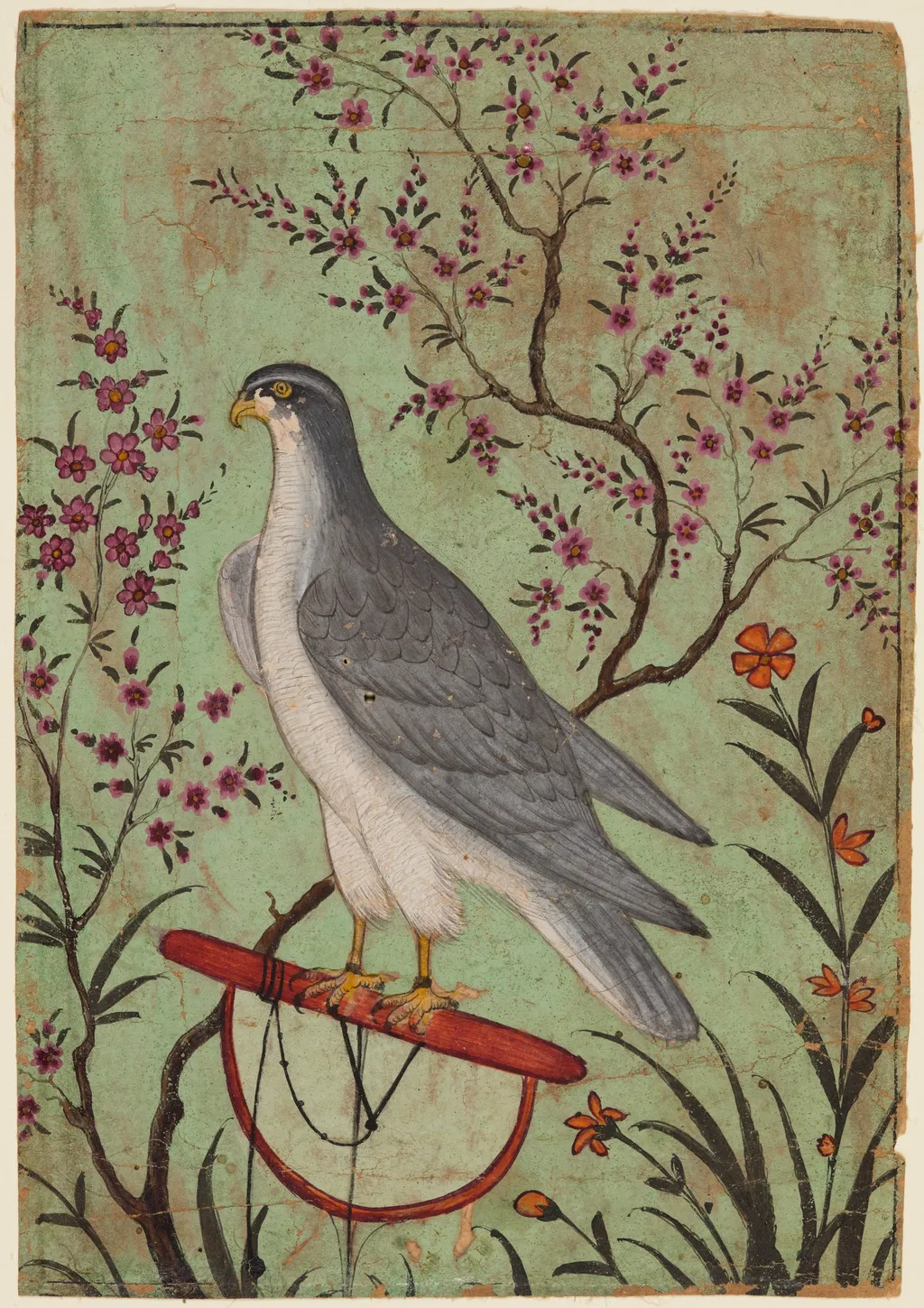
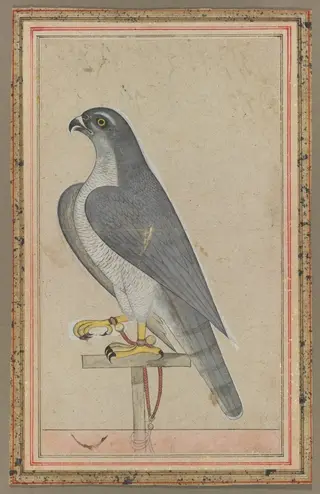
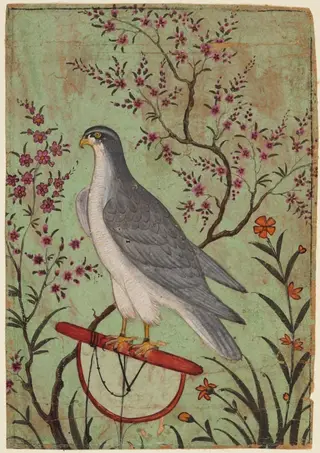
Falcon on a Perch is an unspecified painting. It dates from 1610 and is held in the collection of the Cleveland Museum of Art. The work depicts a solitary falcon perched upon a curved, reddish branch.
About this work
Subject & Meaning
The painting shows a falcon perched on a branch, a subject tied to early 17th-century fascination with raptors as symbols of power and vigilance. The bird's poised stance emphasizes dominance and readiness, reflecting contemporary associations of falcons with nobility and martial prowess. This work is housed in the Cleveland Museum of Art, where it remains part of their collection.
History & Provenance
Its dating is based on archival and cataloguing records that establish its inception in 1610, aligning with historical analyses of its style and technique.
The painting Falcon on a Perch was created in 1610, as recorded in its creation history and supported by multiple sources. It is attributed to an unknown artist and is part of the collection of the Cleveland Museum of Art, where it has been housed since its acquisition. The work was previously part of a private collection before entering the museum's ownership, though specific prior owners are not documented in the available sources.
Its dating is based on archival and cataloguing records that establish its inception in 1610, aligning with historical analyses of its style and technique.
Falcon on a Perch has been part of the Cleveland Museum of Art’s collection since its acquisition in 2018. The painting is catalogued under accession number 2018.165.
No specific exhibition history for this work is documented in the available sources.
Overview
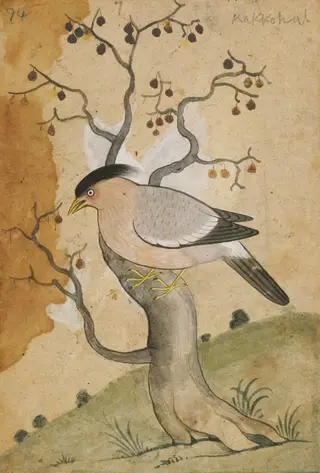
The work depicts a solitary falcon perched upon a curved, reddish branch. The bird’s dark upper plumage contrasts with a lighter gray chest and head, while its keen eye surveys the scene. Behind the bird, a tree bears clusters of pink blossoms, interspersed with orange flowers set against a muted green backdrop. The overall palette is vivid yet appears softened, reminiscent of aged paper.
Technique & Style
The painting employs a fine, linear brushwork for the falcon’s feathers, allowing individual strands to be discerned. The background and foliage are treated with broader, softer strokes, creating a diffused atmosphere. Colors are saturated but have a muted, weathered quality, giving the surface the appearance of antiquated paper and enhancing the contrast between subject and environment.
Context
Although specific details about the artist and date are not provided, the composition reflects a tradition of European wildlife and botanical studies, where birds of prey are often paired with lush, decorative plantings. The juxtaposition of precise naturalism with a decorative backdrop aligns with 18th‑century decorative painting trends.
Artist & collection