Artwork
Giant radish
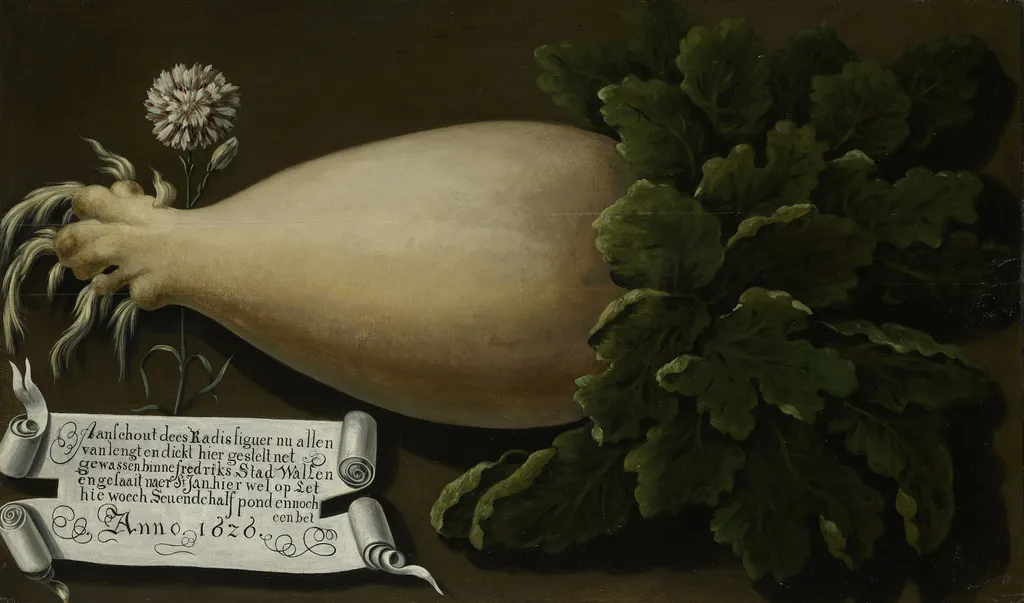
Giant radish is an oil painting. It dates from 1626 and is held in the collection of the Rijksmuseum. The work presents a solitary radish rendered in oil on canvas, dominating the composition against a dark backdrop.
About this work
Subject & Meaning
The painting depicts a single giant radish lying on a table beside a handwritten note, a straightforward and somewhat curious still-life subject. Rendered in oil on panel in 1626 in the Northern Low Countries, the work belongs to the still-life genre. It was once owned by Frederik Muller before entering the Rijksmuseum collection.
Technique & Style
The composition focuses on a large radish accompanied by a slip of paper, rendered with the material specificity characteristic of the genre.
Created in 1626 within the Northern Low Countries, this anonymous still life is executed in oil paint on a wooden panel. The composition focuses on a large radish accompanied by a slip of paper, rendered with the material specificity characteristic of the genre. The work measures 53.5 cm in height and 87.5 cm in width.
Currently held by the Rijksmuseum, the painting demonstrates the application of oil media to support the detailed observation typical of seventeenth-century Dutch art.
History & Provenance
Created in 1626 within the Northern Low Countries, this oil painting on panel depicts a radish alongside a slip of paper. The work is currently held in the collection of the Rijksmuseum. Historical ownership records indicate that the piece was once owned by Frederik Muller before entering the museum's holdings.
While the circumstances of its making and the identity of the artist remain anonymous, the date of creation is firmly established as 1626. No specific exhibition history or accession number is provided in the available source.
Context
The painting titled Giant radish is a 1626 still life executed in oil on panel. It depicts a radish alongside a slip of paper and was created in the Northern Low Countries. The work belongs to the still_life genre and was originally owned by Frederik Muller before entering the collection of the Rijksmuseum, where it remains on display.
Legacy
The painting is recognized as an early example of Dutch still life that helped shape the genre's development in the 17th century. Its depiction of a single radish on a paper slip influenced later artists who explored everyday vegetables as subjects. The work's presence in the Rijksmuseum collection has kept it visible to scholars studying the evolution of Dutch realism.
Overview
The work presents a solitary radish rendered in oil on canvas, dominating the composition against a dark backdrop. The vegetable is depicted in a light tan hue with subtle surface markings, accompanied by modest green foliage and a small white blossom emerging from the ground. A rolled paper bearing handwritten script rests in the lower left corner.
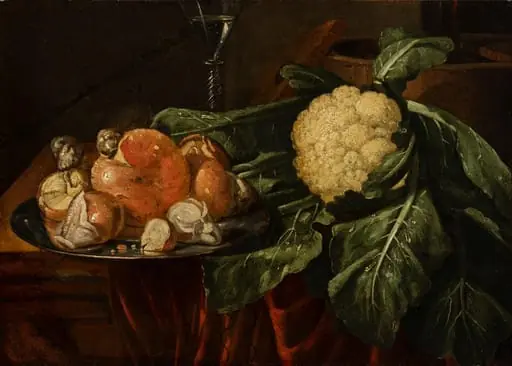
Artist & collection

- Asetelma
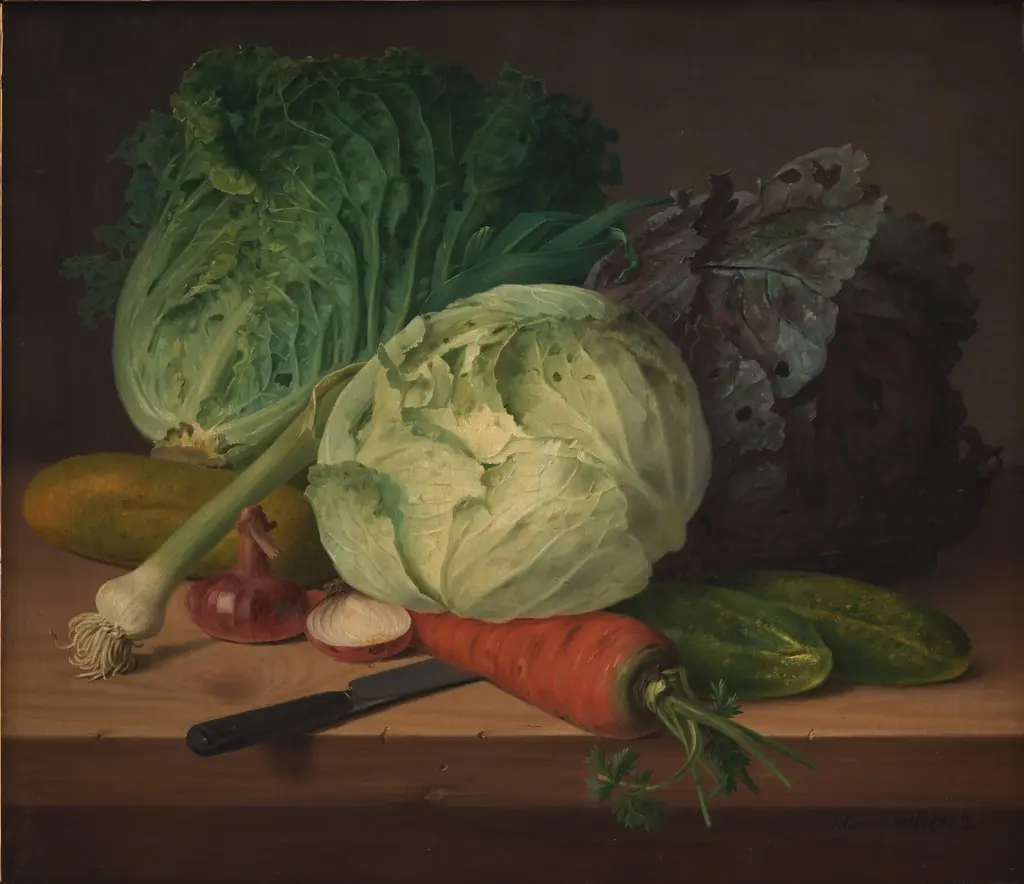 Køkkenurter
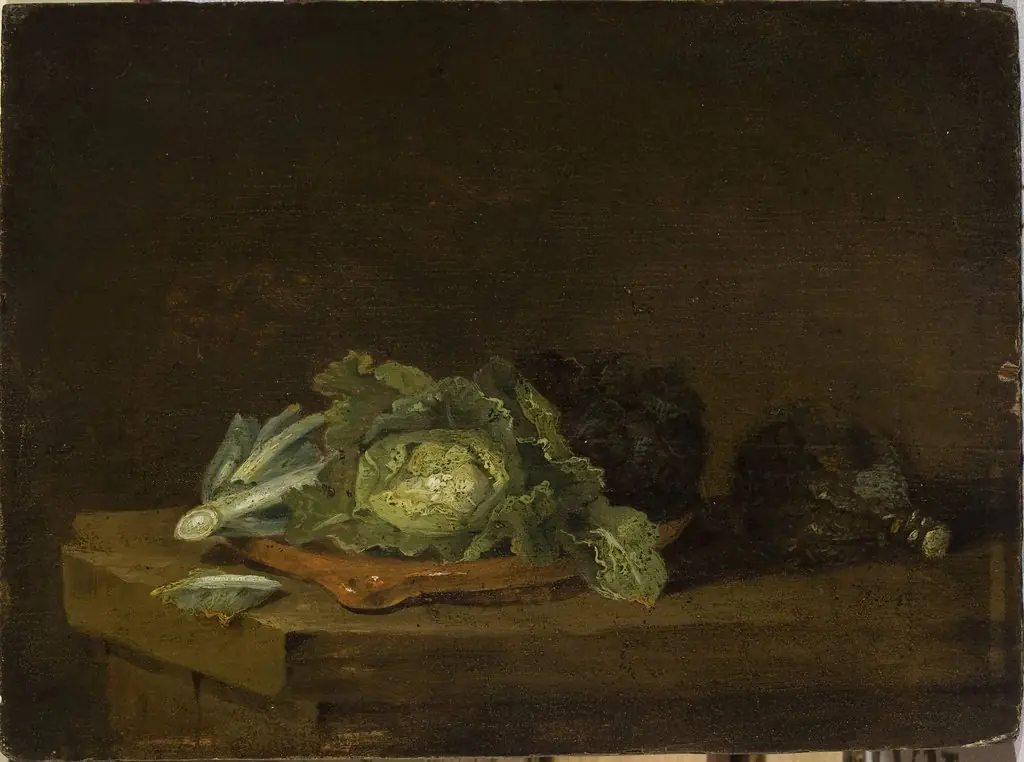 Cabbages on a Table Top
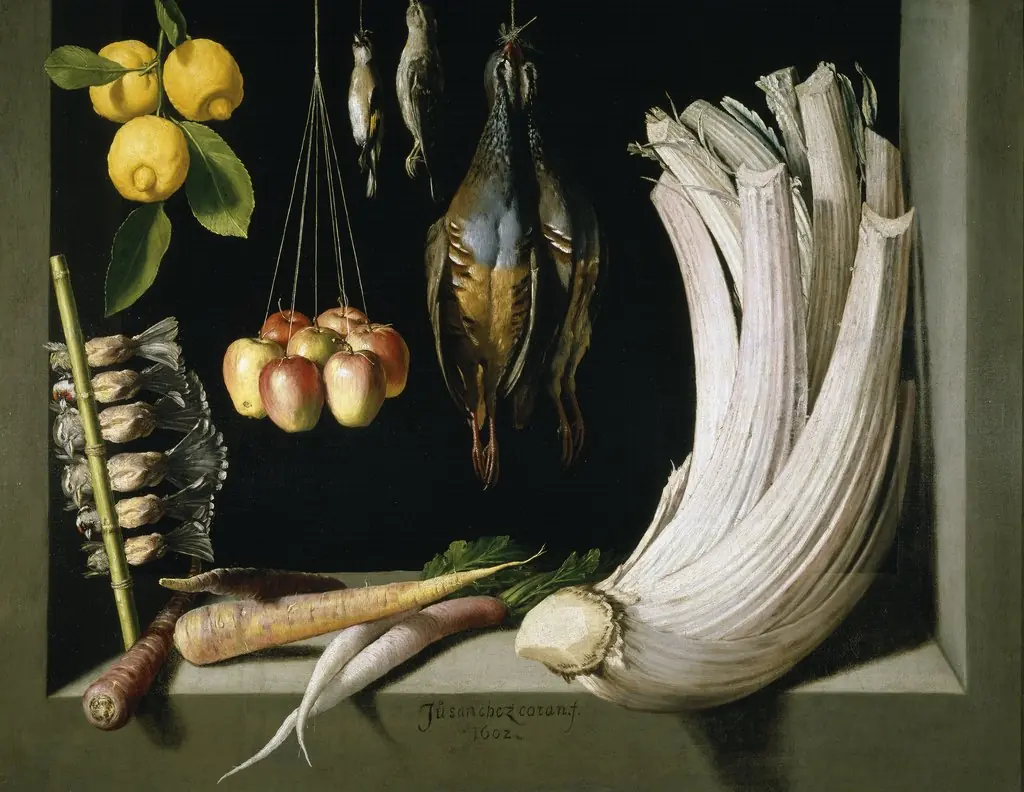 Still Life with Game Fowl,Vegetables and Fruits
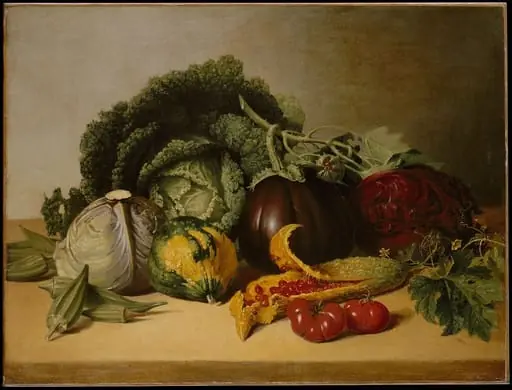 Still Life: Balsam Apple and Vegetables
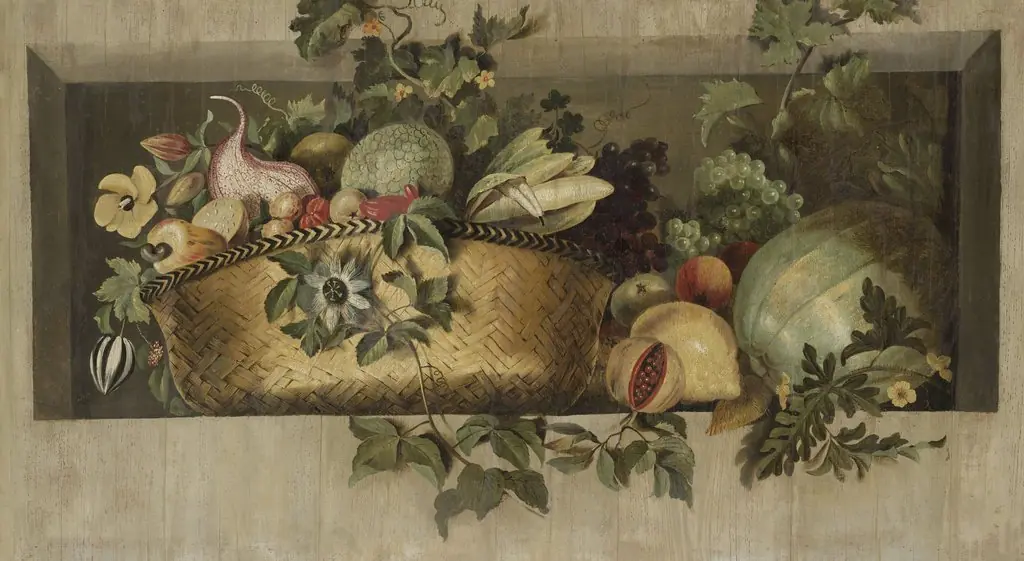 Still Life with Fruit and Flower Garlands
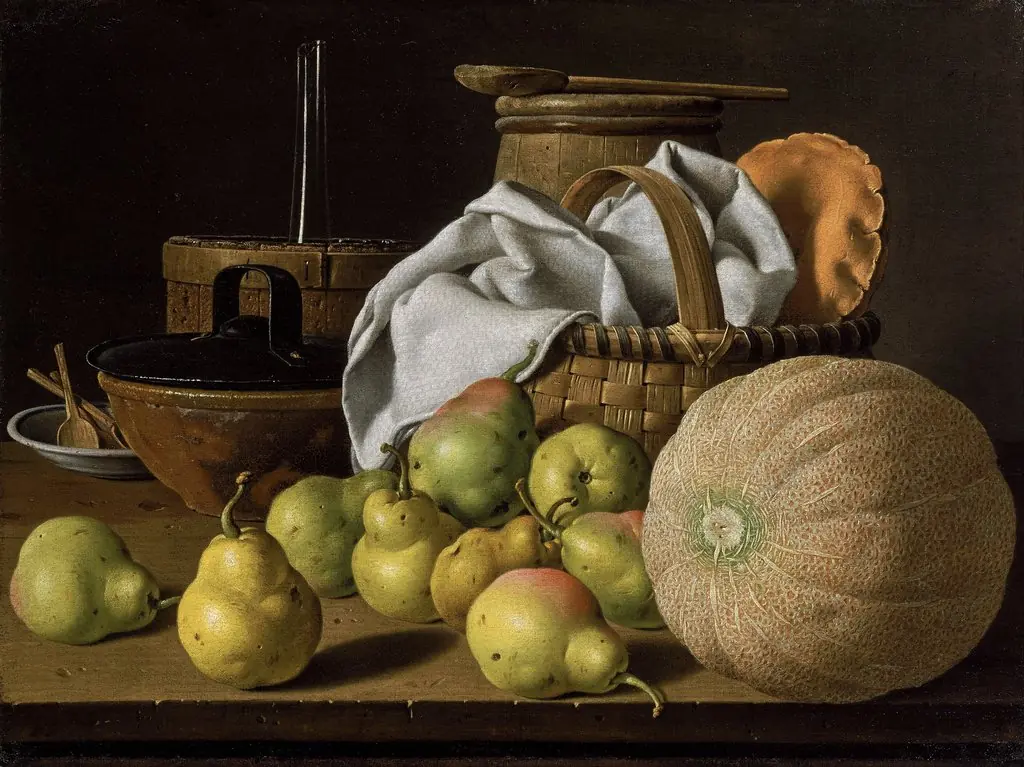 Still Life with Melon and Pears
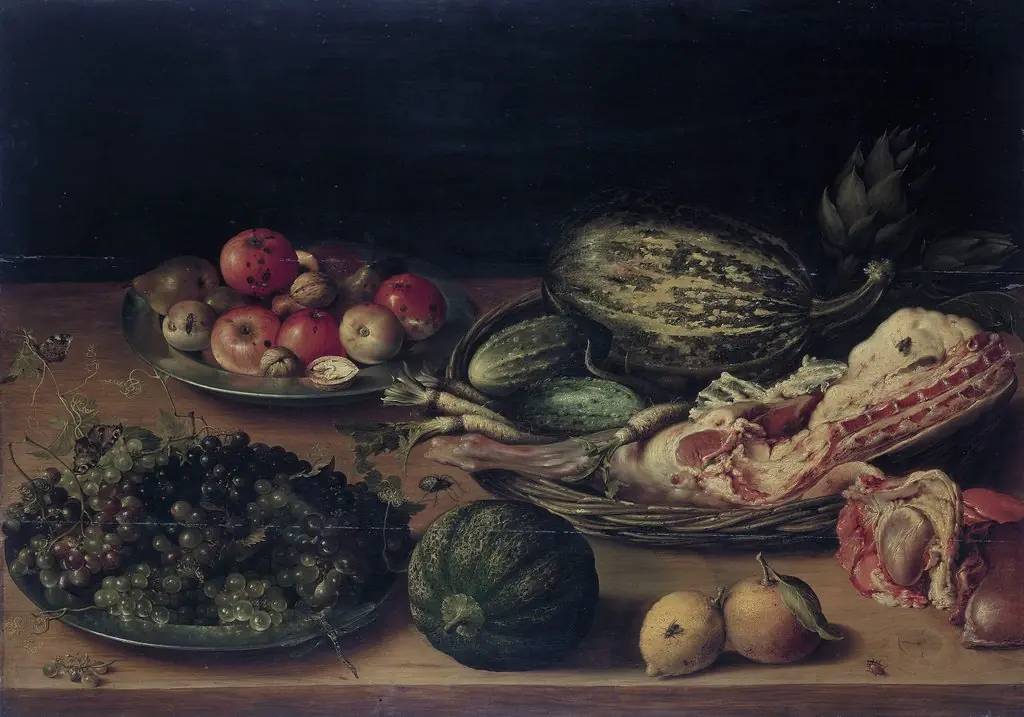 Still life with fruit, vegetables and joint of veal
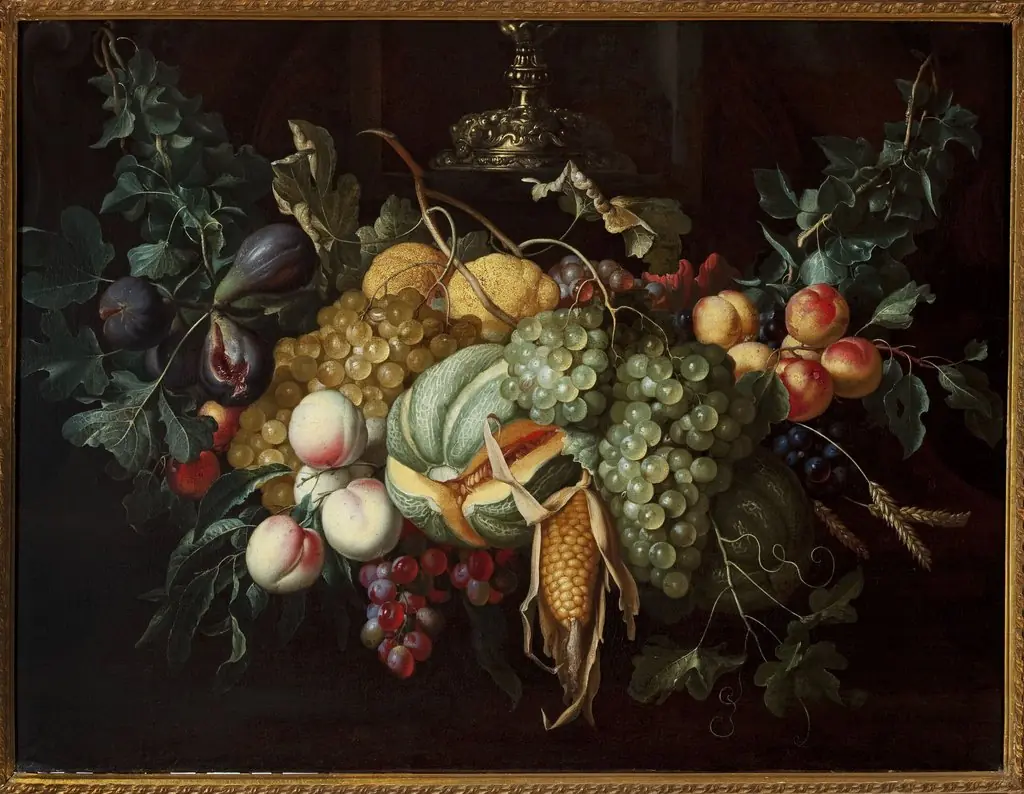 Still life with fruits and corn
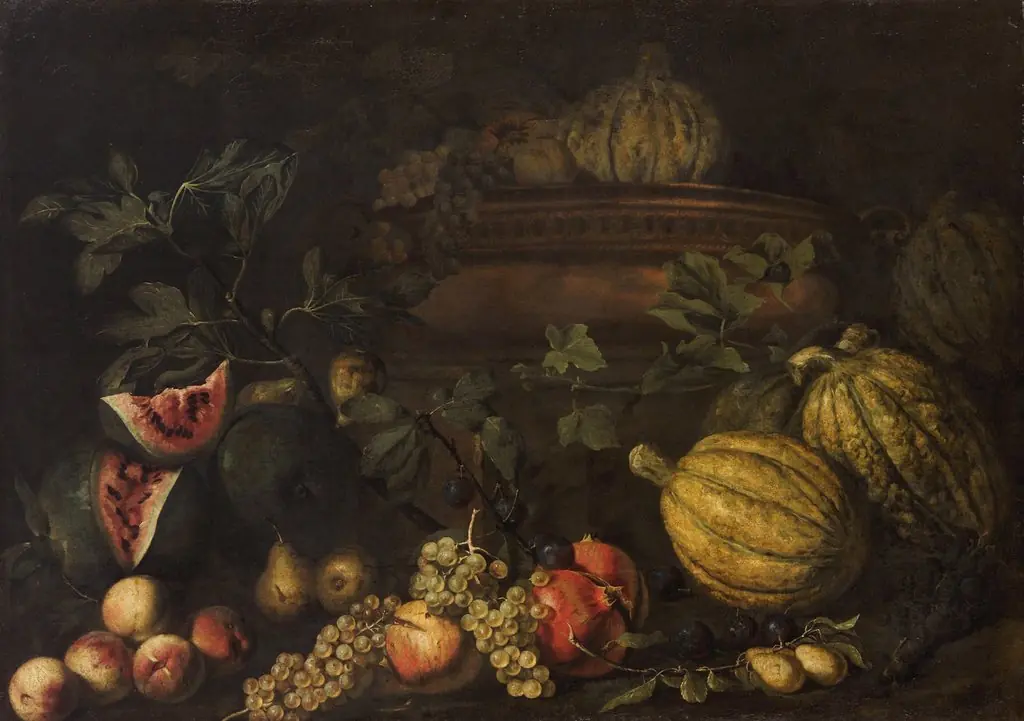 Früchtestilleben
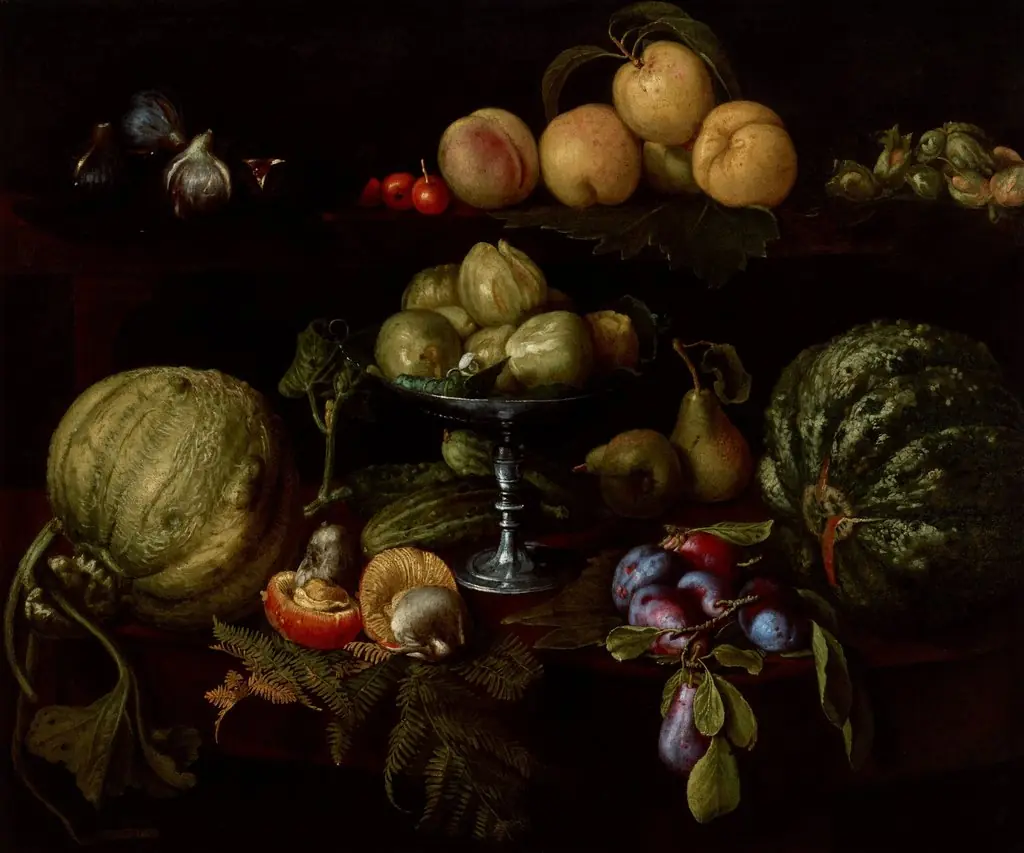 Figs on a Tazza with Pears, Quinces, Melons, Plums, Mushrooms on a Table, with Figs, Cherries, Peaches, and Acorns on a Ledge Above
 Still Life with Fruit