Artwork
Still Life with Fruit and Flower Garlands
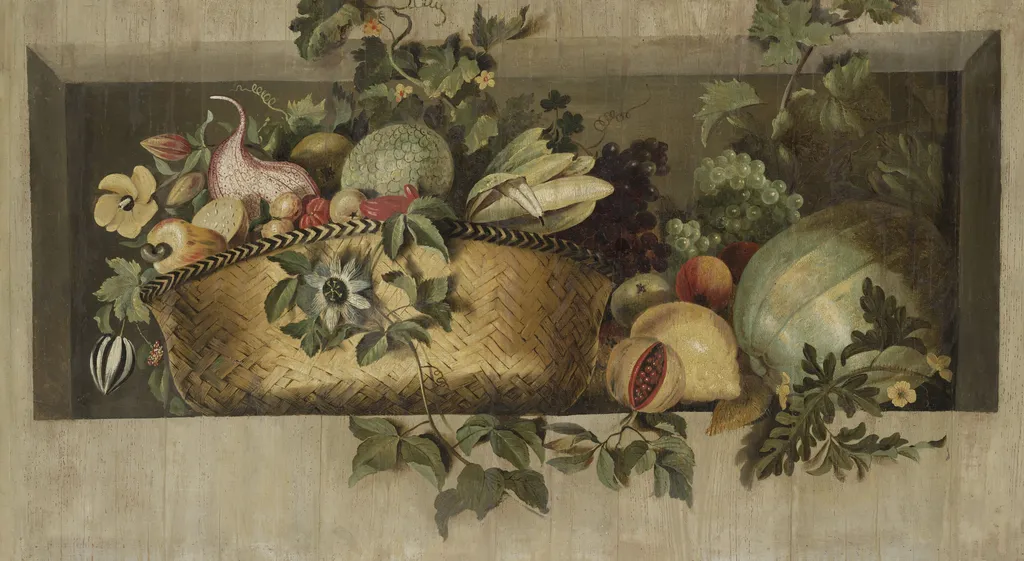
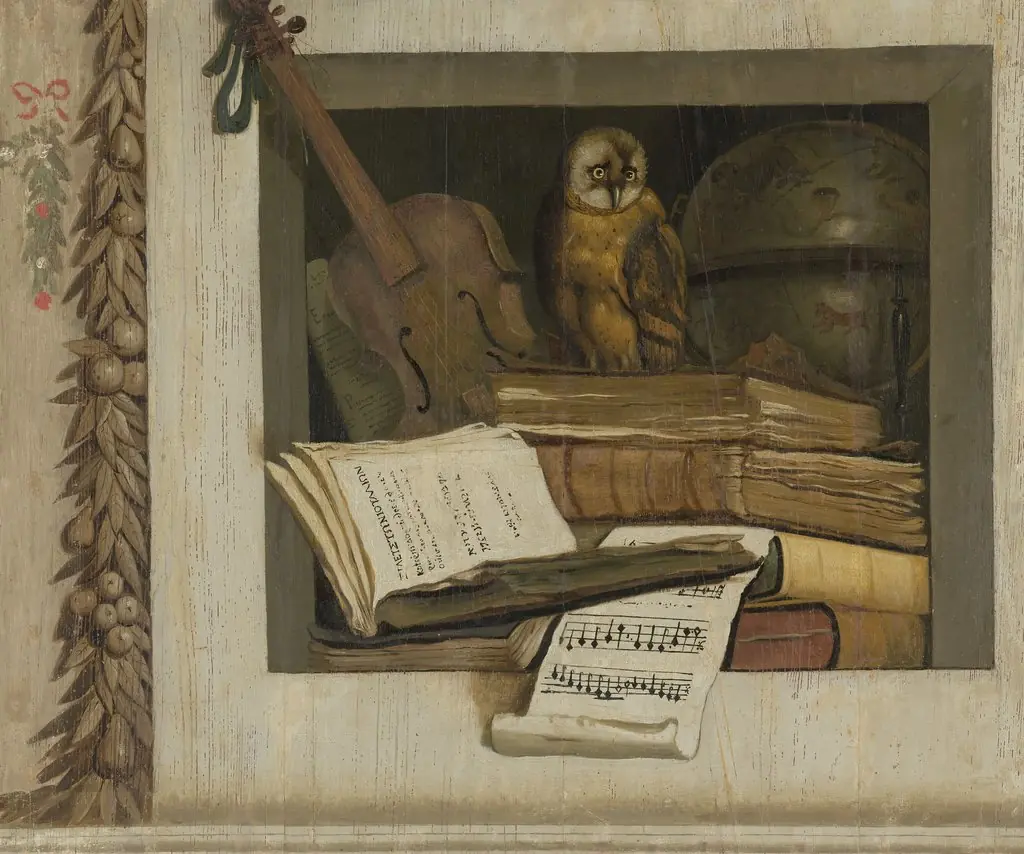
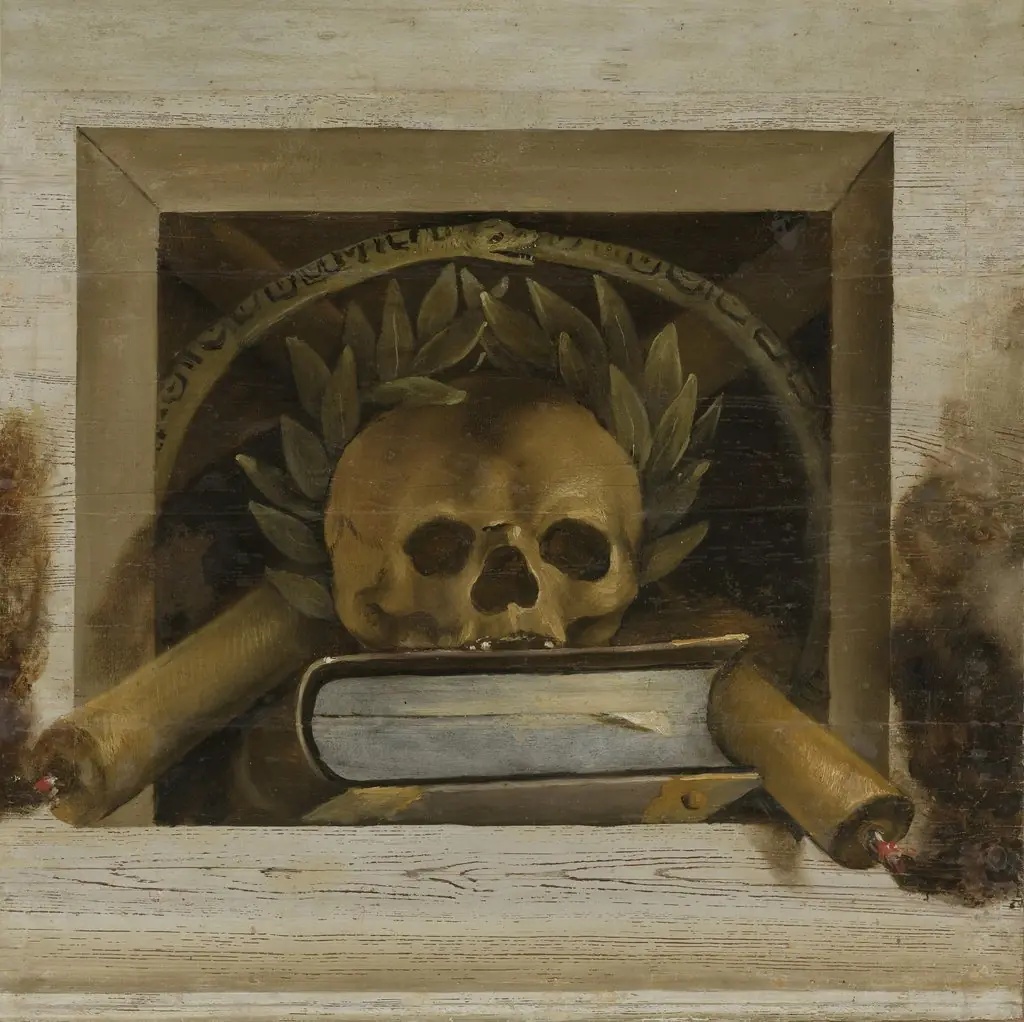
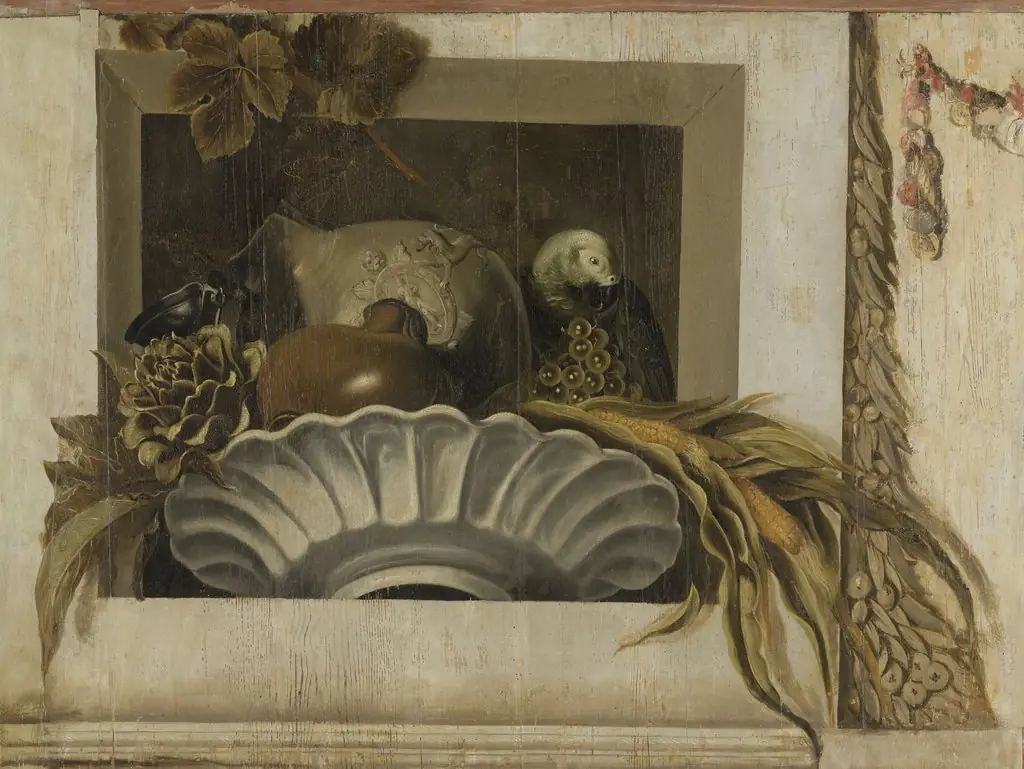
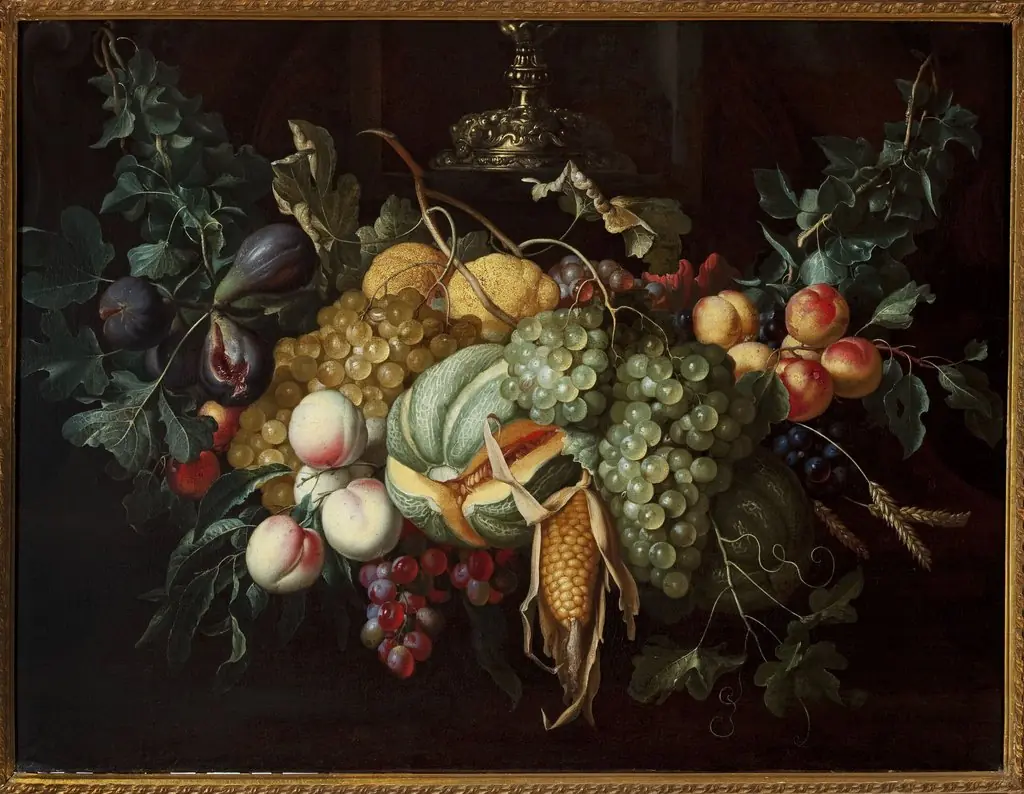
Still Life with Fruit and Flower Garlands is an oil painting by Jacob van Campen. It dates from 1650 and is held in the collection of the Rijksmuseum.
About this work
Subject & Meaning
As a seventeenth-century Dutch still life, the work traditionally uses these elements to convey themes of abundance and the transience of earthly life.
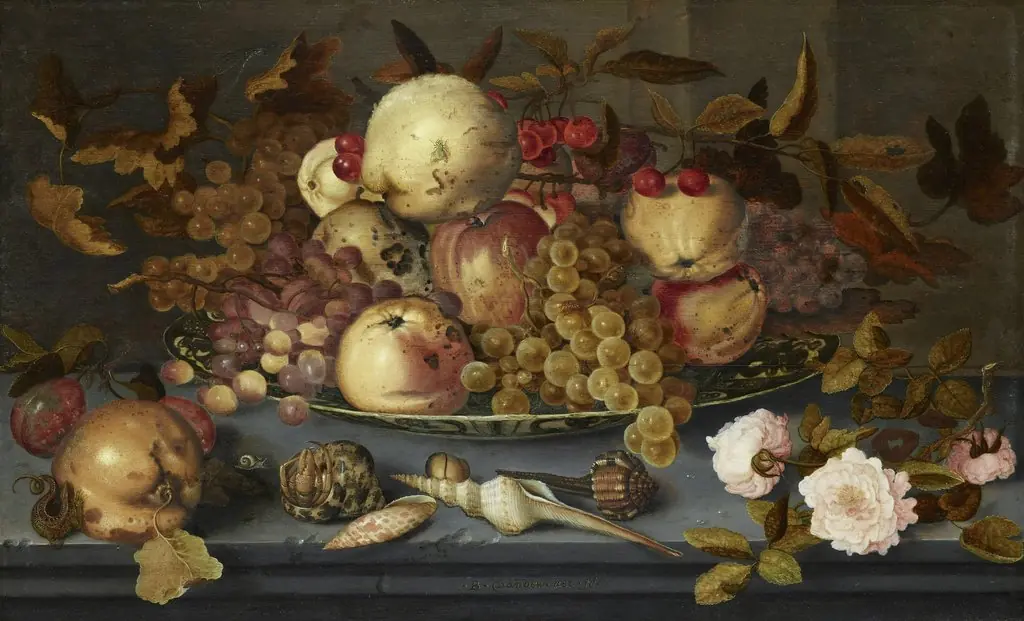
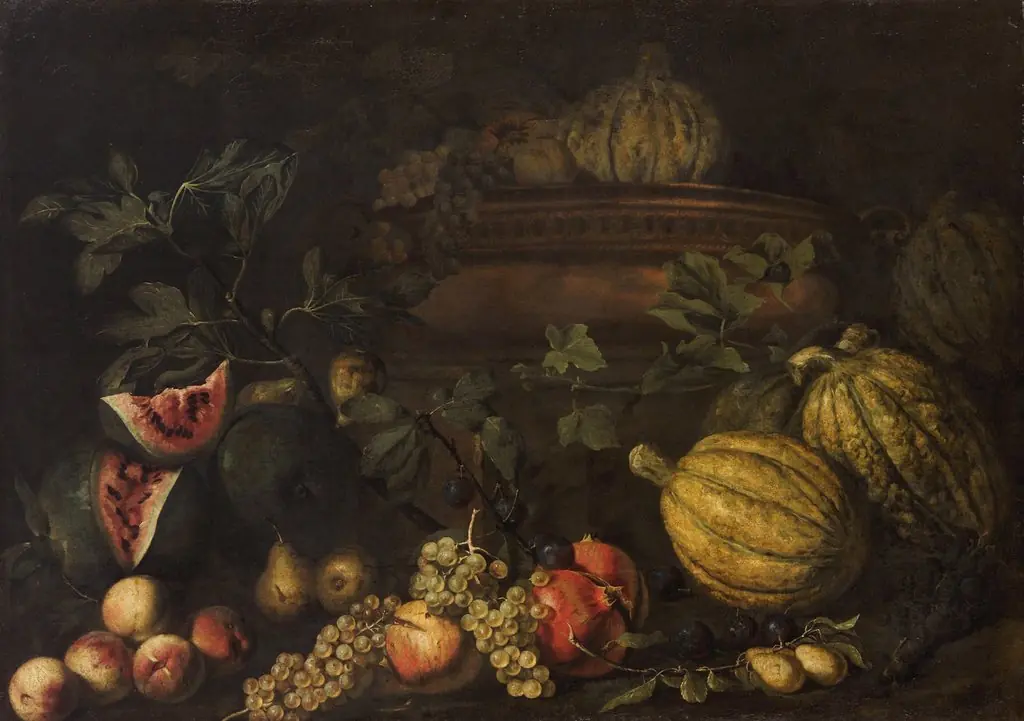
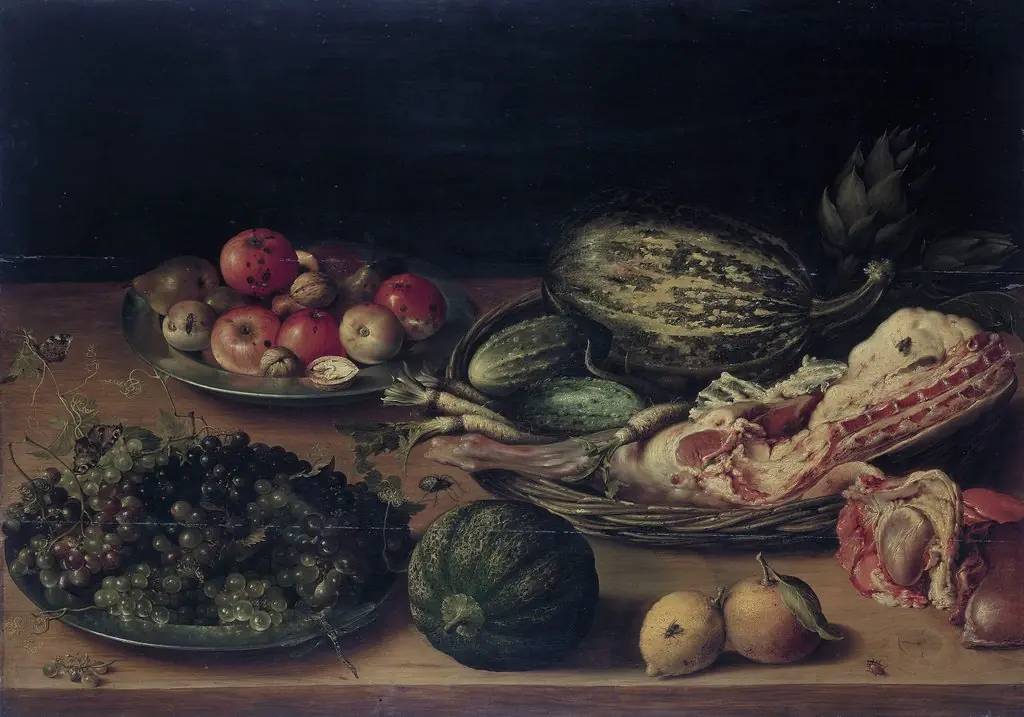
The painting belongs to the still life genre, explicitly depicting arrangements of flowers and fruit. As a seventeenth-century Dutch still life, the work traditionally uses these elements to convey themes of abundance and the transience of earthly life. The depicted flowers and fruit serve as visual symbols of nature's bounty, while simultaneously acting as vanitas motifs that remind the viewer of mortality and the fleeting passage of time.
Technique & Style
Executed in 1650, this still life by Jacob van Campen is an oil painting on panel. The work features a horizontal composition measuring 97 cm in height and 158.7 cm in width. Visually, the piece is defined by its depiction of fruit and flower garlands, adhering to the still life genre conventions of the period.
The application of oil paint on a wooden support provides the structural basis for the detailed rendering of botanical and agricultural elements.
History & Provenance
Jacob van Campen created Still Life with Fruit and Flower Garlands in 1650 as an oil painting on panel, originally intended for decorative display in Dutch interior settings. The work entered the collection of the Rijksmuseum and was later held by Museum Flehite, both institutions retaining ownership through successive transfers recorded in provenance files. No evidence suggests a specific commission or patron, and the dating relies on the artist’s documented activity in the mid-seventeenth century.
Context
Jacob van Campen's 1650 oil painting Still Life with Fruit and Flower Garlands exemplifies Dutch Golden Age still life conventions through its meticulous depiction of fruit and floral arrangements. The work's inclusion in both the Rijksmuseum and Museum Flehite collections underscores its significance within major institutional holdings of the period. Scholarship often contextualizes this painting within van Campen's broader oeuvre, noting his contribution to the development of Dutch decorative and still life painting during the mid-17th century.
Legacy
The painting has been cited in art‑historical surveys of Dutch Golden Age still‑life as an example of the decorative garland motif that emerged in the mid‑17th century. Its composition influenced later decorative painters who incorporated fruit and flower arrangements into interior scenes, a trend documented in museum catalogues of the Rijksmuseum and Museum Flehite collections.
Overview
Jacob van Campen’s c.1650 oil painting, Still Life with Fruit and Flower Garlands, presents a densely arranged composition of fruit, blossoms and foliage spilling from a woven basket. The work is part of the Rijksmuseum’s collection and exemplifies the Dutch still‑life tradition of portraying abundance through meticulous observation of everyday objects.
Artist & collection