Artwork
Japanese Drawing
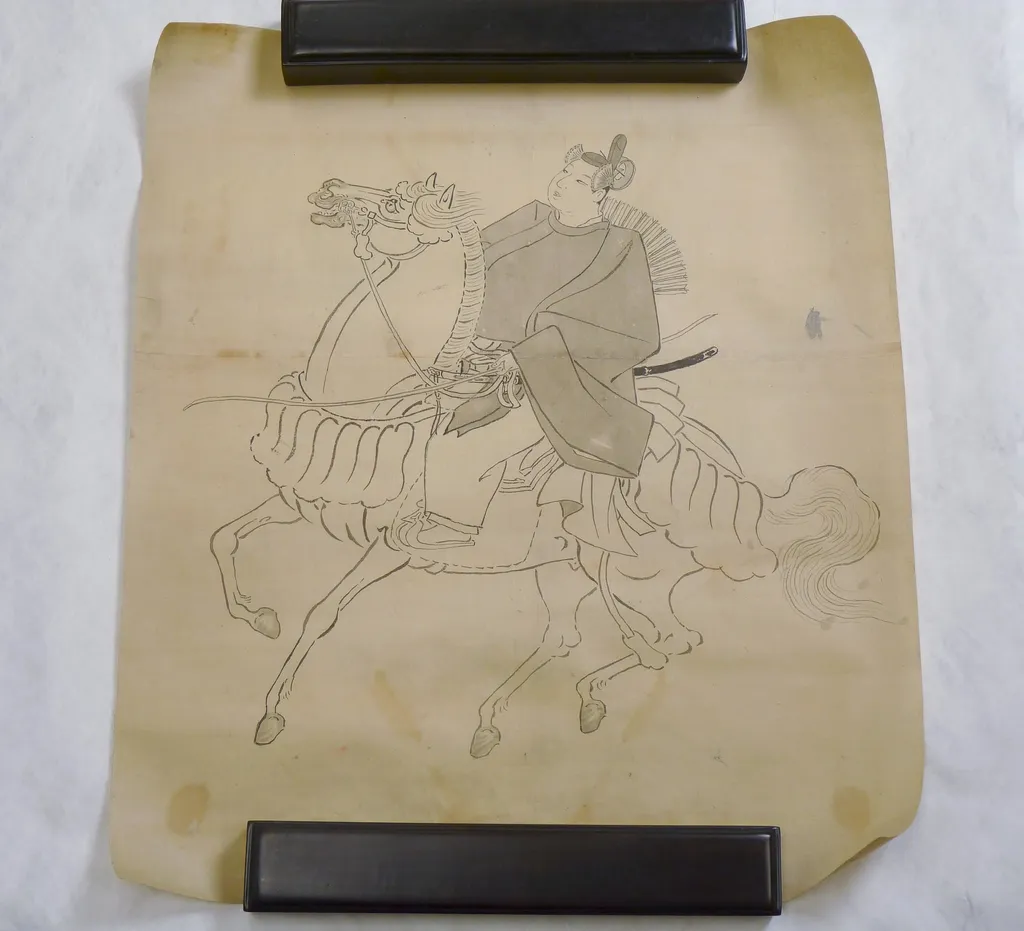
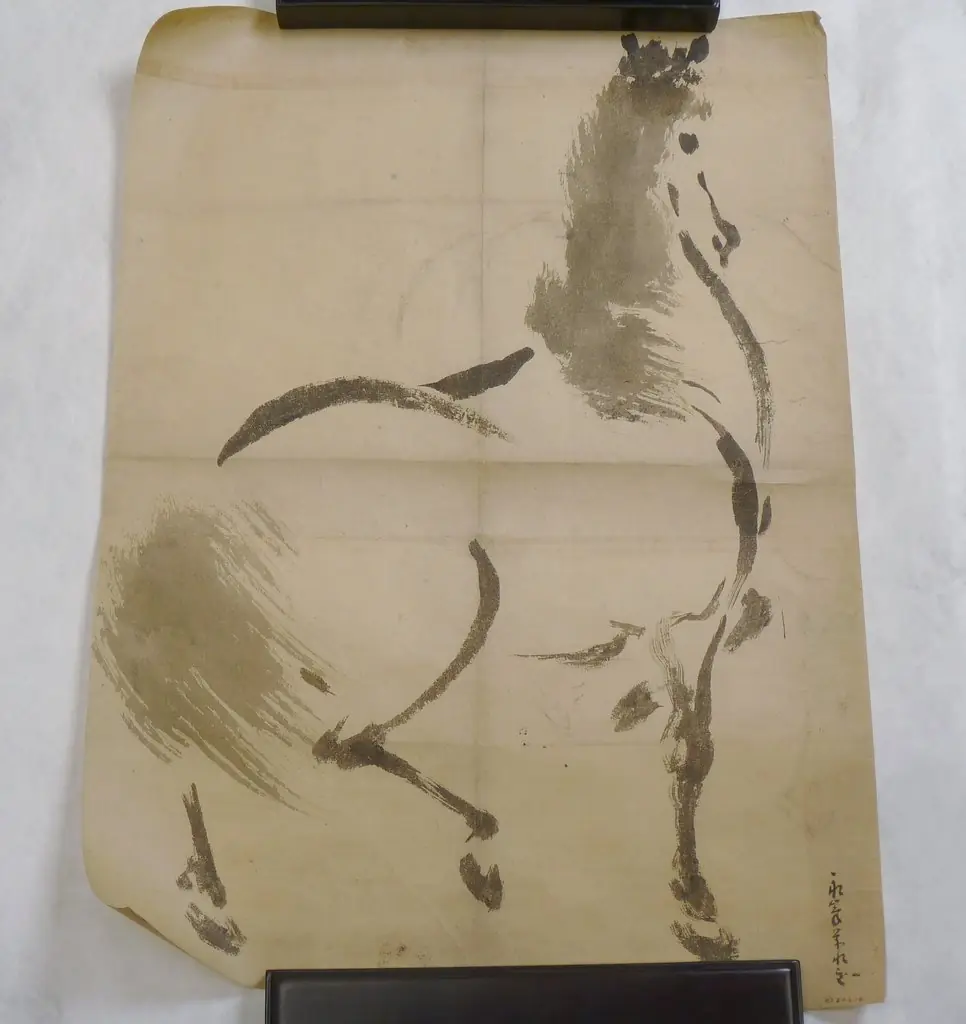
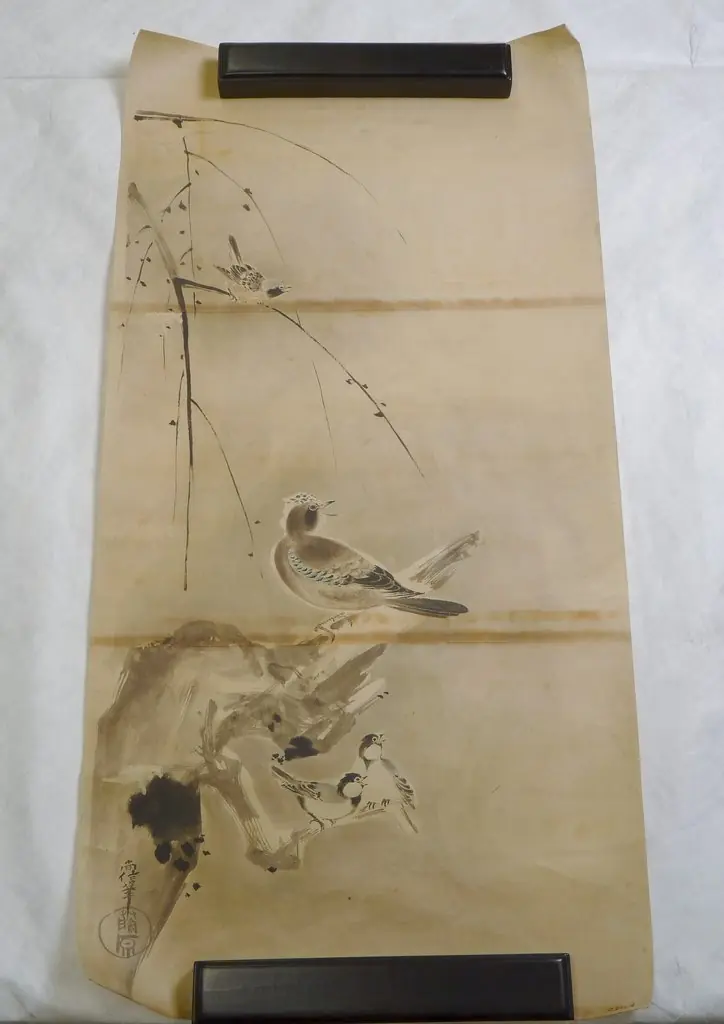
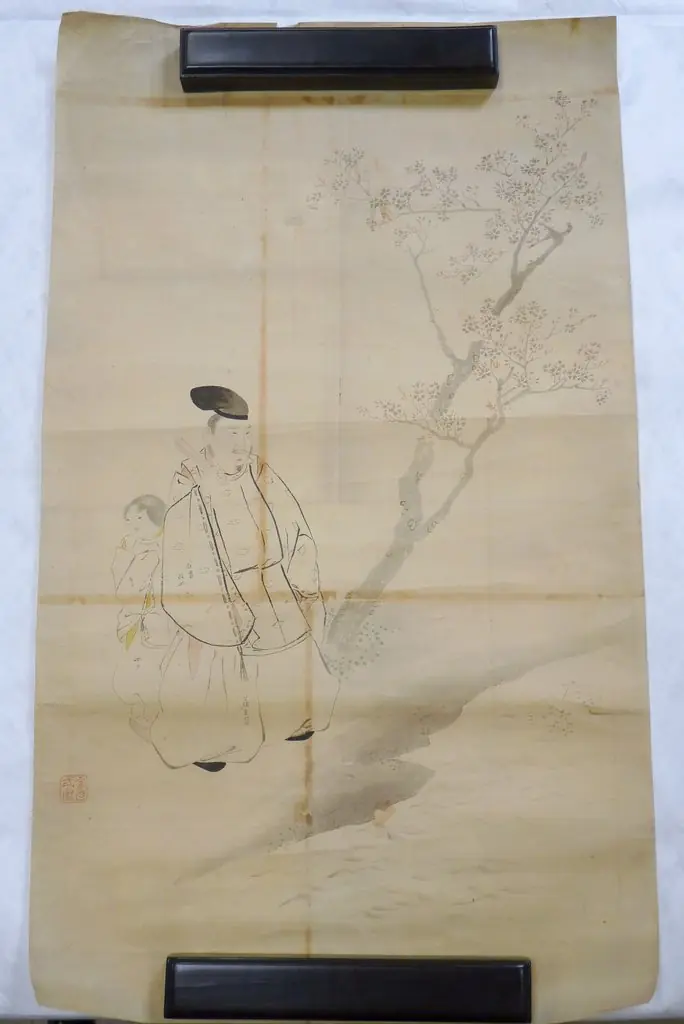
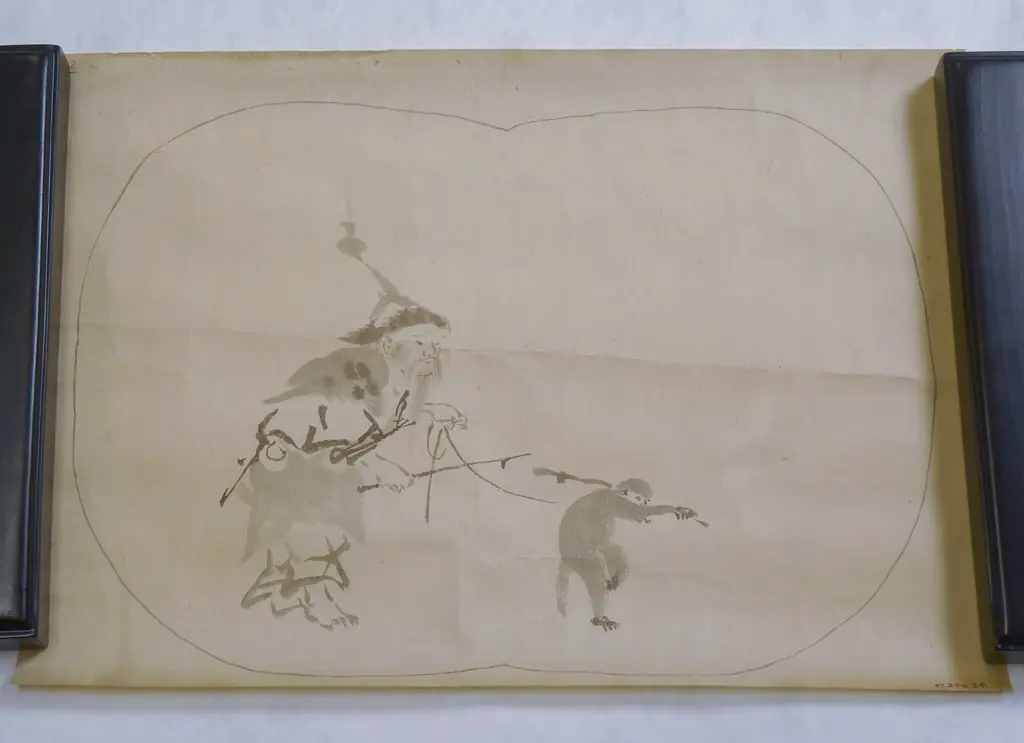
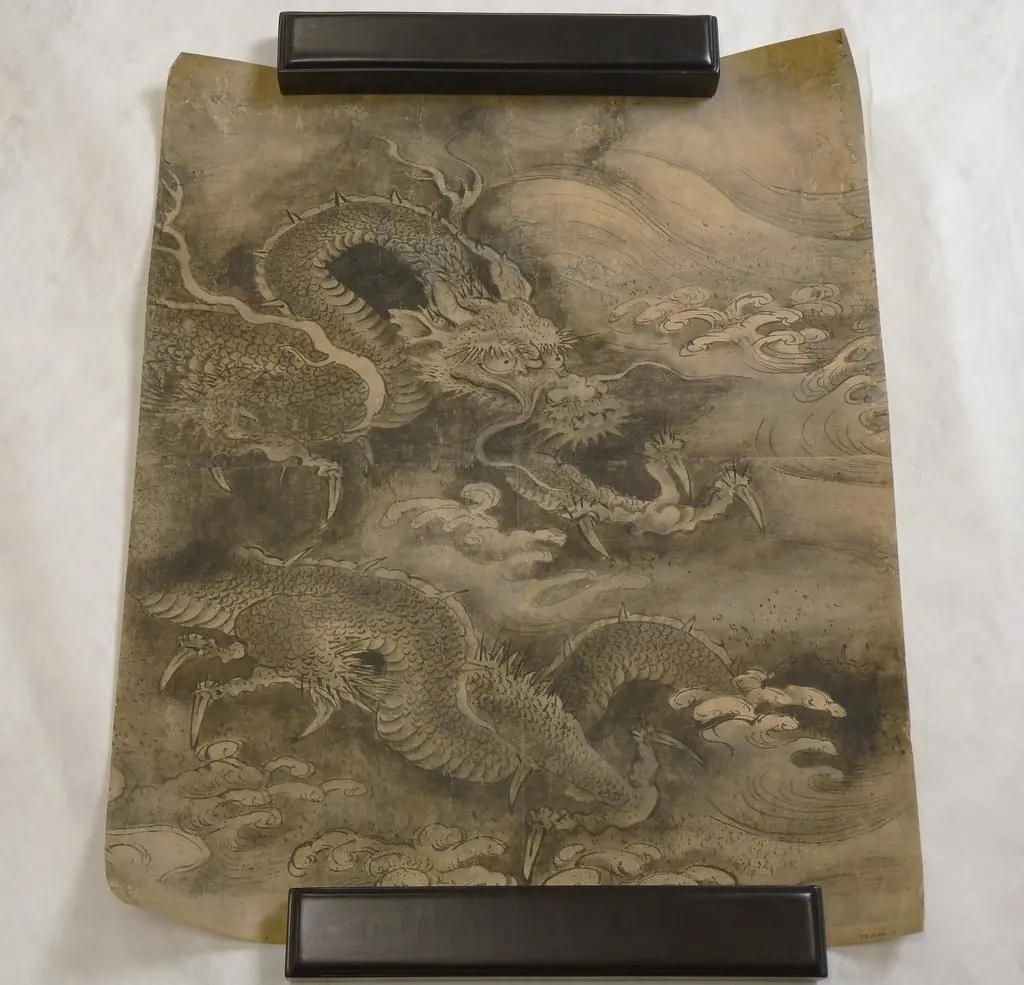
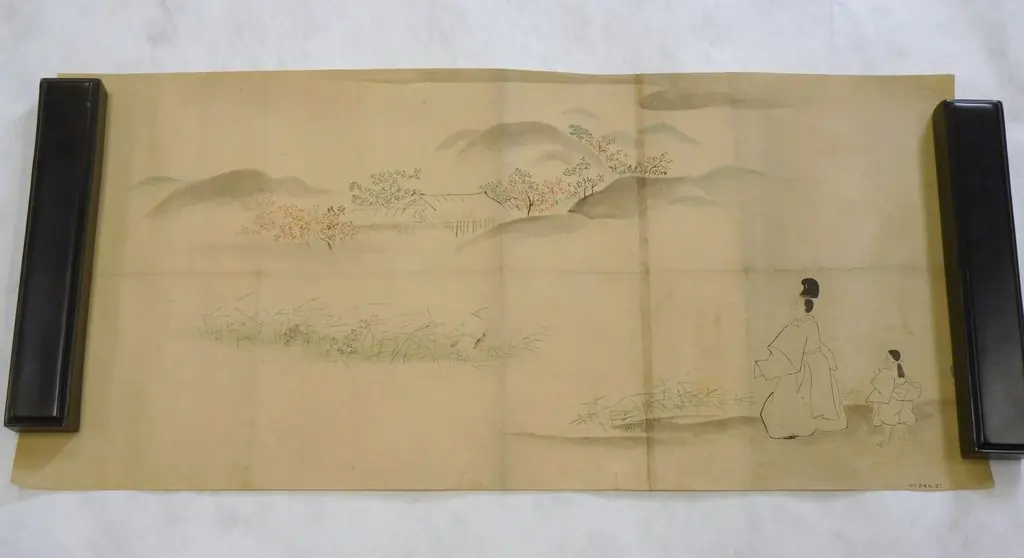
Japanese Drawing is an unspecified painting. It dates from 1816 and is held in the collection of the Metropolitan Museum of Art. The work is an ink drawing on light‑coloured paper depicting a rider on a rearing horse.
About this work
History & Provenance
Japanese Drawing is held in the collection of the Metropolitan Museum of Art, where it is identified by the accession number 07.246.13. The work, dated 1816 and produced in Japan, entered the museum's holdings as part of its painting collection. No exhibition history is documented in the available sources.
Legacy
The work's influence and legacy are tied to its presence in the Metropolitan Museum of Art and its attribution to an anonymous Japanese painter active in 1816.
The work's influence and legacy are tied to its presence in the Metropolitan Museum of Art and its attribution to an anonymous Japanese painter active in 1816. Its inclusion in a major Western collection contributed to broader recognition of Japanese artistic traditions during the 19th century.
Legacy is reflected in scholarly discussions of anonymous Edo-period draftsmanship, particularly in relation to works held by the Metropolitan Museum of Art.
Overview
The work is an ink drawing on light‑coloured paper depicting a rider on a rearing horse. The figure is dressed in a long robe and a tall, feathered hat, and holds a curved sword. The horse’s mane and tail are rendered with sweeping lines, and its front legs are lifted, creating a sense of dynamic movement.
Subject & Meaning
The composition centers on the interaction between rider and mount, emphasizing confidence and vigor. The rider’s upright stance and the horse’s upward thrust convey a moment of heightened action, while the surrounding swirling marks suggest the presence of wind or smoke, adding an atmospheric element to the scene.
Technique & Style
Executed entirely in ink, the drawing relies on varied line weight and fluid strokes to model form and suggest motion. The artist uses the contrast between the dark ink and the pale paper to define the figures, while the energetic, curvilinear marks around the horse’s head enhance the impression of movement without employing tonal shading.
Context
The piece belongs to the Japanese tradition of ink drawing, where emphasis on line and gesture often supersedes realistic rendering. The depiction of a mounted figure aligns with historical themes of samurai or heroic riders, common in Japanese visual culture.
Artist & collection