Artwork
Japanese Drawing
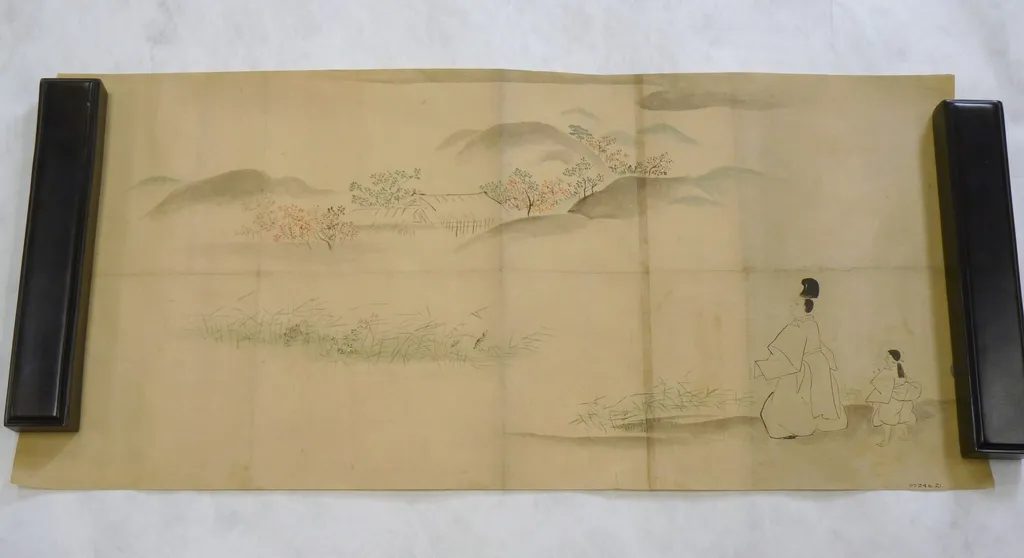
Japanese Drawing is an unspecified painting. It dates from 1816 and is held in the collection of the Metropolitan Museum of Art.
About this work
Subject & Meaning
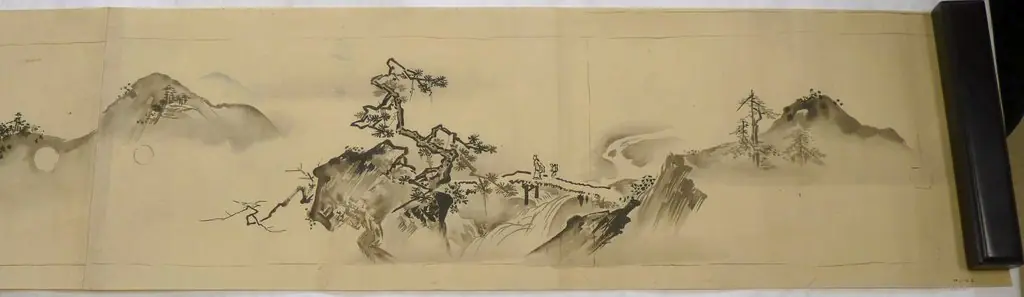
Symbolic elements include a withered branch, representing impermanence, and a distant mountain, suggesting enduring nature amidst fleeting human concerns.
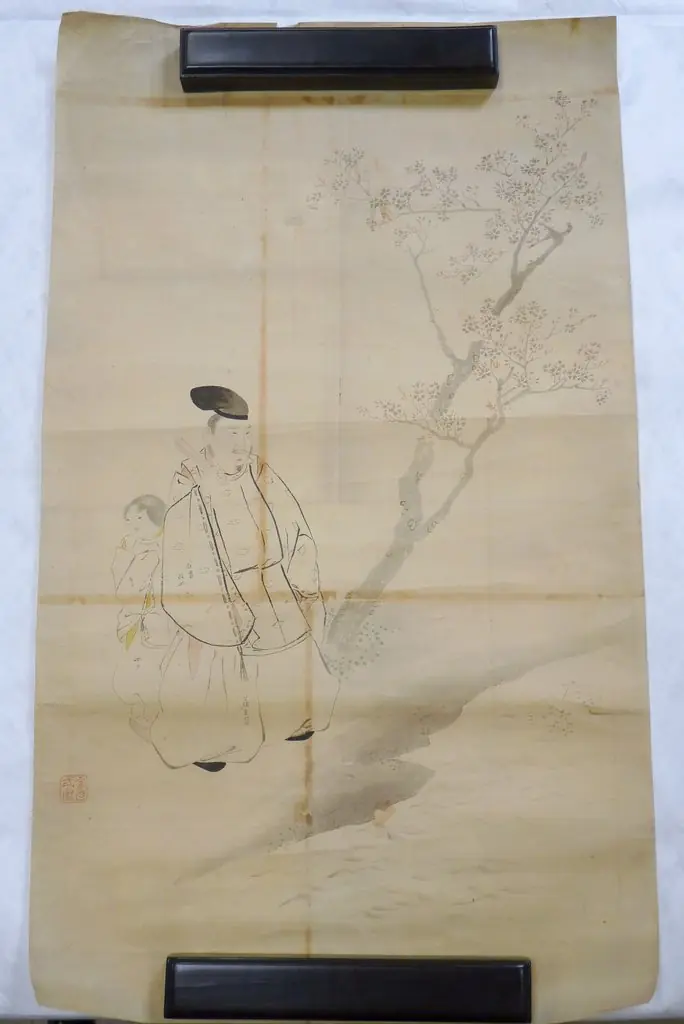
The work portrays a solitary figure in traditional Japanese attire, rendered with minimal line work that emphasizes contemplative stillness. The subject's posture and the sparse background evoke themes of transience and spiritual introspection, reflecting Buddhist influences common in early 19th-century Japanese art.
Symbolic elements include a withered branch, representing impermanence, and a distant mountain, suggesting enduring nature amidst fleeting human concerns. These motifs align with the aesthetic principles of wabi-sabi, celebrating the beauty of the imperfect and transient.
The drawing was created in Japan in 1816 and is part of the Metropolitan Museum of Art's collection.
Technique & Style
The drawing was created in Japan in 1816 using traditional Japanese techniques on paper support. It exhibits characteristic formal qualities of early 19th-century Japanese art including restrained linework and compositional balance typical of the period. The work is classified as a painting despite being a drawing, reflecting historical categorization practices.
The medium and materials align with standard Japanese drawing practices of the era, though specific handling details are not documented in the sources.
History & Provenance
Japanese Drawing is a painting dated to 1816, produced in Japan. The work entered the collection of the Metropolitan Museum of Art, where it is catalogued as accession number 07.246.21, and it remains held at that institution. No further details regarding commission, earlier ownership, or chain of custody prior to its acquisition by the Metropolitan Museum of Art are documented in the available sources.
The work titled Japanese Drawing is held in the collection of the Metropolitan Museum of Art. It is identified within the museum's records by the accession number 07.246.21. Created in 1816 by an anonymous artist in Japan, the piece is classified as a painting.
The available sources do not provide specific details regarding its exhibition history or further provenance milestones beyond its current institutional location.
Legacy
The work's legacy is anchored in its role as a pivotal example of early 19th-century Japanese draftsmanship, cited in museum collections for its technical precision and cultural significance. Its inclusion in the Metropolitan Museum of Art's holdings since 1816 has reinforced scholarly attention to anonymous Japanese draftsmen, establishing a precedent for attributing unsigned works to regional traditions. This recognition has influenced subsequent studies on Japanese graphic art, particularly in tracing stylistic continuities between Edo-period sketches and later ukiyo-e developments.
Overview
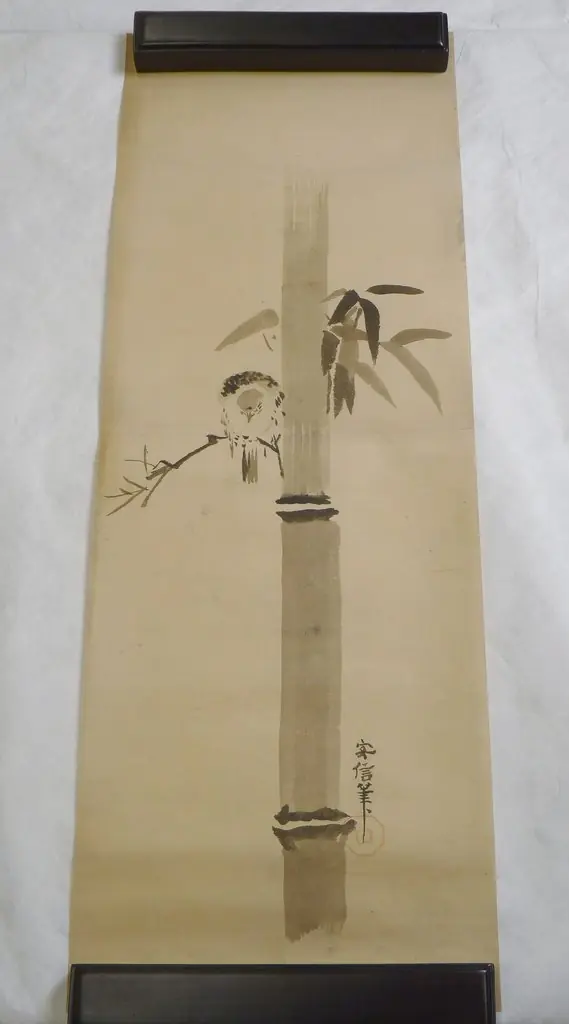
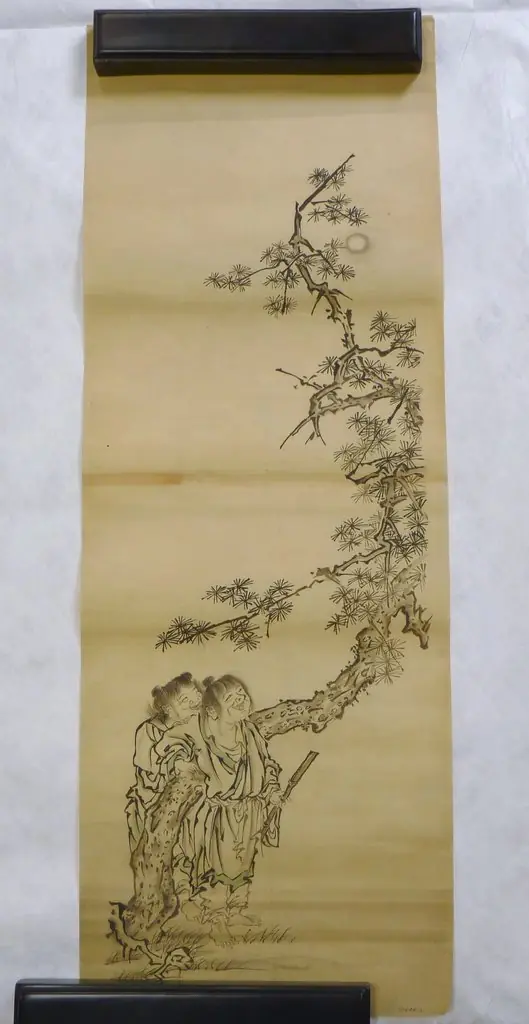
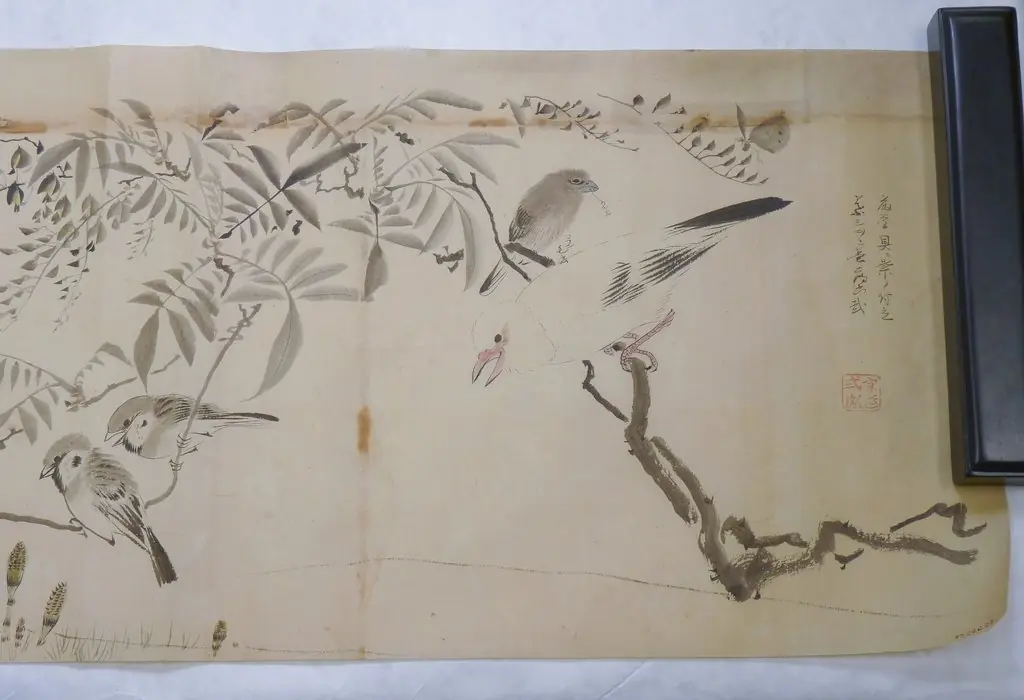
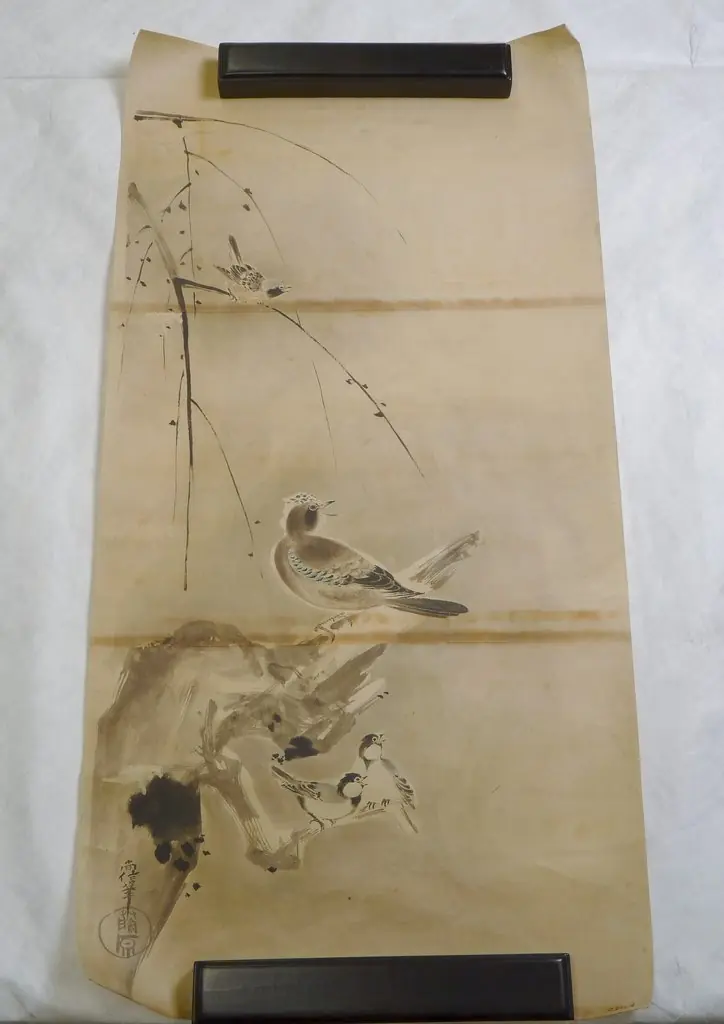
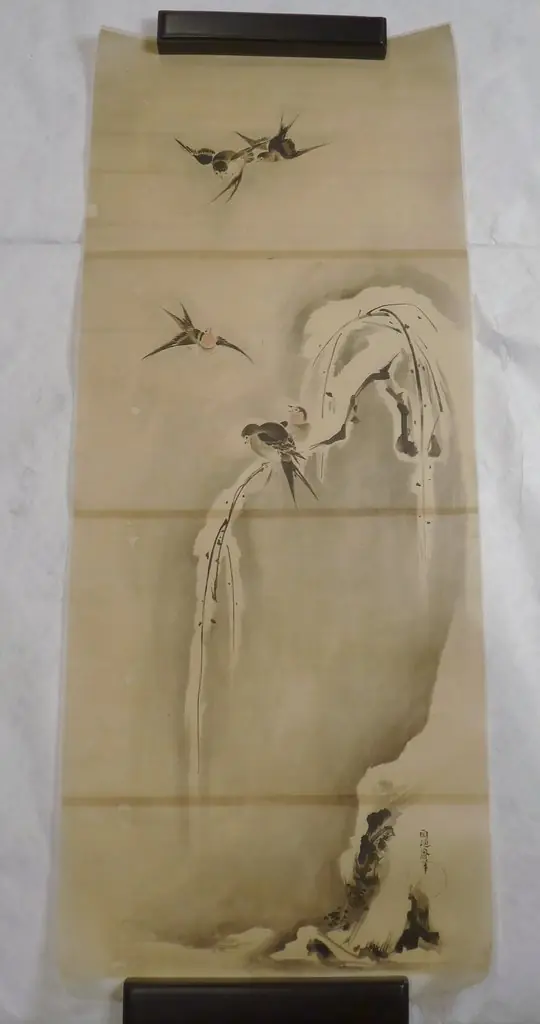
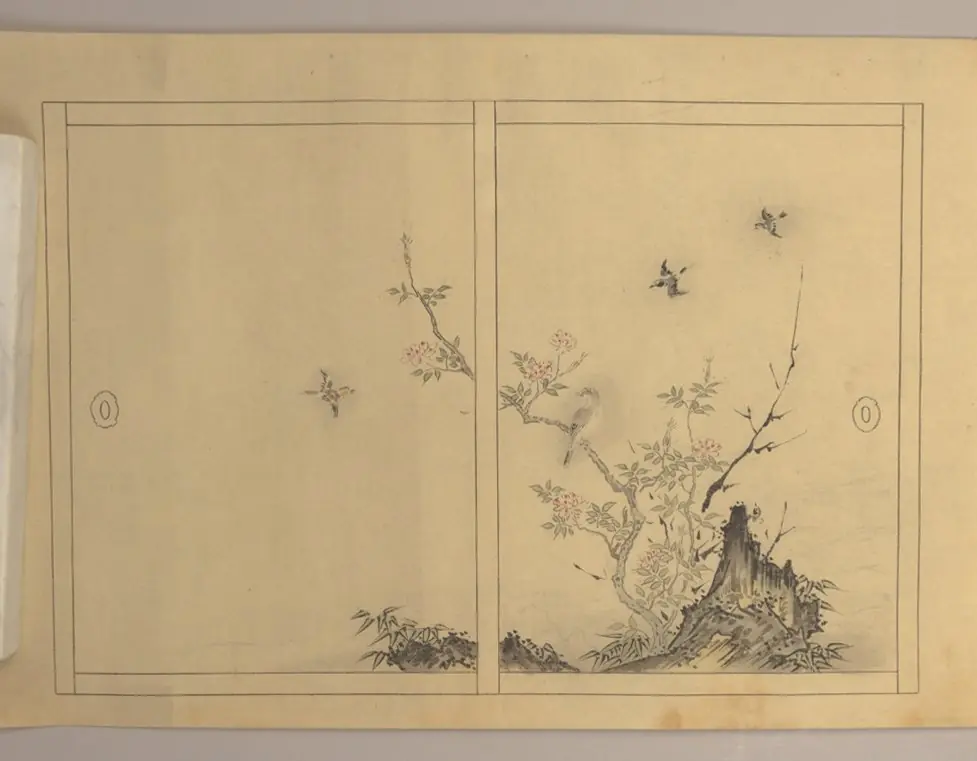
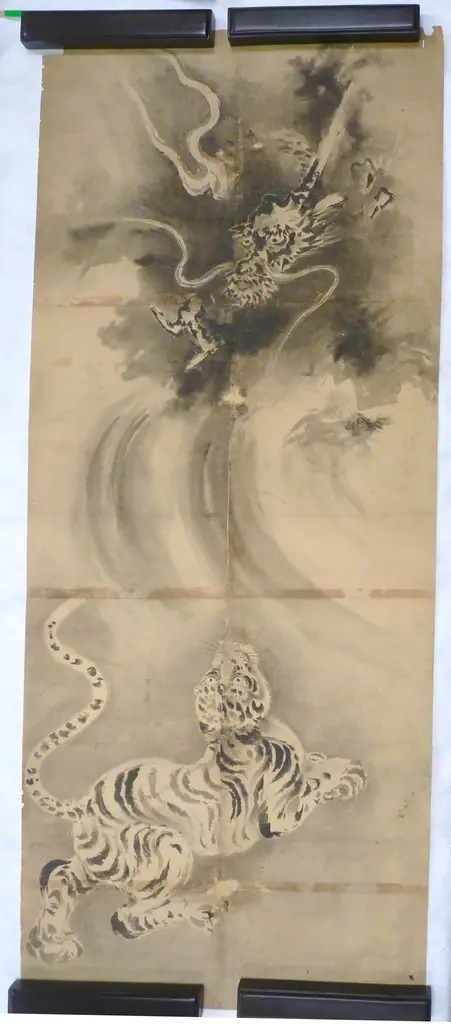
The work is a Japanese drawing on light, aged paper that depicts a tranquil landscape scene. Two figures move through the setting; one is bent, perhaps gathering something, while the other stands nearby. Simple hills rise in the background, punctuated by trees bearing red blossoms and a few modest structures.
Artist & collection