Artwork
Judith with the head of Holofernes
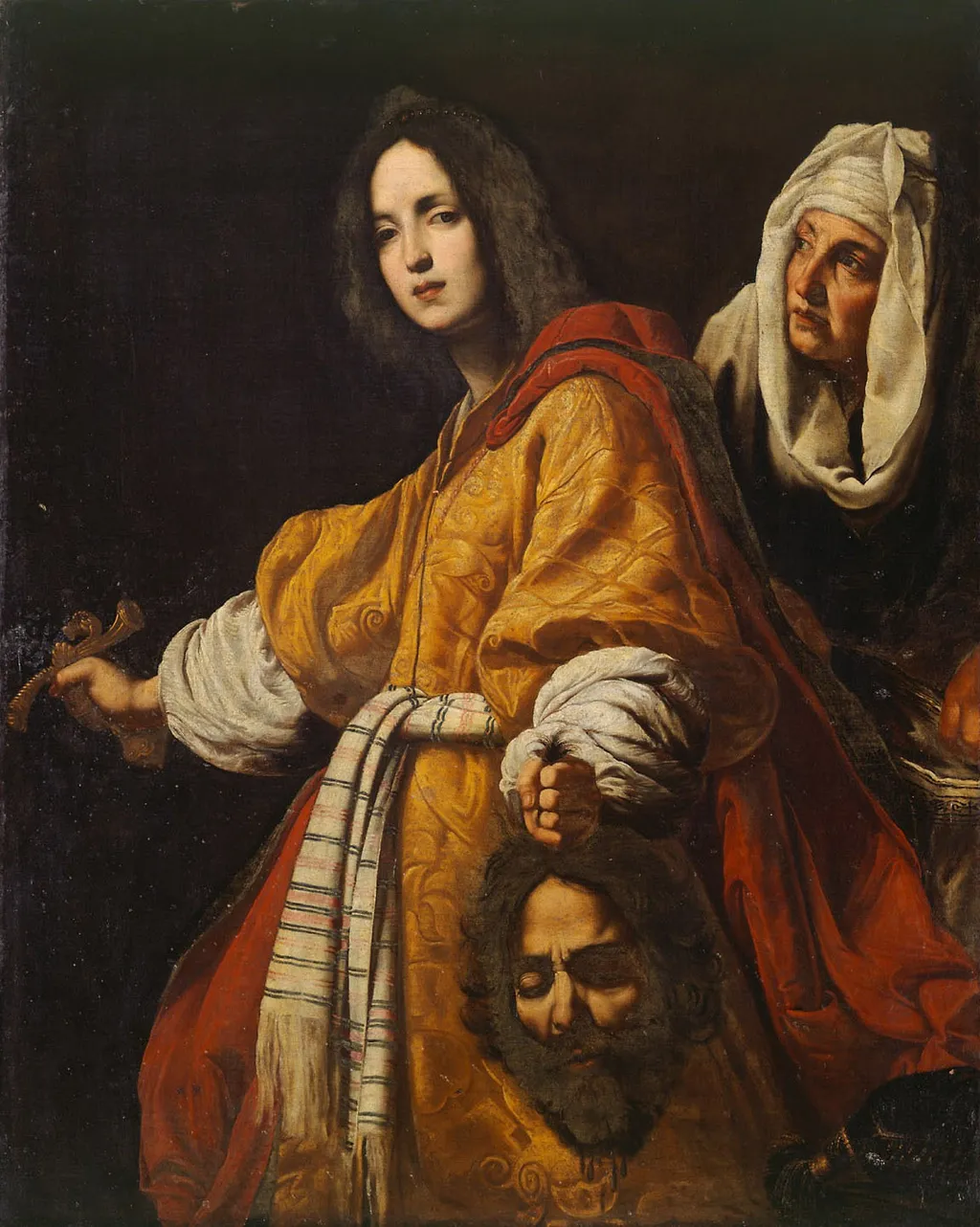
Judith with the head of Holofernes is an unspecified painting. It dates from 1700 and is held in the collection of the Kunsthistorisches Museum.
About this work
Subject & Meaning
The scene symbolizes the triumph of virtue, faith, and courage over brute force and tyranny, as Judith’s act delivers her people from oppression.
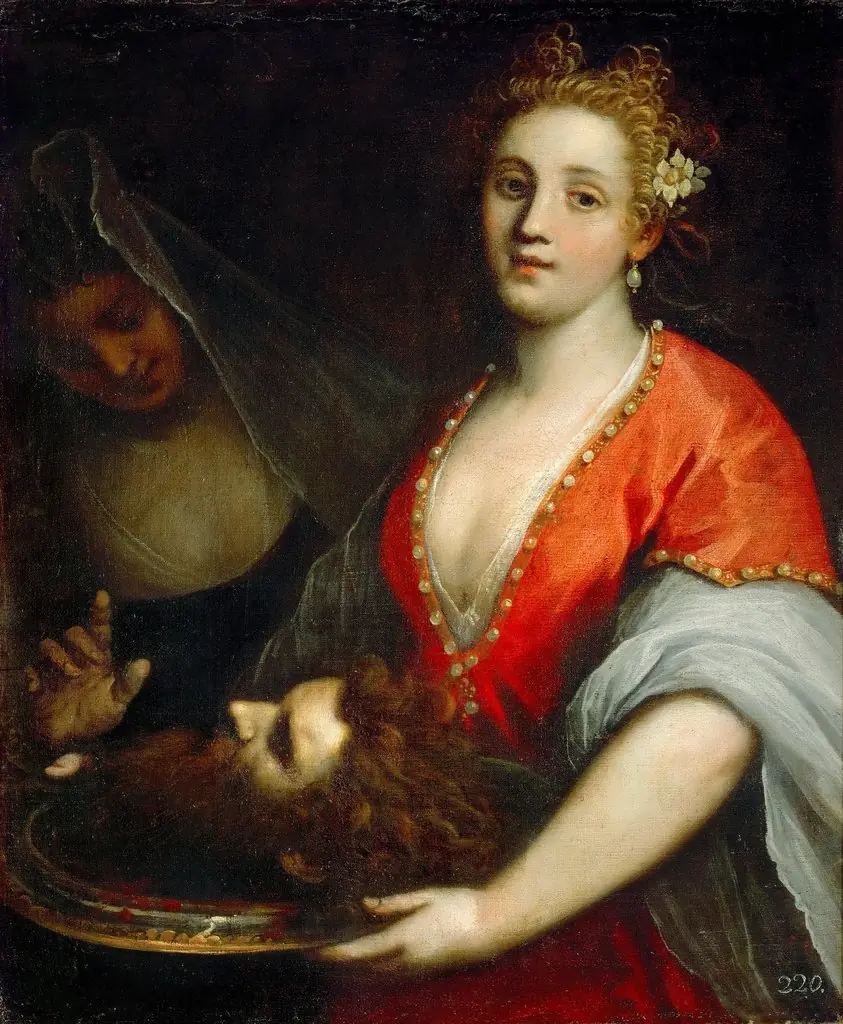
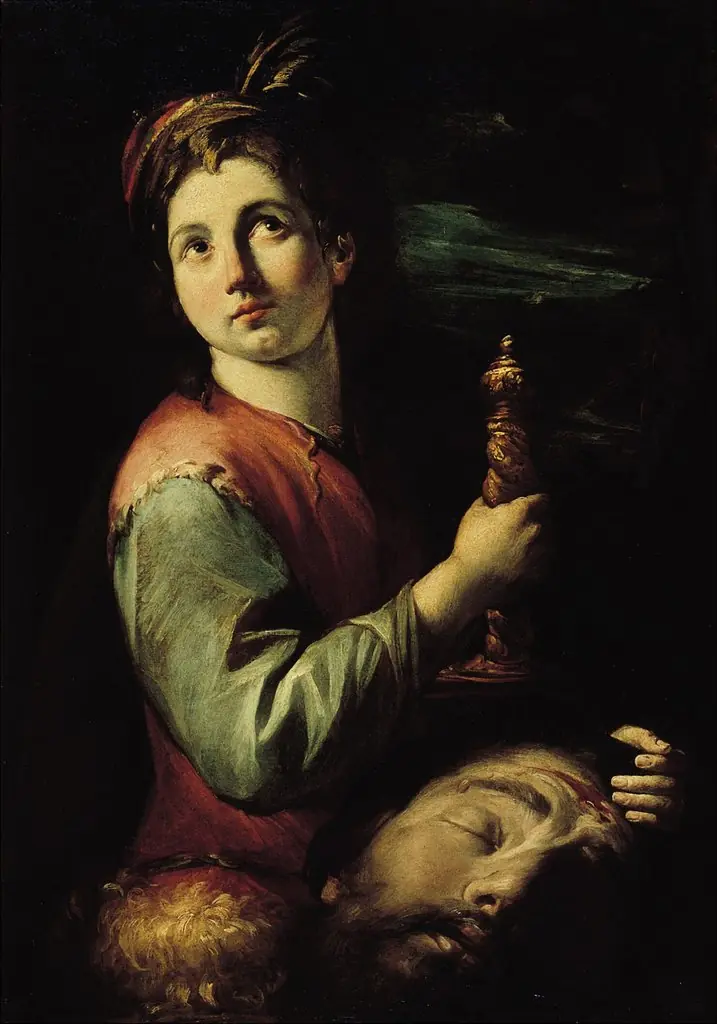
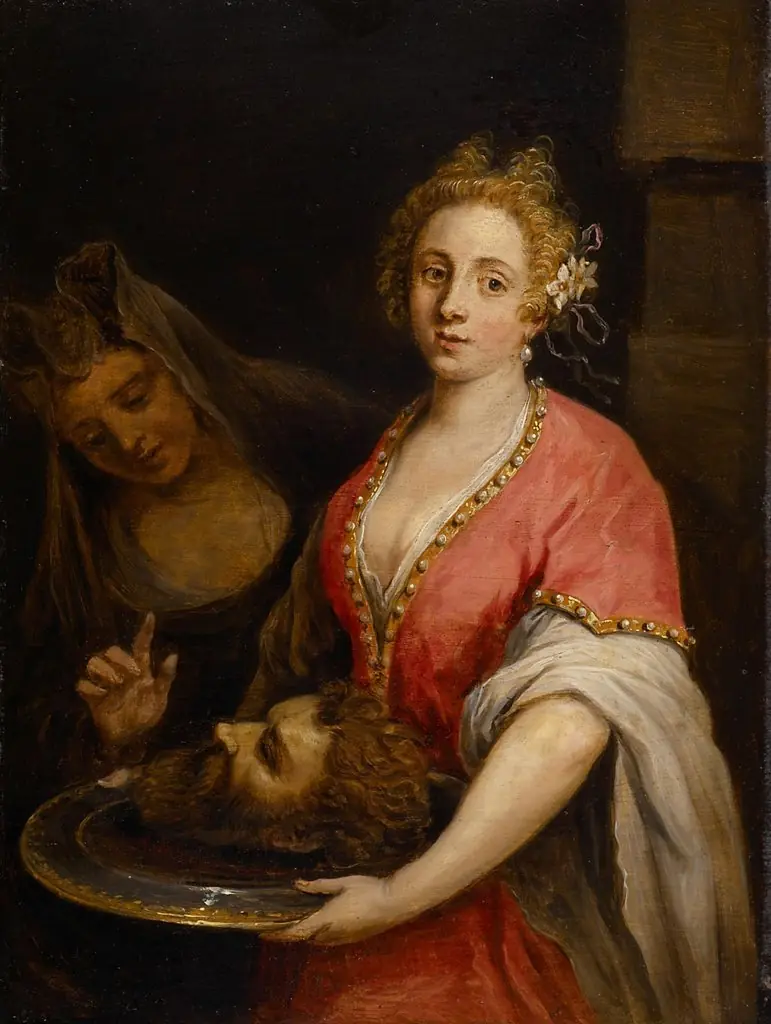
The painting depicts the biblical episode of Judith beheading Holofernes, a narrative drawn from the deuterocanonical Book of Judith. Judith, a Jewish widow, is shown holding the severed head of Holofernes, the Assyrian general whose army besieged her city. The scene symbolizes the triumph of virtue, faith, and courage over brute force and tyranny, as Judith’s act delivers her people from oppression.
Iconographically, Judith is often portrayed with the head of Holofernes, emphasizing her role as a deliverer. The severed head serves as a potent symbol of divine justice and the defeat of evil. In this work, the subject aligns with the broader tradition of religious art that celebrates Judith’s cunning and piety, reinforcing themes of moral victory and providential intervention.
History & Provenance
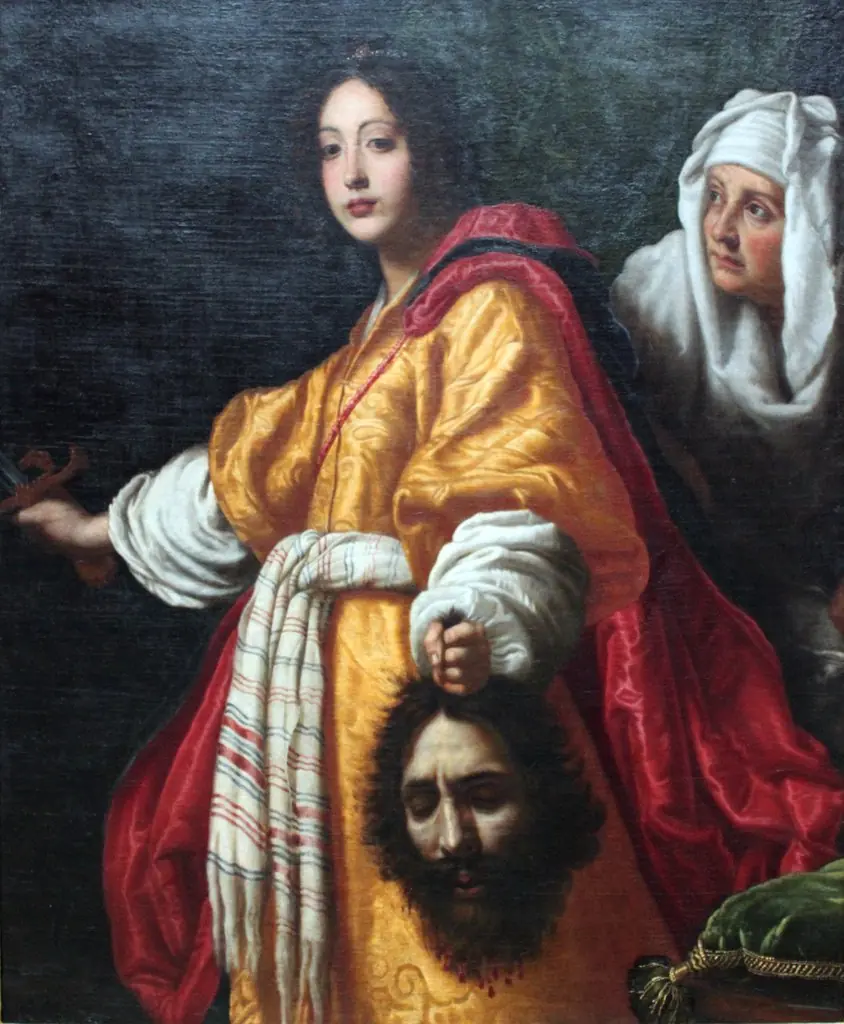
The work titled Judith with the head of Holofernes is a religious painting that was created in 1700. It is attributed to the artist identified by the Wikidata identifier associated with Cristofano Allori. The painting entered the collection of the Kunsthistorisches Museum, where it remains on display. Its dimensions are 134 cm in height and 107 cm in width.
Overview
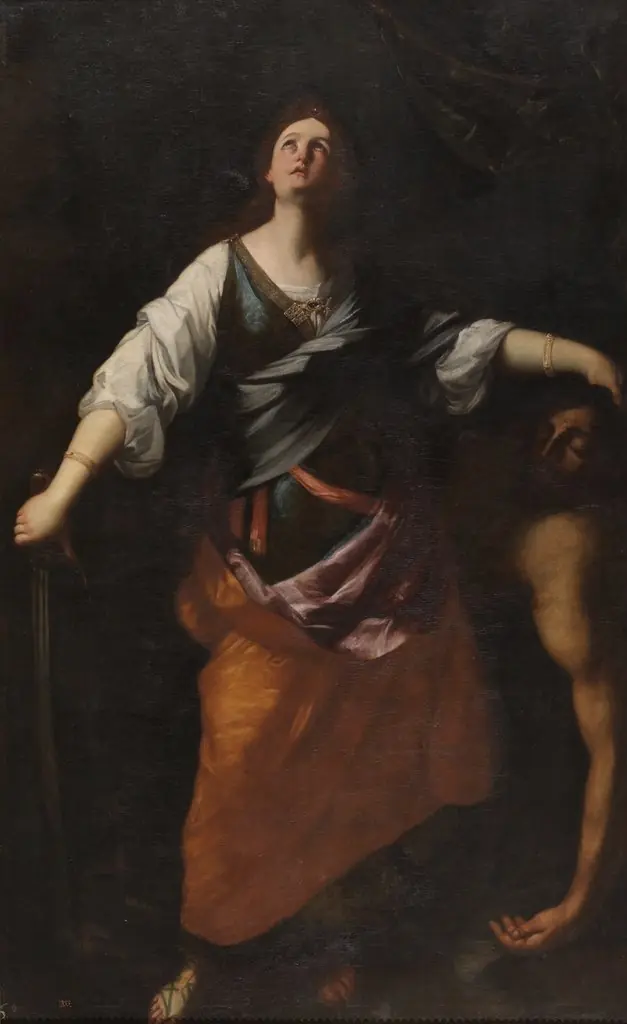
The canvas presents a dramatic scene in which a woman, clothed in a yellow robe, holds a sword in her right hand while grasping the severed head of a man with her left. Her face is rendered indistinct, whereas the victim’s expression conveys shock. A dark, shadowy presence looms behind them, heightening the tension of the composition.
Technique & Style
Employing a pronounced chiaroscuro, the artist creates stark illumination on the central figures against a deep, shadowed background. This manipulation of light and darkness directs the eye to the illuminated forms, accentuating the textures of the yellow robe, the gleaming sword, and the bloodied head, while the surrounding gloom adds a sense of drama.
Context
The composition aligns with a long tradition of Judith representations in Western art, wherein the heroine’s act is rendered with varying degrees of emotional intensity. The emphasis on dramatic lighting and the visceral portrayal of the beheading reflect the influence of Baroque sensibilities, which favored theatricality and moral narrative.
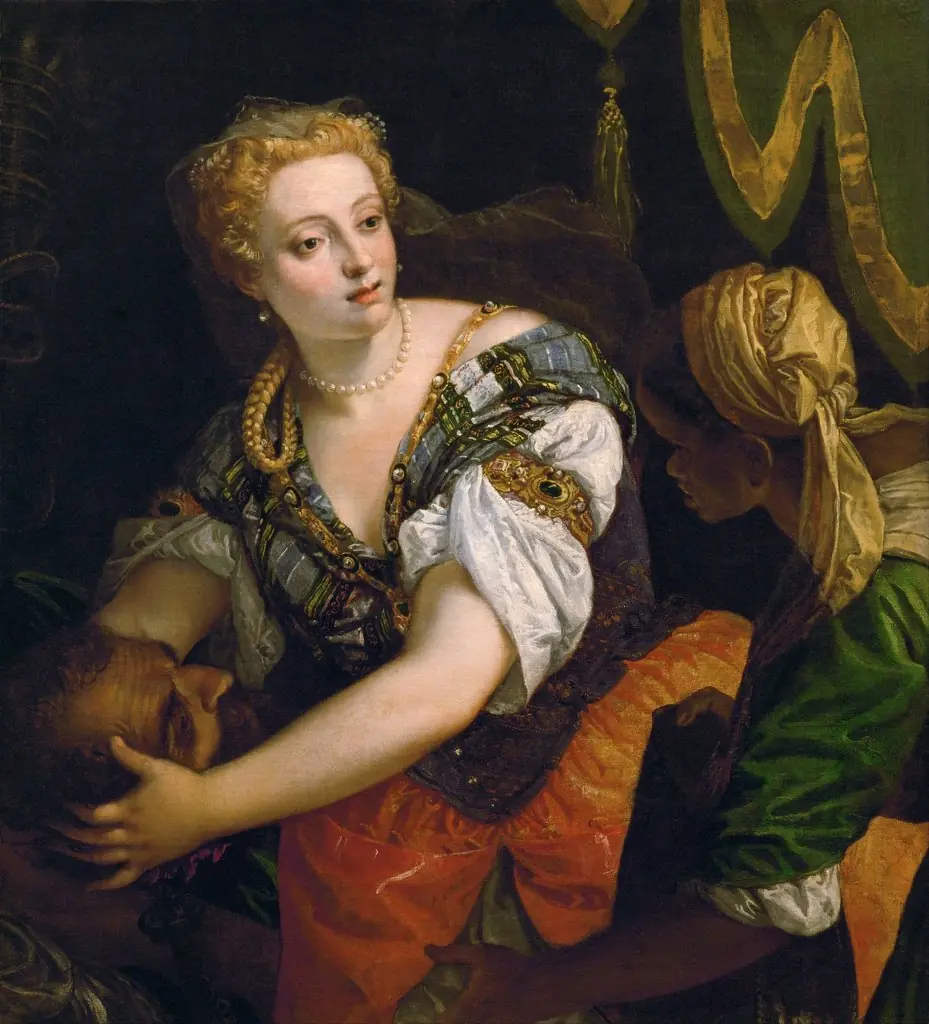
Artist & collection

- Judith with the Head of Holofernes
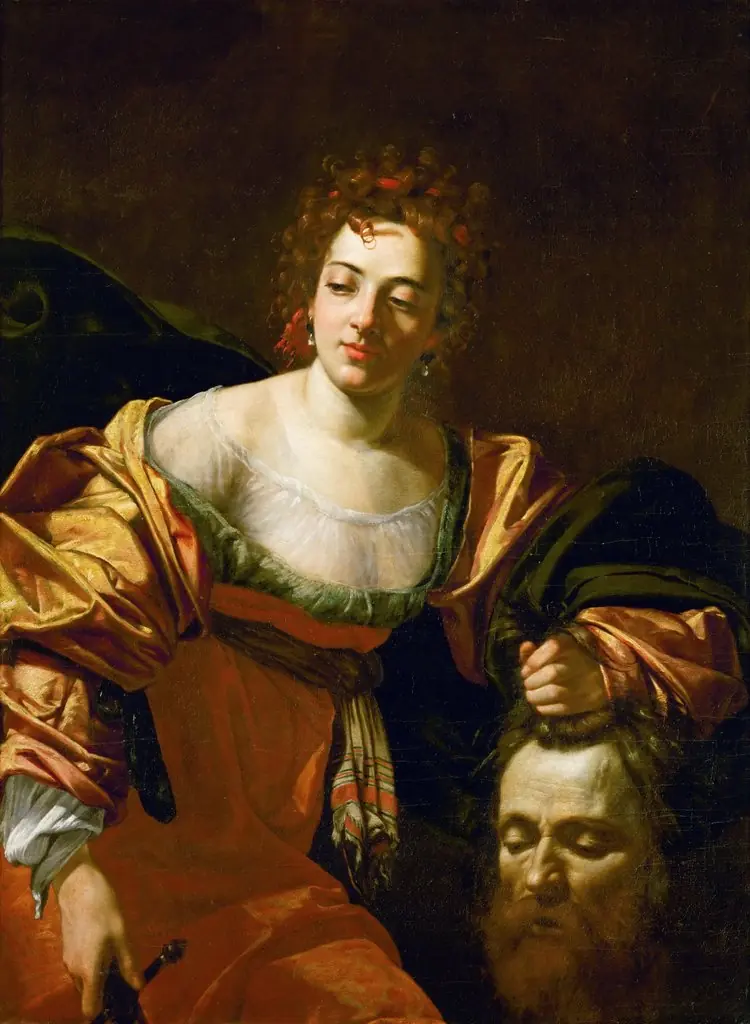 Judith with the Head of Holofernes
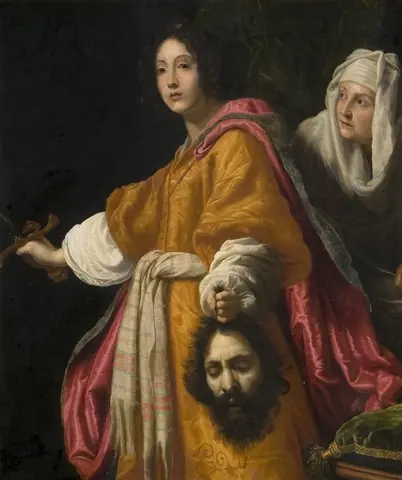 Judith Holding the Head of Holofernes
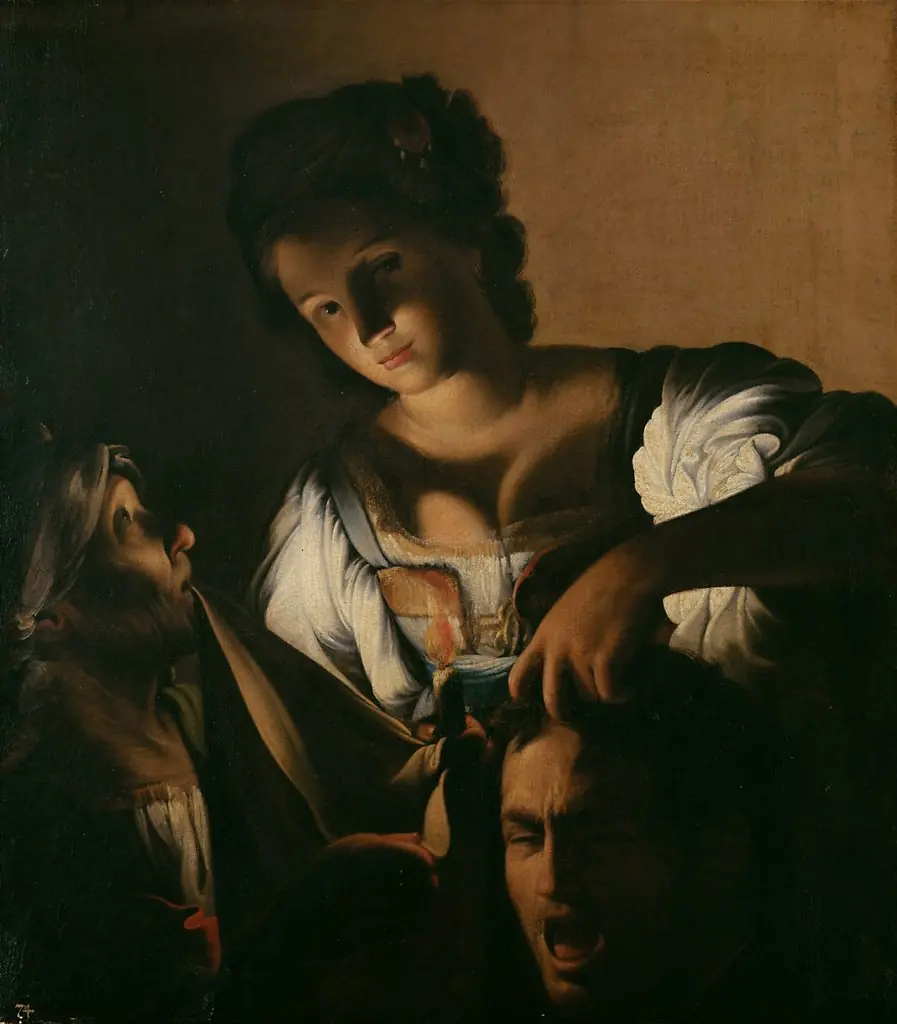 Judith with the head of Holofernes
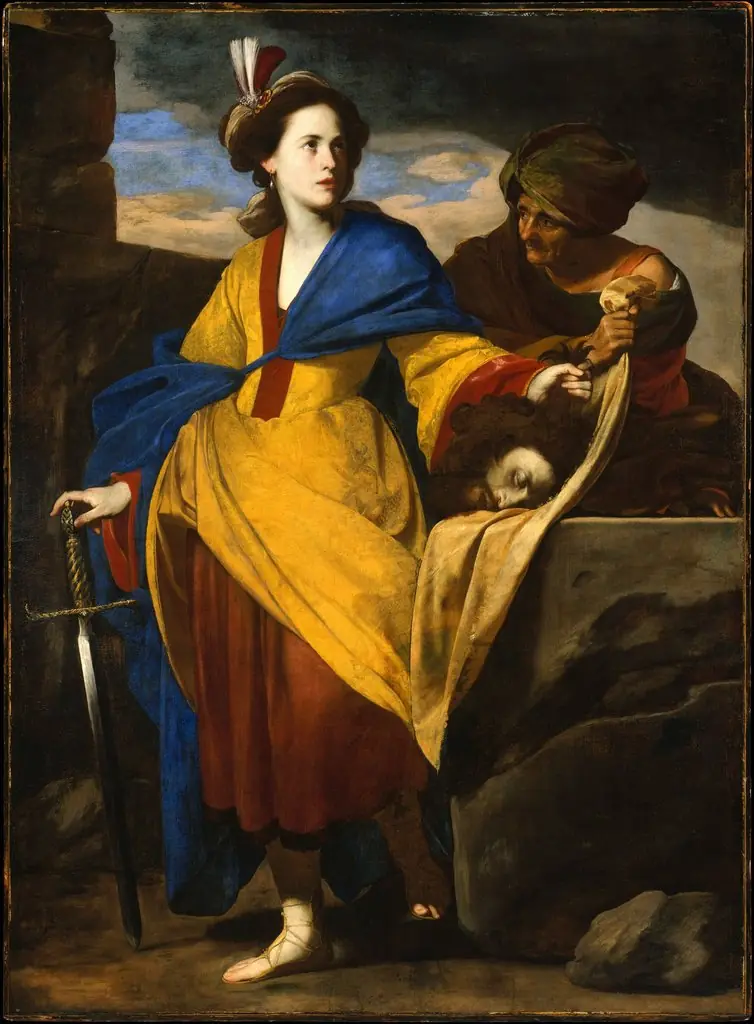 Judith with the Head of Holofernes
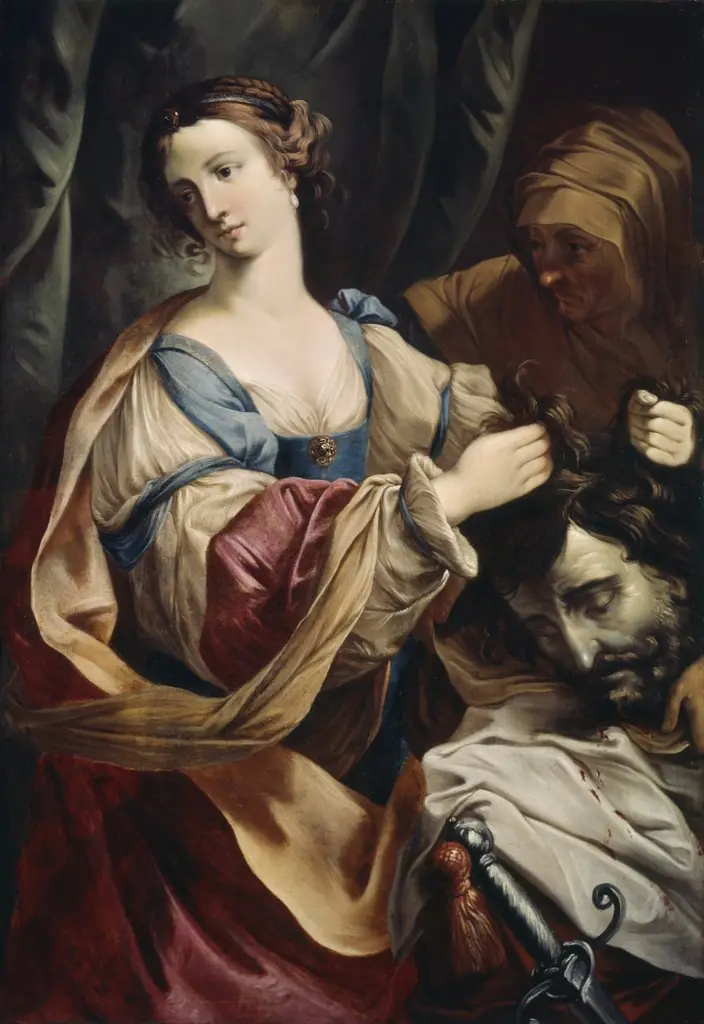 Judith with the Head of Holofernes
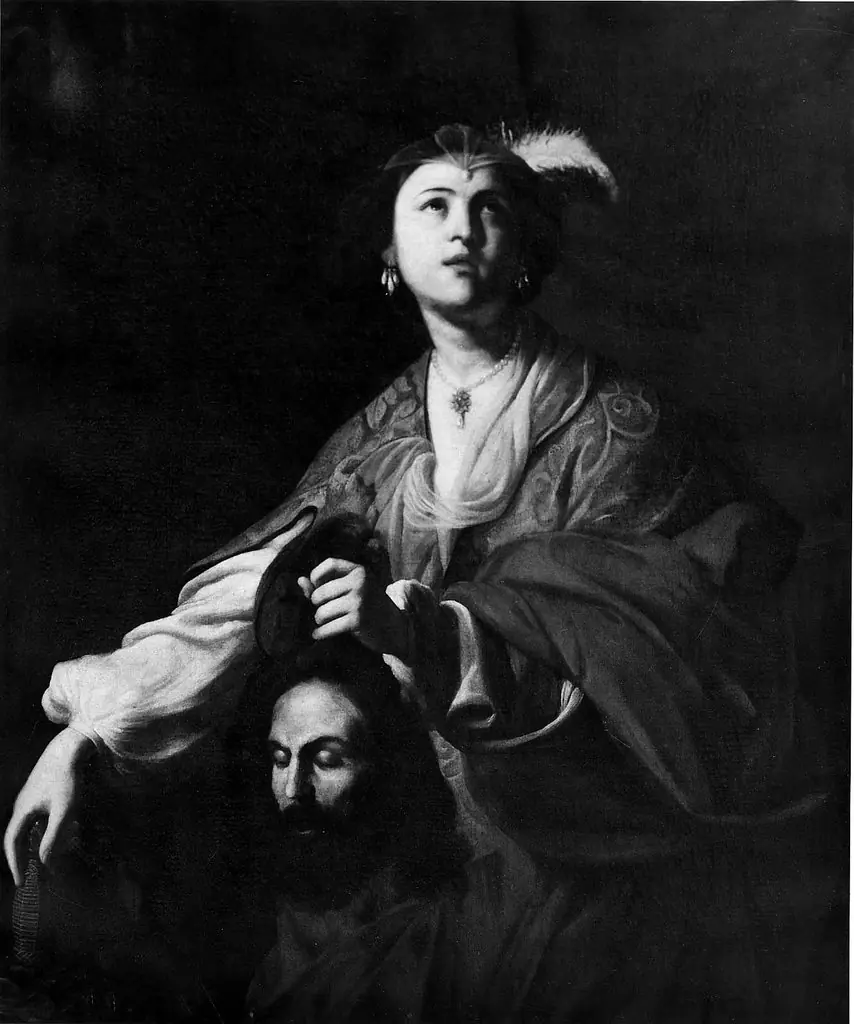 Judith with the Head of Holofernes
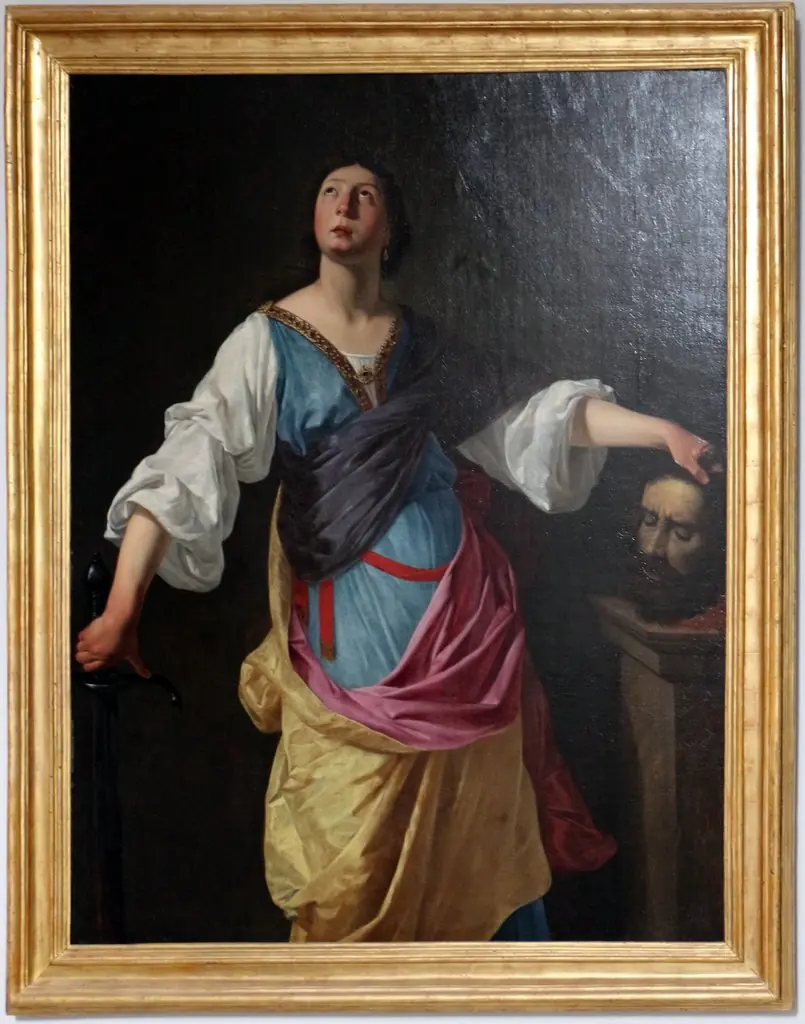 Judith and the Head of Holofernes
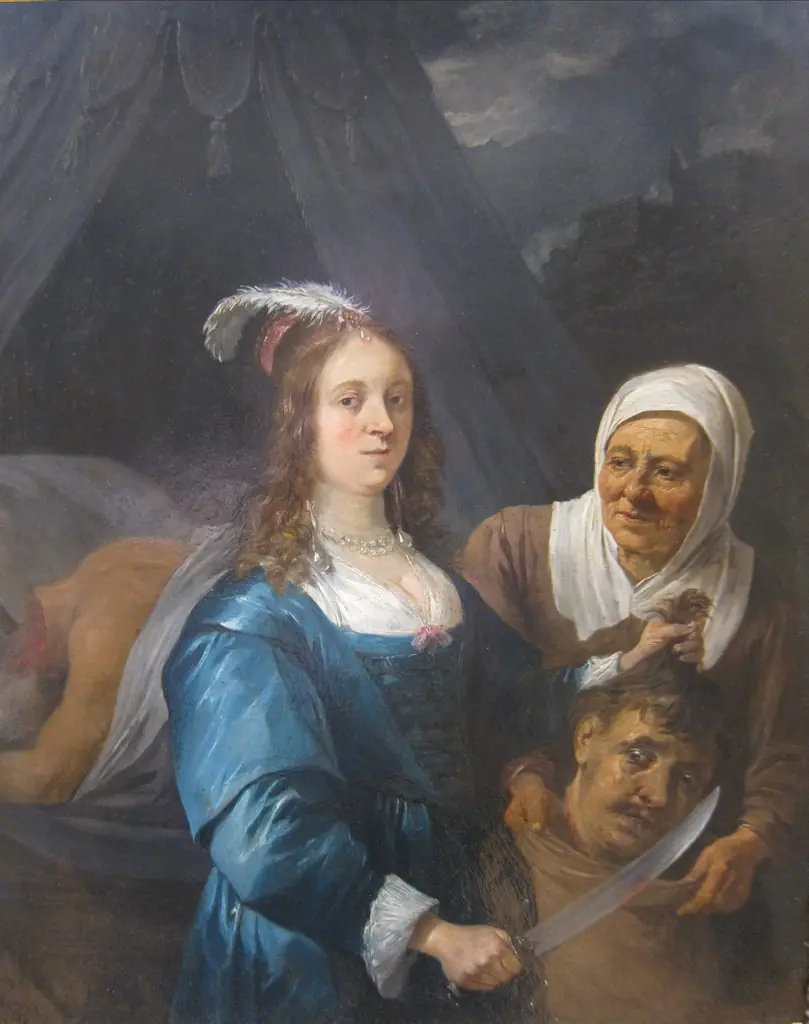 Judith with the Head of Holofernes
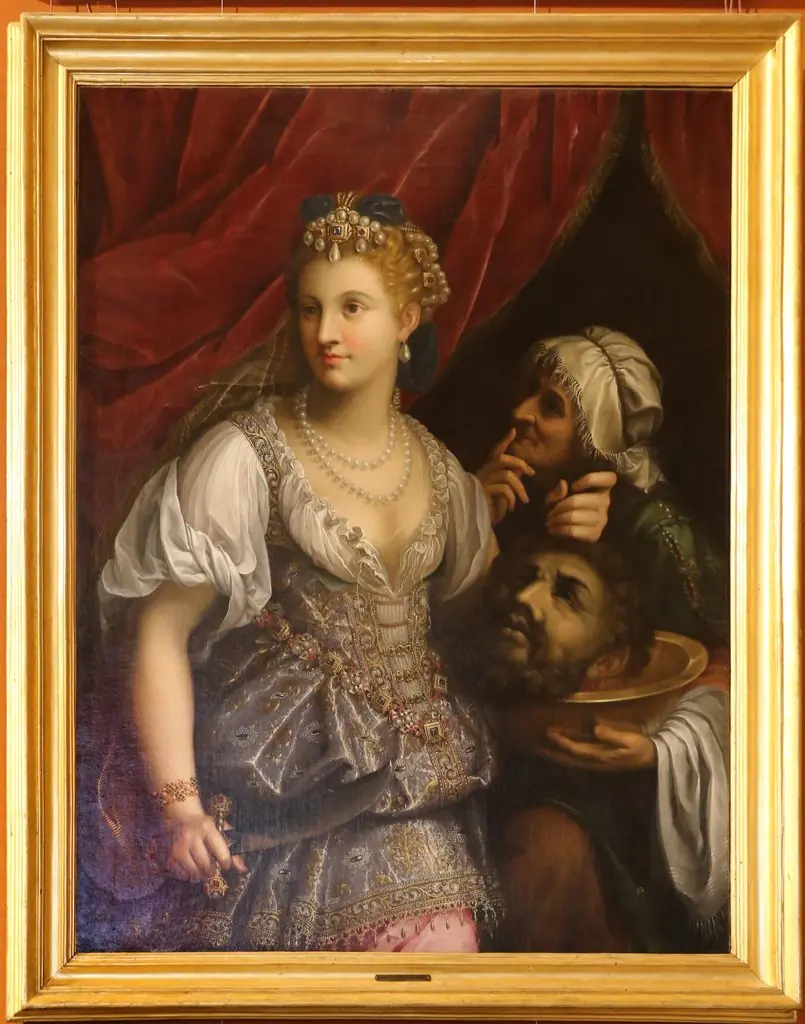 Judith with the Head of Holofernes