Artwork
Judith with the Head of Holofernes
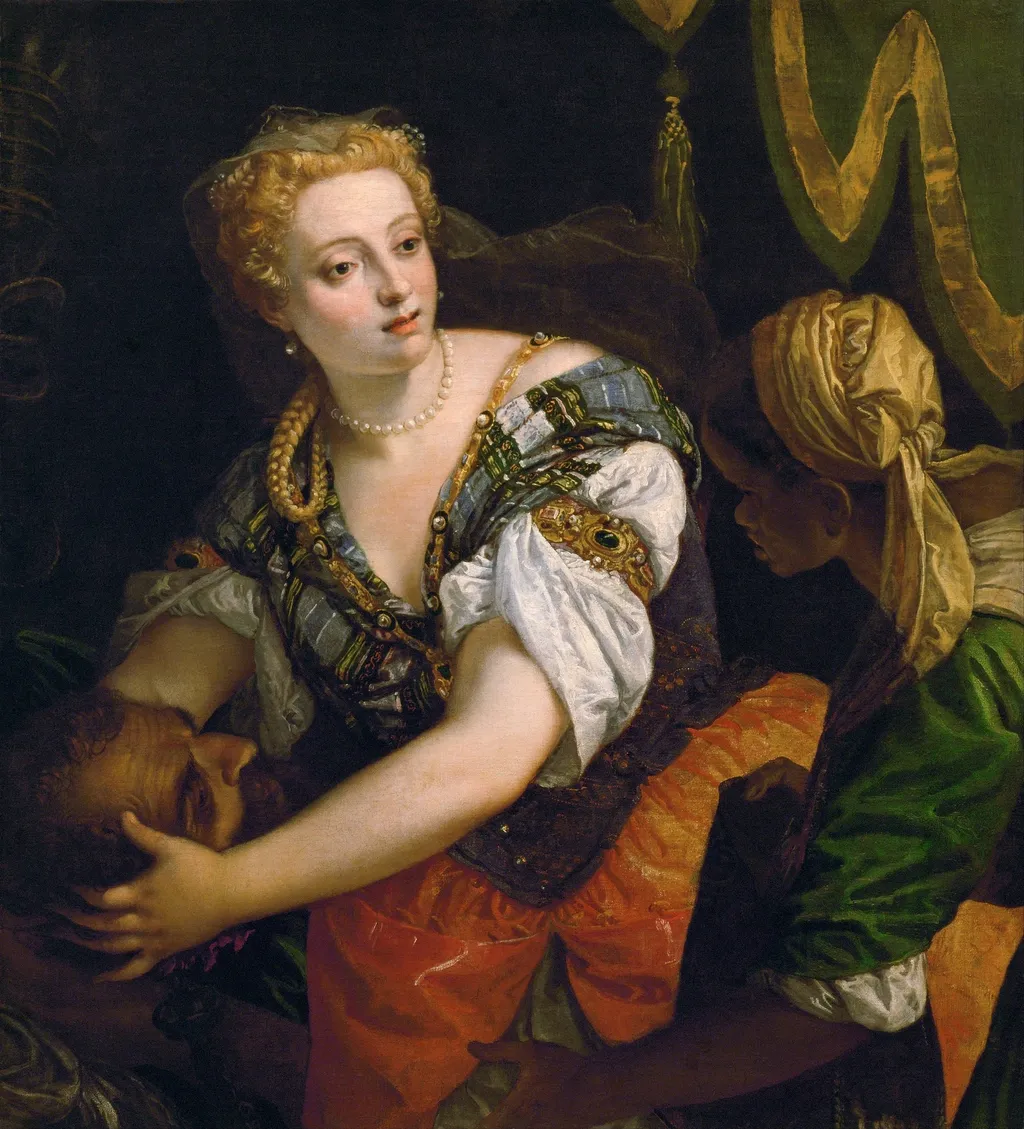
Judith with the Head of Holofernes is an oil painting by the Mannerist artist Paolo Veronese. It is held in the collection of the Kunsthistorisches Museum.
About this work
Subject & Meaning
Created around 1580, the work serves as a visual representation of courage and piety within the context of late Renaissance religious painting.
Paolo Veronese's painting illustrates the biblical narrative of Judith and Holofernes, a popular subject in religious art. The composition depicts the heroine Judith accompanied by a domestic worker, presenting the severed head of the Assyrian general Holofernes. This imagery symbolizes the triumph of virtue and faith over tyranny and moral corruption, reflecting the story's traditional interpretation as an allegory of the weak overcoming the strong through divine assistance.
Created around 1580, the work serves as a visual representation of courage and piety within the context of late Renaissance religious painting.
Technique & Style
Executed in oil paint on canvas, this work measures 1110 cm in height and 1005 cm in width. The composition depicts the biblical figures of Judith and a domestic worker alongside the severed head of Holofernes, adhering to the conventions of religious art. Created circa 1575 to 1580, the painting demonstrates the artist's characteristic handling of large-scale narrative subjects through the fluid application of oil media on a textile support.
History & Provenance
Paolo Veronese created the oil-on-canvas painting Judith with the Head of Holofernes between approximately 1575 and 1580. The work entered the collection of Archduke Leopold Wilhelm of Austria in 1659. It is currently held by the Kunsthistorisches Museum in Vienna, where it is cataloged under inventory number GG 34.
The painting is held by the Kunsthistorisches Museum in Vienna, where it is recorded under inventory number GG 34. It entered the collection of Archduke Leopold Wilhelm of Austria in 1659 and subsequently passed into the museum's holdings, where it remains today.
No exhibition history beyond its documented presence in the Kunsthistorisches Museum collection is recorded in the available sources.
Legacy
The painting has been frequently cited as an influential treatment of the Judith and Holofernes narrative, shaping later depictions of the heroine's decisive moment of violence. Its composition, particularly the close rendering of Judith's expression and the severed head, informed subsequent Baroque and Rococo artists seeking dramatic tension in biblical scenes. The work's provenance through the Archduke Leopold Wilhelm collection contributed to its visibility in European art circles, reinforcing the motif's popularity in the 17th century.
Contemporary scholarship continues to reference the painting when examining the evolution of gendered power dynamics in visual culture.
Overview
Paolo Veronese’s oil painting titled Judith with the Head of Holofernes dates from the late 1570s, roughly between 1575 and 1580. The work is part of the collection of the Kunsthistorisches Museum in Vienna, where it is catalogued under inventory number GG 34.
Context
Veronese’s treatment of the Judith narrative aligns with the period’s fascination with heroic female figures from biblical and classical sources. The work reflects the artist’s penchant for grand, narrative scenes populated by richly dressed figures, a hallmark of Venetian courtly taste in the late sixteenth century.
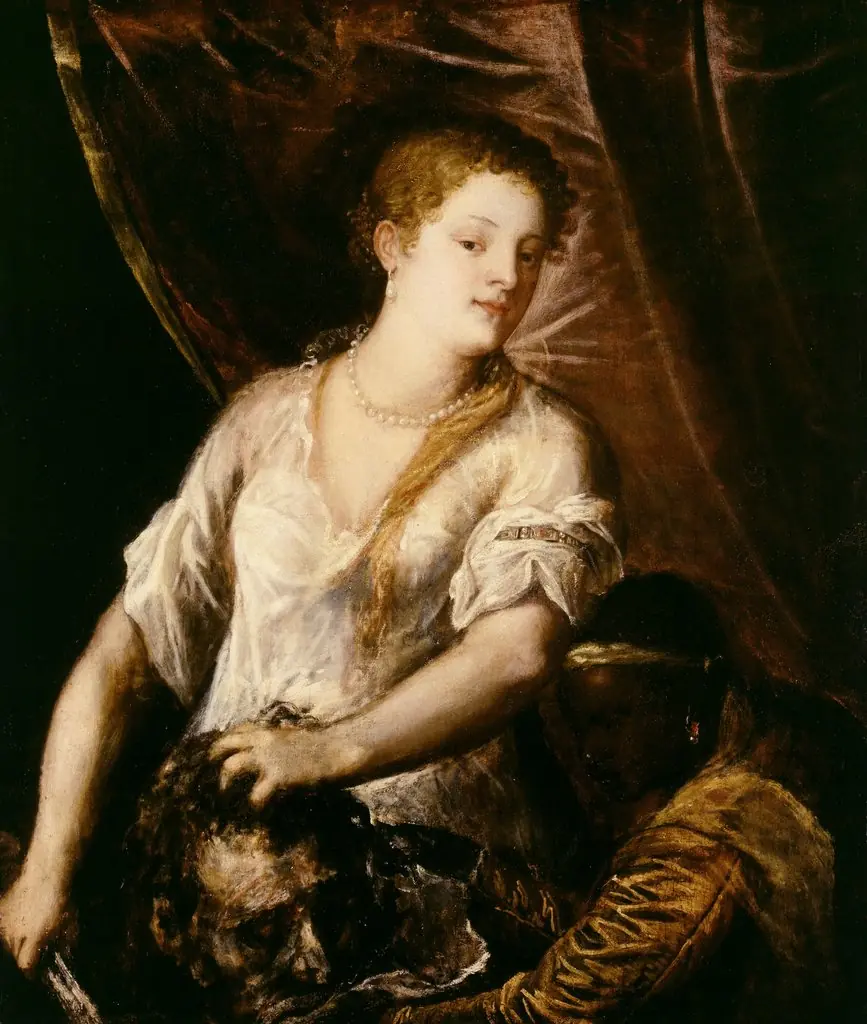
Own this work as a print
Artist & collection
Artist
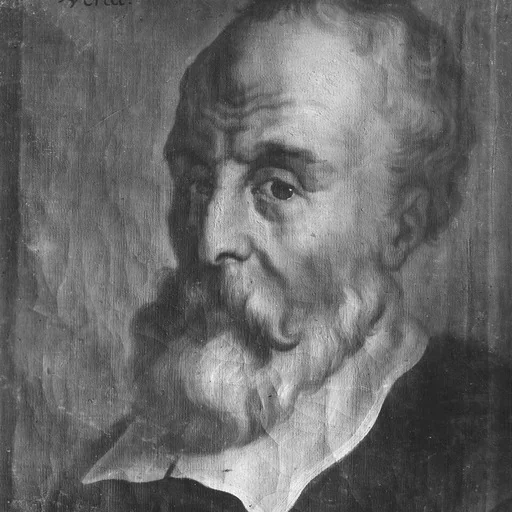
Paolo Caliari (1528 – 19 April 1588), known as Paolo Veronese ( VERR-ə-NAY-zay, -zee, US also -see; Italian: ), was an Italian Renaissance painter based in Venice, known for extremely large history paintings of…


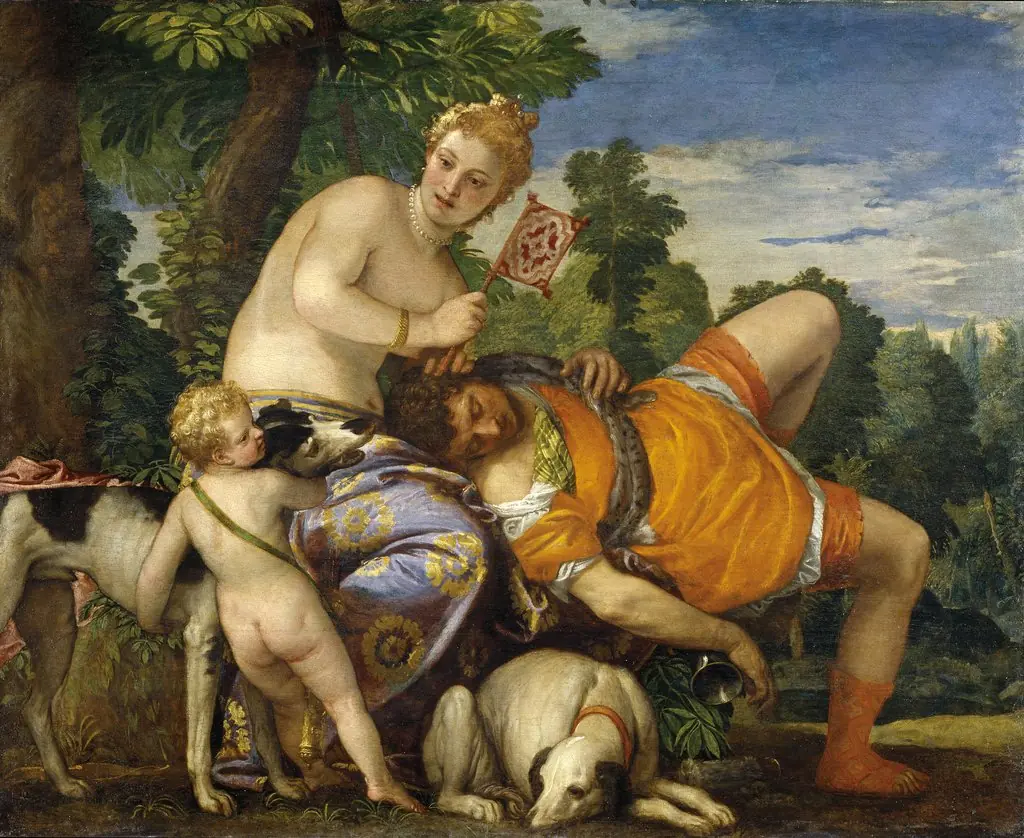
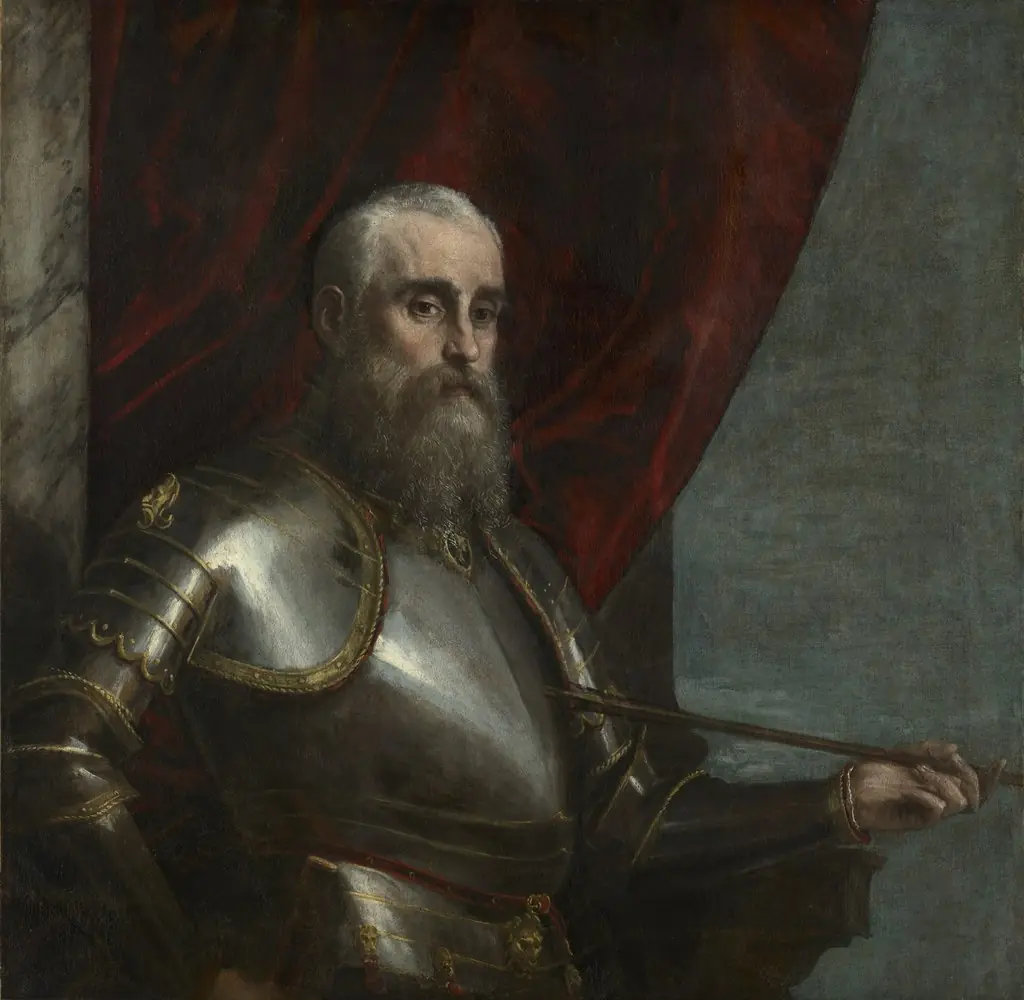
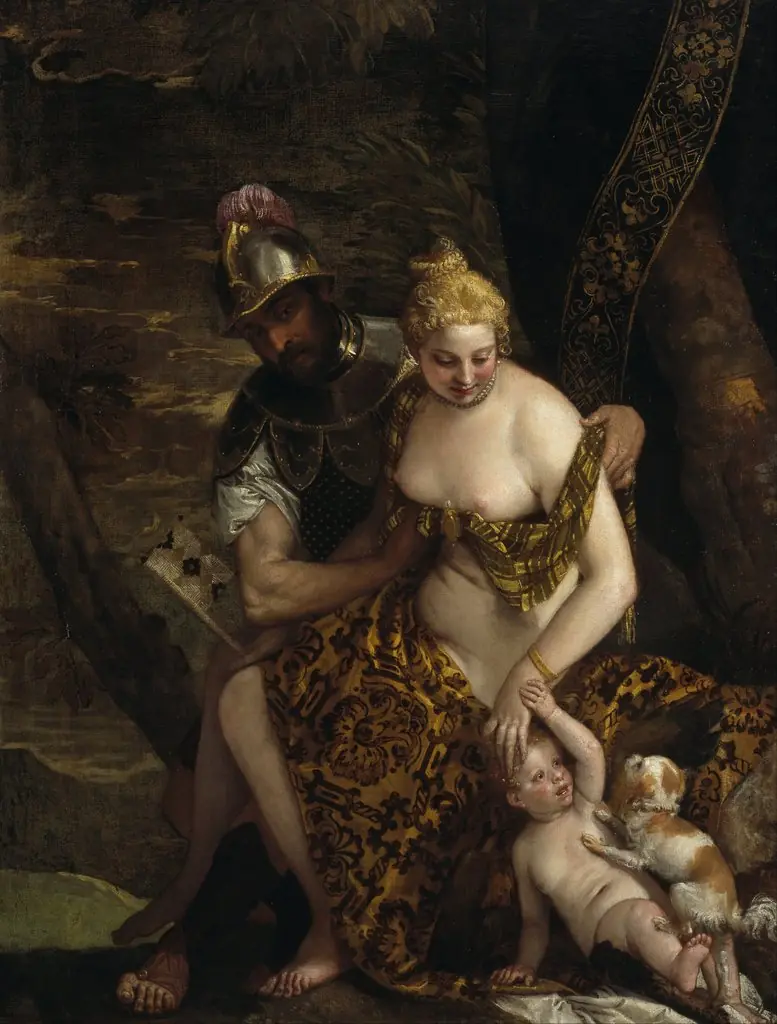
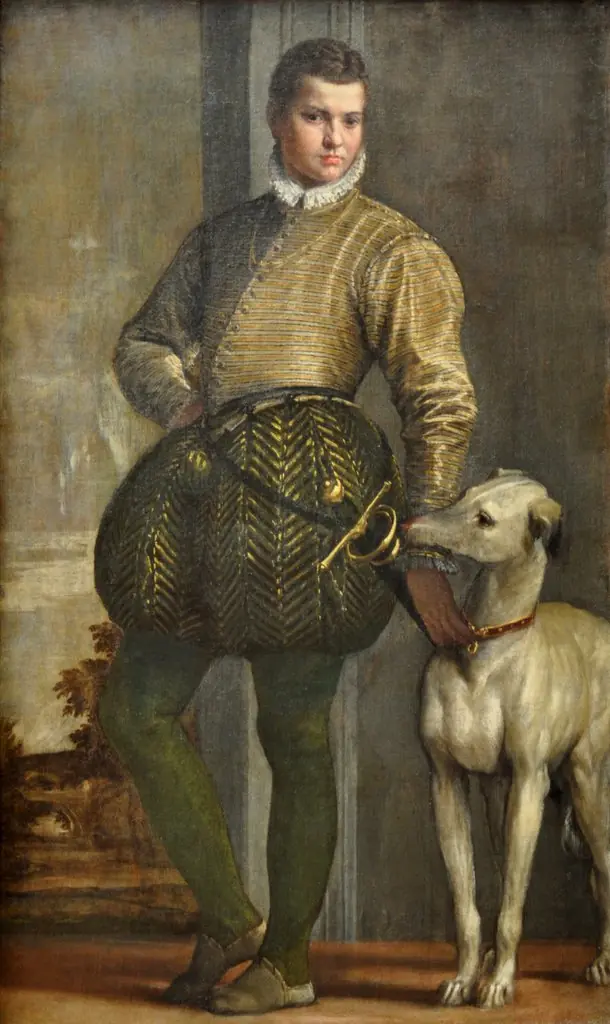
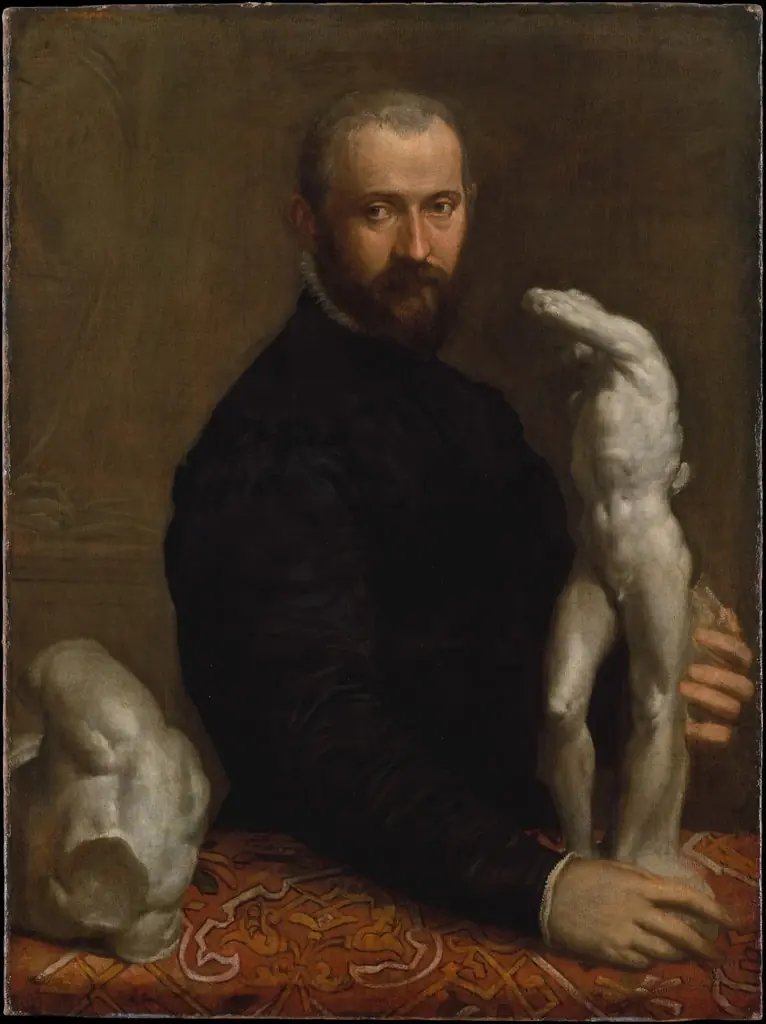
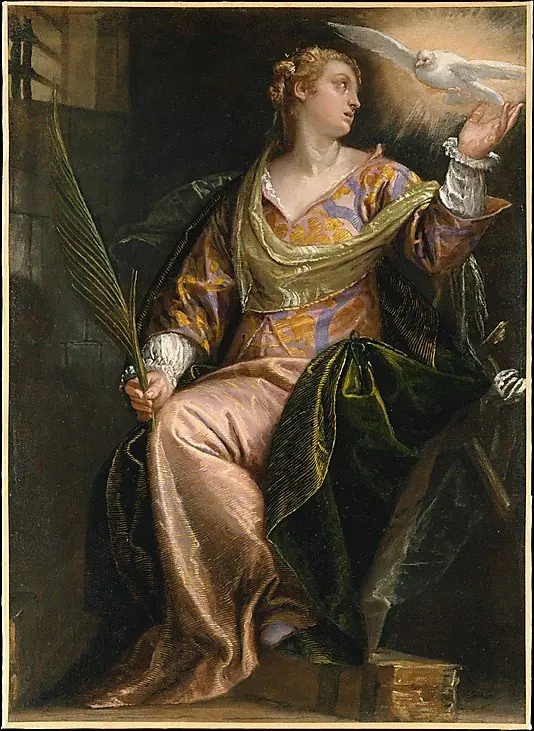
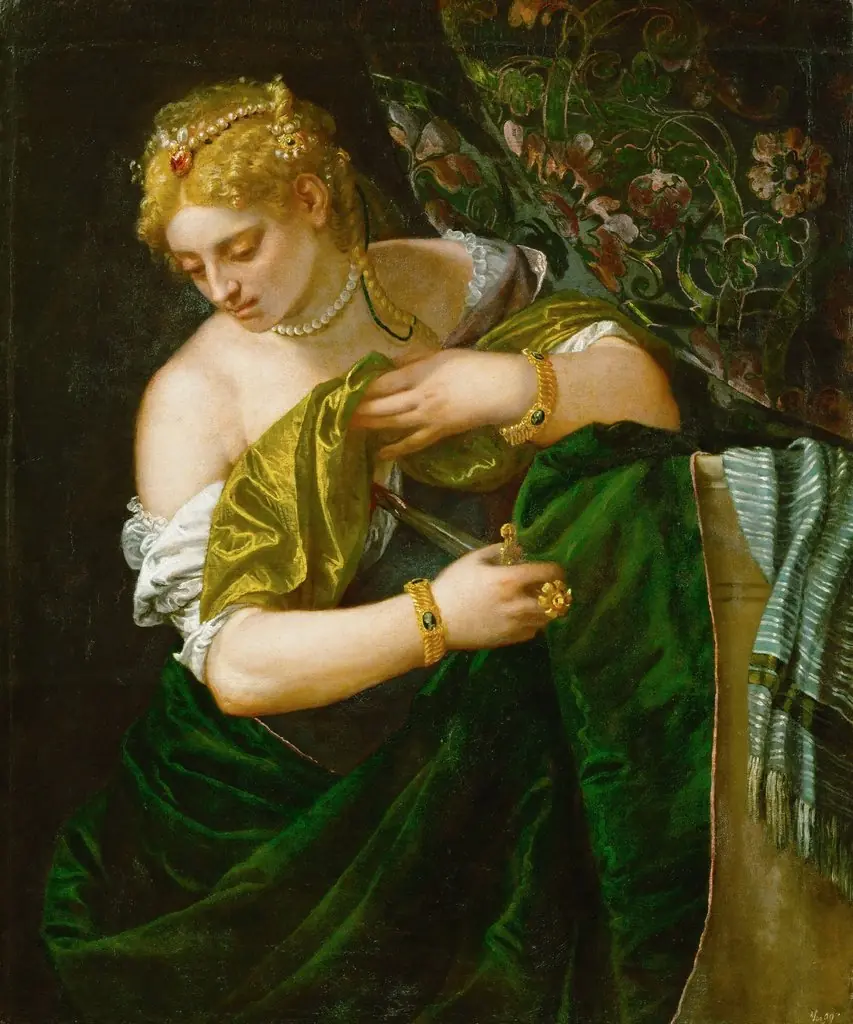
- Judith with the Head of Holofernes
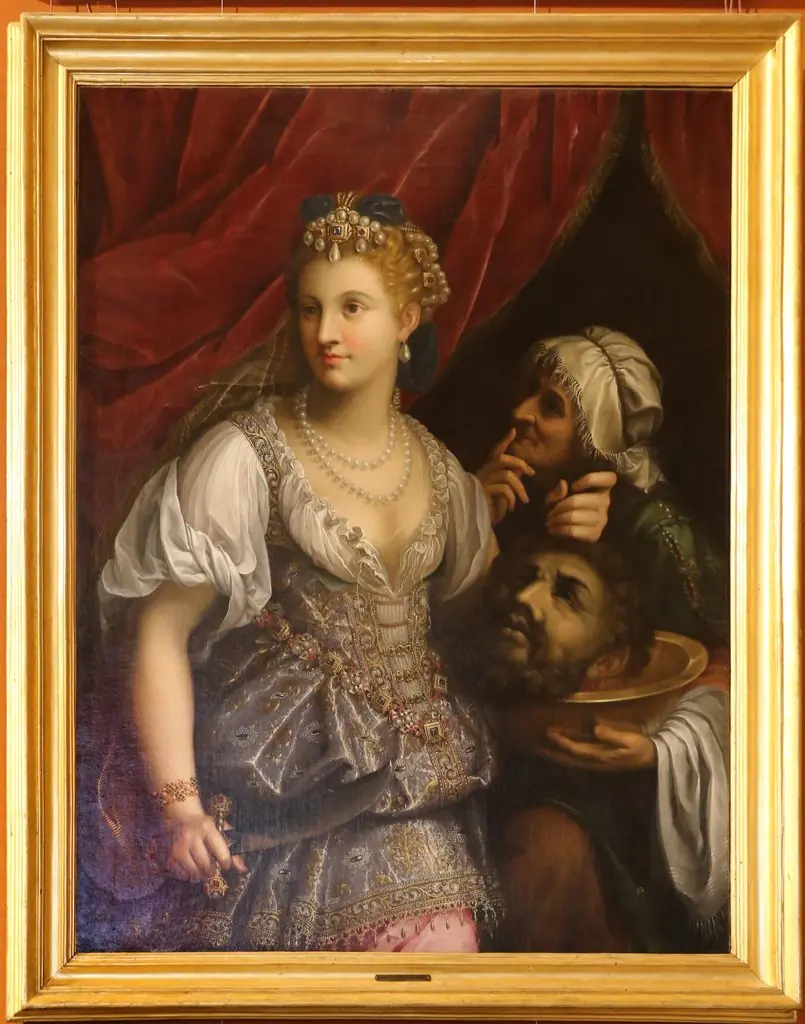 Judith with the Head of Holofernes
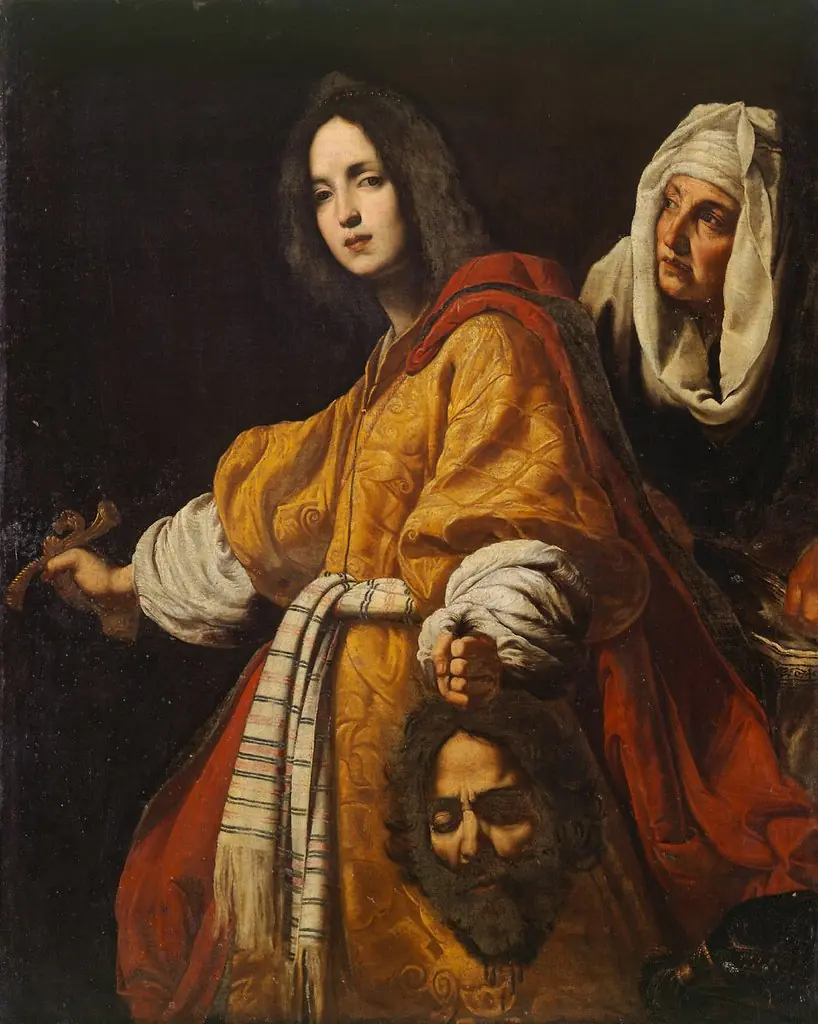 Judith with the head of Holofernes
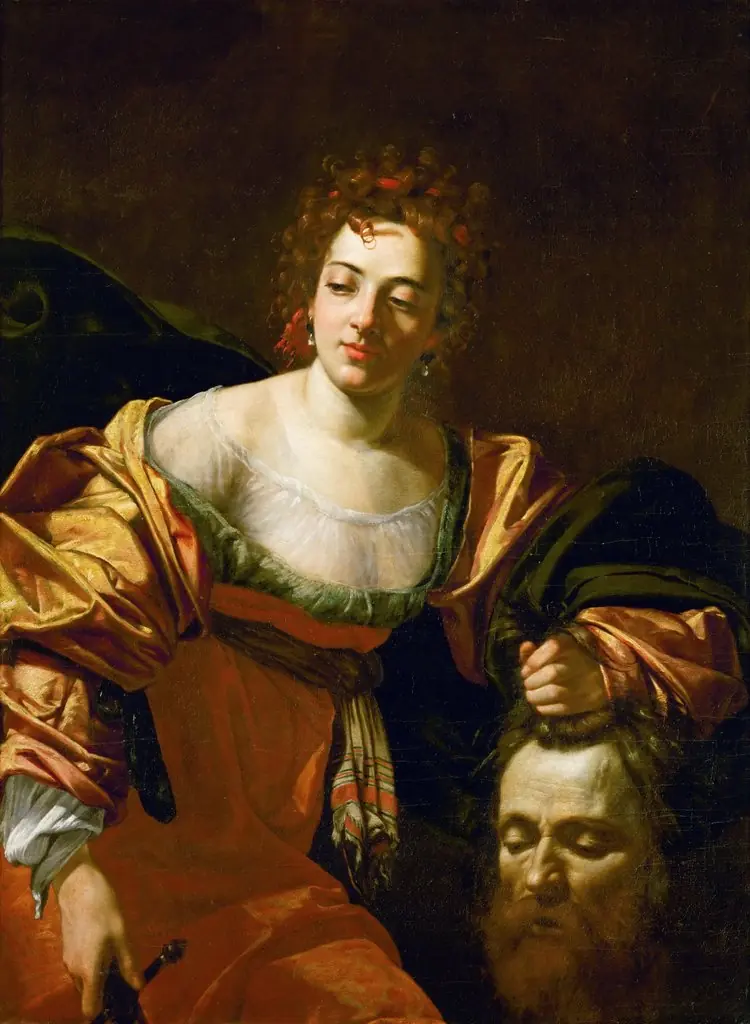 Judith with the Head of Holofernes
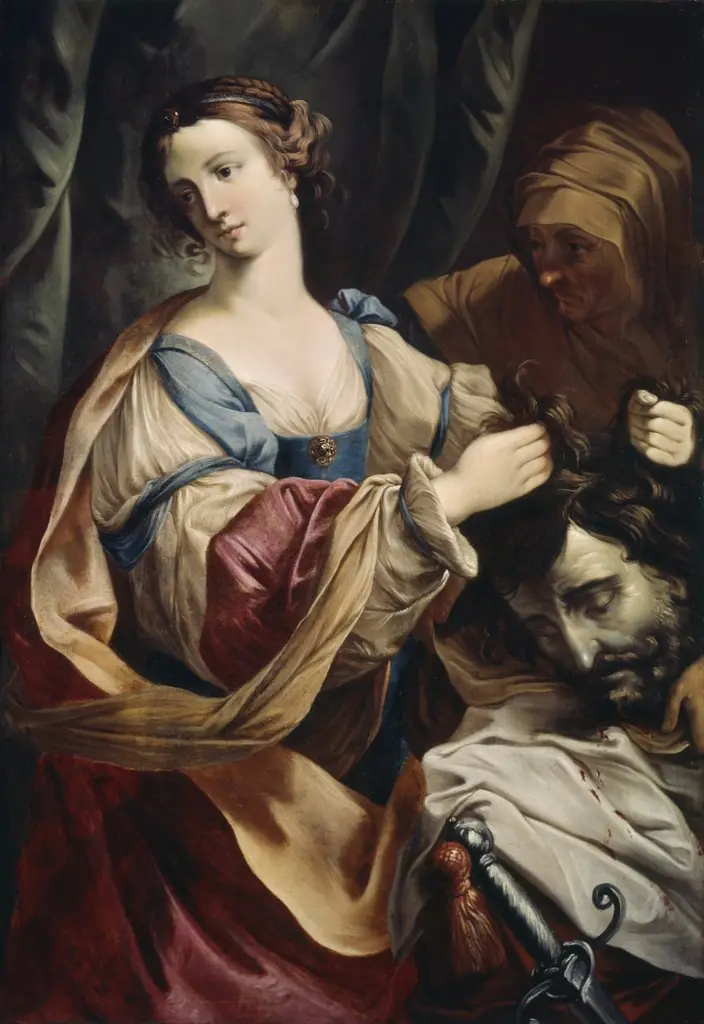 Judith with the Head of Holofernes
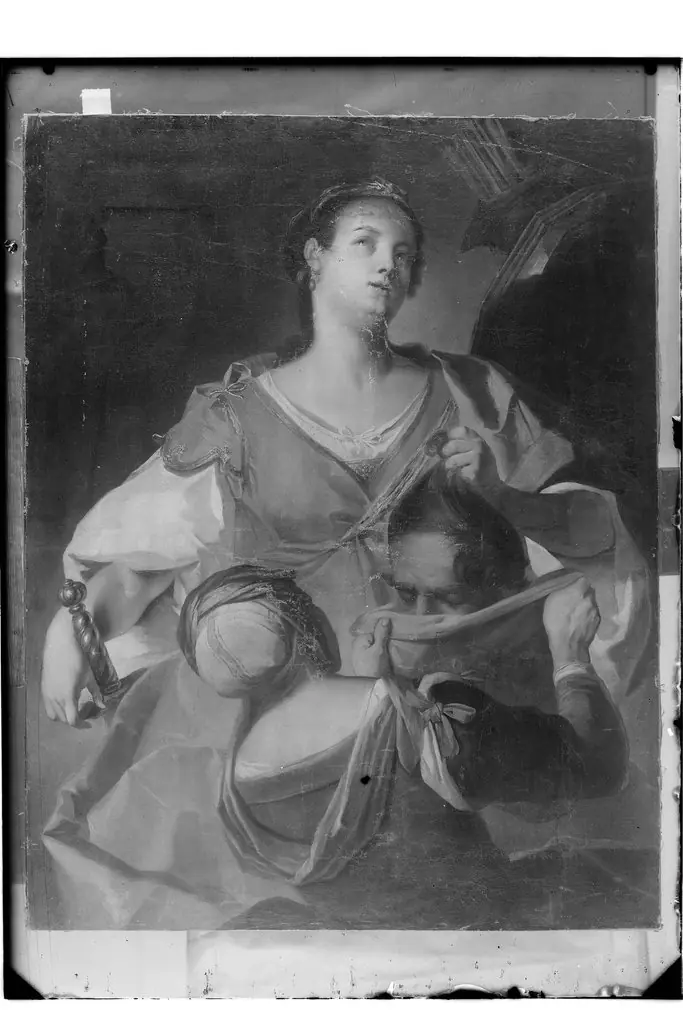 Judith with the head of Holofernes
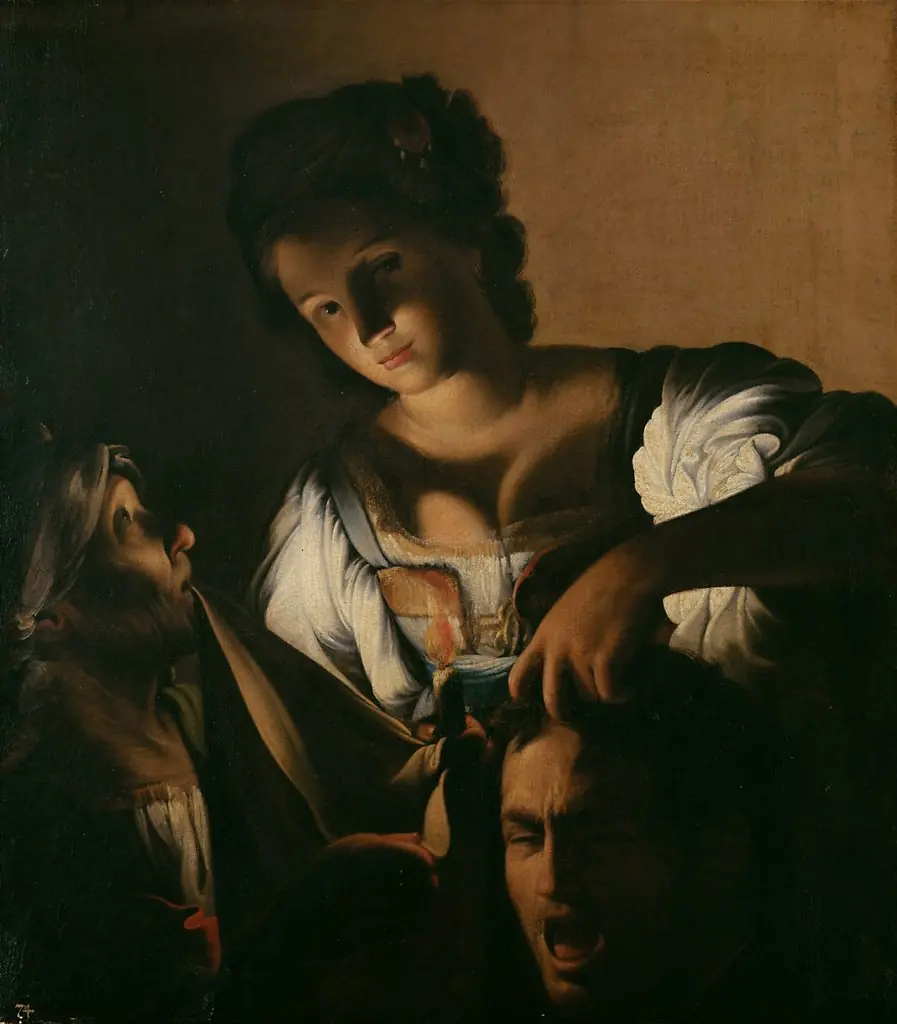 Judith with the head of Holofernes
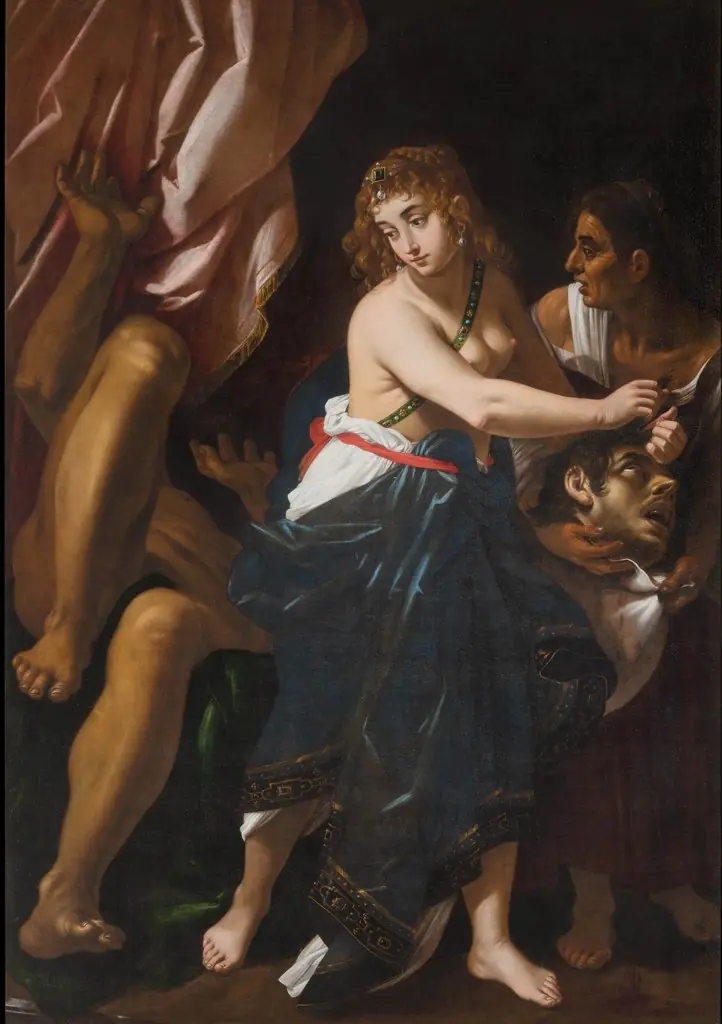 Judith and the Head of Holofernes
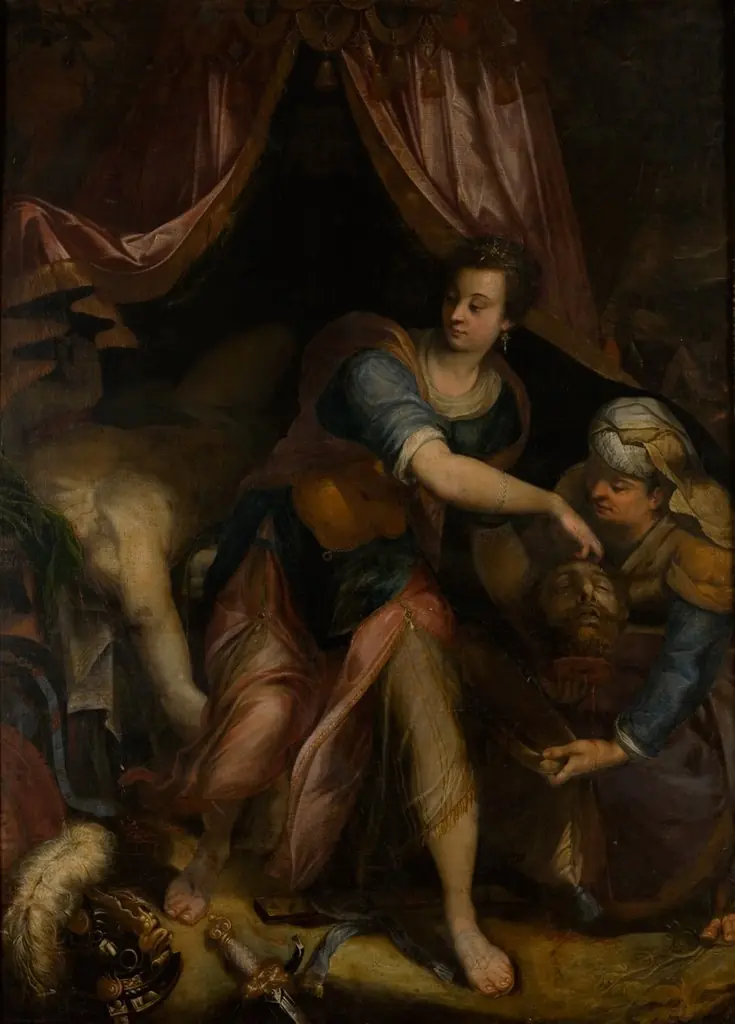 Judith with the Head of Holofernes
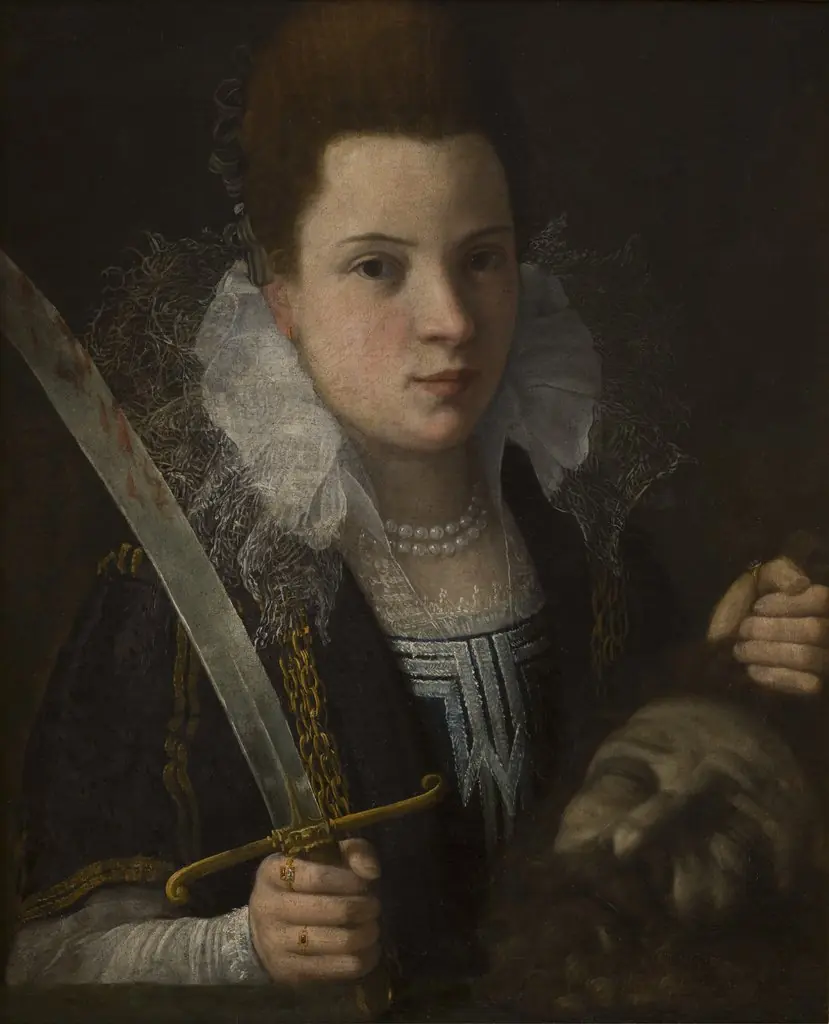 Judith with the Head of Holofernes
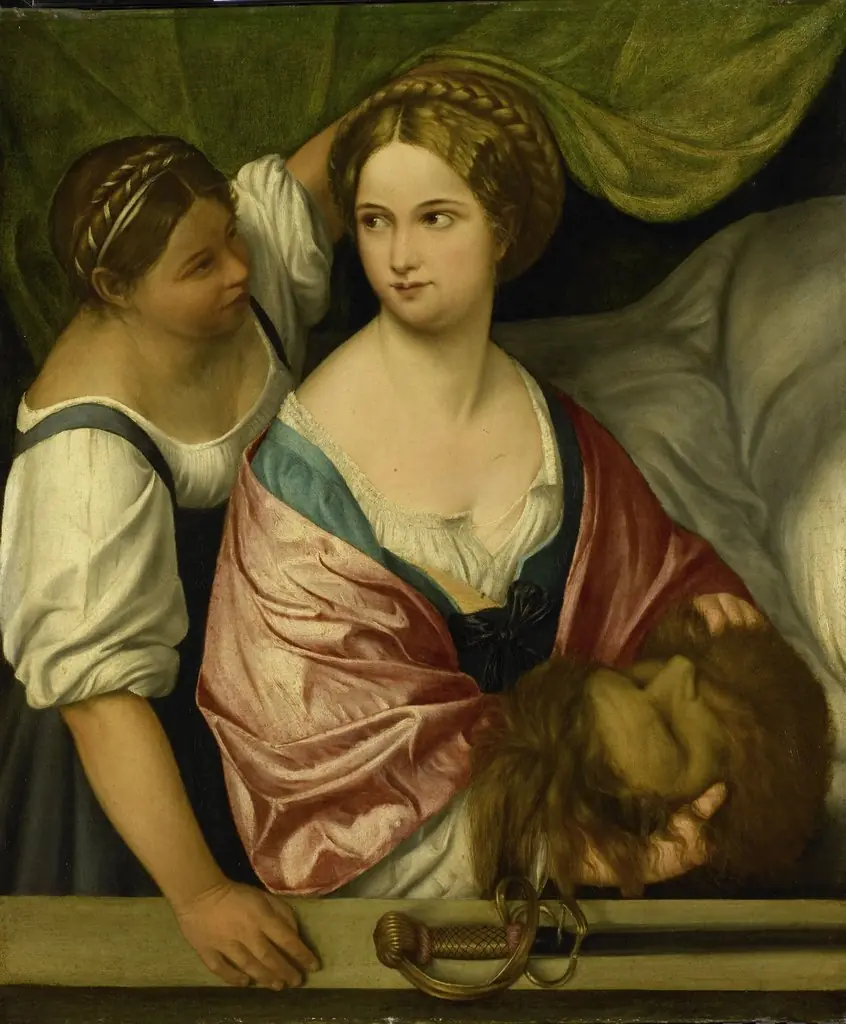 Judith with the Head of Holofernes