Artwork
Judith with the head of Holofernes
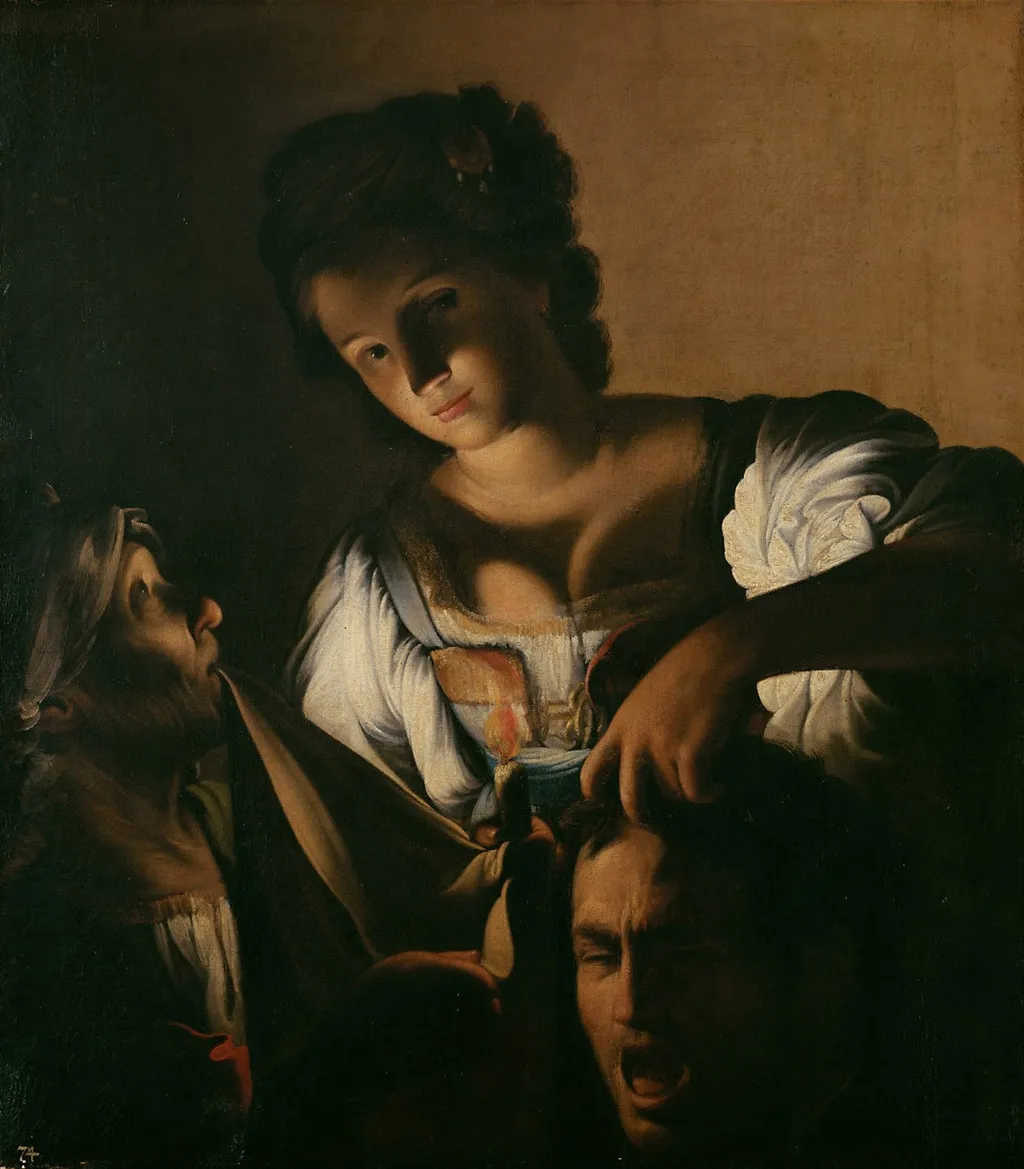
Judith with the head of Holofernes is an oil painting by the Early Baroque Italian artist Carlo Saraceni. It dates from 1617 and is held in the collection of the Kunsthistorisches Museum.
About this work
Subject & Meaning
The artwork represents the biblical story of Judith and Holofernes, a common subject in religious art. The composition centers on a woman, Judith, holding a beheaded head, which symbolizes her victorious assassination of the Assyrian general Holofernes to save her people. The visual narrative emphasizes the grim aftermath of the decapitation rather than the violent act itself.
Technique & Style
The composition reflects the artist's early Roman period, demonstrating a clear assimilation of Caravaggio's influence through its dramatic handling of light.
Executed in oil paint, this work dates to 1617 and measures 90 by 79 centimeters. The composition reflects the artist's early Roman period, demonstrating a clear assimilation of Caravaggio's influence through its dramatic handling of light. Specifically, the use of candlelight exemplifies the chiaroscuro techniques characteristic of the tenebrist movement during this era. The painting depicts the biblical figures of Judith and the beheaded Holofernes within a religious genre framework.
History & Provenance
The painting is dated to 1617 according to the artwork’s internal catalogue and its Wikidata entry, although some scholarship places its execution between 1610 and 1615. It was owned by Archduke Leopold Wilhelm of Austria, then passed to Bartolomeo della Nave and James Hamilton, 1st Duke of Hamilton, before entering the Kunsthistorisches Museum, where it remains. The work appears in David Teniers the Younger’s Theatrum Pictorium of the Archduke’s collection in 1659 and again in 1673, indicating early prominence.
Stylistically, it reflects Saraceni’s first decade in Rome, showing Caravaggesque influence and a tenebrist use of candlelight. A version or autograph copy is also recorded in the Dayton Art Institute.
The painting is held in the Dayton Art Institute, Dayton, Ohio. Its accession number is 1952.3.
It was recorded in David Teniers the Younger’s 1659 catalog of Archduke Leopold Wilhelm of Austria’s collection and again in the 1673 edition of Theatrum Pictorium, where it was listed as work number 39.
Context
Created between 1610 and 1615, this work exemplifies Carlo Saraceni's first decade in Rome, a period defined by his assimilation of Caravaggist principles. The painting demonstrates the artist's adoption of chiaroscuro, specifically utilizing candlelight effects characteristic of the tenebrist movement. While a version dated 1617 is held by the Kunsthistorisches Museum in Vienna, an autograph copy resides in the Dayton Art Institute.
The composition gained early scholarly and historical recognition through its inclusion in David Teniers the Younger's 1659 catalog, Theatrum Pictorium, which documented the collection of Archduke Leopold Wilhelm. This appearance in a major 17th-century inventory underscores the work's established reputation among contemporary collectors and its integration into the broader narrative of Baroque religious art.
Legacy
Carlo Saraceni's painting achieved early notoriety and lasting documentary significance through its inclusion in the collection of Archduke Leopold Wilhelm of Austria. The work's reputation was cemented when David Teniers the Younger portrayed the Archduke's art collection, bringing broader visibility to the canvas. It was subsequently cataloged in Teniers' seminal 1659 publication Theatrum Pictorium, and documented again in 1673, ensuring the composition's legacy within the historical record of major European art collections.
Overview
Carlo Saraceni’s oil painting titled Judith with the Head of Holofernes dates from roughly 1610‑1615 and is part of the collection of the Dayton Art Institute in Ohio. The work depicts the biblical heroine Judith holding the severed head of the Assyrian general Holofernes, rendered in a compact, dramatic composition.
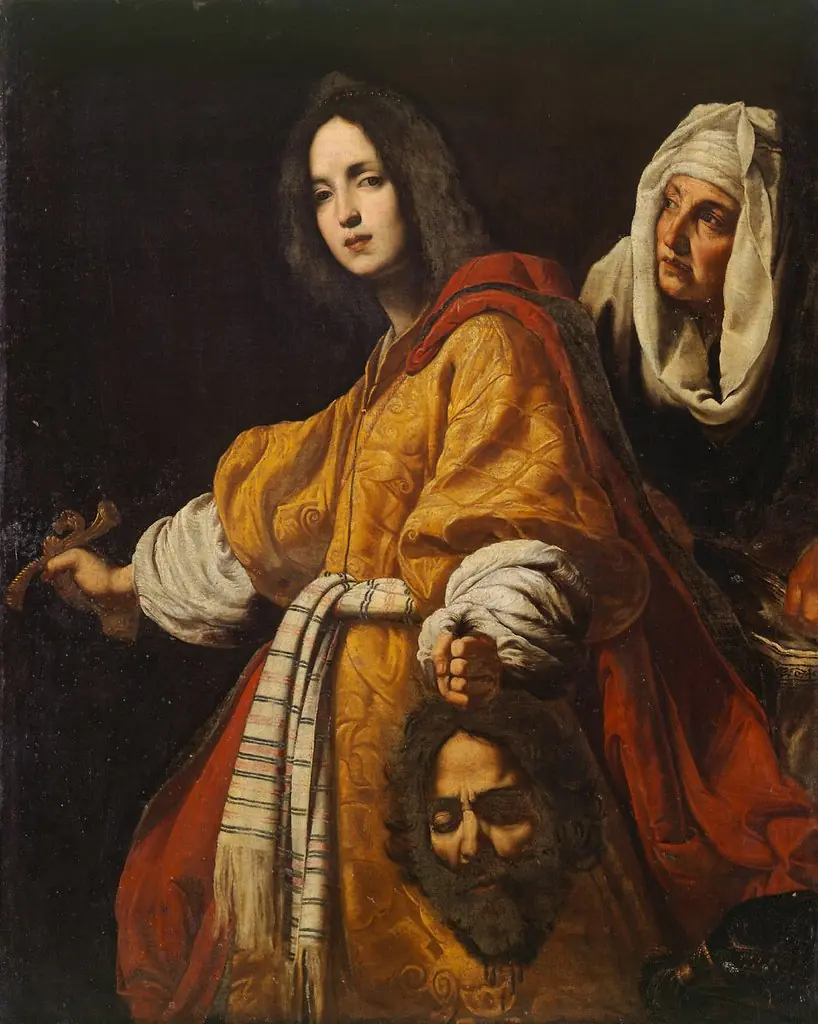
Artist & collection
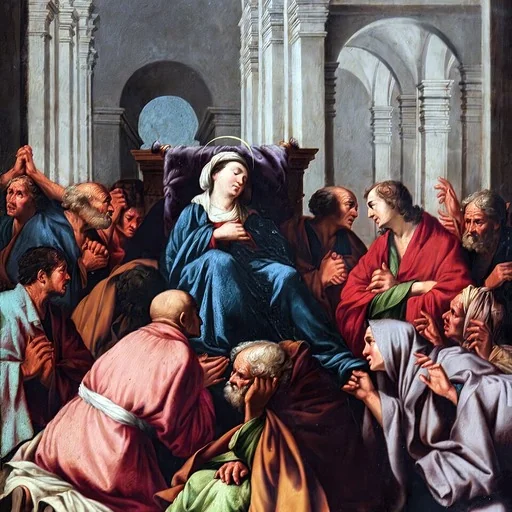
Artist
Carlo Saraceni (1579 – 16 June 1620) was an Italian early-Baroque painter, whose reputation as a "first-class painter of the second rank" was improved with the publication of a modern monograph in 1968.

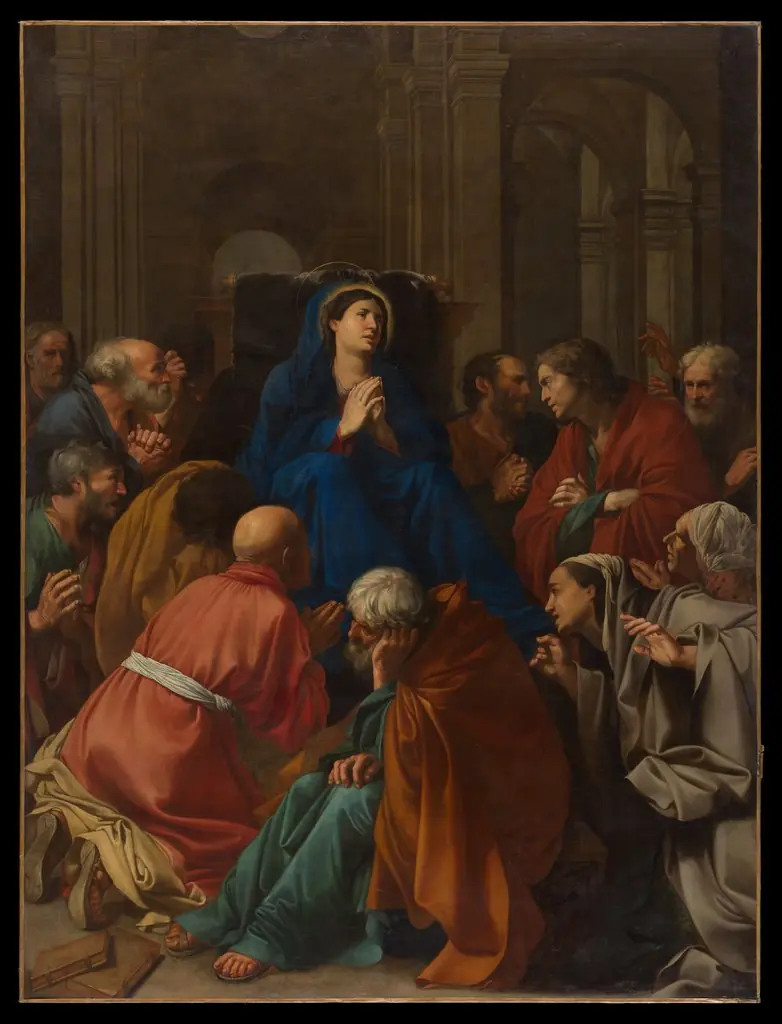
- Judith with the head of Holofernes
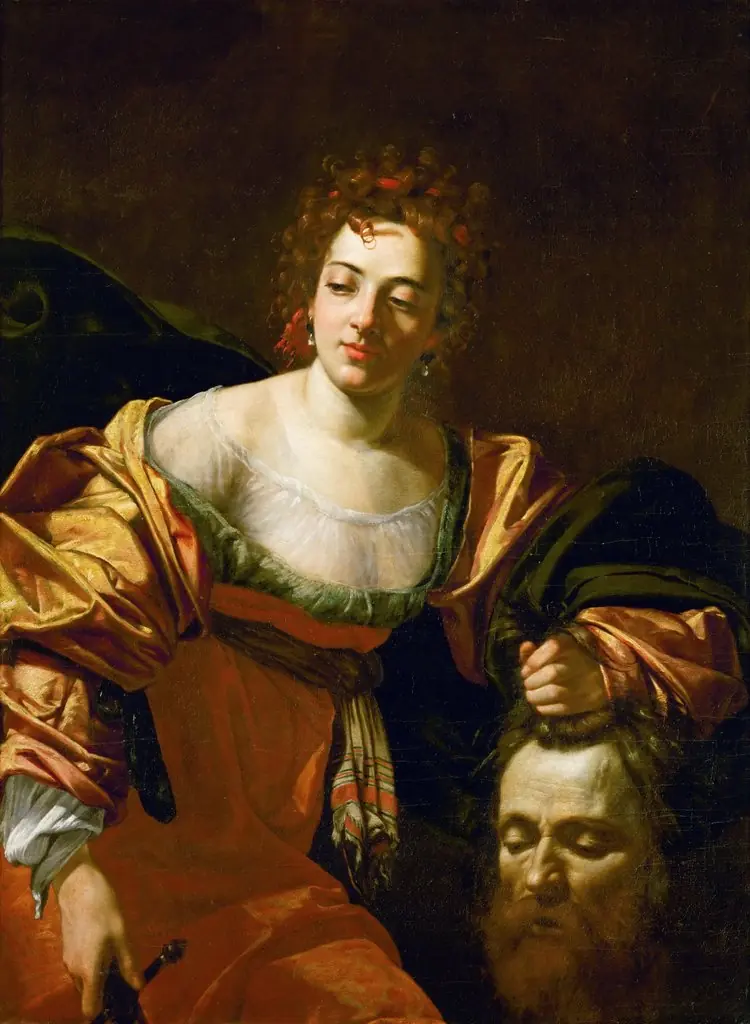 Judith with the Head of Holofernes
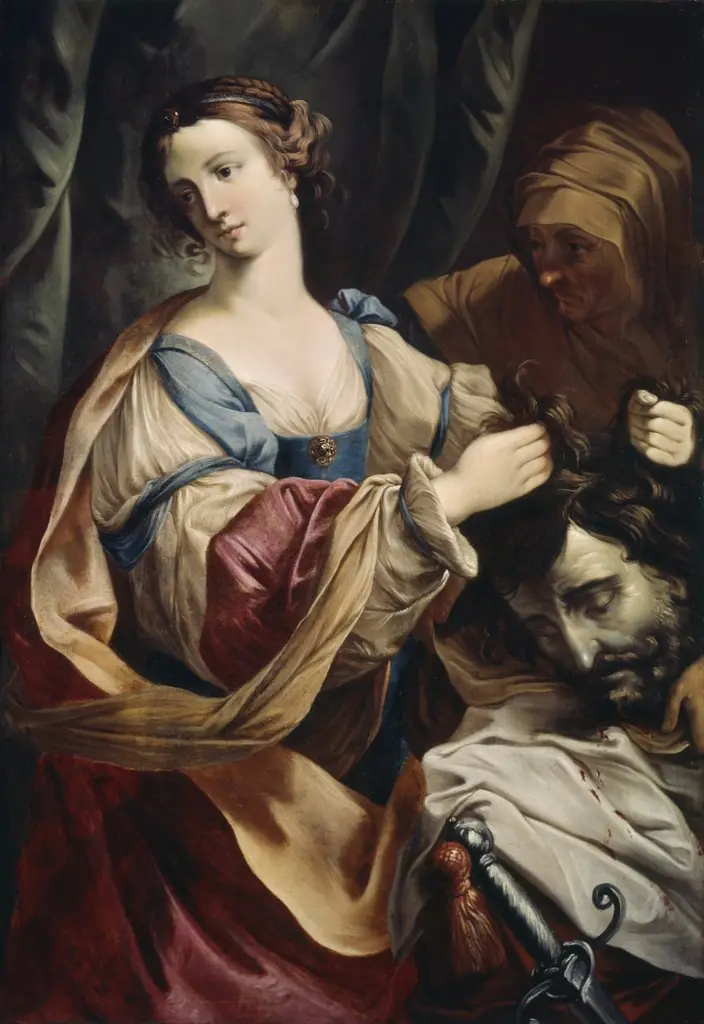 Judith with the Head of Holofernes
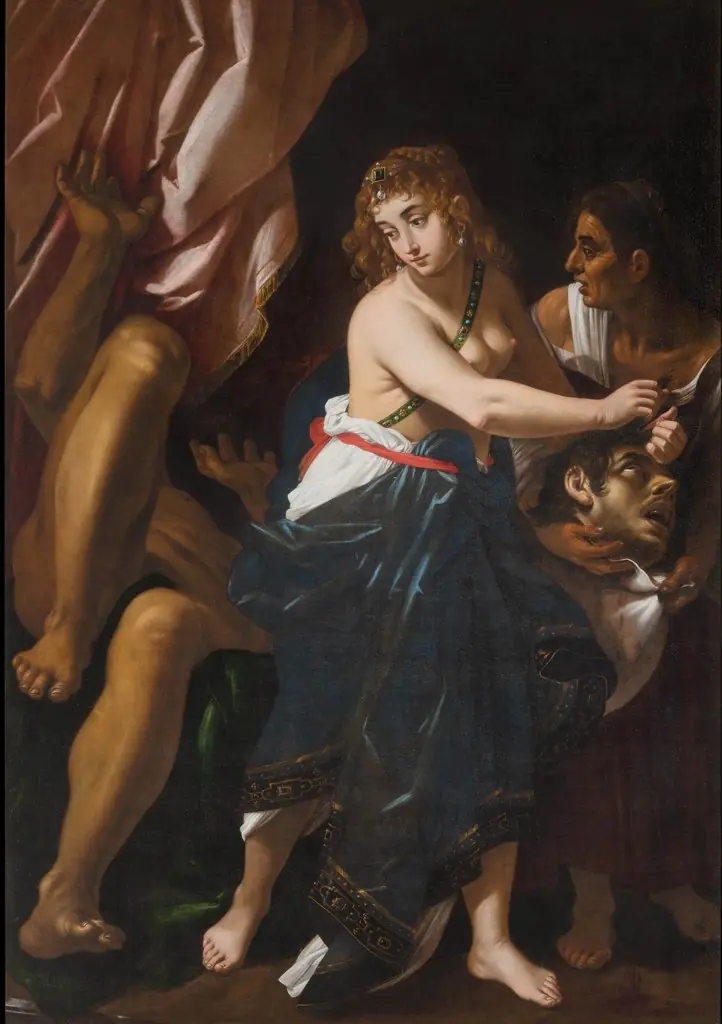 Judith and the Head of Holofernes
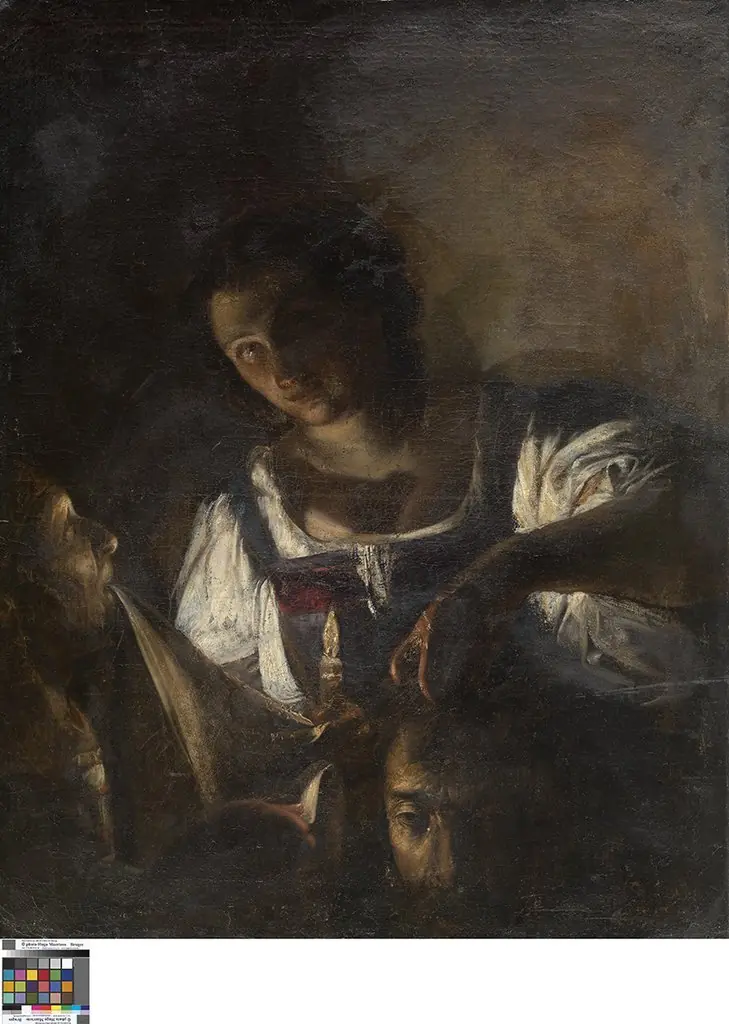 Judith with the head of Holofernes
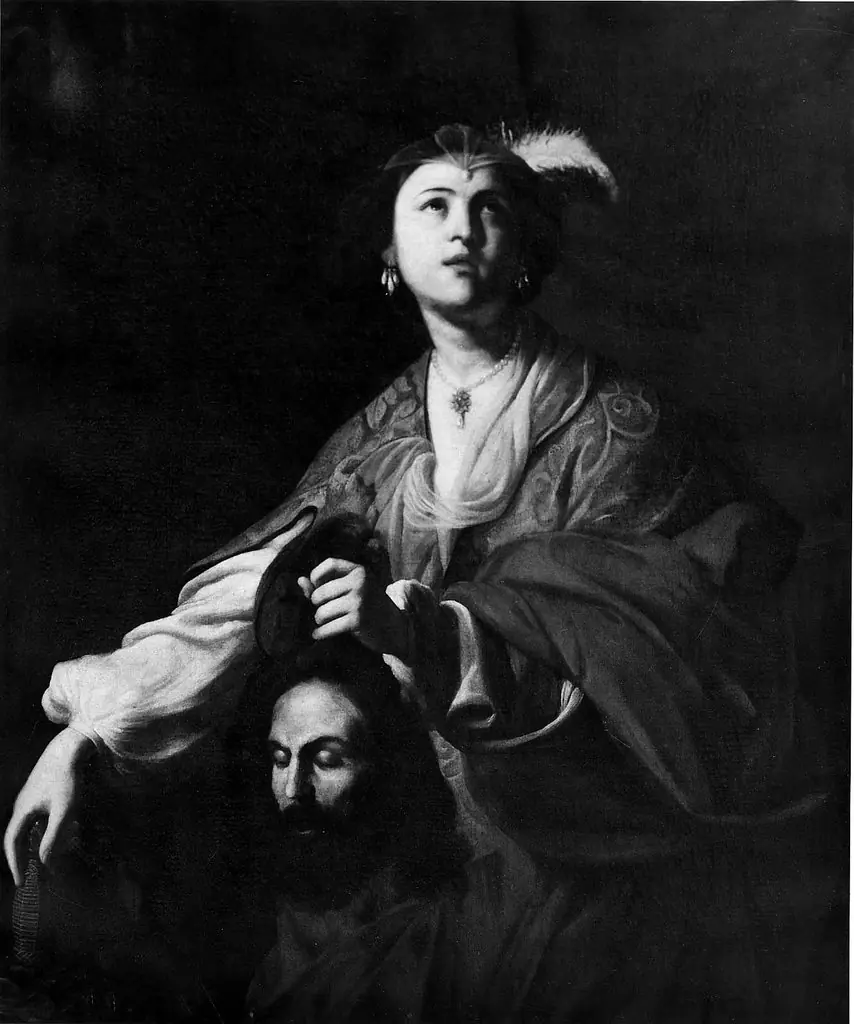 Judith with the Head of Holofernes
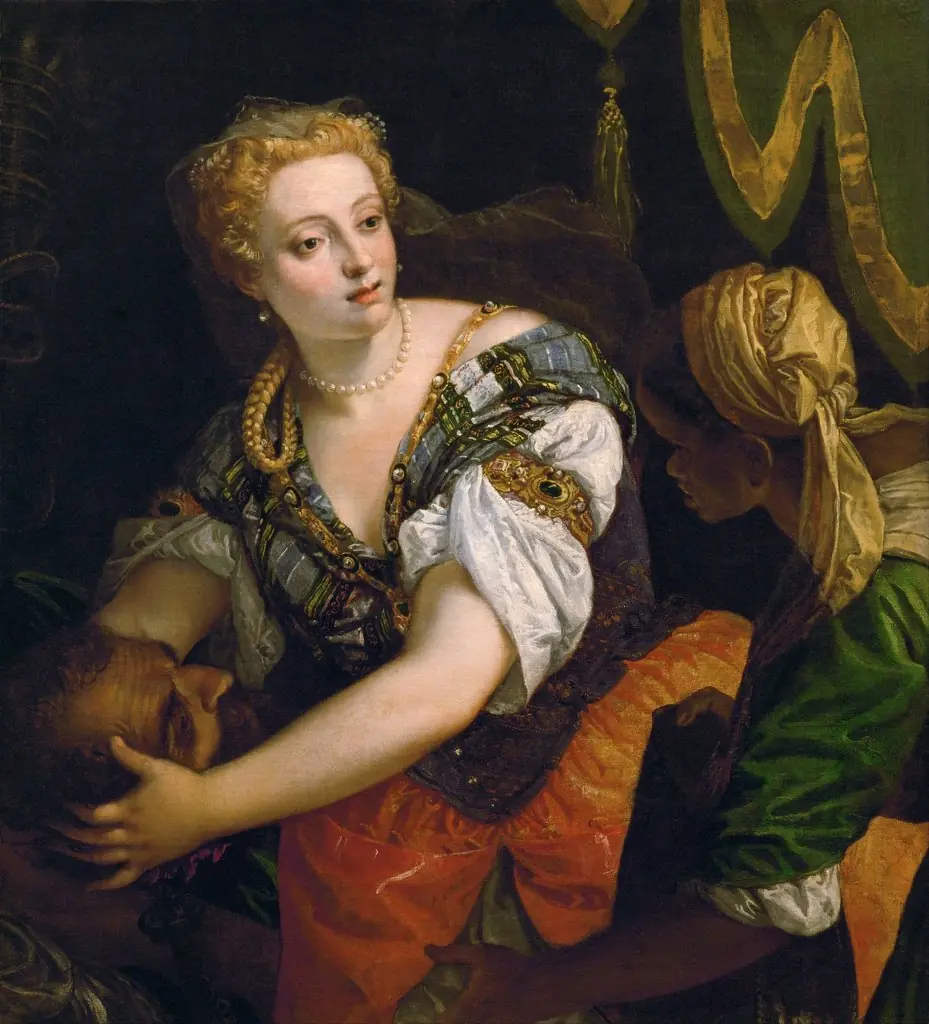 Judith with the Head of Holofernes
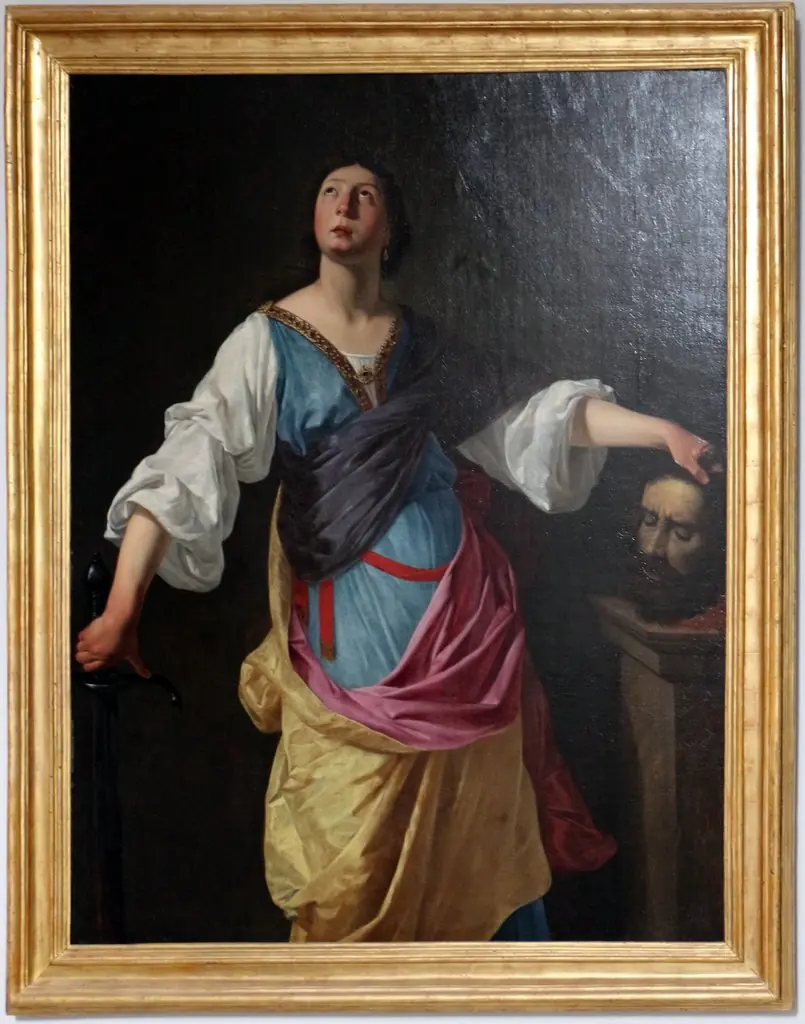 Judith and the Head of Holofernes
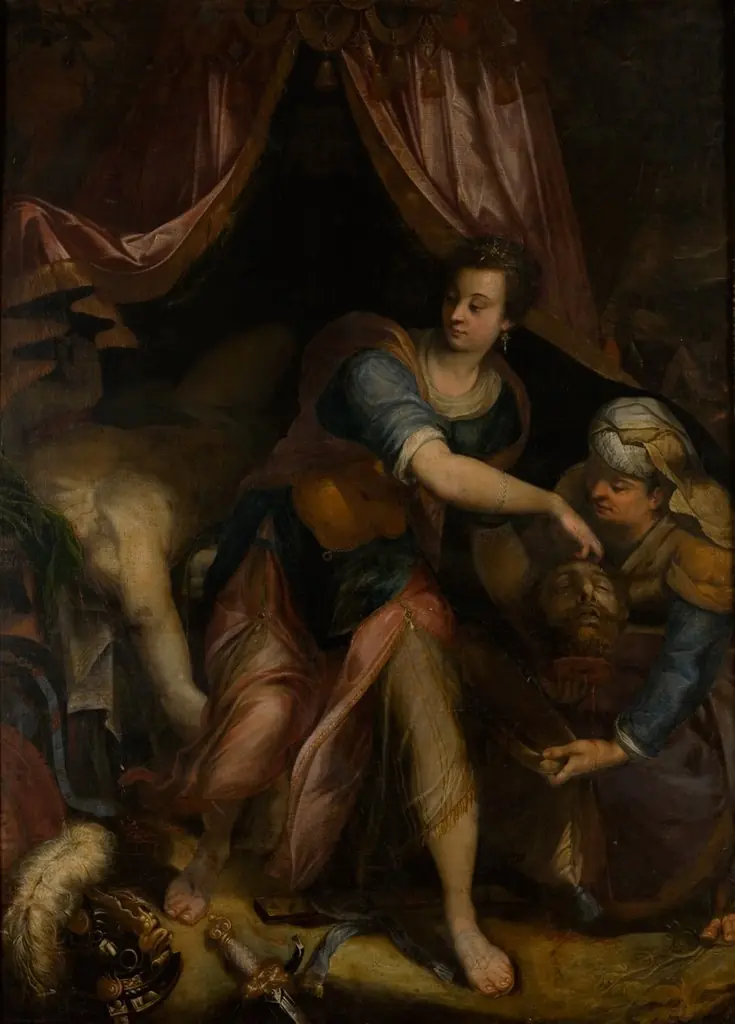 Judith with the Head of Holofernes