Artwork
Judith with the Head of Holofernes
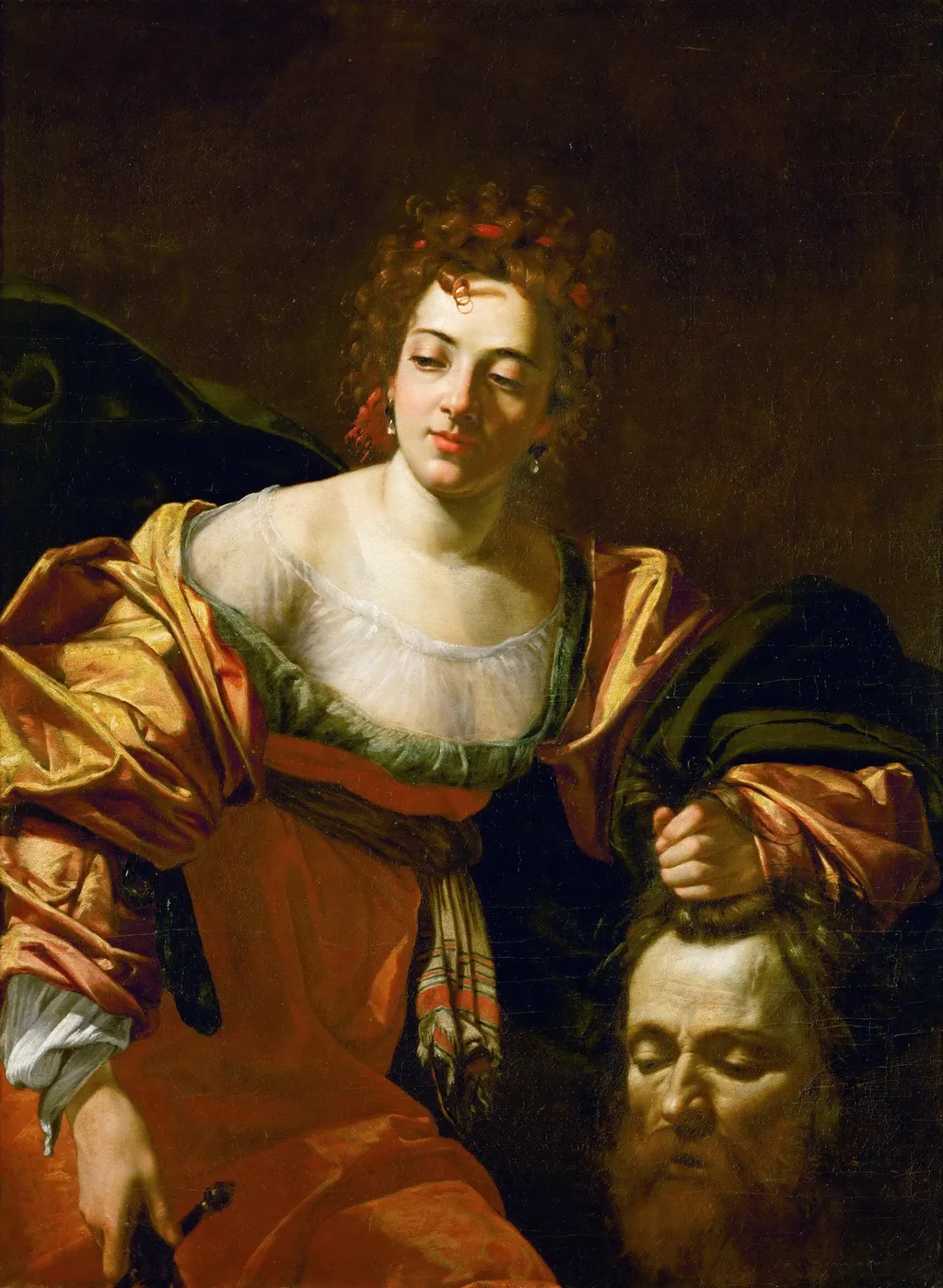
Judith with the Head of Holofernes is an oil painting by the Early Baroque Italian artist Simon Vouet. It dates from 1617 and is held in the collection of the Kunsthistorisches Museum.
About this work
Simon Vouet painted Judith with the Head of Holofernes in oil on canvas around 1620. The work shows Judith holding the severed head of Holofernes. It hangs today in the Kunsthistorisches Museum in Vienna.
Vouet painted this scene in France before moving to Italy. The bold figures and dramatic lighting make it stand out in his early career.
Look up the artist Simon Vouet next.
Subject & Meaning
This religious subject illustrates the moment following her decapitation of the enemy leader, a narrative of deliverance found in the Old Testament.
Simon Vouet's painting depicts the biblical heroine Judith holding the severed head of the Assyrian general Holofernes. This religious subject illustrates the moment following her decapitation of the enemy leader, a narrative of deliverance found in the Old Testament. The work functions as a visual representation of virtue triumphing over tyranny, with Judith portrayed as the central figure clutching the trophy of her victory.
While one source dates the execution to 1617, another places its creation between 1620 and 1622, yet both agree on the identification of the main subjects and the gruesome nature of the iconography.
Technique & Style
Judith with the Head of Holofernes is an oil-on-canvas painting created by Simon Vouet. While one record dates the work to 1617, another attributes its execution to the period between 1620 and 1622. The support consists of canvas, and the medium is oil paint.
The composition depicts the biblical figure Judith holding the severed head of Holofernes, categorizing the piece within the genre of religious art. The physical dimensions of the work are 115 cm in height and 86 cm in width.
History & Provenance
Attributed to Simon Vouet, this oil-on-canvas painting depicts the biblical figure Judith holding the severed head of Holofernes. While internal records date the work to 1617, other scholarship places its execution between 1620 and 1622. The canvas measures 115 cm in height and 86 cm in width.
The artwork is currently held in the collection of the Kunsthistorisches Museum in Vienna. No specific details regarding its original commission or intermediate ownership history prior to entering the museum's holdings are provided in the available sources.
The painting Judith with the Head of Holofernes is held in the collection of the Kunsthistorisches Museum in Vienna. While the work is attributed to Simon Vouet, sources provide conflicting dates for its creation, citing either 1617 or the period between 1620 and 1622. The artwork is cataloged within the museum's holdings as an oil-on-canvas piece depicting the biblical subject of Judith and Holofernes.
No specific inventory or accession number is provided in the available records, nor is there documentation regarding a history of exhibitions for this particular work.
Overview
Simon Vouet’s oil on canvas, dated between 1620 and 1622, depicts the biblical heroine Judith clutching the severed head of the Assyrian general Holofernes. The work is part of the collection of the Kunsthistorisches Museum in Vienna and exemplifies the artist’s early output before his relocation to Italy.
Context
At the time of its execution, Vouet was establishing his reputation in Paris, producing works that combined French elegance with the dramatic intensity of Italian Caravaggisti. This painting marks a transitional moment, illustrating his engagement with biblical subjects that appealed to both courtly patrons and the religious climate of post‑Council of Trent Europe.
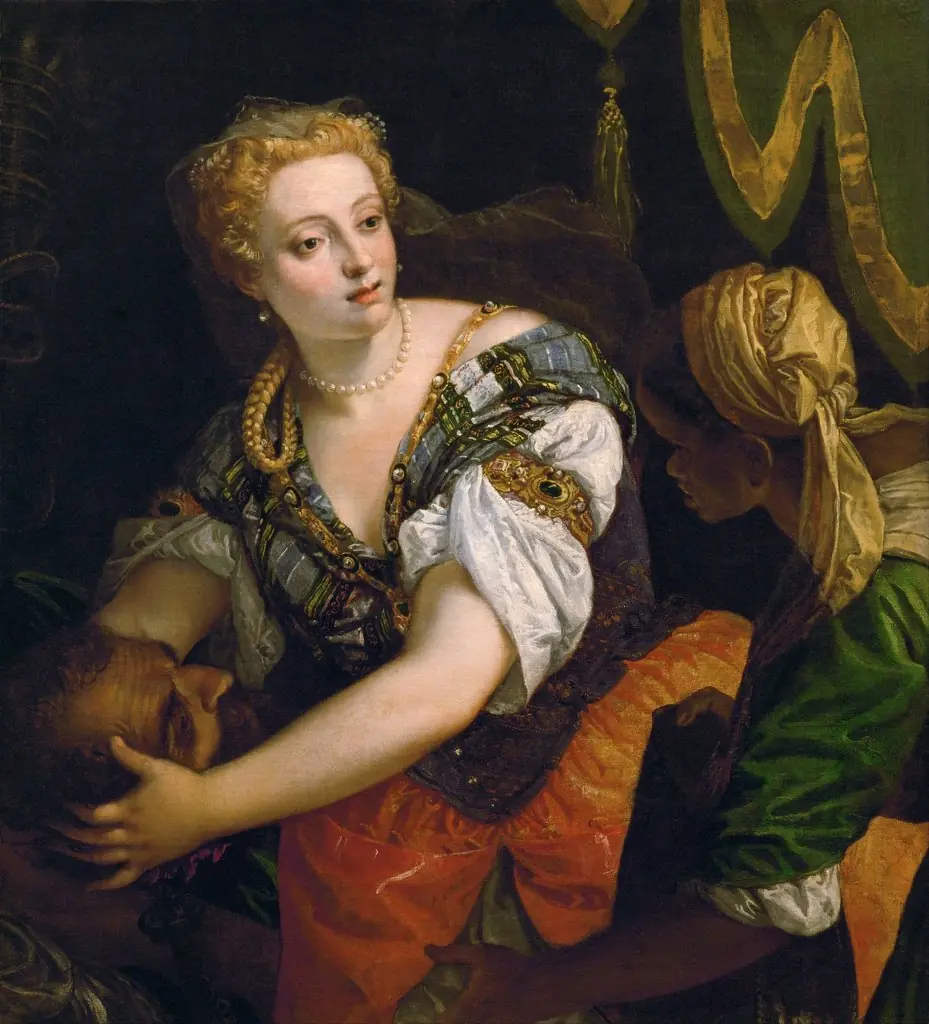
Own this work as a print
Artist & collection
Artist
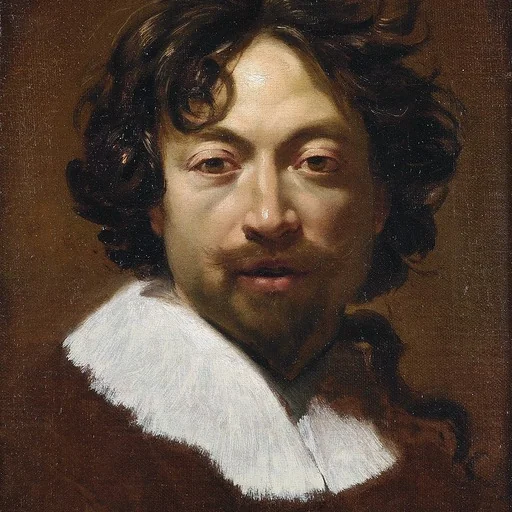
Simon Vouet (French pronunciation:; 9 January 1590 – 30 June 1649) was a French painter who studied and rose to prominence in Italy before being summoned by Louis XIII to serve as Premier peintre du Roi in France.

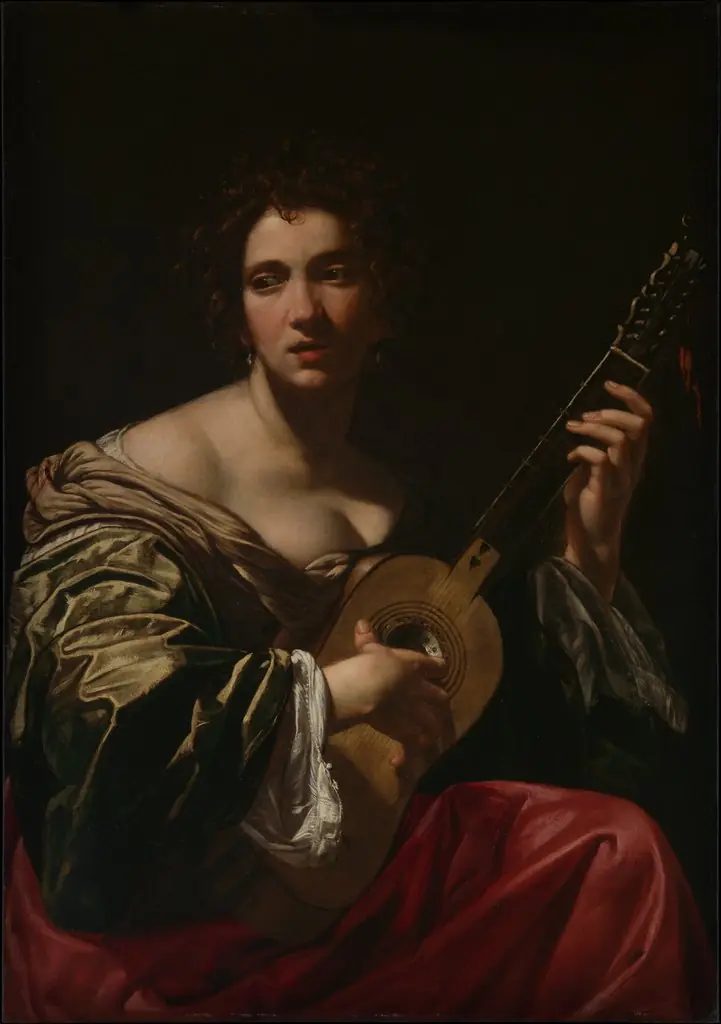

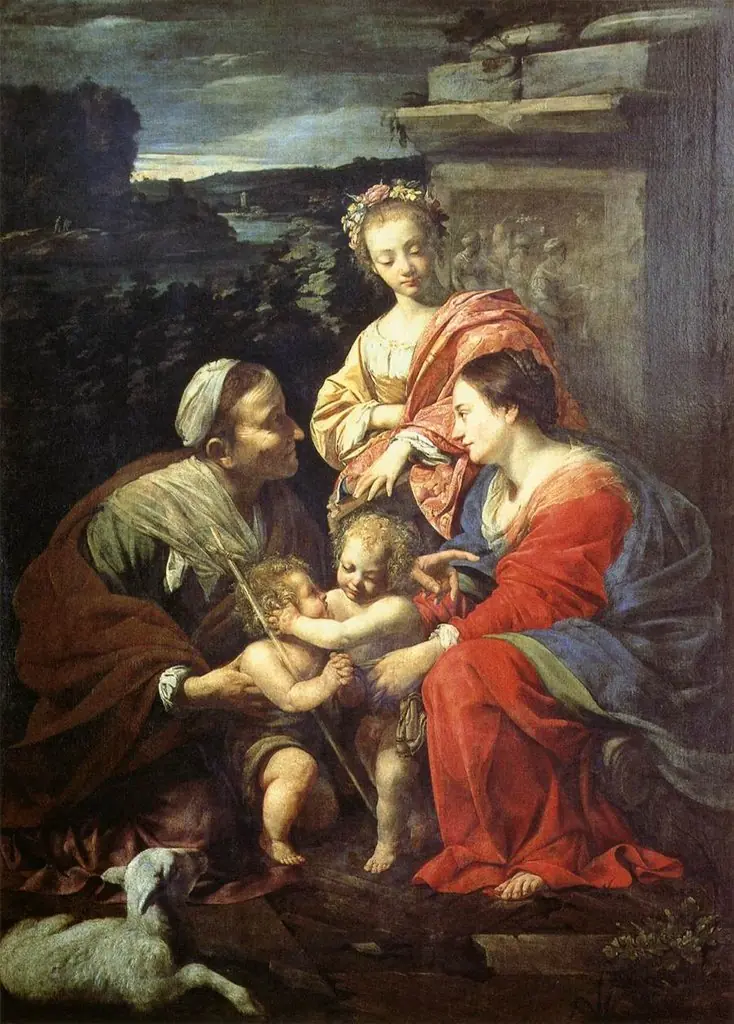
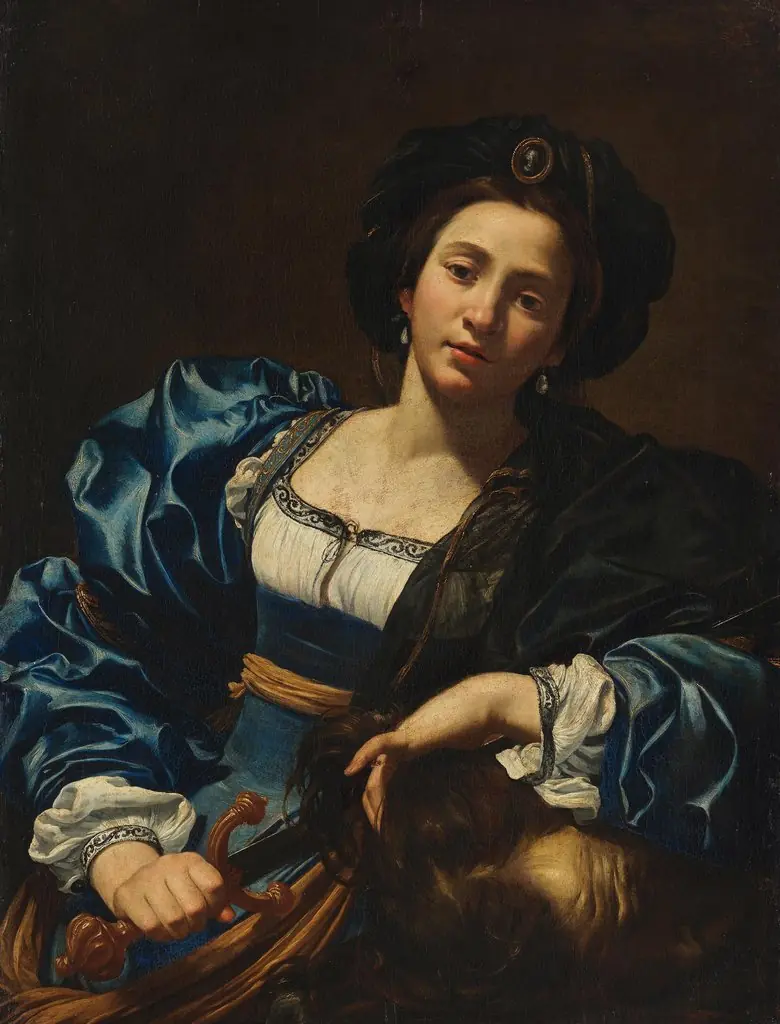
- Judith with the Head of Holofernes
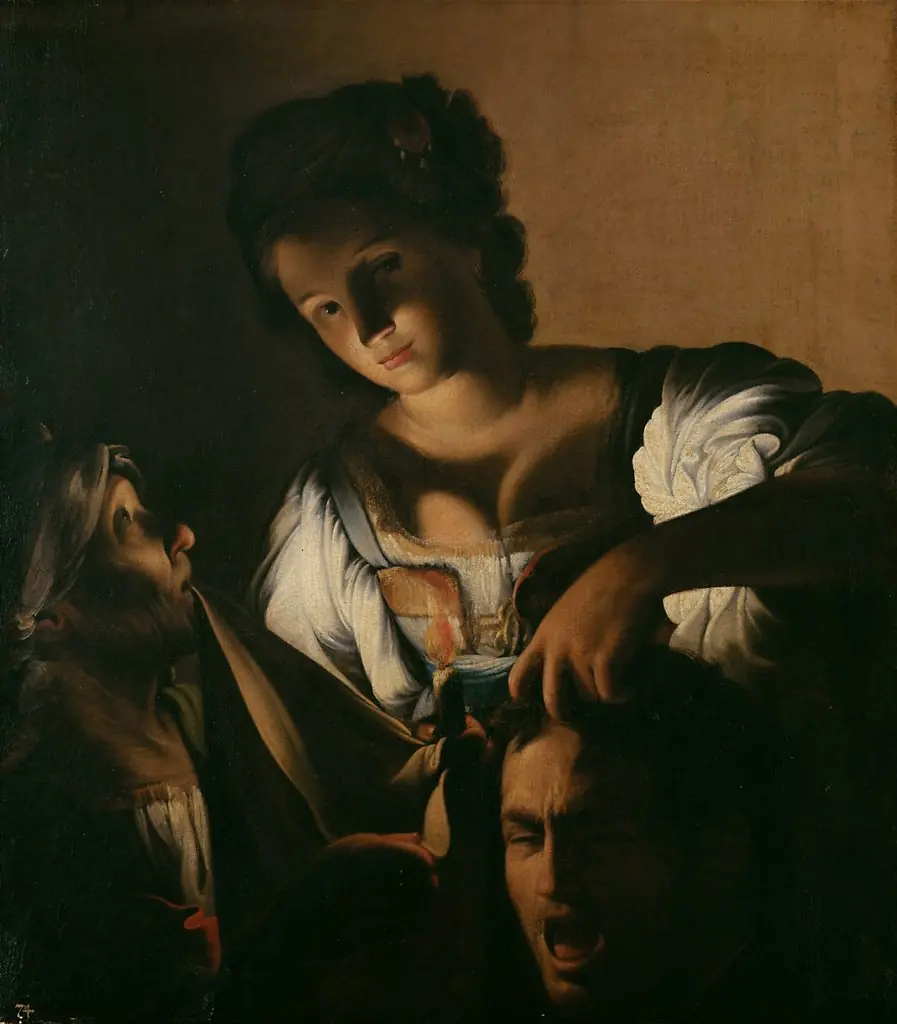 Judith with the head of Holofernes
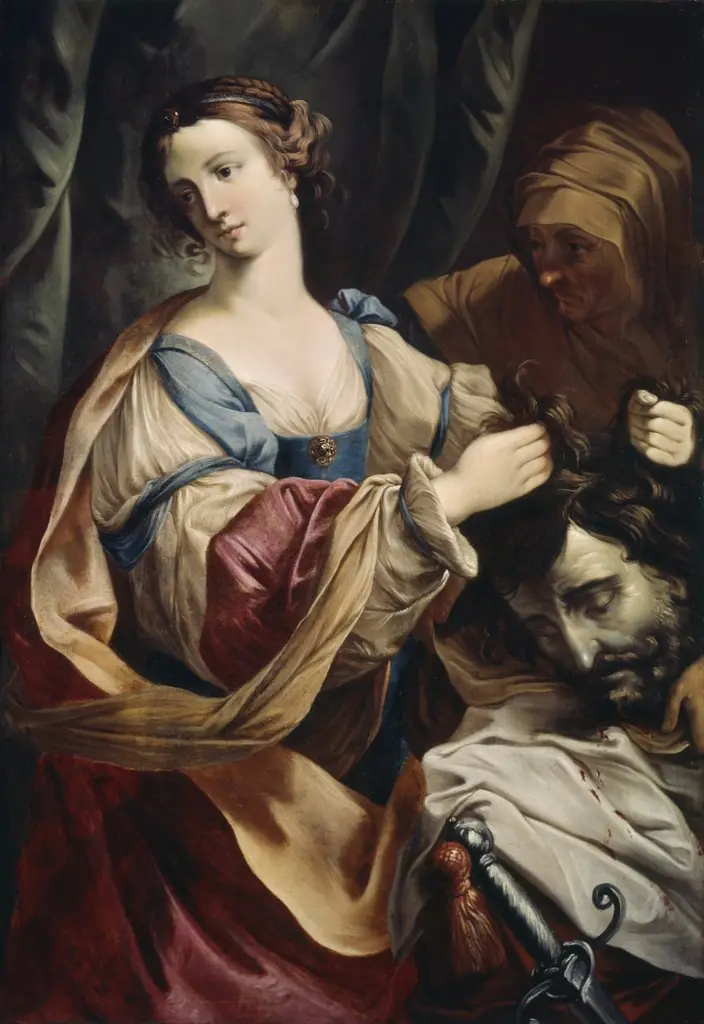 Judith with the Head of Holofernes
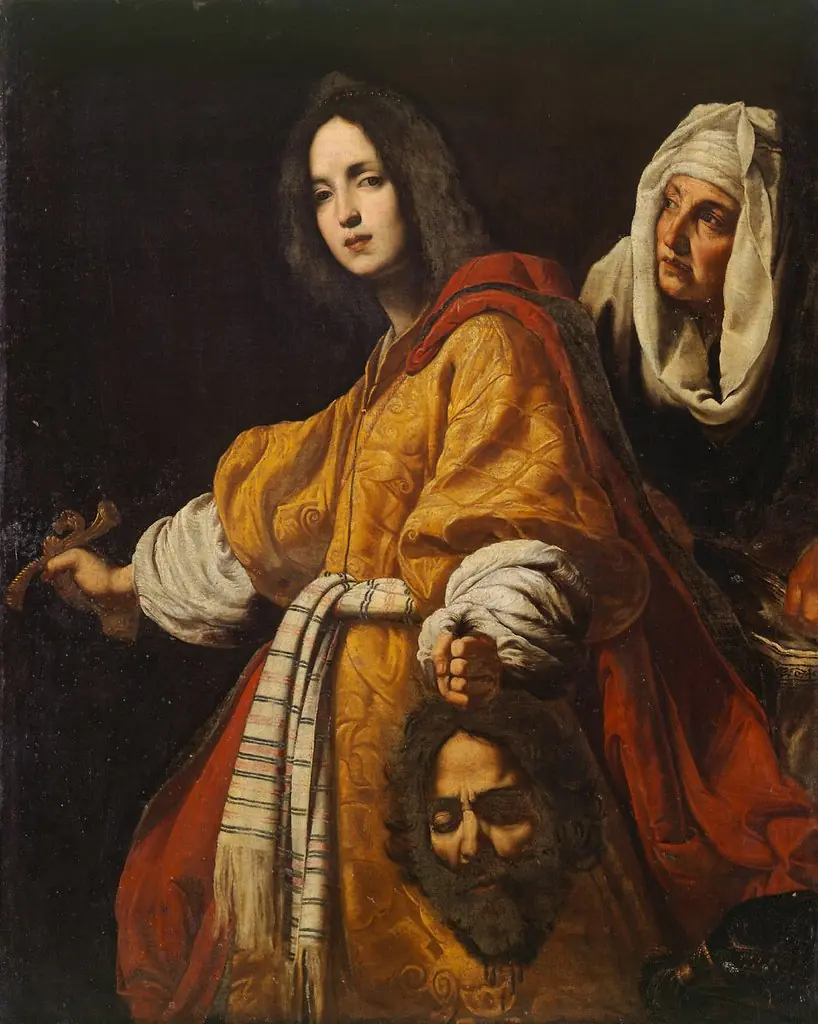 Judith with the head of Holofernes
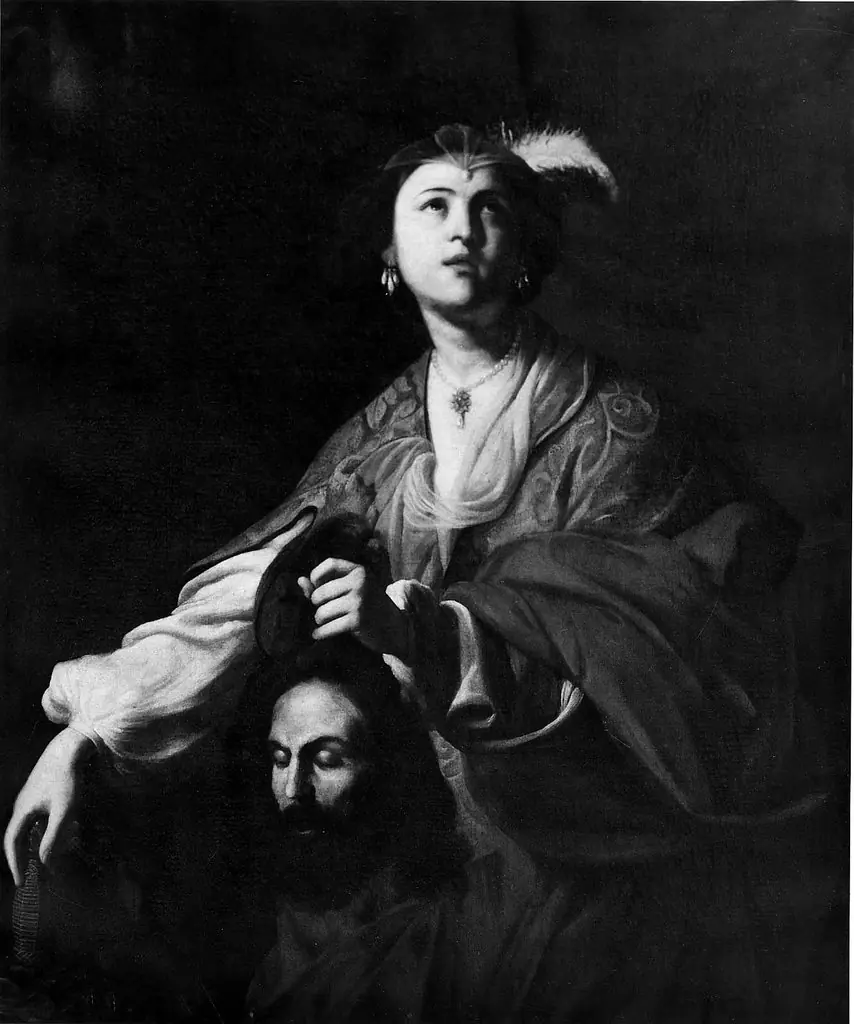 Judith with the Head of Holofernes
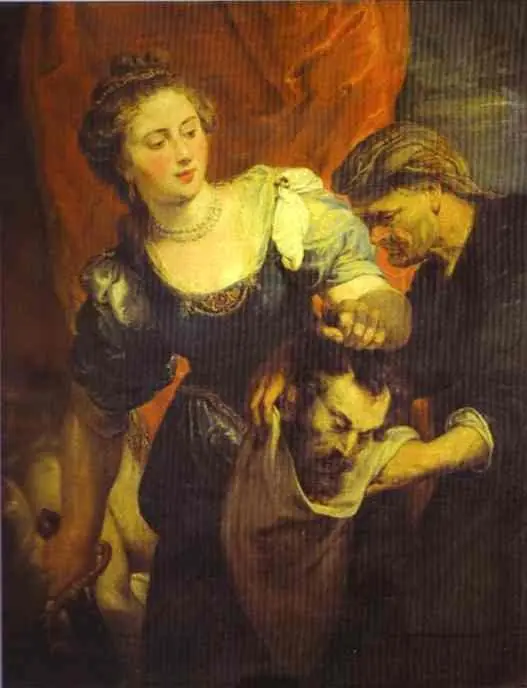 Portrait of Judith with the Head of Holofernes
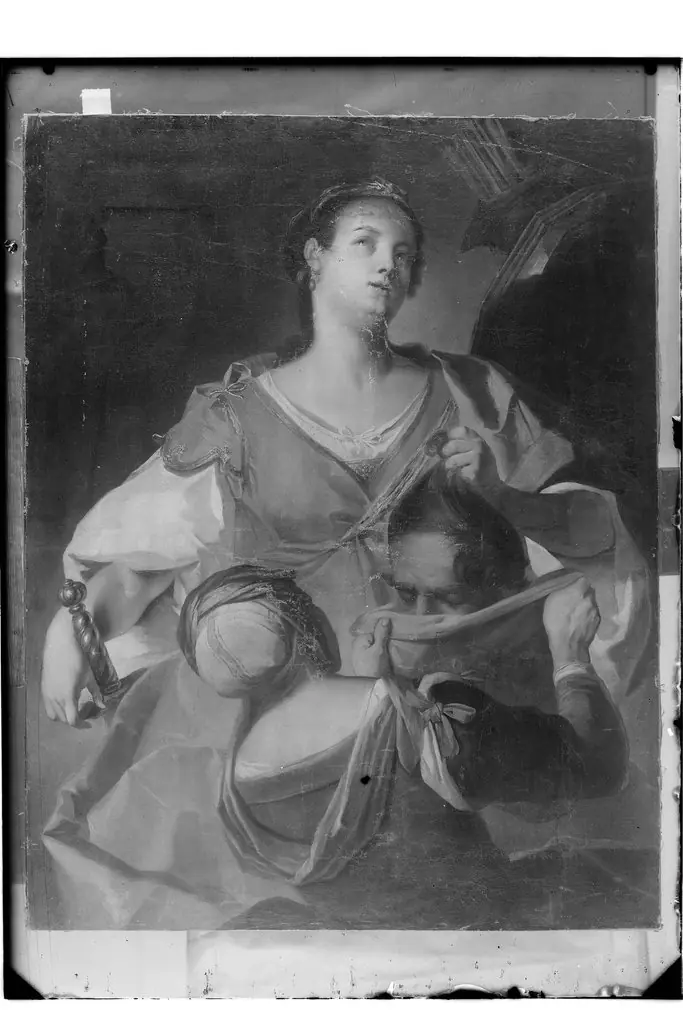 Judith with the head of Holofernes
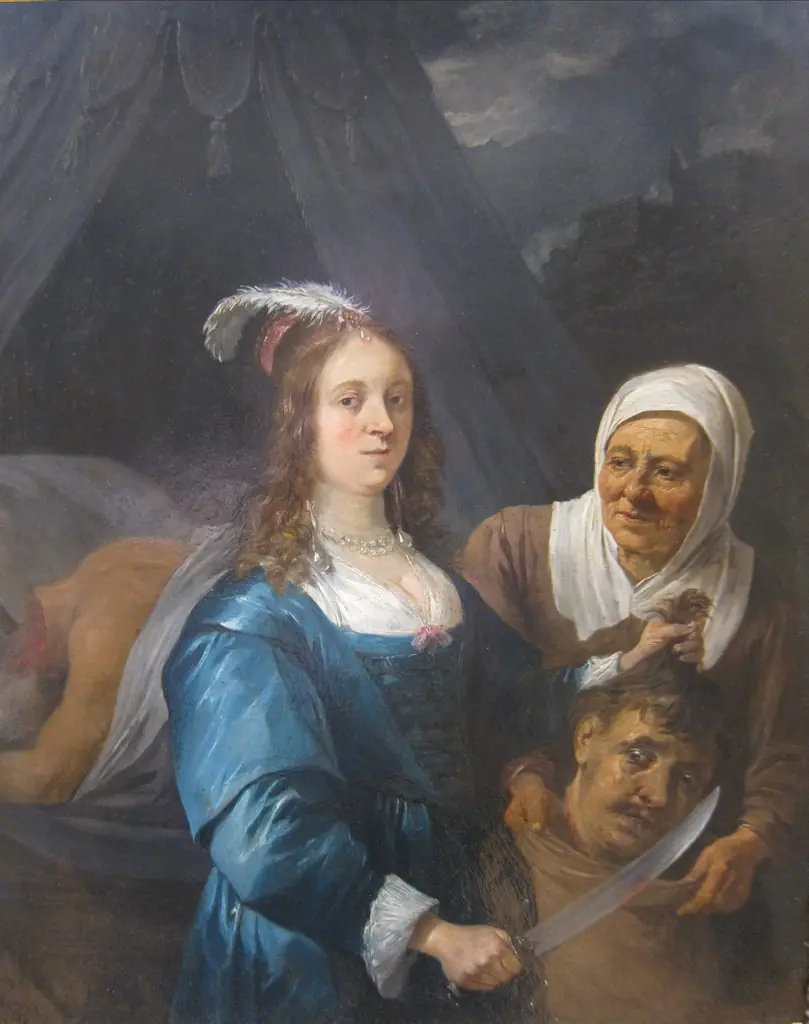 Judith with the Head of Holofernes
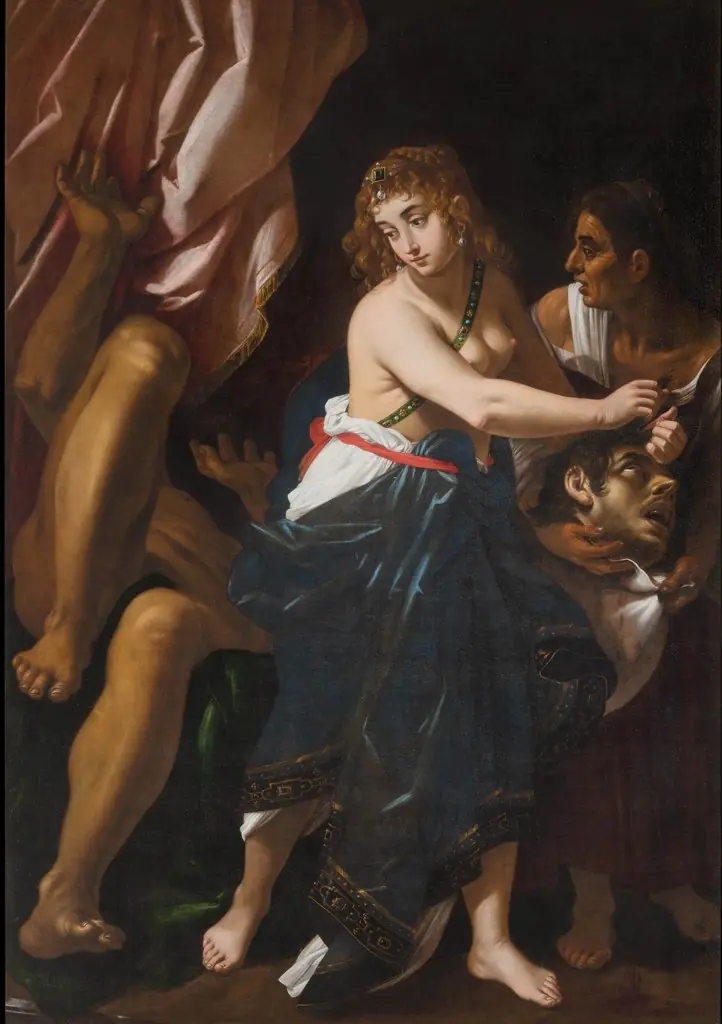 Judith and the Head of Holofernes
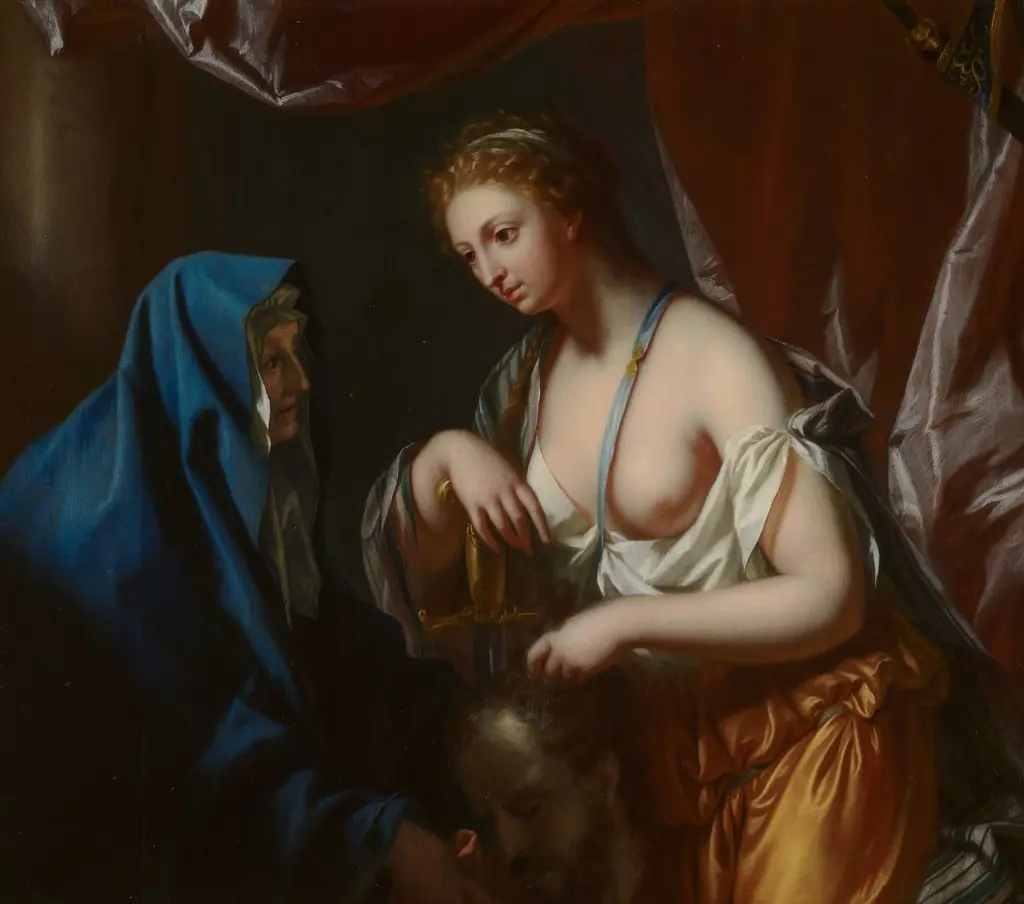 Judith with the Head of Holofernes