Artwork
Madam Han Neefang
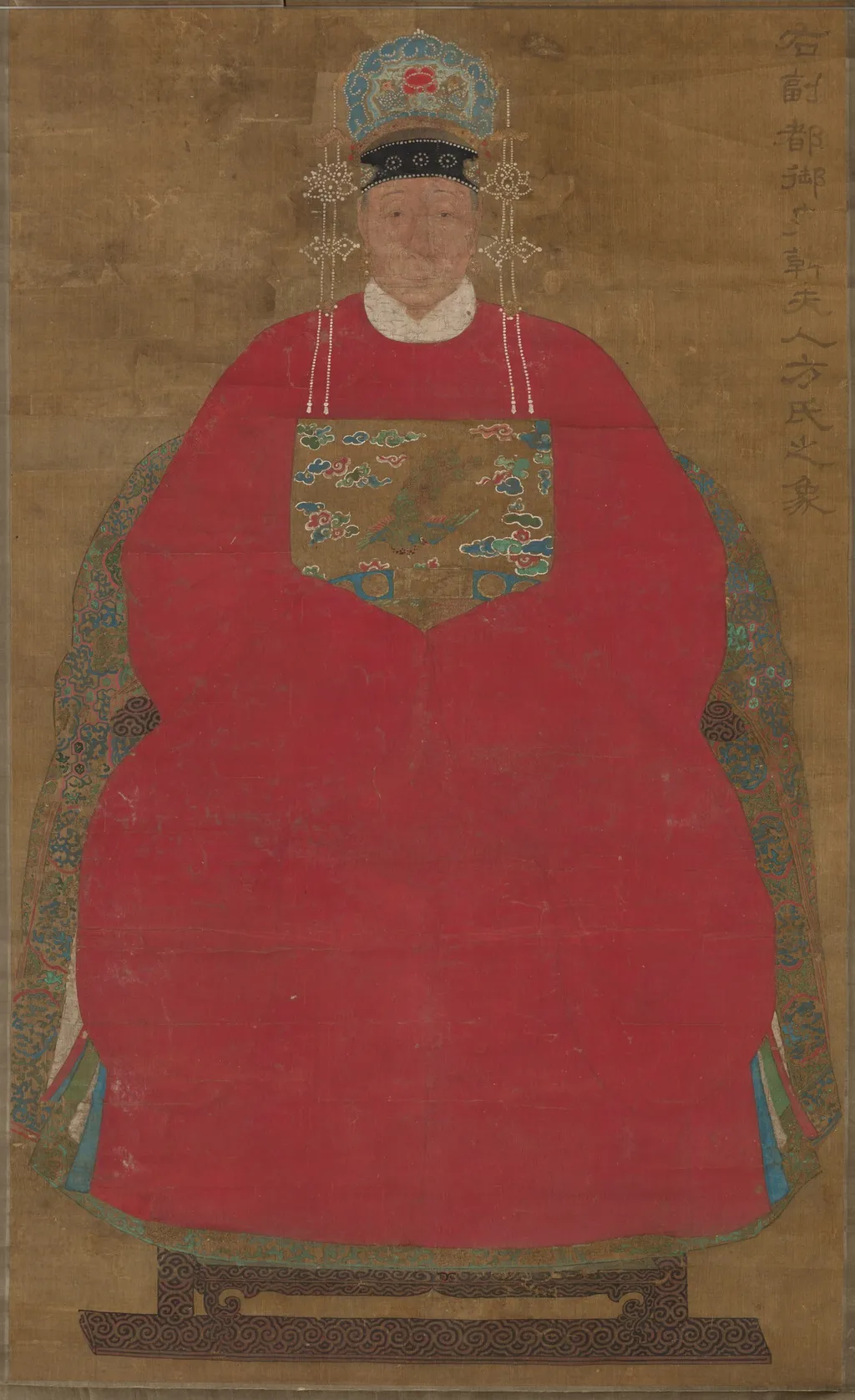
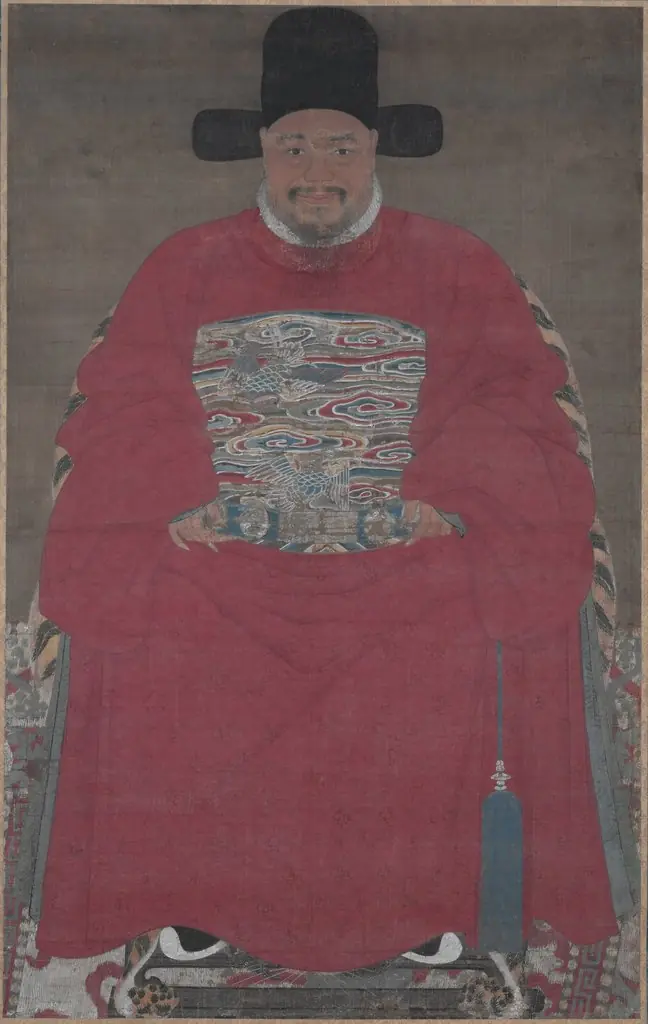
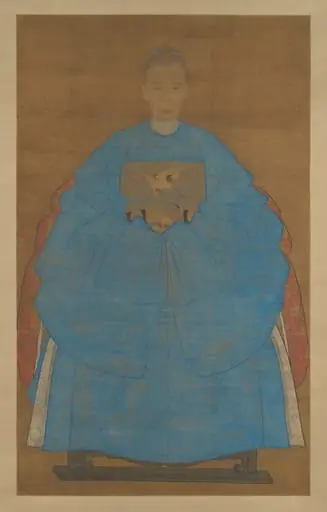
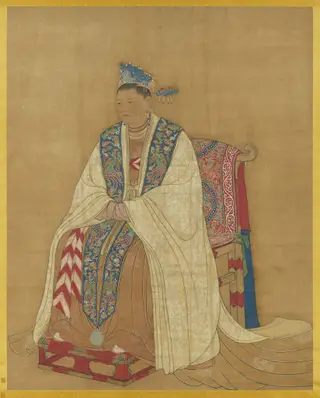
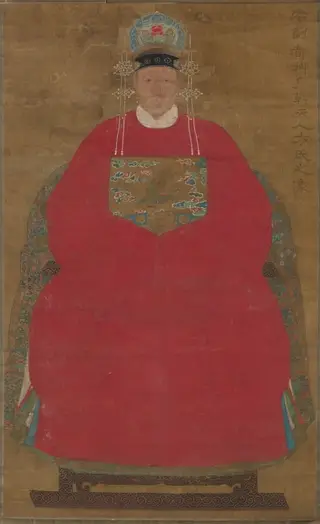
Madam Han Neefang is an unspecified painting. It dates from 1506 and is held in the collection of the Cleveland Museum of Art. The work portrays a seated woman dressed in a flowing red robe adorned with elaborate patterned detailing on the chest and sleeves.
About this work
Subject & Meaning
The work functions as a visual commentary on gender expectations and the prescribed responsibilities of elite women in early 16th‑century China.
The painting portrays a woman identified as Madam Han Neefang, depicted in traditional Chinese attire that signifies her social standing and domestic role within late imperial society. Symbolic elements include the subtle inclusion of domestic objects that reference household management and familial duty, while the composition’s restrained palette underscores ideals of modesty and moral virtue associated with women of her class. The work functions as a visual commentary on gender expectations and the prescribed responsibilities of elite women in early 16th‑century China.
History & Provenance
Created in 1506 in China, Madam Han Neefang is a painting attributed to an unknown artist. The work entered the collection of the Cleveland Museum of Art, where it is cataloged under the accession number 1915.112, indicating its acquisition by the institution in 1915. No further details regarding the specific circumstances of its commission, intermediate ownership history, or the identity of the creator are provided in the available records.
Overview
The work portrays a seated woman dressed in a flowing red robe adorned with elaborate patterned detailing on the chest and sleeves. She wears a distinctive blue hat featuring a red circular motif and white beads that dangle from its brim. The background consists of a warm, brown tone that frames the figure, emphasizing her composed, serious expression.
Technique & Style
Executed in oil on canvas, the painting employs a smooth, controlled brushwork that renders the intricate patterns on the robe with clarity. The artist uses a limited palette of warm browns for the background, allowing the bright reds and blues of the clothing to dominate the visual field, while subtle modeling creates a three‑dimensional presence.
Context
The composition reflects a tradition of portraiture that emphasizes costume and demeanor as indicators of social rank. The elaborate hat and richly patterned robe align with fashion trends seen in East Asian courtly attire during the late 19th to early 20th centuries, suggesting a cultural milieu that valued elaborate textile design.
Artist & collection