Artwork
Mary Magdalene at the foot of the cross
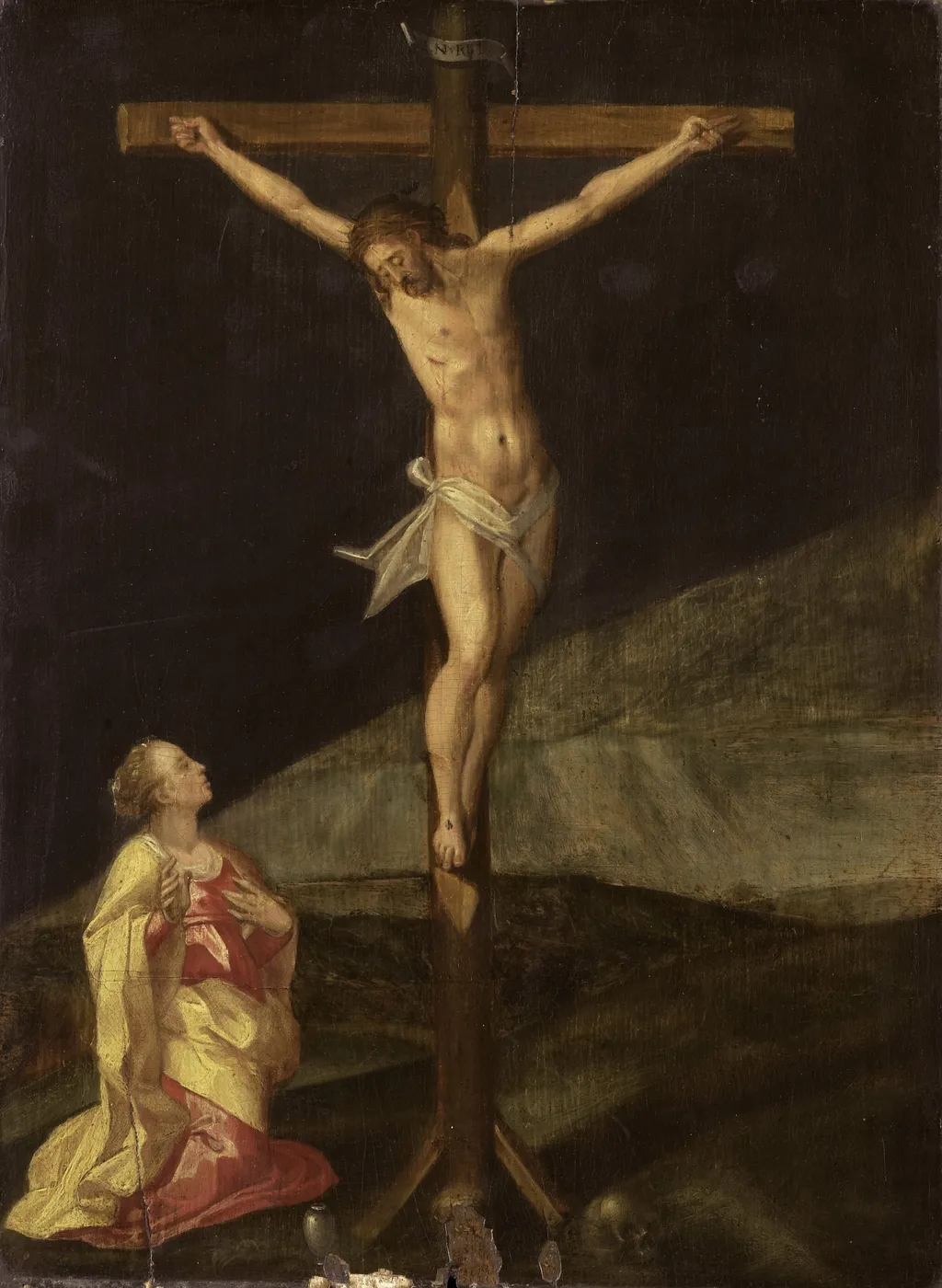
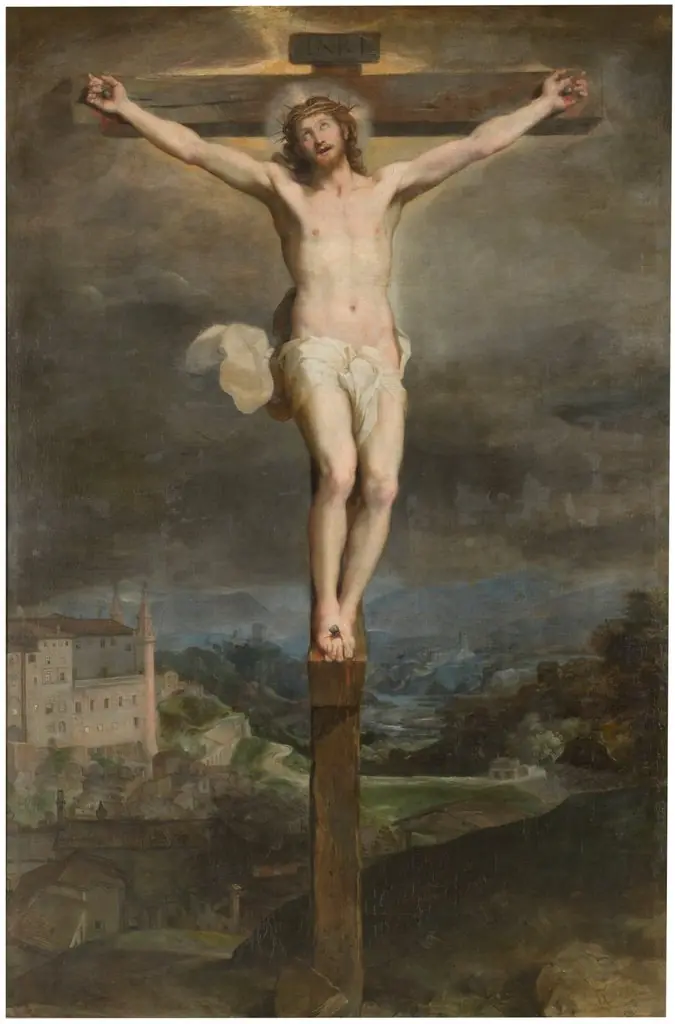
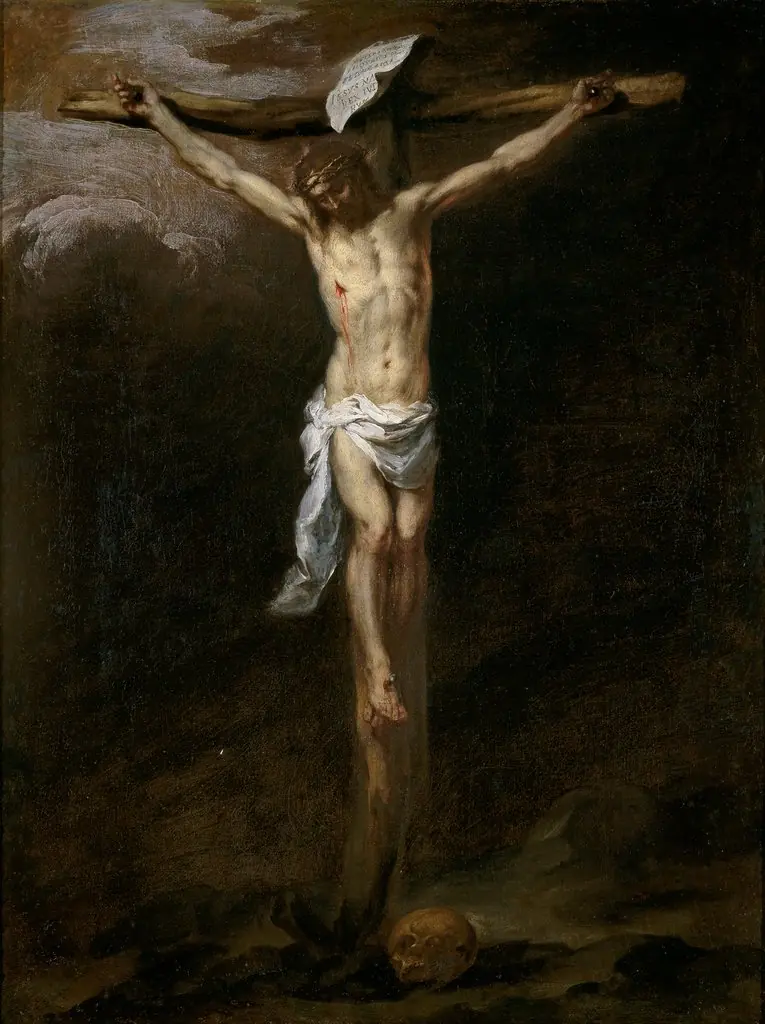
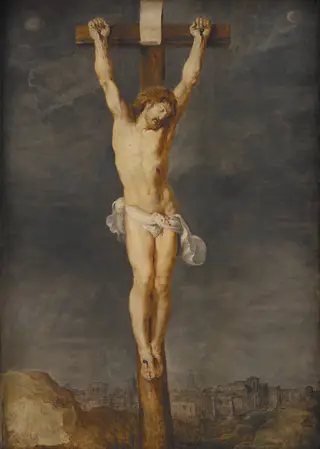
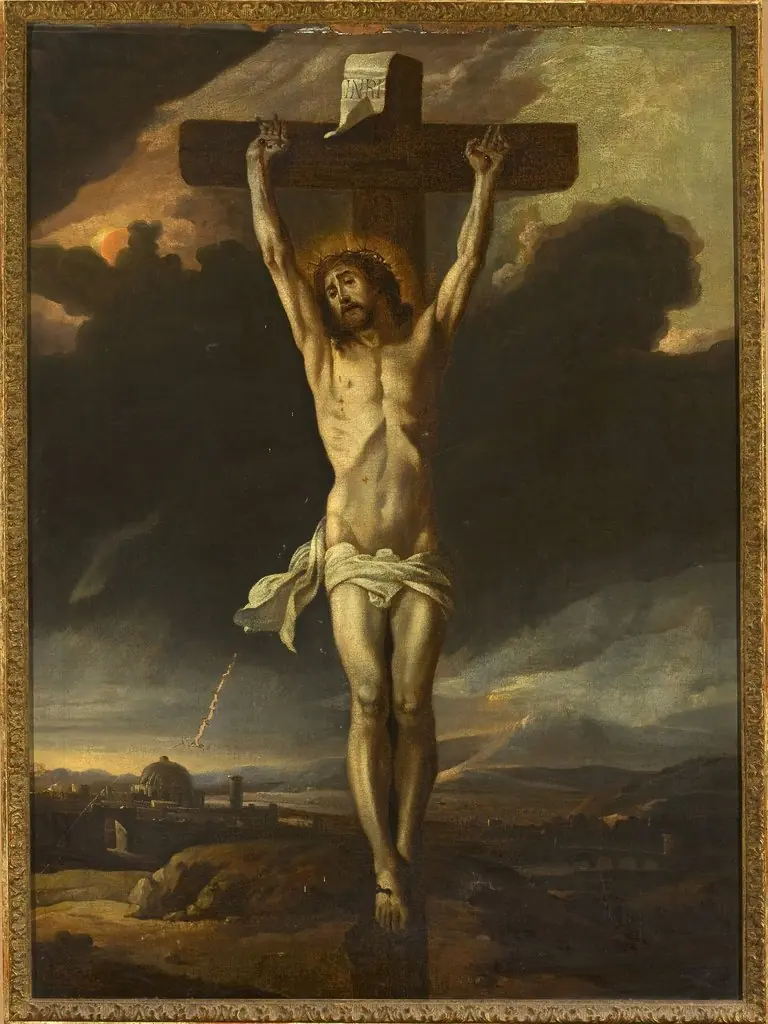
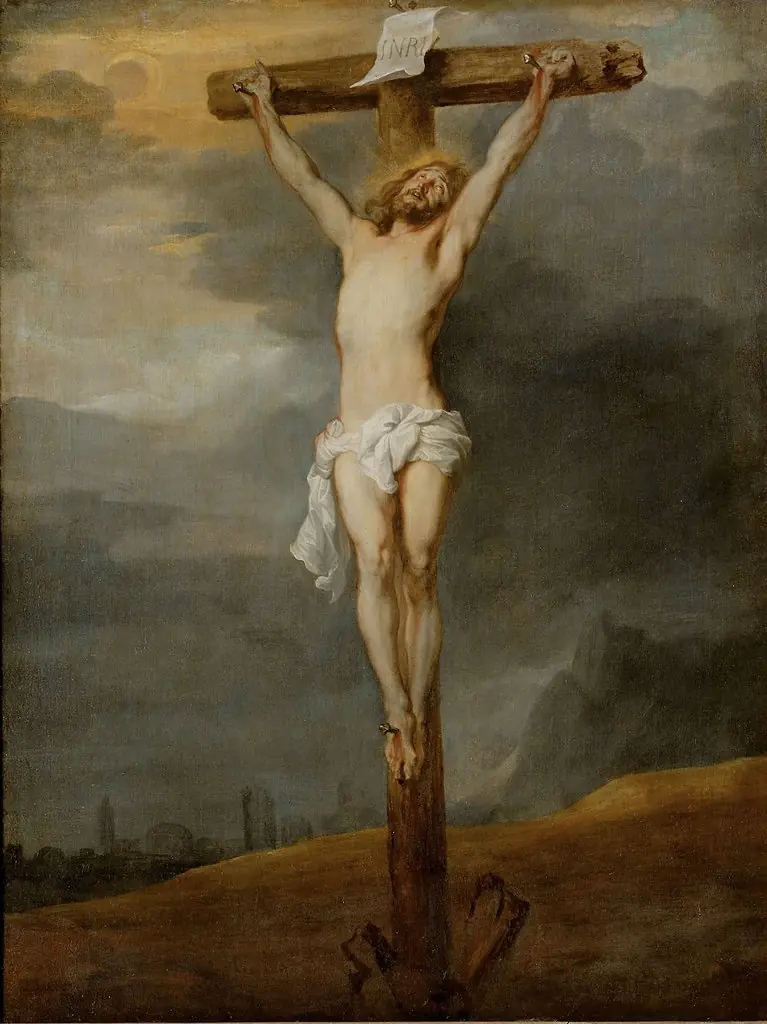
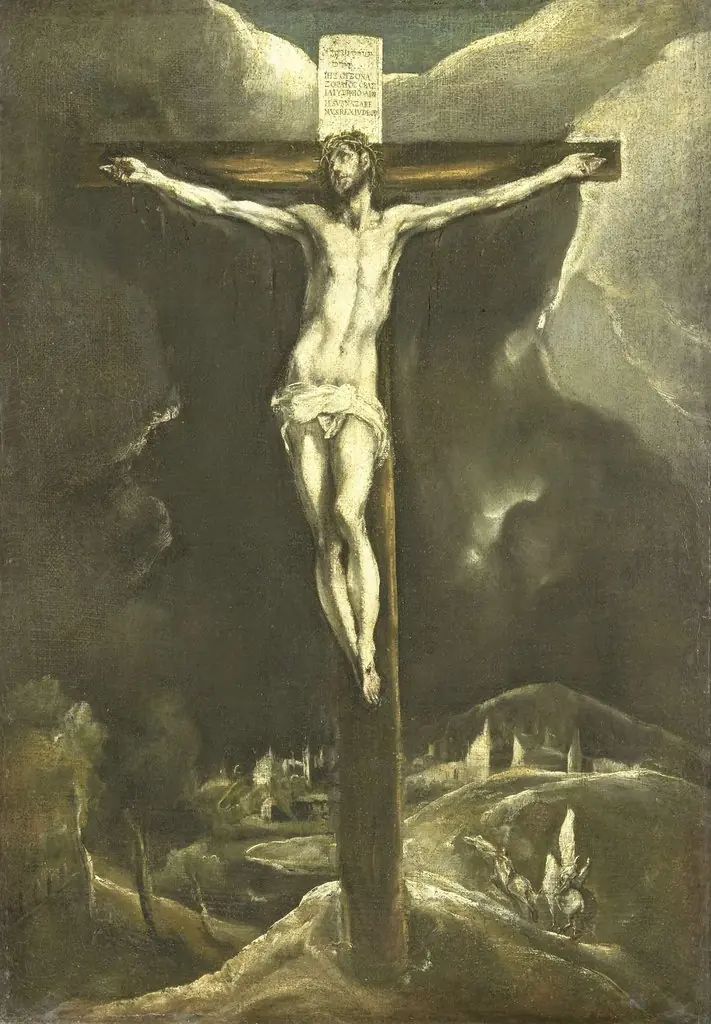
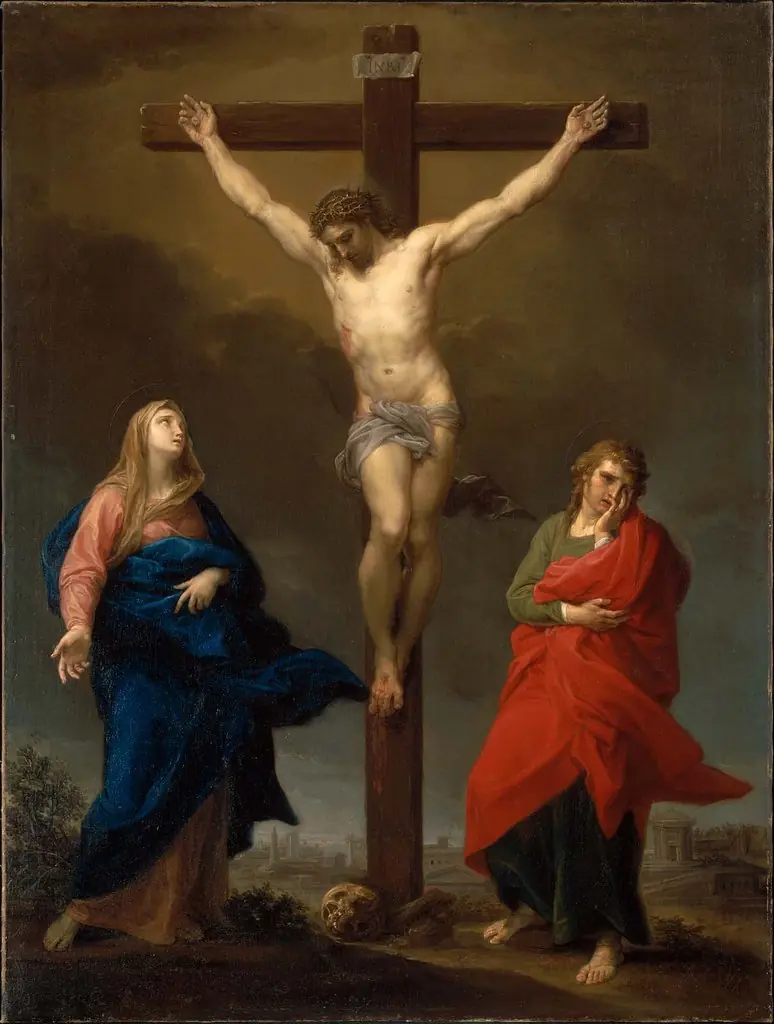
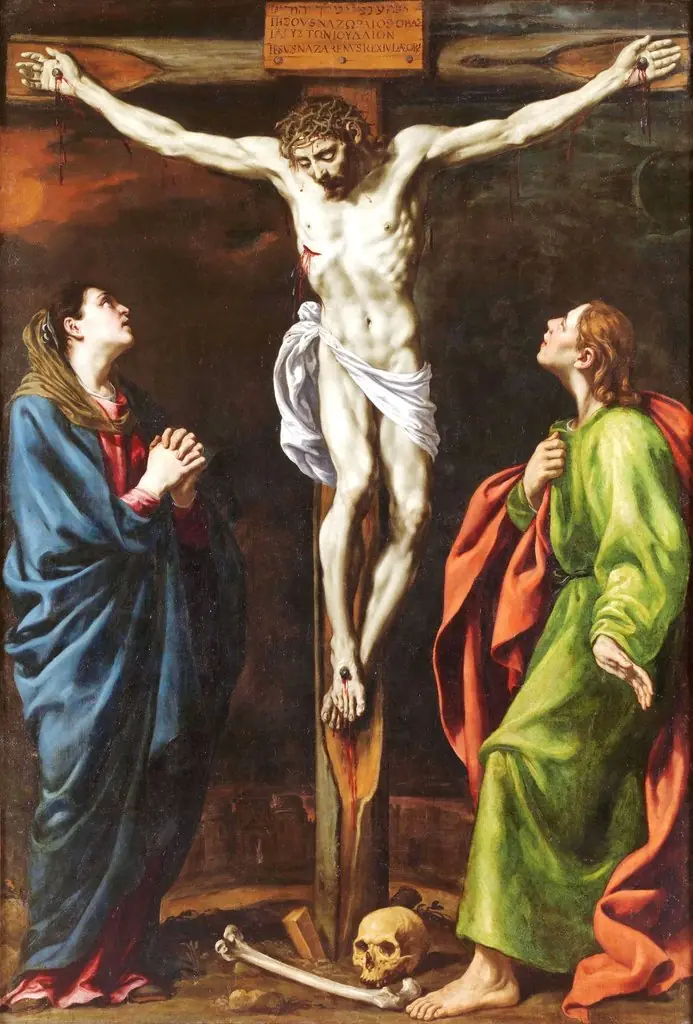
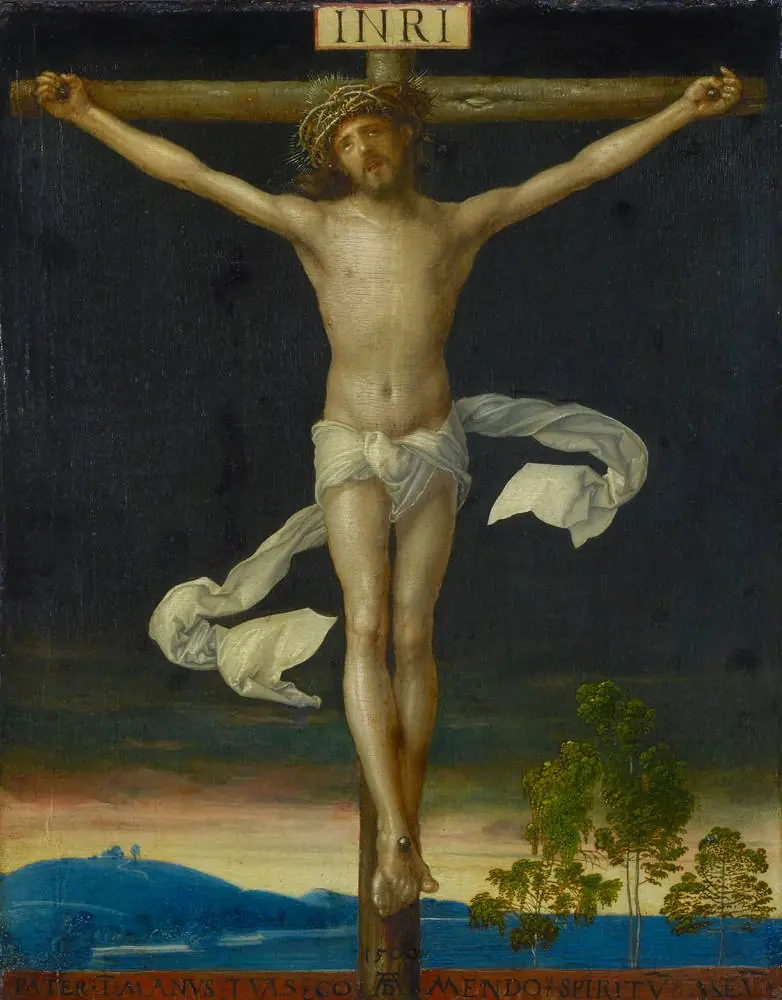
Mary Magdalene at the foot of the cross is an oil painting. It dates from 1610 and is held in the collection of the Rijksmuseum. The oil painting presents a crucifixion scene in which a man hangs on a cross while a woman kneels at its base.
About this work
Subject & Meaning
The painting shows Mary Magdalene positioned at the foot of the cross, a scene indicated by the work’s title and its classification as a religious genre piece.
The painting shows Mary Magdalene positioned at the foot of the cross, a scene indicated by the work’s title and its classification as a religious genre piece. As an anonymous oil-on-panel work from 1610 made in the Northern Low Countries, it presents the Magdalene in a devotional pose that underscores her role as a witness to the Crucifixion. Her presence conveys themes of mourning, repentance, and steadfast faith, consistent with contemporary depictions of the saint in Protestant and Catholic art of the period.
Technique & Style
The work is an oil painting executed on wooden panel, measuring 42 cm in height and 32 cm in width. It was created in the Northern Low Countries around 1610 and belongs to the religious art genre, depicting Mary Magdalene at the foot of the cross. The handling and condition of the piece are not detailed in the sources, but its formal qualities align with early 17th-century Dutch religious painting, emphasizing naturalistic figure representation and devotional composition.
The technique involves layered application of oil paint, contributing to a rich surface texture and nuanced modeling of form.
History & Provenance
Created in 1610 in the Northern Low Countries as an oil painting on panel, this work portrays Mary Magdalene at the foot of the cross. It was originally part of the Rijksmuseum collection and remains on display there.
The painting entered the Rijksmuseum's holdings through a documented acquisition, maintaining a clear ownership chain from its creation to the present. Its attribution to the anonymous painter remains consistent across catalogues.
The work is classified as religious art within the museum's collection and has been exhibited as part of the museum's religious paintings series since its acquisition.
Overview
The oil painting presents a crucifixion scene in which a man hangs on a cross while a woman kneels at its base. She is clothed in vivid red and yellow garments, her hands joined in prayer. The composition is set against a dark backdrop that recedes in tone, creating a somber atmosphere of reverence.
Context
Painted in the tradition of Baroque religious art, the work reflects the period’s emphasis on emotional intensity and dramatic lighting. Its composition aligns with Counter‑Reformation objectives, aiming to evoke devotion through vivid depiction of sacred moments, a common purpose among ecclesiastical commissions of the era.
Artist & collection