Artwork
Christ crucified
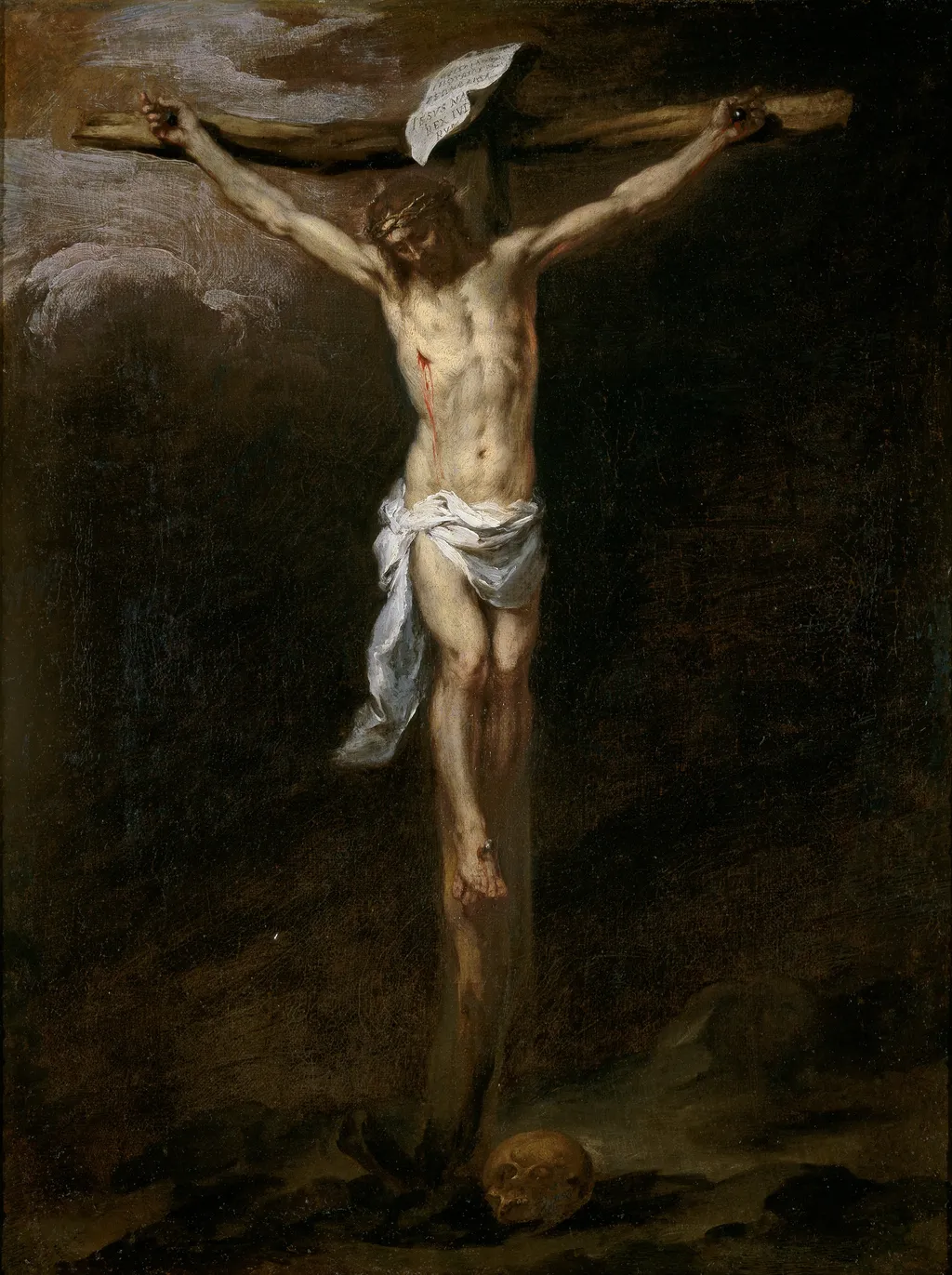
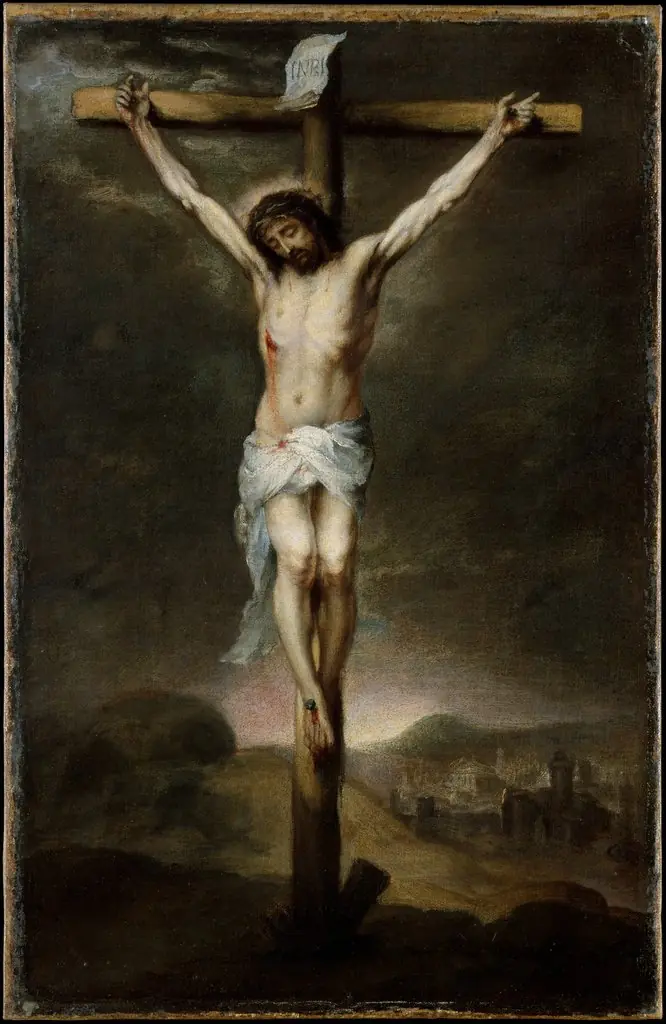
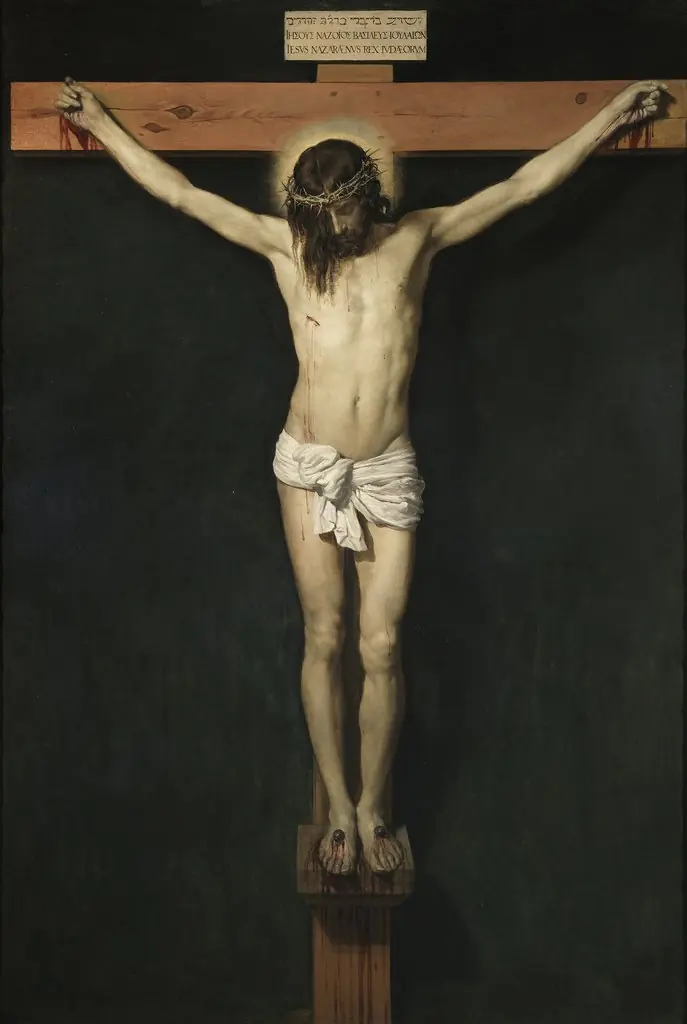
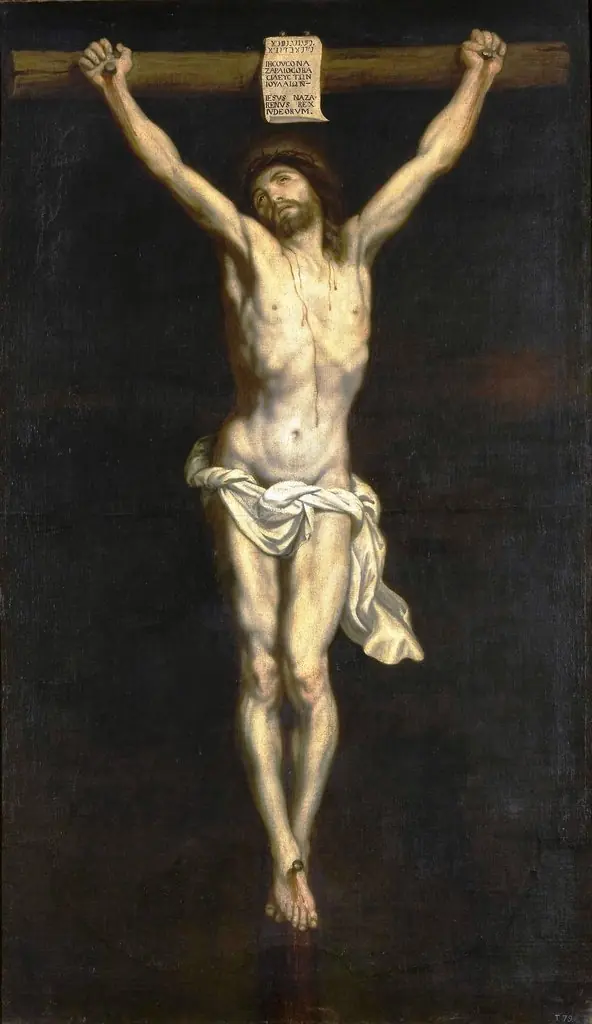
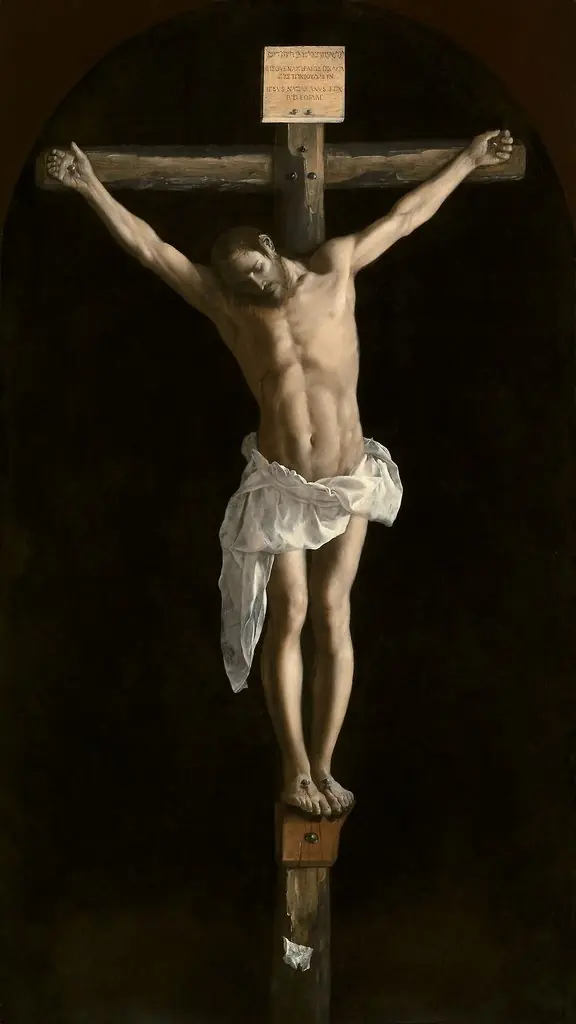
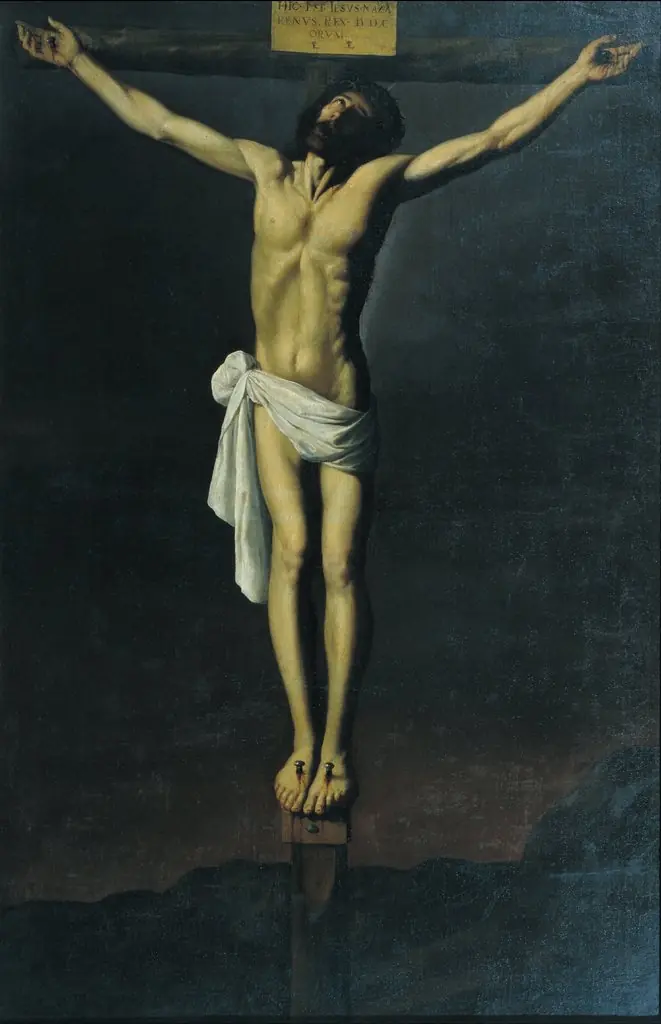
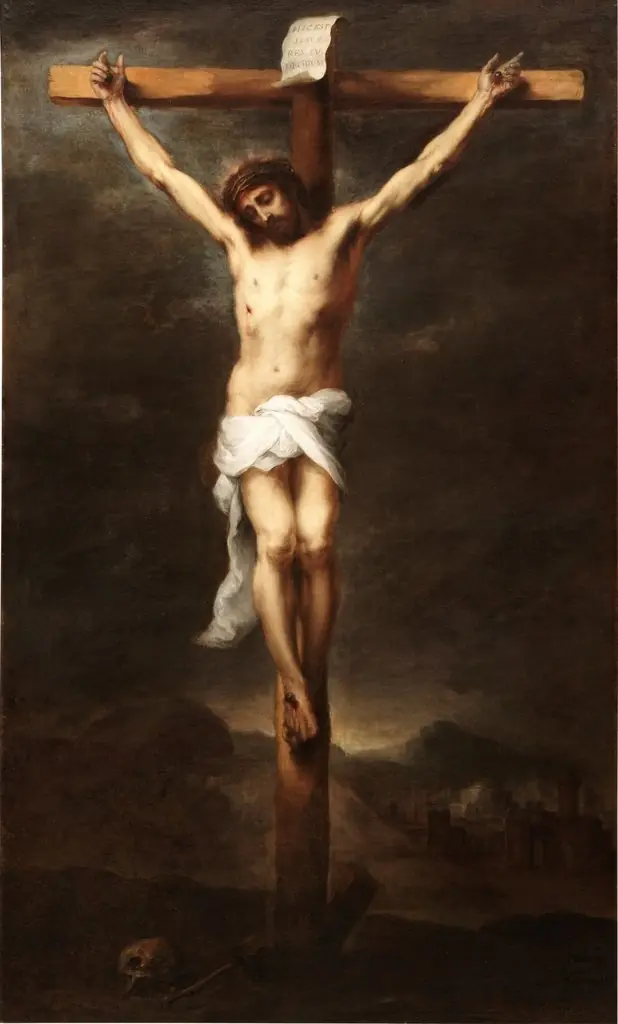
Christ crucified is an oil painting by the Early Baroque Italian artist Bartolomé Esteban Murillo. It is held in the collection of the Museo del Prado.
About this work
Subject & Meaning
The painting depicts the crucifixion of Jesus Christ, a central subject of Baroque religious art frequently treated by Spanish painters of the period.
The painting depicts the crucifixion of Jesus Christ, a central subject of Baroque religious art frequently treated by Spanish painters of the period. Christ is shown on the cross with his head inclined downward, his side wound bleeding beneath the chest, and a loincloth covering his body. At the foot of the cross lies a human skull, a traditional symbol of Golgotha ("place of the skull") and of mortality, evoking the redemption of humanity through Christ's sacrifice.
The composition is set against a dark background, with strong illumination falling on Christ's body, particularly from the upper left, while the skull remains in deeper shadow, heightening the devotional focus on the figure of the savior.
Murillo's handling restrains overt displays of suffering, presenting the crucified Christ in a manner that emphasizes redemption rather than agony. The work reflects the influence of Anthony van Dyck on Murillo's mature style, and the subject is rendered with the loose brushwork and anatomical command characteristic of the artist's late period.
Technique & Style
Executed in oil paint on canvas, the work measures 71 cm in height by 54 cm in width. Dating to the artist's late period, the painting employs a loose brushstroke technique that emphasizes the anatomical precision of the figure against a dark background. A powerful illumination highlights Christ's body, while the treatment of blood is restrained to suggest redemption rather than acute suffering.
The composition includes a human skull at the foot of the cross and depicts the figure nailed with three spikes. Stylistically, the piece reflects the influence of the Flemish painter Van Dyck, characteristic of Spanish Baroque religious art where light and shadow define the dramatic atmosphere.
History & Provenance
Painted by Bartolomé Esteban Murillo, this work is dated to 1689. It originally belonged to the collection of Elisabeth Farnese, wife of Philip V of Spain. The acquisition likely occurred between 1729 and 1733 while the royal court resided in Seville, a period during which seventeen of the artist's works entered the royal collections.
First inventoried in 1746, the painting was displayed at the Royal Palace of La Granja de San Ildefonso. By 1794, it had been moved to the oratory of the Royal Palace of Aranjuez. Between 1814 and 1818, it hung in the Royal Palace of Madrid before being transferred to the Museo del Prado.
The painting is currently housed in the Museo del Prado in Madrid. Its inventory record lists the number 1176, while the museum's catalogue also assigns it the identifier P00967.
Context
Murillo's late religious works, including this small devotional Crucifixion, belong to the mature phase of his career, when he painted against a dark ground with loose brushwork and a powerful raking light that heightens the anatomical presence of Christ's body. The composition follows a well-established Baroque Spanish tradition of devotional Crucifixions practiced by Velázquez, Zurbarán, and Francisco Pacheco, situating the canvas within a mainstream Iberian response to the Counter-Reformation image of the redemptive Christ. Stylistically, Murillo's handling of the figure shows a marked influence from Anthony van Dyck, whose Flemish Baroque model shaped the painterly softness and pathos of the work.
Scholarly attention to the painting is documented in Antonio Palomino's 1724 biography of Murillo, which noted the high prices the Sevillian master's works commanded abroad and recorded the royal acquisition of seventeen Murillos during the court's stay in Seville between 1729 and 1733.
Overview
Bartolomé Esteban Murillo, a prominent Spanish Baroque artist, completed his oil painting Christ Crucified in 1689. This religious work depicts Jesus Christ on the cross, a recurring theme in Murillo's oeuvre, which also included scenes of everyday life. The artwork is currently preserved within the collection of the Museo del Prado, representing a significant example of Spanish devotional art from the late 17th century.
Own this work as a print
Artist & collection
Artist
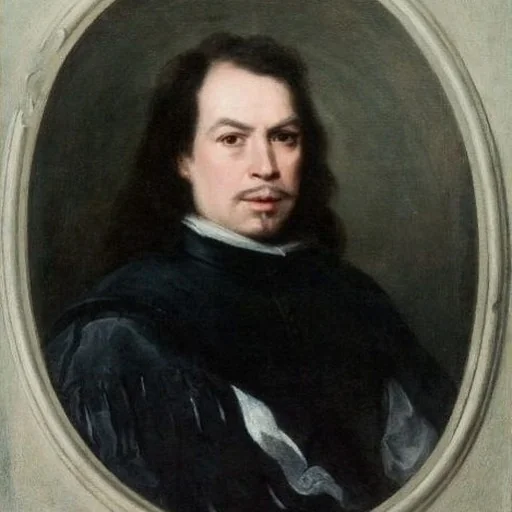
Bartolomé Esteban Murillo ( mure-IL-oh, m(y)uu-REE-oh, Spanish:; late December 1617, baptised 1 January 1618 – 3 April 1682) was a Spanish Baroque painter.