Artwork
Phoenixes and Paulownia
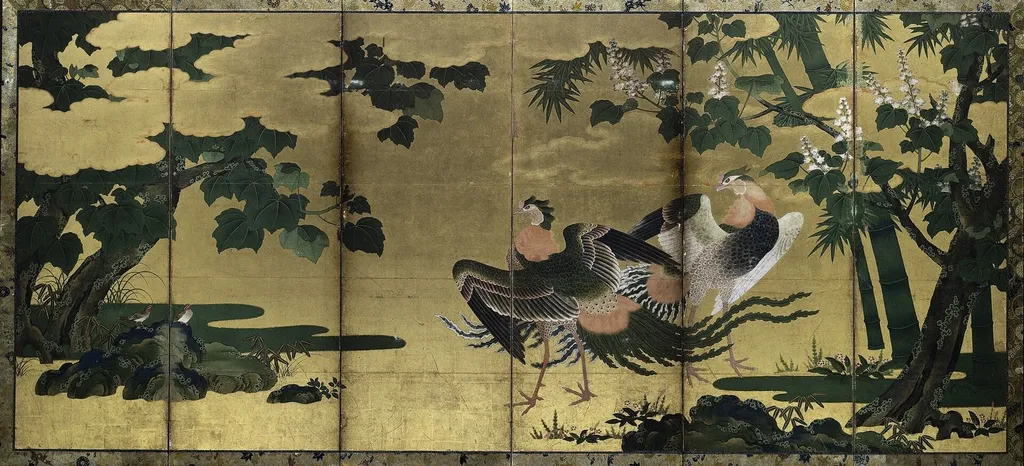
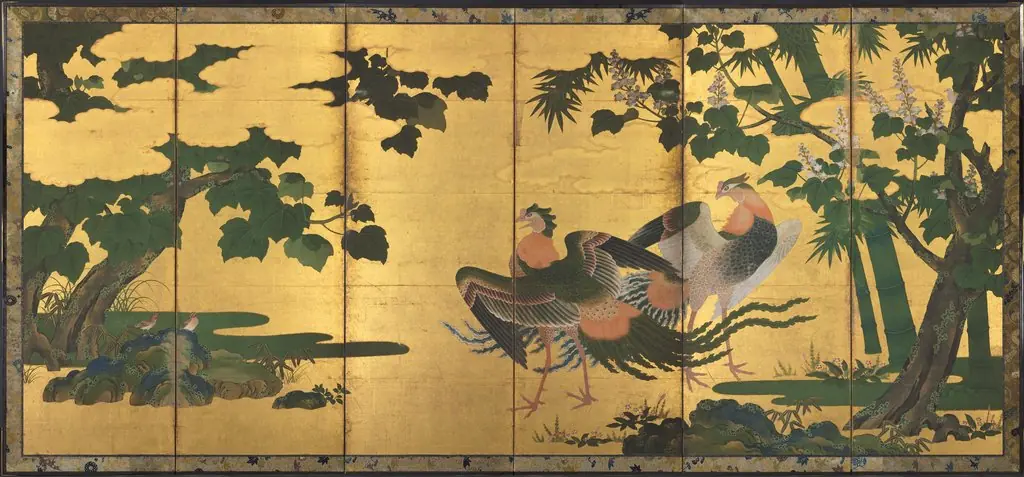
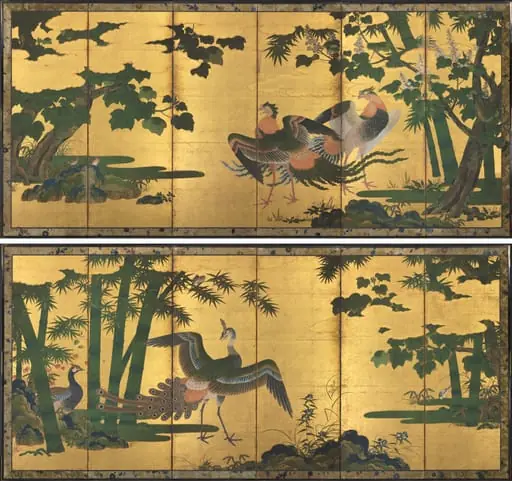
Phoenixes and Paulownia is an unspecified painting. It dates from 1595 and is held in the collection of the Cleveland Museum of Art.
About this work
Subject & Meaning
The pairing of these motifs reflects a broader cultural association between the phoenix and the paulownia as emblematic of benevolent rule and enduring beauty.
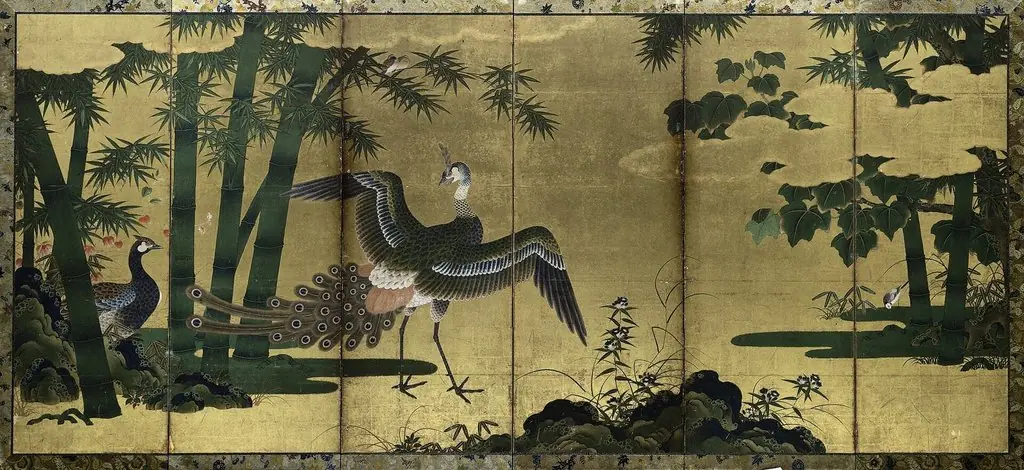
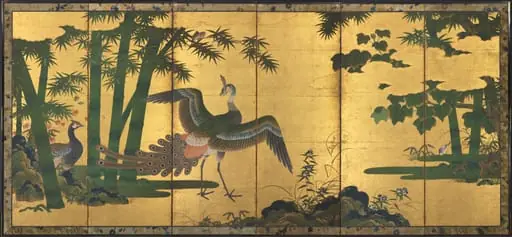
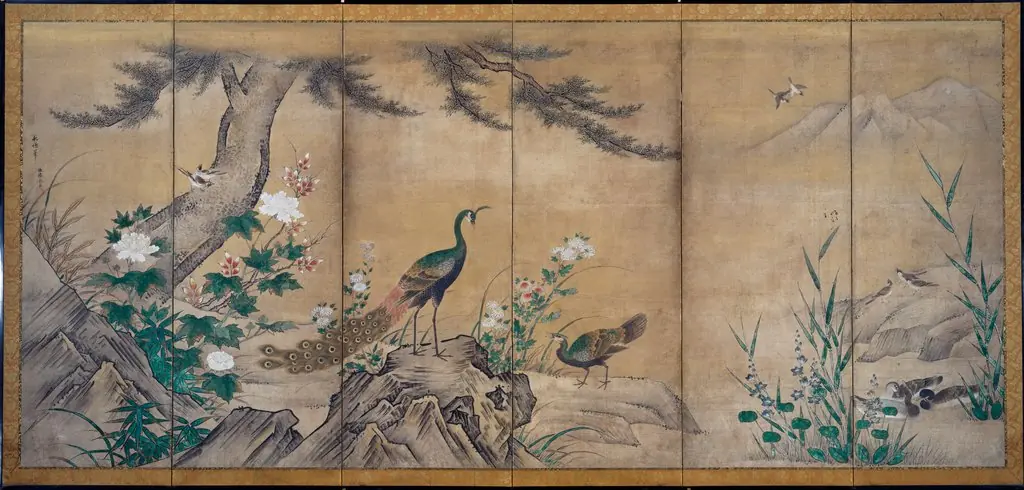
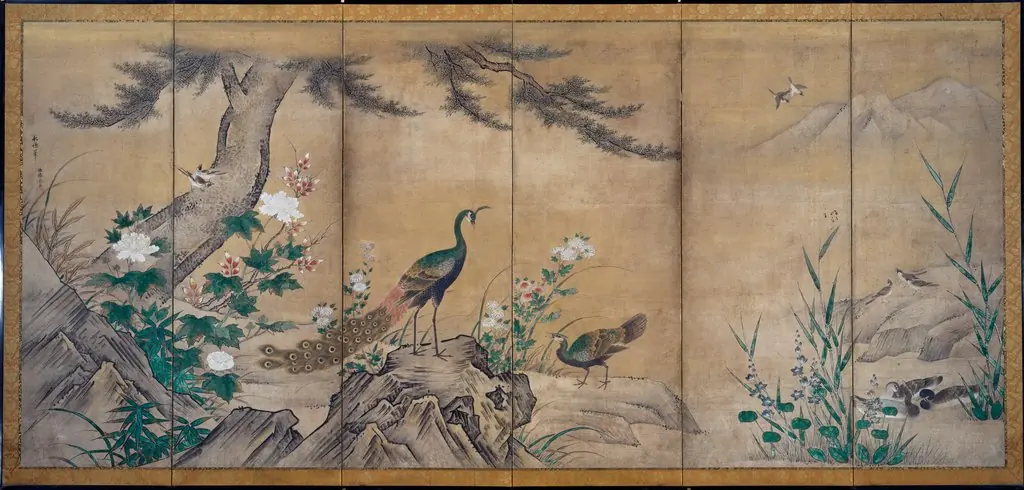
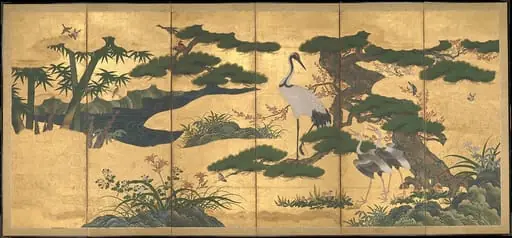
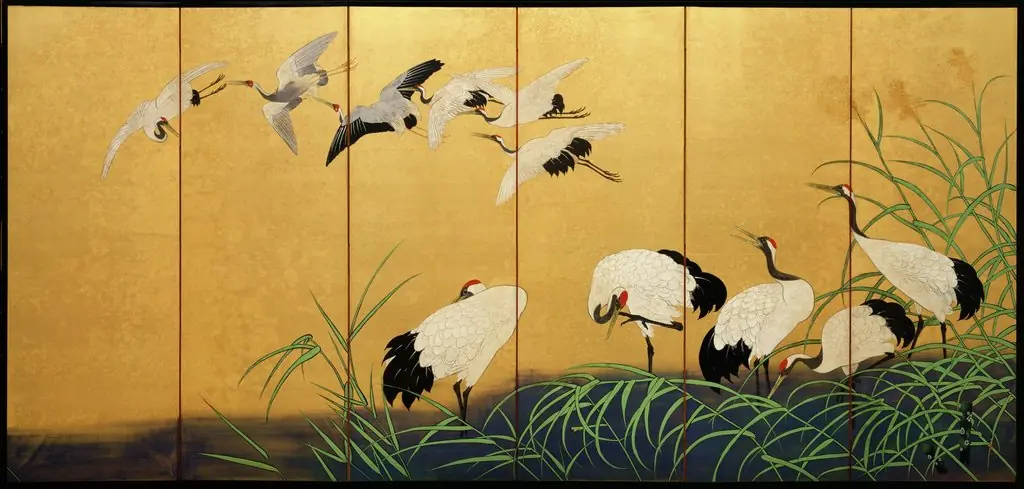
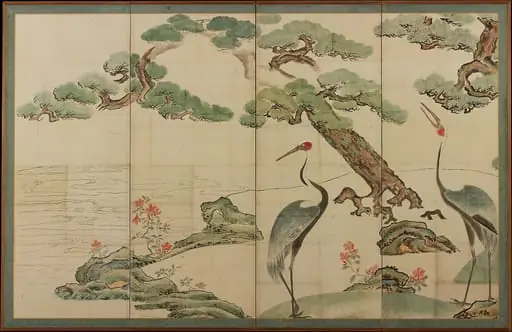
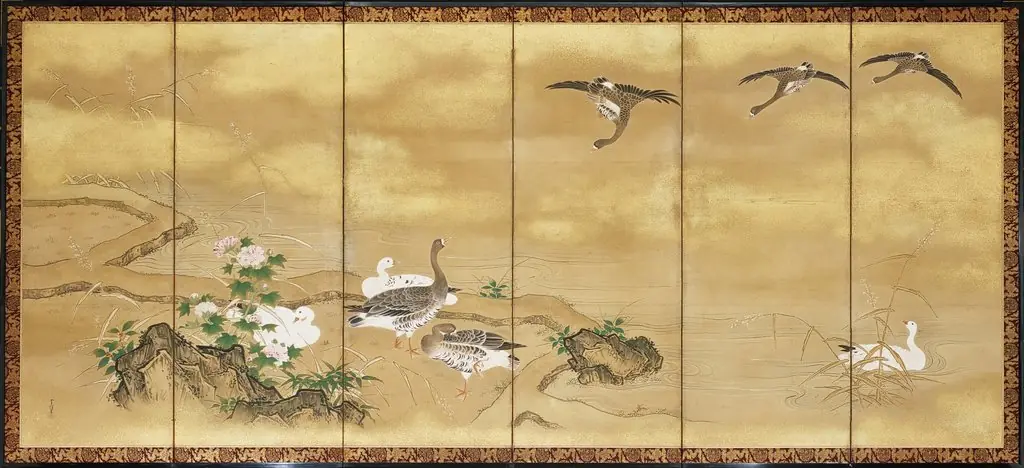
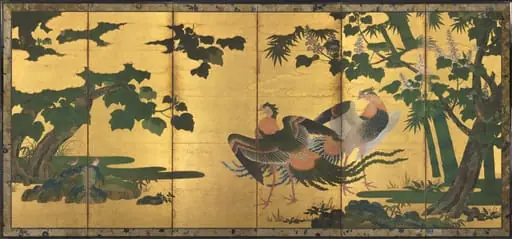
The painting depicts two phoenixes in ascending flight above a paulownia tree, a composition that aligns with the Japanese genre of bird-and-flower painting. The phoenixes, rendered with detailed plumage and outstretched wings, are positioned symmetrically around the paulownia's blossoming branches, emphasizing themes of renewal and auspiciousness. The paulownia, a tree associated with nobility and virtue in East Asian tradition, frames the scene with its delicate flowers and broad leaves, reinforcing the work's symbolism of harmony and prosperity.
The pairing of these motifs reflects a broader cultural association between the phoenix and the paulownia as emblematic of benevolent rule and enduring beauty.
History & Provenance
Created in Japan in 1595, this painting's authorship is uncertain, with some records listing the creator as unknown. The work is identified within the collection of the Cleveland Museum of Art under the accession number 1986.2.1, which acquired the piece in 1986, establishing its modern ownership history. No specific details regarding the original commission or the chain of custody prior to its museum acquisition are provided in the available records.
Overview
The work titled Phoenixes and Paulownia presents a tranquil scene in which two vividly colored birds rest upon slender branches amid verdant foliage. A luminous, golden sky forms a soft, cloud‑filled backdrop, while a calm pond below mirrors the surrounding trees and hints at small fish swimming just beneath the surface.
Technique & Style
The painter employs a delicate handling of light, allowing the golden sky to diffuse gently across the composition and accentuate the birds’ bright hues. Brushwork appears fine and layered, especially in the foliage and clouded background, creating a sense of depth that contrasts with the crisp, detailed rendering of the avian forms and the water’s surface.
Context
While specific historical details about the piece’s creation are not provided, the inclusion of phoenix imagery alongside paulownia, a tree often celebrated in East Asian art, places the work within a tradition that blends symbolic fauna with botanical motifs, a common practice in decorative and narrative painting.
Artist & collection