Artwork
狩野周信筆 秋冬花鳥図屏風|Birds and Flowers of Autumn and Winter
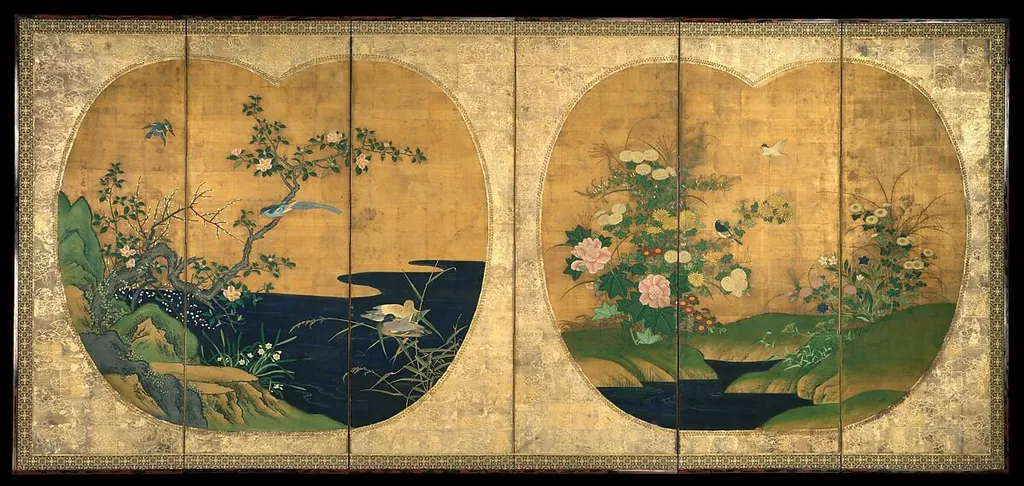
狩野周信筆 秋冬花鳥図屏風|Birds and Flowers of Autumn and Winter is an ink painting by the Baroque artist Kano Chikanobu. It dates from 1716 and is held in the collection of the Metropolitan Museum of Art.
About this work
Overview
Birds and Flowers of Autumn and Winter is a six-panel folding screen painted by Kano Chikanobu in 1716, executed in ink and color on silk. The work is currently part of The Metropolitan Museum of Art's collection.
Subject & Meaning
The screen juxtaposes two contrasting scenes: the left panel depicts a serene, autumnal landscape with a bare tree, birds, a dark pond, and select plants, while the right panel bursts with vibrant, winter flowers, additional birds, and a rocky stream. This dichotomy may symbolize the seasonal transition from autumn to winter.
Technique & Style
Characterized by soft yet bold coloration, the painting features prominent greens, blues, and golds set against a warm, muted background. The composition balances natural elements with careful placement of birds and flowers, showcasing Kano Chikanobu's attention to detail and harmonious design sensibilities.
History & Provenance
Created in 1716 by Kano Chikanobu, a prominent artist of the Kano school, the screen's history prior to its acquisition by The Metropolitan Museum of Art is not detailed here.
Context
As a work of the Kano school, this screen reflects the traditional Japanese artistic values of its time, blending natural themes with refined aesthetic principles. The use of a folding screen format was typical for depicting expansive landscapes or seasonal themes in Japanese interiors.
Legacy
While specific influences or notable exhibitions of Birds and Flowers of Autumn and Winter are not highlighted, the work contributes to the broader appreciation of Kano Chikanobu's oeuvre and the Kano school's enduring impact on Japanese art.
Artist & collection


- 四季花草図屏風|Flowers and Grasses of the Four Seasons
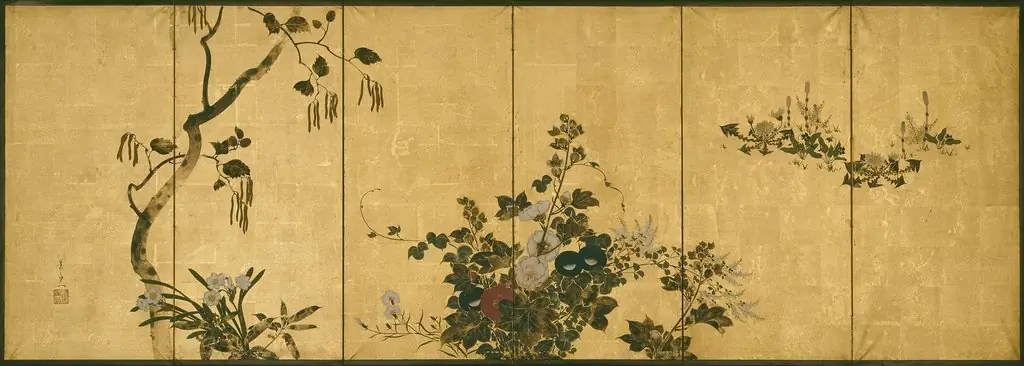 Flowers of Autumn and Winter
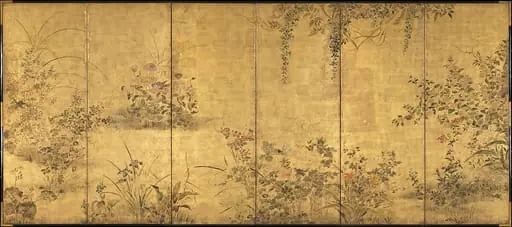 四季花野菜図屏風|Flowering Plants and Vegetables of the Four Seasons
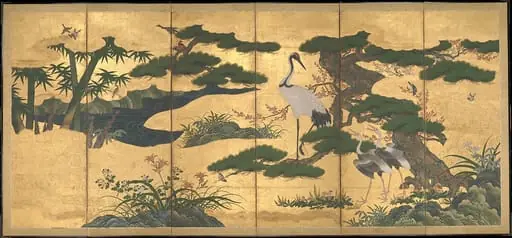 四季花鳥図屏風|Birds and Flowers of the Four Seasons
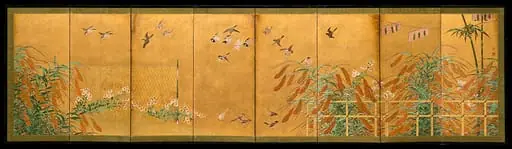 伝狩野山楽筆 粟に小禽図屏風|Autumn Millet and Small Birds
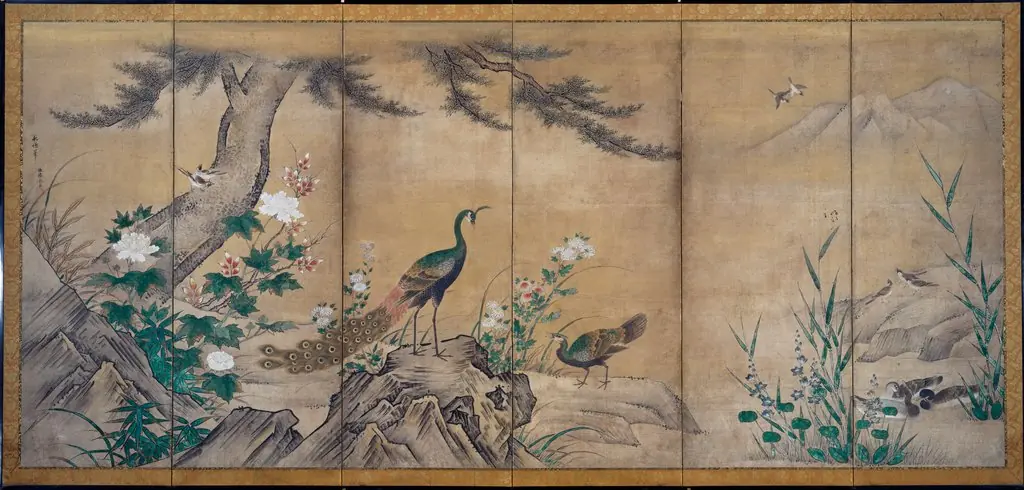 Birds and Flowers
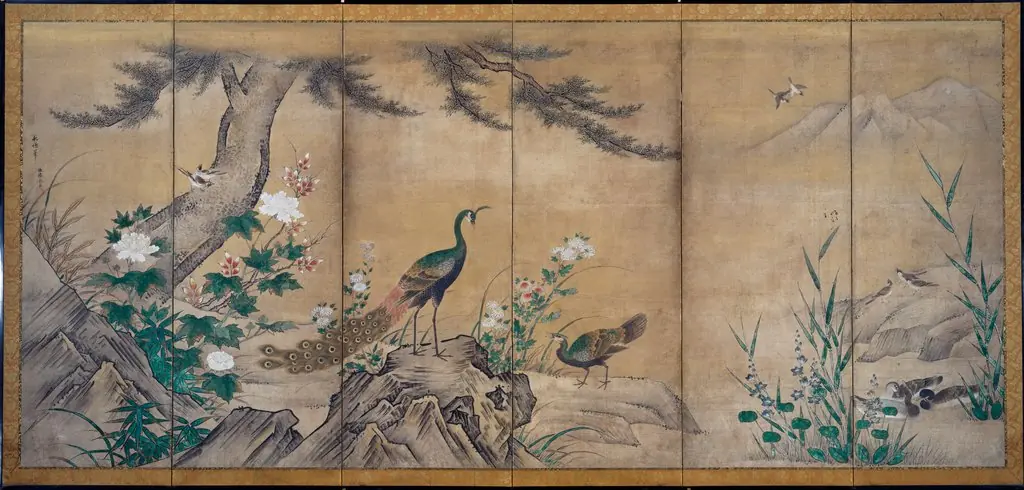 Birds and Flowers
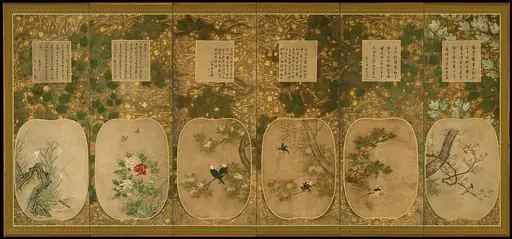 十二ヶ月花鳥図書画挿絵貼屏風|Birds and Flowers of the Twelve Months with Chinese Calligraphy
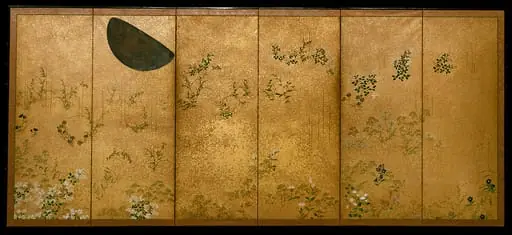 俵屋宗達工房 月に秋草図屏風|Moon and Autumn Grasses
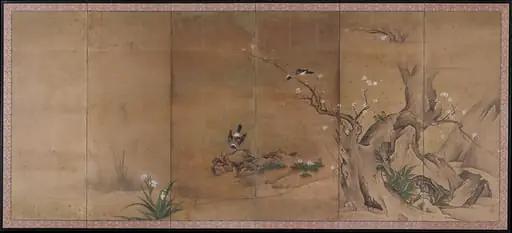 狩野山卜筆四季花鳥図屏風|Birds and Flowers of the Four Seasons
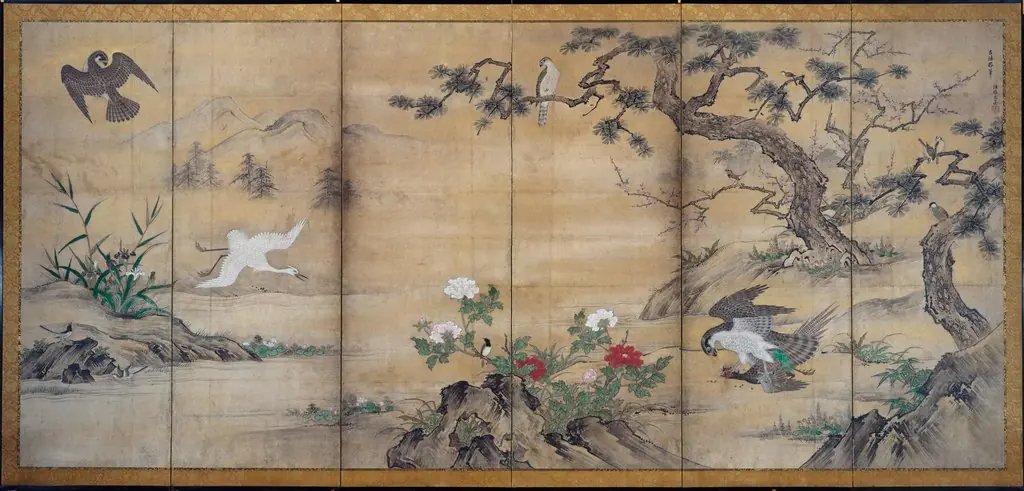 Birds and Flowers