Artwork
Portrait of a woman
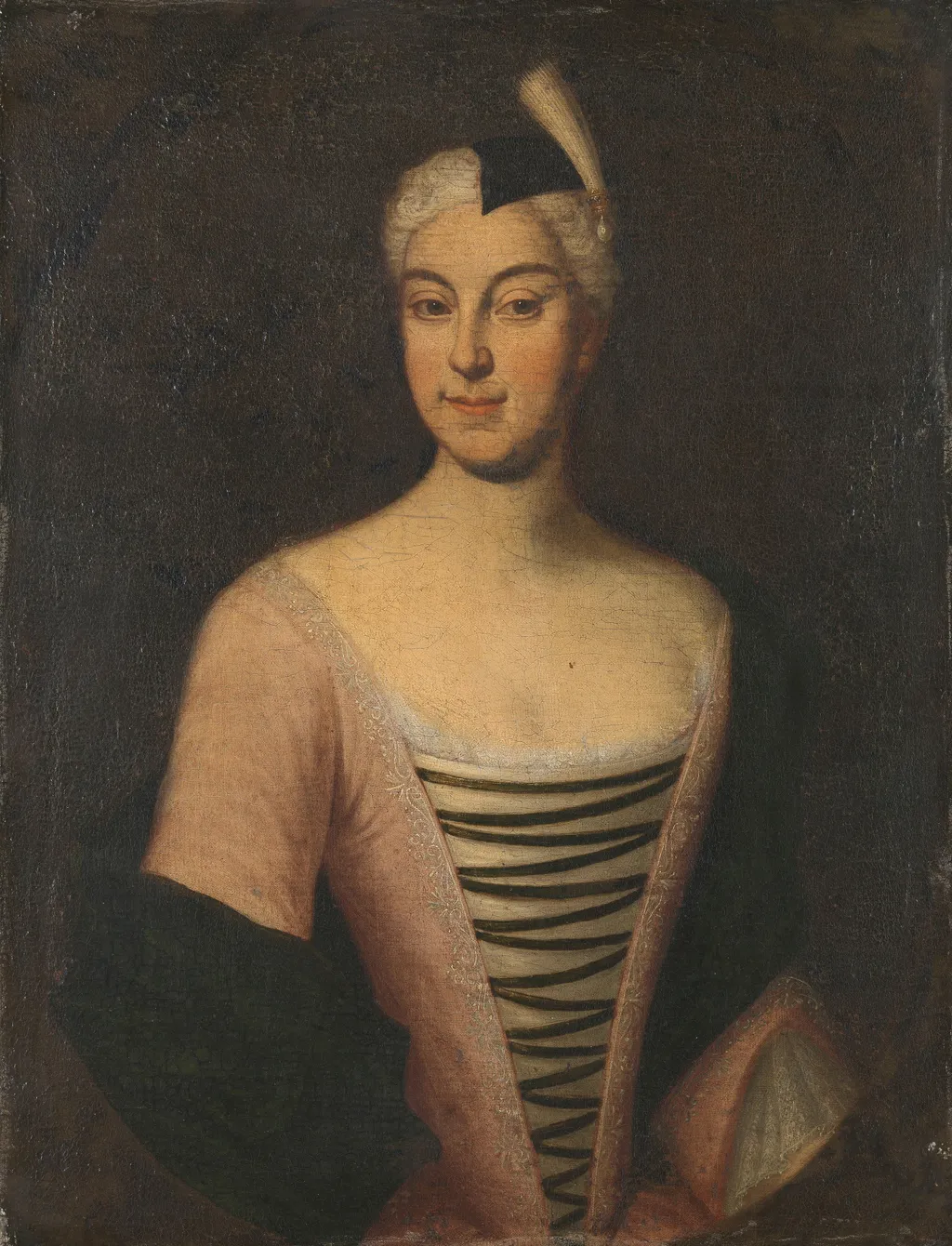
Portrait of a woman is an oil painting. It dates from 1740 and is held in the collection of the Rijksmuseum. The work is an oil painting depicting a seated woman against a dark backdrop.
About this work
Technique & Style
Oil paint applied to canvas creates the painting's surface, measuring 77.5 centimeters by 60 centimeters. The work portrays a woman and was executed in 1740. Its formal qualities include a restrained composition and naturalistic rendering characteristic of 18th-century portraiture, with handling evident in the delicate brushwork defining facial features and drapery.
History & Provenance
The painting is held in the collection of the Rijksmuseum in the Netherlands, where it is catalogued under inventory number SK-A-3218.
The work titled Portrait of a woman is an oil paint painting created in 1740. It measures 77.5 by 60 and depicts a woman. The work belongs to the genre of portrait and is part of the collection of the Rijksmuseum.
The painting is held in the collection of the Rijksmuseum in the Netherlands, where it is catalogued under inventory number SK-A-3218. It is recorded as an oil on canvas portrait of a woman, dated 1740, measuring 77.5 × 60 cm.
No exhibition history is documented in the available sources.
Overview
The work is an oil painting depicting a seated woman against a dark backdrop. Her complexion appears pale, highlighted by the contrast with the surrounding shadows. She wears a low‑cut dress marked by broad black vertical bands across the chest, paired with a simple off‑the‑shoulder top. The overall mood is restrained, her expression calm yet slightly serious.
Subject & Meaning
The figure’s loose bun and modest attire suggest a contemporary, possibly middle‑class woman rather than a mythological or historical persona. The subdued palette and neutral pose convey a sense of introspection, inviting viewers to consider the private interiority of the sitter rather than a narrative scene.
Context
While specific provenance is not recorded, the painting aligns with 19th‑century portrait conventions that emphasized realism through material handling. The use of impasto reflects a broader interest among painters of the period in exploring the physical qualities of oil paint to convey form and atmosphere.
Artist & collection

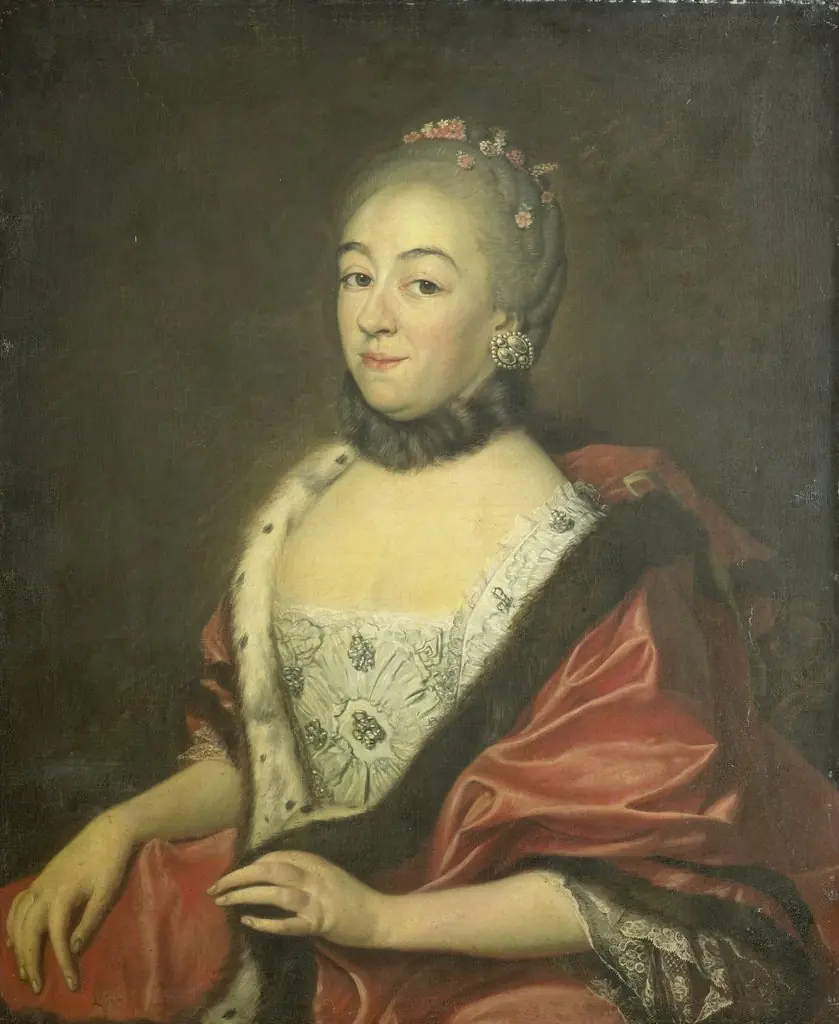
- Sandrina van den Broecke, Wife of George Lodewijk Matthes
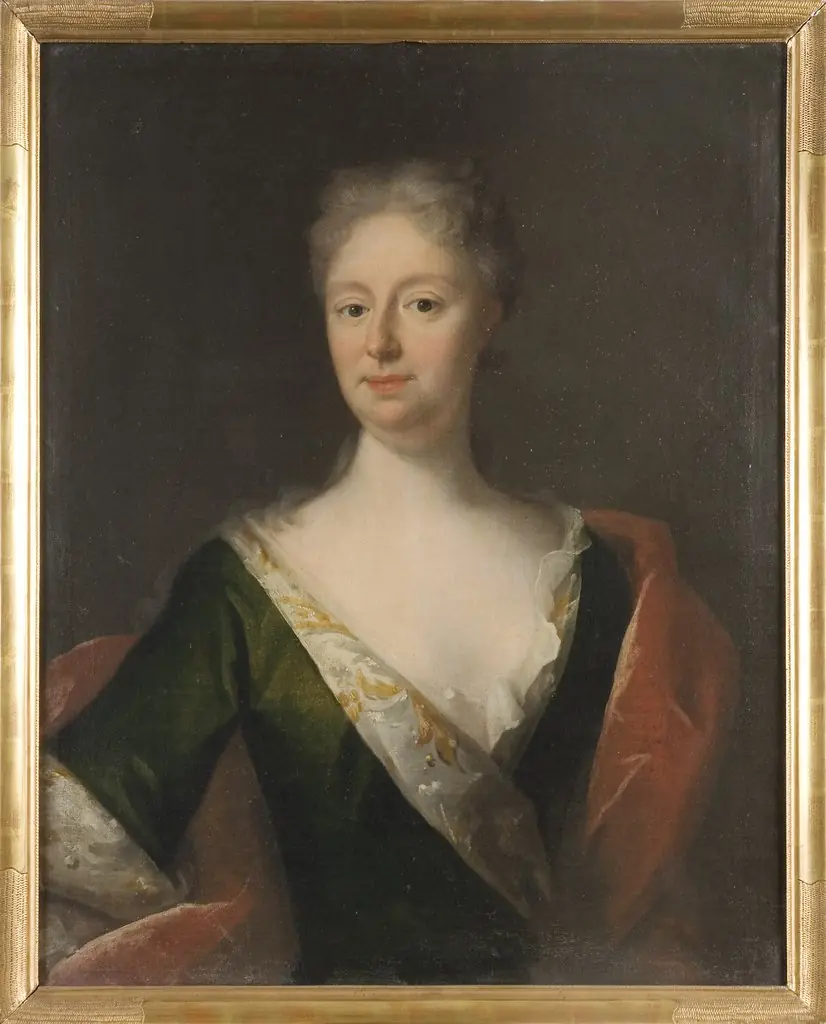 Sofia Gyllenstierna af Ulaborg (1682-1722), friherrinna, g.m. friherre Adolf Herman Wrangel af Lindeberg
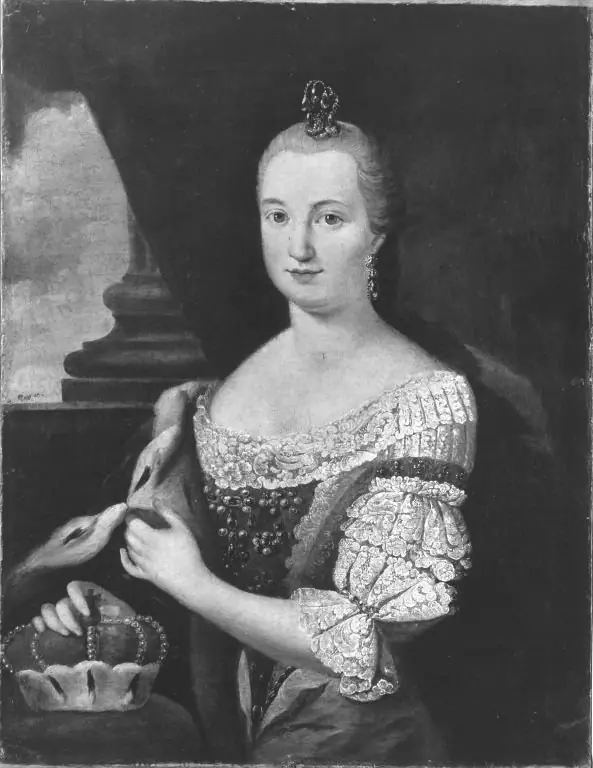 Bildnis der Kurfürstin Elisabeth Auguste von Pfalz-Bayern (Kopie nach)
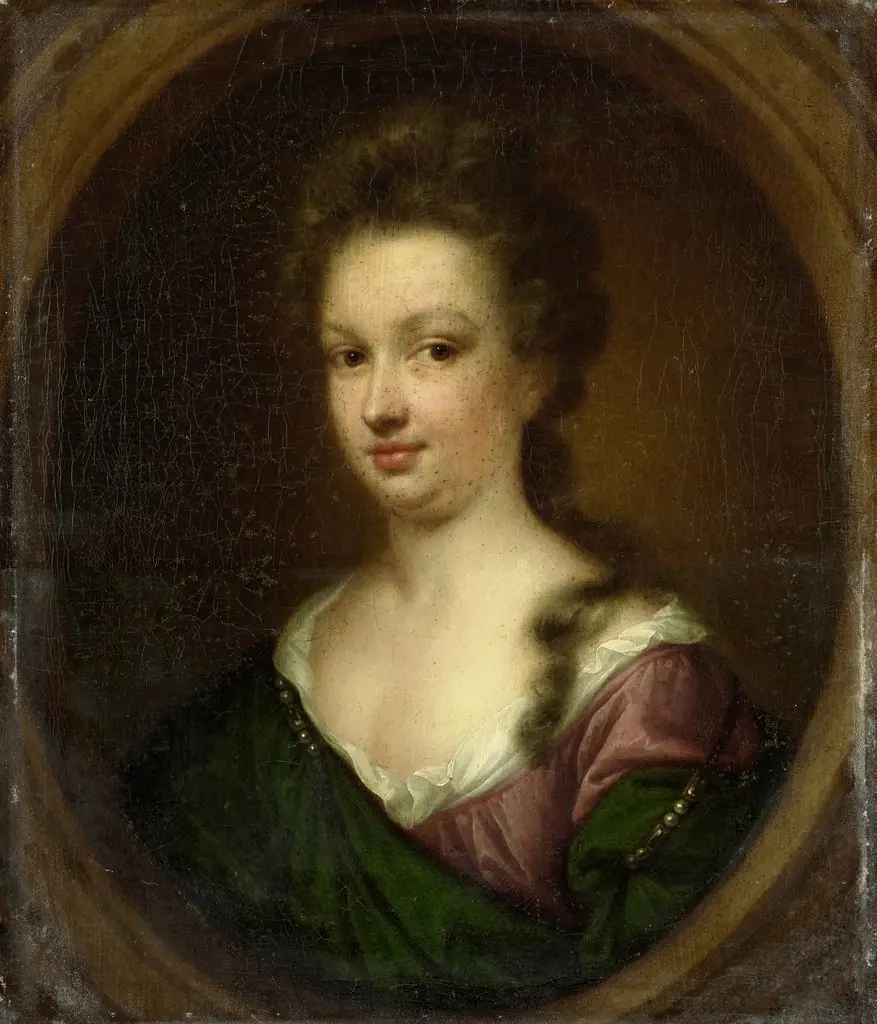 Portrait of Emerantia van Citters (1666-94), sister of Anna van Citters
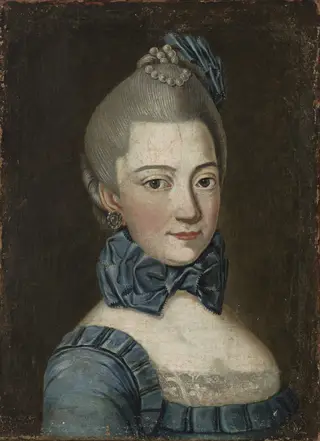 Portrait of Elżbieta Potocka née Wielopolska
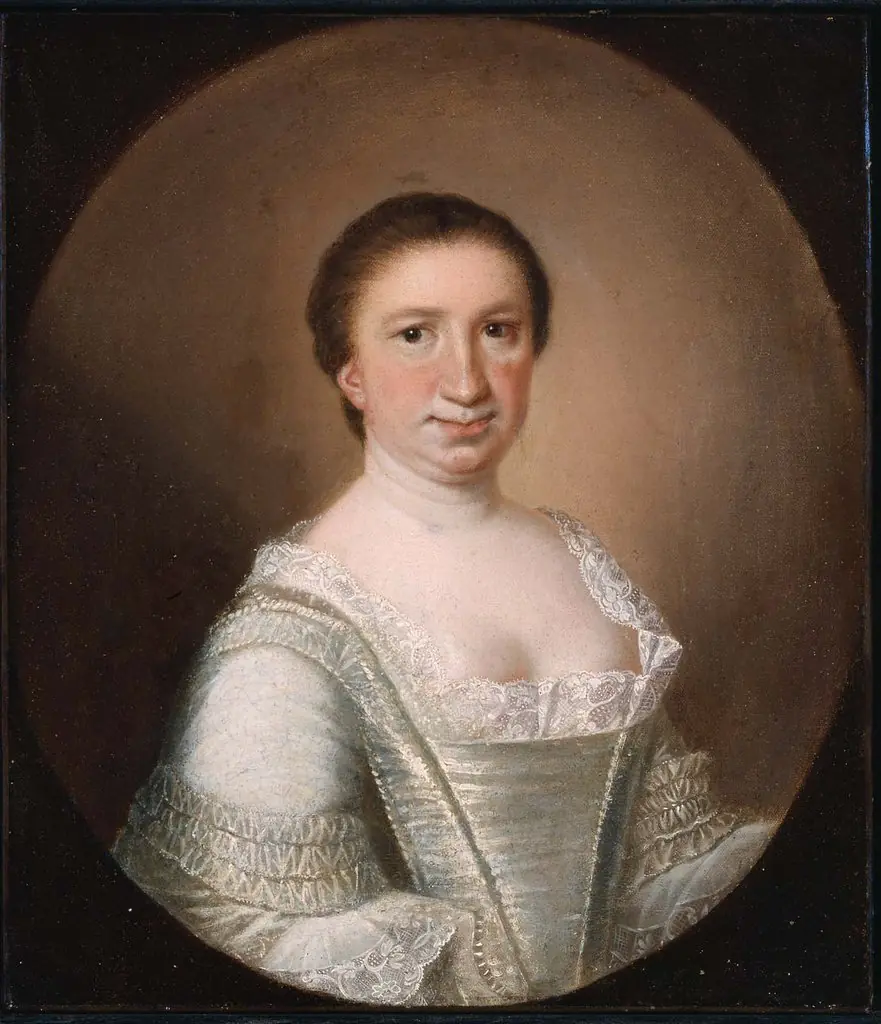 Mrs. Lionel Chalmers (Martha Logan)
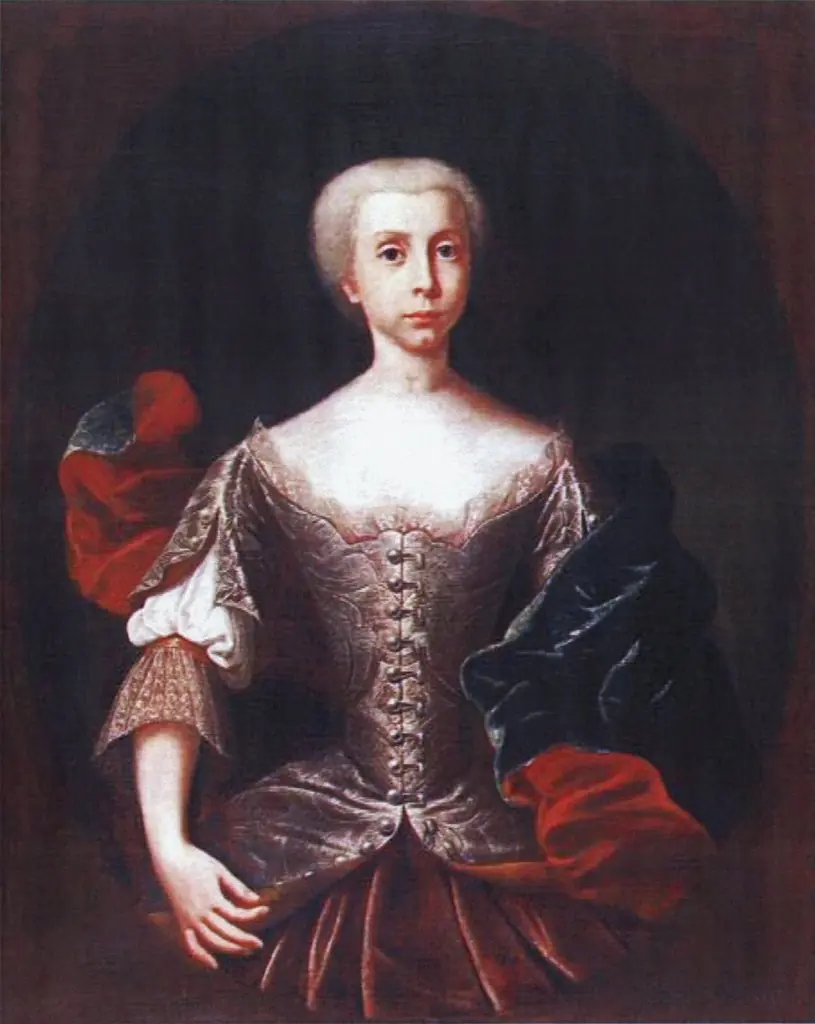 Portrait of D. Maria Bárbara de Bragança
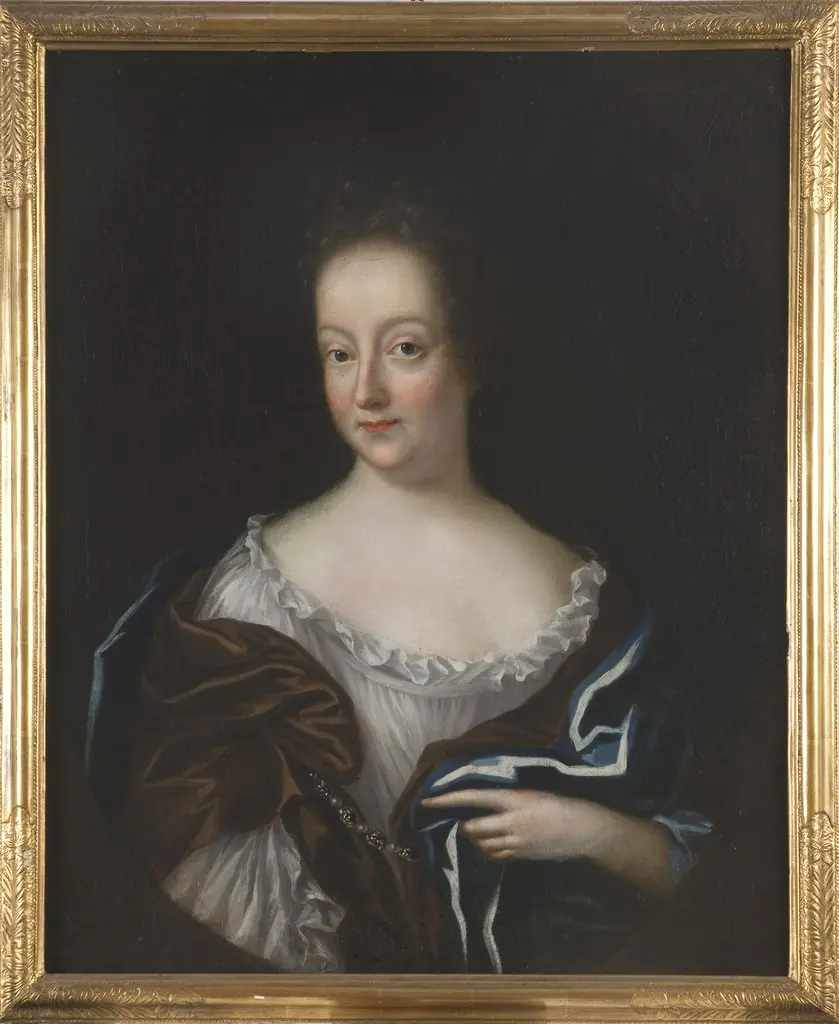 Beata Elisabet von Königsmarck (1637-1723), grevinna, gift med greve Pontus Fredrik De la Gardie
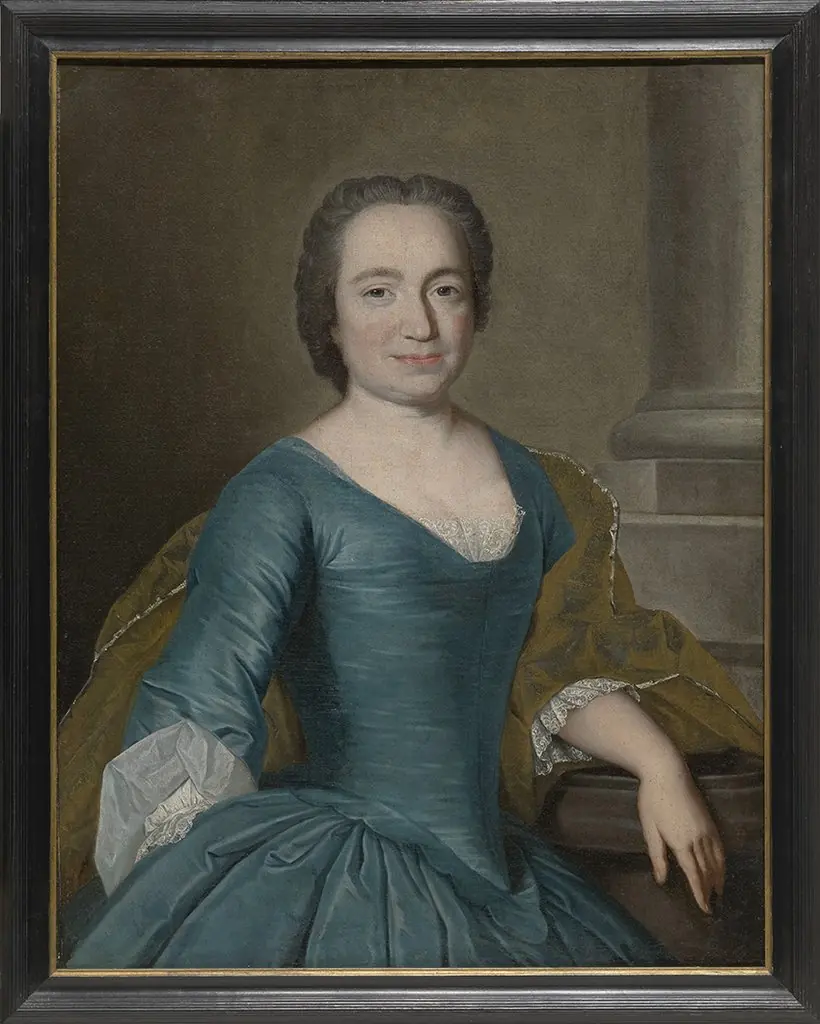 Portret van Maria de Hondt
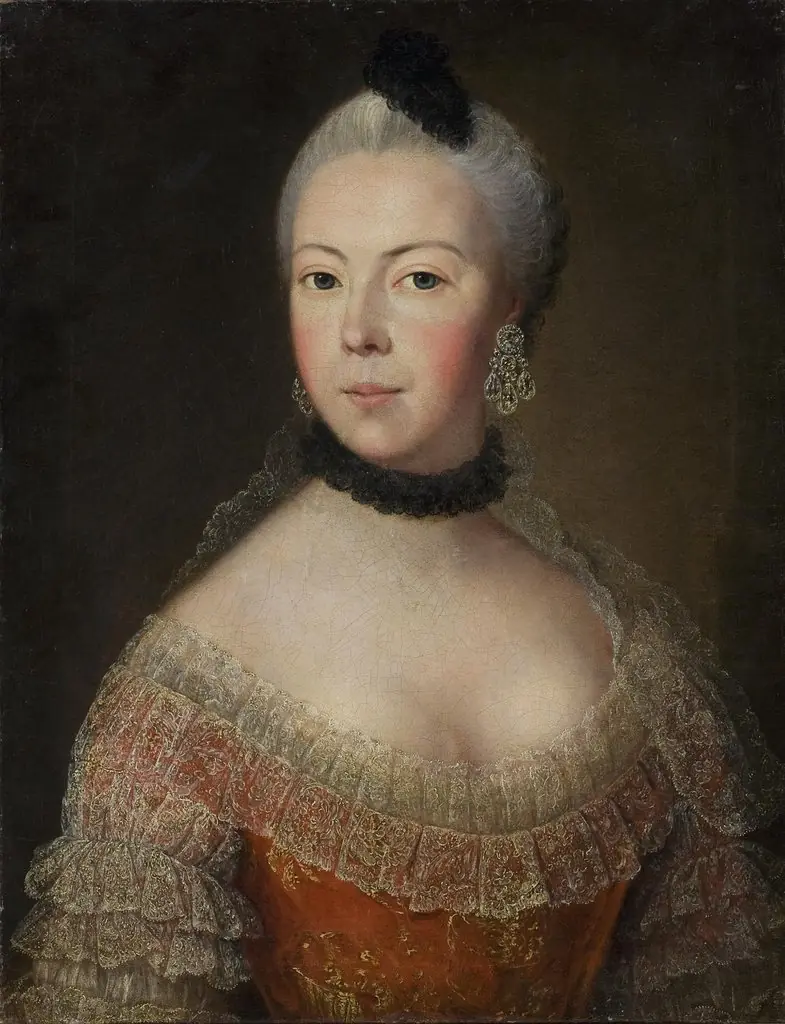 Portrait of Princess Anastasia Dolgorukaya, née Lodyzhenskaya (1736-1828)
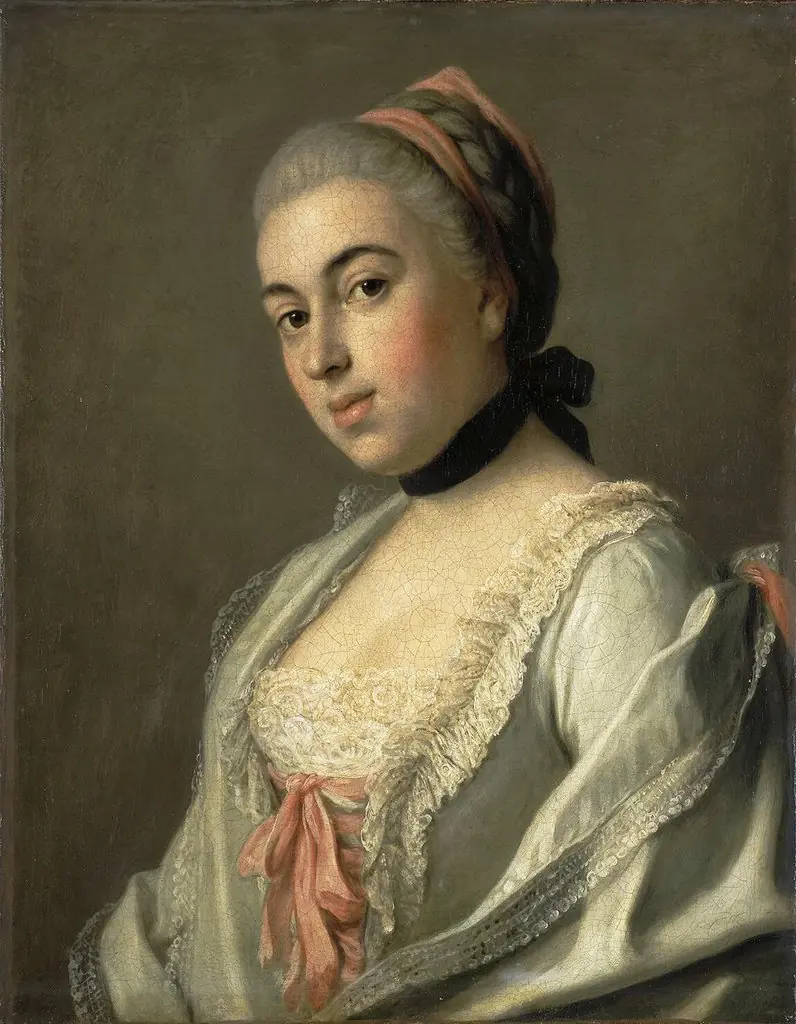 Portrait of Countess A.M. Vorontsova
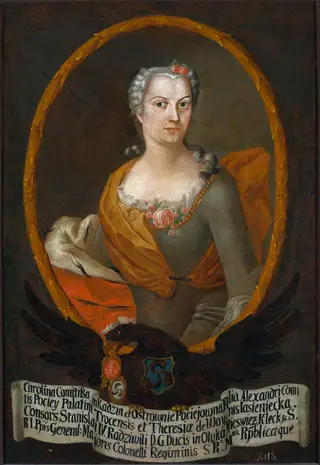 Portrait of Karolina Radziwiłł née Pociej (1732–1776)