Artwork
Portrait of a Woman
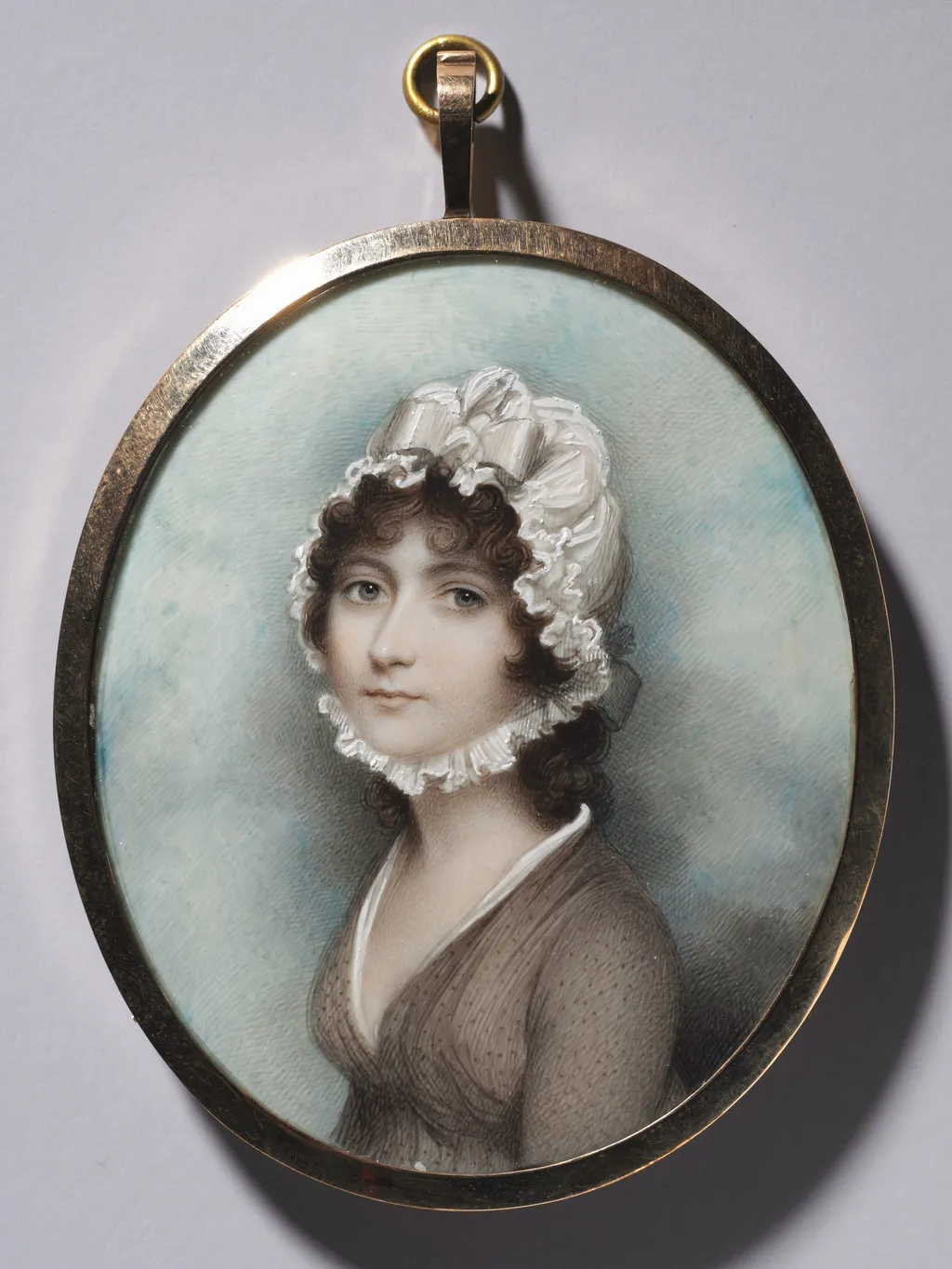
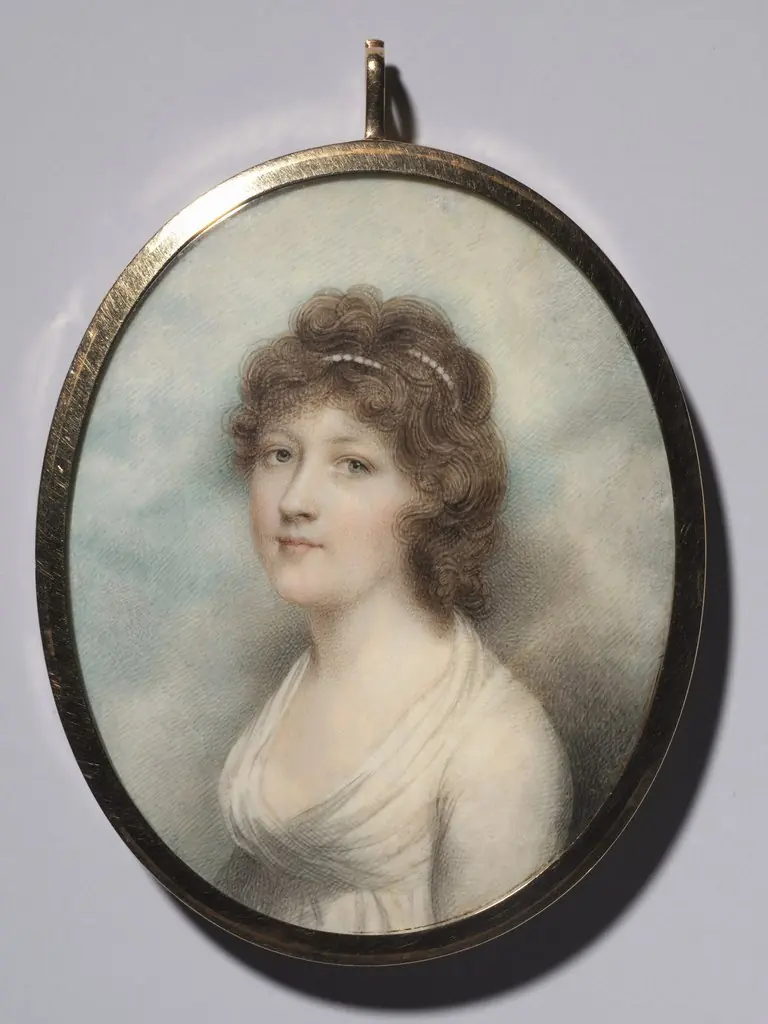
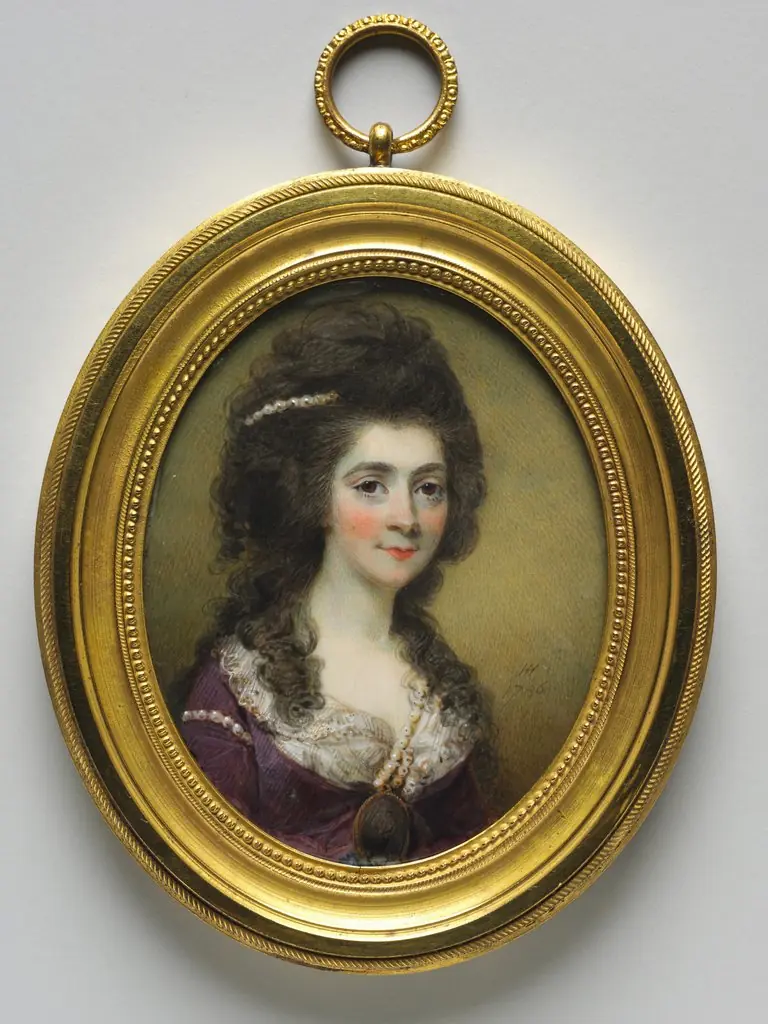
Portrait of a Woman is an unspecified painting. It dates from 1850 and is held in the collection of the Cleveland Museum of Art. The work is a modestly sized oval oil painting that presents a seated woman framed against a uniform pale green‑blue backdrop.
About this work
Subject & Meaning
The subject is portrayed as a dignified woman rendered in a miniature format, likely intended to capture personal likeness rather than symbolic narrative.
The subject is portrayed as a dignified woman rendered in a miniature format, likely intended to capture personal likeness rather than symbolic narrative. The work belongs to the portrait miniature genre, emphasizing fine detail suitable for intimate viewing. Its creation by Andrew Plimer, a British miniaturist active in the late 18th and early 19th centuries, situates it within a tradition of rendering aristocratic sitters with subtle realism.
The piece is housed in the Cleveland Museum of Art, where it remains part of their collection of European portrait miniatures.
Legacy
The portrait miniature attributed to Andrew Plimer has had a modest but lasting impact on the study of British portraiture, particularly in discussions of late 18th‑century miniature painting and the development of the genre within American museum collections. Its inclusion in the Cleveland Museum of Art’s holdings has allowed scholars to compare Plimer’s technique with contemporaneous works, influencing subsequent attributions of unsigned miniatures in both British and American contexts.
Overview
The work is a modestly sized oval oil painting that presents a seated woman framed against a uniform pale green‑blue backdrop. She wears a white lace cap over softly curled light‑brown hair and a high‑necked dress in subdued brown and white tones. A faint smile graces her lips, and the overall composition draws the viewer’s attention directly to her serene expression.
Technique & Style
Executed with delicate, almost seamless brushwork, the painting employs a soft blending that renders the skin with a smooth, almost luminous quality. The subtle transitions between tones hint at the sfumato technique, creating a gentle atmospheric effect. The limited palette of muted browns, whites, and a cool background reinforces the work’s intimate scale and understated elegance.
Context
Created during a period when oval portrait formats were popular for private devotion and domestic display, the piece aligns with the tradition of small, portable likenesses. Such works were often commissioned for personal remembrance, indicating the sitter’s social milieu valued discreet representation over grand public exhibition.
Artist & collection

- Portrait of a Woman
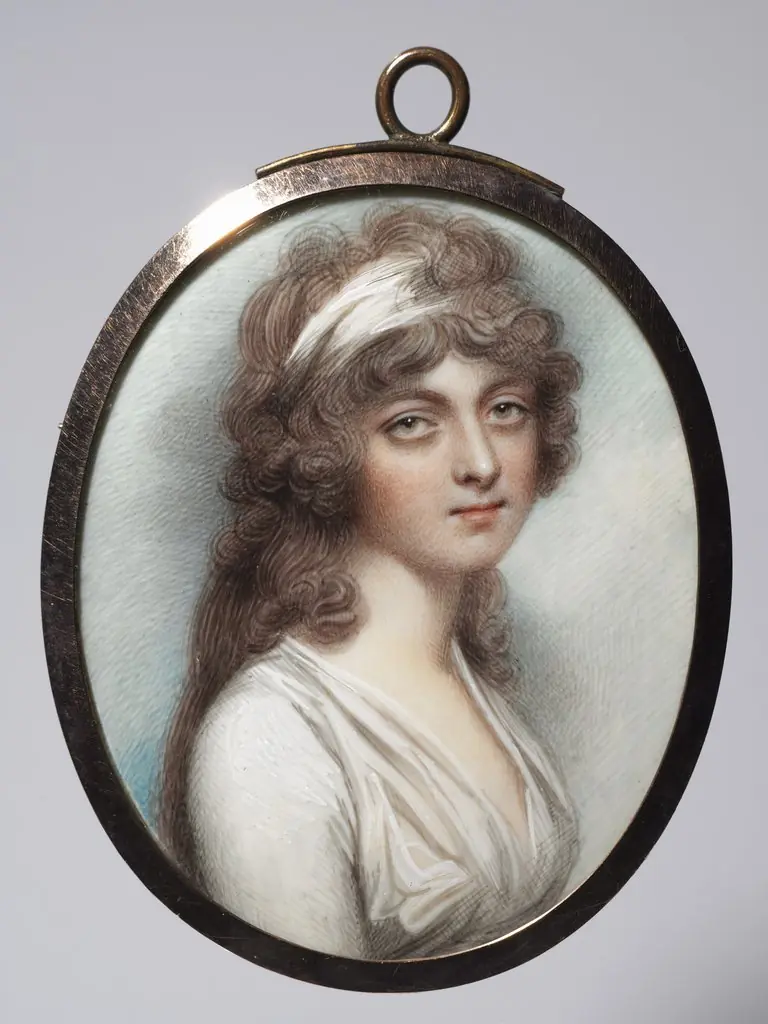 Portrait of Anna Walmesley
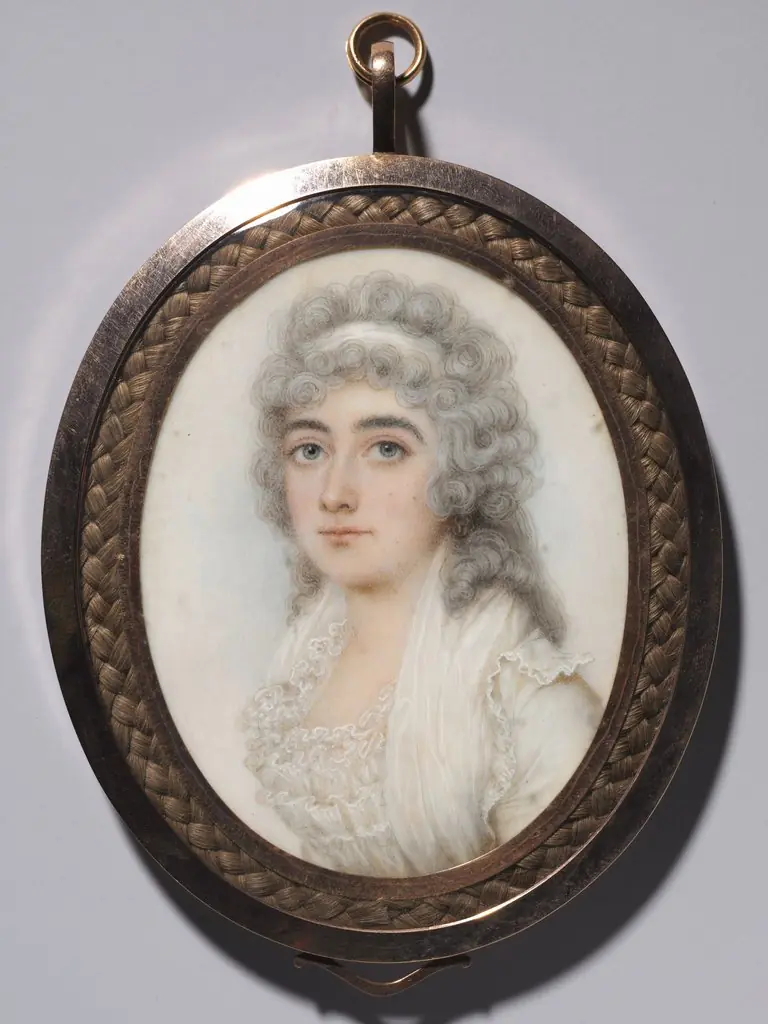 Portrait of a Woman
 Portrait of a Woman
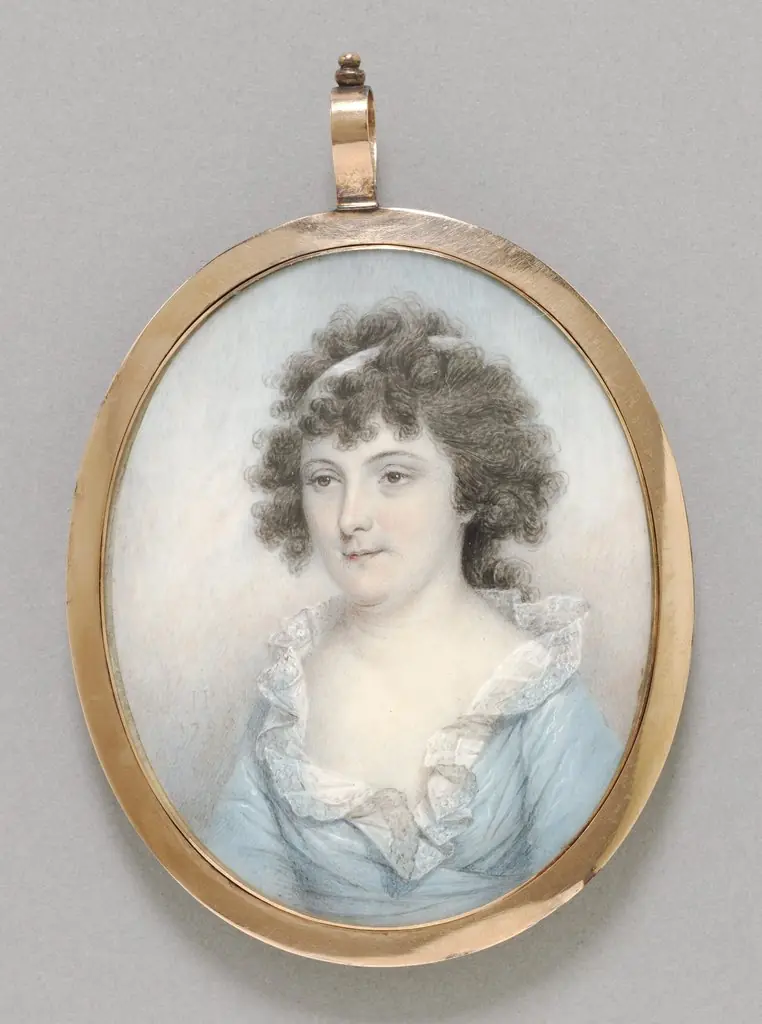 Portrait of Susan Coren Towers
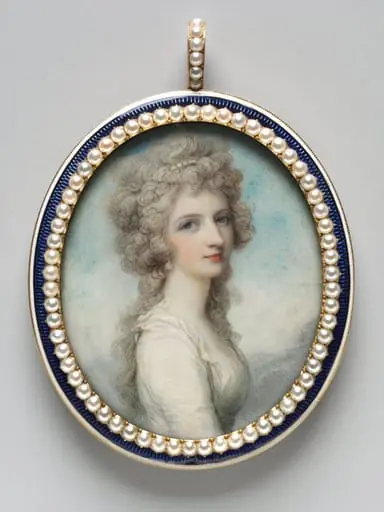 Portrait of Mary Frances (Fanny) Swinburne
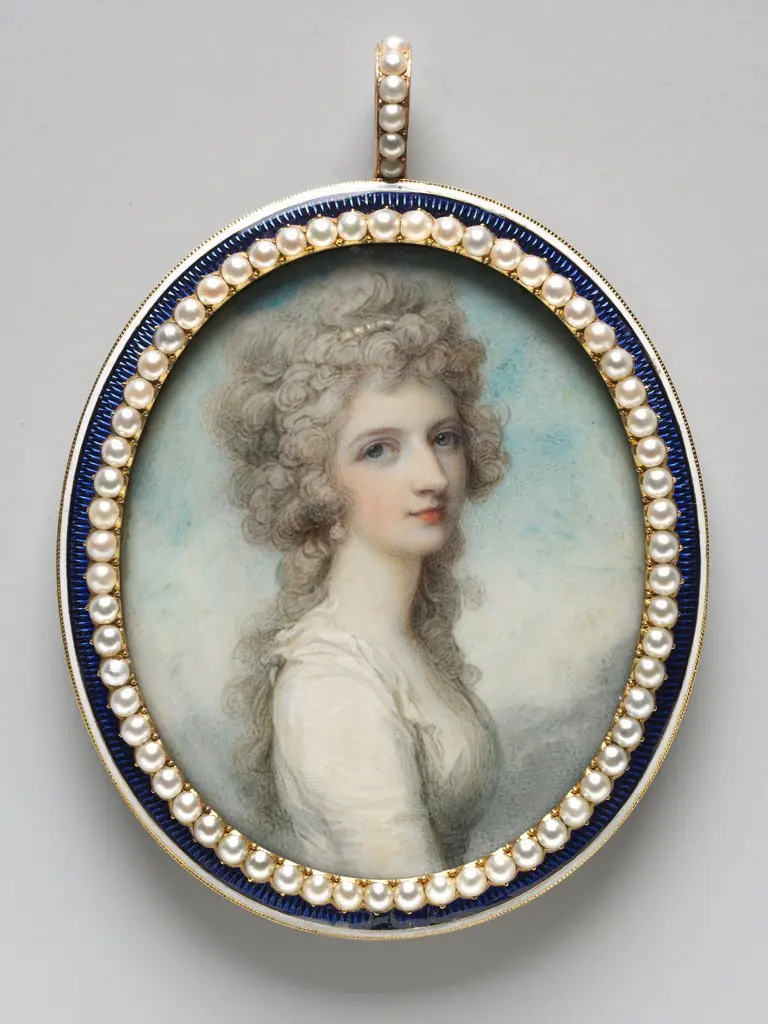 Portrait of Mary Frances (Fanny) Swinburne
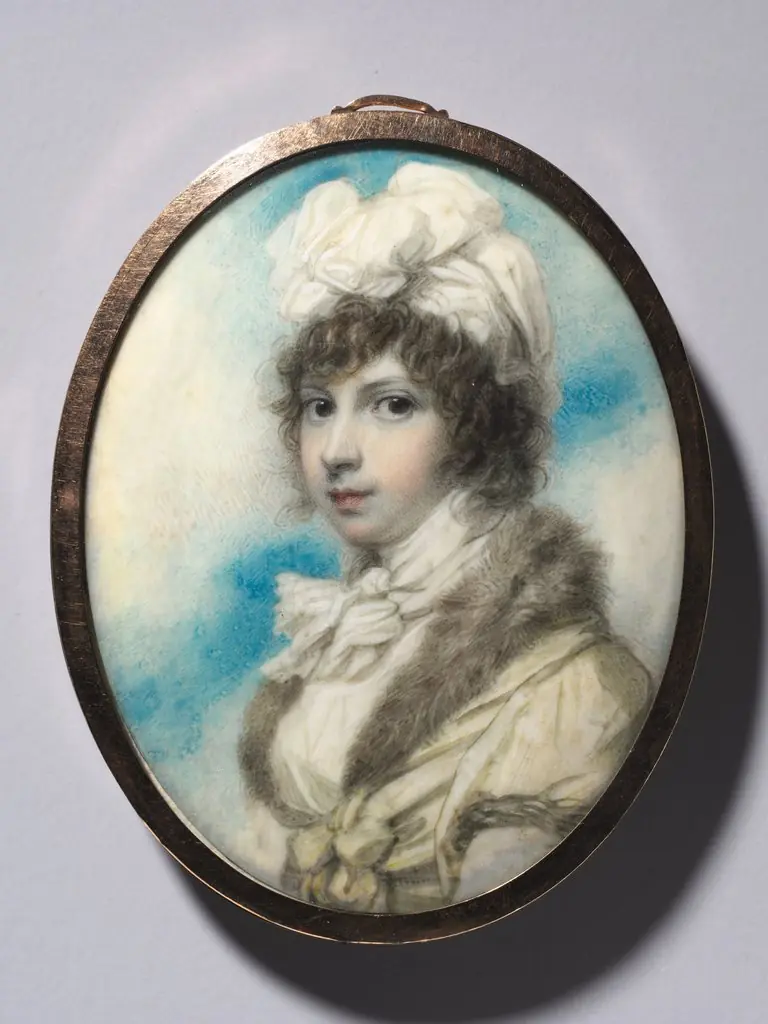 Portrait of the Hon. Anne Annesley, later Countess of Mountnorris
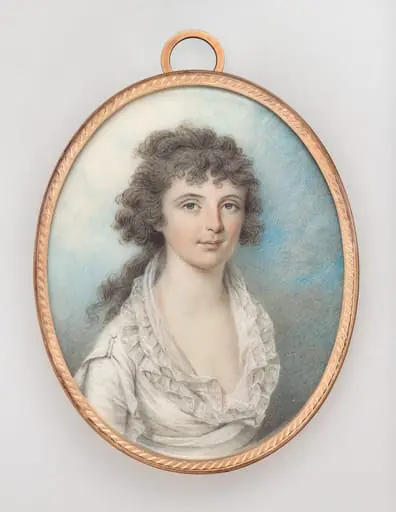 Marcia Burns
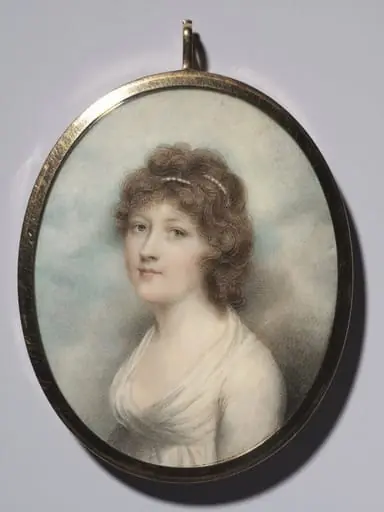 Portrait of a Woman
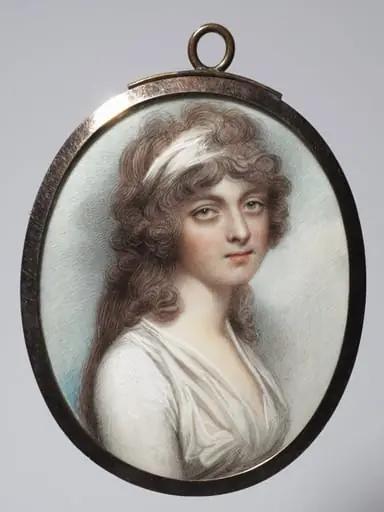 Portrait of Anna Walmesley
 Portrait of a Woman, called Mrs. Close