Artwork
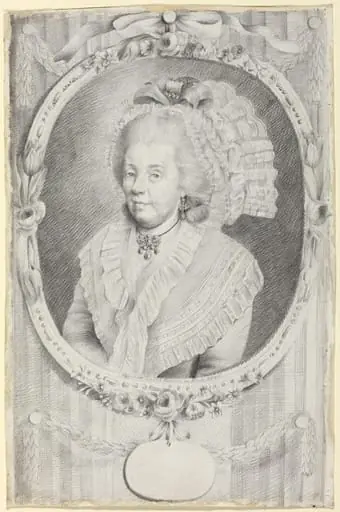
Portrait of a Woman, Said to Be Princess Apraxine
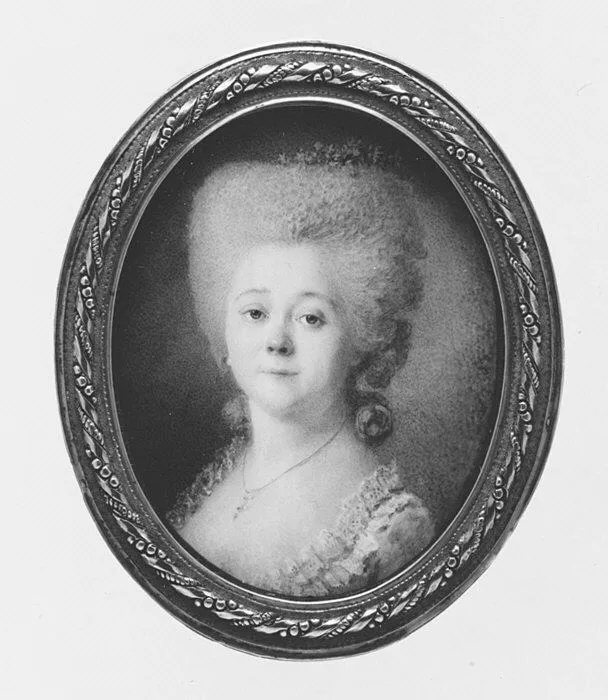
Portrait of a Woman, Said to Be Princess Apraxine is an unspecified painting. It dates from 1790 and is held in the collection of the Metropolitan Museum of Art.
About this work
History & Provenance
No specific inventory or accession number is provided in the available records, and no exhibition history is documented in the consulted sources.
The work titled Portrait of a Woman, Said to Be Princess Apraxine is classified as a painting and a portrait, created circa 1780 by an unknown Continental painter. Its date is recorded as 1780, and it depicts a woman identified as Princess Apraxine. The painting entered the collection of the Metropolitan Museum of Art, where it is listed as part of the museum’s holdings and described as a portrait by an unknown Continental painter. No further details about its commission, subsequent owners, or exhibition history are documented in the available sources.
The painting is held by the Metropolitan Museum of Art, as recorded in its collection and location data. Dated to 1780, the work is catalogued as a Continental portrait of unknown authorship within the museum's holdings. No specific inventory or accession number is provided in the available records, and no exhibition history is documented in the consulted sources.
Overview
This small, oval painting is titled "Portrait of a Woman, Said to Be Princess Apraxine." It depicts a woman with fair skin and light hair, elegantly styled and pulled away from her face. She wears a delicate white dress accented with lace at the neckline and subtle earrings.
Her expression is serene, set against a plain, dark background, suggesting a focus on the sitter's features rather than elaborate surroundings.
Subject & Meaning
The subject of this portrait is a woman whose identity is traditionally associated with Princess Apraxine. Her refined appearance, characterized by a soft white gown with lace detailing and simple earrings, conveys an image of quiet elegance. The neat arrangement of her pale hair and her composed, direct gaze contribute to a sense of dignified presence, typical of portraiture intended to capture personal likeness and status.
Technique & Style
The artwork's diminutive, oval format suggests it was conceived for a personal context, possibly intended to be held or worn, akin to a locket. Its edges are encased within an ornate metal frame, enhancing its precious quality and indicating its function as a cherished object. This intimate scale and decorative presentation emphasize the personal nature of the portrait, designed for close contemplation rather than public display.
Artist & collection

- Portrait of a Woman
 Portrait of a Woman
 Portrait of a Young Woman
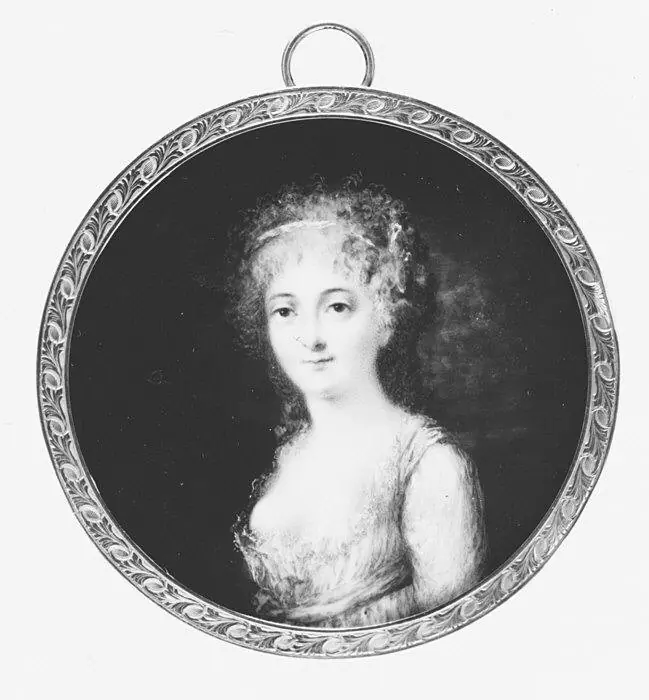 Portrait of a Woman, Said to Be the Comtesse de Guiche
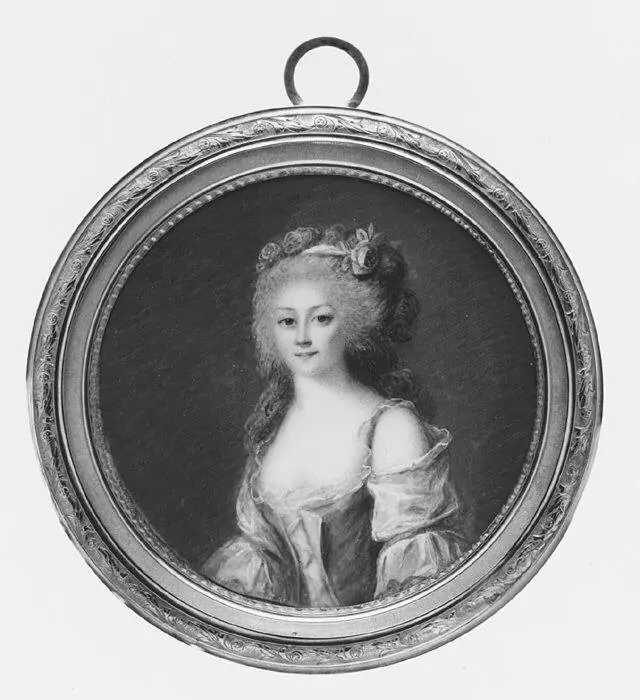 Portrait of a Woman
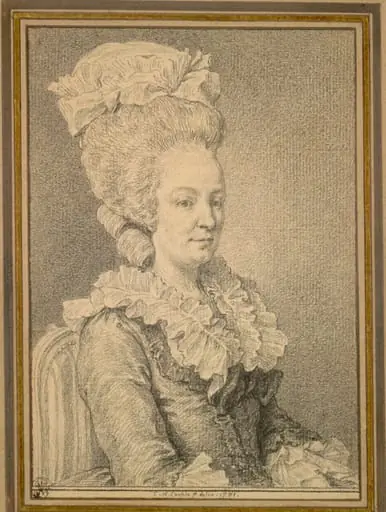 Half-length Portrait of a Seated Woman
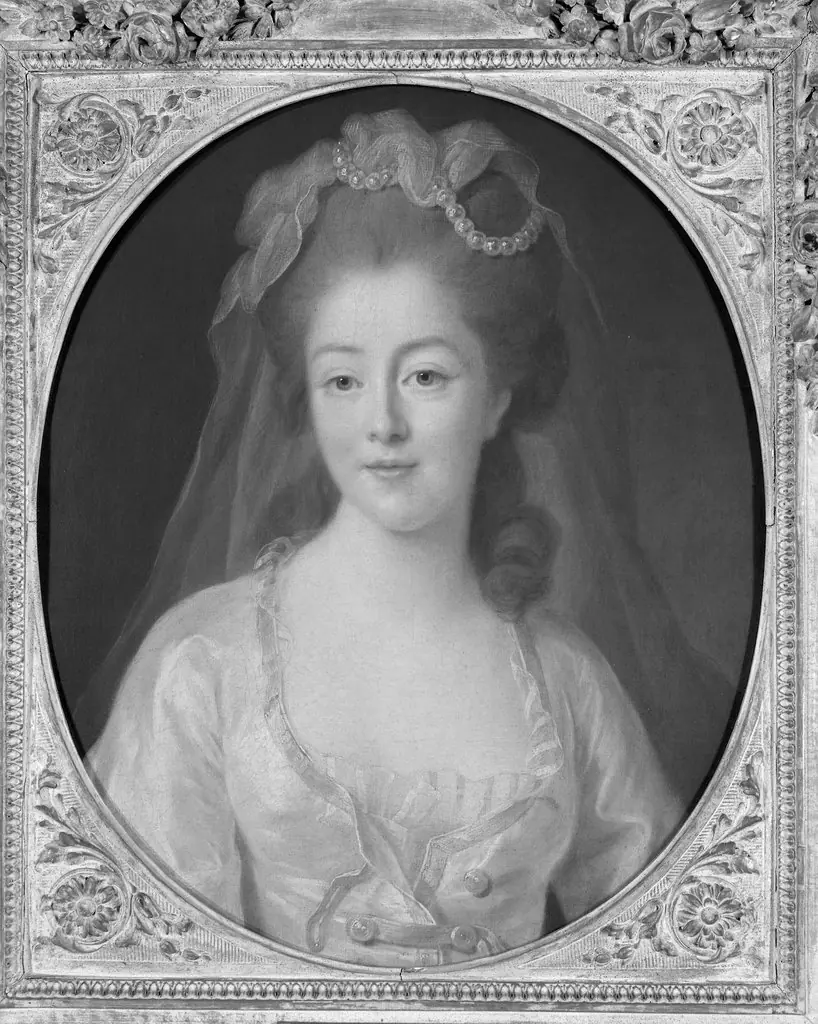 A Lady
 Grevinde Margarethe Moltke, f. Løvenskiold
 Dameportræt
 Grevinde Margarethe Moltke, f. Løvenskiold
 Portrait of Anna S. Tulinova
 Frau Gottfried von Herder