Artwork
Portrait of a Young Woman wrongly called Wife of Burgomaster Six
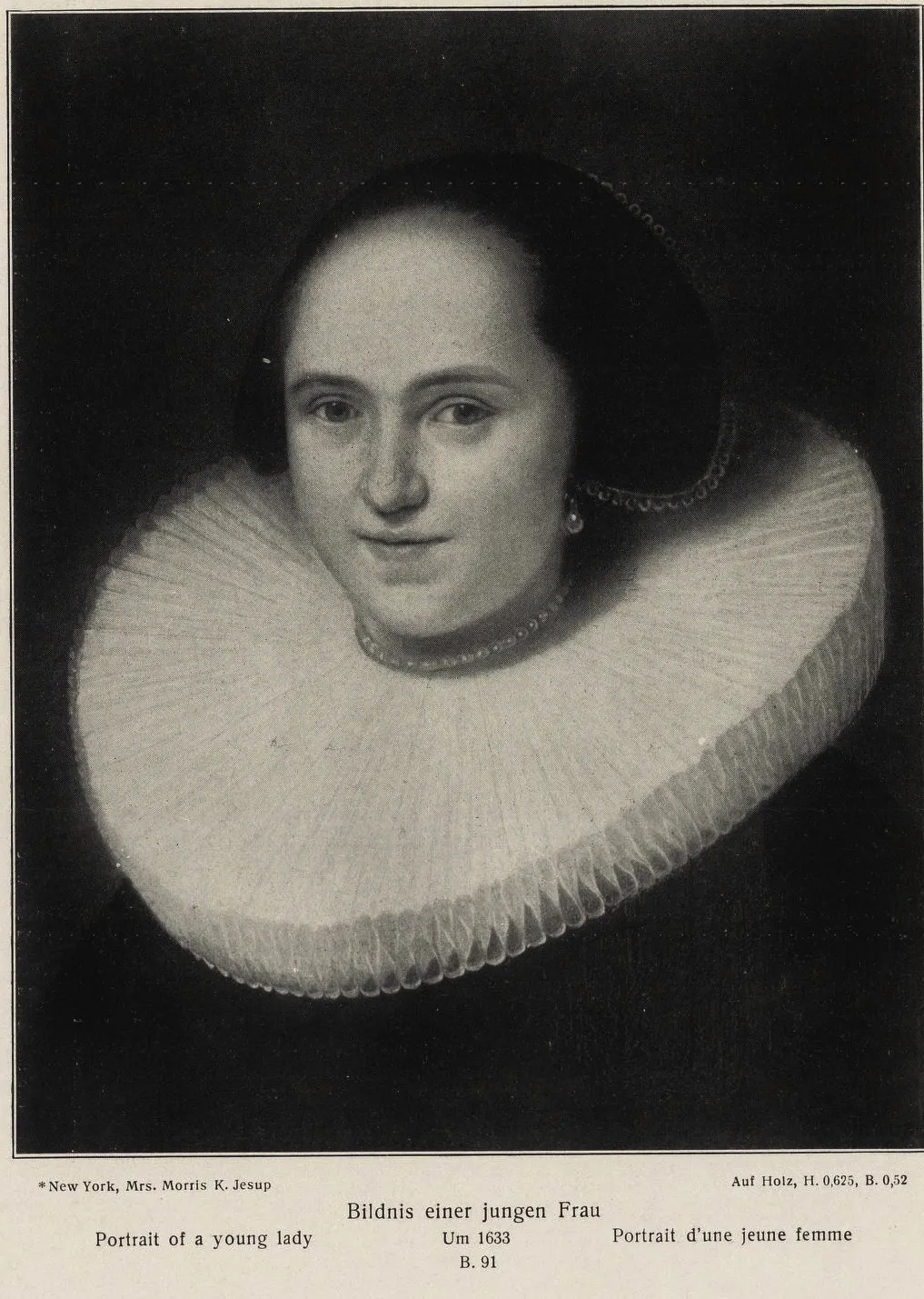
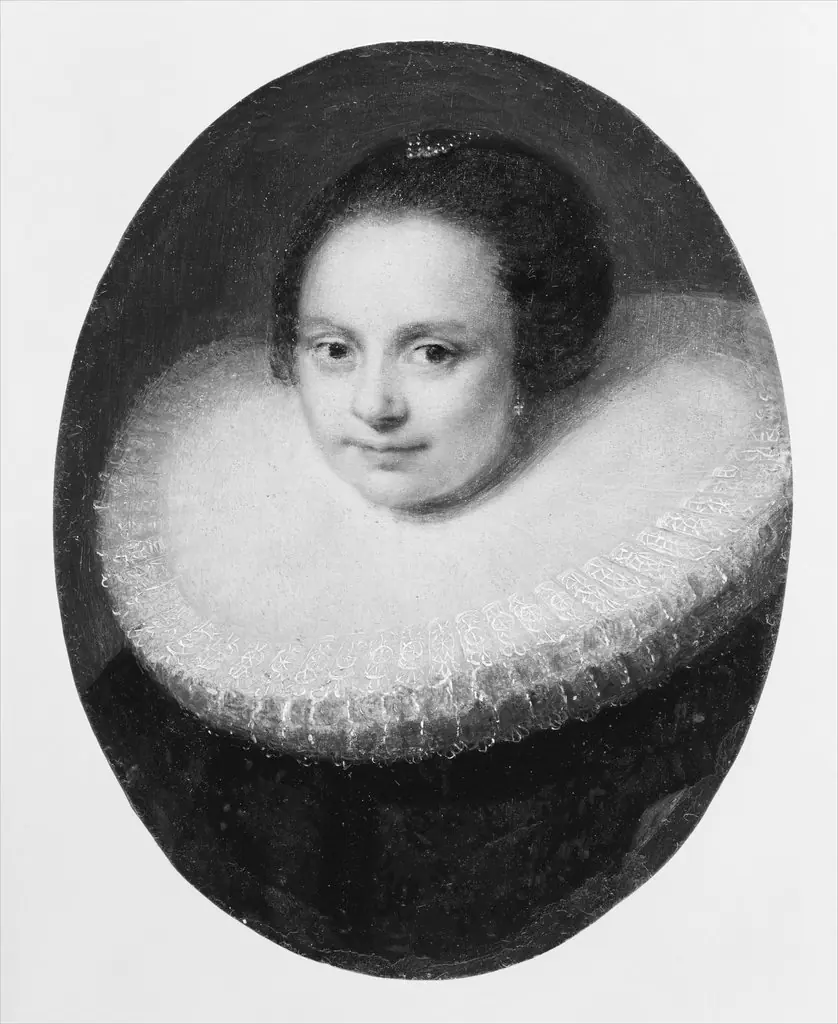
Portrait of a Young Woman wrongly called Wife of Burgomaster Six is an oil painting. It dates from 1633 and is held in the collection of the Metropolitan Museum of Art.
About this work
Technique & Style
The work is executed in oil paint on a support consistent with seventeenth-century Dutch portrait practice, classified as a painting in the portrait genre.
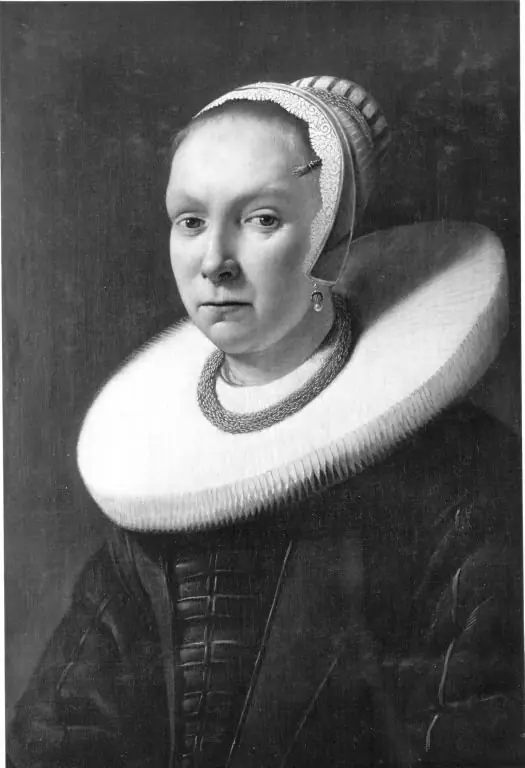
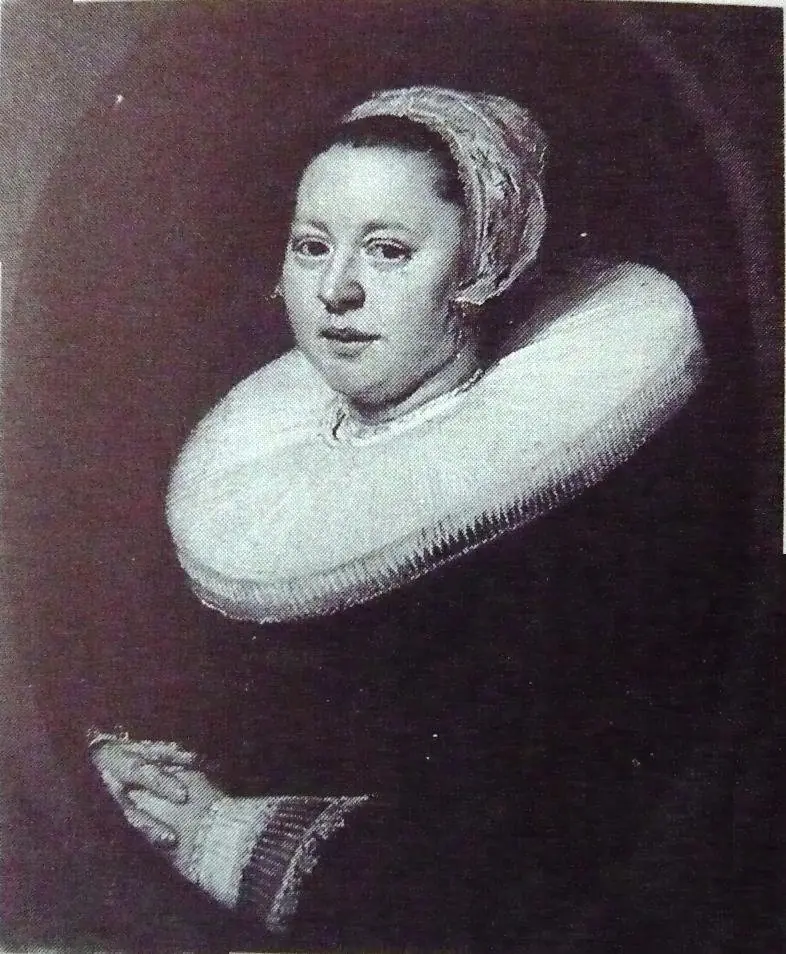
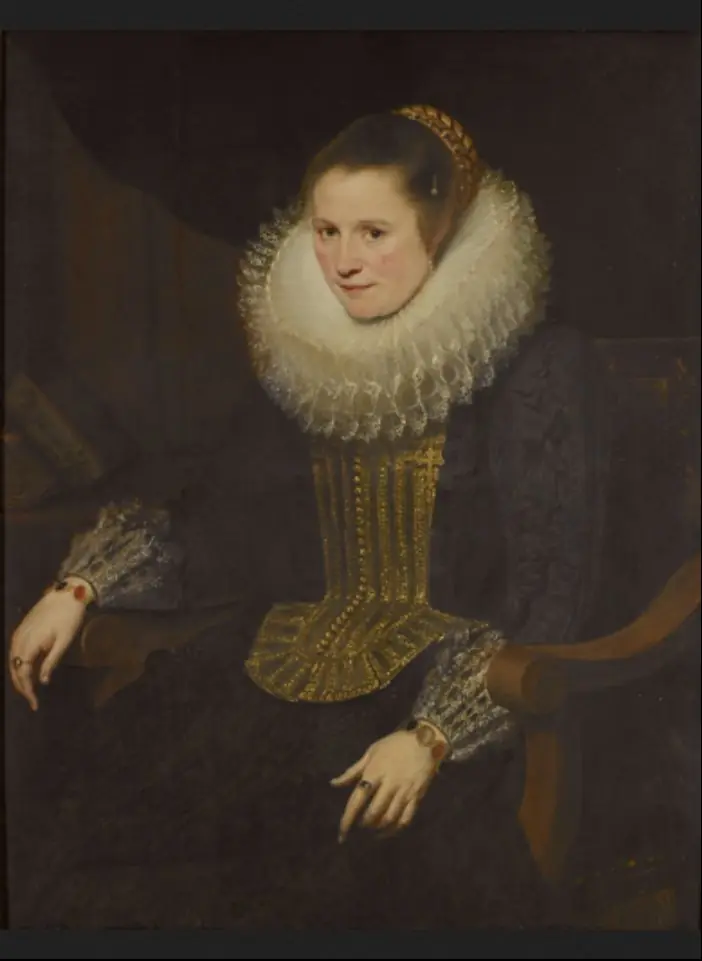
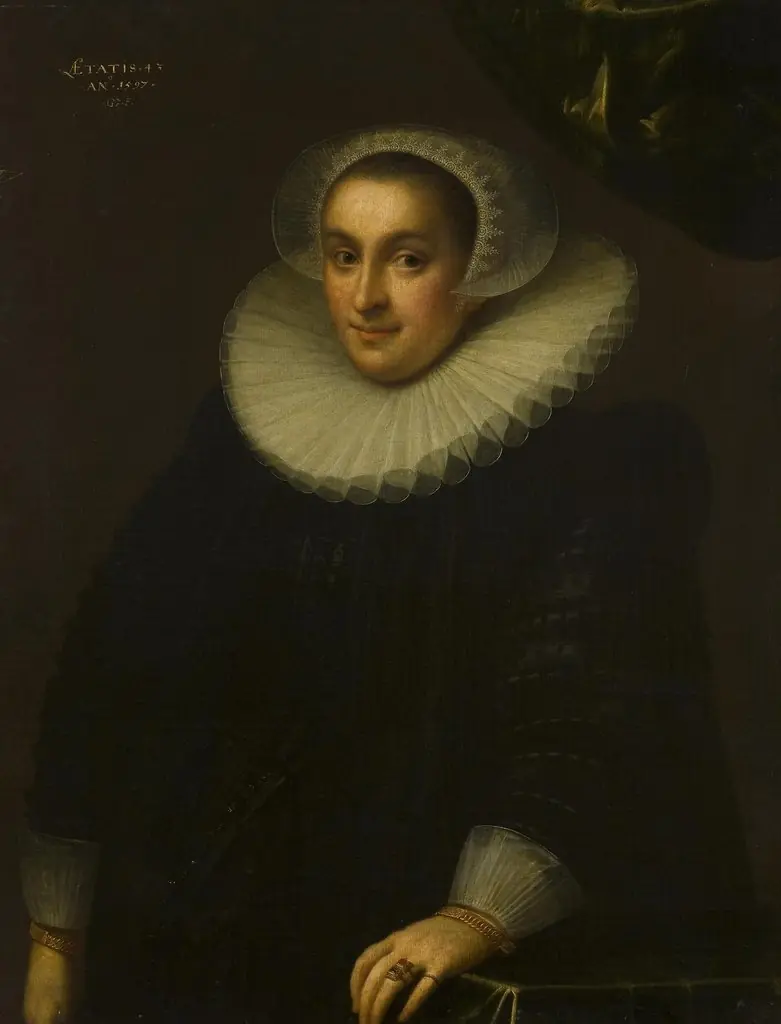
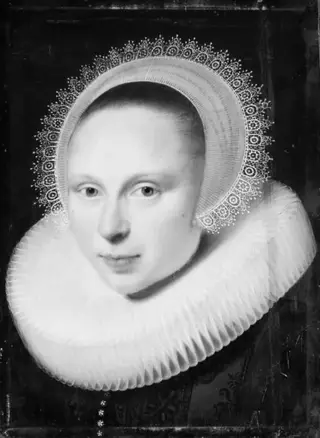
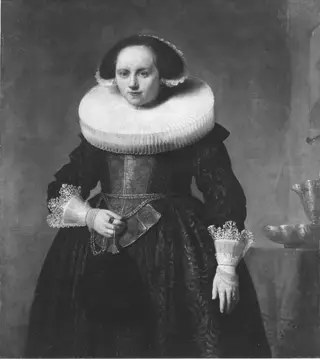
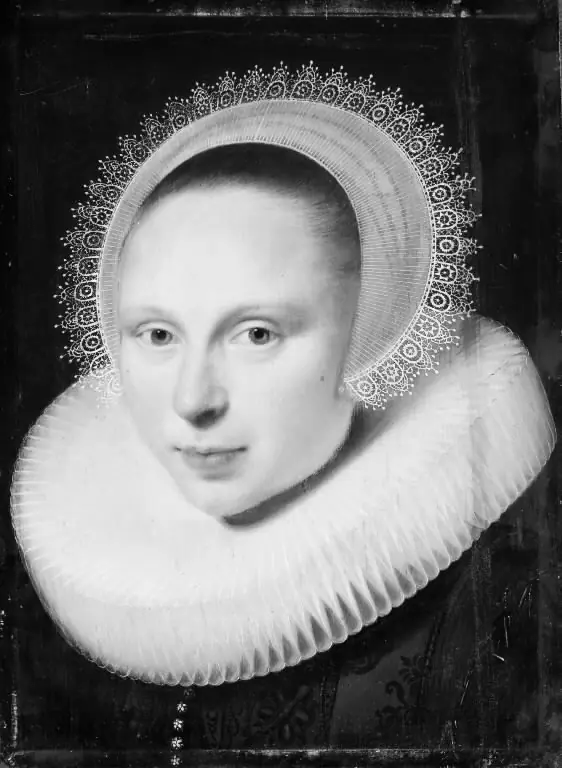
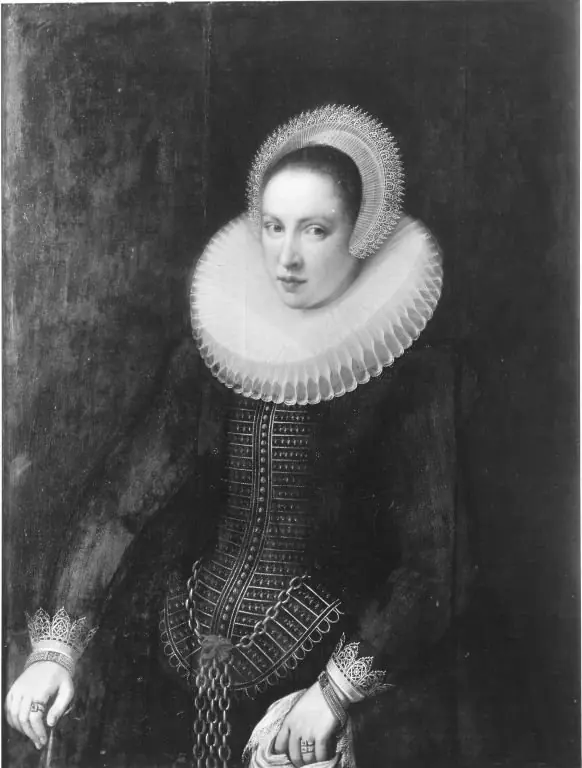
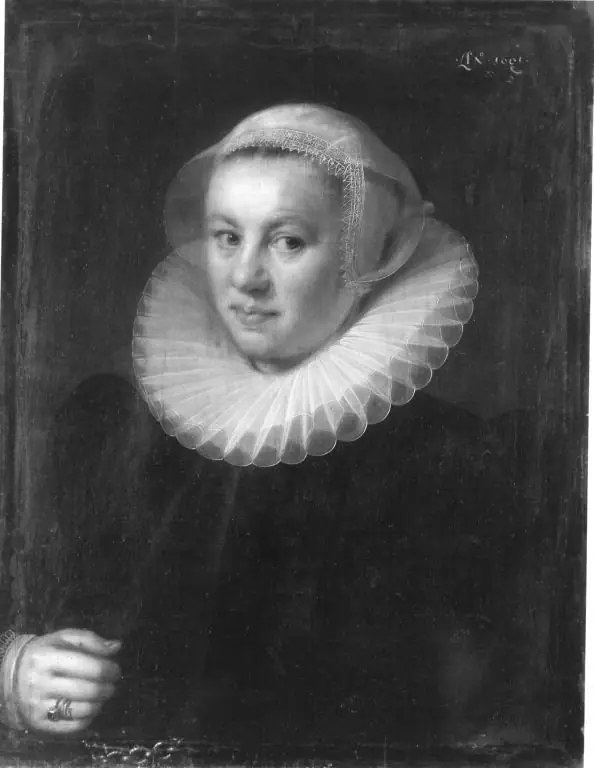
The work is executed in oil paint on a support consistent with seventeenth-century Dutch portrait practice, classified as a painting in the portrait genre. Dated 1633, it is described as a painting after Rembrandt rather than an autograph work, indicating that the handling derives from a follower or copyist working in the master's manner. The composition focuses on a woman adorned with a pearl necklace, earring, ruff, and coif, elements rendered with attention to the textures of jewelry, starched linen, and fabric typical of the period's portrait conventions.
Stylistically, the piece conforms to the formal portrait tradition associated with Rembrandt's circle, though the precise condition of the panel or canvas is not documented in available sources.
History & Provenance
The work titled Portrait of a Young Woman, long misidentified as the Wife of Burgomaster Six, was executed in 1633 using oil paint. It is classified as a portrait and is part of the Metropolitan Museum of Art’s collection, where it remains on display. The painting’s provenance traces from its creation in the early 17th century to ownership by Charles Sedelmeyer, after which it entered the museum’s holdings.
Its material composition is oil on canvas, and its iconography includes a woman adorned with a pearl necklace, earring, ruff, and coif. The dating is anchored to the year 1633, consistent with the inception recorded in the metadata.
Context
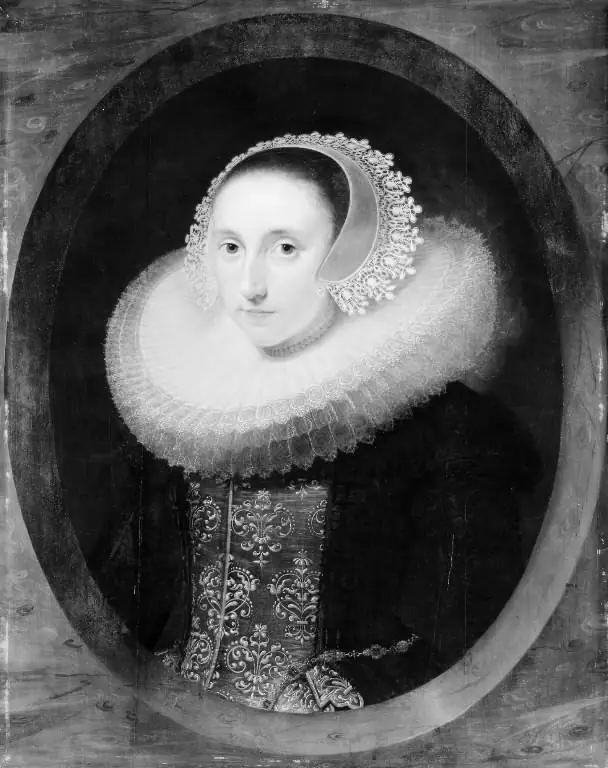
The work dated 1633 is an oil portrait of an unidentified young woman, documented in the Metropolitan Museum of Art collection and previously owned by Charles Sedelmeyer; its genre and classification align with Dutch Golden Age portraiture. Scholarship notes that the piece is a contemporary copy or derivative of Rembrandt’s style, reflecting the period’s emphasis on psychological presence and luxurious dress, as indicated by the pearl necklace, earring, ruff, and coif. Its status as a ‘painting after Rembrandt’ situates it within the network of workshops that reproduced the master’s compositions, illustrating the diffusion of his portraiture throughout 17th‑century Amsterdam.
Overview
This oil painting, titled Portrait of a Young Woman wrongly called Wife of Burgomaster Six, captures the likeness of an unidentified sitter. The artist employed oil paint to render a detailed depiction of a woman, whose identity remains uncertain despite the historical misattribution in its title. The artwork showcases a meticulous approach to portraiture, emphasizing the subject's presence and the artist's skill in capturing human form.
Subject & Meaning
The painting features a young woman with dark hair, elegantly adorned with a pearl necklace and matching earrings. Her face is framed by a crisp white ruff and a coif, typical attire of the period. She presents a calm and serene demeanor, her direct gaze engaging the viewer.
This intimate portrayal focuses on her individual presence, inviting contemplation of her character and social standing through her attire and composed expression.
Artist & collection