Artwork
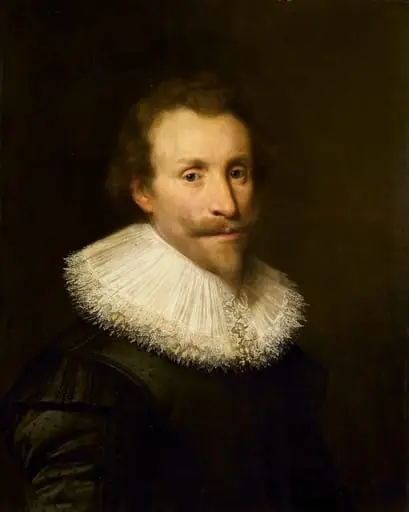
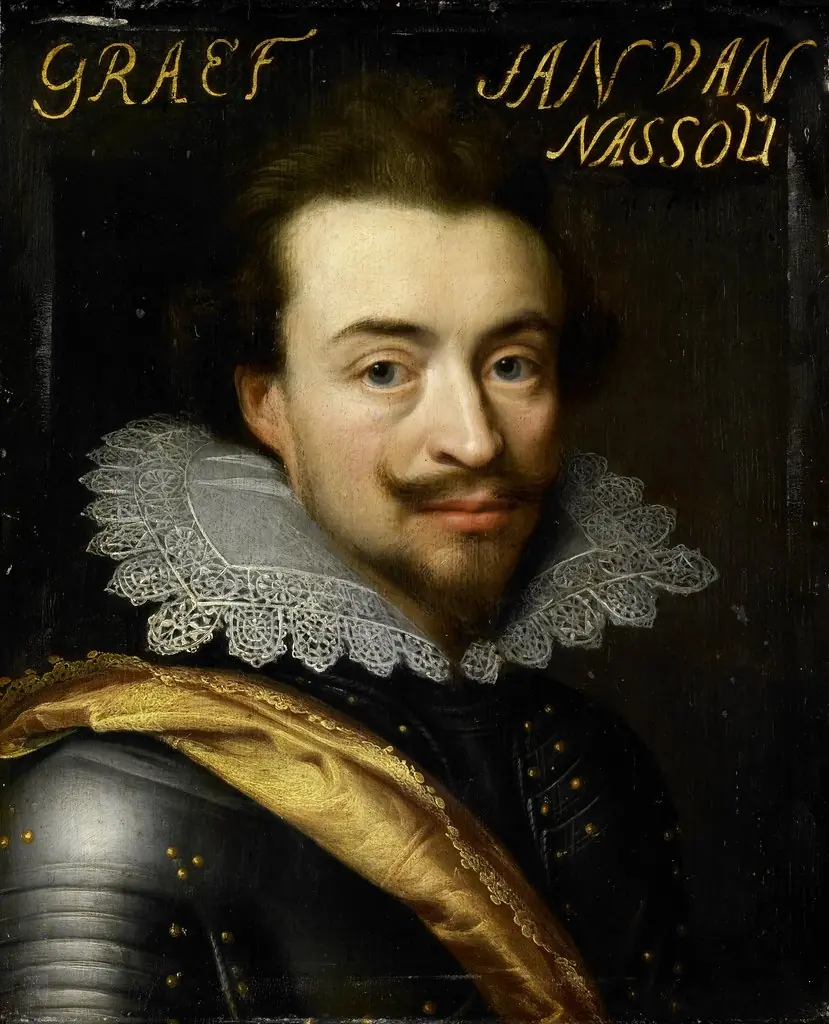
Portrait of Johan Ernst I (1582-1617), Count of Nassau-Siegen
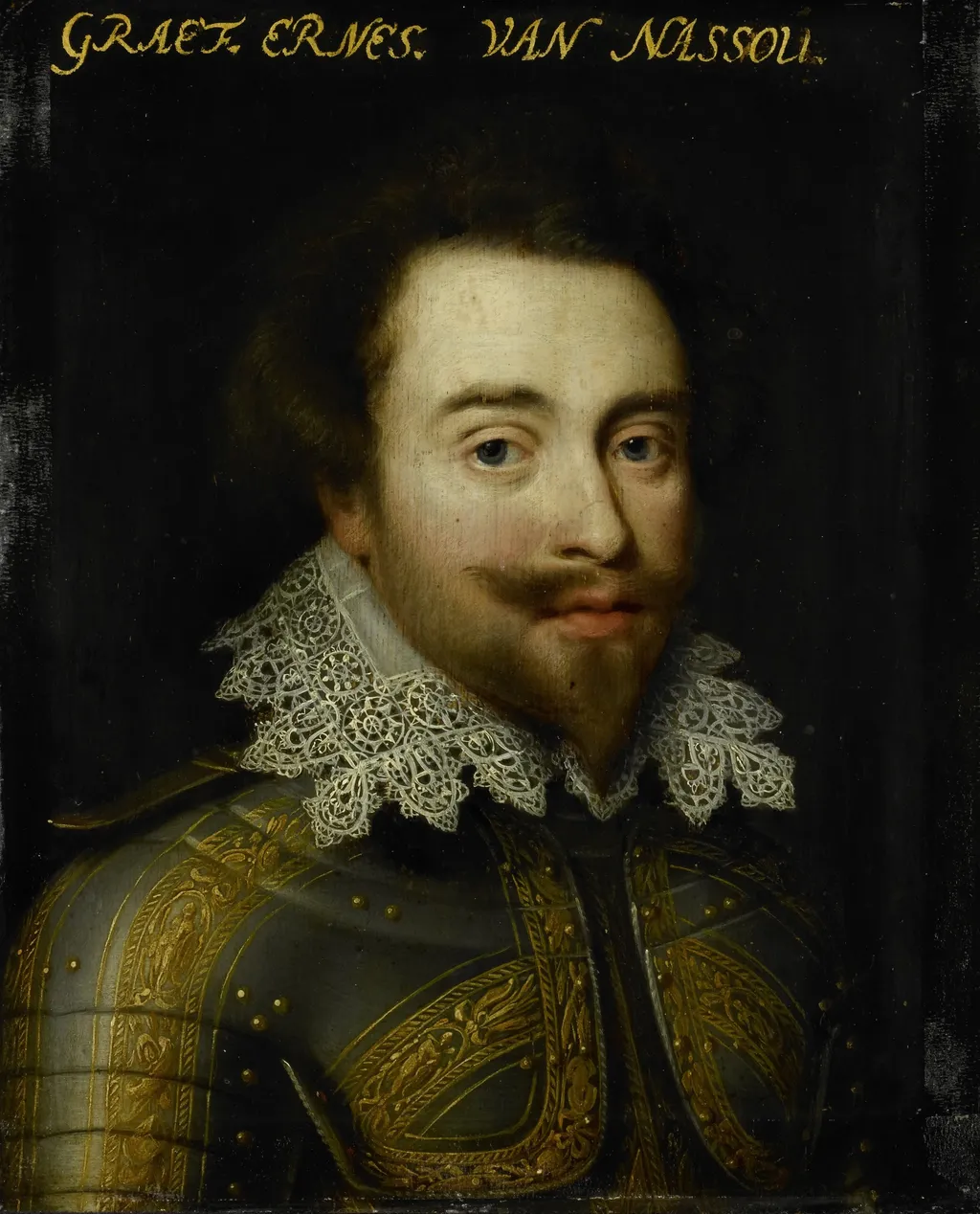
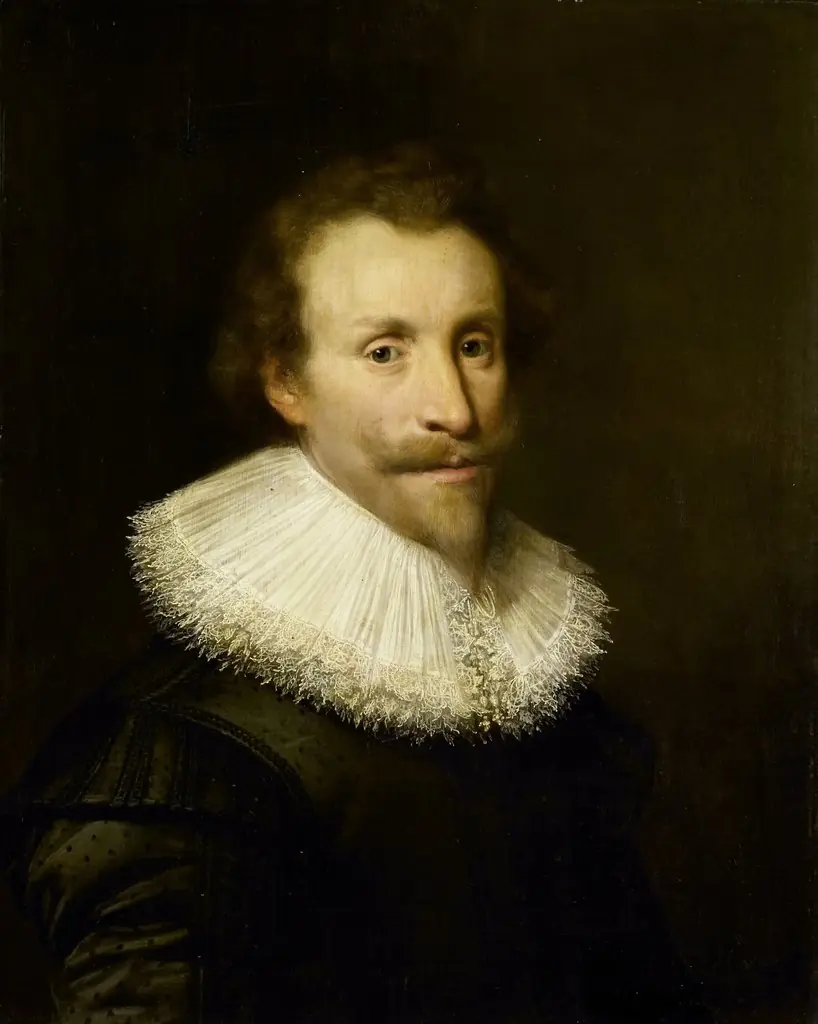
Portrait of Johan Ernst I (1582-1617), Count of Nassau-Siegen is an oil painting by the Dutch Golden Age artist Jan van Ravesteyn. It dates from 1621 and is held in the collection of the Rijksmuseum.
About this work
Subject & Meaning
The plain dark background focuses attention on the subject’s features and attire, conveying dignity and restraint rather than overt display.
The sitter is Johan Ernst I, Count of Nassau-Siegen (1582–1617), a German-Dutch nobleman who served as an officer in the Dutch States Army during the Eighty Years’ War. Painted posthumously in 1621 by Jan van Ravesteyn, the portrait presents him in a sober black costume with a white ruff, signaling his high social rank and Calvinist milieu. The plain dark background focuses attention on the subject’s features and attire, conveying dignity and restraint rather than overt display.
As a posthumous image produced four years after his death, the work likely served commemorative purposes within the Nassau family and wider Dutch Republic elite circles.
Technique & Style
Created in 1621, the Portrait of Johan Ernst I is executed in oil paint on a panel support. The work measures 29.7 cm in height and 24.1 cm in width, presenting a compact format typical of the period's portraiture. Jan van Ravesteyn, the artist, employed the oil medium to render the sitter's likeness with the characteristic precision of the Dutch Golden Age. The painting is classified as a portrait and is currently held in the Rijksmuseum collection.
History & Provenance
The portrait of Johan Ernst I, Count of Nassau-Siegen, was created in 1621 by Jan van Ravesteyn. Executed in oil paint on a panel, the work measures 29.7 cm in height and 24.1 cm in width. Historical records indicate that the painting was owned by Maurice of Nassau.
The artwork is currently held in the collection of the Rijksmuseum, where it is located at the Stadhouderlijk Hof.
The portrait of Johan Ernst I is currently held in the collection of the Rijksmuseum in Amsterdam. It is displayed at the museum's Stadhouderlijk Hof location. The work was originally owned by Maurice of Nassau before entering the museum's holdings.
The provided sources do not contain specific inventory or accession numbers for the piece, nor do they list any exhibition history.
Overview
Executed in 1621 by Jan van Ravesteyn, this oil portrait presents Johan Ernst I, Count of Nassau‑Siegen, in a half‑length format. The sitter is shown against a dark, unadorned backdrop, his attire highlighted by a richly embroidered doublet and a lace collar. The painting resides in the Rijksmuseum’s collection, exemplifying the refined portraiture of the Dutch Golden Age.
Context
Created during the Dutch Golden Age, the painting reflects the era’s flourishing artistic production and the court’s demand for portraits that combined personal likeness with symbols of status. Jan van Ravesteyn, a prominent portraitist in The Hague, catered to aristocratic clients, and this work exemplifies his role in shaping the visual culture of the Dutch elite in the early 17th century.
Own this work as a print
Artist & collection
Artist
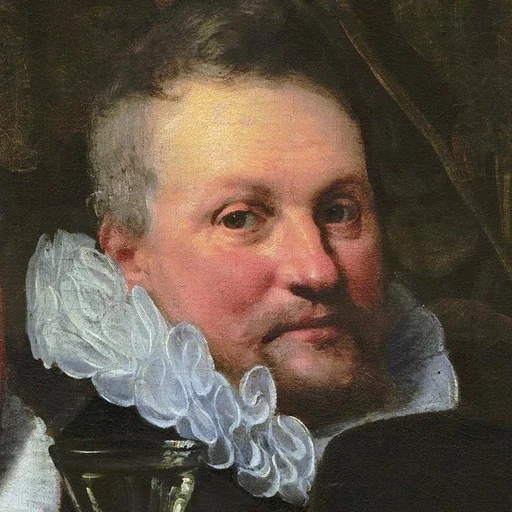
Jan Anthoniszoon (abbr. Anthonisz.) van Ravesteyn (c. 1572 – buried 21 June 1657) was a successful portrait painter to the Dutch court in The Hague.