Artwork
William I, Prince of Orange
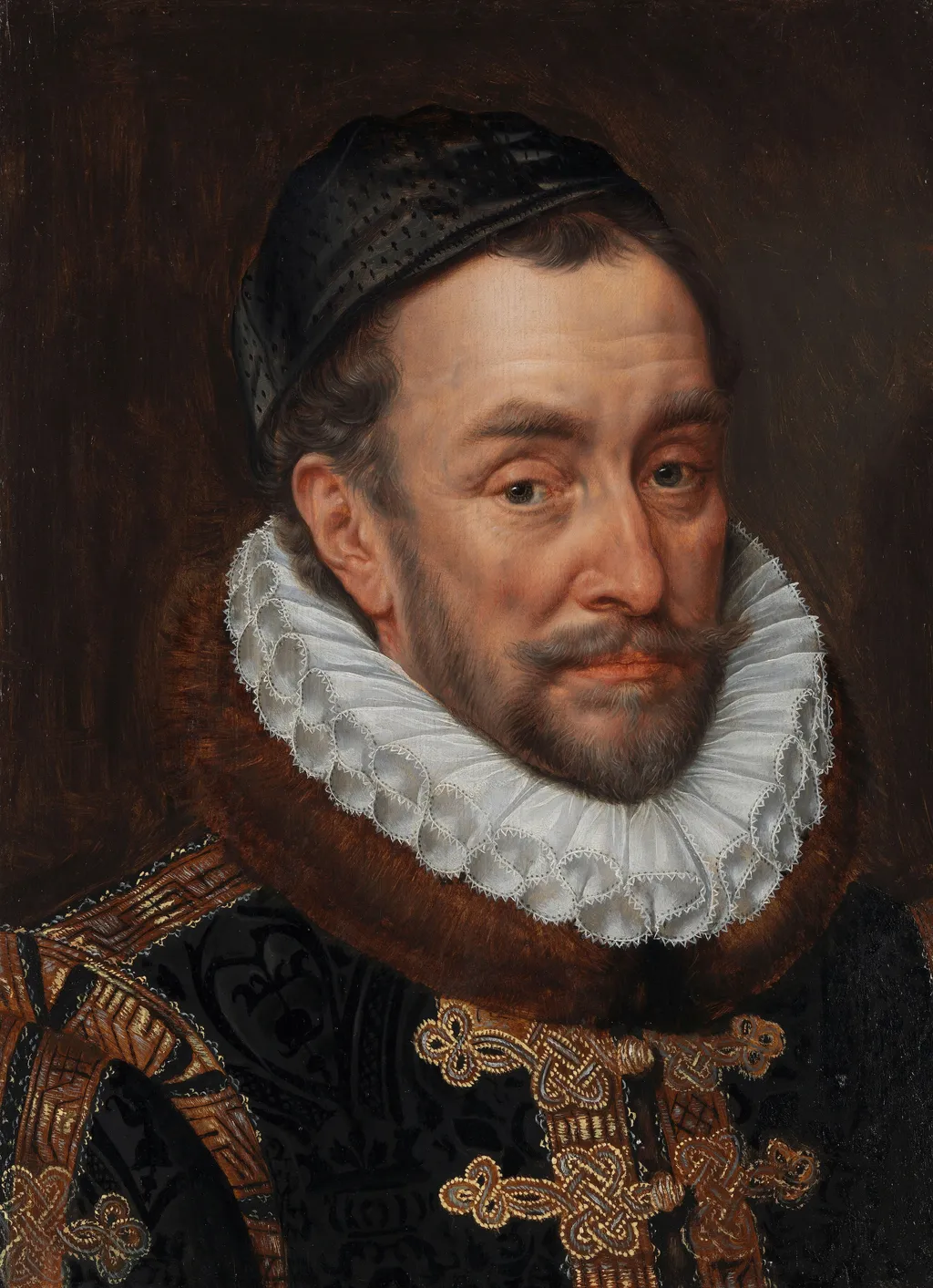
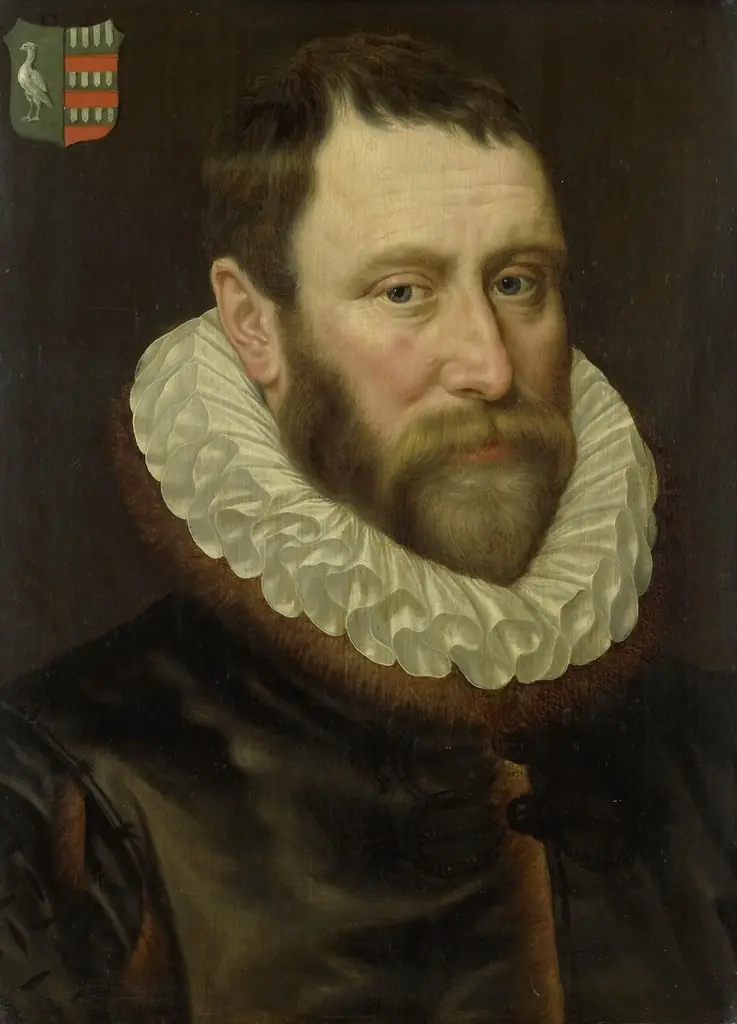
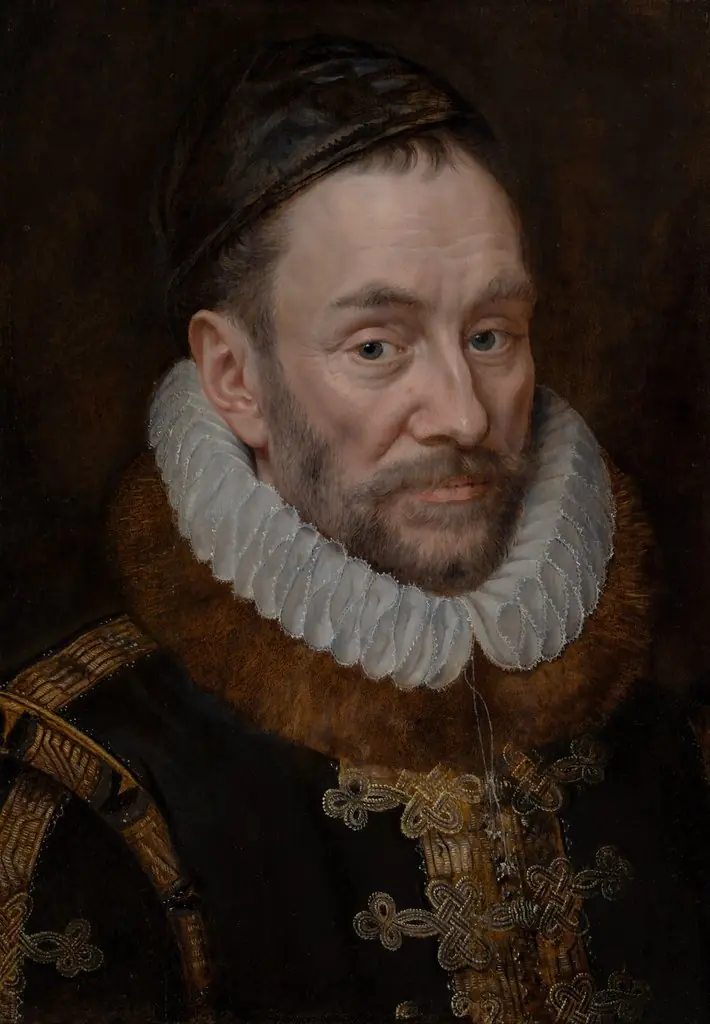
William I, Prince of Orange is an oil painting by the Dutch Golden Age artist Adriaen Thomasz. Key. It is held in the collection of the Rijksmuseum. Adriaen Thomasz.
About this work
Subject & Meaning
As a portrait, the primary function of the image is to represent the individual himself, establishing his visual identity during the late 16th century.
The painting depicts William the Silent, also known as William I, Prince of Orange, serving as a formal portrait of the historical figure. Created in 1579 by Adriaen Thomasz. Key, the work presents the subject in a genre focused on capturing the likeness of the prince.
As a portrait, the primary function of the image is to represent the individual himself, establishing his visual identity during the late 16th century. The composition centers entirely on the figure of William the Silent, with no additional narrative scenes or complex symbolic elements described in the available records.
Technique & Style
Executed in 1579 by Adriaen Thomasz. Key, this portrait of William I, Prince of Orange, is rendered in oil paint on a wooden panel. The work measures 48 cm in height and 35 cm in width.
Created in Amsterdam, the painting functions as a formal genre portrait, depicting its subject with the material solidity characteristic of panel supports from this period. The application of oil media on panel allowed for the detailed representation typical of late sixteenth-century Netherlandish portraiture.
History & Provenance
The portrait of William I, Prince of Orange, painted by Adriaen Thomasz. Key in 1579, entered the collection of Joseph Henri Gosschalk before being acquired by the Rijksmuseum, where it remains on display in hall 2.1. The work, created as an oil paint portrait on panel, measures 48 by 35 centimeters and depicts William the Silent.
Its creation history is tied to Amsterdam, where it was made, and its provenance reflects a clear chain of ownership from its original patron to the museum.
The painting is held by the Rijksmuseum in Amsterdam, where it is displayed in Gallery 2.1.
Its inventory number is SK-C-1837. The work has been exhibited at the Rijksmuseum as part of its permanent collection display since at least the late 19th century, as recorded in the museum’s holdings.
Overview
Adriaen Thomasz. Key’s oil portrait of William I, Prince of Orange, was executed in 1590. The work presents a close‑up view of the Dutch leader, focusing on his face and upper chest against a dark, unadorned background.
Rendered in oil on canvas, the painting now belongs to the Rijksmuseum’s collection and exemplifies portraiture from the Dutch Golden Age.
Context
Created during the early phase of the Dutch Golden Age, the portrait aligns with a broader trend of dignified, individualized representations of political leaders. While the Dutch Republic was asserting its independence, such images reinforced the legitimacy of its founders. The work also reflects Flemish portrait traditions that were being adapted to the emerging Dutch aesthetic.
Own this work as a print
Artist & collection
Artist
Adriaen Thomasz. Key (c. 1544 in Antwerp – after 1589 in Antwerp) was a Flemish painter of portraits and religious paintings, a draughtsman and a printmaker. He worked for a while in the Antwerp workshop of the…