Artwork
Portrait of Anne of Lorraine (1522-1568), wife of René de Châlon, Prince of Orange
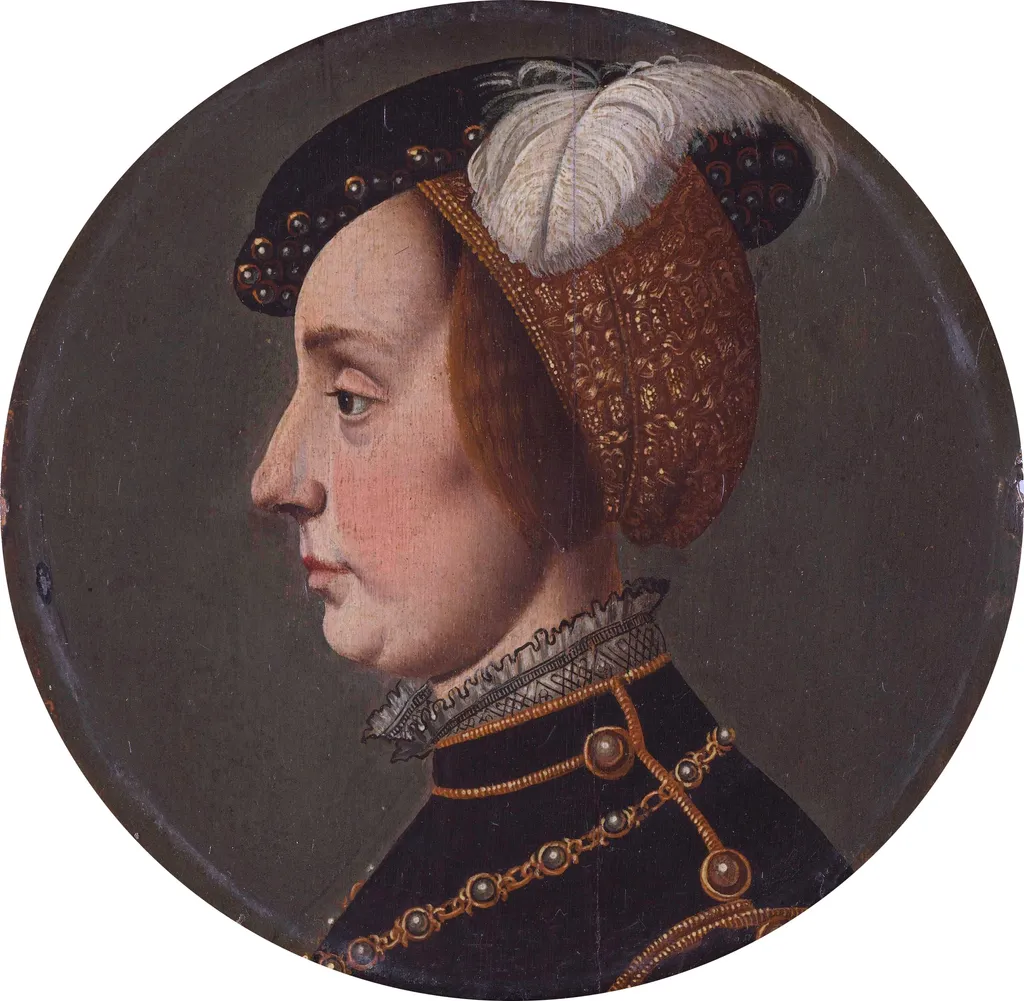
Portrait of Anne of Lorraine (1522-1568), wife of René de Châlon, Prince of Orange is an oil painting. It dates from 1542 and is held in the collection of the Rijksmuseum. The work is an oil portrait depicting a woman in profile, turned toward the left.
About this work
She is shown in profile, facing left, and wears a black dress with gold trim and a matching hat adorned with pearls and a white feather.
This painting is a portrait of a woman, likely from the 16th century. She is shown in profile, facing left, and wears a black dress with gold trim and a matching hat adorned with pearls and a white feather. The background is a dark gray color.
The woman's attire and the style of the painting suggest that it may be a work from the Northern Renaissance period. The level of detail in the woman's clothing and the use of rich colors are characteristic of this style.
Technique & Style
The work is an oil painting executed on wooden panel, reflecting the portrait genre of the Renaissance period. Its composition emphasizes the sitter’s dignified presence through restrained chiaroscuro and precise rendering of attire, characteristic of Northern European portraiture in the 1540s. The handling of light suggests influence from contemporary Dutch approaches to facial modeling, while the flat spatial treatment aligns with early Netherlandish conventions.
The surface exhibits fine brushwork in the facial features and drapery, contributing to a lifelike yet idealized appearance. These formal qualities support attribution to a follower of Jan van Scorel, particularly in the stylized treatment of facial features and architectural framing.
History & Provenance
The work was likely commissioned as a likeness of Anne of Lorraine, wife of René de Châlon, Prince of Orange, and painted in 1542 in the Low Countries. Executed in oil on panel, it entered the collection of the Rijksmuseum where it remains on view.
The painting was probably copied from a version by Jan van Scorel, and its dimensions measure 14 by 14 centimeters.
Creation records indicate an inception date of 1542 and the work is classified as a portrait genre piece.
Overview
The work is an oil portrait depicting a woman in profile, turned toward the left. She wears a black gown edged with gold trim, complemented by a hat set with pearls and a white feather. The figure is set against a muted dark‑gray backdrop, emphasizing the richness of her attire. The composition reflects the conventions of 16th‑century portraiture in the Northern European tradition.
Subject & Meaning
The sitter is identified as Anne of Lorraine (1522‑1568), the spouse of René de Châlon, Prince of Orange. As a noblewoman, her representation underscores status through luxurious fabrics and ornamental accessories. The profile pose, a common device for displaying lineage and dignity, conveys both personal identity and her role within the dynastic network of the Low Countries.
Context
The portrait belongs to a broader visual culture in which Northern European courts used painted likenesses to affirm political alliances and familial ties. The emphasis on luxurious dress and jewelry reflects the wealth of the Orange principality and the fashion trends circulating among the elite of the Holy Roman Empire and the French borderlands.
Legacy
As a rare surviving likeness of Anne of Lorraine, the painting offers scholars a visual reference for the attire and iconography of mid‑16th‑century noblewomen. It contributes to the understanding of portrait conventions that shaped the representation of power and gender in the early modern Netherlands.
Artist & collection

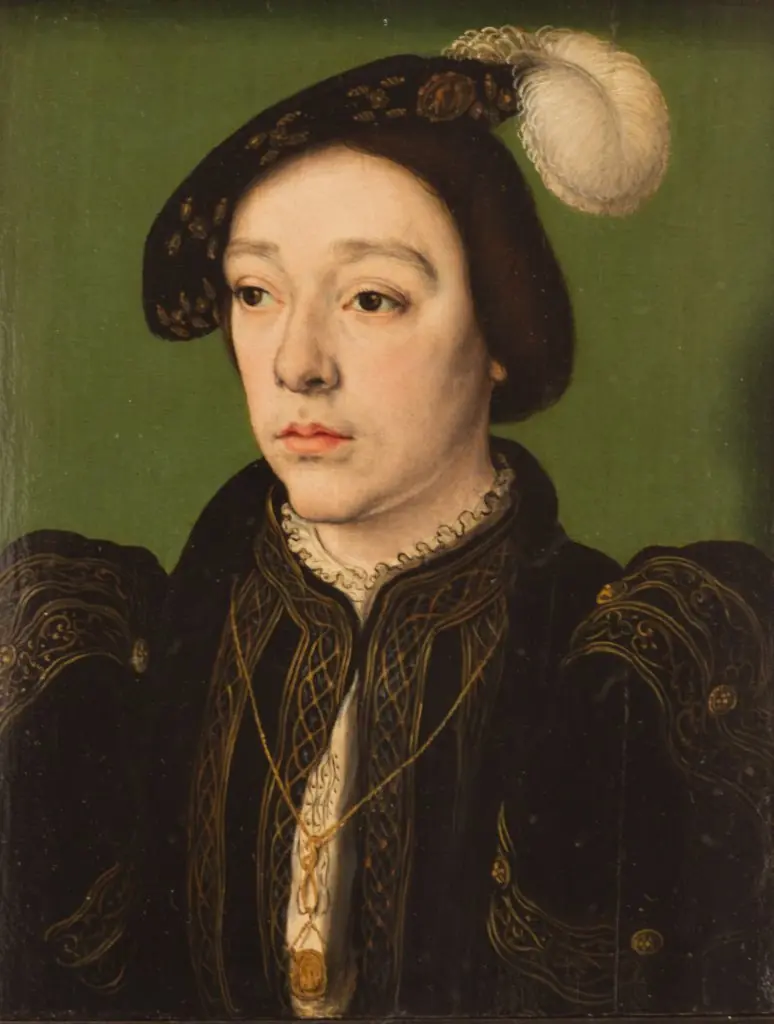 Portrait of Duke Charles of Angoulême
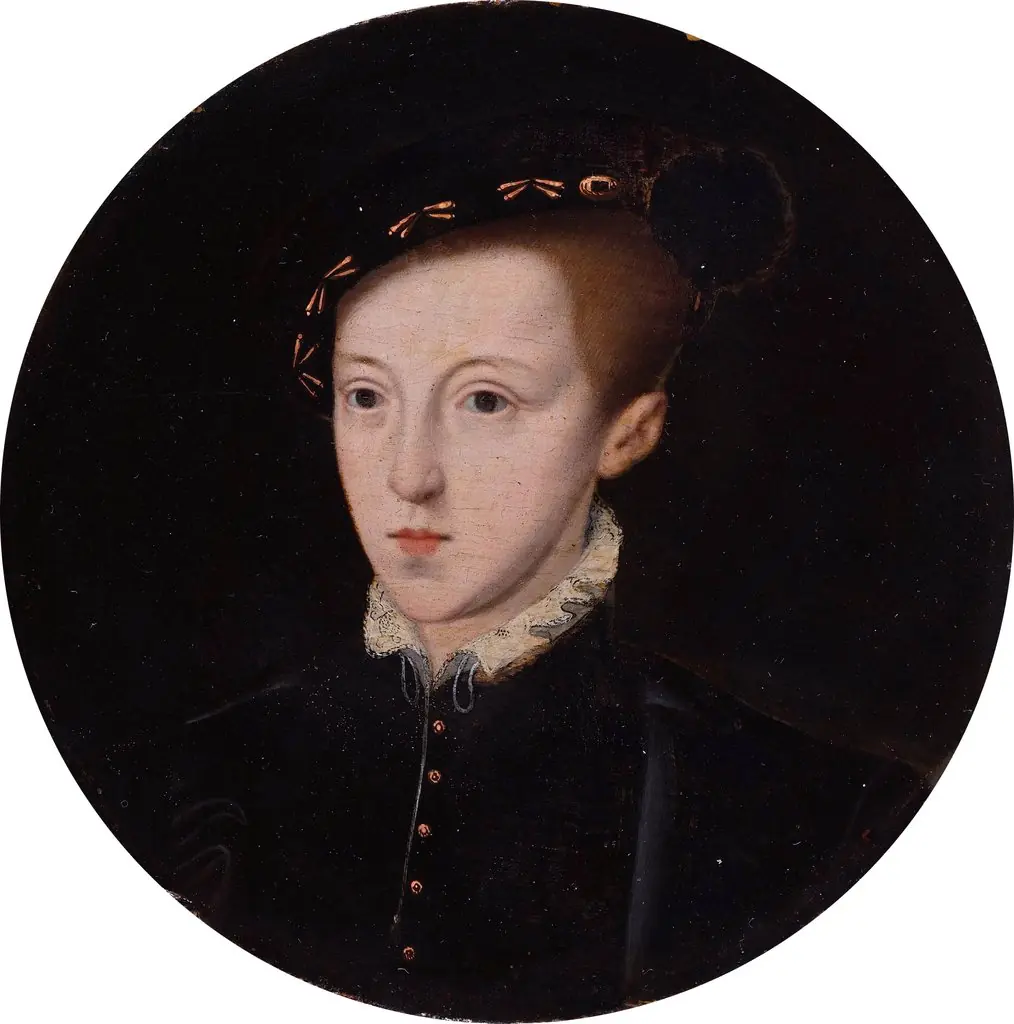 Portrait of Edward VI (1537-1553), King of England
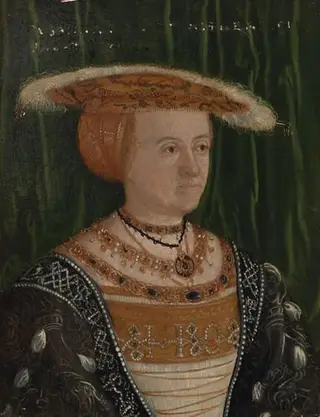 Bildnis der Susanna von Bayern
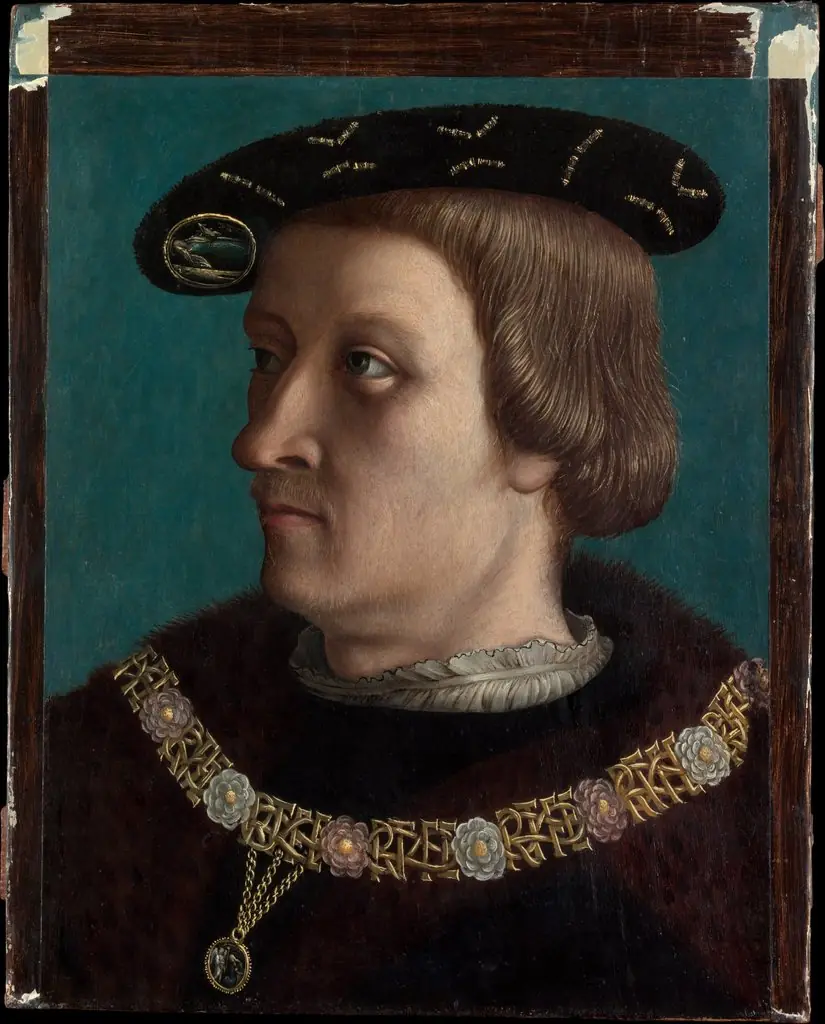 Portrait of a Man Wearing the Order of the Annunziata of Savoy
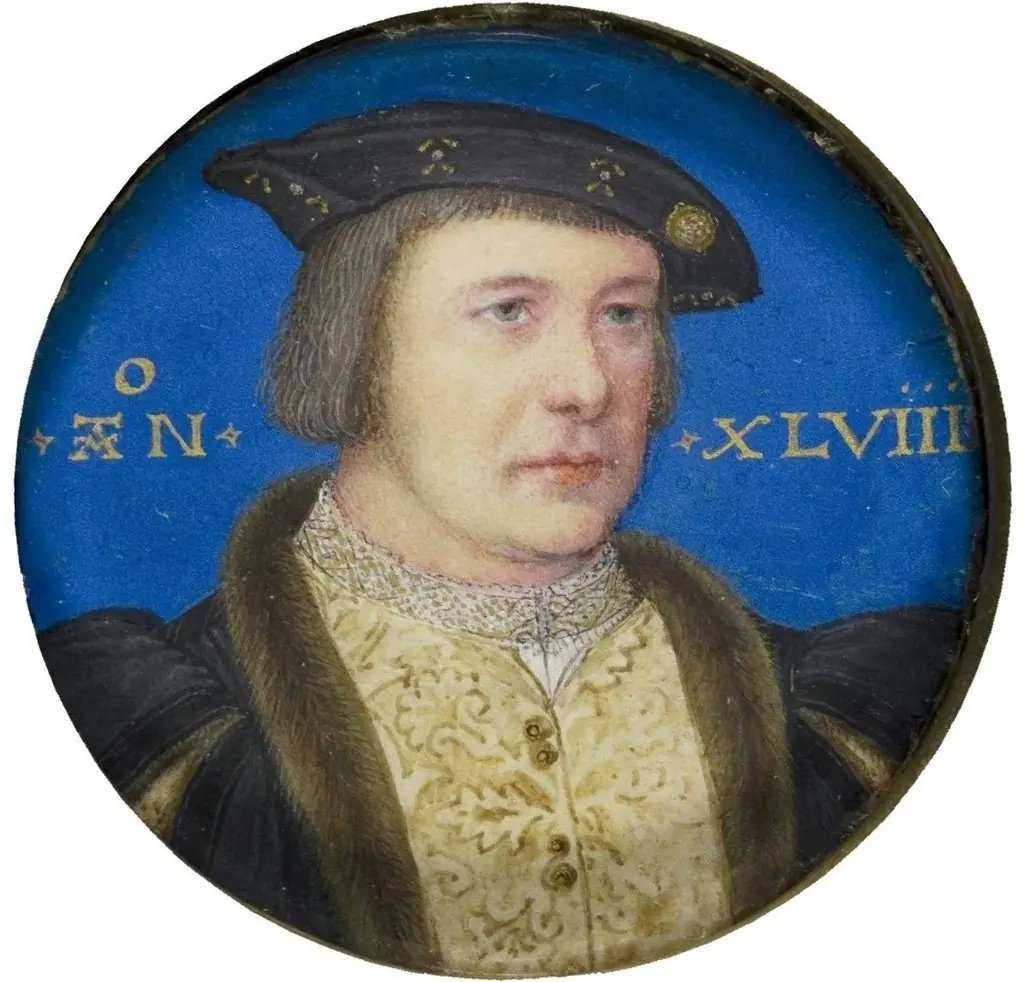 Portrait miniature of a gentleman, possibly Charles Brandon, Duke of Suffolk
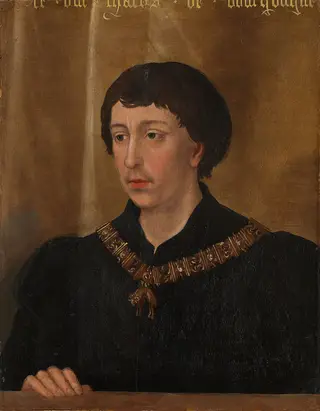 Herzog Karl der Kühne (1433-1477) von Burgund
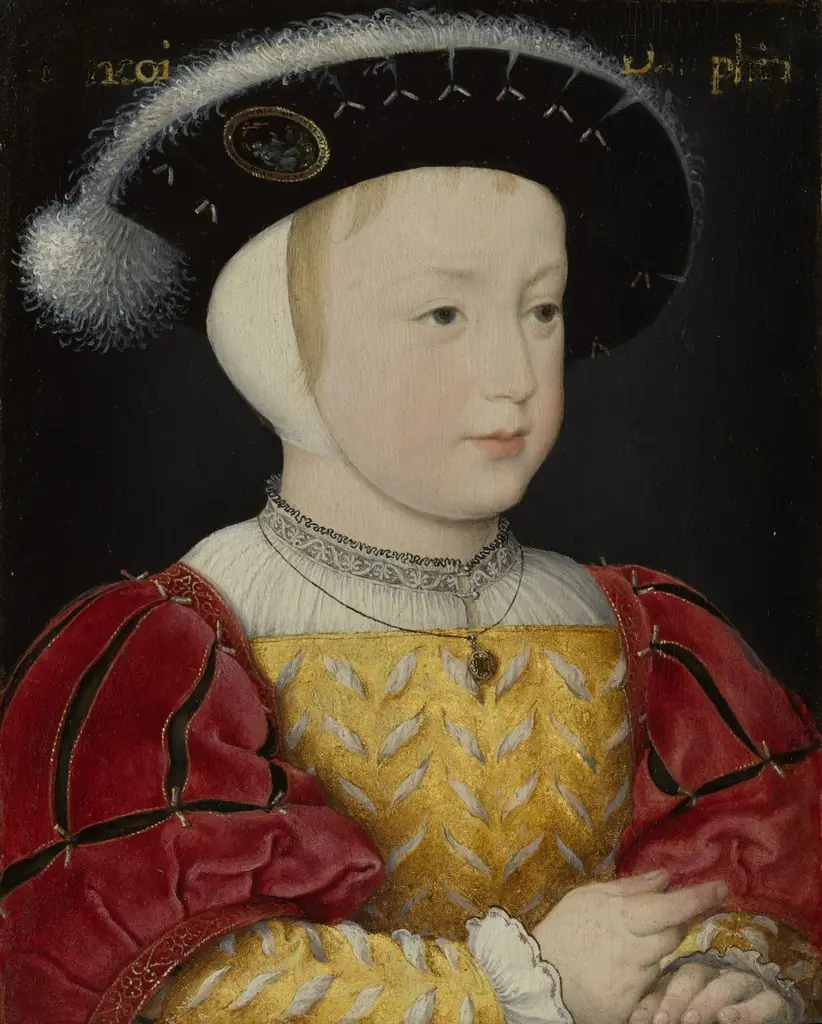 The Dauphin François, Son of François I
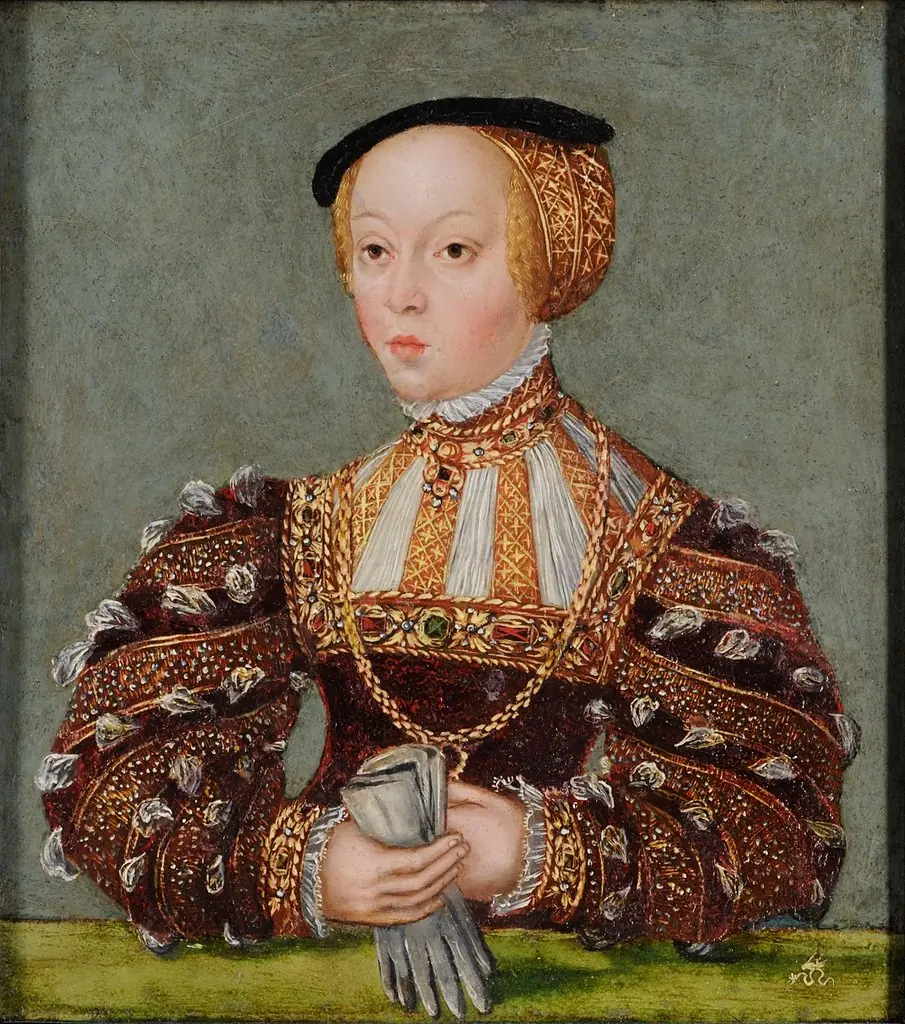 Elisabeth of Austria
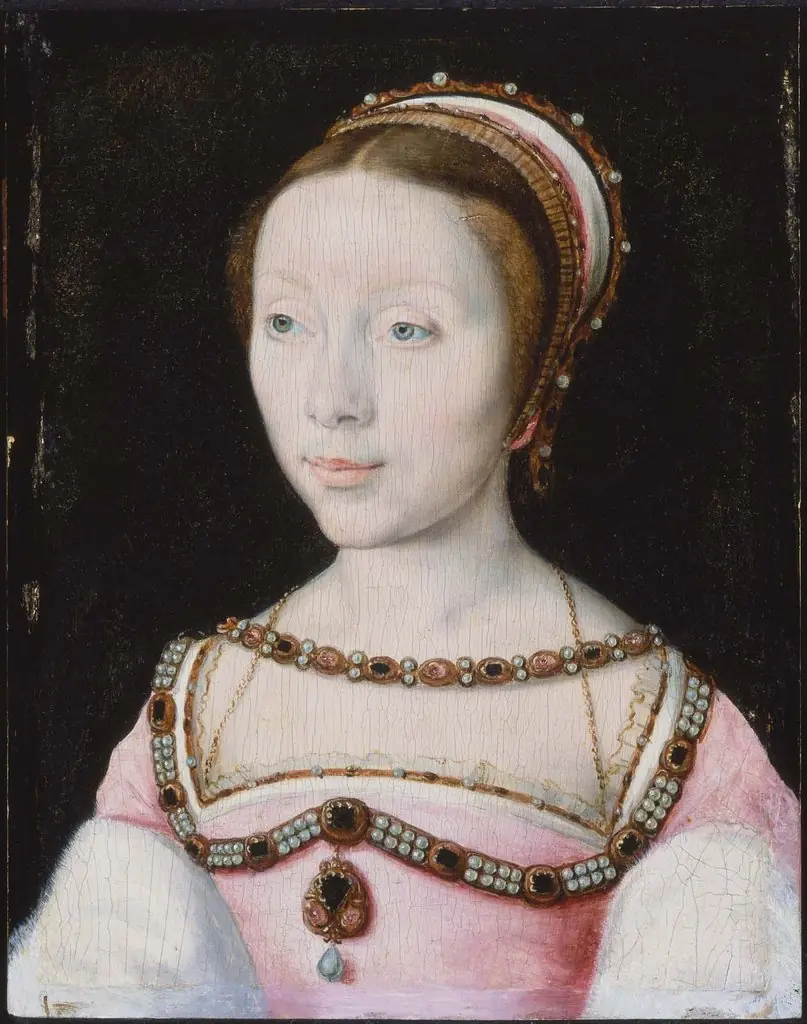 Françoise de Longwy
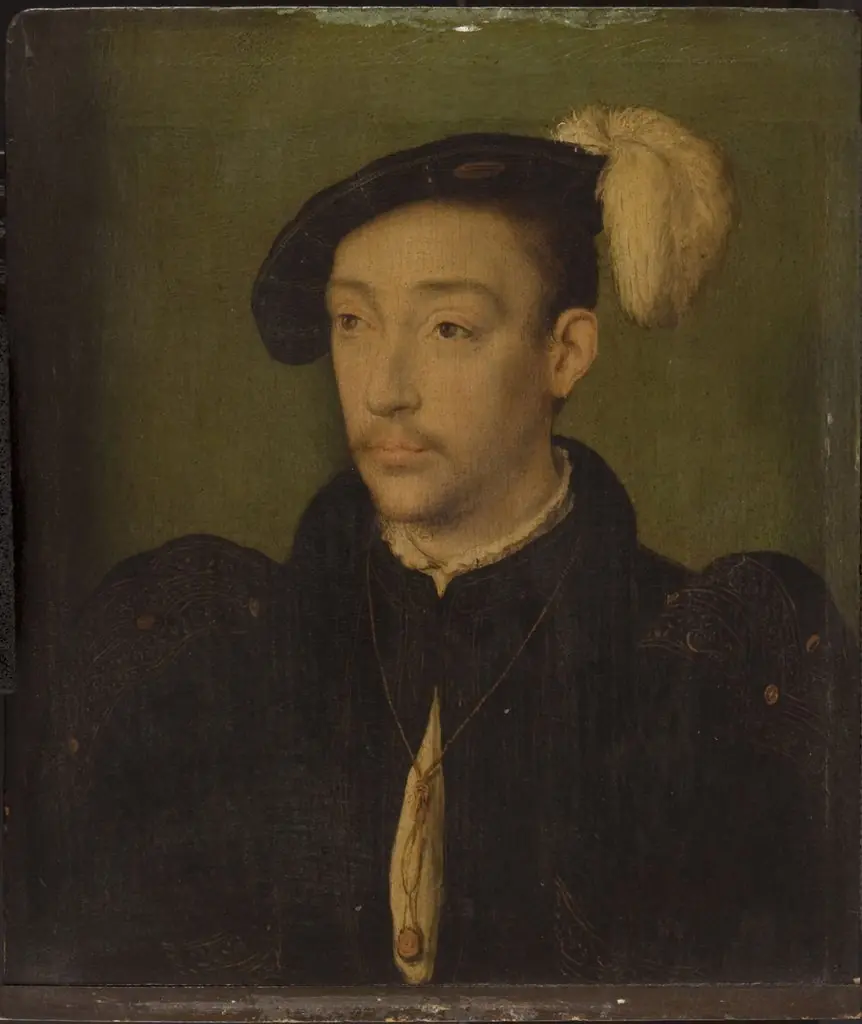 Portrait of the Dauphin Francis, Son of Francis I
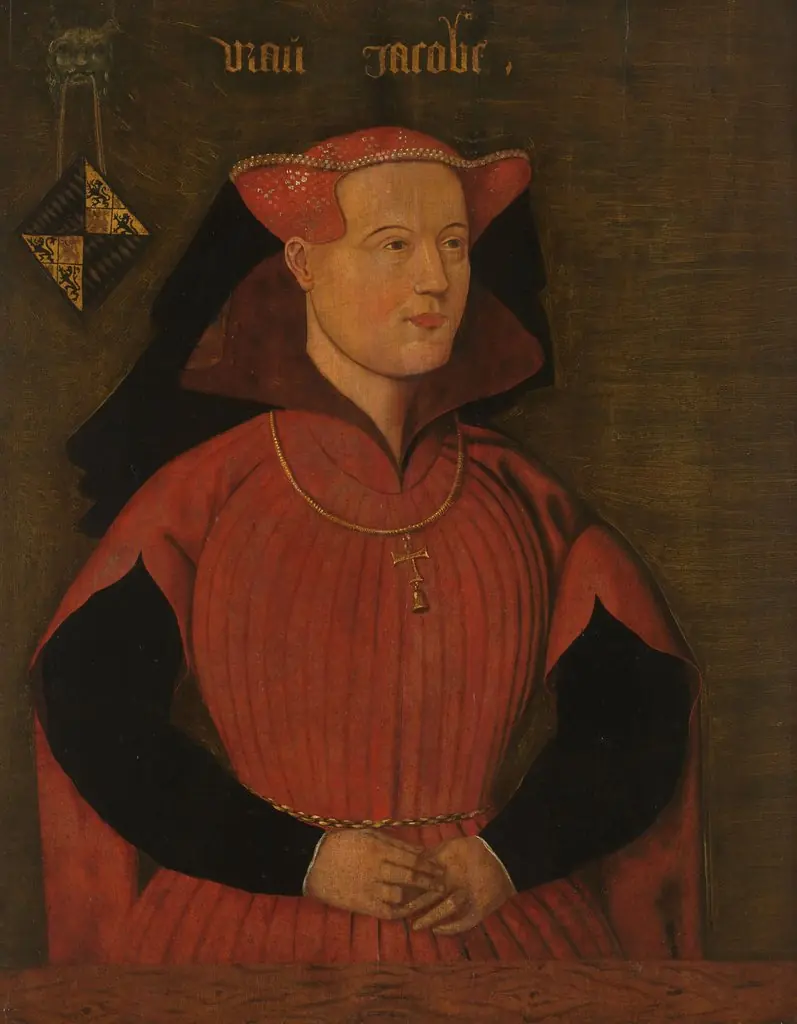 Jacoba of Bavaria (1401-1436), countess of Holland and Zeeland
- Portrait of a Man, identified as Anne de Montmorency (1493 - 1567)