Artwork
Portrait of Edward VI (1537-1553), King of England
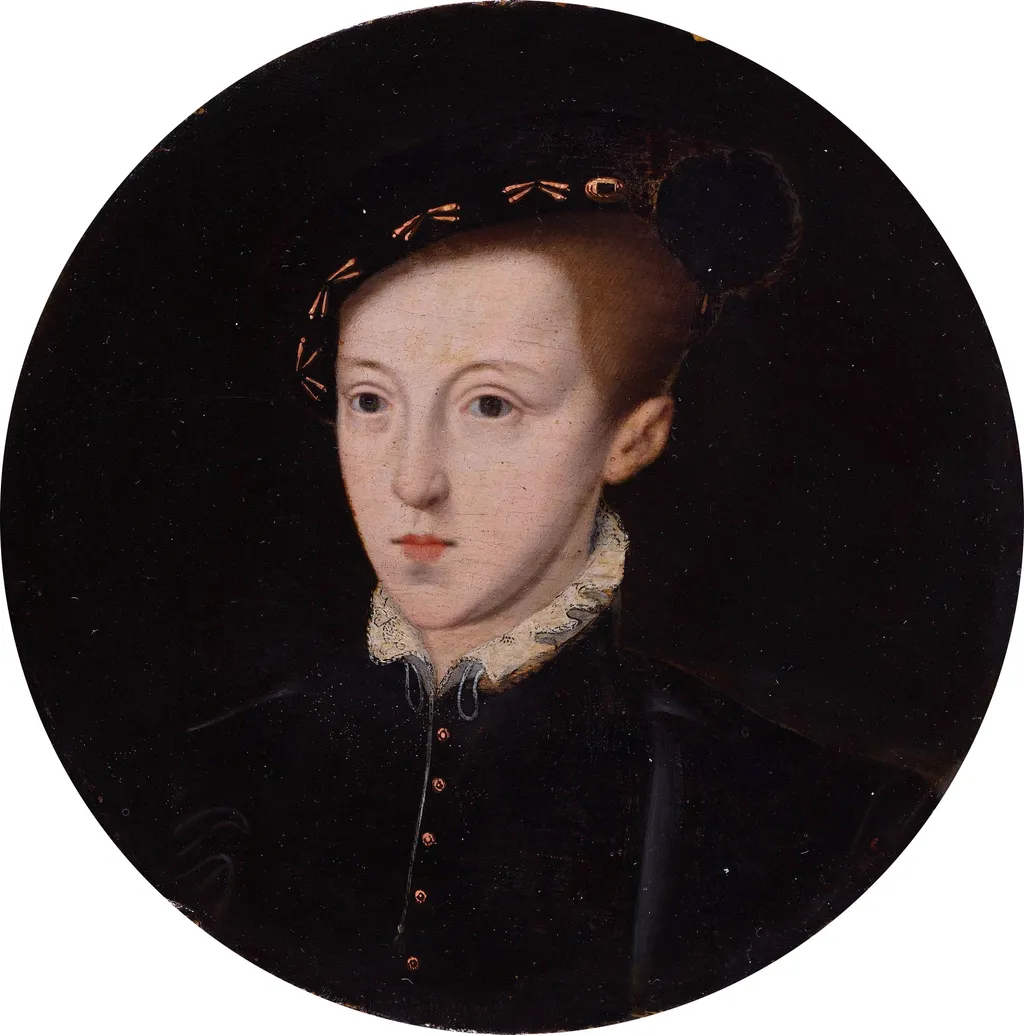
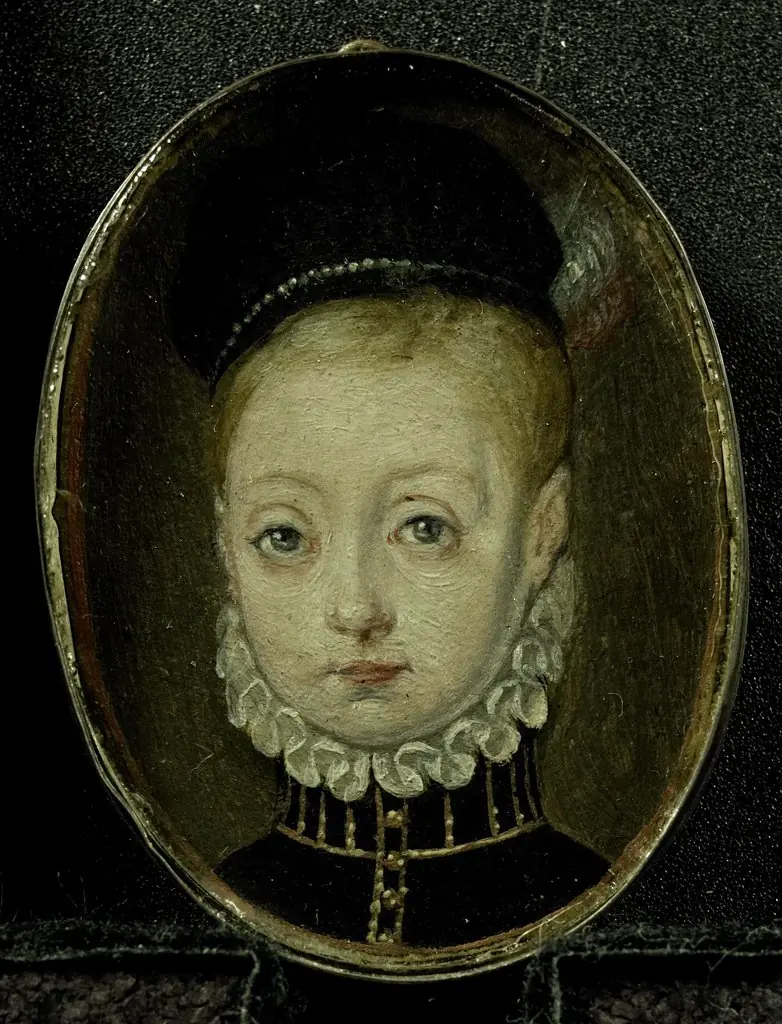
Portrait of Edward VI (1537-1553), King of England is an oil painting. It dates from 1550 and is held in the collection of the Rijksmuseum.
About this work
Subject & Meaning
The portrait depicts Edward VI of England, the young Tudor king who reigned from 1547 until his death in 1553.
The portrait depicts Edward VI of England, the young Tudor king who reigned from 1547 until his death in 1553. Created in 1550, when the sitter was around thirteen years old, the work presents him as a male monarch rather than as a child, projecting the gravitas expected of a reigning sovereign. The painting belongs to the genre of portraiture, with the principal subject identified as Edward VI himself.
As a small-scale panel executed in oil, the work functions both as a likeness and as an instrument of royal representation, conveying the legitimacy and authority of the Tudor succession at a moment when the king's youth made such visual assertion especially significant. Its identification with Edward VI anchors the image's meaning in the political and dynastic concerns of mid-sixteenth-century England, even though the panel itself is documented as having been made in the Netherlands.
Technique & Style
The portrait is executed in oil paint on panel, a standard support for mid-sixteenth-century Netherlandish portraiture. According to the Wikidata record, the work measures 17.5 cm in height by 17.5 cm in width, indicating a small-scale, intimate format. It is classified as a painting within the portrait genre and was produced in 1550, likely in the Netherlands, consistent with the technique and materials associated with the workshop traditions of the period. The Rijksmuseum holds the work in its collection.
History & Provenance
The portrait of Edward VI is traditionally attributed to William Scrots, who served as court painter to Edward VI and his father Henry VIII. It is dated to 1550, aligning with Scrots’s documented activity in England during Edward’s reign. The work entered the collection of the Rijksmuseum, where it remains today.
The painting’s small panel format and refined execution suggest it was produced as a private court commission rather than a public state portrait.
The portrait’s provenance within the Netherlands is indicated by the panel support and stylistic features associated with Northern European portraiture of the period. Its presence at the Rijksmuseum confirms institutional custody since at least the modern era.
Overview
The work is an oil painting portraying a youthful male figure, identified as Edward VI, who reigned as King of England from 1547 until his death in 1553. Rendered in a restrained palette, the portrait emphasizes the sitter’s pale complexion against a darkened backdrop, creating a clear visual focus on the monarch.
Context
Created during a period of religious and political upheaval in England, the portrait reflects the Tudor court’s emphasis on visual propaganda. The austere composition aligns with the Protestant reformist aesthetic promoted during Edward’s reign, favoring modesty over the opulent display common in earlier monarchic imagery.
Artist & collection

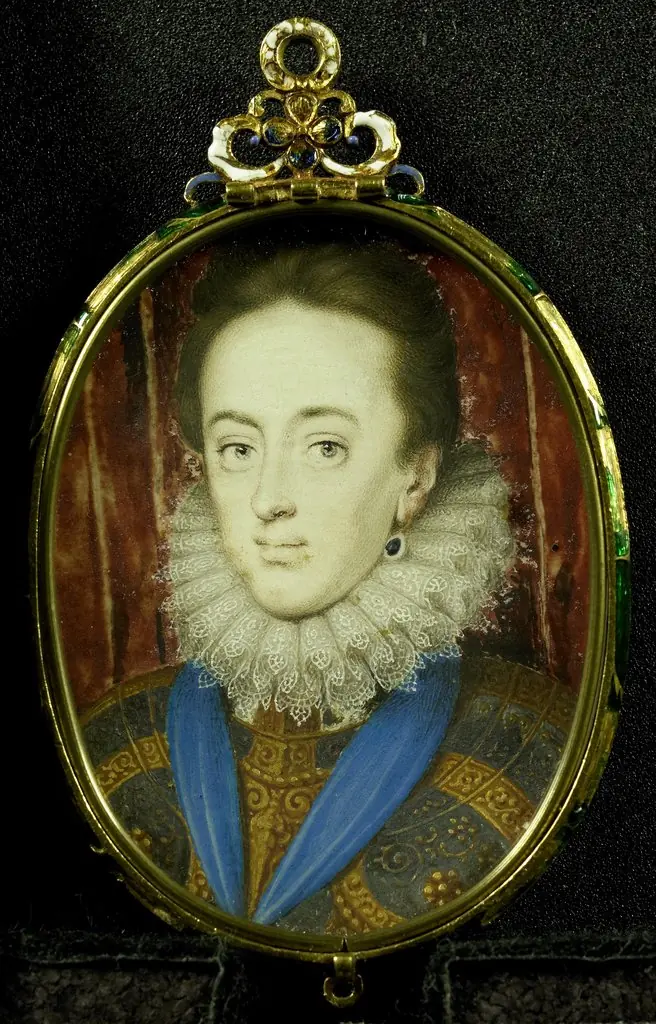 Portrait of Charles I Stuart (1600-1649)
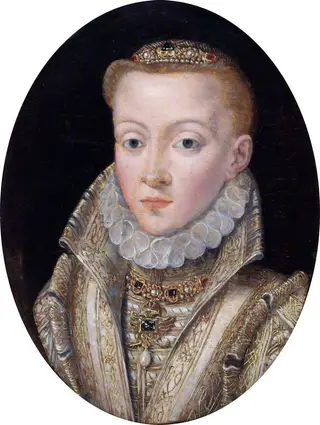 Portrait of an Unknown Woman
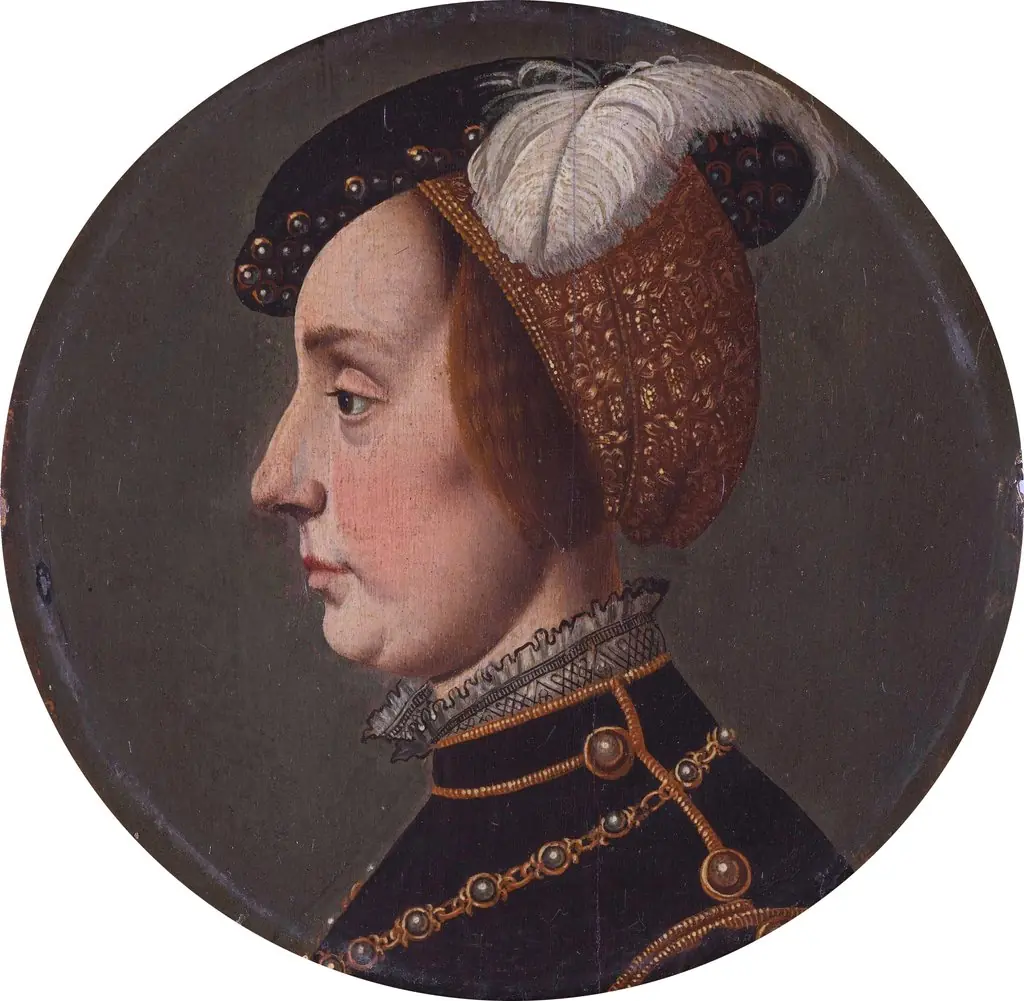 Portrait of Anne of Lorraine (1522-1568), wife of René de Châlon, Prince of Orange
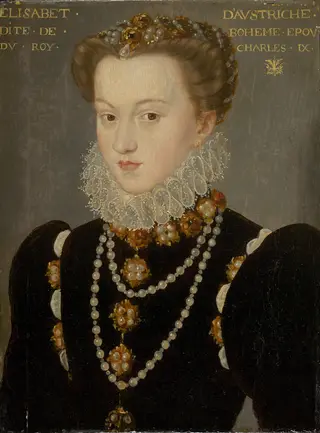 Portrait of Elizabeth of Austria, Wife of King Charles IX of France
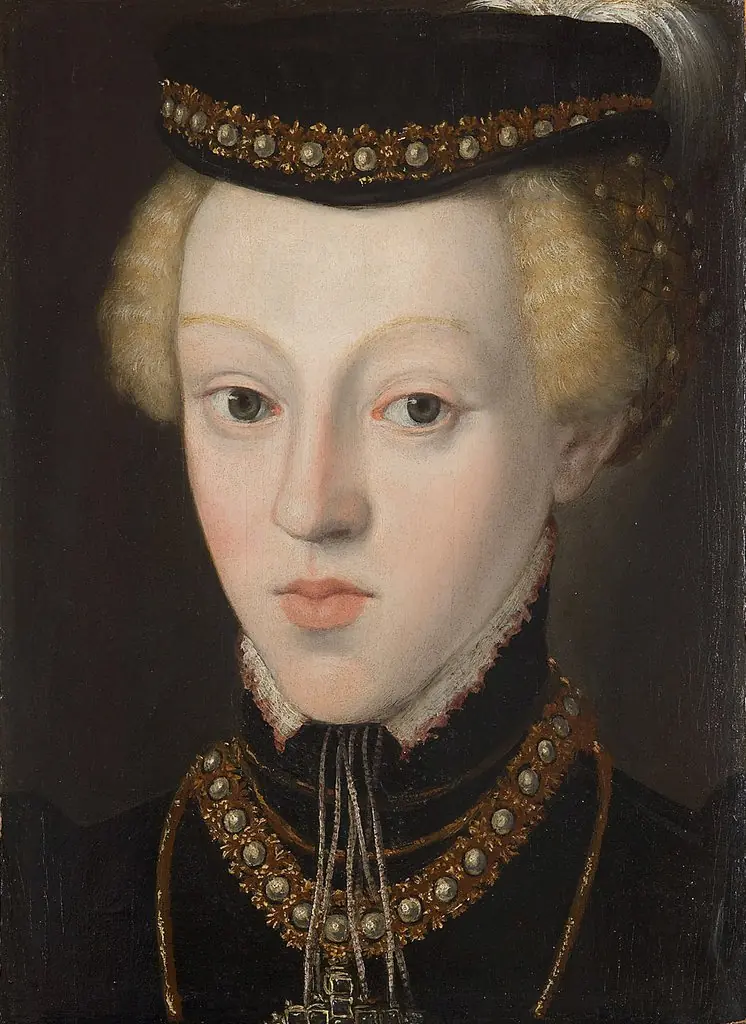 Archduchess Johanna
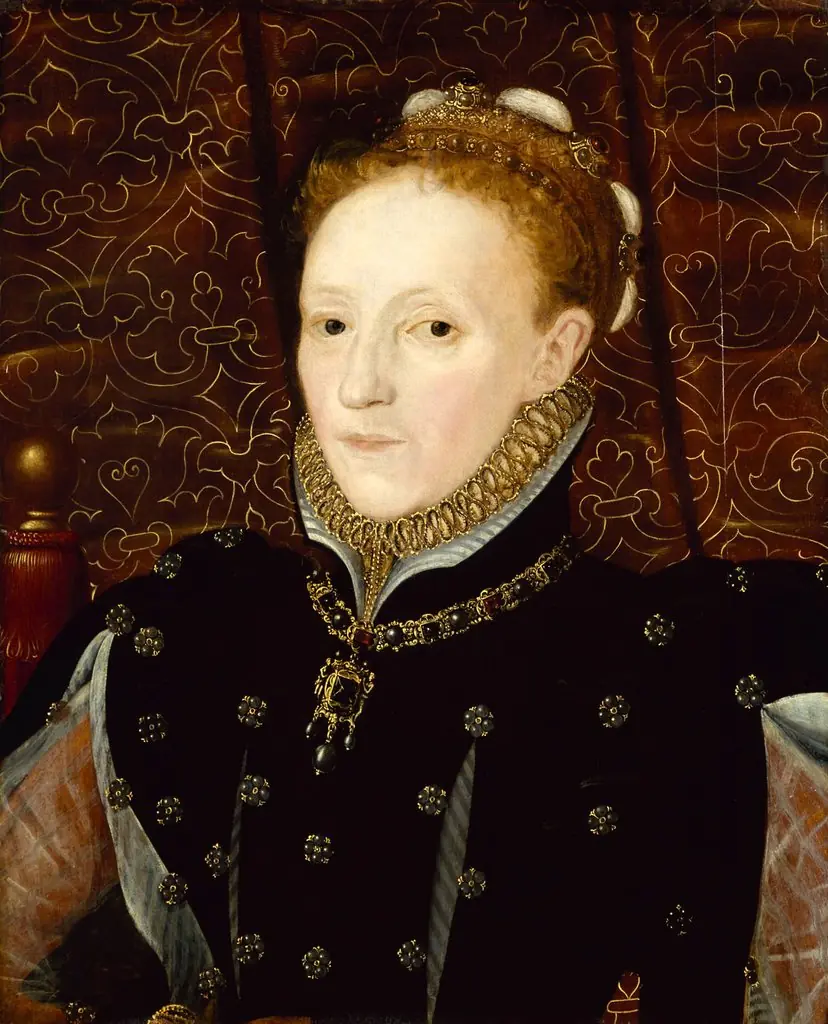 Elizabeth I
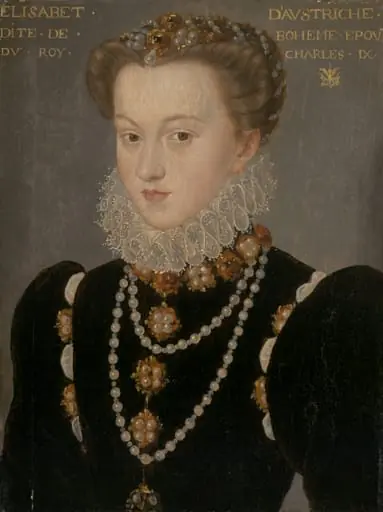 Portrait of Elizabeth of Austria, Wife of King Charles IX of France
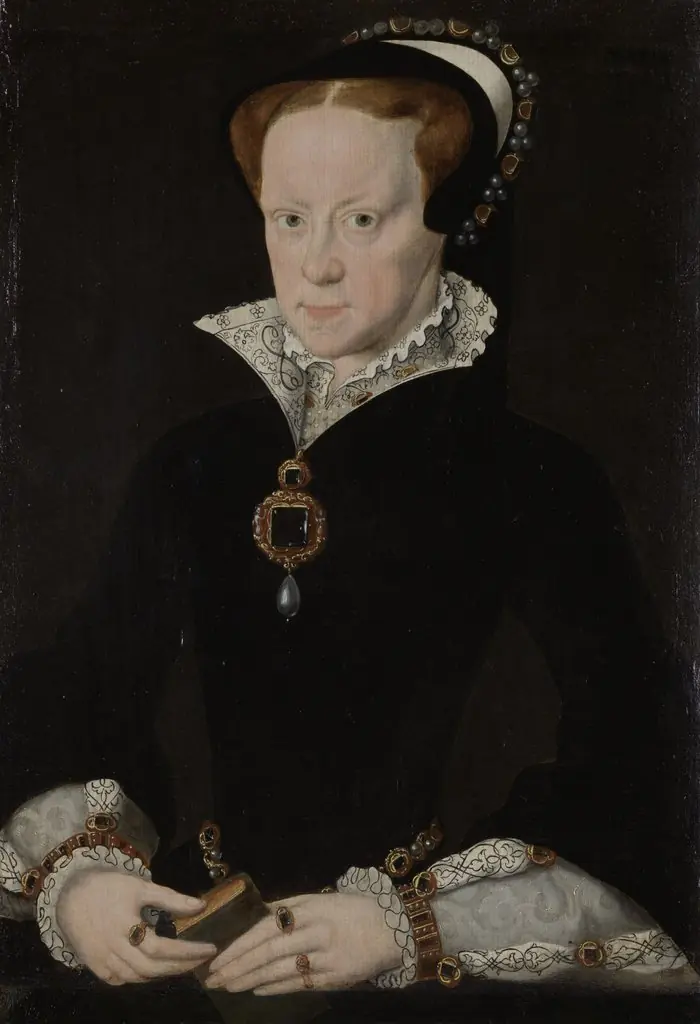 Mary Tudor
 Weibliches Bildnis
 Portrait of James I Stuart (1566-1625)