Artwork
Portrait of Mary, Princess of Orange, Consort of William III
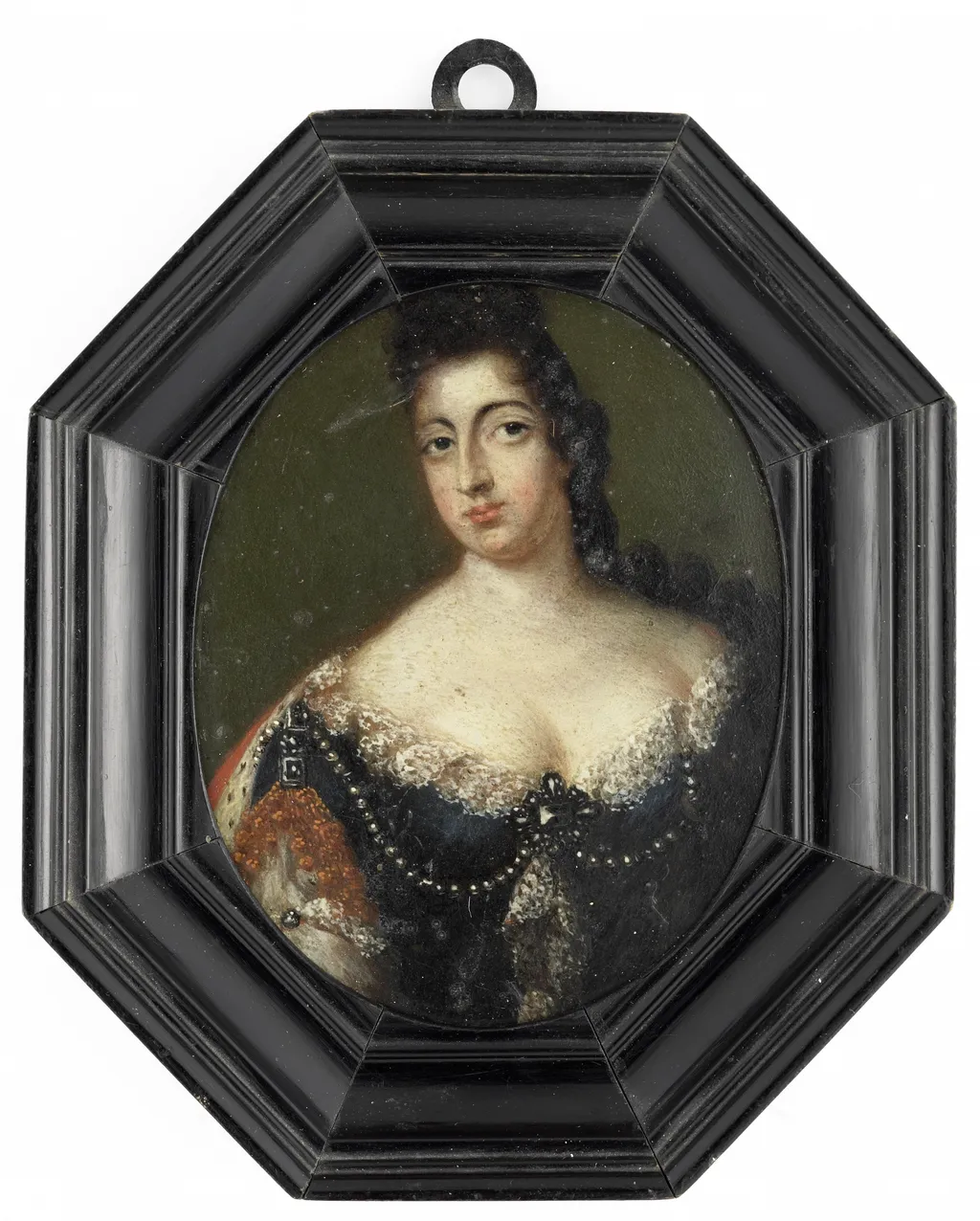
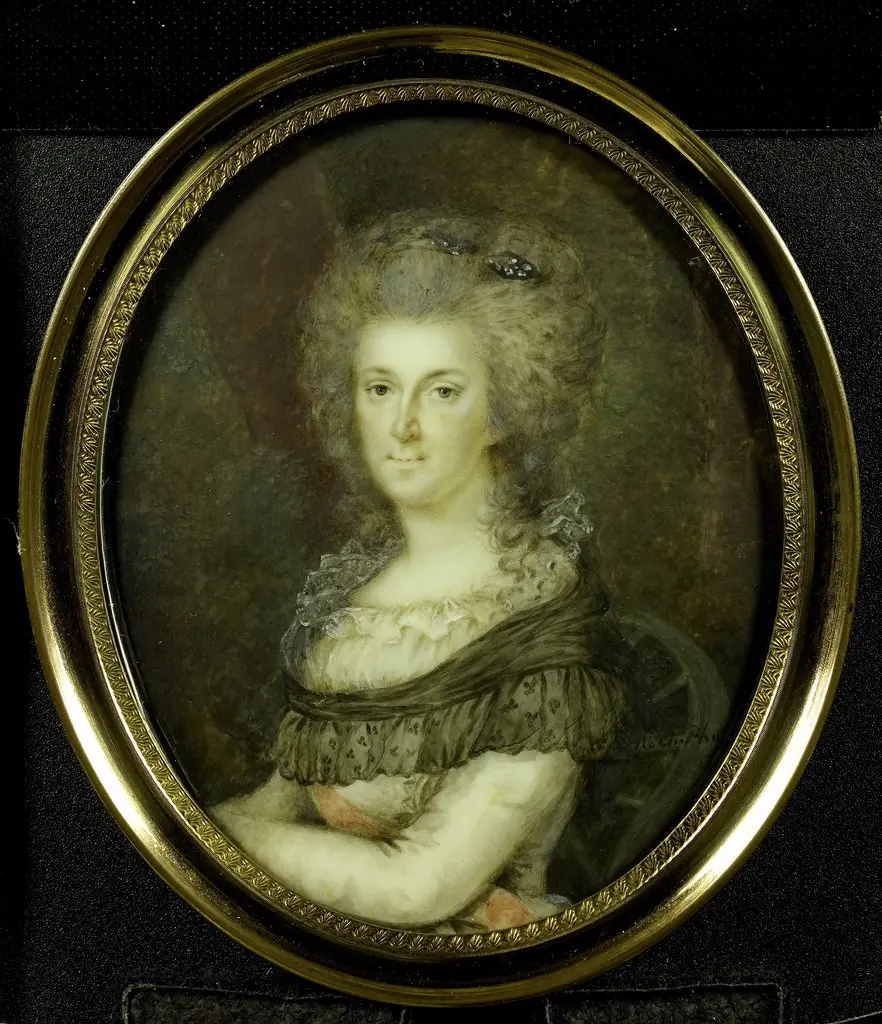
Portrait of Mary, Princess of Orange, Consort of William III is an oil painting. It dates from 1698 and is held in the collection of the Rijksmuseum. The work is a tin portrait depicting a woman with dark hair, dressed in a black gown trimmed with white lace.
About this work
Subject & Meaning
No specific iconographic attributes or symbolic elements beyond the depiction of the figure itself are detailed in the available records.
The work depicts Mary II of England, who is identified as the primary subject of this anonymous portrait created in 1695. As a formal portrait, the painting serves to represent the monarch in her official capacity as the consort of William III. The visual focus remains entirely on the sitter, establishing her royal status through the genre conventions of the period.
No specific iconographic attributes or symbolic elements beyond the depiction of the figure itself are detailed in the available records.
Technique & Style
Created in 1695 within the Northern Low Countries, this anonymous portrait utilizes oil paint applied to a tin support. The work is classified as a painting and functions as a formal depiction of Mary II of England. The physical dimensions of the piece are small in scale, measuring 9.4 cm in height and 7.5 cm in width.
While the specific handling and current condition of the surface are not detailed in the available records, the choice of tin as a substrate distinguishes its material composition from more traditional canvas or panel supports of the era.
History & Provenance
The Portrait of Mary, Princess of Orange, Consort of William III, was created in 1695 in the Northern Low Countries. This work, classified as an anonymous painting, depicts Mary II of England and is executed in oil paint on a tin support. The piece measures 9.4 cm in height and 7.5 cm in width. It is currently held in the collection of the Rijksmuseum.
Overview
The work is a tin portrait depicting a woman with dark hair, dressed in a black gown trimmed with white lace. A substantial orange‑and‑white fur drapes over her right shoulder, and the backdrop is rendered in a subdued green hue, indicating a formal, courtly presentation.
Context
Mary, born a princess of the House of Orange, married William III of England, linking the Dutch Republic and the English throne. Portraits such as this served diplomatic and dynastic functions, reinforcing alliances and presenting the consort’s image to both courts.
Artist & collection

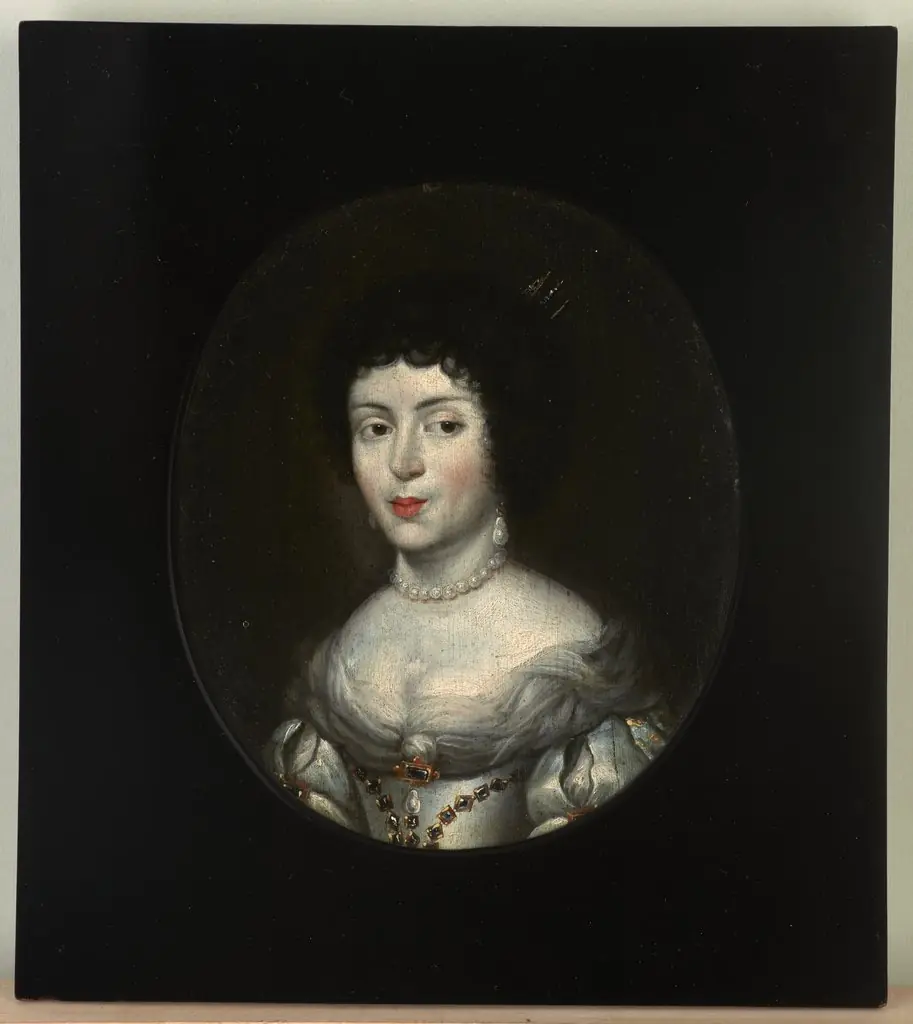
- Portret Marii Kazimiery de la Grange d'Arquien Sobieskiej, zwanej Marysieńką (1641-1716), królowej Polski, żony Jana III Sobieskiego
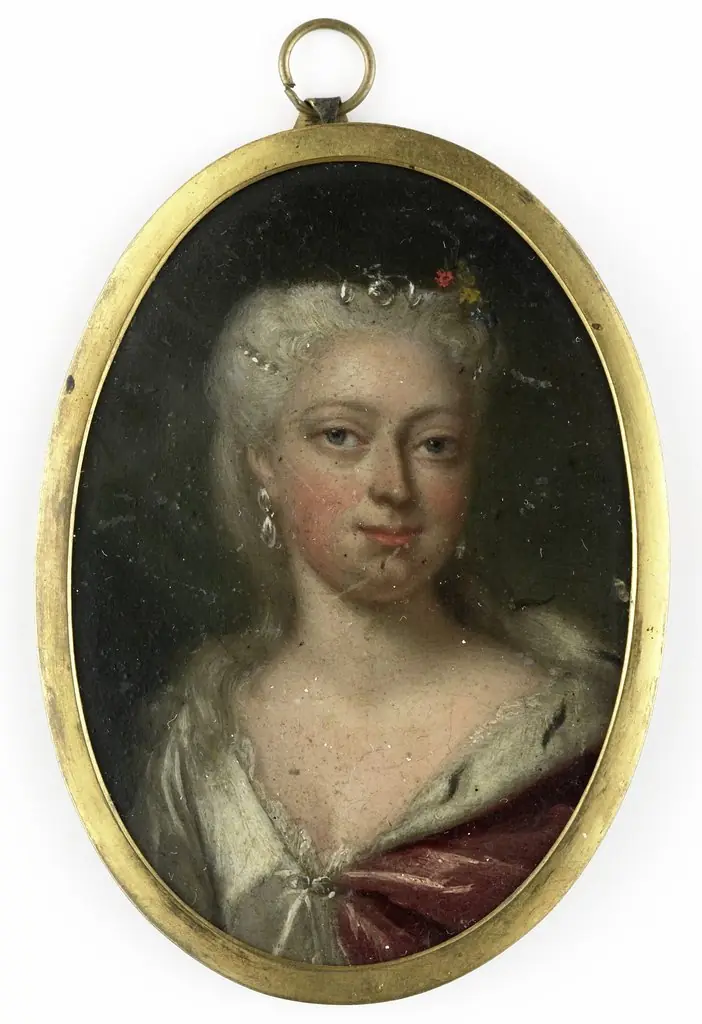 Anna van Hannover (1709-59). wife of Prince Willem IV
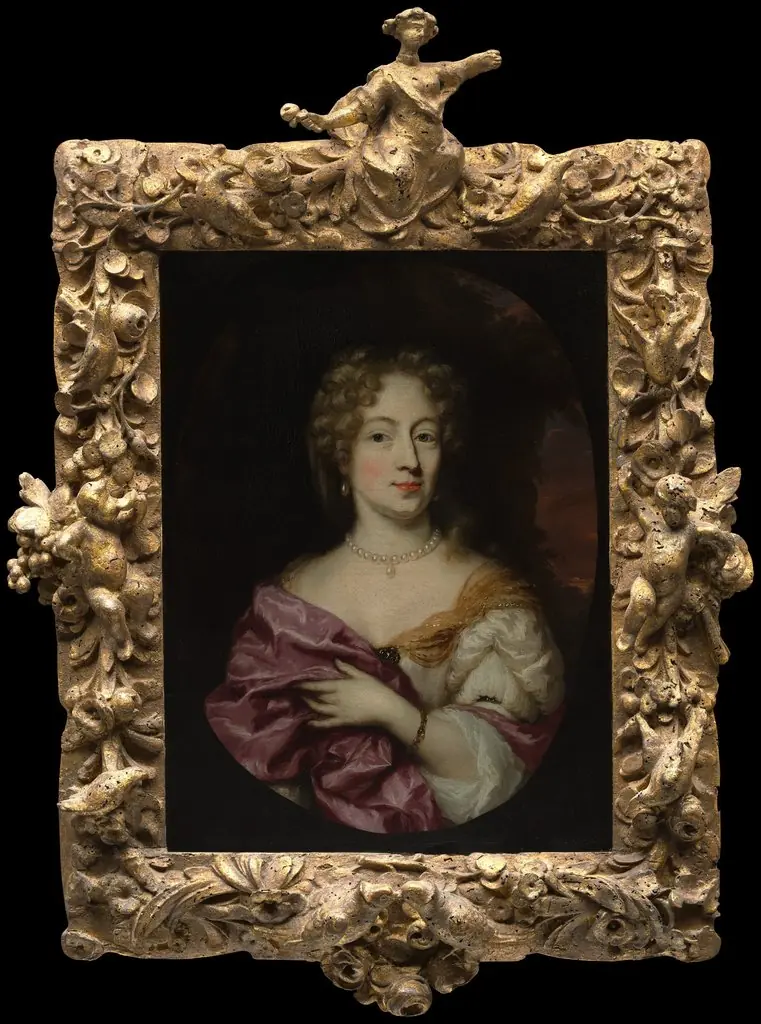 Ingena Rotterdam (died 1704), Betrothed of Admiral Jacob Binkes
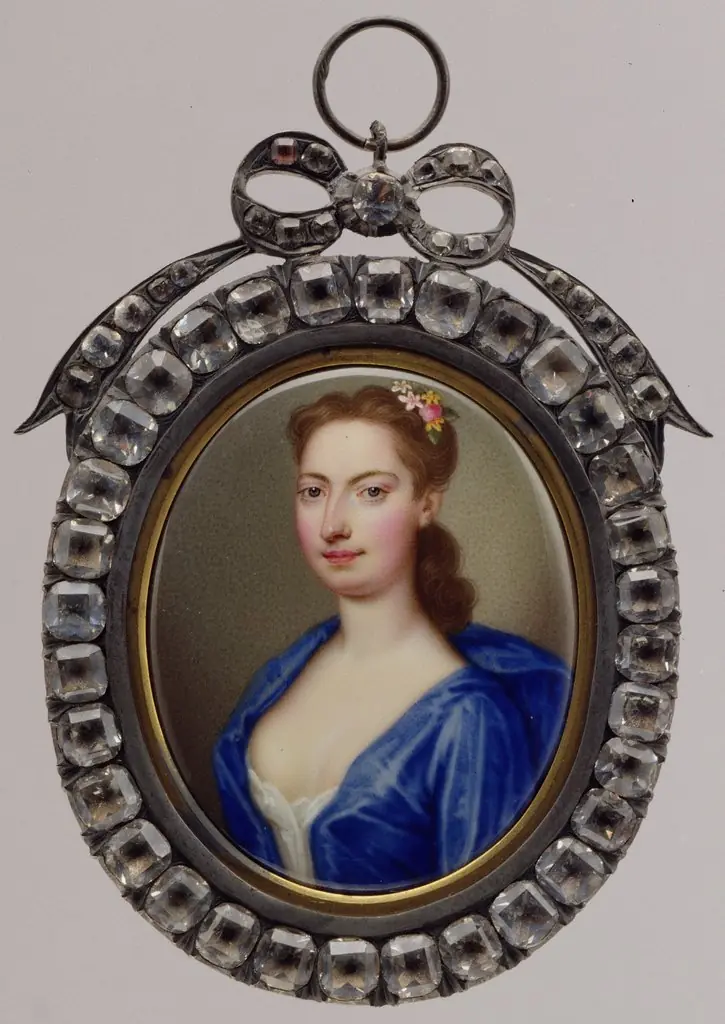 Mrs. Vanderbank
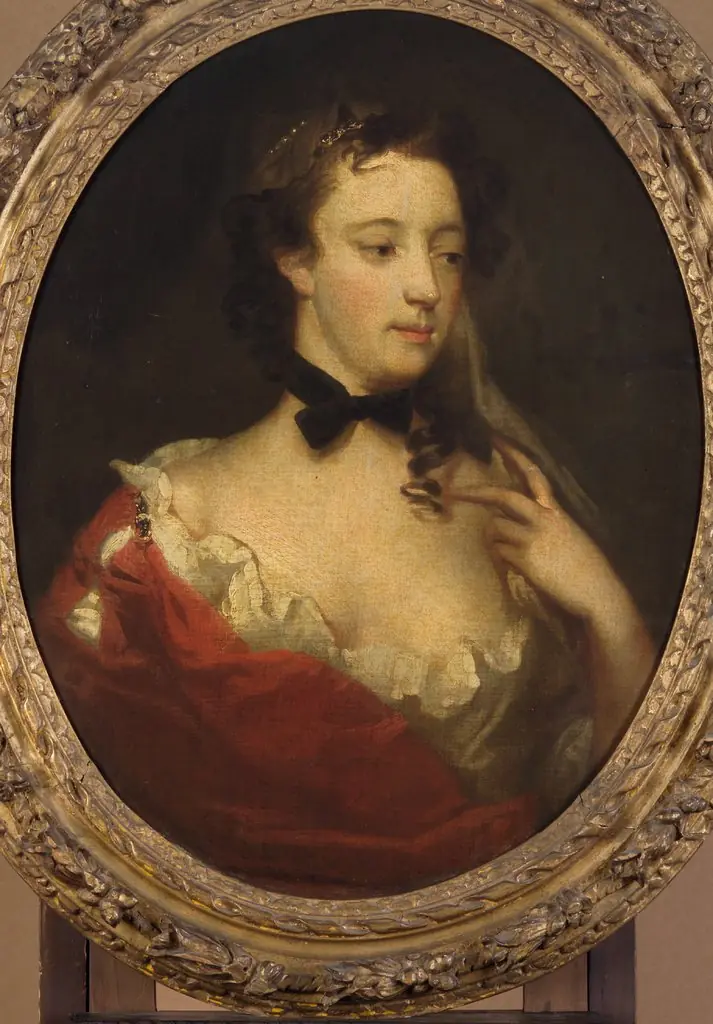 Bildnis einer Dame
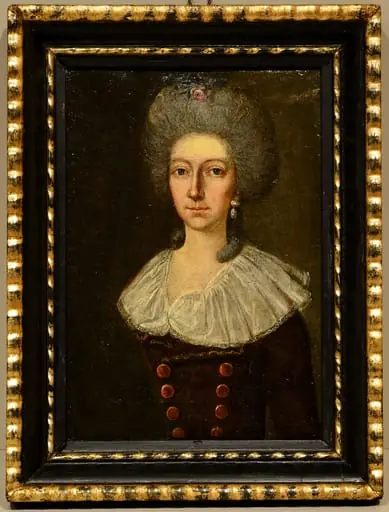 Äbtissin Auguste Dorothea von Braunschweig-Wolfenbüttel
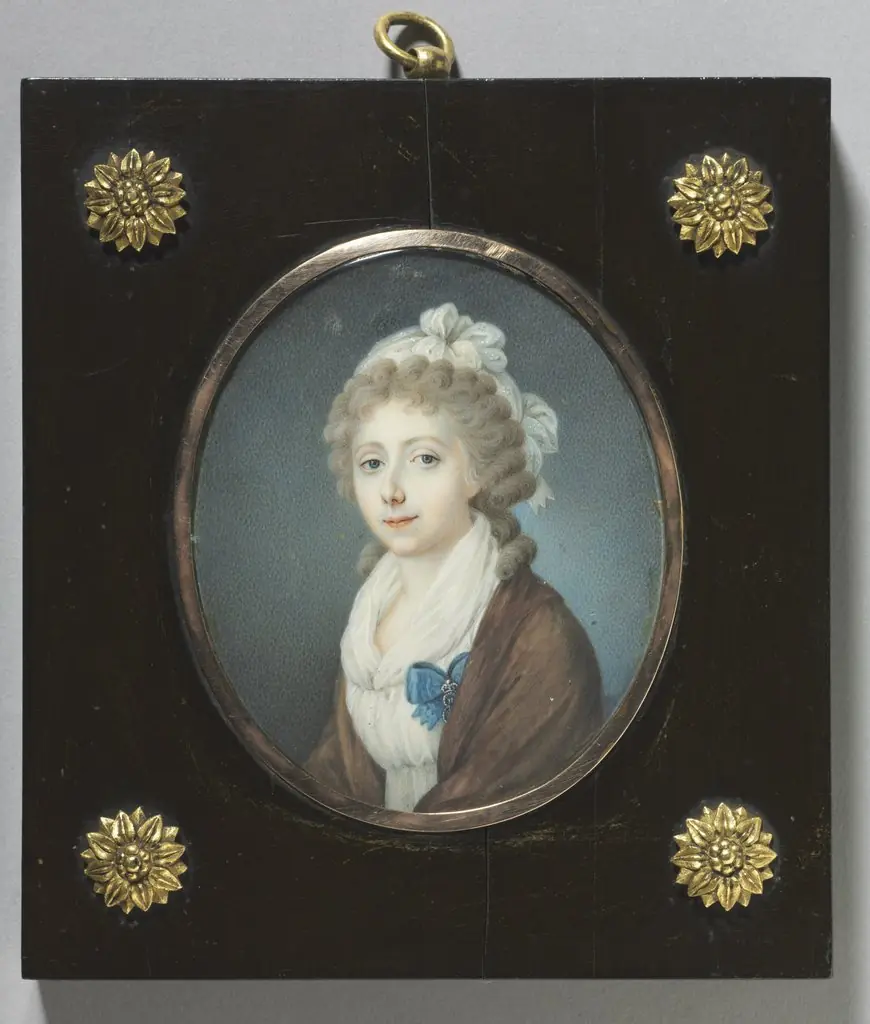 Portrait of a Noblewoman
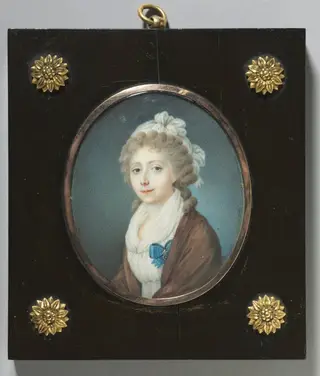 Portrait of a Noblewoman
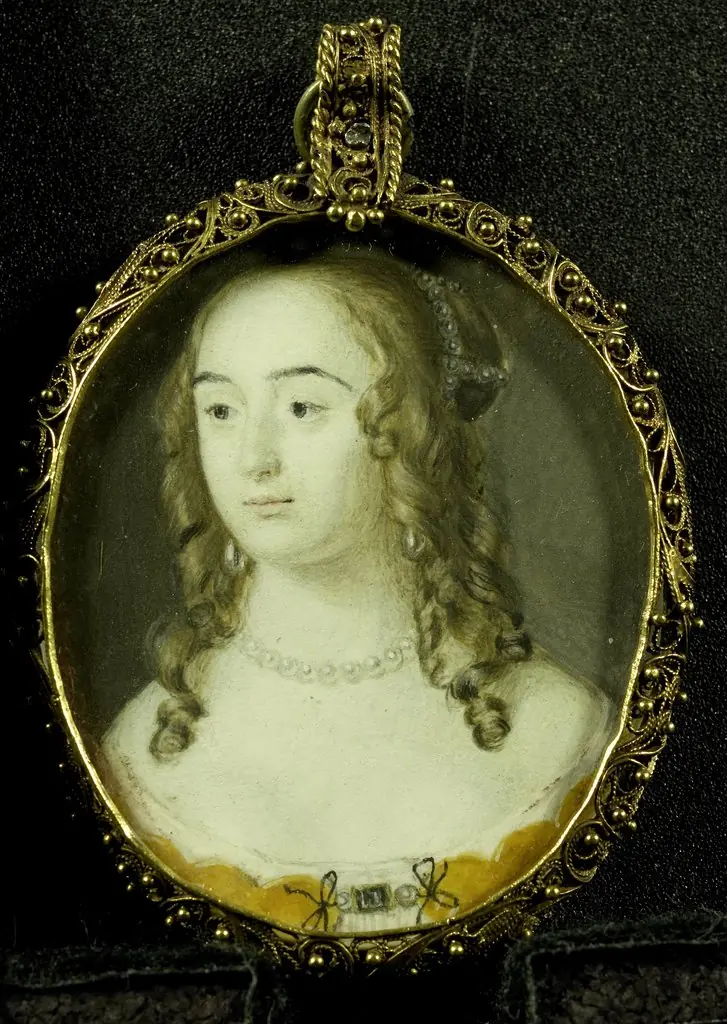 Henriette Marie (1626–51) of Paltz, daughter of Frederick V, King of Bohemia, nicknamed the 'Winter King'.
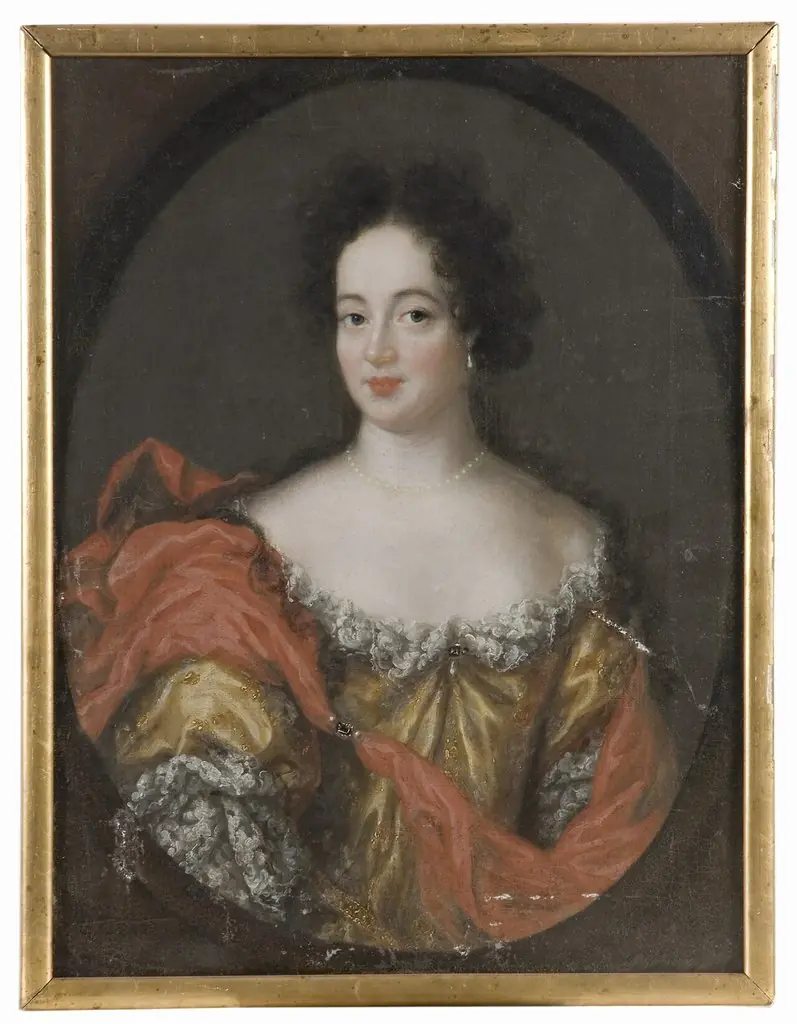 Agnes Wrangel, levnadsdata okända, möjligen hovfröken hos riksänkedrottning Hedvig Eleonora
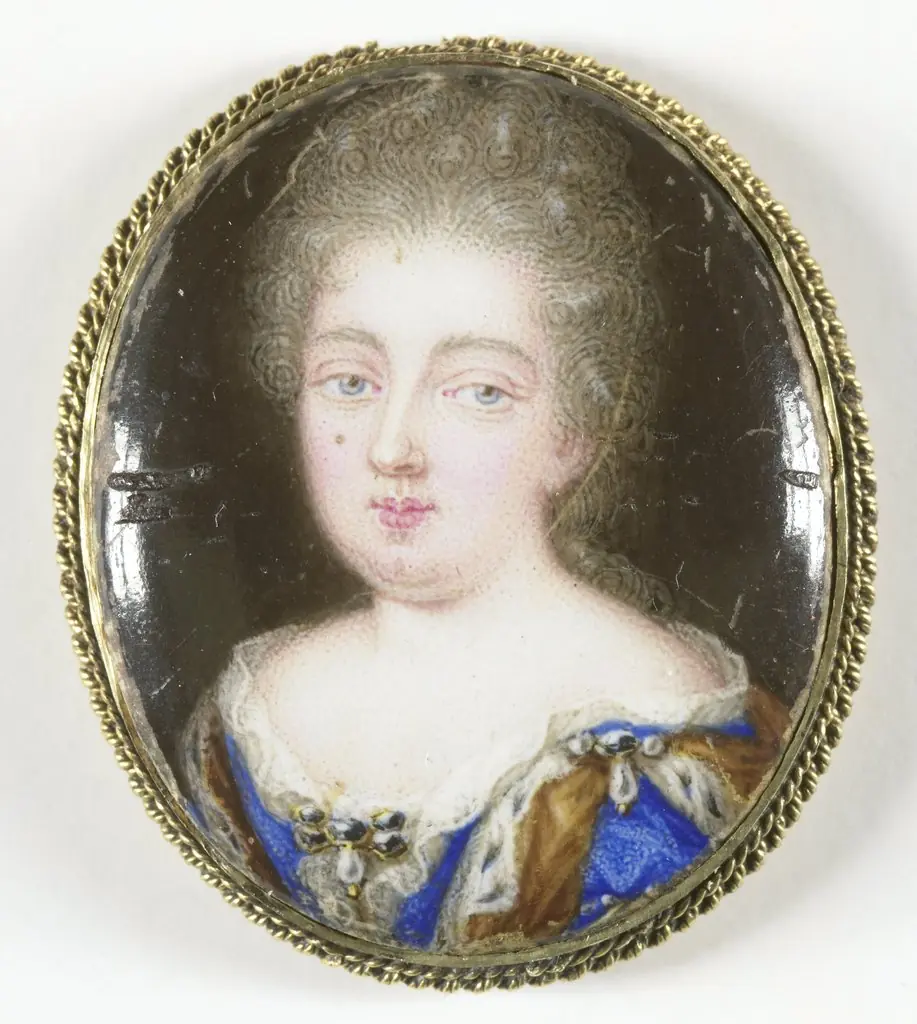 Portrait of an unknown woman
 Portrait of Wilhelmina van Pruisen (1751-1820)