Artwork
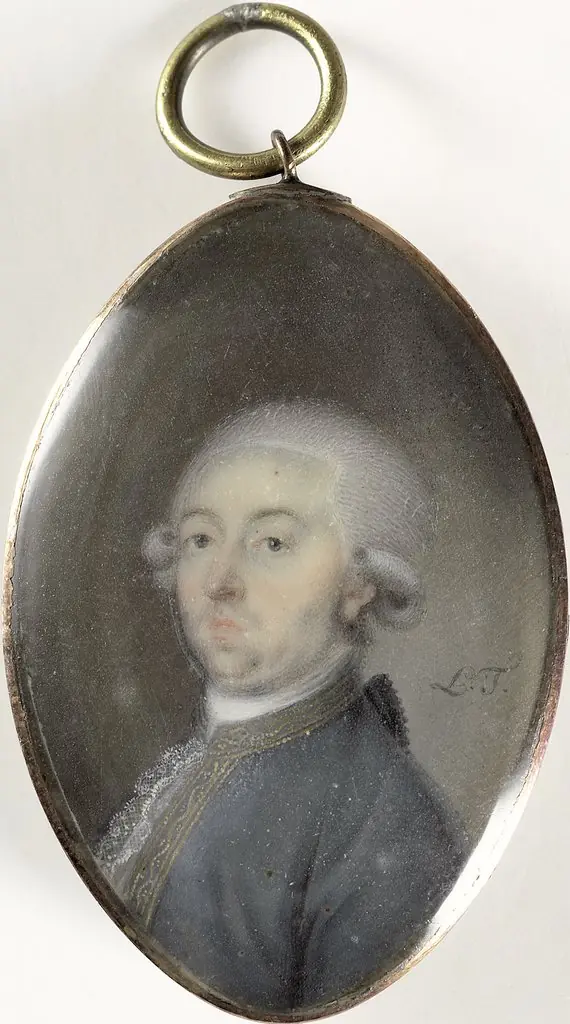
Portrait of Mr. Shippard
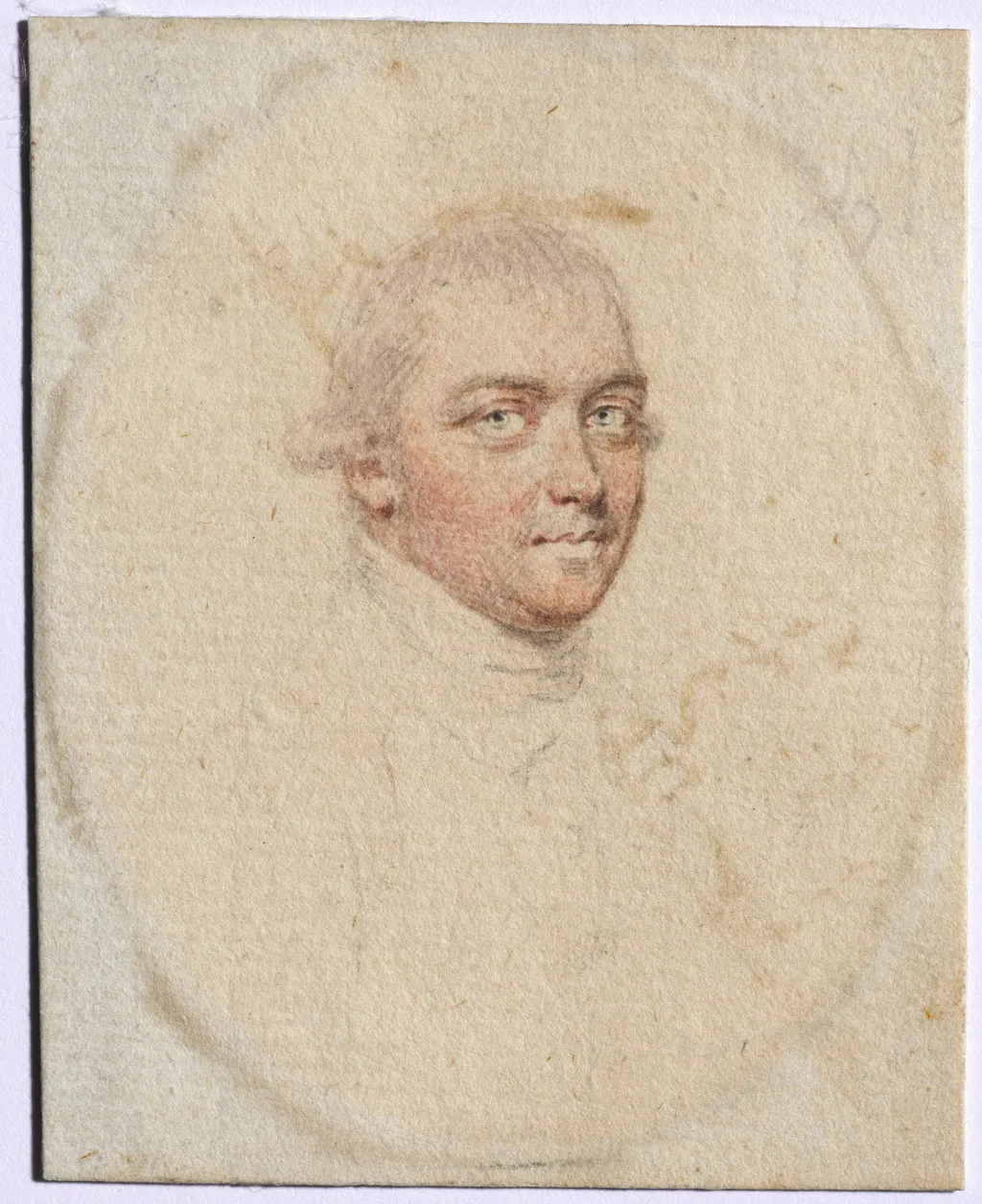
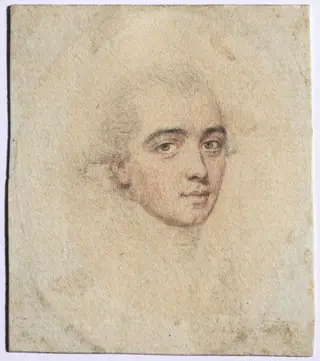
Portrait of Mr. Shippard is an unspecified painting. It dates from 1788 and is held in the collection of the Cleveland Museum of Art. This artwork, titled Portrait of Mr.
About this work
Technique & Style
Currently held in the collection of the Cleveland Museum of Art, the work represents a specific example of Smart's output during this period.
Portrait of Mr. Shippard is a portrait miniature created in 1776 by the British artist John I Smart. As a work in the miniature genre, the piece adheres to the small-scale format characteristic of the medium, designed for intimate viewing rather than large public display. The painting serves as a formal likeness, capturing the subject within the refined stylistic conventions of late 18th-century portraiture.
Currently held in the collection of the Cleveland Museum of Art, the work represents a specific example of Smart's output during this period.
History & Provenance
Portrait of Mr. Shippard is a 1776 portrait miniature executed in oil on canvas. The work depicts the sitter Mr. Shippard and was originally commissioned as a likeness of the subject. It is attributed to British artist John I Smart, who was active in the late 18th century.
The painting entered the collection of the Cleveland Museum of Art, where it remains on view. Its creation history aligns with the sitter’s patronage in 1776, and the work is classified as a portrait within the museum’s holdings.
Overview
This artwork, titled Portrait of Mr. Shippard, captures a man with a contemplative expression. Executed with a sense of immediacy, the piece features simple lines and an unadorned background. The aged and worn paper on which it is rendered contributes to its historical character, drawing attention to the subject's quiet and thoughtful presence. The detailed rendering of the eyes anchors the viewer's focus on the sitter's demeanor.
Subject & Meaning
The subject, Mr. Shippard, is depicted with a round face, a subtly furrowed brow, and a faint smile. His curly hair is suggested through simple linear strokes. The most meticulously rendered feature is the eyes, which convey a quiet and introspective gaze.
This emphasis on the eyes, contrasting with the overall simplicity of the drawing, suggests an intent to capture the sitter's inner reflection or personality.
Artist & collection

- Portrait of a Man
 Portrait of Mr. Shippard
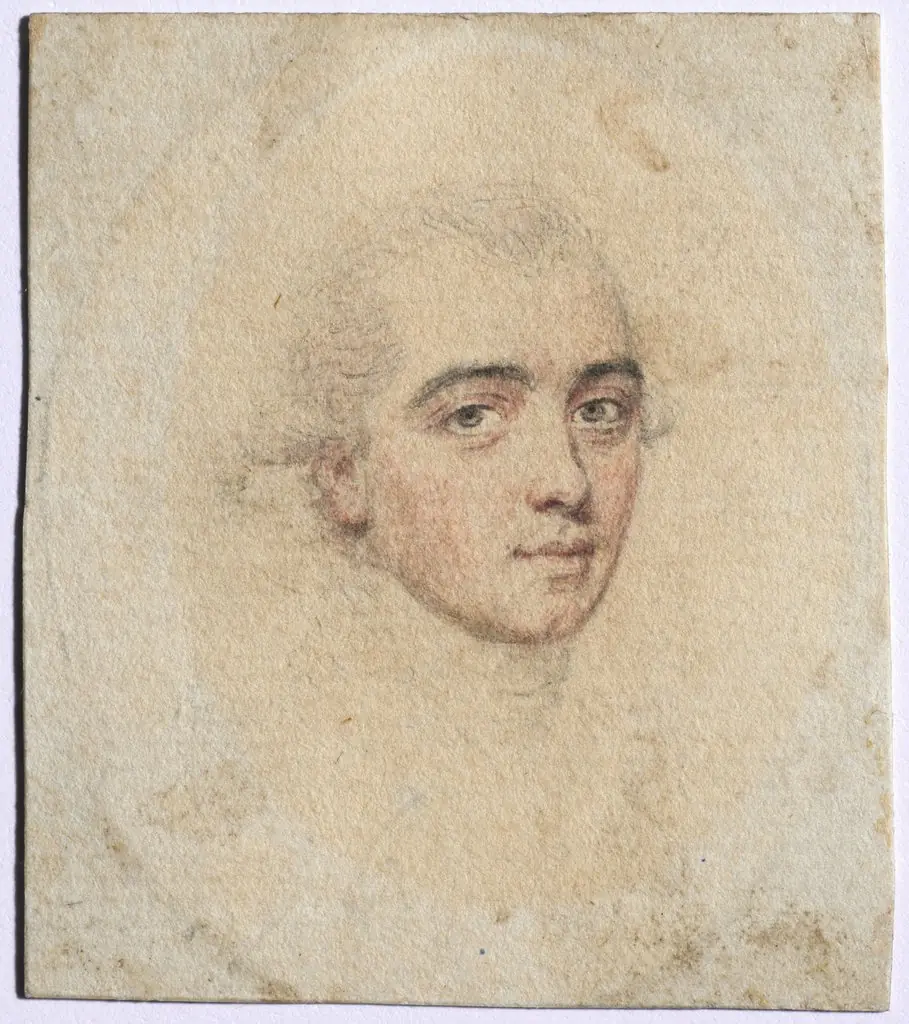 Portrait of M. de Viapre
 Portrait of M. de Viapre
 Portrait of Mr. Gambier
 Portrait of Mr. Gambier
 Portrait of a Man
 Portrait of Sir John Macpherson, 1st Baronet, Governor-General of India
 Portrait of a Man
 Portret van een man
 Portrait of Johannes Wesenhagen (1743-1803)
 Portrait of Roedolph van Olden (1752-1828)