Artist
John I Smart
United Kingdom
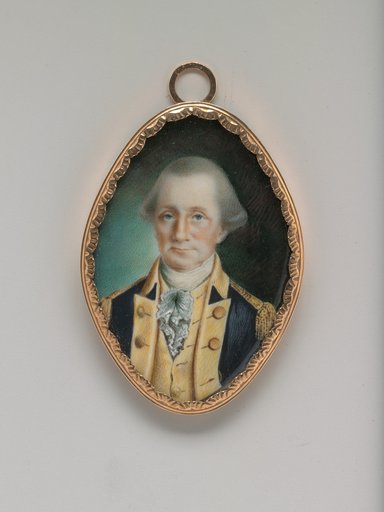
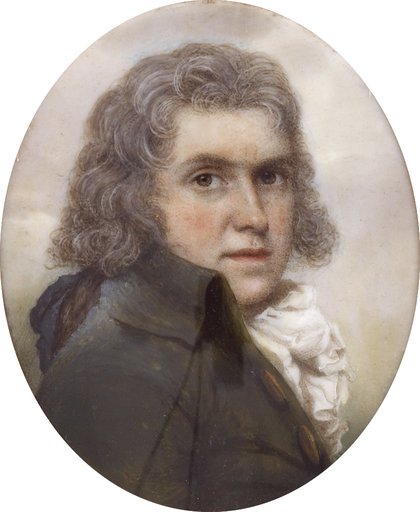
John I Smart is an United Kingdom British Romanticism artist. 42 works are cataloged here, principally at Cleveland Museum of Art.
John Smart (1 May 1741 – 1 May 1811) was an English painter who specialised in portrait miniatures. He was a contemporary of Richard Cosway, George Engleheart, William Wood and Richard Crosse.
Overview
John Smart (1 May 1741 to 1 May 1811) was an English painter who specialized in portrait miniatures. A prominent figure in eighteenth century British art, he is recognized for his anatomical precision and subtle modeling, distinguishing his work from that of his contemporaries, including Richard Cosway, George Engleheart, William Wood, and Richard Crosse. His meticulously signed and dated miniatures provide a comprehensive visual record of his stylistic evolution and the changing fashions of his era.
Biography & dates
Smart was born in Norfolk, though little is known about his early life beyond the fact that he had a sister. In 1755, he placed second to Richard Cosway in an under fourteen drawing competition organized by the Society for the Encouragement of Arts, Manufactures and Commerce. That same year, he moved to London to attend the new drawing school of William Shipley, studying alongside Cosway and Richard Crosse. He began exhibiting with the Society of Artists in London in 1762 and eventually served as its president in 1778. Seeking broader opportunities, Smart traveled to India in 1788, where he secured numerous commissions. He returned and settled in London in 1797, living latterly in Fitzroy Street until his death in 1811. In his personal life, Smart married Edith Vere, and they reportedly had a single son, who died in Madras in 1809. Known for his simple habits, Smart was a member of the Society of Sandemanians.
Style & movement
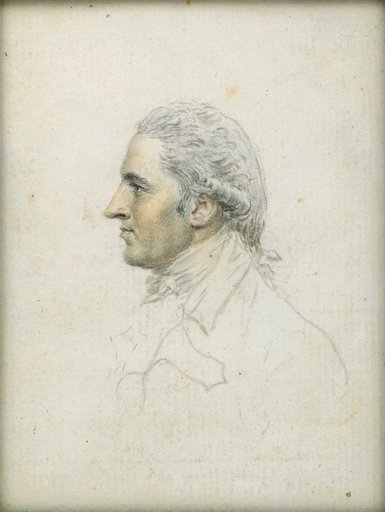
Working primarily in watercolor on ivory, Smart consistently signed and dated his miniatures, a practice that has aided art historians in tracking his career. His artistic approach stands in stark contrast to the flamboyance of Richard Cosway. Smart's palette was quiet and grey, and he modeled flesh tones with exquisite subtlety. He possessed a profound knowledge of human anatomy, rendering his portraits with greater anatomical accuracy and distinction than any other miniature painter of his time. A number of his preparatory drawings and sketches survive, showcasing his careful process.
Major works
While Smart produced a vast output of miniatures over his lifetime, specific surviving works include his 1766 portrait of Miss Eliza Booth, an 1782 watercolor on ivory portrait of a lady at the Cincinnati Art Museum, and several portraits at the Victoria and Albert Museum, including works from 1767, 1779, 1780, and a 1787 portrait of a member of the Tayler family. The most significant collection of his work is held by the Nelson-Atkins Museum of Art, donated by John W. and Martha Jane Phillips Starr. This notable collection includes a signed and dated miniature for every year of his career from 1760 to 1811, allowing scholars to trace the full progression of his technique. Additionally, many of his pencil drawings remain in the possession of the descendants of his sister's friend, and several miniatures survive in Australia within a cadet branch of his family.
Influences & students
Smart's foundational training came under William Shipley at his London drawing school, where Smart studied alongside fellow miniaturists Richard Cosway and Richard Crosse. As an established artist, Smart taught portrait painting to Isabella Beetham, who became one of Britain's foremost silhouette artists in the eighteenth century.
Legacy
Smart's posthumous legacy is firmly secured by the comprehensive Starr Collection at the Nelson-Atkins Museum of Art, which provides an unparalleled chronological archive of his work from 1760 to 1811. His commitment to clearly signing and dating his miniatures has ensured that his contributions to the art of the portrait miniature remain easily identifiable and academically valuable for tracing the evolution of the medium. His reputation endures through the distinct anatomical accuracy and refined modeling that set his work apart from his contemporaries.
Works by John I Smart
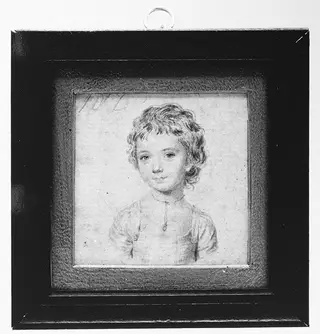 Sir George Armytage (1761–1836), Fourth Baronet
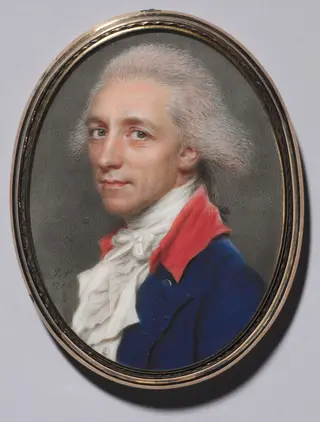 Portrait of a Man
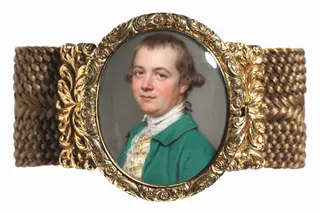 Portrait of Constantine Phipps
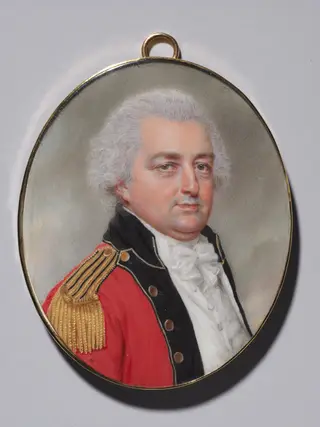 Portrait of an Officer
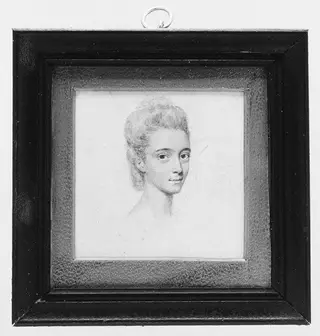 Miss Ramus
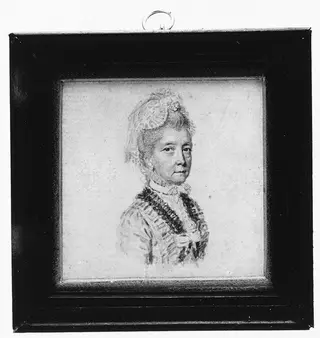 Portrait of a Woman, Said to Be Lady Dering
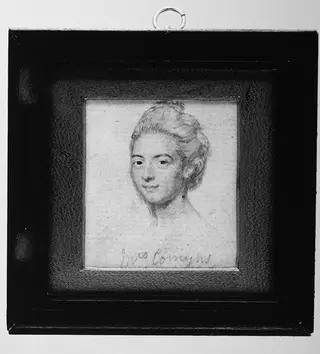 Mrs. Comyns
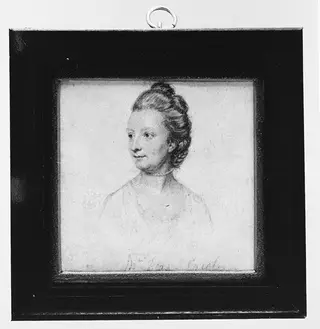 Mrs. Caroline Deas
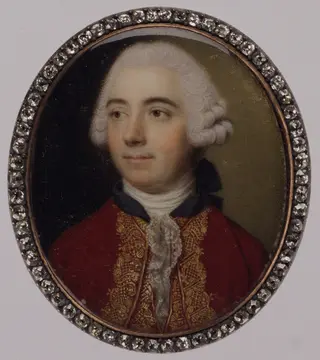 Sir William Hood
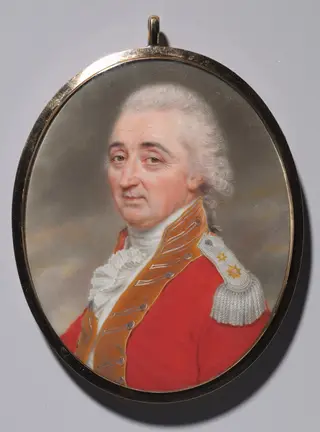 Portrait of Lieutenant General Daniel Burr
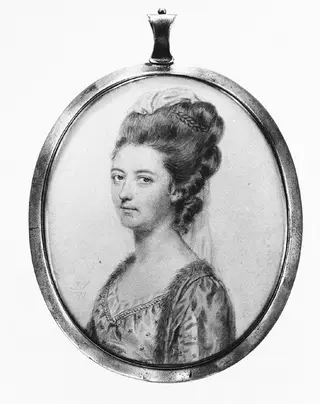 Mrs. Charlotte Lennox
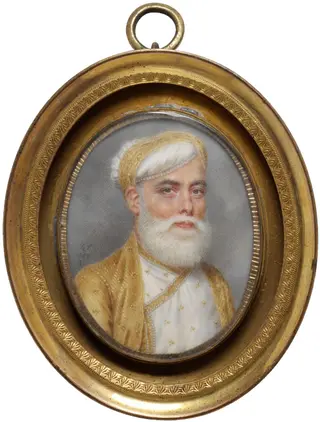 Muhammad Ali Khan, Nawab of Arcot
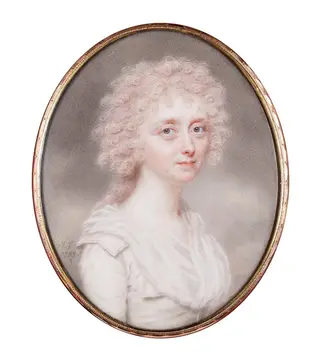 Lady Mary Cornwallis (1769-1840), married Singleton
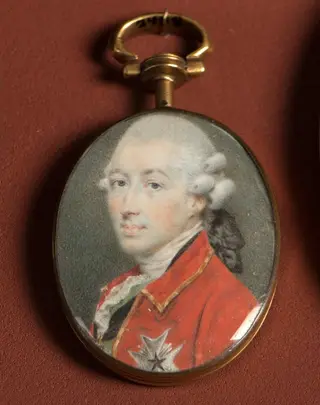 Baron Gustaf Adam von Nolcken
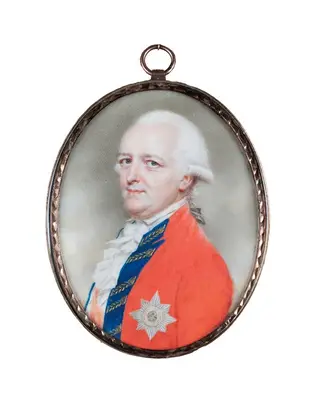 Charles Cornwallis, Marquess, Viceroy of Ireland
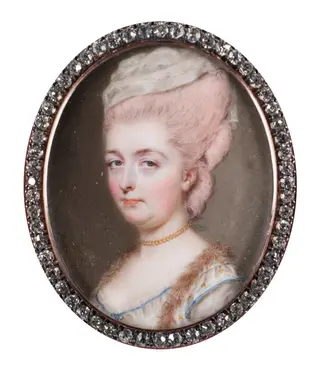 Lady Deering
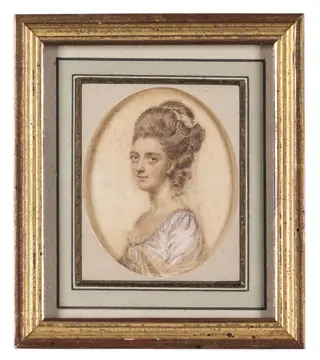 Mrs Berresford
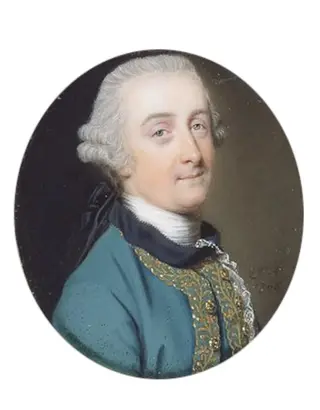 Lord Robert Carteret (3rd Earl Granville)
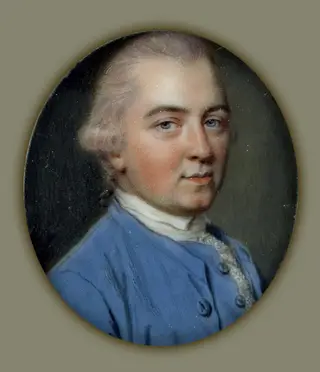 Arthur Freeman
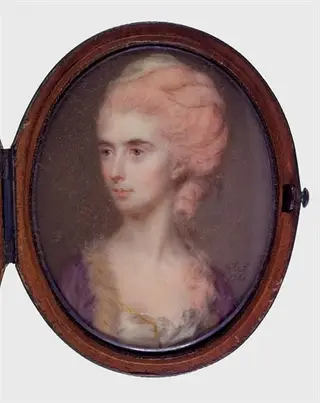 Portrait of a lady
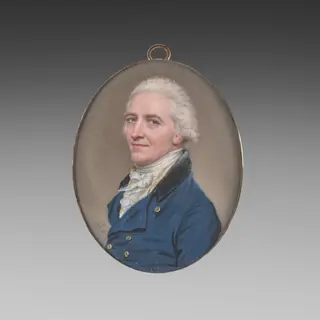 Self-Portrait
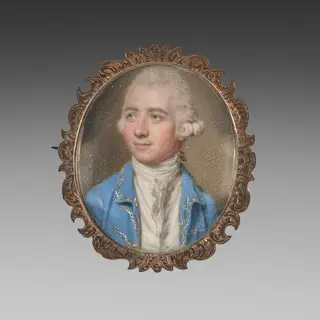 Portrait of a Man, Possibly Sir Soulden Lawrence
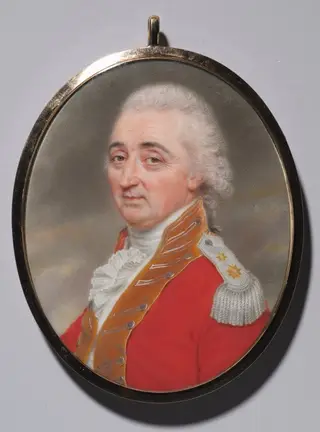 Portrait of Lieutenant General Daniel Burr
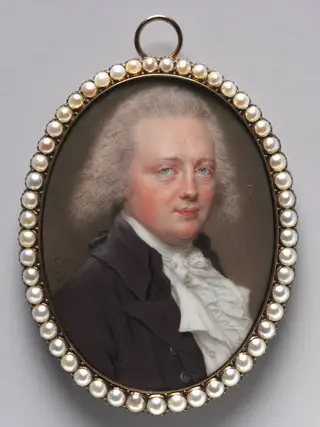 Portrait of a Man
42 works in the catalog · 24 shown
Collections represented


Artists in a similar vein