Artwork
Portret van een jonge vrouw, mogelijk Marguerite van Valois (1553-1615), dochter van Hendrik II
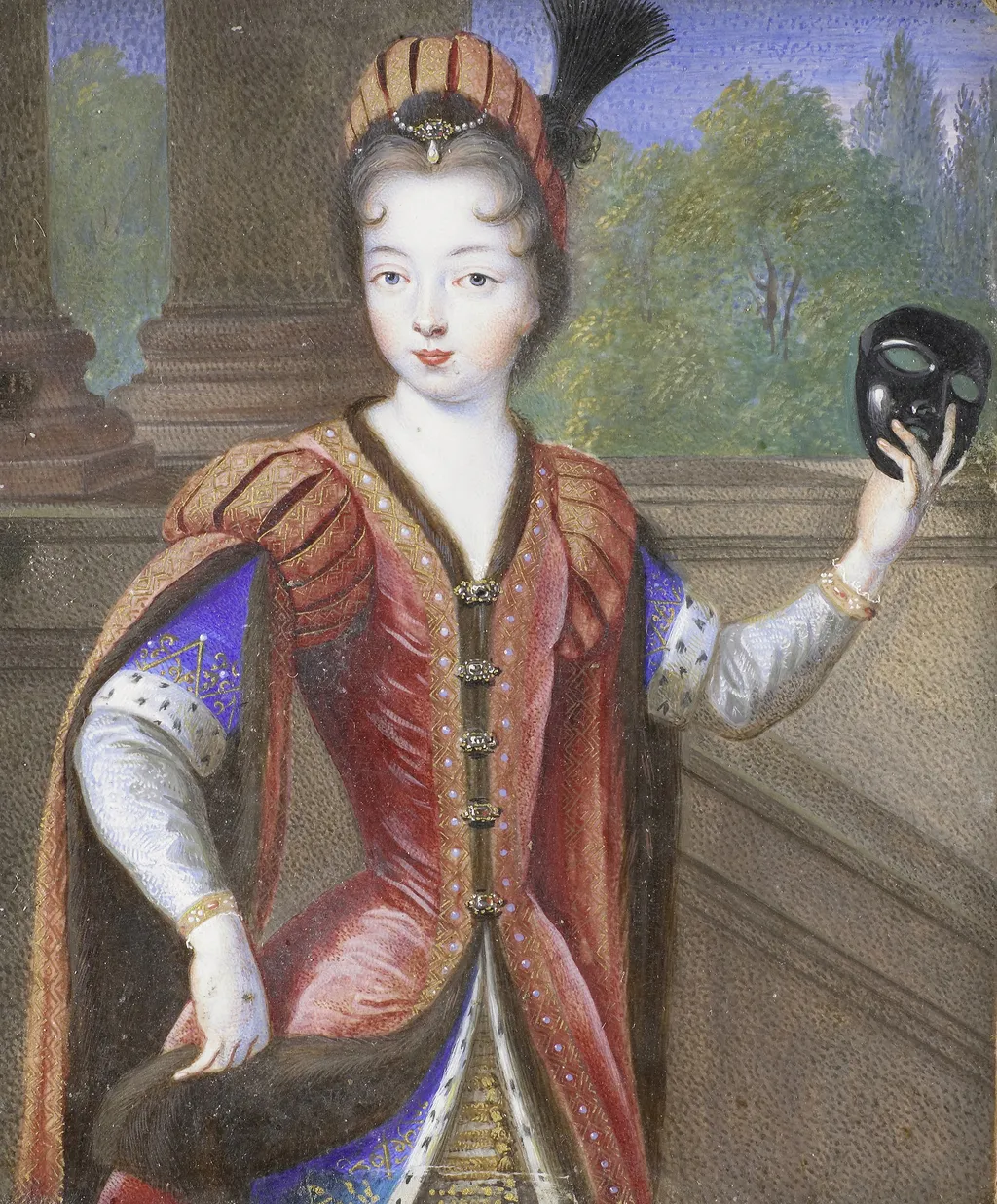
Portret van een jonge vrouw, mogelijk Marguerite van Valois (1553-1615), dochter van Hendrik II is an unspecified painting by Unknown. It dates from 1700 and is held in the collection of the Rijksmuseum.
About this work
Subject & Meaning
The sitter is identified as the possible portrait of Marguerite van Valois, daughter of Henry II, and is classified as a miniature painted on parchment. The work belongs to the genre of miniature and depicts a woman, reflecting the intimate portraiture typical of the period. Its iconography aligns with representations of noblewomen in Dutch art, emphasizing status and lineage.
Technique & Style
Stylistically, the piece belongs to the miniature genre, emphasizing fine detail and a restrained palette that highlights the sitter’s presence.
The work is executed on parchment, a support commonly used for miniature paintings, and measures 9.2 cm by 7.7 cm. Its handling reflects the careful treatment typical of delicate supports, preserving surface integrity. Stylistically, the piece belongs to the miniature genre, emphasizing fine detail and a restrained palette that highlights the sitter’s presence. The formal qualities reveal a precise composition with subtle tonal modeling, characteristic of early 18th‑century portrait miniatures.
Overview
The work is a portrait of a young woman rendered on parchment, depicting her in a vivid red dress trimmed with gold, puffed sleeves, and a feathered headdress. She holds a black mask in one hand and a small white object in the other, set against a garden scene with trees and a stone wall.
History & Provenance
Created on parchment, the piece likely originated in a courtly setting where such luxurious materials were accessible. Its association with the Valois lineage suggests it may have been part of a private collection, though specific ownership records are not documented.
Context
The portrait reflects the fashion and artistic conventions of mid‑16th‑century French aristocracy, where elaborate dress, ornamental accessories, and symbolic objects were used to convey status and personal identity within a cultivated visual language.
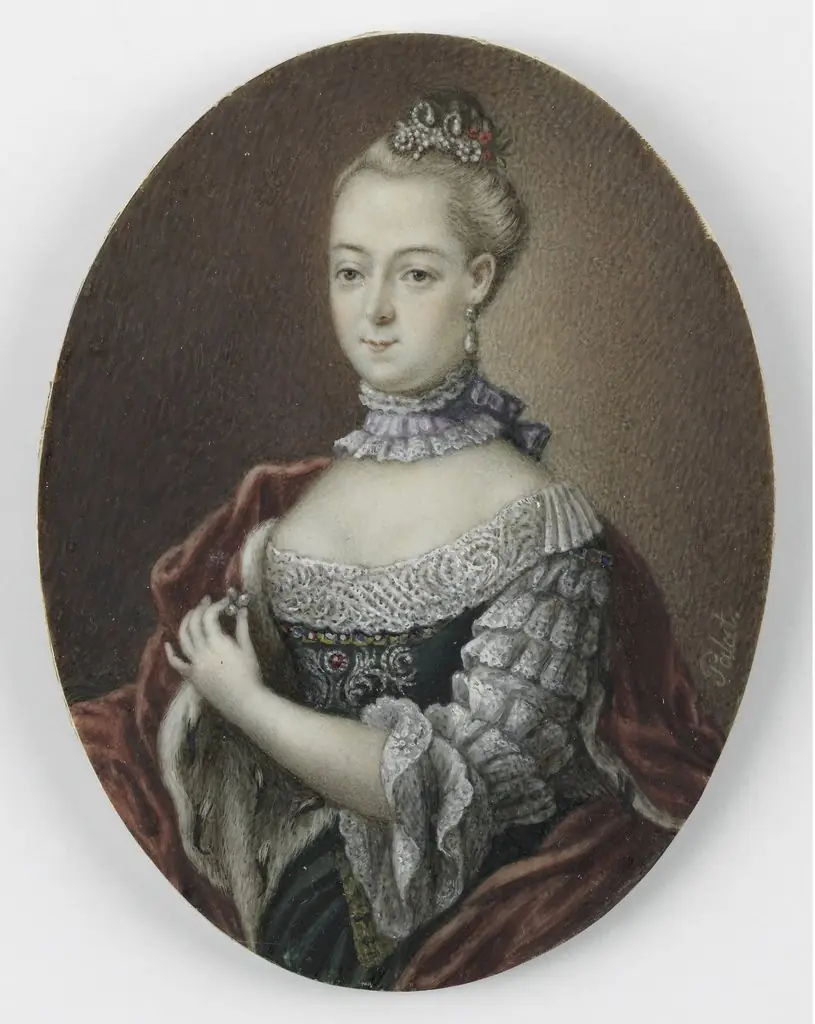
Artist & collection









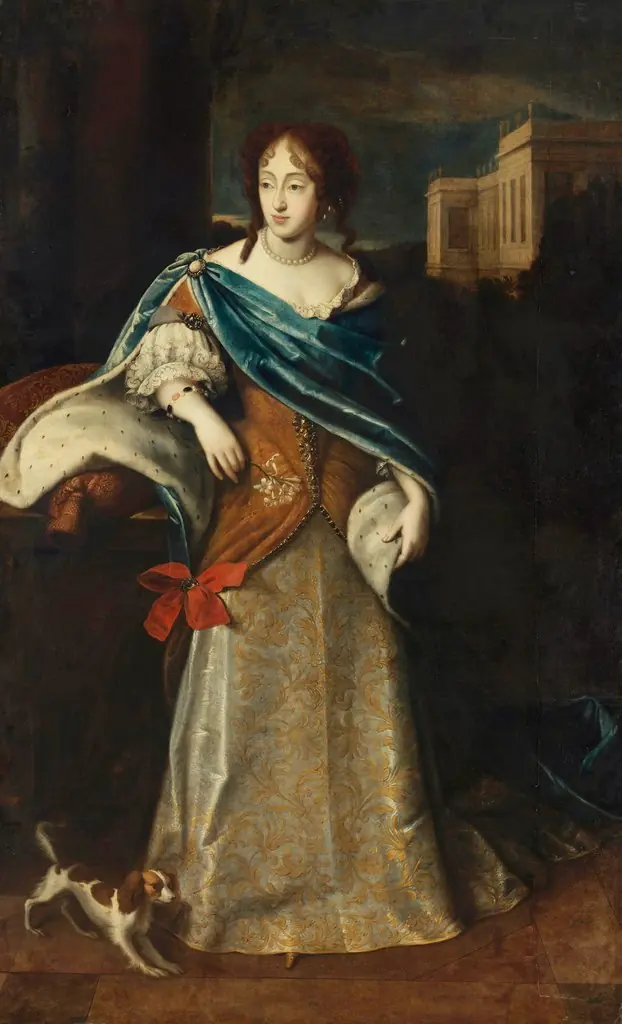 Henriette Adelaide
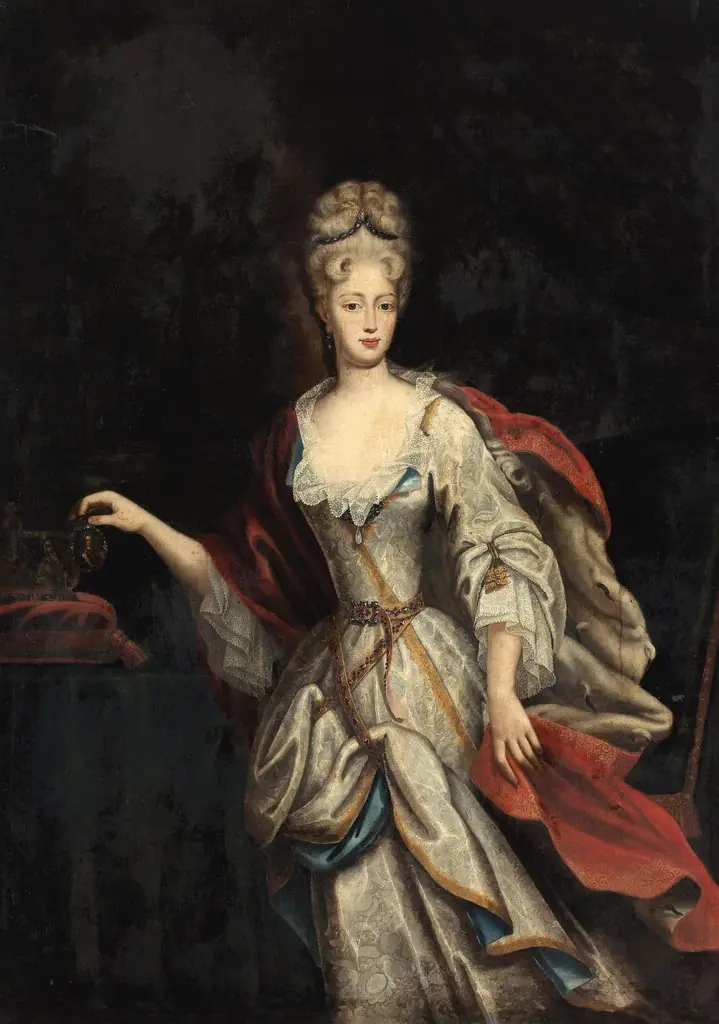 Bildnis einer Fürstin
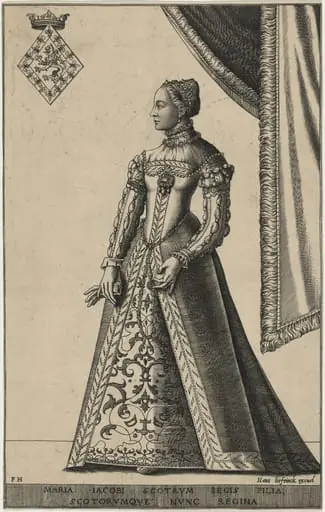 Mary, Queen of Scots
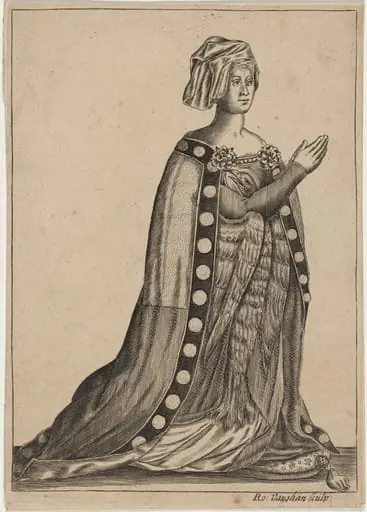 The Lady of Rochford
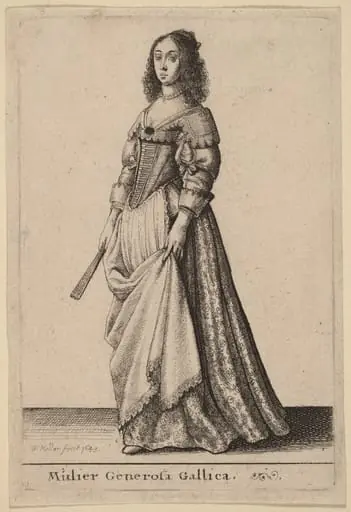 Mulier Generosa Gallica
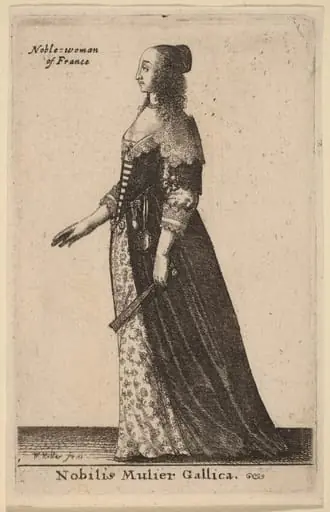 Nobilis Mulier Gallica
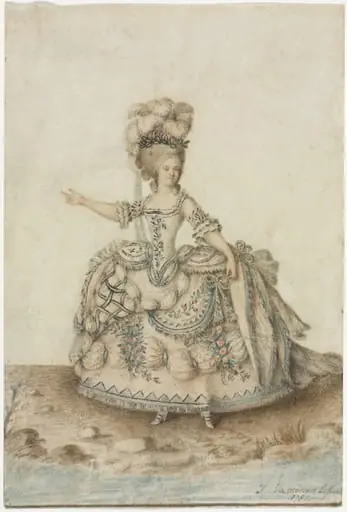 Costume Study for Opera Singer
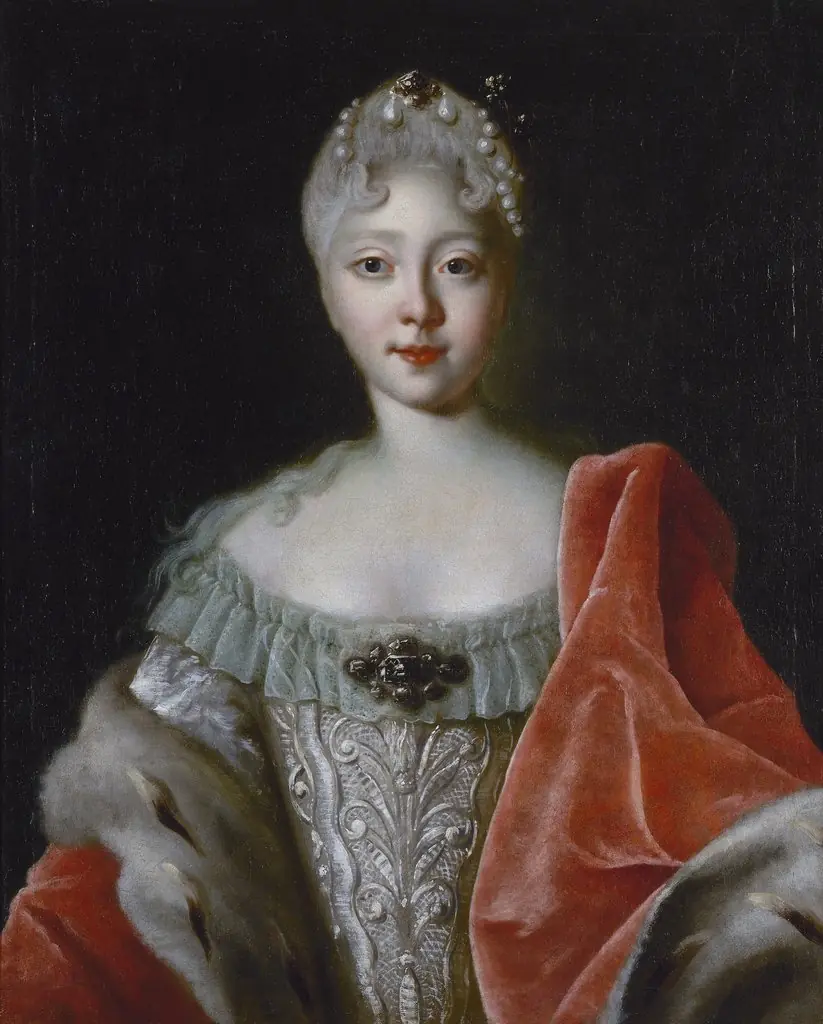 Portrait of Crown Princess Elizabeth Petrovna
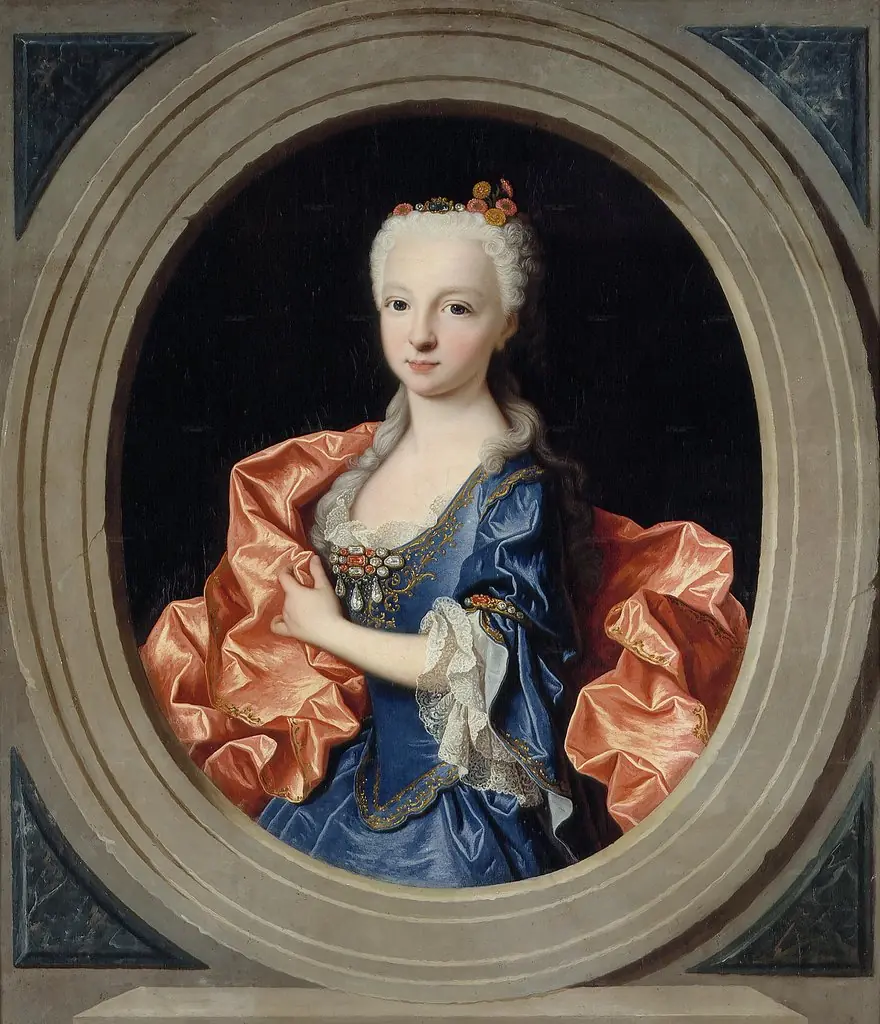 Maria Teresa of Bourbon Infanta of Spain (Future Dauphine of France)
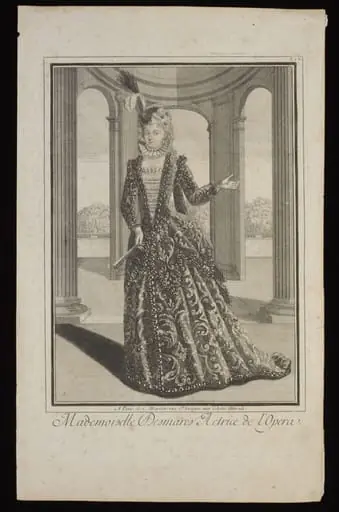 H Beard Print Collection
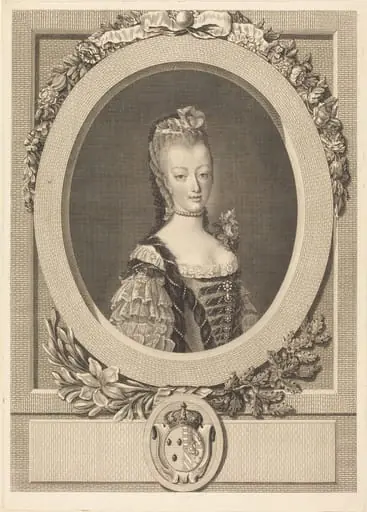 Marie-Antoinette of France
- Frederica Carolina van Brandenburg (1735-91). Dochter van hertog Franz Josias van Saksen Coburg Saalfeld