Artwork
Roundel with Annunciation to the Virgin
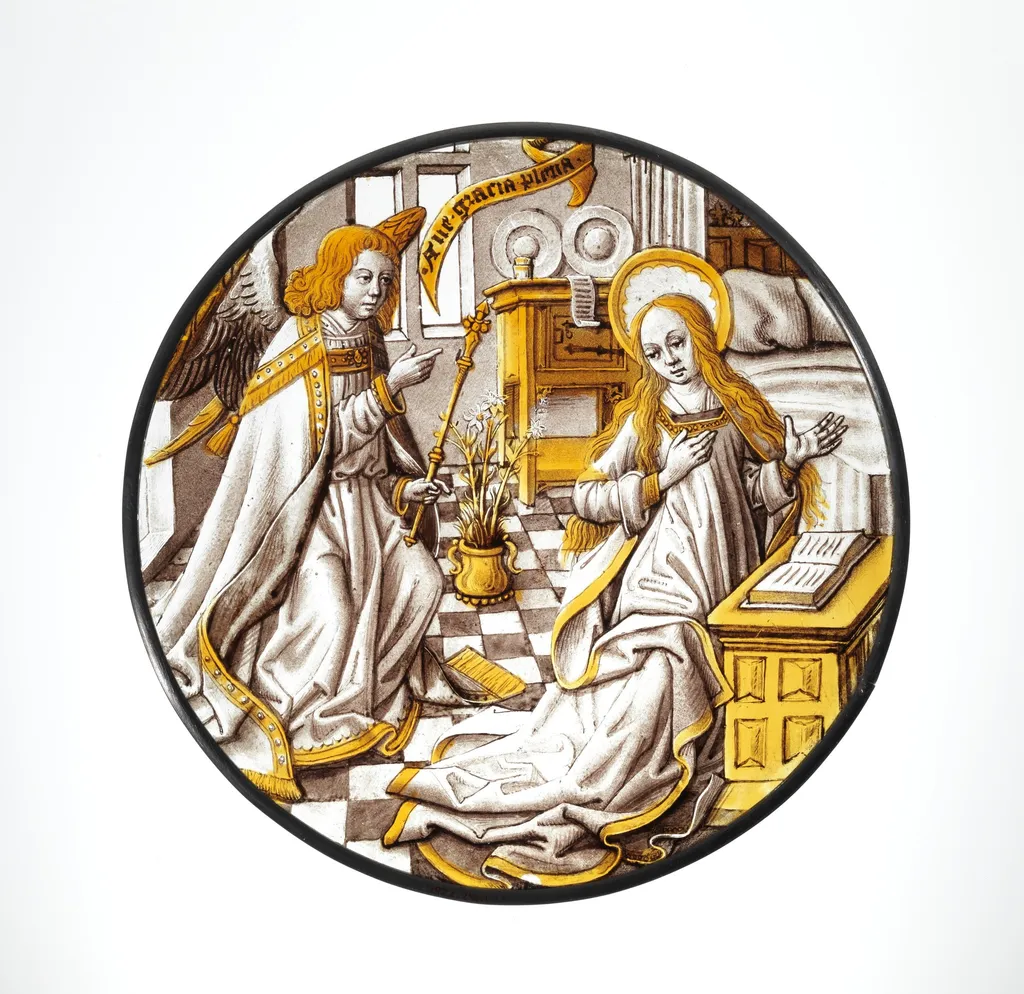
Roundel with Annunciation to the Virgin is an unspecified painting. It dates from 1505 and is held in the collection of the Metropolitan Museum of Art. This circular painting portrays a pivotal religious event within a domestic setting.
About this work
Subject & Meaning
The roundel illustrates the biblical moment of the Annunciation, showing the Virgin Mary within a modest interior as an angelic messenger appears.
The roundel illustrates the biblical moment of the Annunciation, showing the Virgin Mary within a modest interior as an angelic messenger appears. Its iconography includes the angel, the Virgin, and a domestic setting, all typical elements of early sixteenth‑century religious imagery. By concentrating on this private devotional scene, the work emphasizes the moment of divine revelation and the humility of Mary, reflecting the theological focus on the Incarnation.
The painting’s provenance in the Metropolitan Museum of Art and its dated creation in 1505 further underscore its significance as an example of contemporary devotional art.
History & Provenance
The Roundel with Annunciation to the Virgin, dated 1505, is held in the collection of the Metropolitan Museum of Art. Its placement within that institution's holdings is documented in the Wikidata record for the work, which lists both the collection and location as the Metropolitan Museum of Art. No specific inventory or accession number is provided in the available sources, and no exhibition history is recorded.
Overview
This circular painting portrays a pivotal religious event within a domestic setting. Two figures occupy a room featuring a tiled floor, rendered with attention to detail. The composition, arranged within a round format, focuses on the interaction between an angelic messenger and a young woman, capturing a moment of profound spiritual significance through their gestures and expressions.
Technique & Style
The painting's circular format, known as a roundel, frames a carefully balanced interior scene. The two principal figures are positioned to create a dynamic yet harmonious interaction: the angel on the left, with his prominent wings and staff, directs attention towards the serene figure of Mary on the right. The background details, including a patterned tiled floor, a wooden cabinet, and a hanging banner, contribute to the sense of a believable domestic space.
Artist & collection

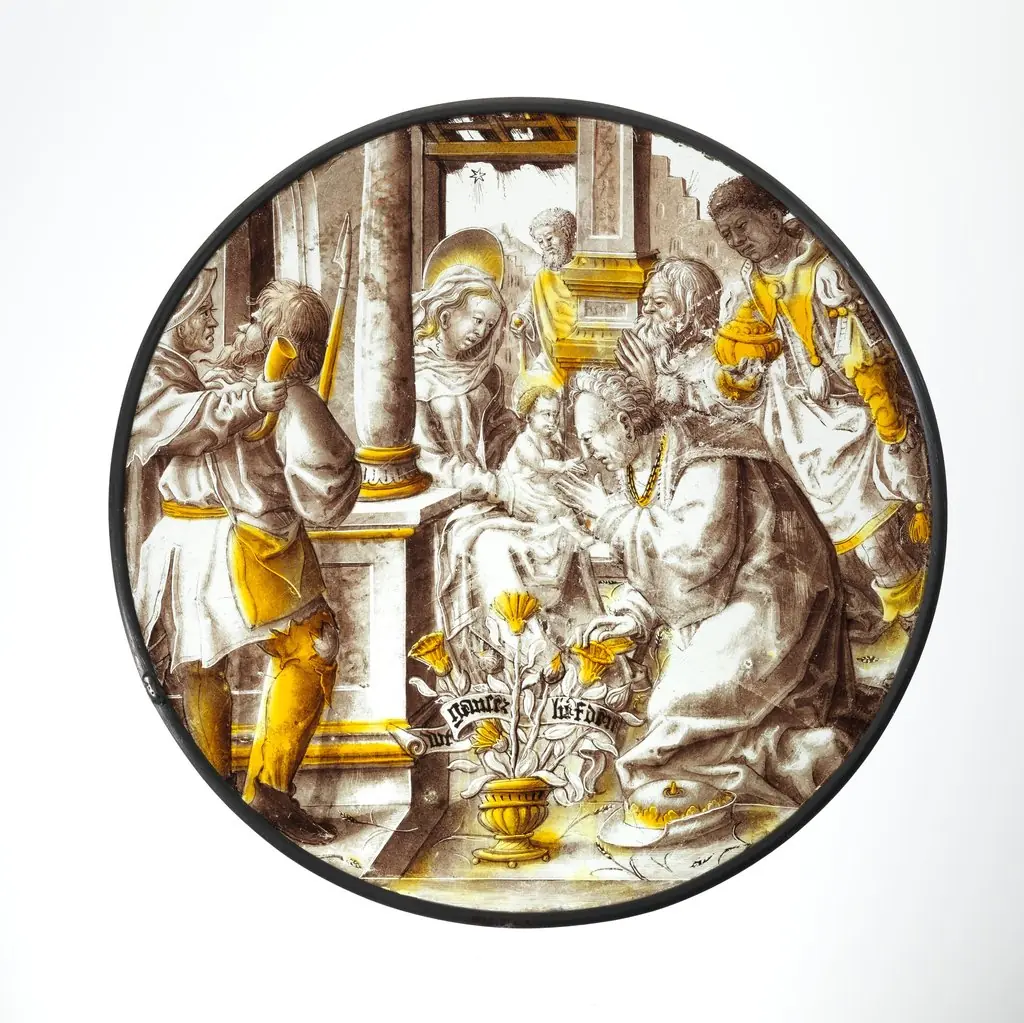
- Roundel with Adoration of the Kings
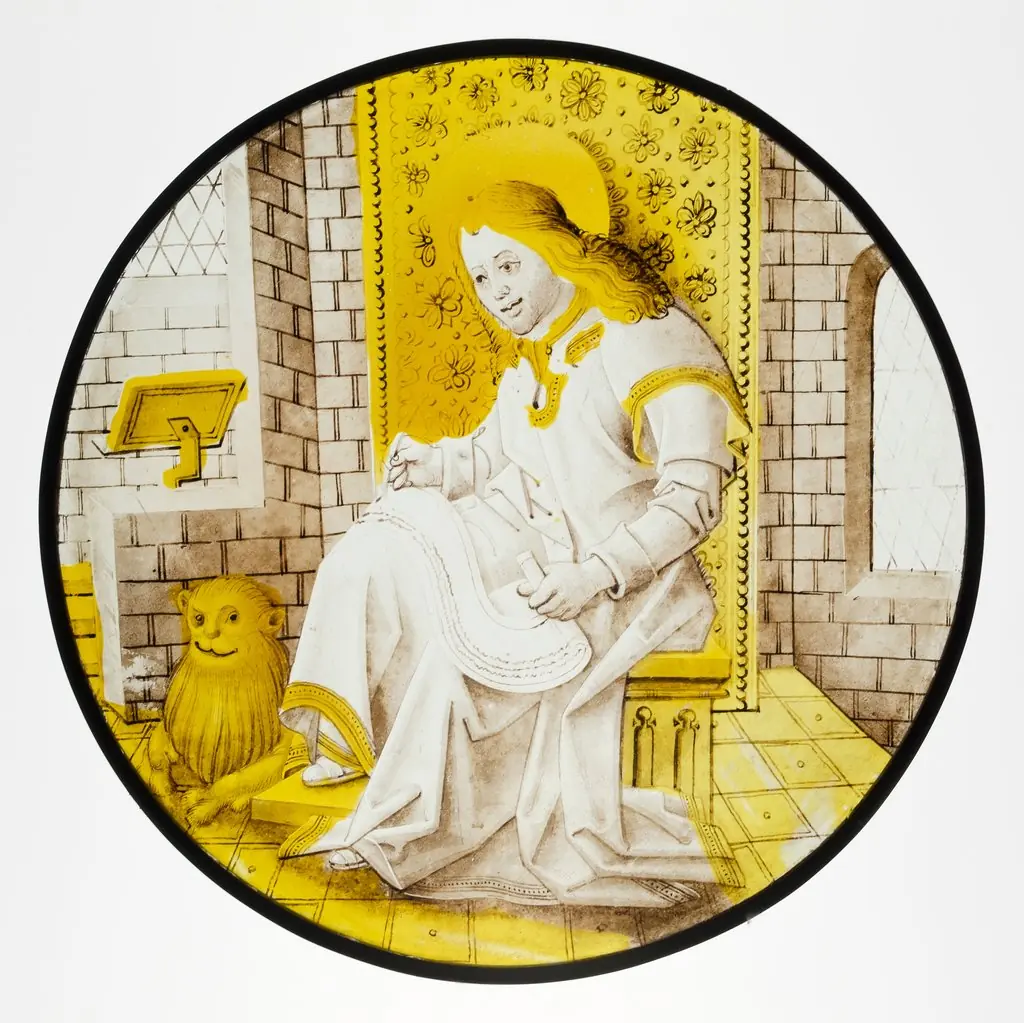 Roundel with Saint Mark
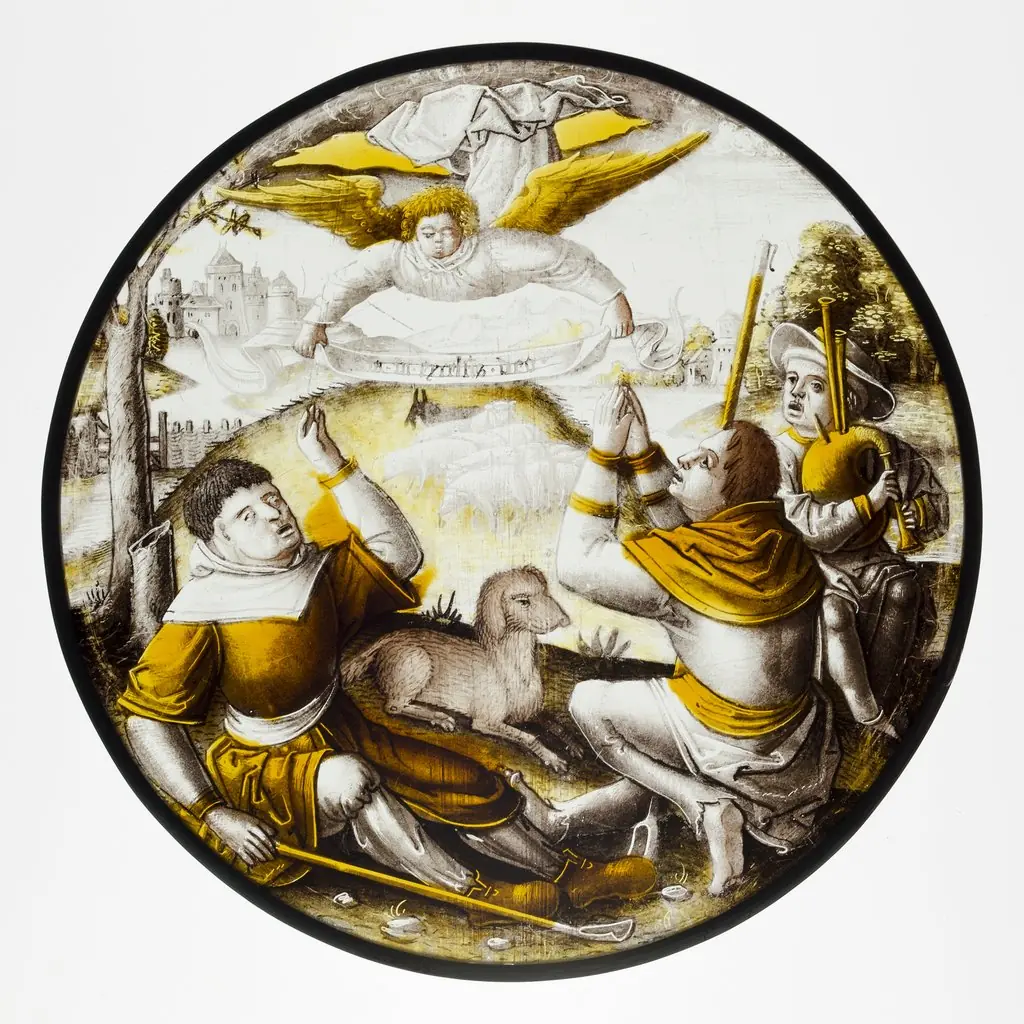 Roundel with Annunciation to the Shepherds
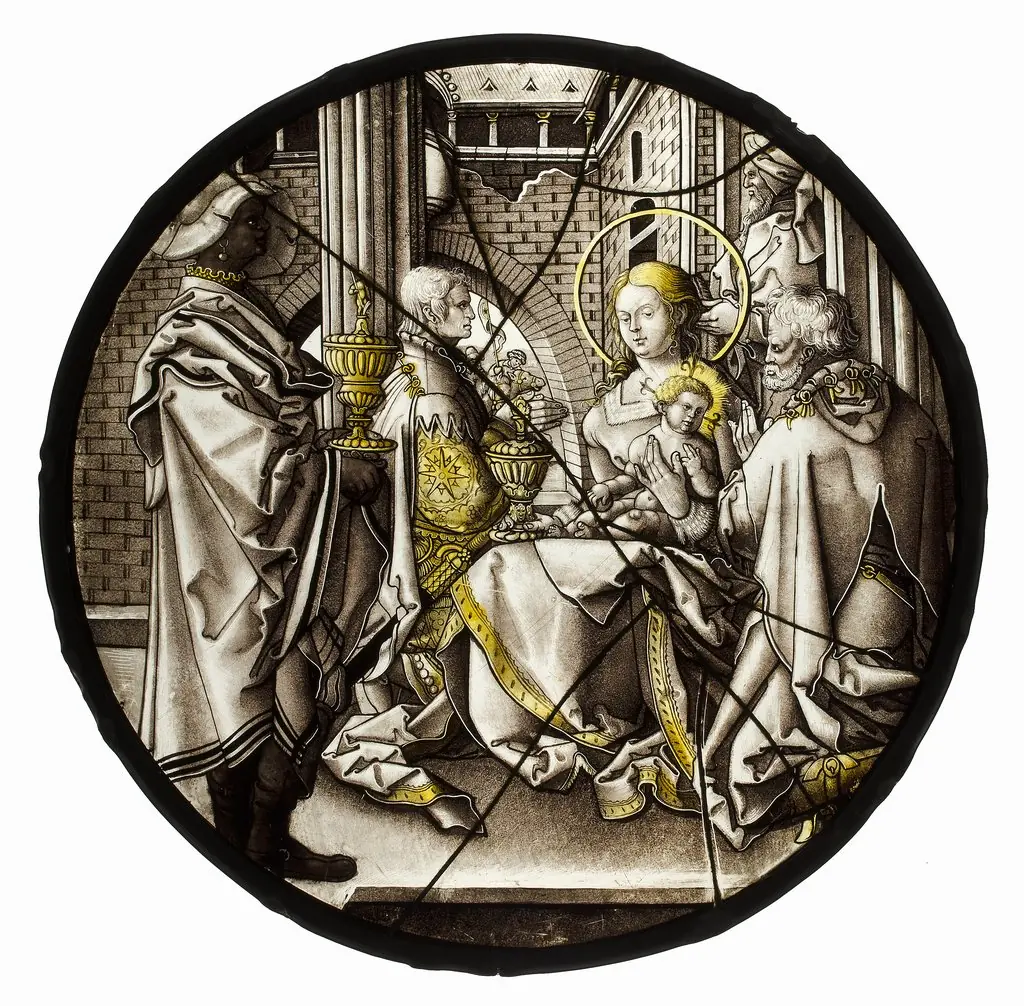 Roundel with Adoration of the Magi
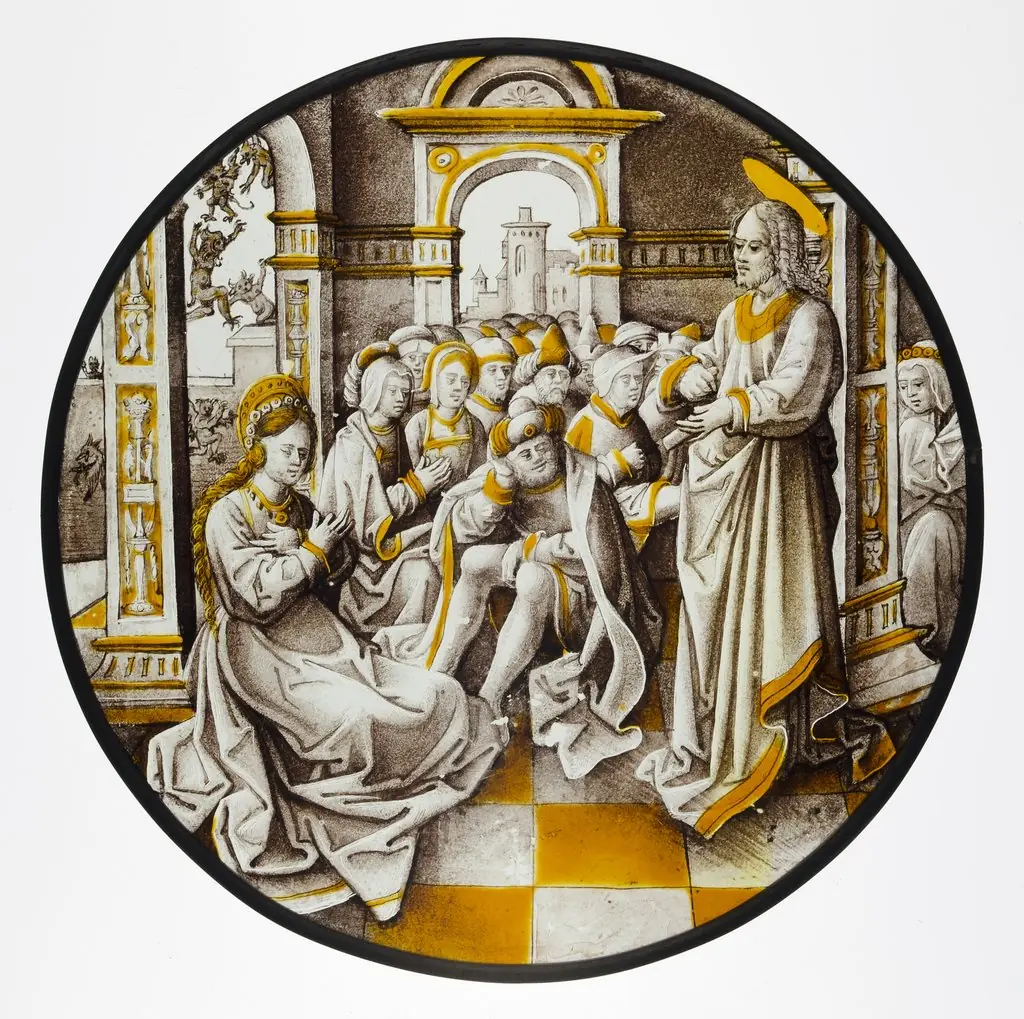 Roundel with Christ and the Adulterous Woman
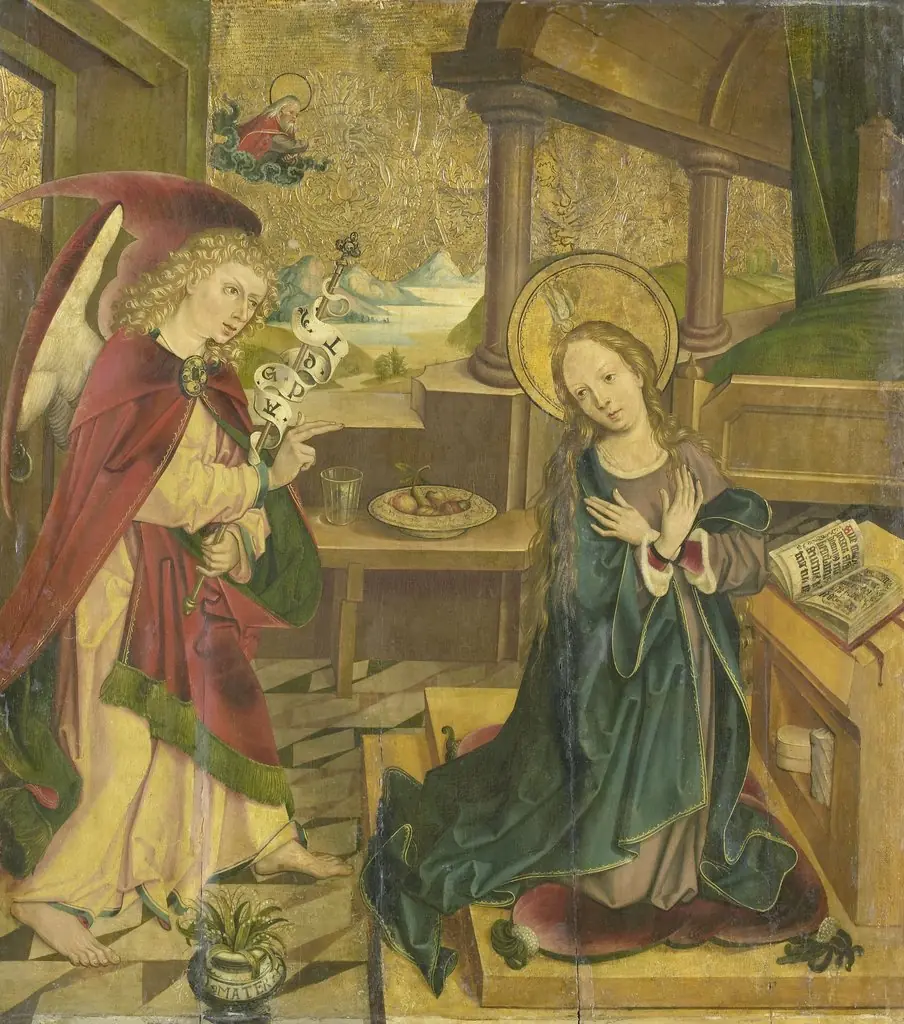 Annunciation to the Virgin
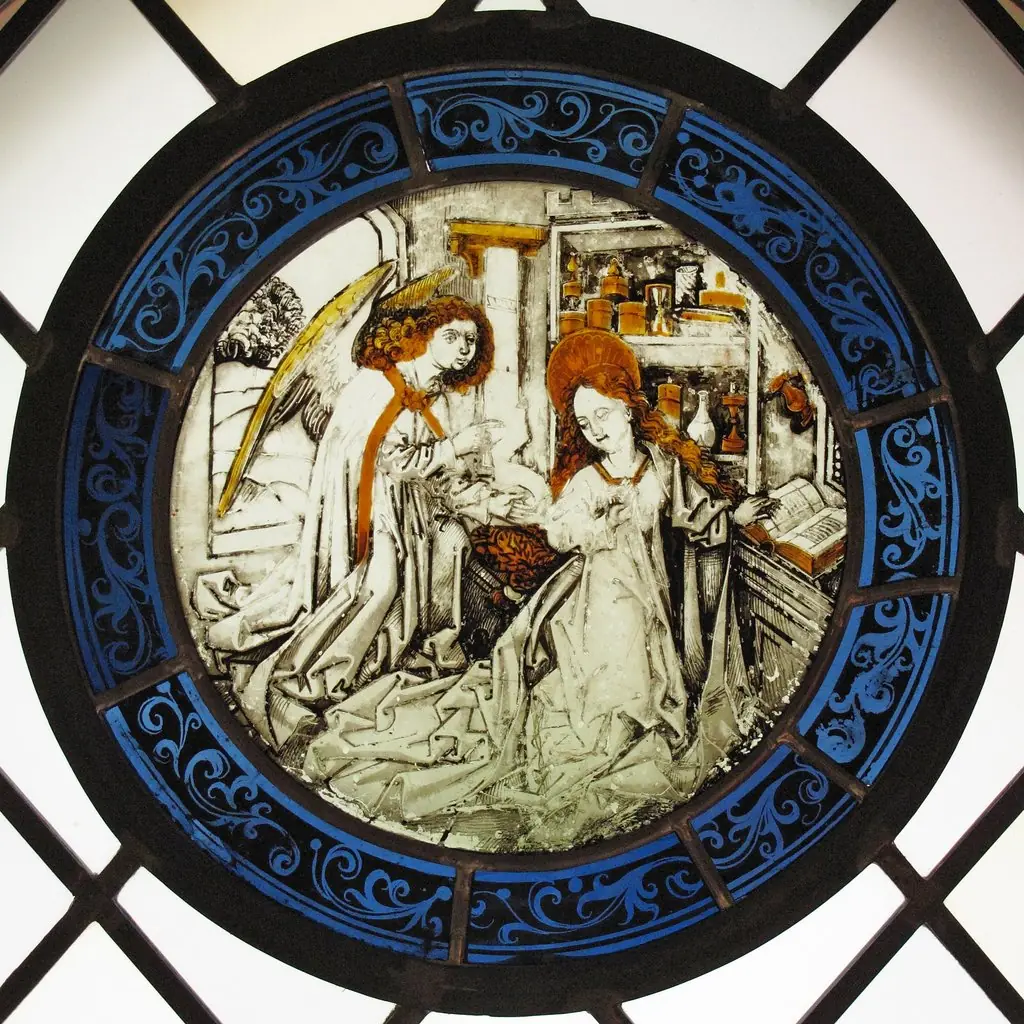 Roundel with the Annunciation
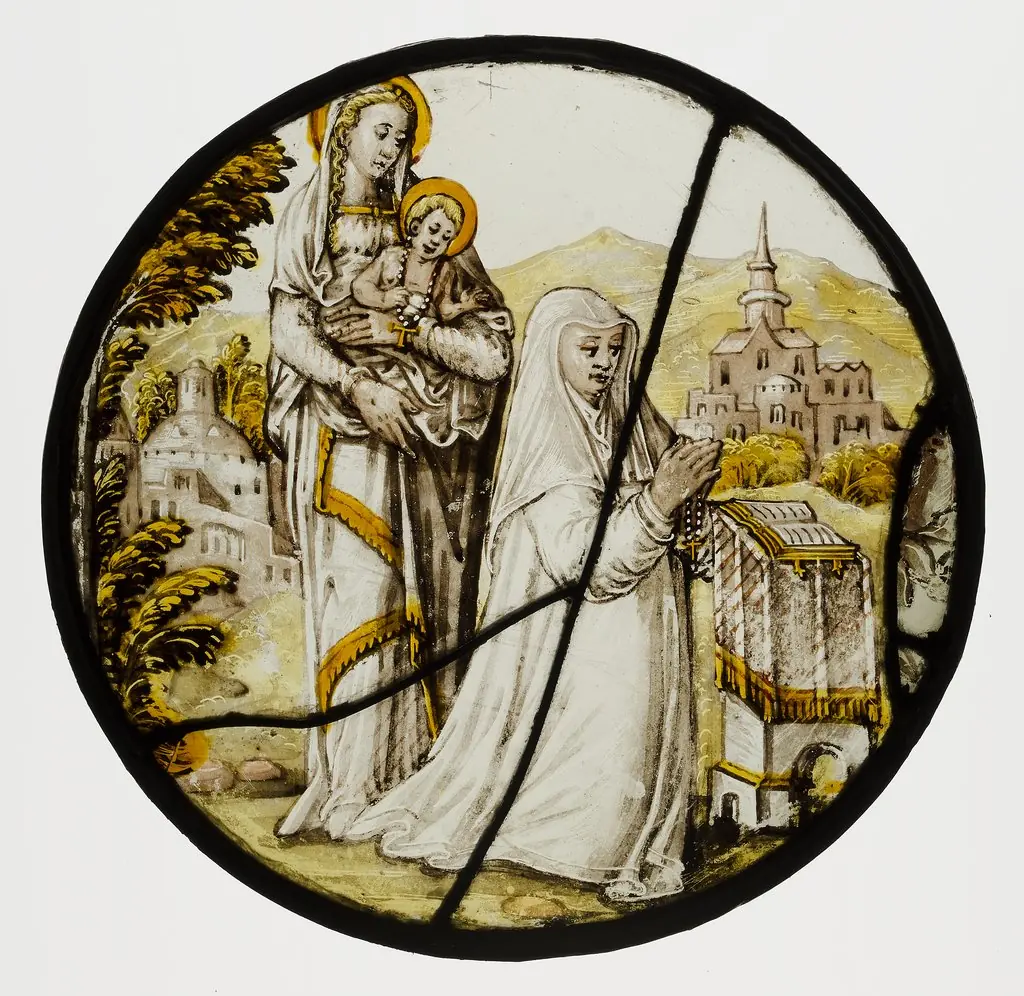 Roundel with Virgin and Child and a Carmelite Donatrix
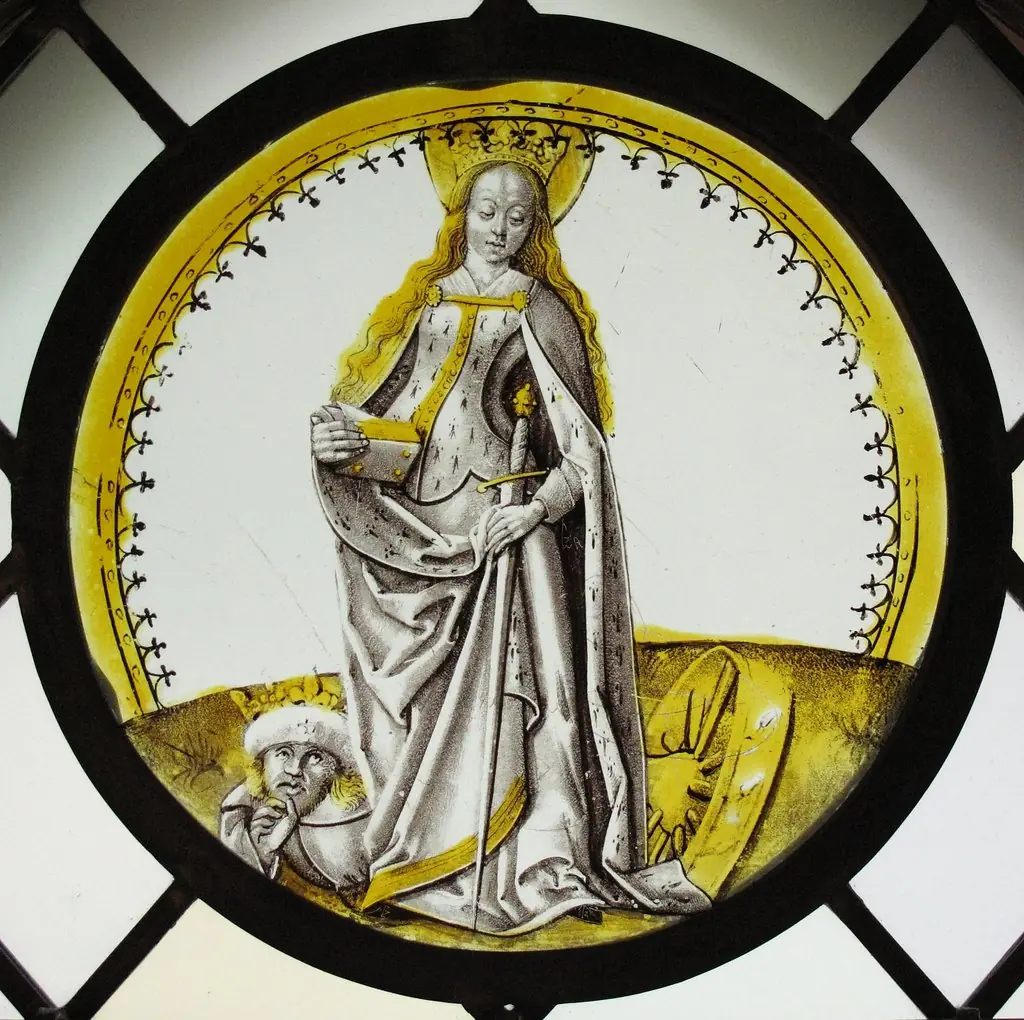 Roundel with Saint Catherine of Alexandria
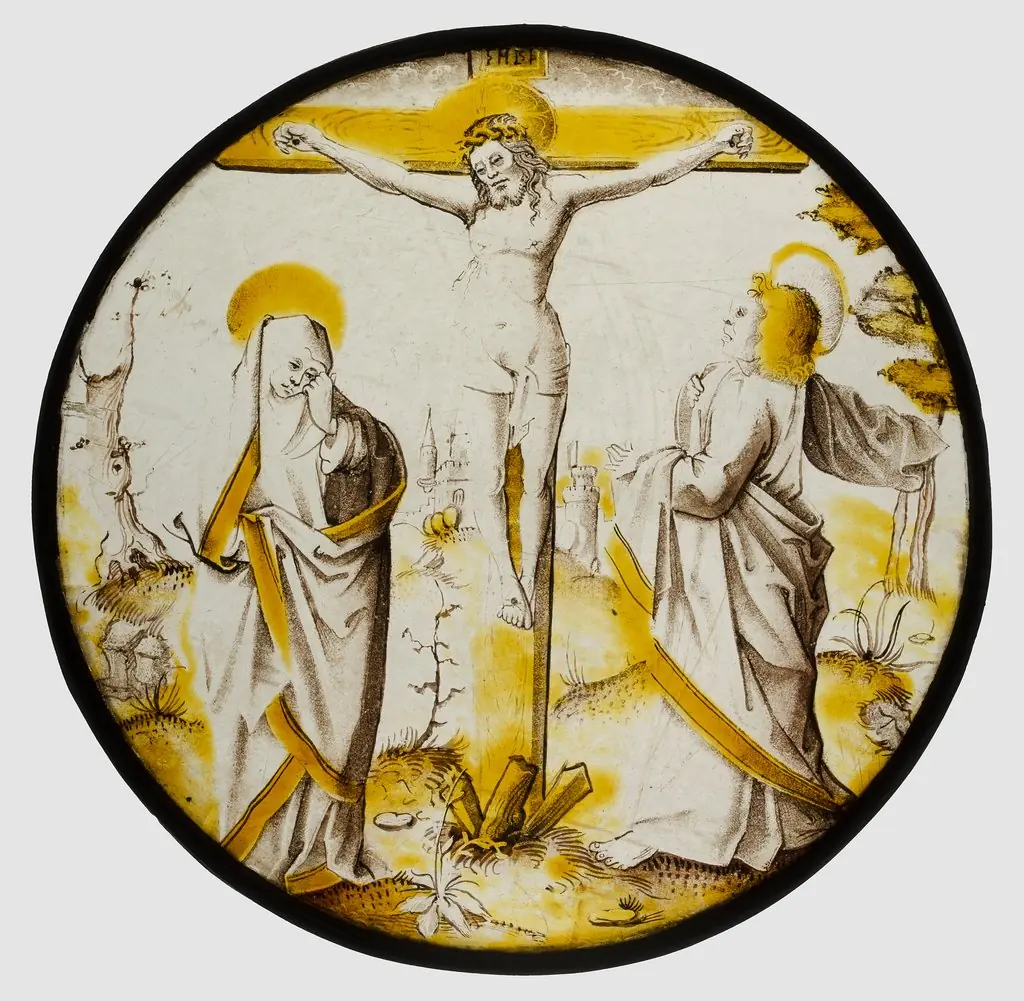 Roundel with the Crucifixion, the Virgin, and Saint John
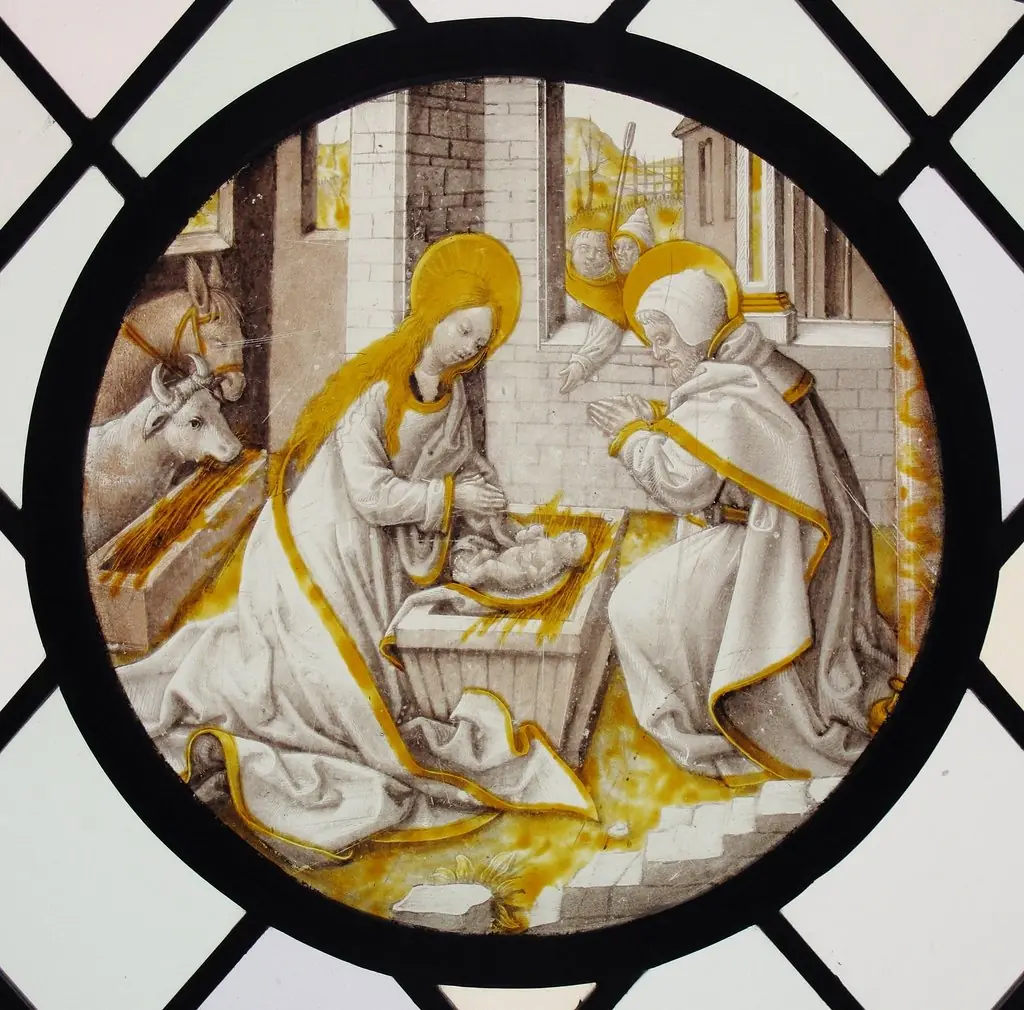 Roundel with the Nativity
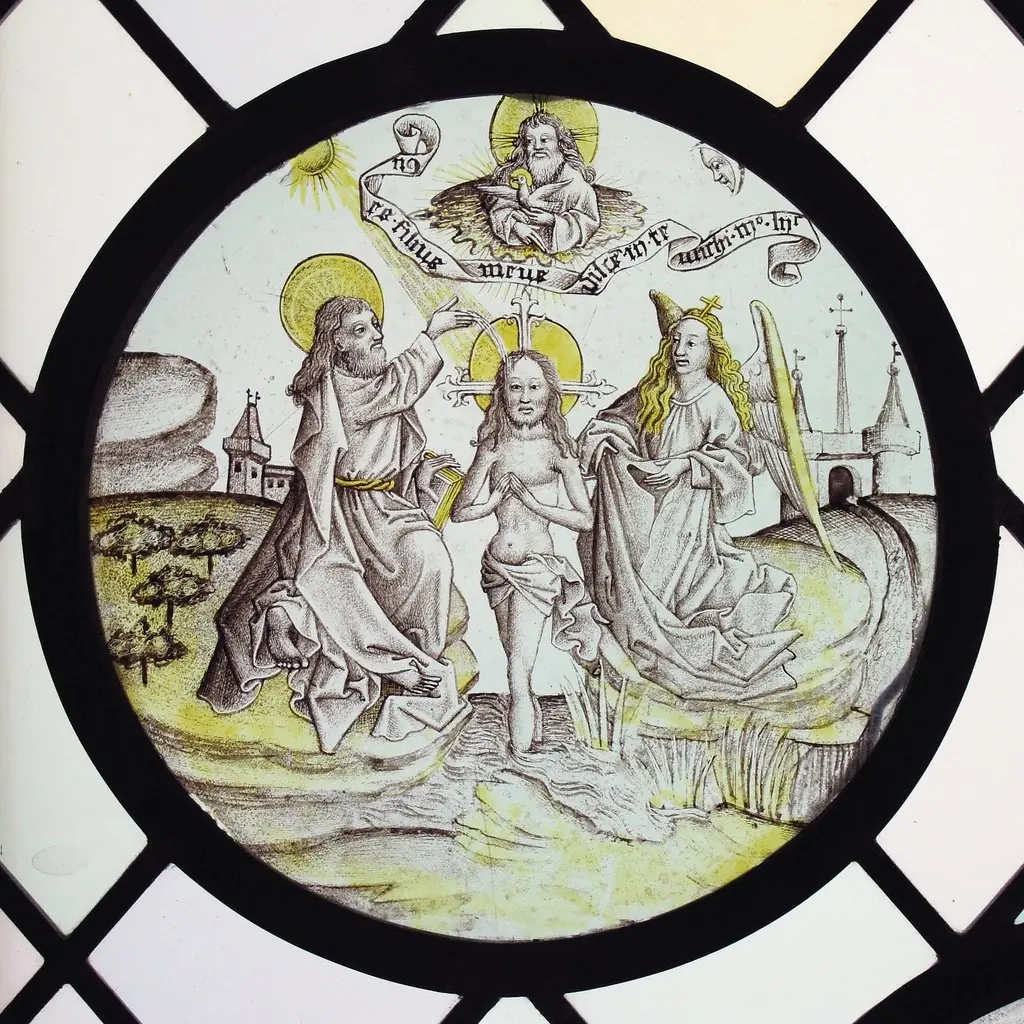 Roundel with the Baptism of Christ