Artwork
Roundel with Justice
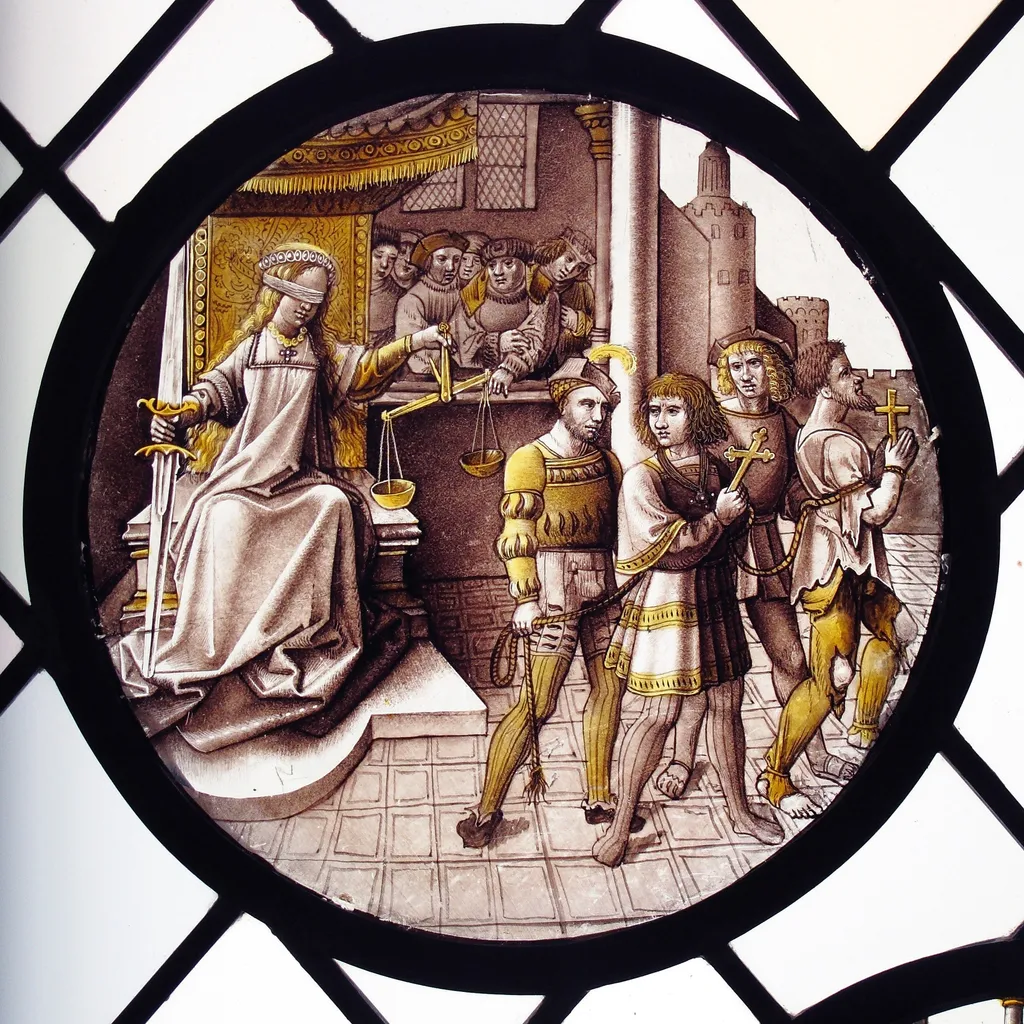
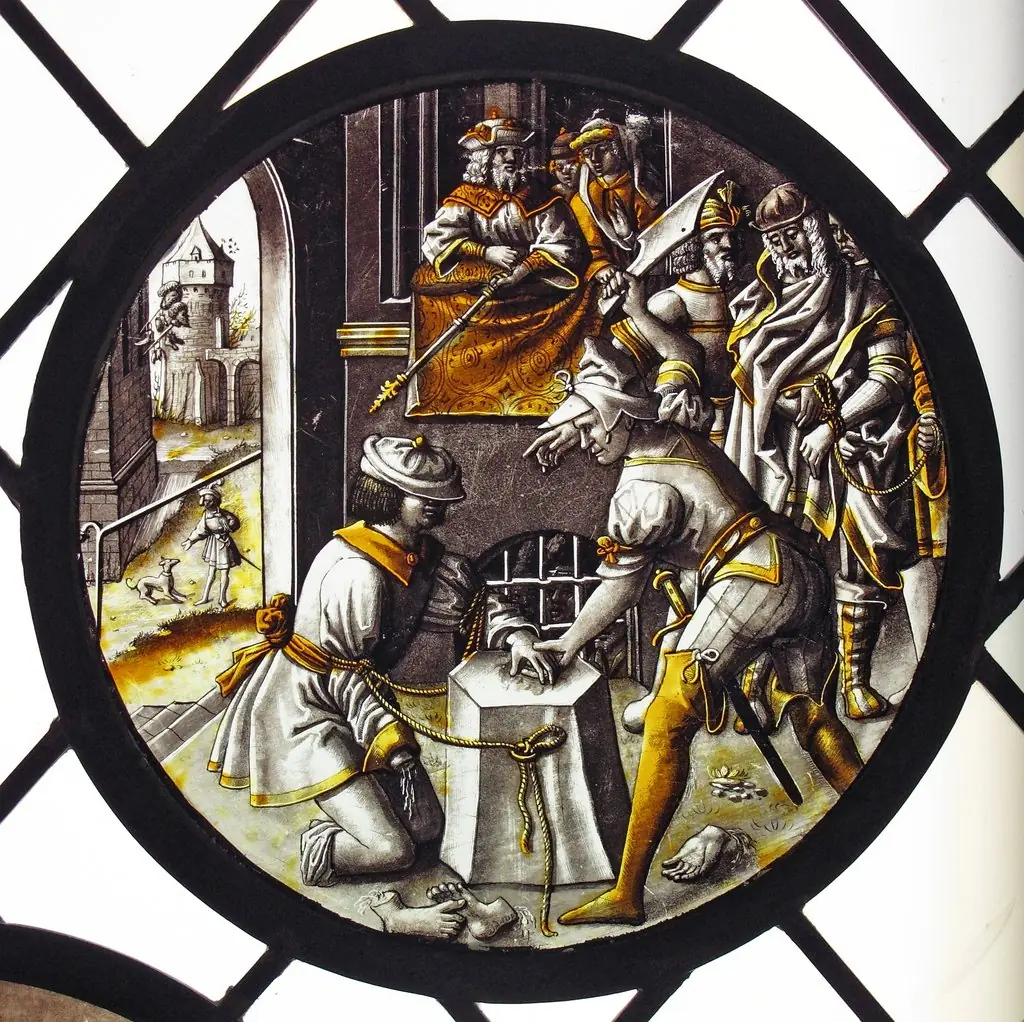
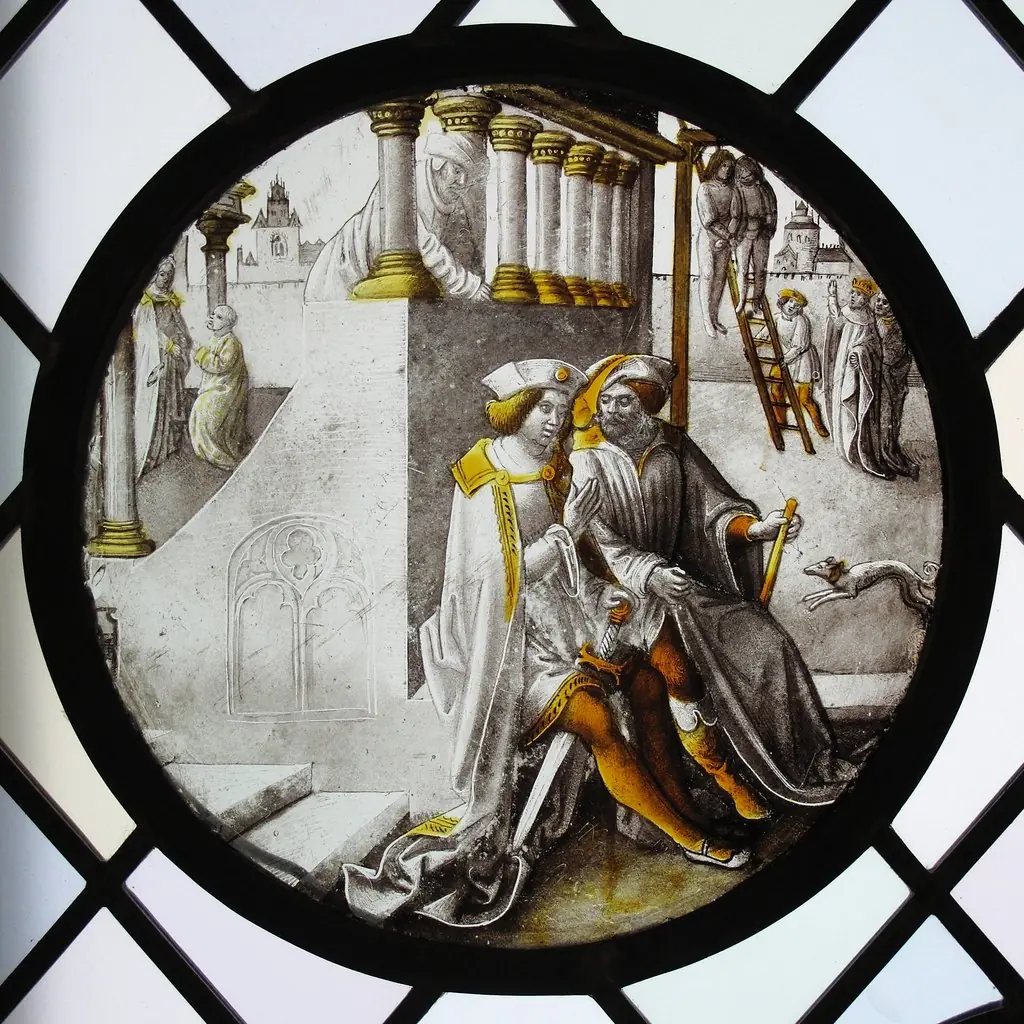
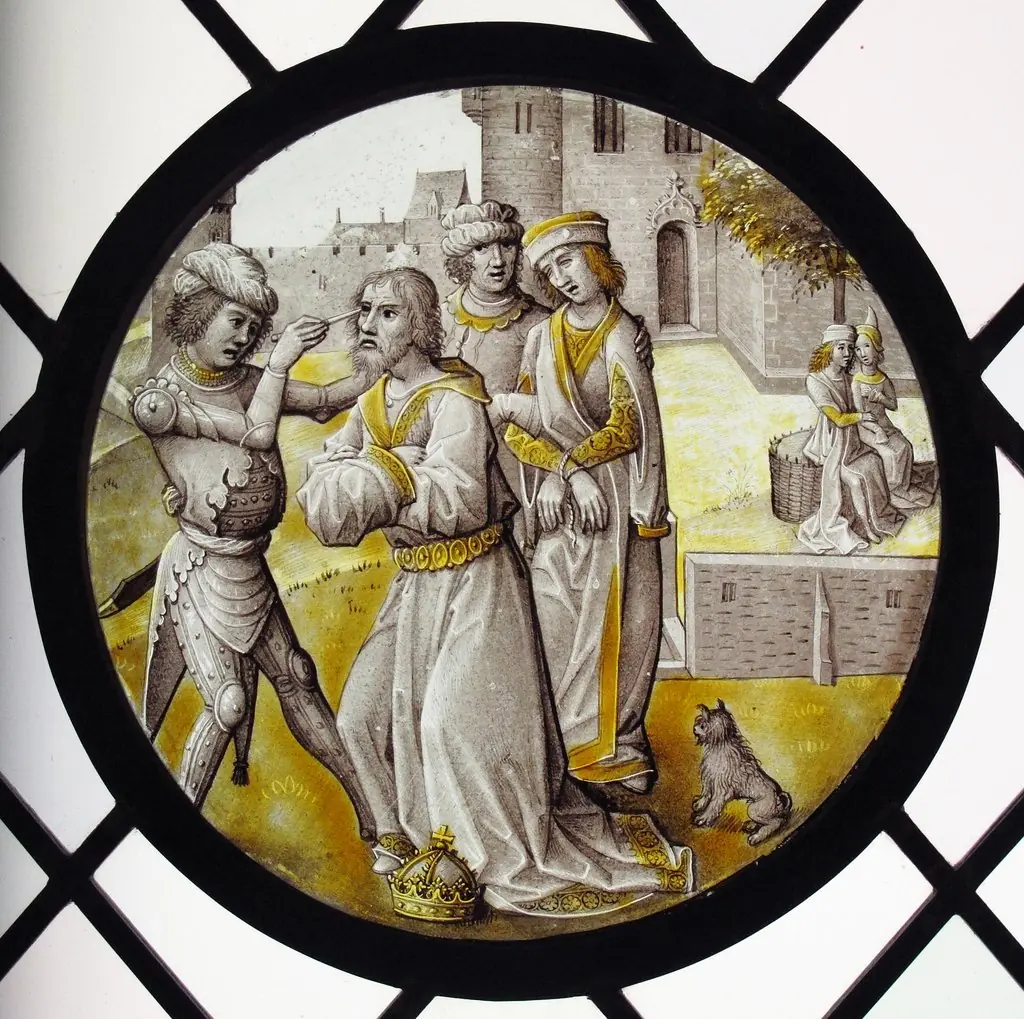
Roundel with Justice is an unspecified painting. It dates from 1510 and is held in the collection of the Metropolitan Museum of Art. This circular painting depicts a scene of judgment, set against a backdrop resembling a throne room with gold curtains and a tiled floor.
About this work
Technique & Style
5 cm in diameter and depicts the figure of Justice within a round compositional format typical of devotional roundels of the period.
The work is executed as an oil painting on wood panel and is attributed to an anonymous hand active in the early sixteenth century. It measures 67.5 cm in diameter and depicts the figure of Justice within a round compositional format typical of devotional roundels of the period. The stylistic analysis notes a restrained palette and delicate modeling of the sitter’s features, reflecting the influence of early Northern Renaissance visual language.
The surface condition is stable, with only minor craquelure along the edges consistent with age, and the handling history records its inclusion in the Metropolitan Museum of Art collection since 1952.
History & Provenance
The painting known as Roundel with Justice is held in the collection of the Metropolitan Museum of Art. Created in 1510, the work is attributed to an anonymous artist and depicts a woman. The available records confirm its location at this institution but do not provide a specific inventory or accession number. Furthermore, no details regarding the exhibition history of this roundel are included in the current documentation.
Overview
This circular painting depicts a scene of judgment, set against a backdrop resembling a throne room with gold curtains and a tiled floor. The dominant figure is a seated woman, symbolizing justice, accompanied by a group of five standing men and the attribute of a precariously balanced set of scales.
Subject & Meaning
The central woman, holding a sword, embodies the concept of Justice. The slightly tipped scales in front of her suggest the complexity and delicacy of fairness. The five men, some with crosses and others with varied expressions, may represent the judged or aspects of moral consideration.
Context
The themes of justice and morality, as depicted, reflect common allegorical subjects in European art, particularly in periods emphasizing moral and philosophical themes.
Artist & collection

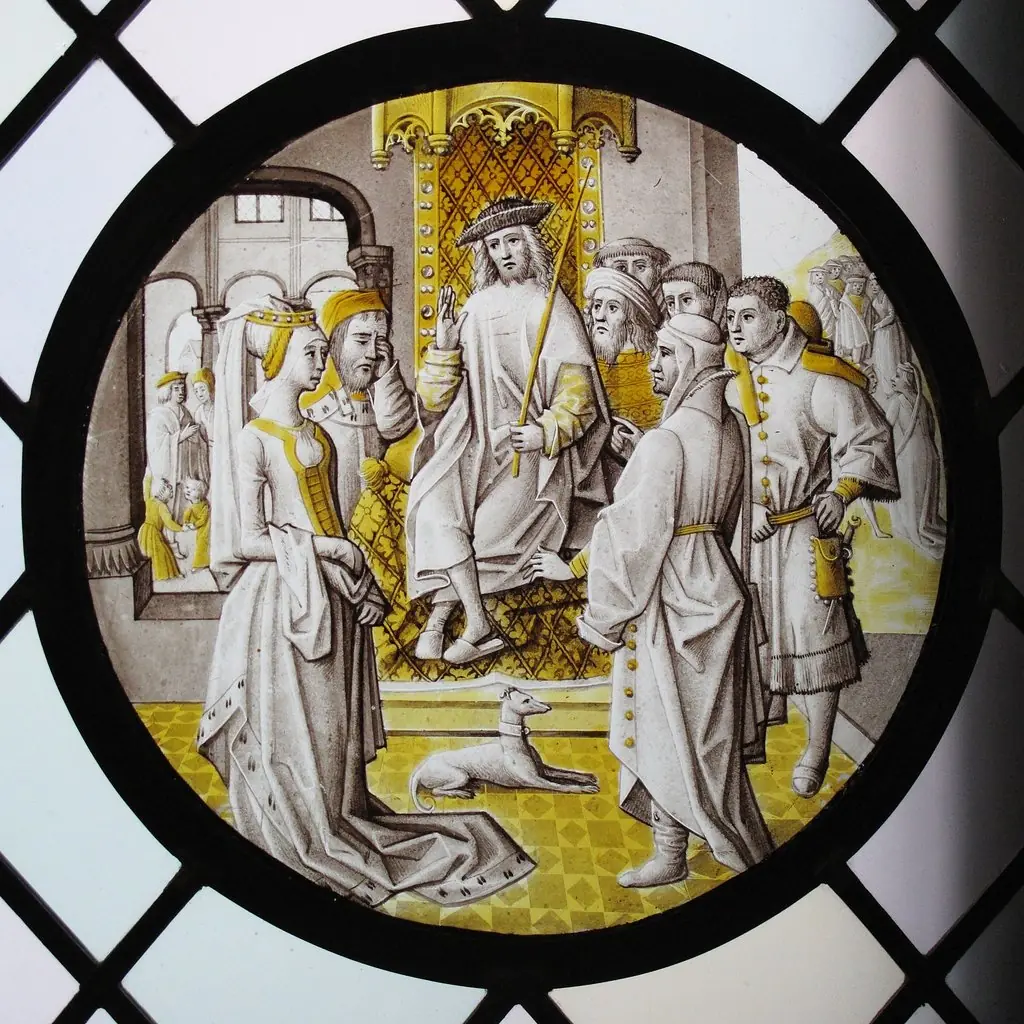
- Roundel with Susanna In Judgement
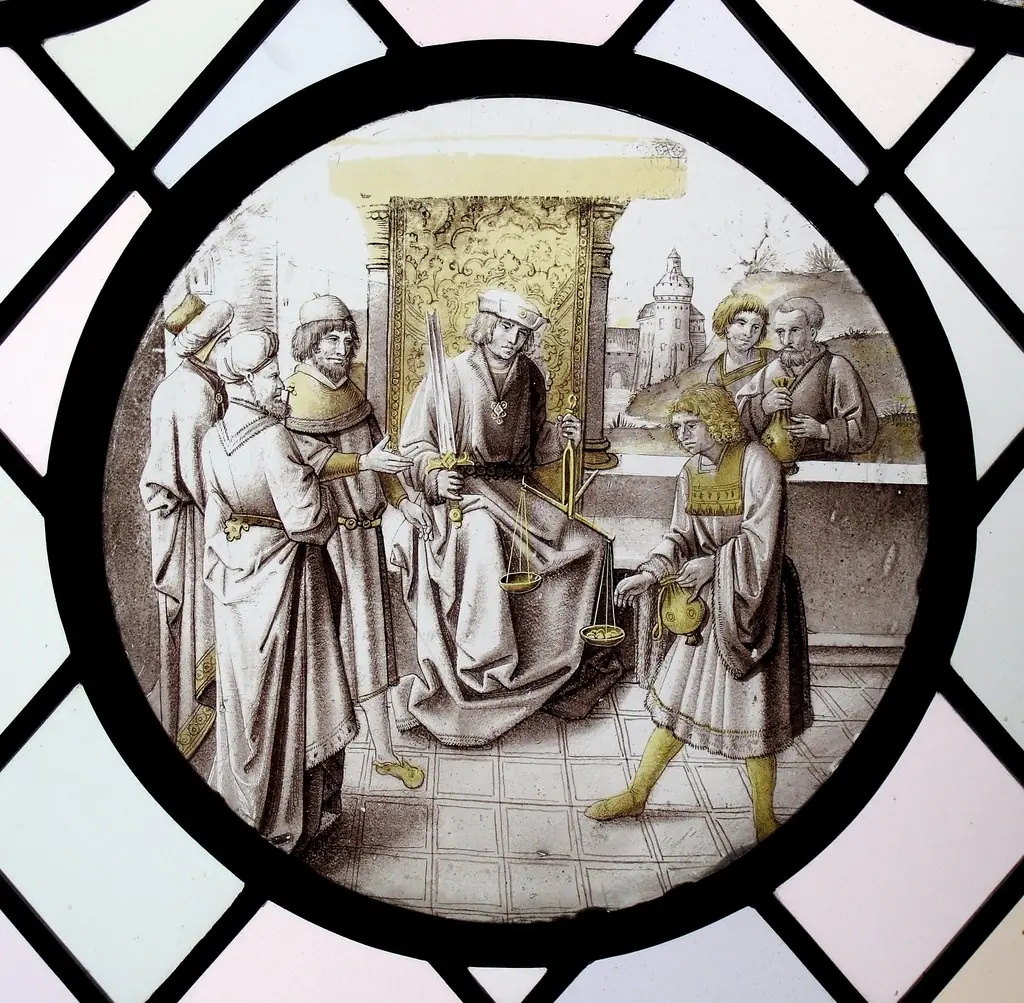 Roundel with Judgment or Allegorical Scene
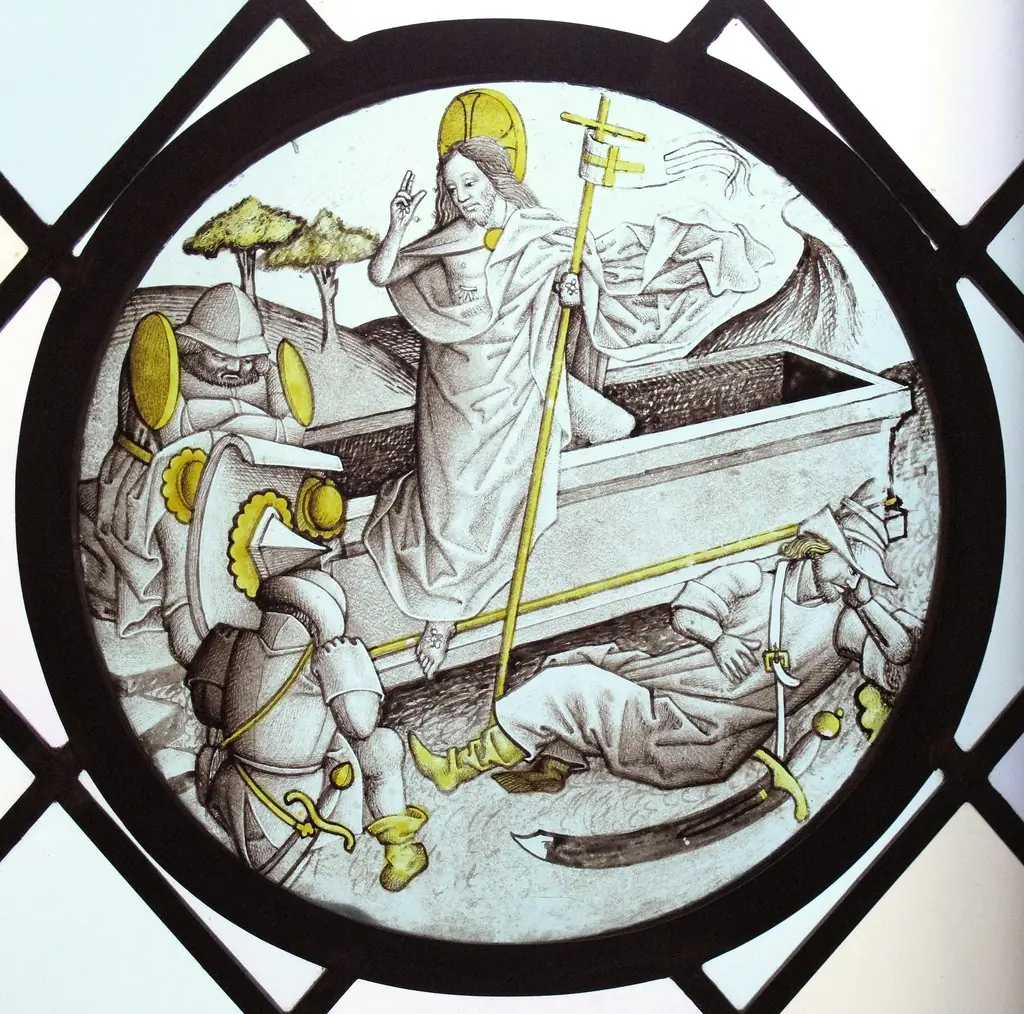 Roundel with the Resurrection
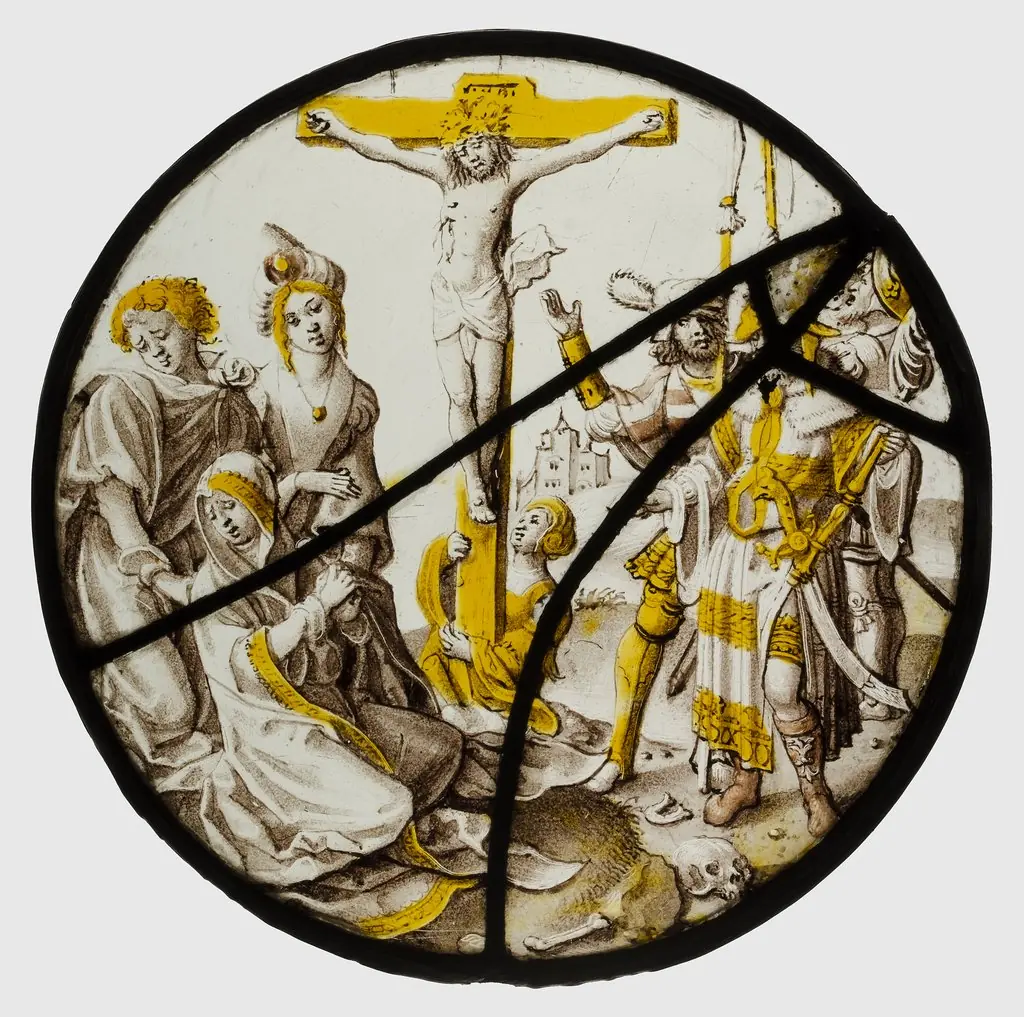 Roundel with the Crucifixion
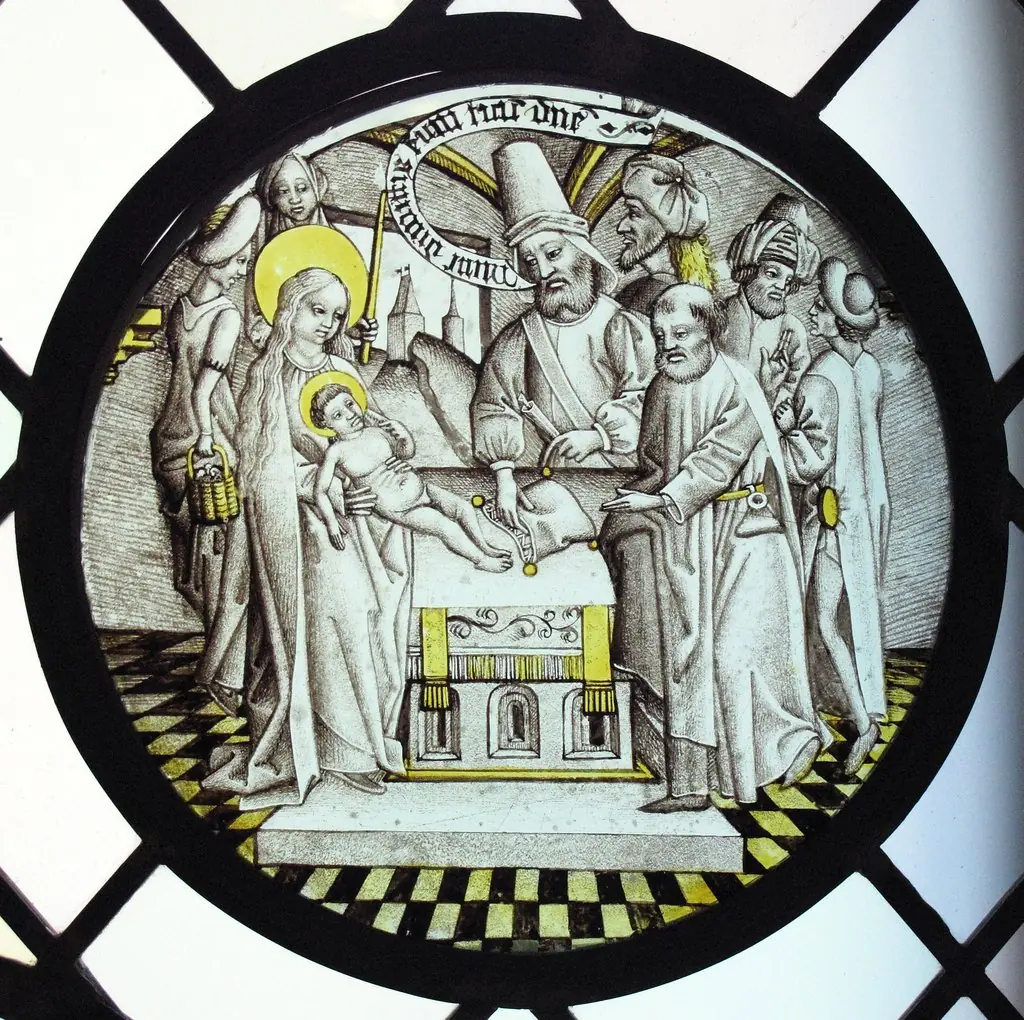 Roundel with the Circumcision
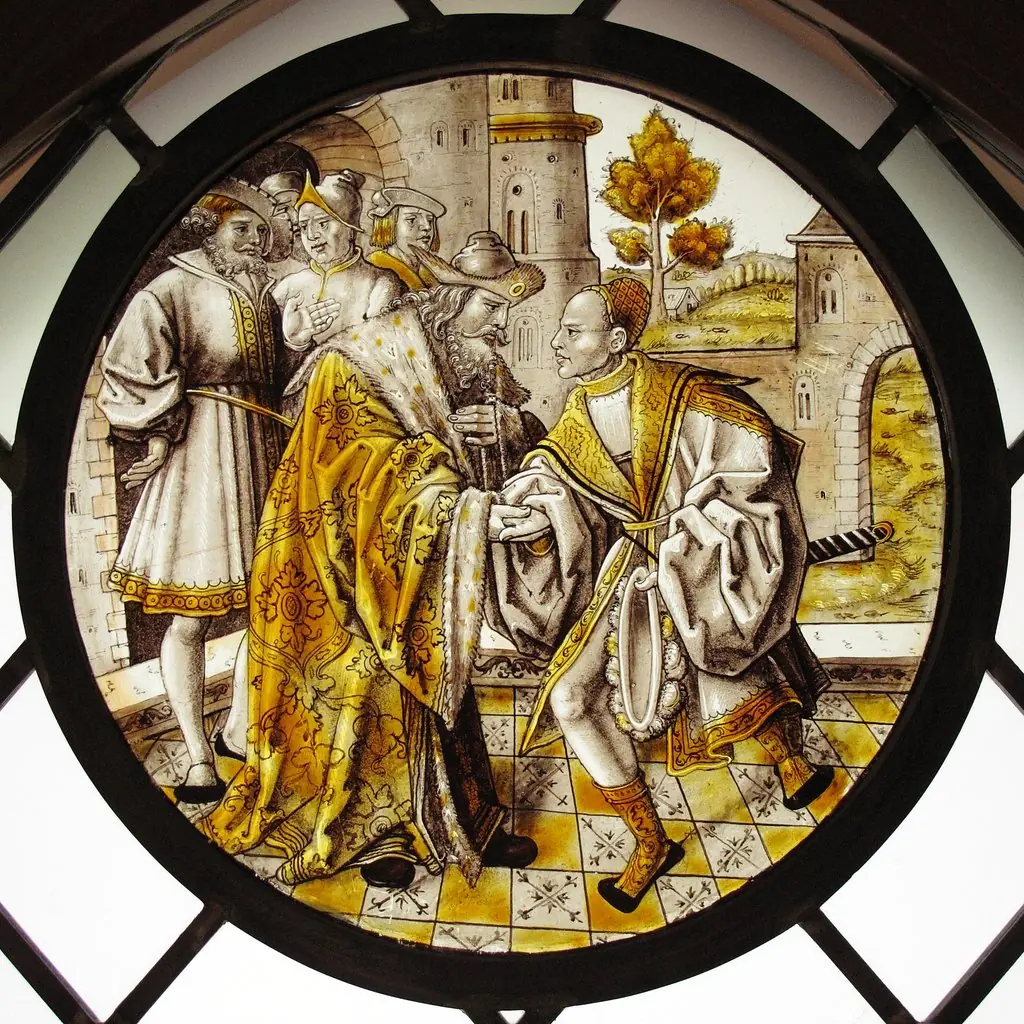 Roundel with Return of the Prodigal Son
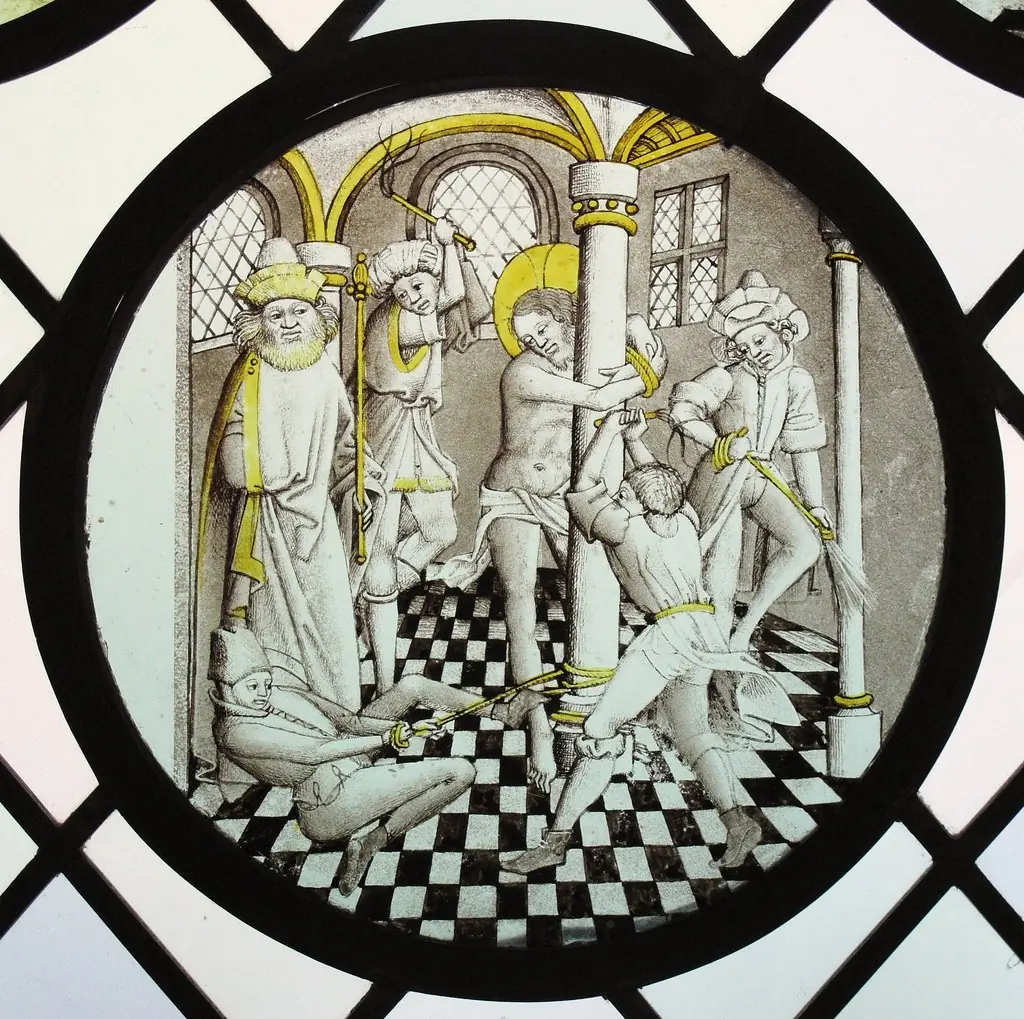 Roundel with the Flagellation
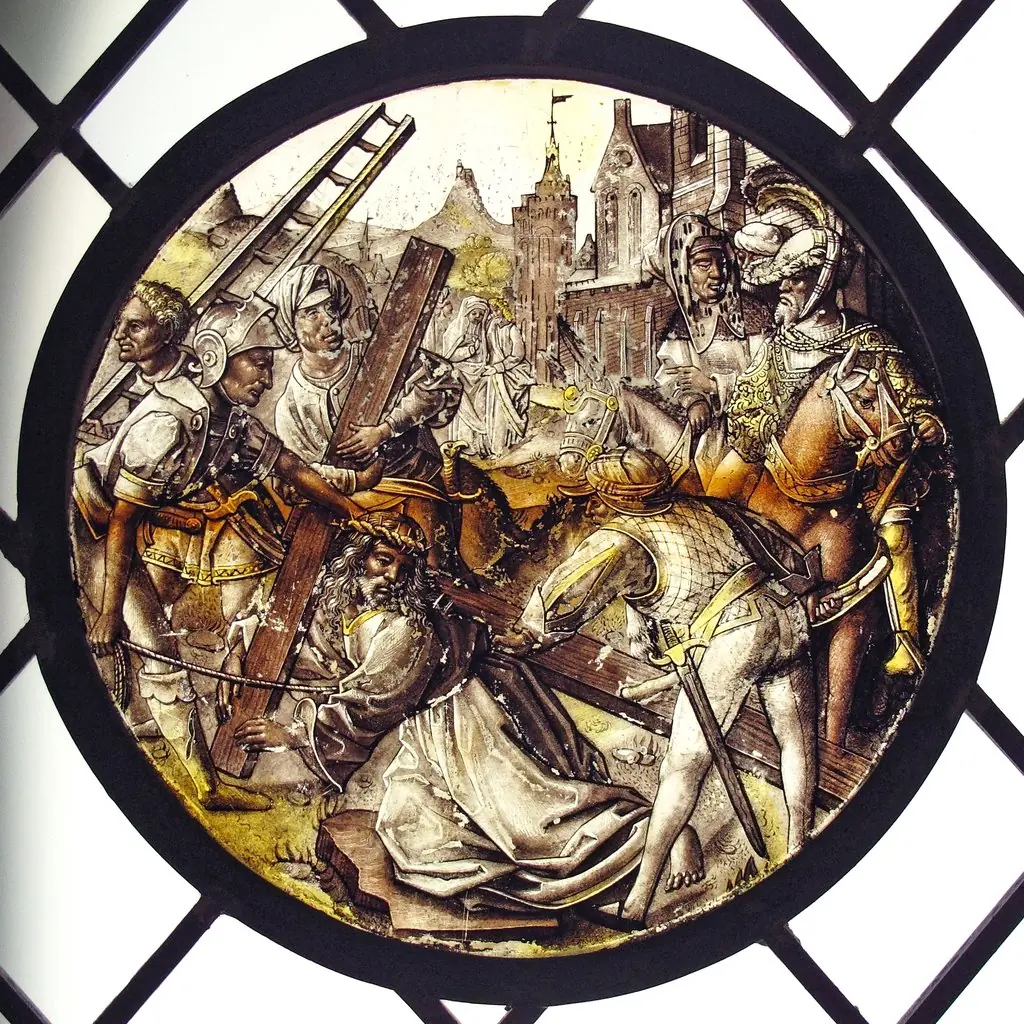 Roundel with Christ Bearing the Cross
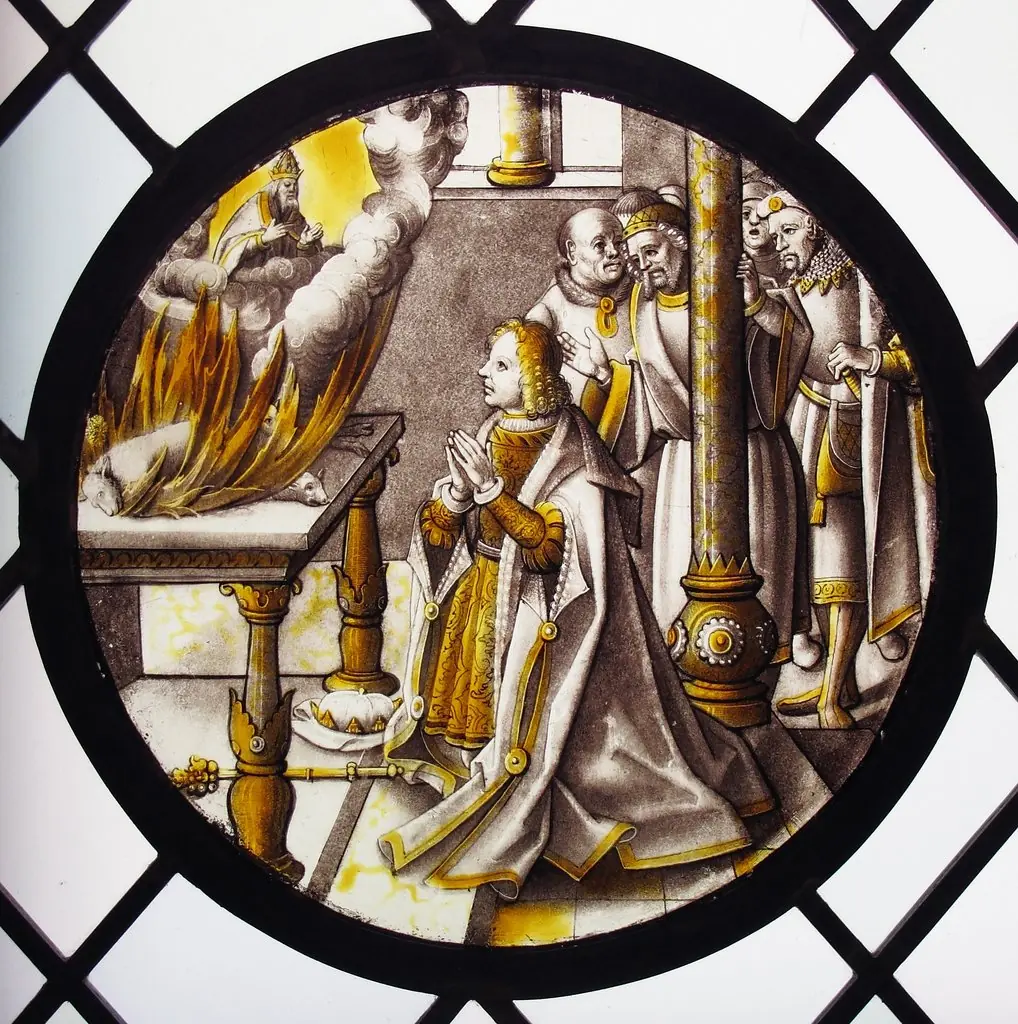 Roundel with Sacrifice in the Temple
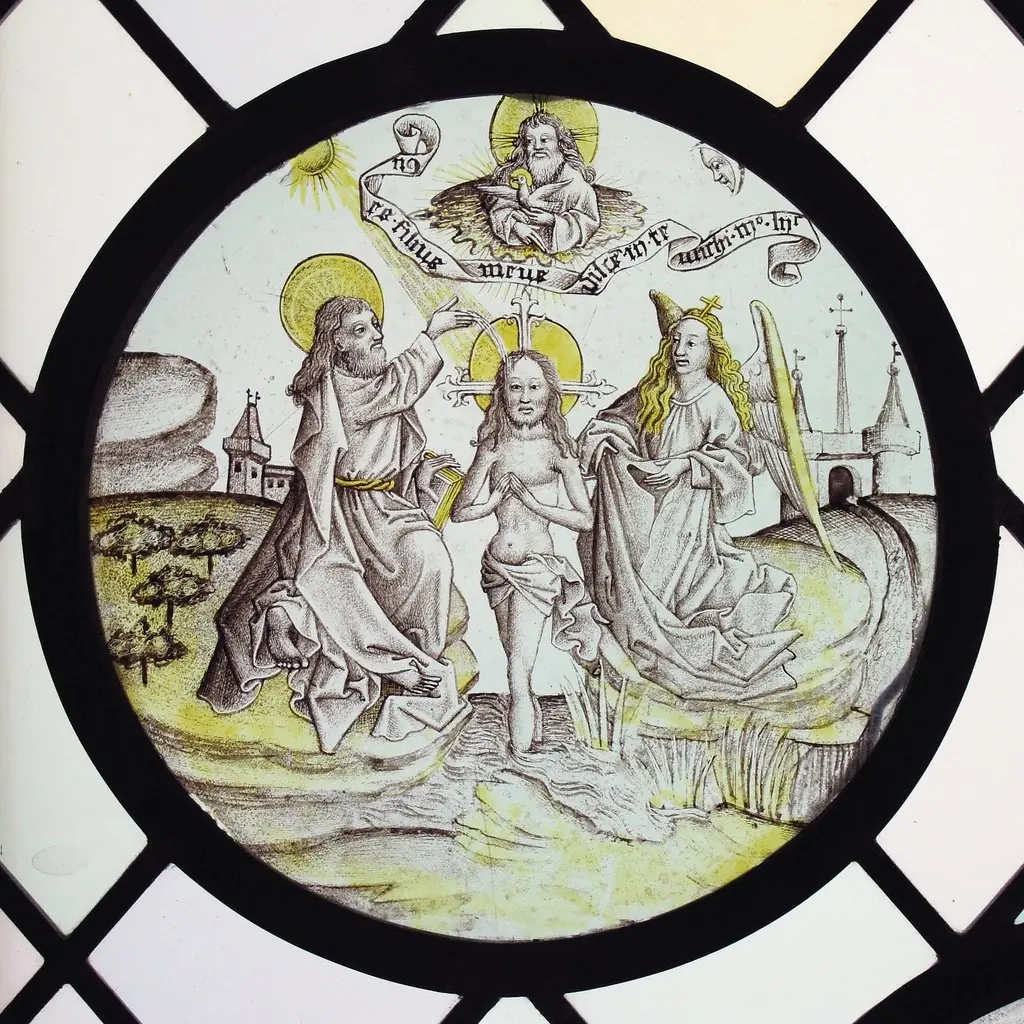 Roundel with the Baptism of Christ
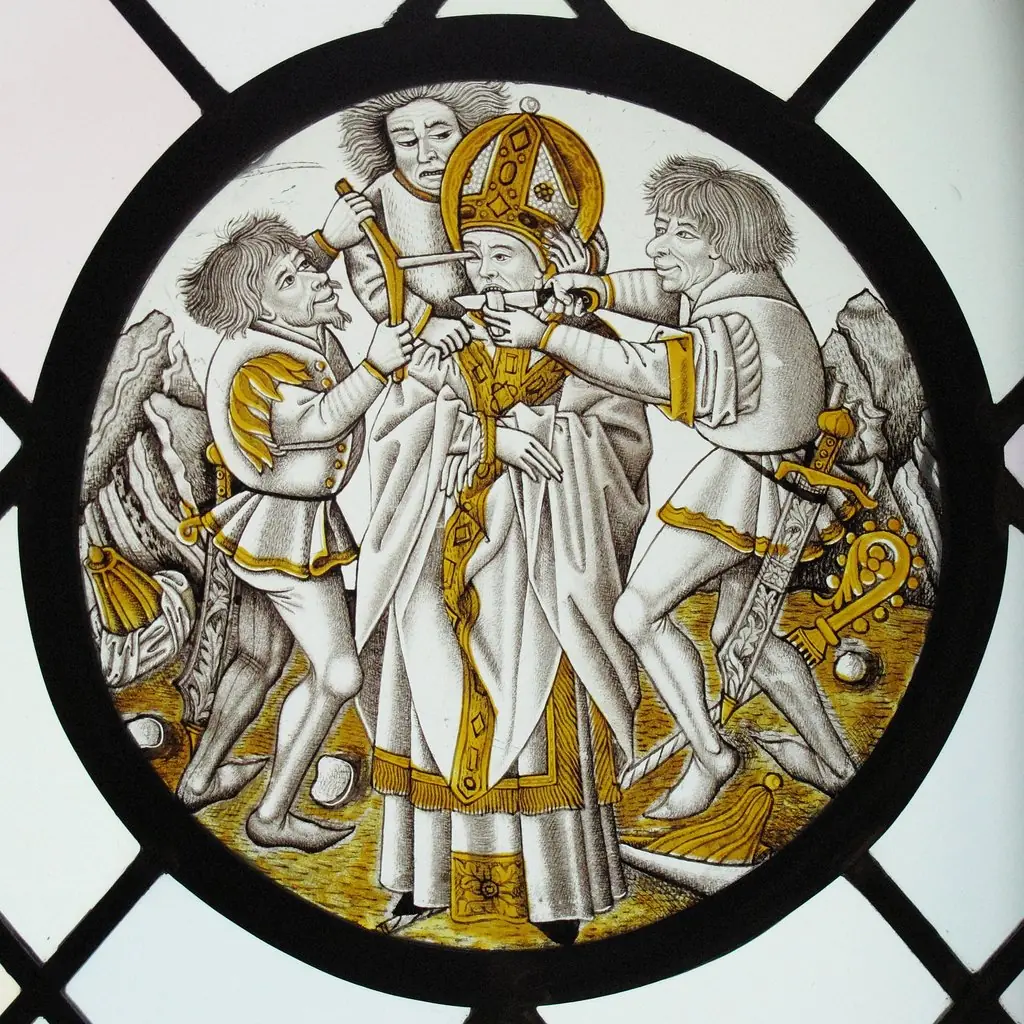 Roundel with Martyrdom of Saint Leger