Artwork
Seated Priest
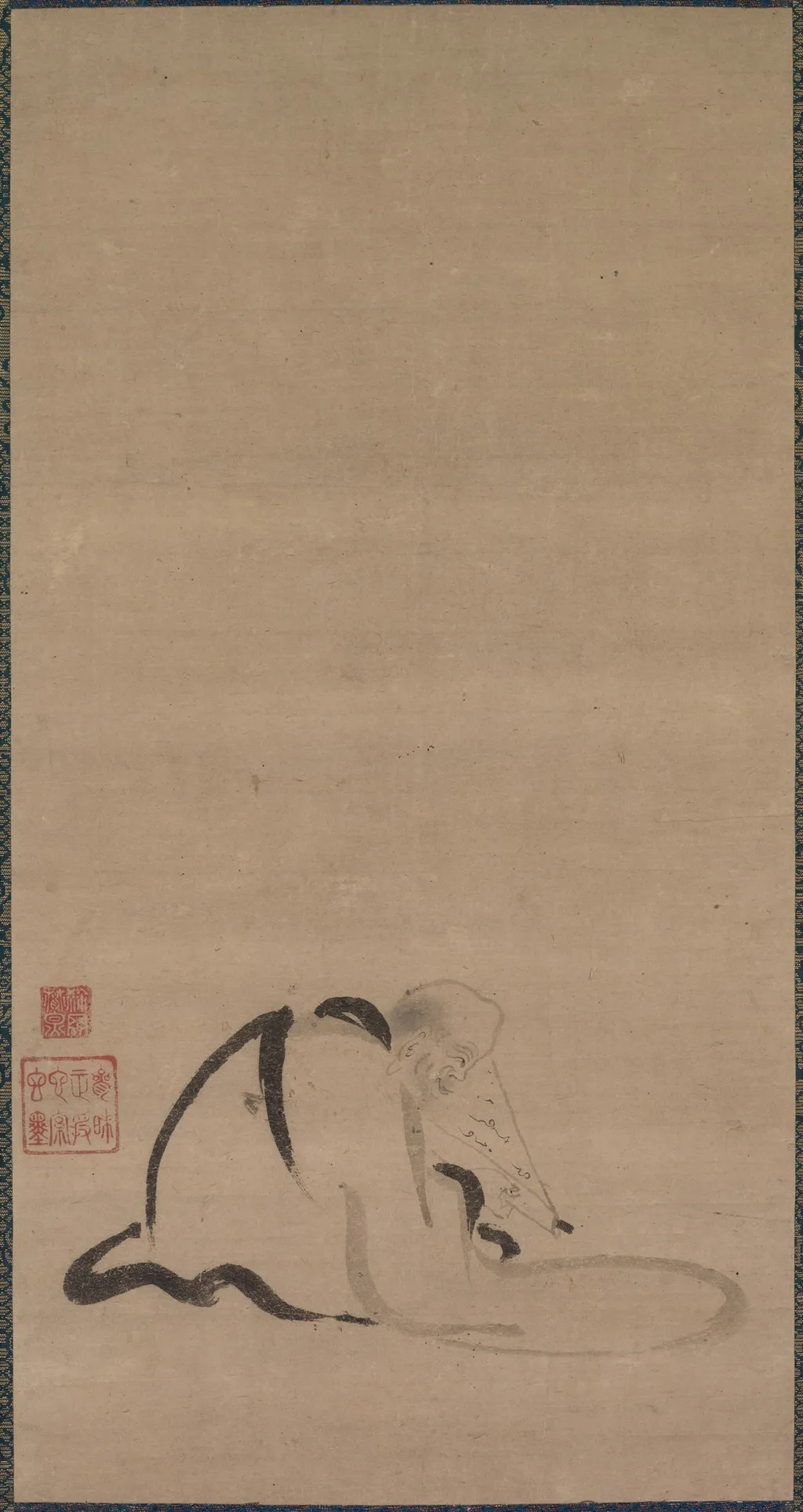
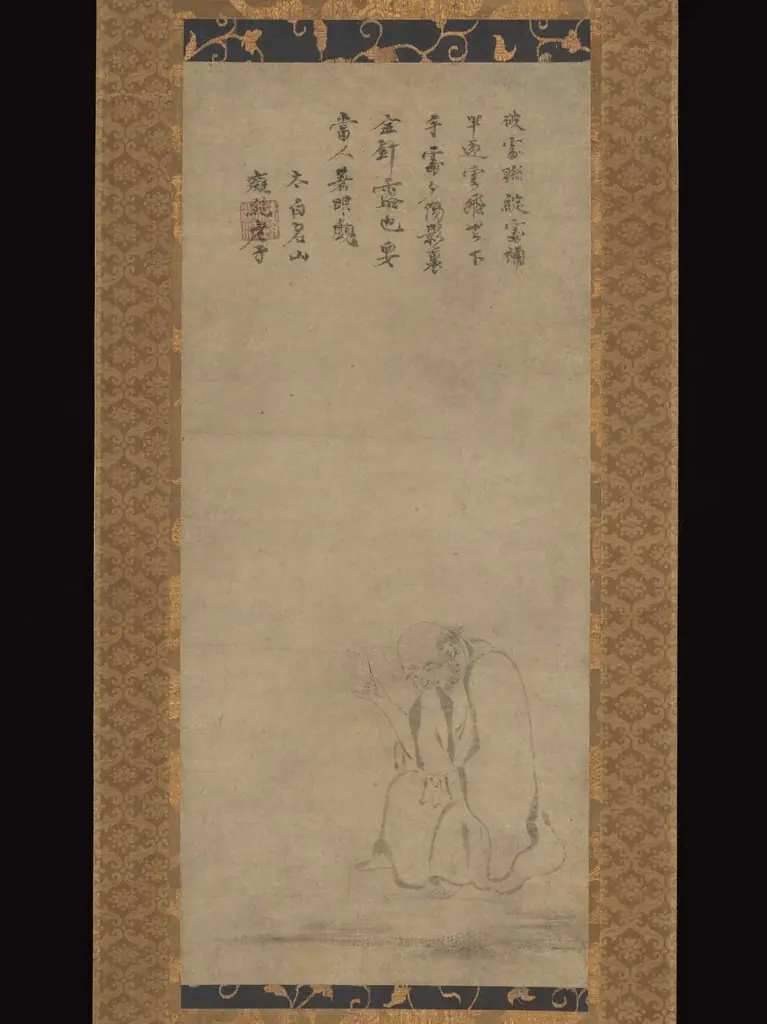
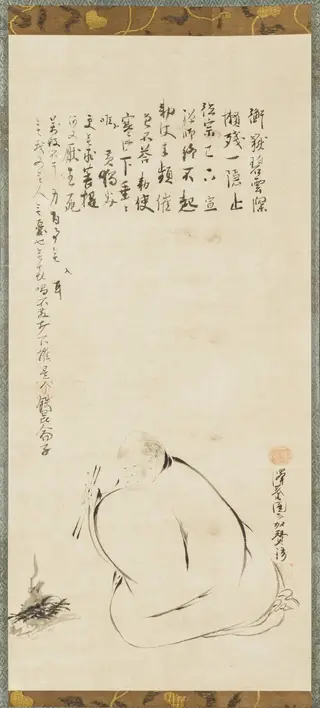
Seated Priest is an unspecified painting. It dates from 1611 and is held in the collection of the Cleveland Museum of Art. The work presents a solitary cleric seated against an unadorned beige backdrop.
About this work
History & Provenance
It was created in 1611 and has been part of the museum's collection since at least that year, as recorded in its provenance documentation.
The Seated Priest is a painting dated to 1611 and attributed to an unknown artist. According to the museum’s records, the work bears the accession number 1977.204 and has been part of the Cleveland Museum of Art’s collection since 1977. No information about an earlier provenance, a specific commission, or the circumstances of its creation is provided in the sources.
The dating to 1611 is corroborated by both the artwork’s internal dating and the museum’s inception record of 1611-01-01.
The painting is held by the Cleveland Museum of Art, where it is accessioned under inventory number 1977.204. It was created in 1611 and has been part of the museum's collection since at least that year, as recorded in its provenance documentation.
Overview
The work presents a solitary cleric seated against an unadorned beige backdrop. The figure is rendered in muted tones, his head inclined forward and hands joined in a gesture of prayer. The composition is stripped of extraneous detail, directing attention to the priest’s stillness and the subtle modeling of his garments.
Subject & Meaning
The central figure is a priest captured in a moment of quiet contemplation. His bowed head and clasped hands suggest an inner focus on devotion or meditation, inviting viewers to consider the spiritual introspection that underlies the scene. The simplicity of the setting reinforces the sense of personal prayer.
Technique & Style
The painter employs a limited palette, allowing tonal variations to convey form. The robe’s surface is built up with gentle gradations, darker hues receding to suggest volume while lighter areas bring forward the folds. The background’s uniform beige acts as a neutral field, enhancing the figure’s three‑dimensionality through contrast rather than elaborate scenery.
Context
Created within a tradition that values restrained composition, the piece aligns with works that prioritize the psychological presence of religious figures over narrative detail. Its monochrome approach reflects a broader aesthetic trend toward minimalism in devotional art, where the emphasis lies on the inner state of the subject rather than external ornamentation.
Artist & collection

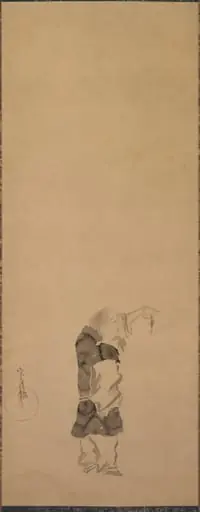 Kenshu, Monk with Shrimp
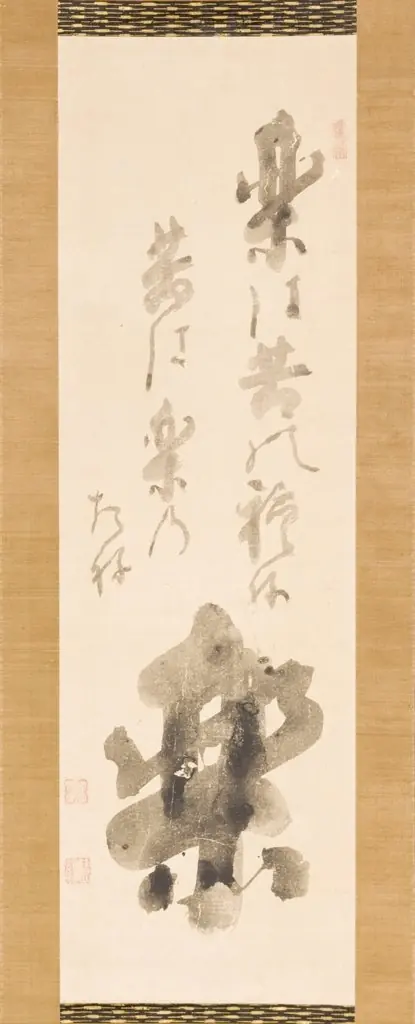 'JOY: In joy lie the seeds of sufferings; in sufferings lie the seeds of joy (RAKU: Raku wa kū no tane; Kū wa raku no tane)'
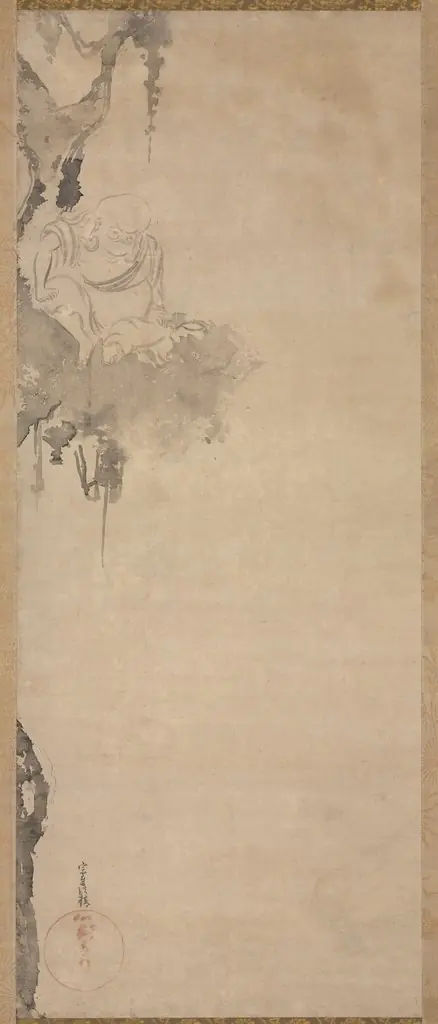 The Bird's Nest Patriarch
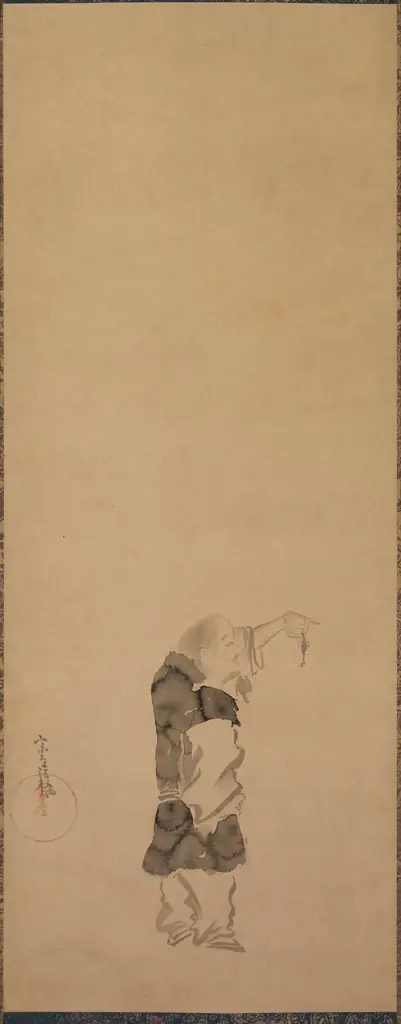 Kenshu, Monk with Shrimp
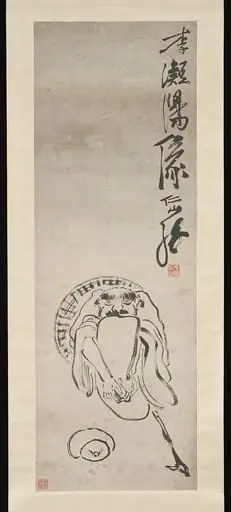 清 蘇仁山 李凝陽像 軸|The Immortal Li Tieguai
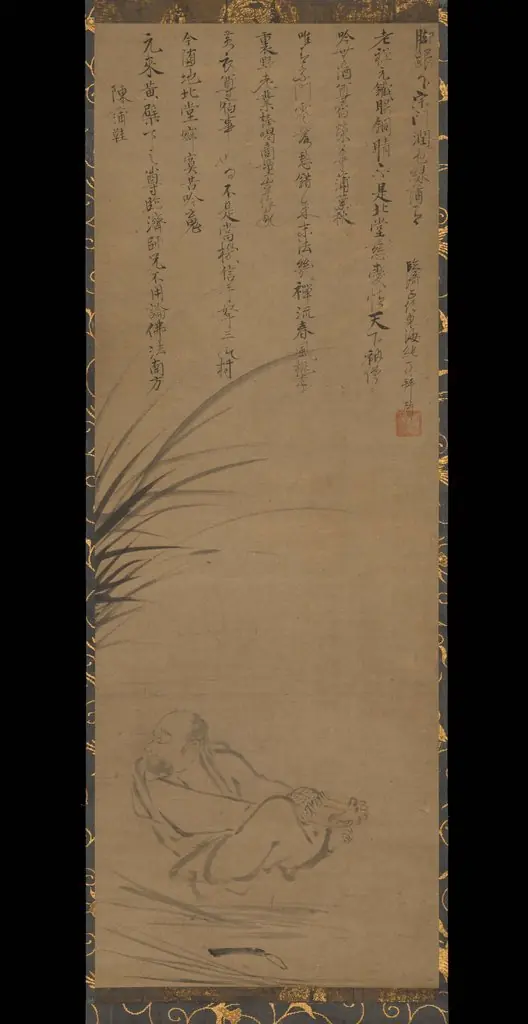 Inscription on the anonymous painting of Chen Puxie
 Mending clothes by daylight
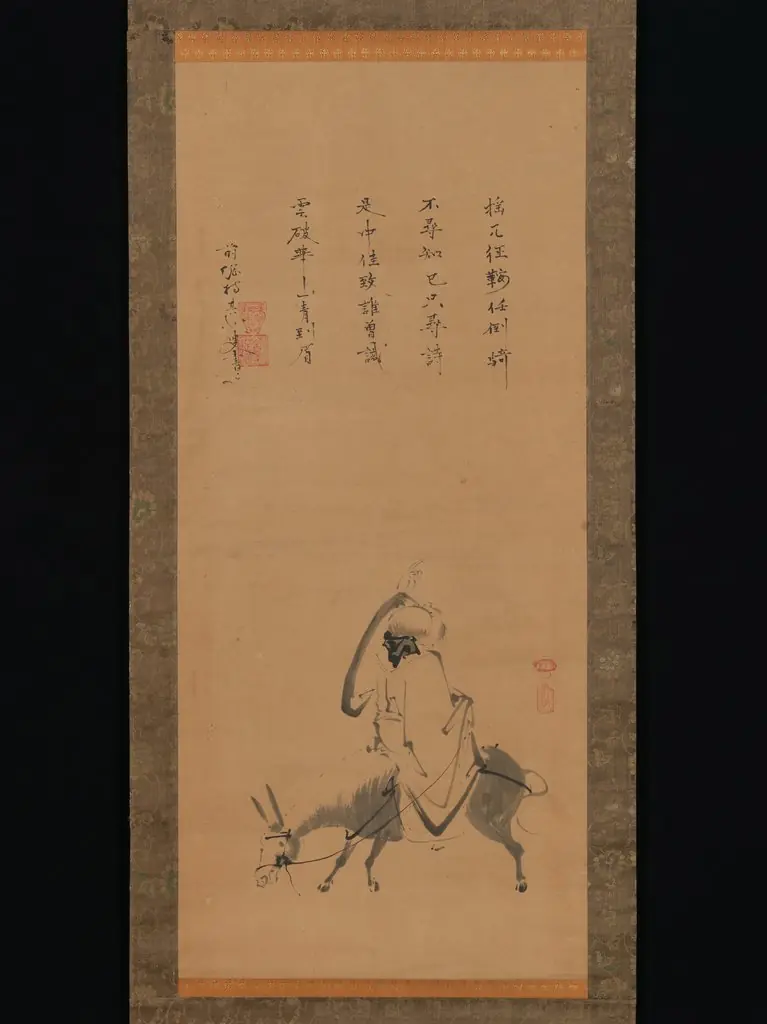 The Chinese Poet Pan Lang on a Donkey
 Kingfisher Perched above a Stream
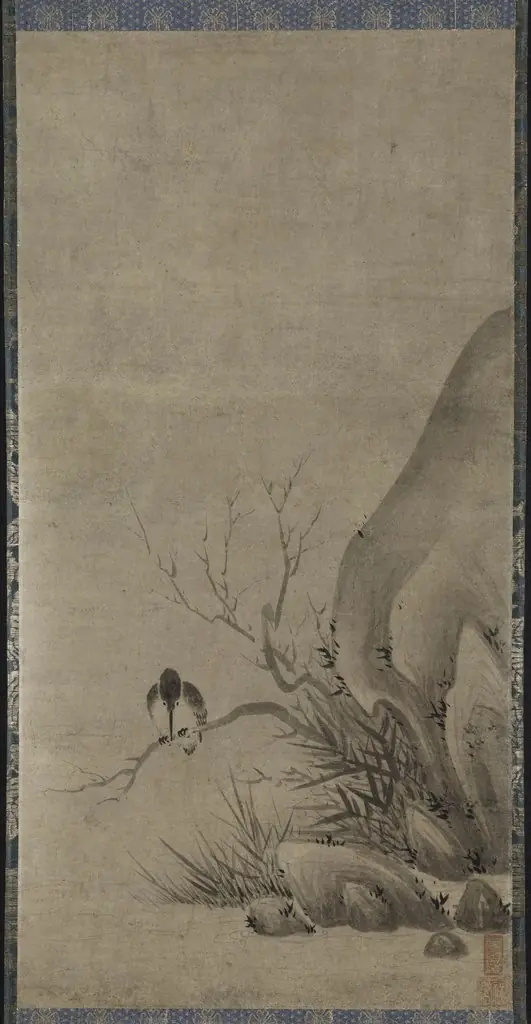 Kingfisher Perched above a Stream
 Monk Raisan
- Seated Priest