Artwork
The Agony in the Garden
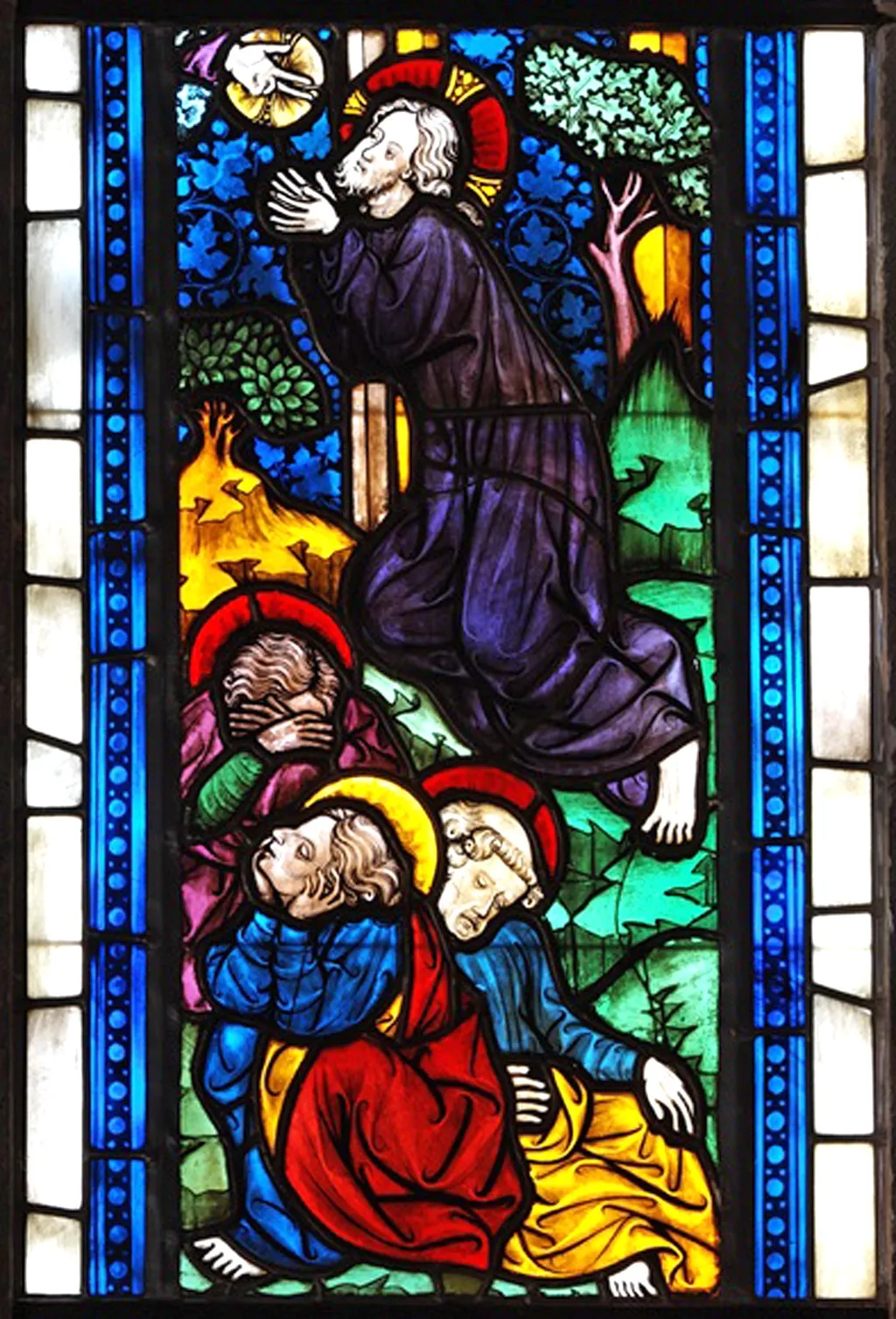
The Agony in the Garden is an unspecified painting. It dates from 1396 and is held in the collection of the Metropolitan Museum of Art.
About this work
Subject & Meaning
The painting is classified as a religious work, and its main subject is identified as this moment of solitary anguish and submission to divine will.
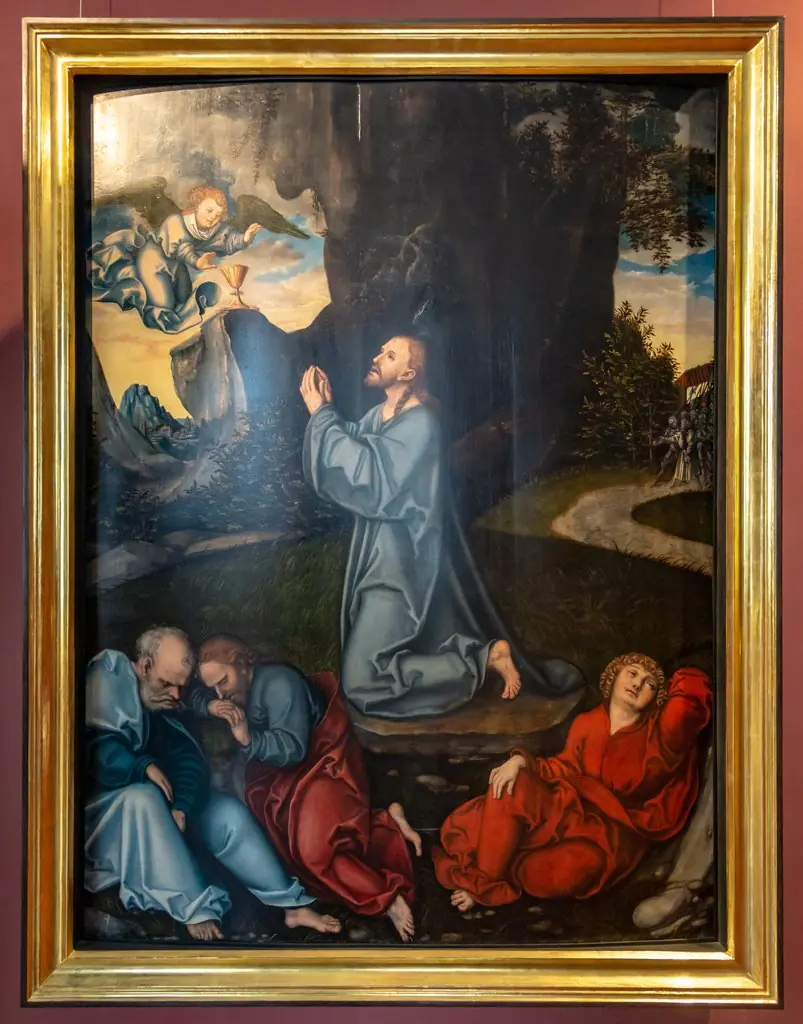
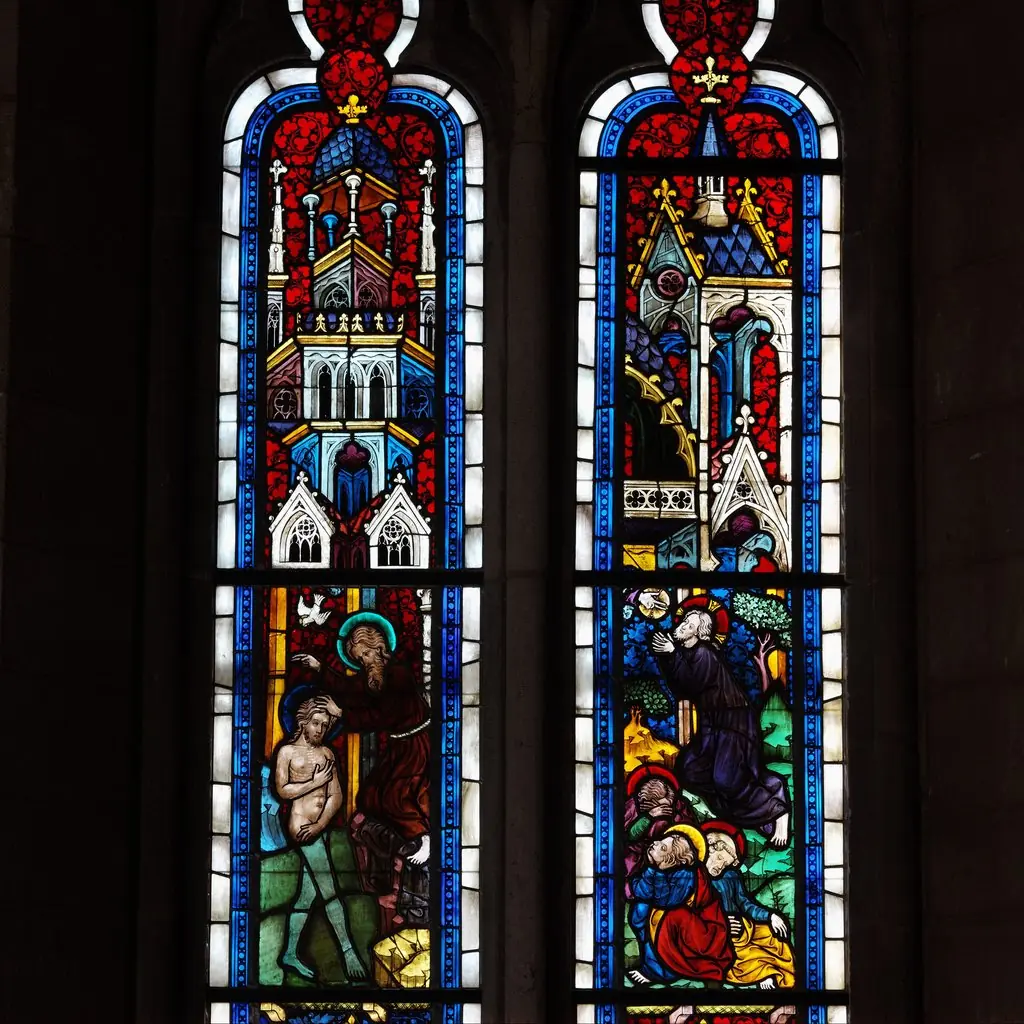
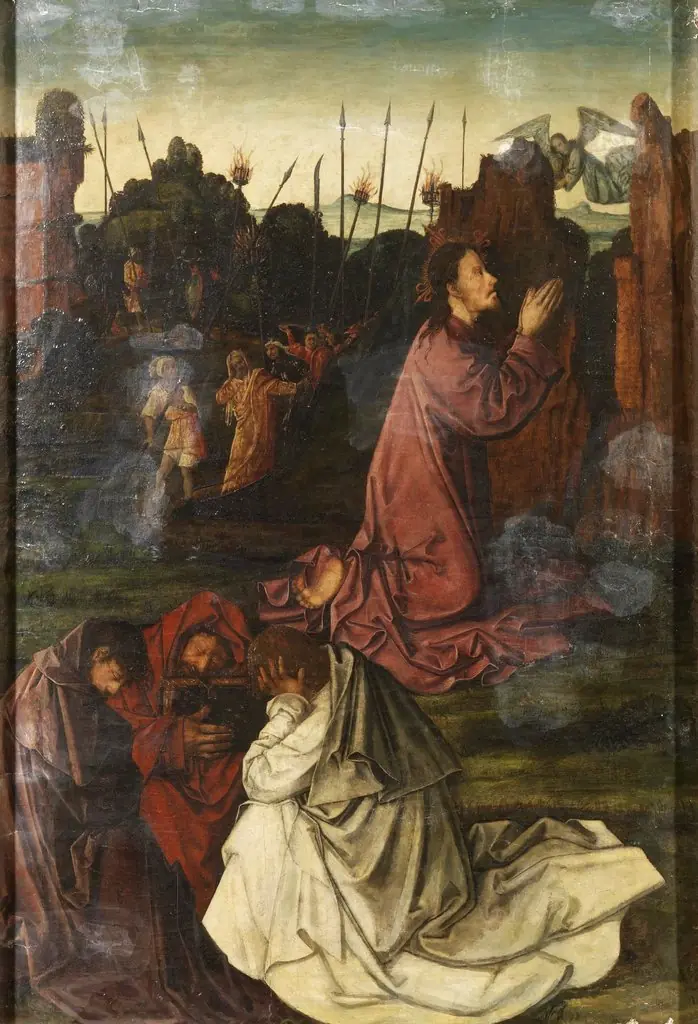
The Agony in the Garden depicts the biblical episode in which Jesus, on the night before his crucifixion, withdrew to the Garden of Gethsemane to pray while his disciples slept, an event recorded in the Gospels and traditionally known as the Agony in the Garden. The painting is classified as a religious work, and its main subject is identified as this moment of solitary anguish and submission to divine will. The composition is described as depicting a man, corresponding to the central figure of Christ in prayer.
Created in 1390, the work belongs to a long tradition of devotional imagery intended to meditate on Christ's suffering and to invite viewers to contemplate the emotional and spiritual weight of his sacrifice.
The painting is held in the collection of the Metropolitan Museum of Art.
Technique & Style
The work is an anonymous religious painting created in 1390 at the Metropolitan Museum of Art. It depicts a man in the Agony in the Garden scene, rendered in a style characteristic of early religious art. The piece is executed on a support that has been handled with care, preserving its formal qualities as a painting from the late medieval period.
History & Provenance
The work titled The Agony in the Garden is attributed to an anonymous artist and was created in 1390. It is classified as a religious painting and is part of the collection at the Metropolitan Museum of Art. The work depicts a man in agony within a garden setting, reflecting the biblical scene of Christ's prayer before crucifixion.
Its provenance includes ownership by the Metropolitan Museum of Art, where it has been housed since its acquisition. The painting's creation history is documented through its stylistic analysis and dating to the late medieval period, aligning with the religious genre prevalent in early Netherlandish art.
The Agony in the Garden is held in the collection of the Metropolitan Museum of Art. This anonymous religious painting, dated to 1390 and depicting the Agony in the Garden, is part of the museum's permanent holdings. No specific inventory or accession number is provided in the available sources, nor is there documentation of a past exhibition history for this work.
Overview
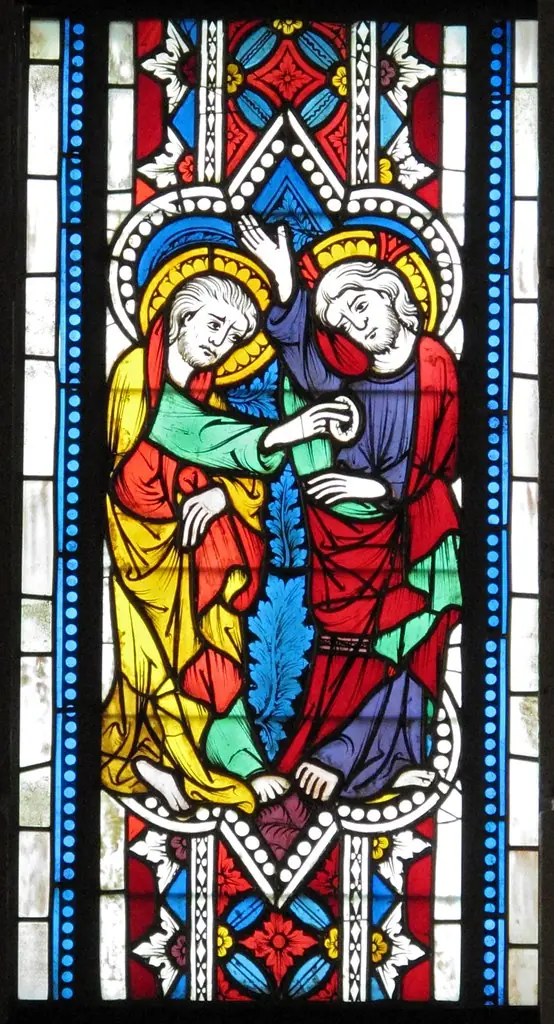
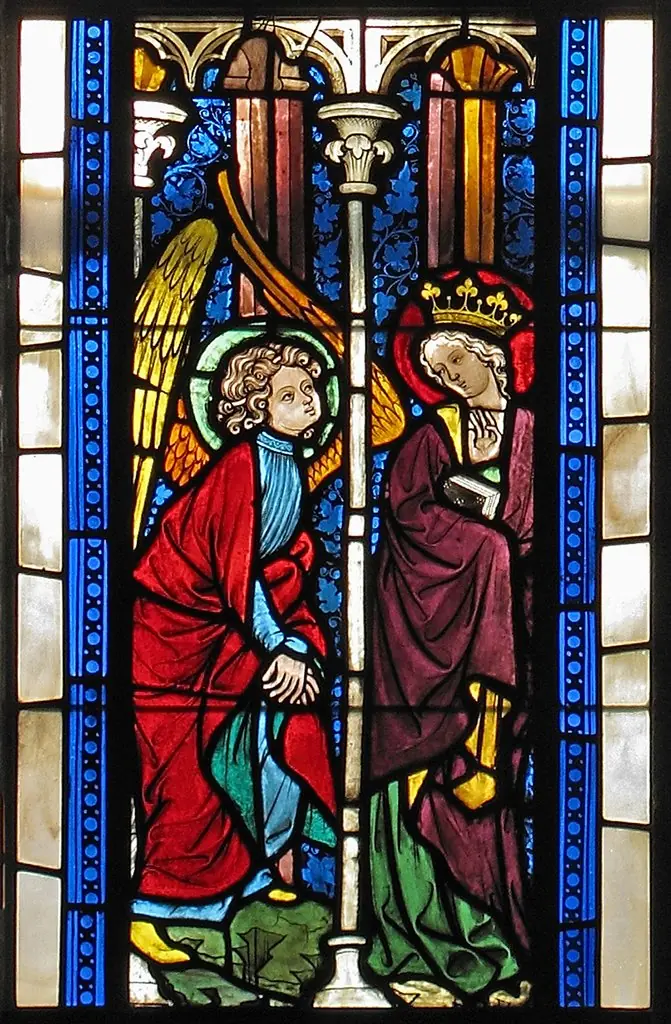
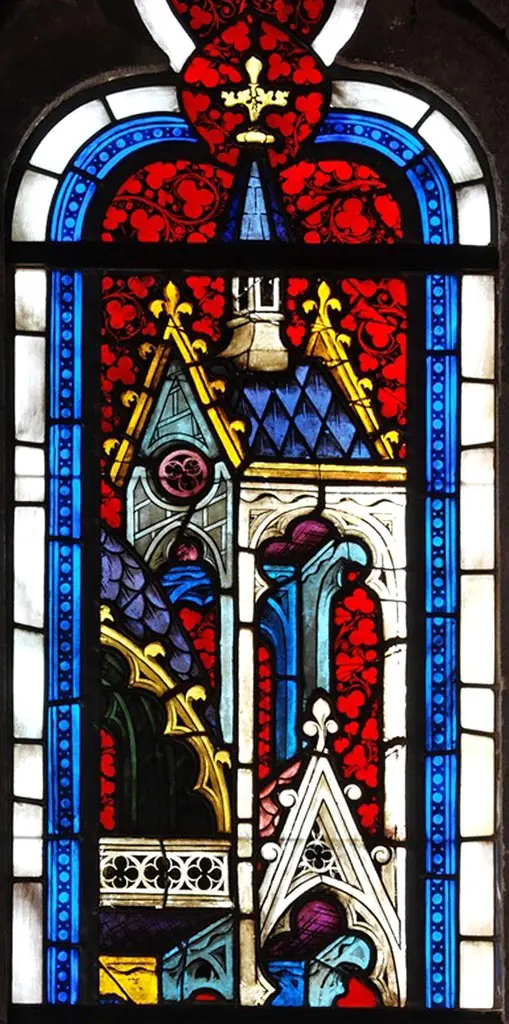
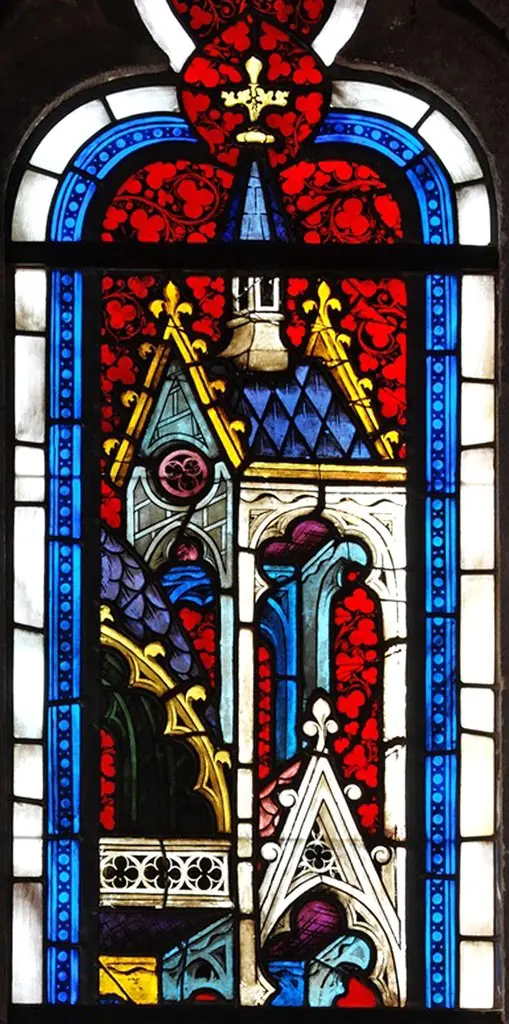
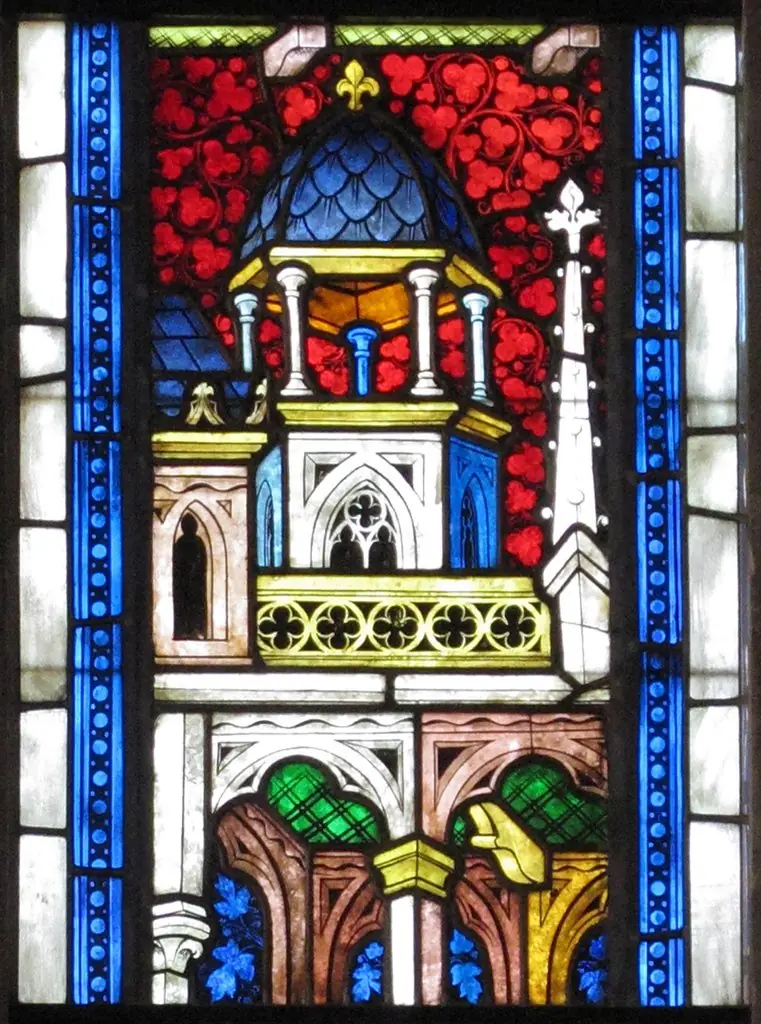
The work, titled The Agony in the Garden, is a stained‑glass composition depicting a nocturnal garden scene with three male figures. The central figure kneels with clasped hands and a golden crown, while a second figure leans on him, head turned away. A third figure stands above, arms outstretched, clothed in a purple robe and encircled by a golden halo. The background is saturated with vivid reds, blues, and greens, suggesting trees and an illuminated sky.
Context
Stained‑glass depictions of the Agony in the Garden were common in medieval and early modern ecclesiastical art, serving both didactic and contemplative functions. The vivid coloration and simplified forms align with later revivalist approaches that favored clear narrative over naturalistic detail, making the scene accessible to viewers in low‑light interiors.
Legacy
While the piece’s provenance is unclear, its visual language reflects enduring conventions in religious stained‑glass art, illustrating how color, light, and symbolic motifs continue to convey theological narratives across centuries.
Artist & collection