Artwork
Doubting Thomas
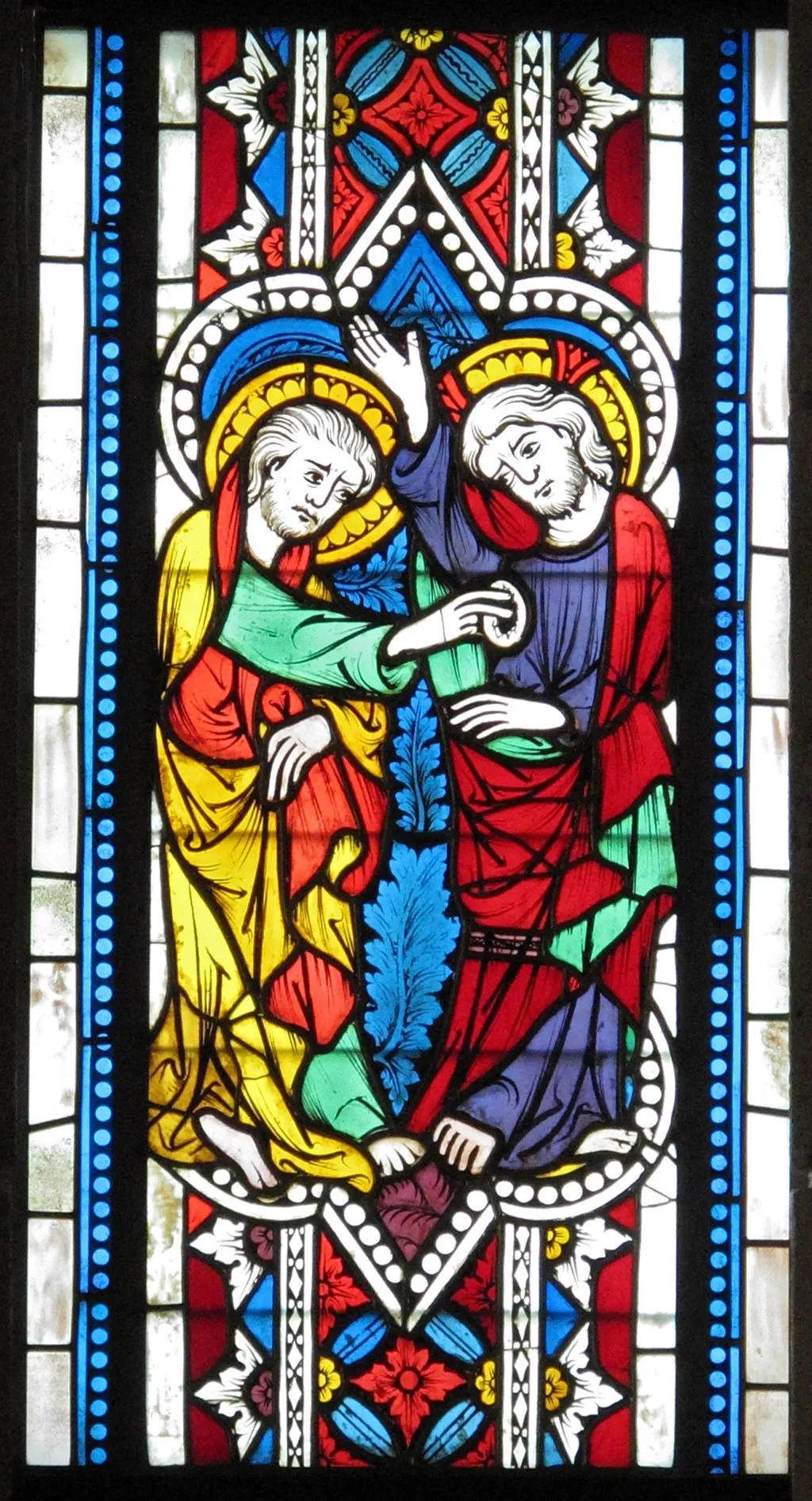
Doubting Thomas is an unspecified painting. It dates from 1350 and is held in the collection of the Metropolitan Museum of Art.
About this work
Subject & Meaning
Created circa 1350, this anonymous religious painting illustrates the biblical episode of Doubting Thomas.
Created circa 1350, this anonymous religious painting illustrates the biblical episode of Doubting Thomas. The composition features three primary figures: Christ, an apostle, and a man, representing the specific moment when the disciple Thomas verifies the resurrection by examining the wounds of Jesus. As a work of religious art, the piece serves as a visual narrative of this key New Testament event, focusing on the interaction between the divine and the skeptical human observer.
The depiction aligns with traditional iconography surrounding the main subject, emphasizing the physical proof of Christ's sacrifice and the subsequent affirmation of faith.
History & Provenance
Doubting Thomas is a 14th-century anonymous religious painting created around 1350, depicting the apostle Thomas examining the wounds of the risen Christ. It is held in the collection of the Metropolitan Museum of Art, New York. No documented commission or patronage is recorded, and the identity of the original owner is unknown, leaving the ownership chain limited to its modern acquisition by the museum.
Context
Doubting Thomas is a 14th-century anonymous religious painting dated to circa 1350 and housed in the Metropolitan Museum of Art. Its subject, the apostle Thomas questioning Christ's wounds, reflects medieval devotional themes and the narrative focus on doubt within early Christian art. The work's iconography contributes to broader studies of religious imagery in 14th-century European art, situating it within the evolution of devotional practices and artistic anonymity of the period.
Overview
This stained glass panel illustrates the biblical account of Doubting Thomas. It presents two robed figures, identified by their golden halos, engaged in a significant exchange. The composition centers on their hands meeting, emphasizing the moment of physical contact and verification.
One figure conveys skepticism, while the other appears to be offering an explanation, capturing the essence of the narrative where belief is sought through direct experience.
Technique & Style
Rendered in stained glass, the artwork employs vibrant colors to define its figures and setting. The left figure is clad in a green and yellow cloak, holding a blue object with leaves, while the right wears a red robe with blue sleeves. Both figures are distinguished by golden halos and serious countenances, conveying the solemnity of the encounter. The entire composition is framed by bright, decorative borders, characteristic of the medium's aesthetic and structural demands.
Artist & collection

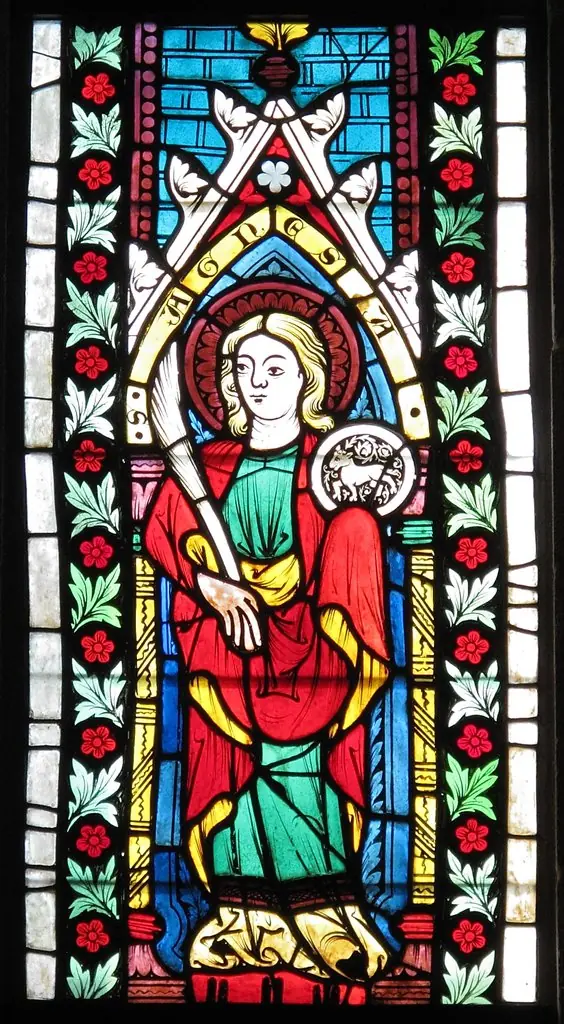 Saint Agnes
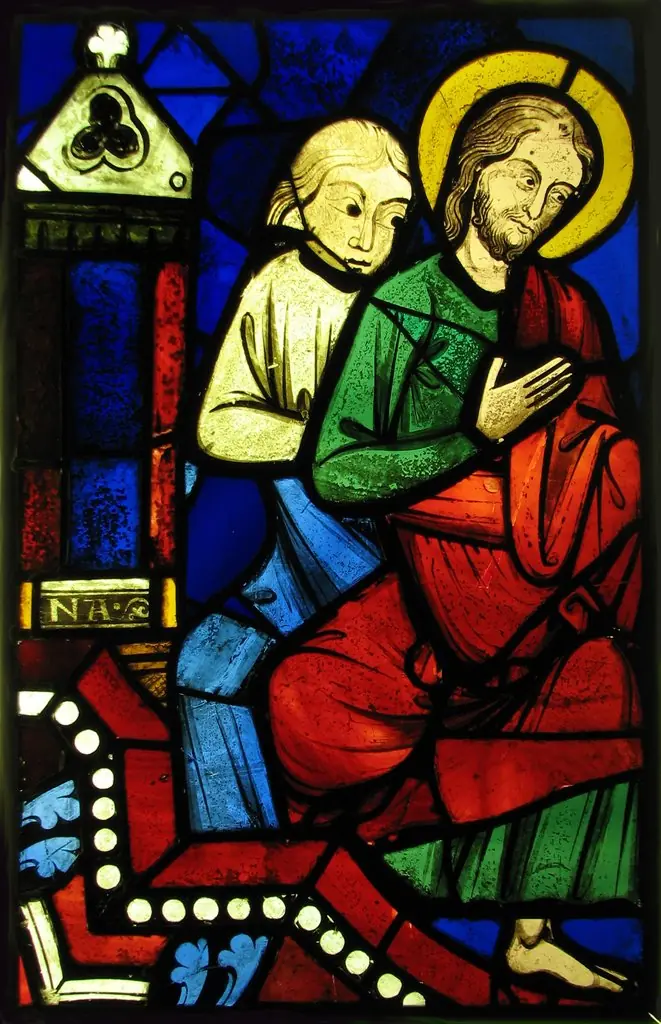 Two Seated Apostles from a Pentecost Scene
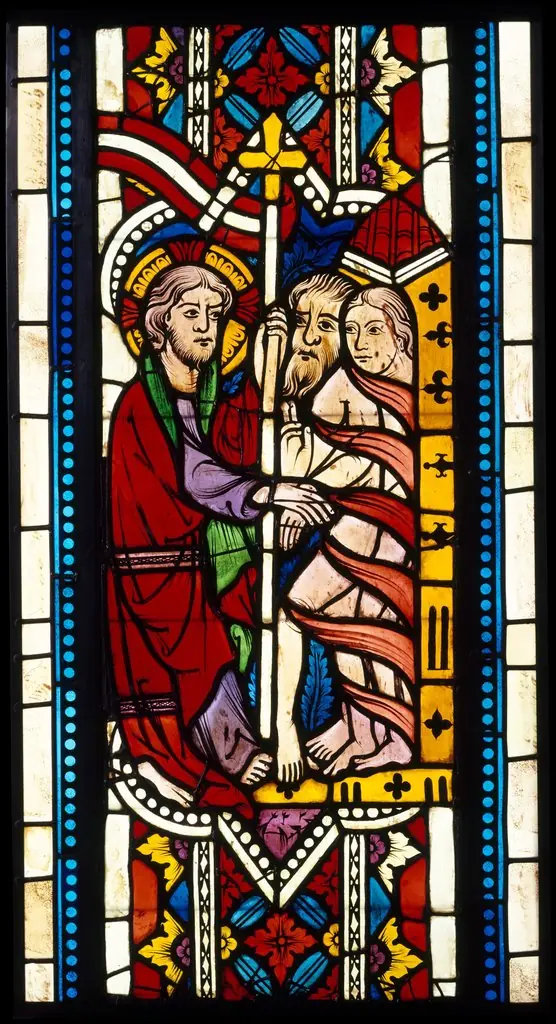 Panel with the Harrowing of Hell
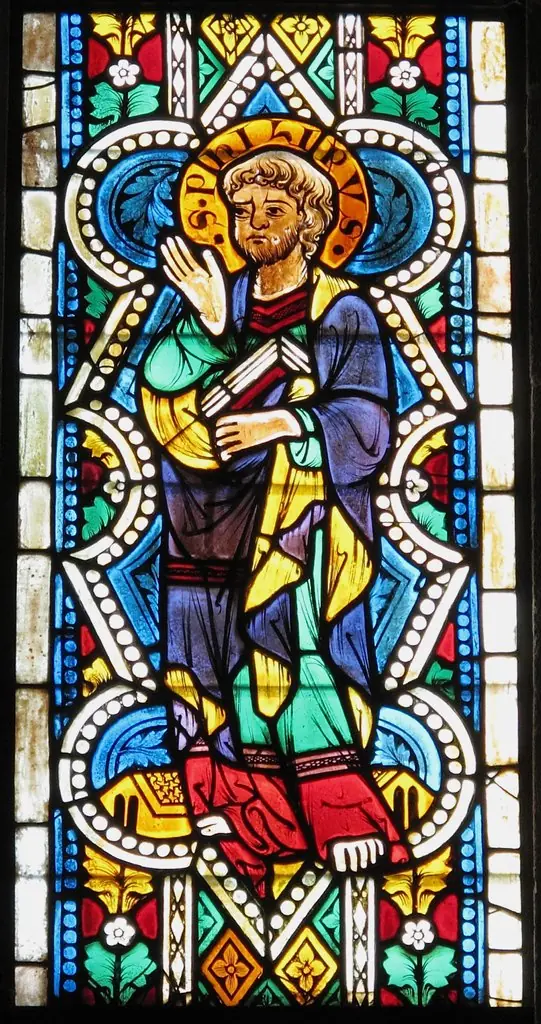 Saint Philip
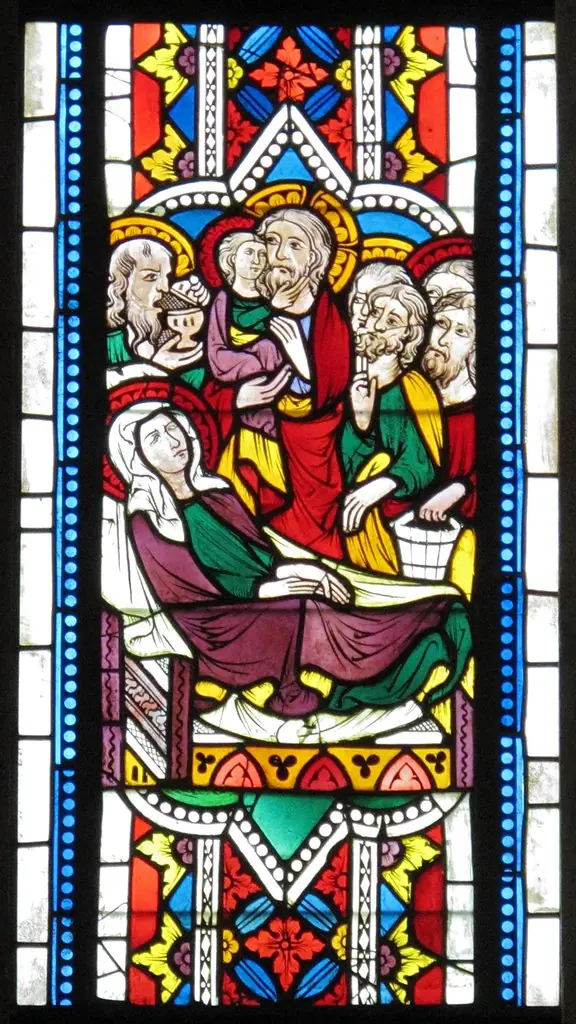 Dormition of the Virgin
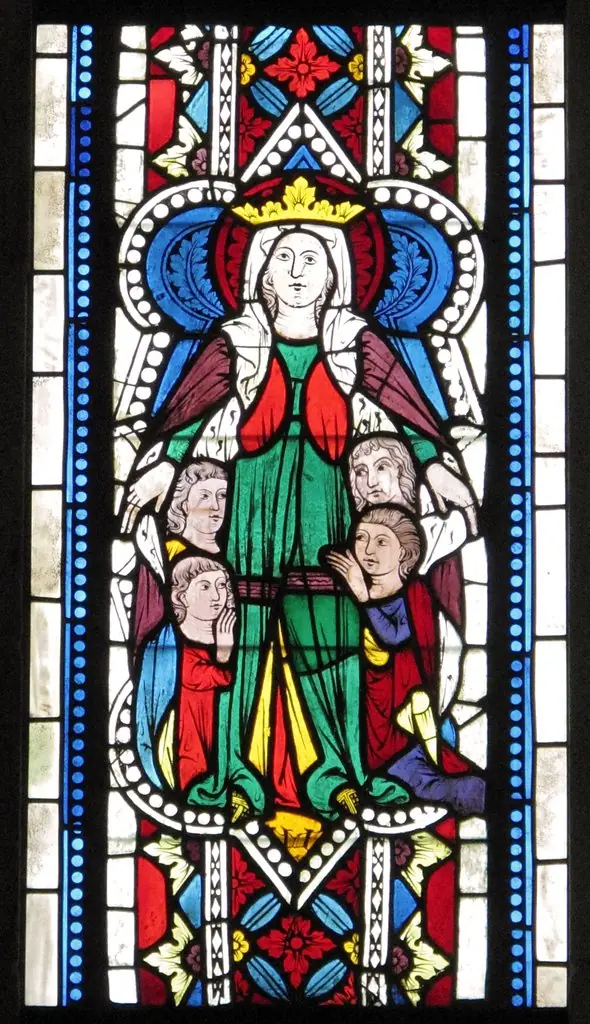 Madonna of Mercy
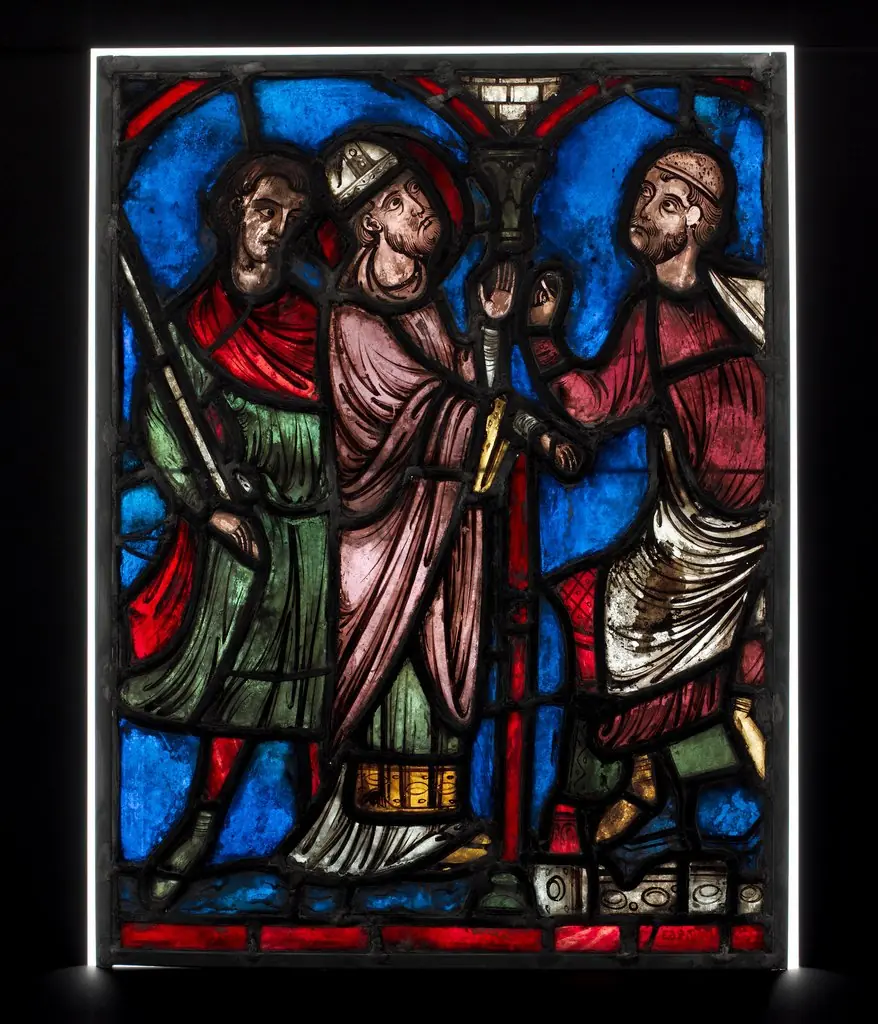 St. Nicholas Accuses the Consul from Scenes from the Life of St. Nicholas
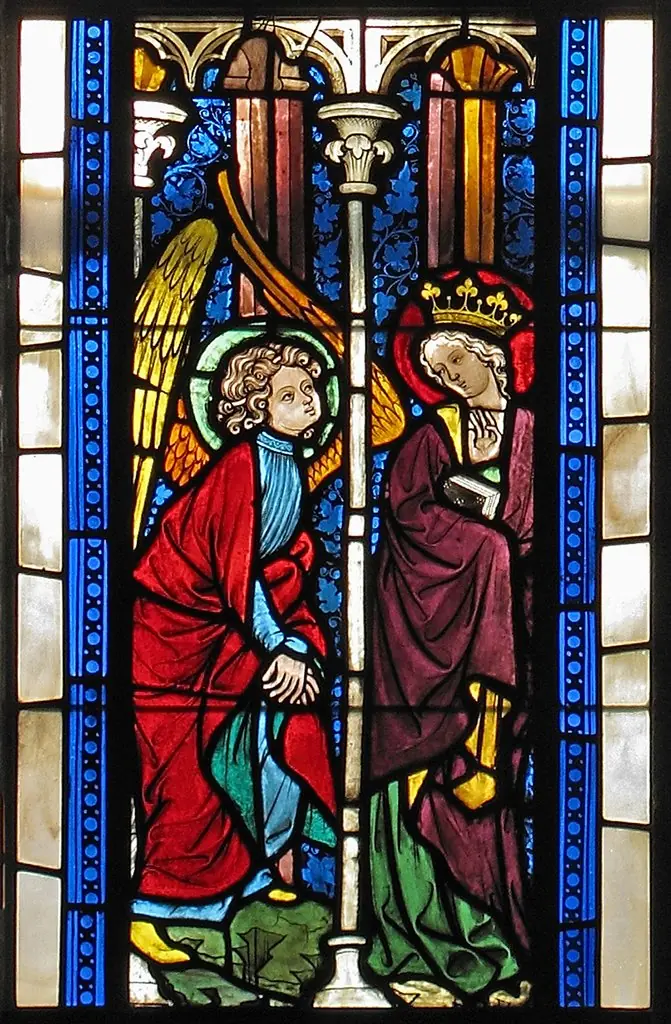 Panel with the Annunciation
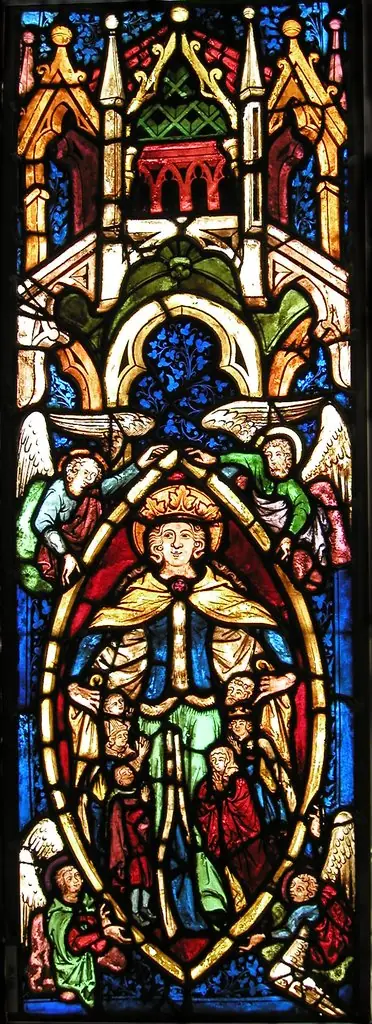 Madonna of Mercy
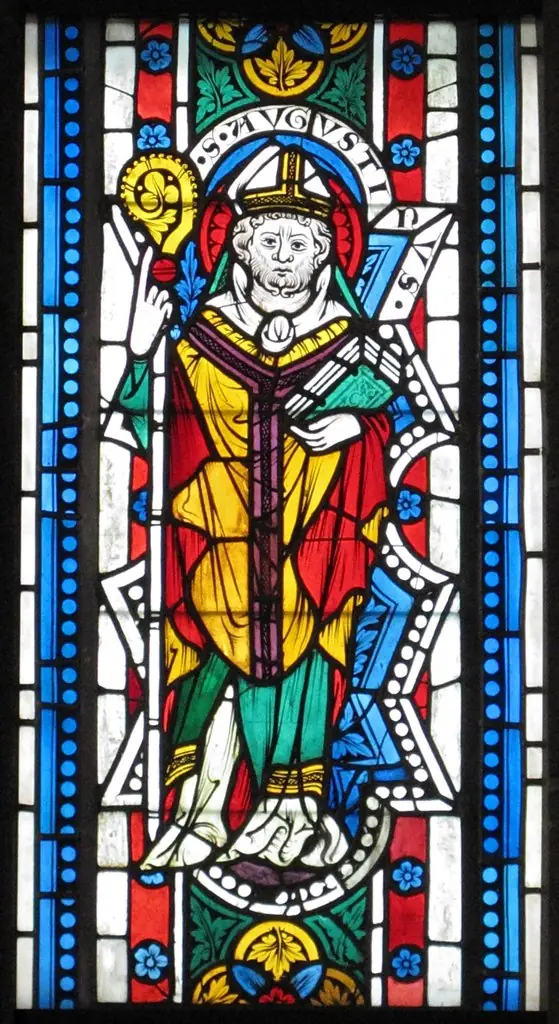 Saint Augustine
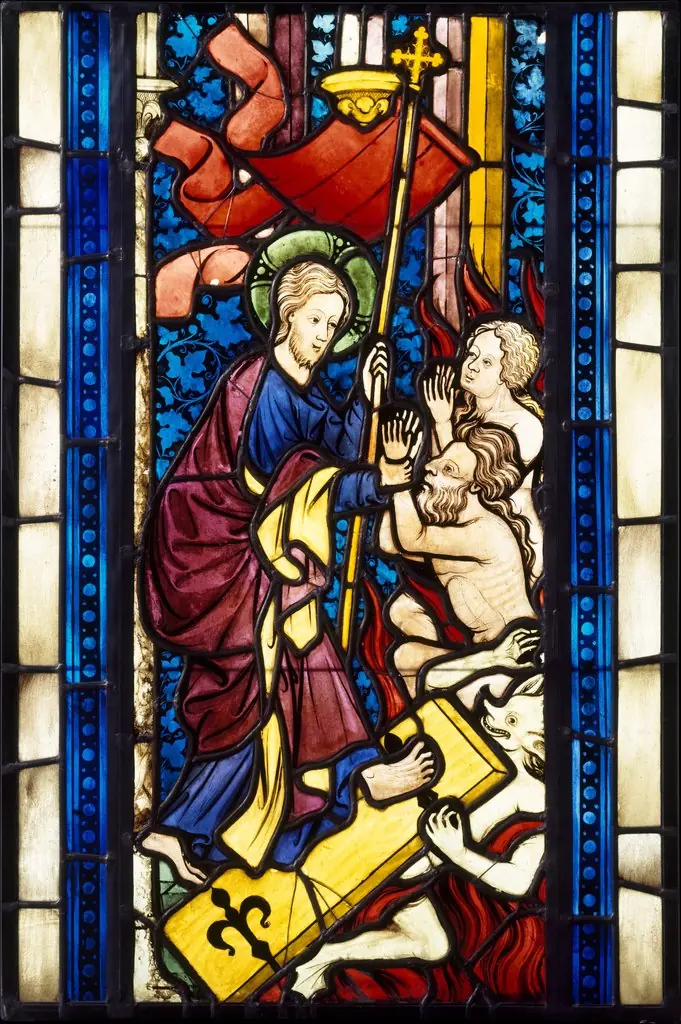 The Harrowing of Hell
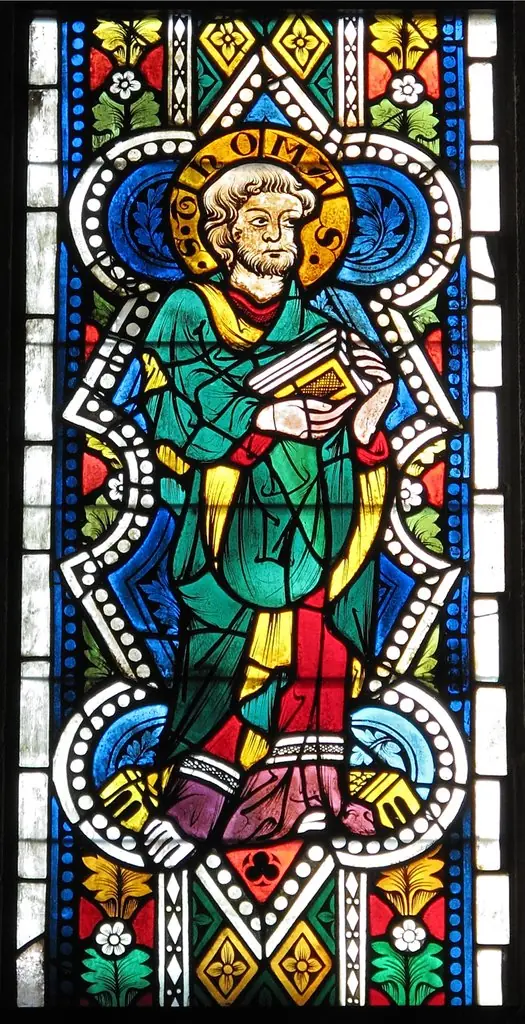
- Saint Thomas