Artwork
Madonna of Mercy
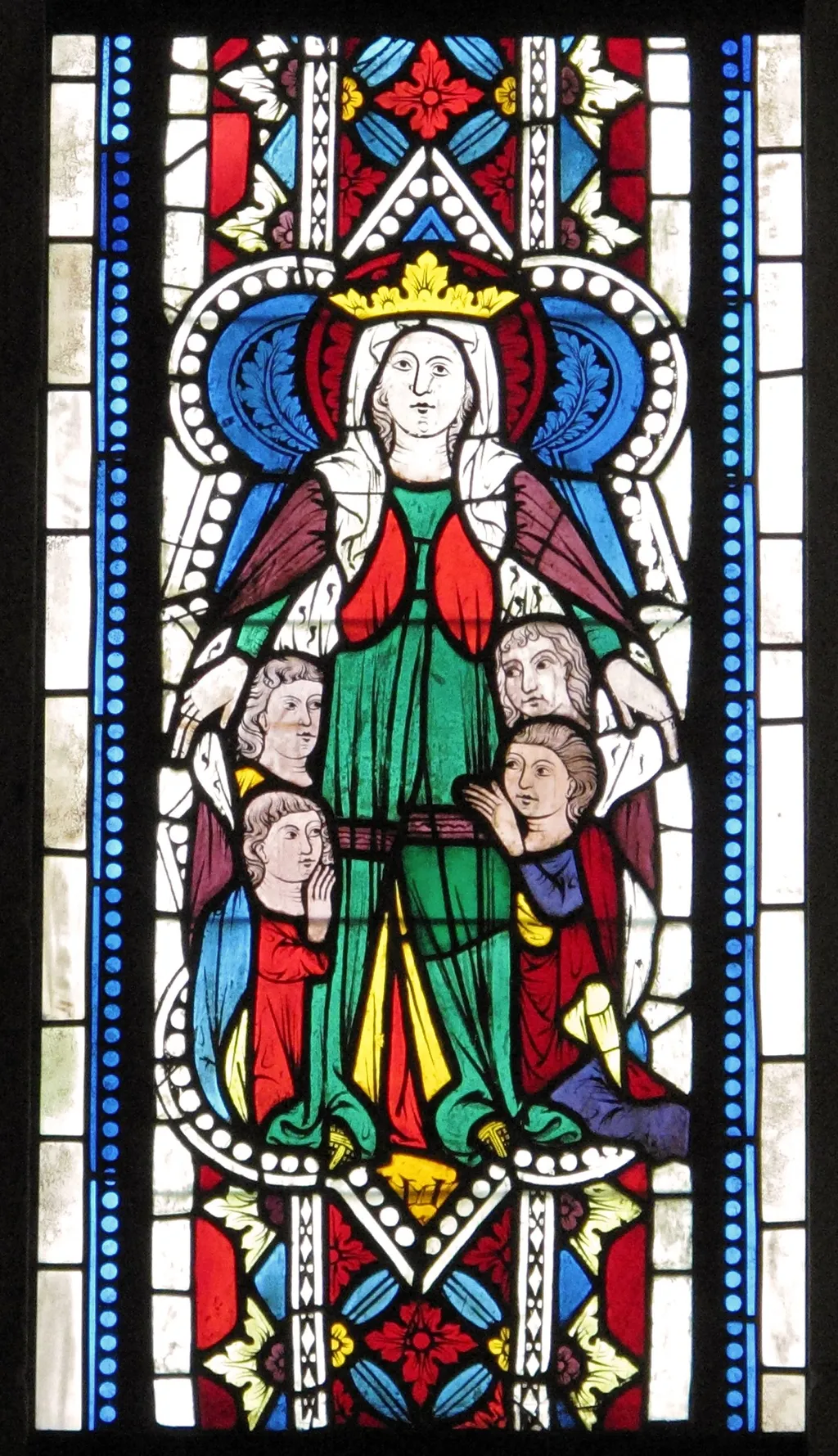
Madonna of Mercy is an unspecified painting. It dates from 1350 and is held in the collection of the Metropolitan Museum of Art.
About this work
History & Provenance
No further details regarding specific commissions, previous ownership chains, or the circumstances of its creation are provided in the available records.
The Madonna of Mercy is a religious painting created in 1350 by an anonymous artist. The work's inception date is established as 1350. It is currently held in the collection of the Metropolitan Museum of Art, where it is cataloged under the accession number 68.224.5.
No further details regarding specific commissions, previous ownership chains, or the circumstances of its creation are provided in the available records.
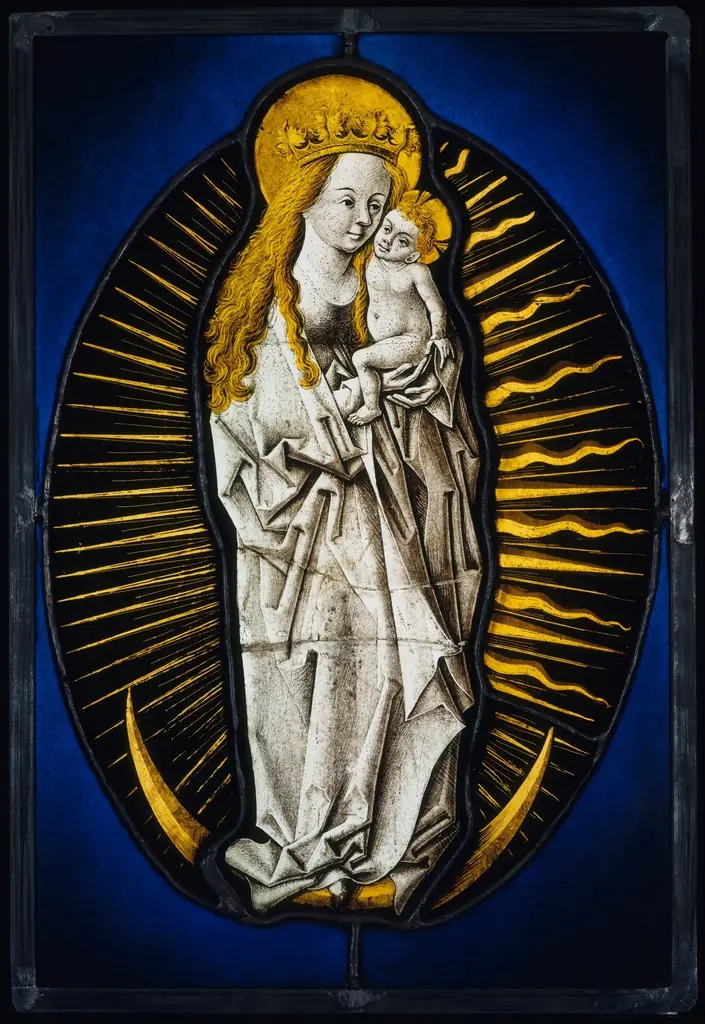
The Madonna of Mercy is held in the collection of the Metropolitan Museum of Art in New York. The work is cataloged under the accession number 68.224.5. Created around 1350, this anonymous religious painting depicts the Virgin Mary.
The provided sources confirm its current location and inventory designation but do not list any specific exhibition history.
Overview
This artwork, titled Madonna of Mercy, is rendered in stained glass, depicting a central female figure in a protective stance. She stands beneath an architectural canopy, extending her arms over a group of smaller individuals positioned below her. The composition emphasizes a sense of sanctuary and divine intercession, characteristic of this devotional theme in Christian art.
Subject & Meaning
The central figure is identified as the Madonna, or Virgin Mary, often depicted in Christian art as a protector. Her outstretched arms symbolize her role as a compassionate intercessor, offering refuge to the faithful gathered beneath her mantle. The smaller figures looking up with solemn expressions represent humanity seeking her spiritual solace and protection, a common motif in depictions of the Madonna of Mercy.
Technique & Style
The stained glass panel employs a distinctive visual language characterized by its bold and unmodulated colors. The Madonna's vibrant green robe contrasts with a background densely filled with intricate red, blue, and gold patterns. The absence of shadows and the reliance on clean, defined lines contribute to a flat, two-dimensional aesthetic, typical of certain periods in medieval and early Renaissance religious art, emphasizing clarity and symbolic representation over naturalistic depth.

Artist & collection