Artwork
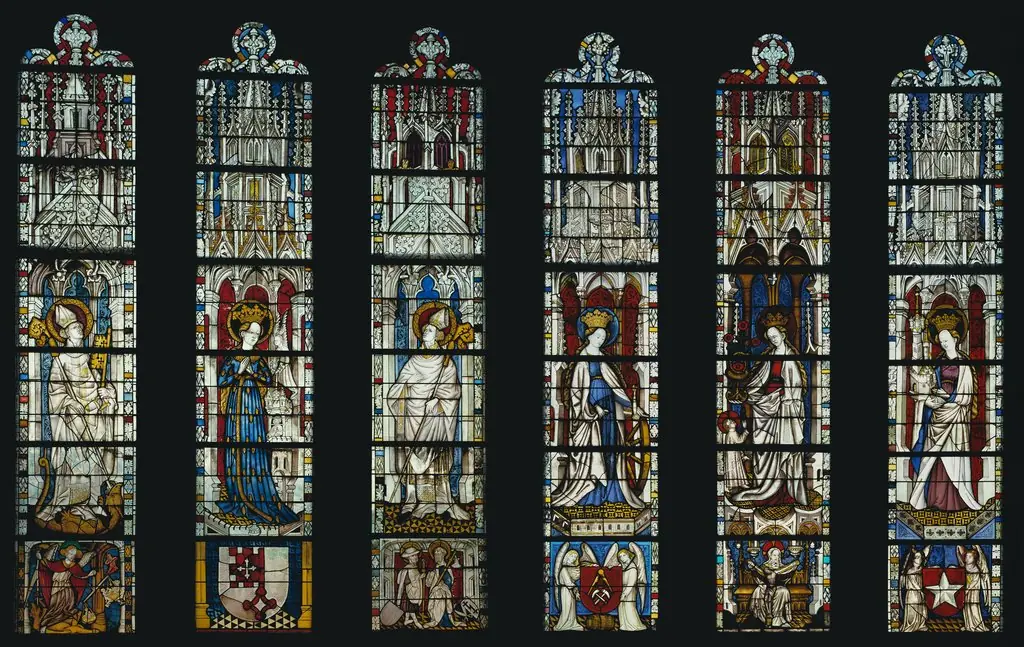
The Virgin Mary and Five Standing Saints above Predella Panels
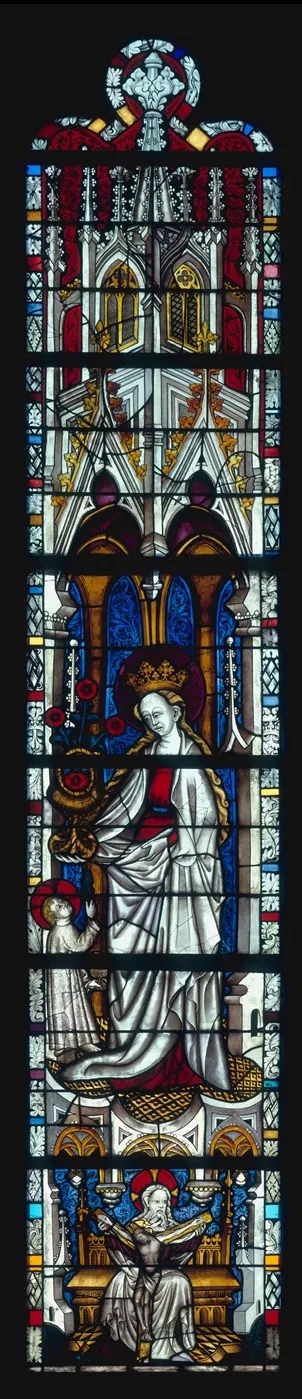
The Virgin Mary and Five Standing Saints above Predella Panels is an unspecified painting. It dates from 1440 and is held in the collection of the Metropolitan Museum of Art.
About this work
Subject & Meaning
Above the main panel, predella scenes are integrated into the overall structure, though their specific narratives are not detailed in the available records.
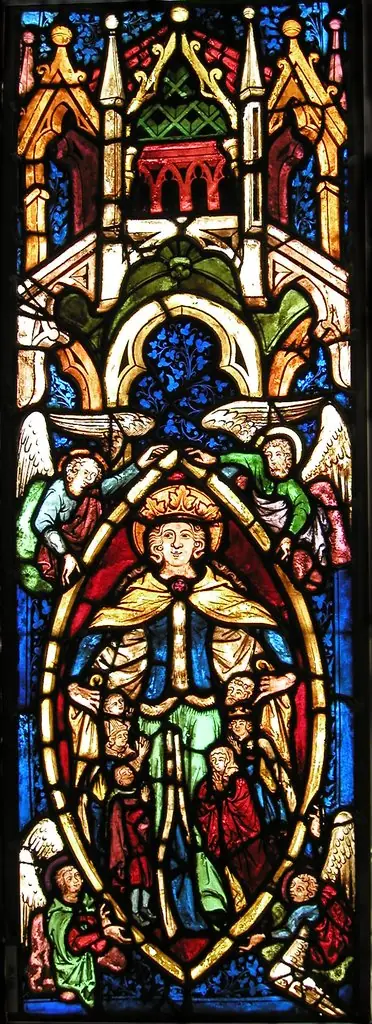
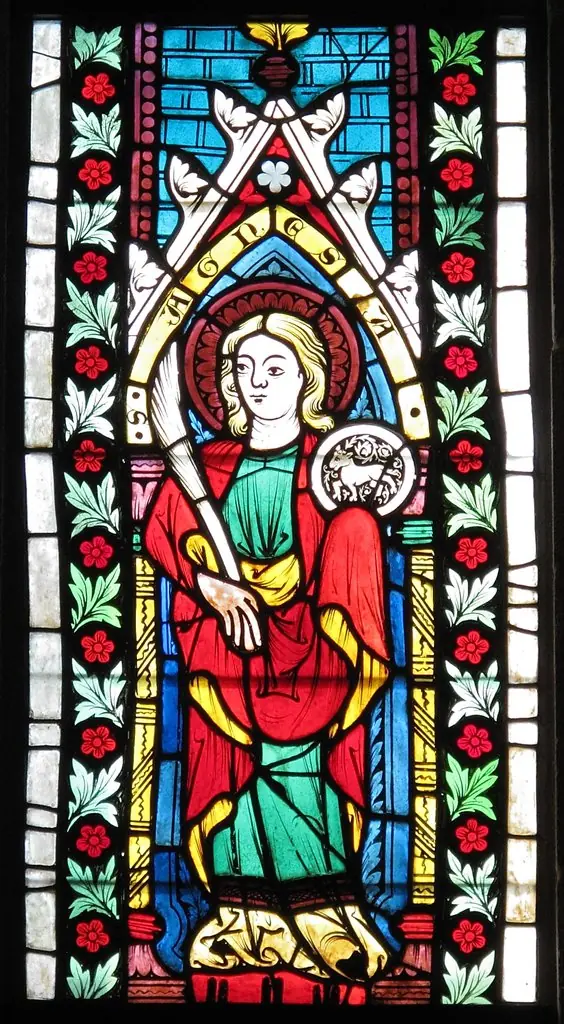
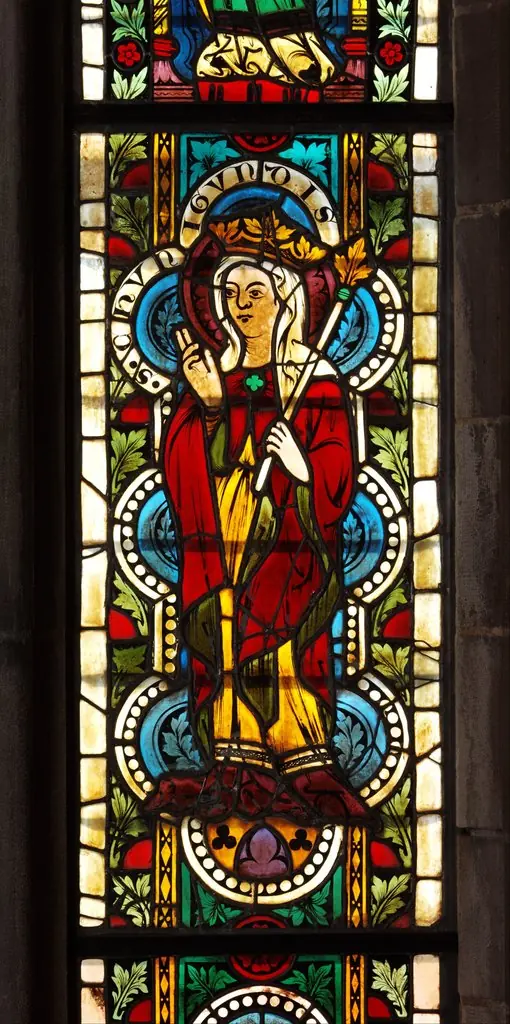
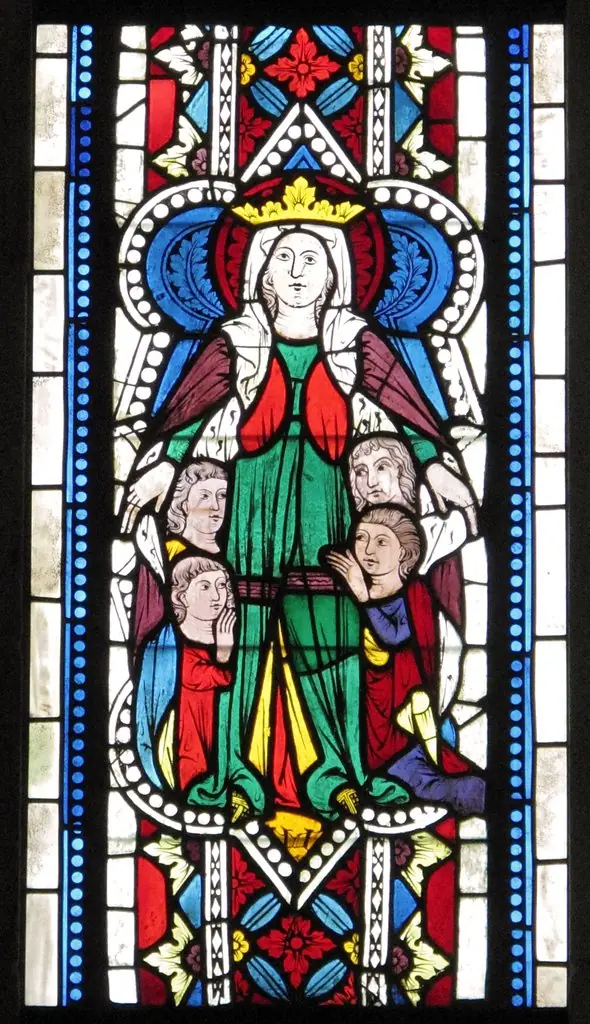
Created in 1440, this religious painting depicts the Virgin Mary accompanied by five standing saints. The composition centers on the woman, identified as Mary, who is flanked by multiple male saint figures in a hierarchical arrangement typical of devotional altarpieces. The work serves a liturgical function, presenting sacred figures for veneration within a Christian context.
Above the main panel, predella scenes are integrated into the overall structure, though their specific narratives are not detailed in the available records. The imagery emphasizes the spiritual authority of the saints and the central role of the Virgin within the religious tradition of the period.
History & Provenance
The painting dates to 1440 and is classified as a religious work. It is held in the collection of the Metropolitan Museum of Art, where it is catalogued as accession number 37.52.5. The artwork is attributed to an anonymous creator, and no specific commission, prior ownership history, or chain of custody is documented in the available sources.
Overview
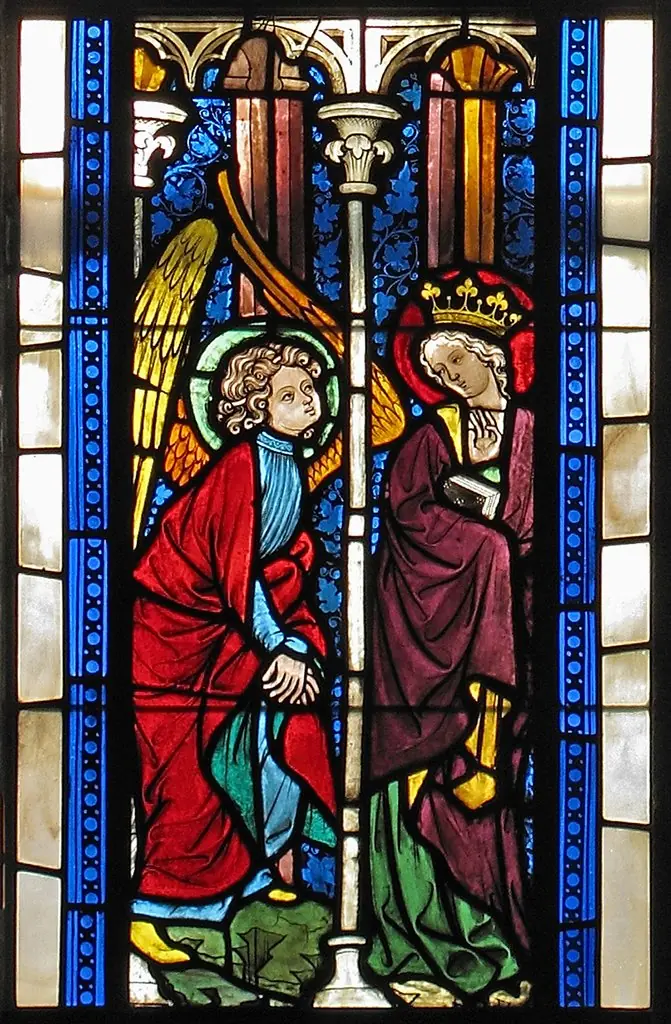
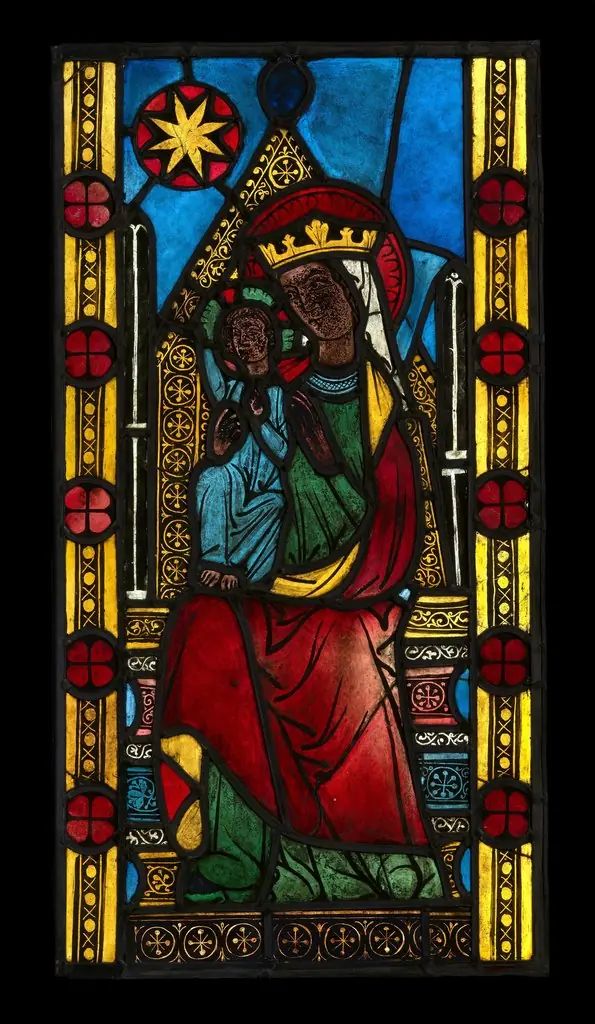
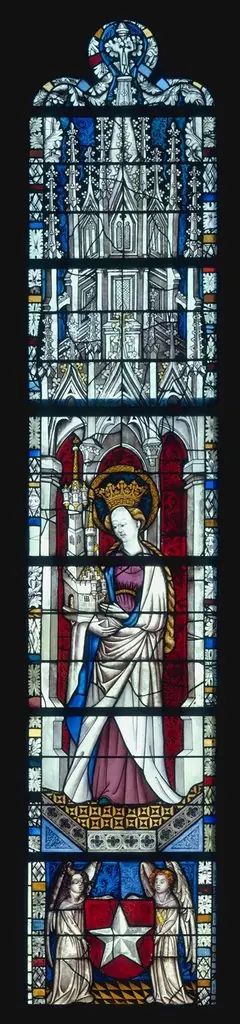
This stained-glass panel presents a devotional scene featuring the Virgin Mary holding the Christ Child, accompanied by five standing saints. The figures are arranged within an architectural setting characterized by pointed arches and small windows, suggesting a sacred interior. The artwork employs a palette of deep blues, reds, and gold, which, while still vibrant, show the subtle effects of age.
Technique & Style
The panel's visual impact relies on a strong color scheme, contrasting deep blues with vivid reds and luminous gold, though their original brilliance has softened over time. The figures are rendered with solemnity, their elongated forms aligned in a formal row. Architectural elements, including pointed arches and small windows, define the background, contributing to the overall ecclesiastical atmosphere of the work.
Artist & collection

- The Virgin Mary and Five Standing Saints above Predella Panels
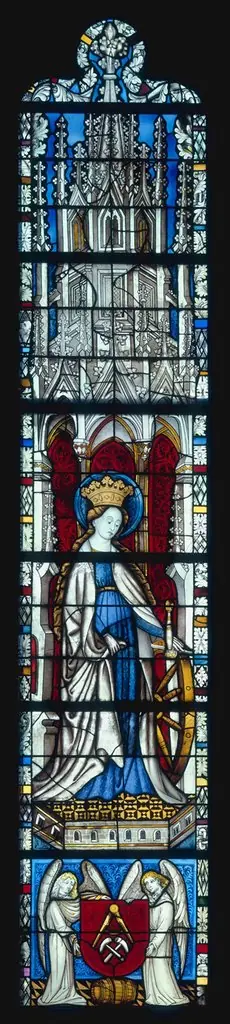 The Virgin Mary and Five Standing Saints above Predella Panels
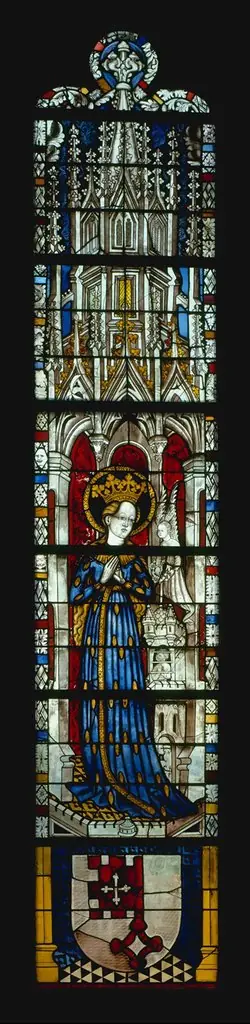 The Virgin Mary and Five Standing Saints above Predella Panels
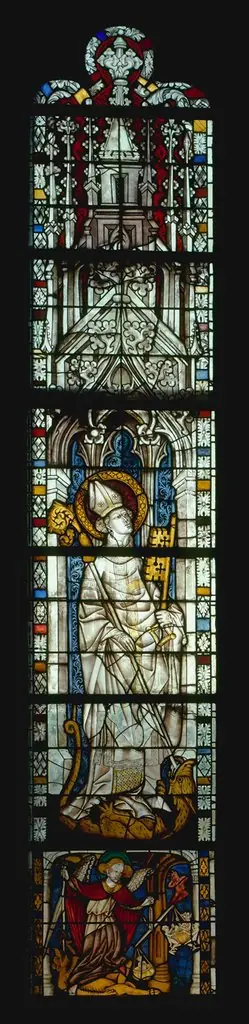 The Virgin Mary and Five Standing Saints above Predella Panels
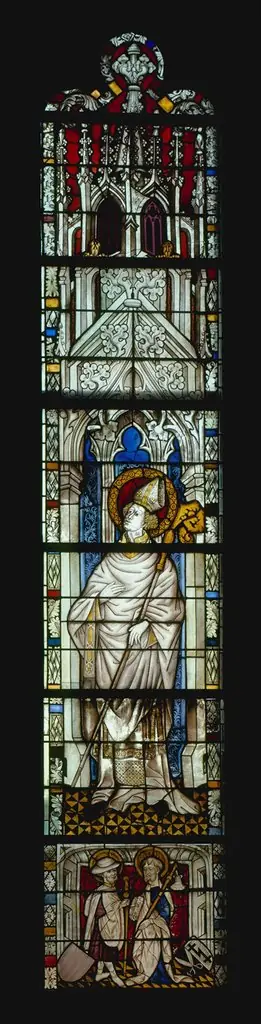 The Virgin Mary and Five Standing Saints above Predella Panels
 The Virgin Mary and Five Standing Saints above Predella Panels