Artwork
Timon of Athens
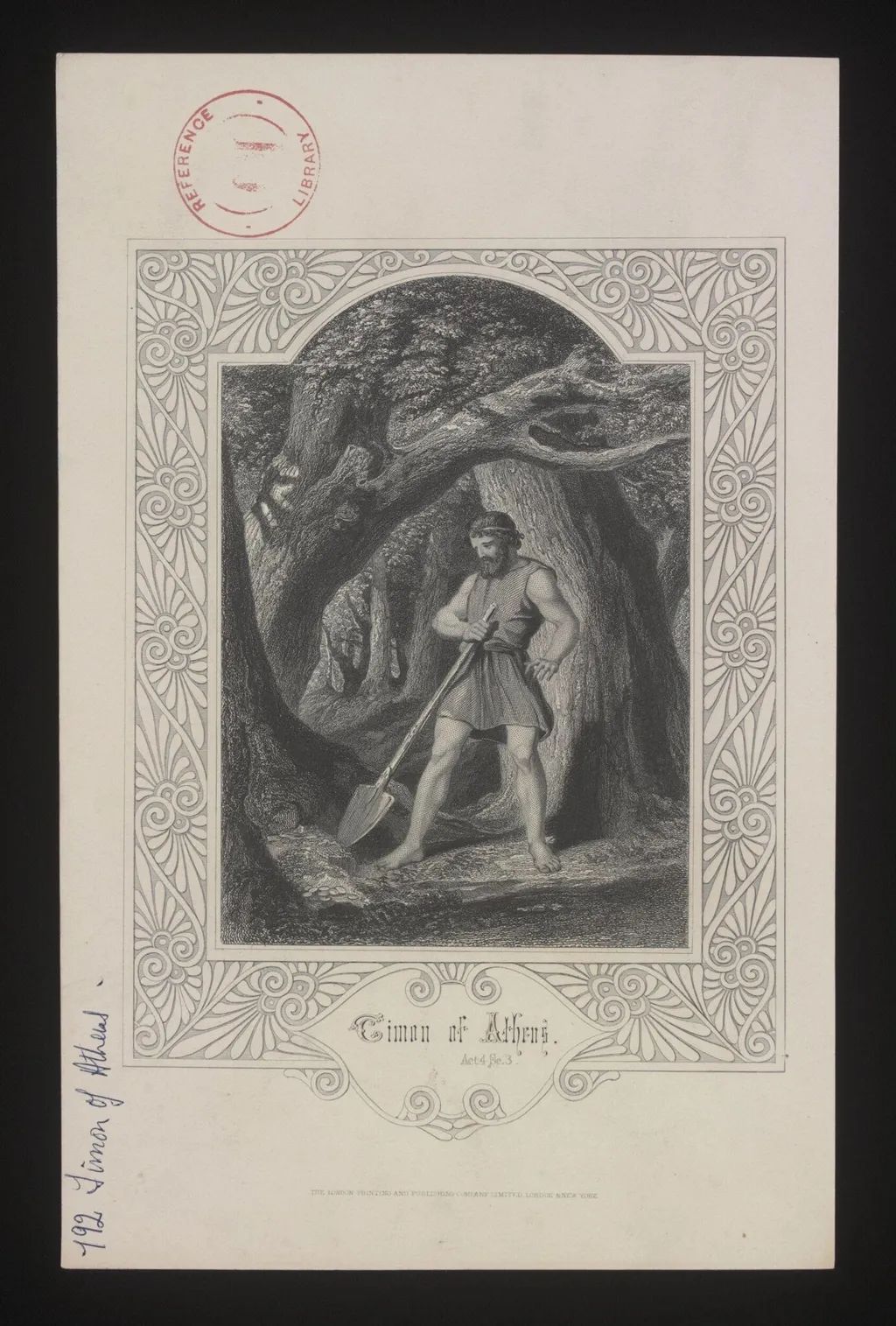
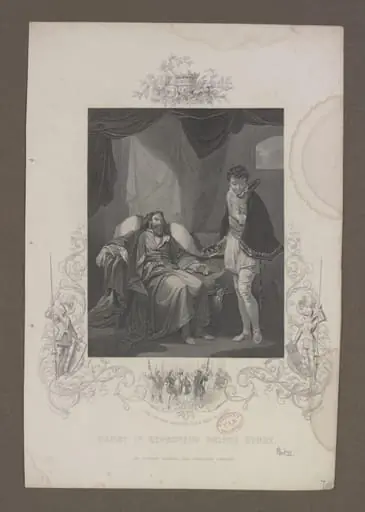
Timon of Athens is a print by Unknown. It dates from 1850 and is held in the collection of the Victoria and Albert Museum.
About this work
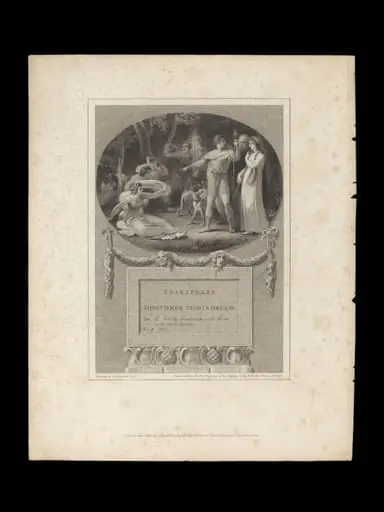
The painting shows a scene from Timon of Athens. It's a print from the 19th century. The London Printing and Publishing Company published it, which is an interesting fact because it was a company that made many prints like this one, often from plays or books. You can learn more about this type of print at the museum: Victoria and Albert Museum.
Overview
The company specialized in reproducing dramatic moments from literature and stage, making such works accessible to a wider public beyond the theatergoer.
This 19th-century print depicts a scene from Shakespeare’s Timon of Athens, produced by The London Printing and Publishing Company. It belongs to a broader category of illustrated theatrical prints popular during the period, intended for domestic display. The company specialized in reproducing dramatic moments from literature and stage, making such works accessible to a wider public beyond the theatergoer.
Subject & Meaning
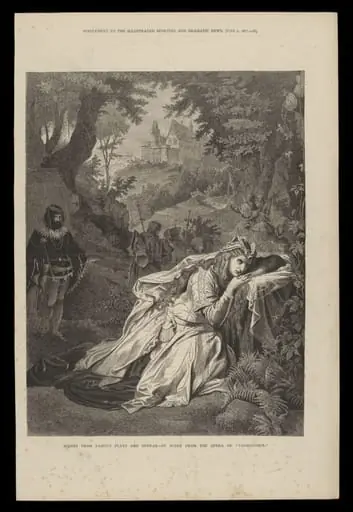
The scene illustrates a moment from Shakespeare’s tragedy, likely portraying Timon’s descent into misanthropy or his rejection of former friends. The imagery emphasizes isolation and betrayal, core themes of the play. Without overt narrative labels, the print relies on visual cues, posture, setting, and expression, to convey the character’s emotional collapse and the moral decay surrounding him.
Technique & Style
Executed as a commercial print, likely an engraving or lithograph, the work employs fine lines and tonal contrasts typical of mid-19th-century reproductive techniques. The composition is staged for clarity and emotional impact, prioritizing legibility over painterly detail. Figures are rendered with theatrical exaggeration, reflecting the influence of stage design rather than naturalistic observation.
History & Provenance
Produced by The London Printing and Publishing Company, the print was part of a mass-produced series aimed at the Victorian middle class. These prints were often sold as affordable wall decorations, linking literature with domestic culture. While individual copies are rarely documented, the company’s archives suggest widespread distribution across Britain and its colonies during the century’s latter half.
Context
In the 19th century, Shakespeare’s plays experienced a revival in popular culture, with illustrated editions and theatrical prints becoming common in homes. Publishers like The London Printing and Publishing Company capitalized on this trend, translating stage performances into static images. Such prints served both educational and decorative purposes, reinforcing cultural literacy through visual storytelling.
Legacy
These prints remain valuable as artifacts of Victorian visual culture and the democratization of literature. Though not created by fine artists, they reflect how Shakespeare’s narratives were interpreted and consumed outside elite circles. Collections at institutions like the Victoria and Albert Museum preserve them as evidence of how theater shaped everyday aesthetic experience in the 1800s.
Artist & collection