Artwork
Tomb Slab of Madame Blanche of France, Duchesse d'Orléans
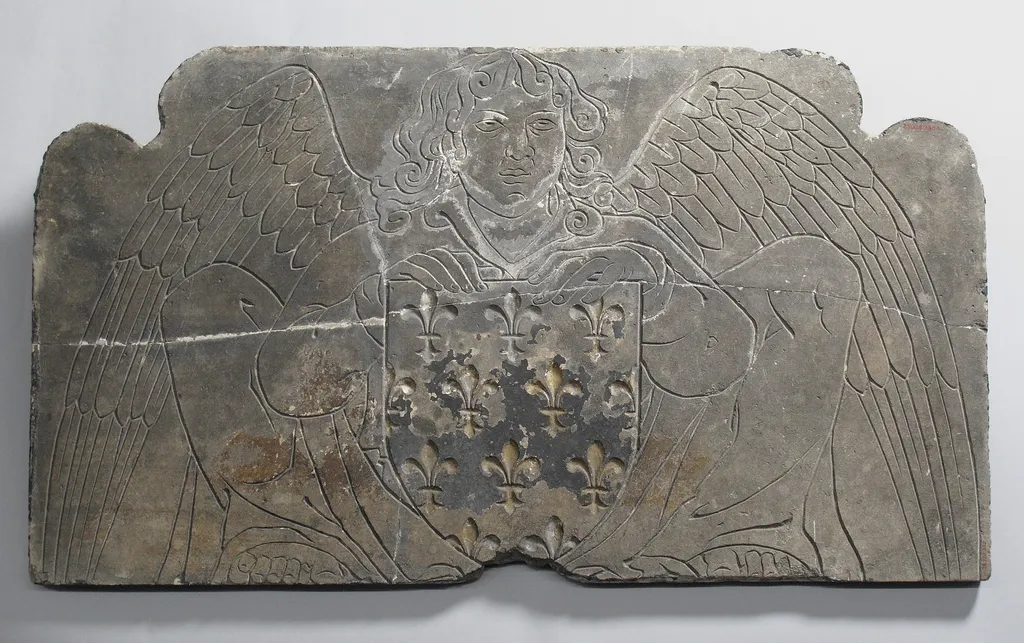
Tomb Slab of Madame Blanche of France, Duchesse d'Orléans is an unspecified painting. It dates from 1350 and is held in the collection of the Metropolitan Museum of Art. This stone tomb slab commemorates Madame Blanche of France, Duchesse d'Orléans.
About this work
History & Provenance
The work is listed in the museum’s collection but no specific accession or inventory number is recorded in the available documentation.
The Tomb Slab of Madame Blanche of France, Duchesse d'Orléans, is an anonymous religious painting dating to 1350, originally created as a funerary monument for the French duchess. Its authorship remains unidentified, and it was produced in the mid‑14th century within the context of French devotional art. The work entered the collection of the Metropolitan Museum of Art, where it is presently housed and displayed, forming part of the museum’s holdings of medieval religious artworks. Documentation of its inception records the date 1350‑00‑00, confirming its creation in that year.
The Tomb Slab of Madame Blanche of France, Duchesse d’Orléans, is housed in the Metropolitan Museum of Art in New York. The work is listed in the museum’s collection but no specific accession or inventory number is recorded in the available documentation. Exhibition records consulted do not indicate any prior display of this slab within major museum exhibitions; its public presentation history remains undocumented in the cited sources. The slab dates to 1350 and is classified as a religious painting within the museum’s holdings.
Overview
This stone tomb slab commemorates Madame Blanche of France, Duchesse d'Orléans. It features a serene face encircled by a winged figure, likely an angel, rendered with intricate feather details. Below this central motif, a shield displays three golden lilies, a heraldic emblem of French royalty. The slab's worn edges and faded carving suggest its age and historical significance as a funerary monument.
Subject & Meaning
The central figure on the slab represents Blanche of France, identifiable by the shield bearing three golden lilies. This heraldic device was a direct symbol of the French monarchy, indicating her royal lineage. The surrounding winged figure, likely an angelic representation, would have conveyed spiritual protection or ascent, a common motif in medieval funerary art, emphasizing the deceased's transition and spiritual status.
Technique & Style
The carving on this tomb slab exhibits a simple, flat relief style, characterized by a lack of deep shadows or pronounced three-dimensionality. Details like the winged figure's feathers are rendered through surface incision rather than volumetric modeling. The overall appearance is one of antiquity, with the stone's edges showing wear and the carved elements having softened and faded over centuries, reflecting its long history as a funerary marker.
Artist & collection

 Glass panel
 Ornament
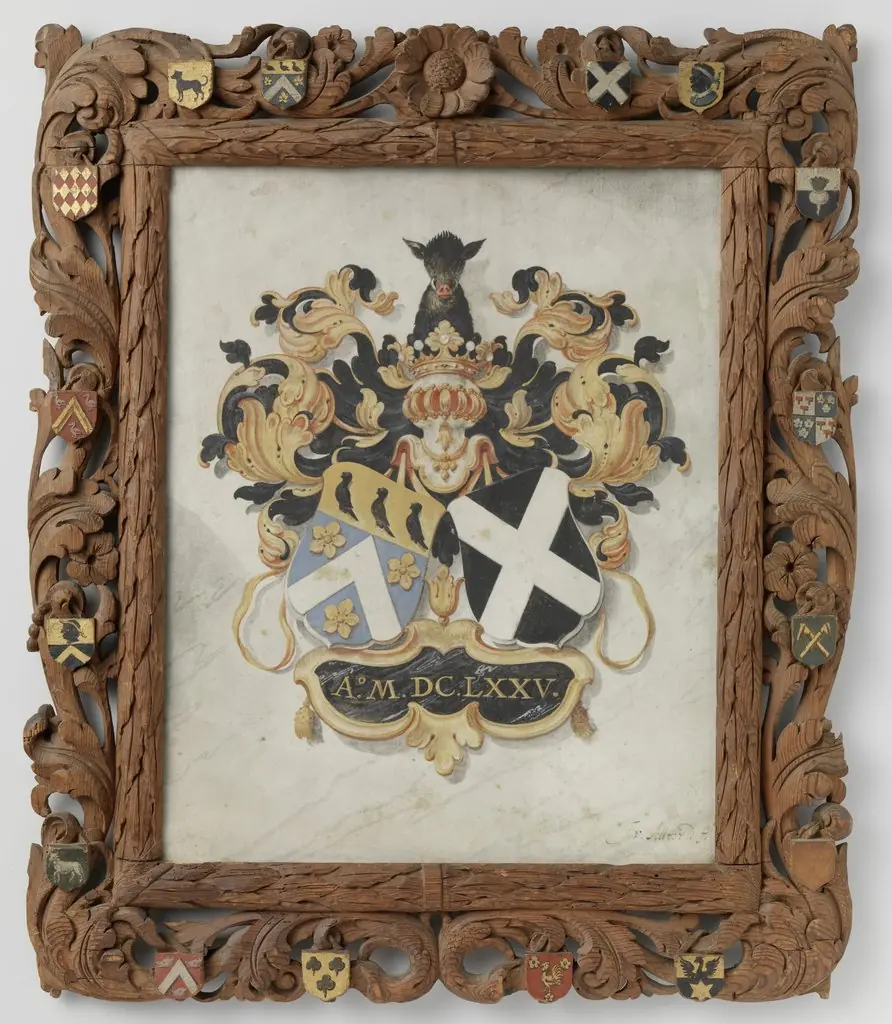 The family shields of Jan Boudaen Courten and Anna Maria Hoeufft
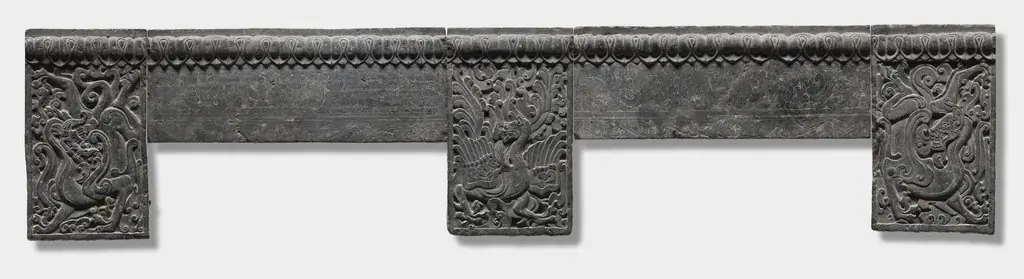 Demon Intoning the Name of the Buddha
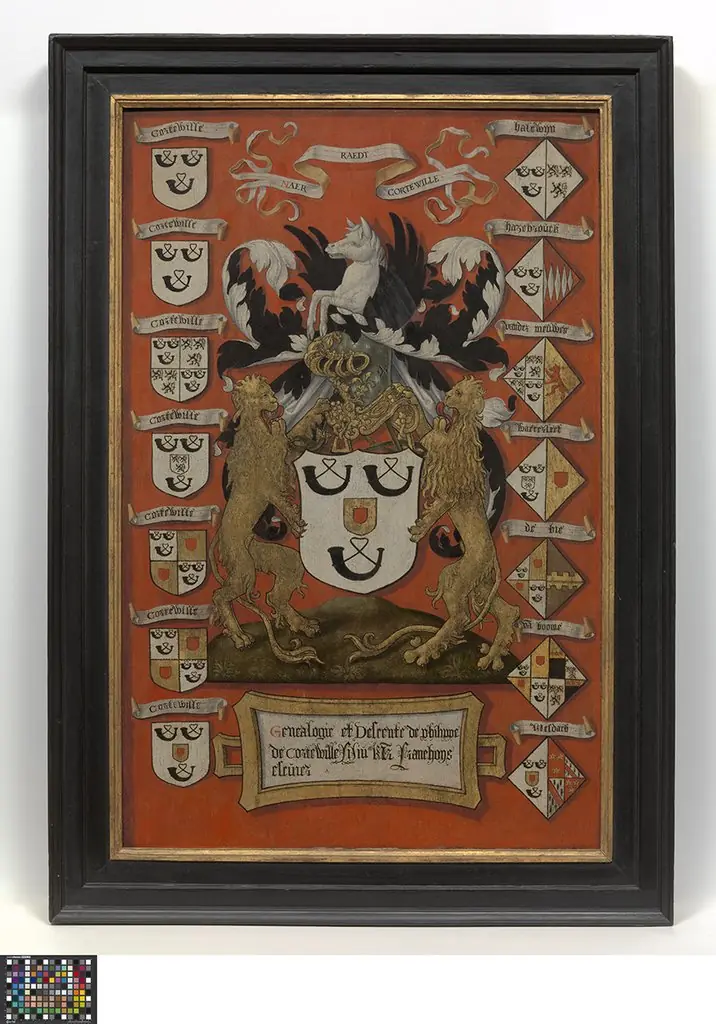 Pedigree of Filips de Cortewille
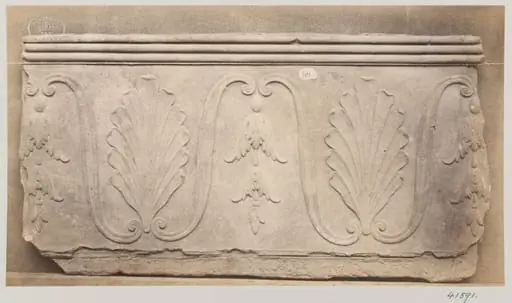 Bas-relief of a portion of a frieze depicting a palmetto and foliage in terra cotta
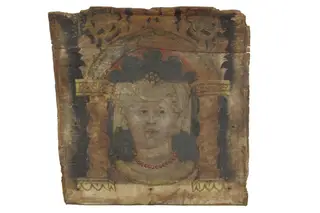 Head of a woman under an arch, full face
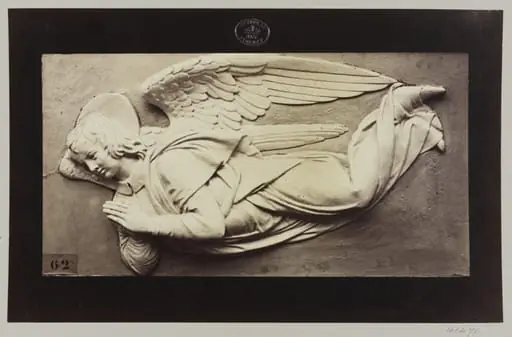 Bas-relief figure of a Flying Angel
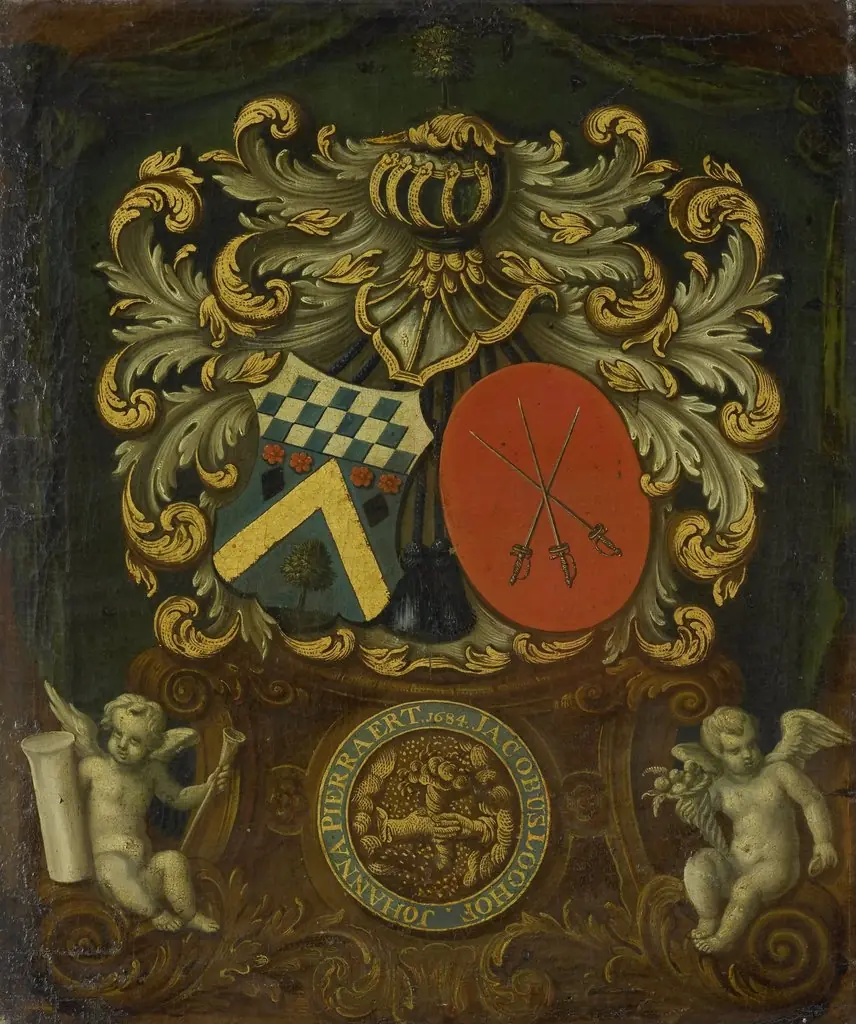 The family shields of Jacobus Loohoff and Johanna Pierraert, 1684
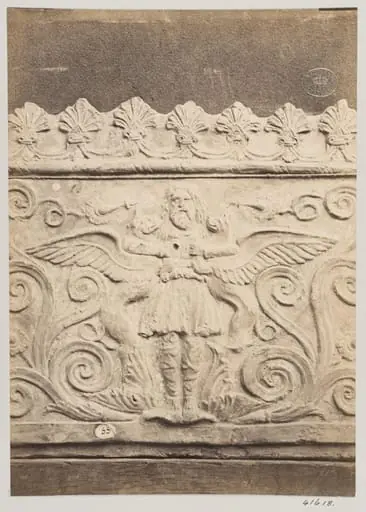 Bas-relief portion of a frieze of a flying genie in terra cotta
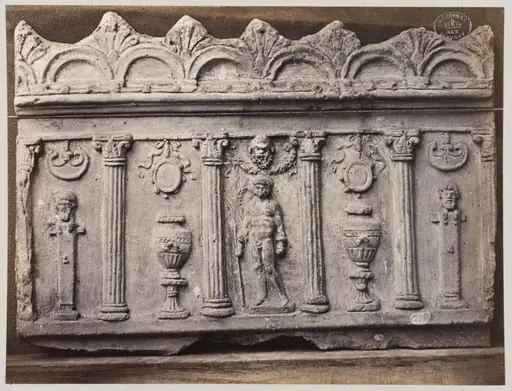 Bas-relief of a figure with bust, vessels and columns in terra cotta
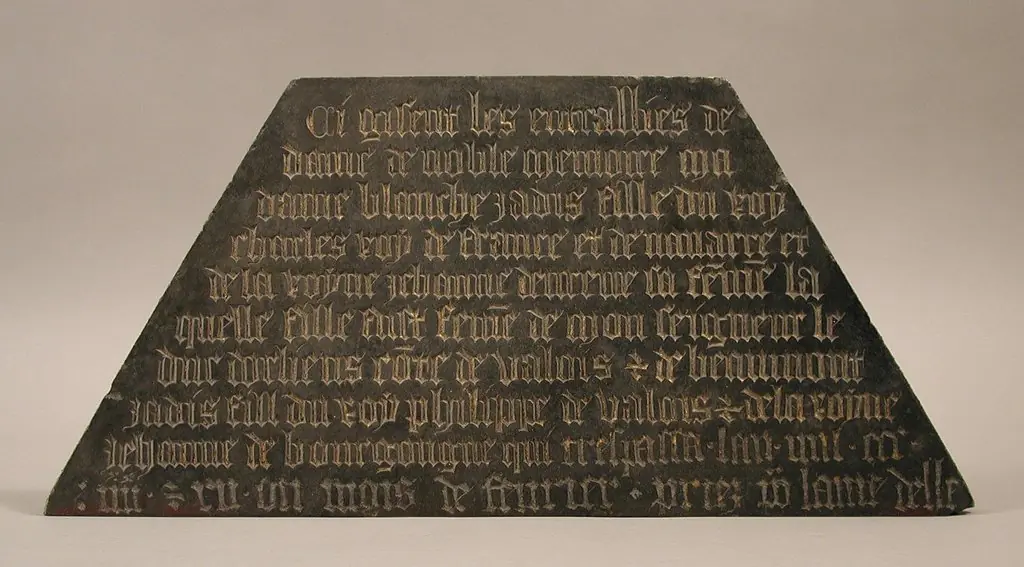
- Tomb Plaque of Blanche of France (1328–92), daughter of Charles IV of France and Jeanne d'Evreux
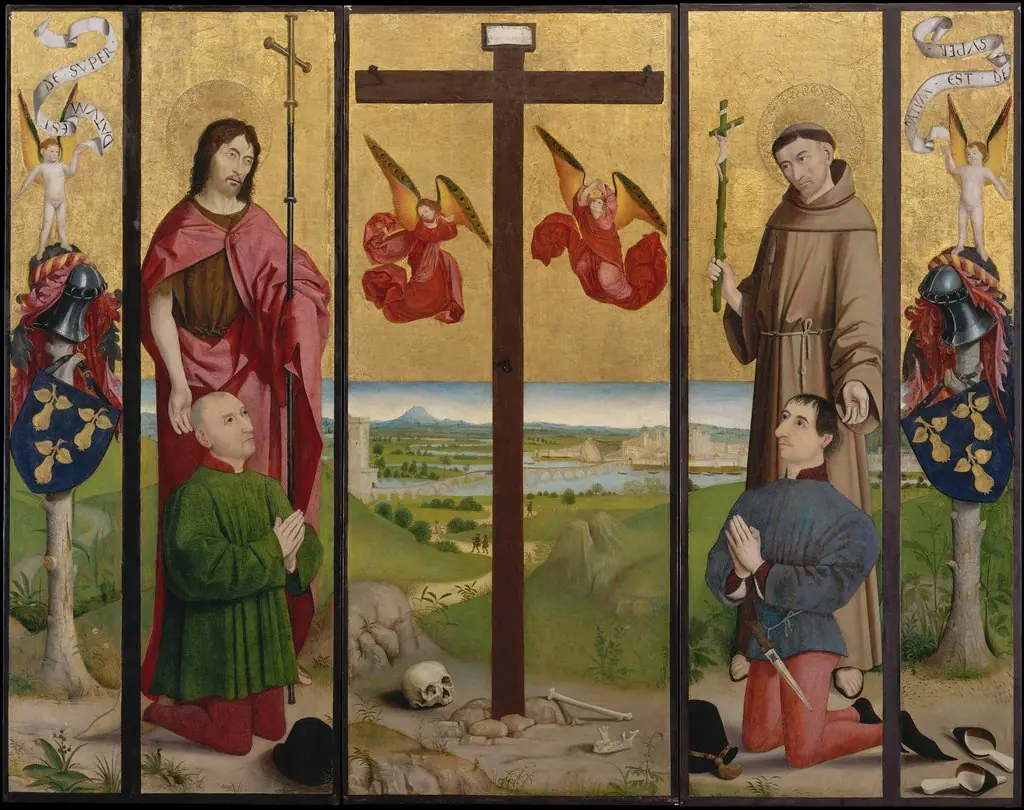 The Pérussis Altarpiece
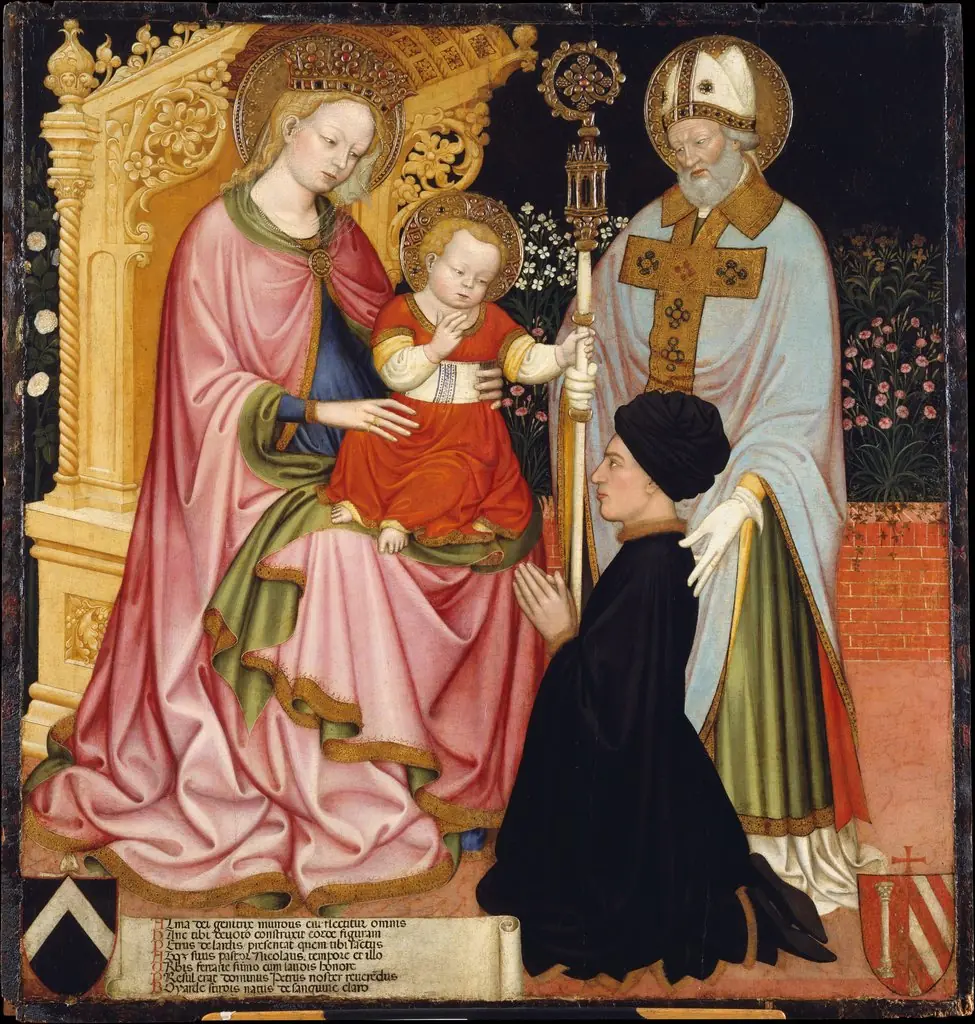 Madonna and Child with the Donor, Pietro de' Lardi, Presented by Saint Nicholas
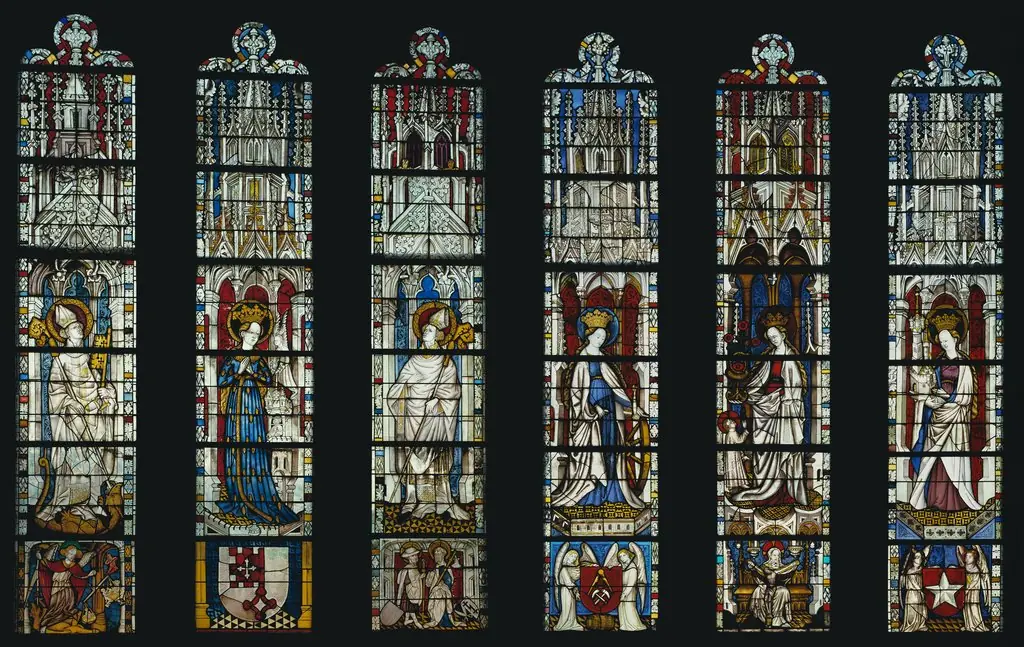 The Virgin Mary and Five Standing Saints above Predella Panels
 Portrait of a Woman, possibly Ginevra d'Antonio Lupari Gozzadini
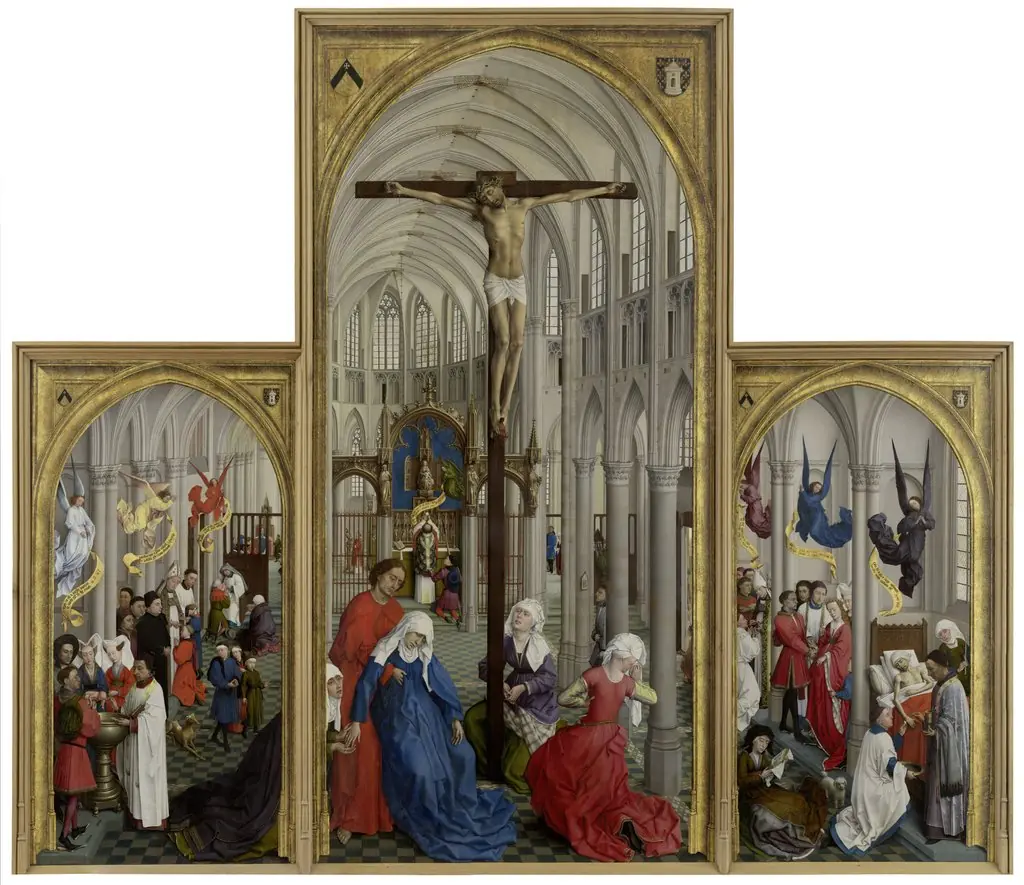 The Seven Sacraments
 Portrait of a Woman Holding a Book
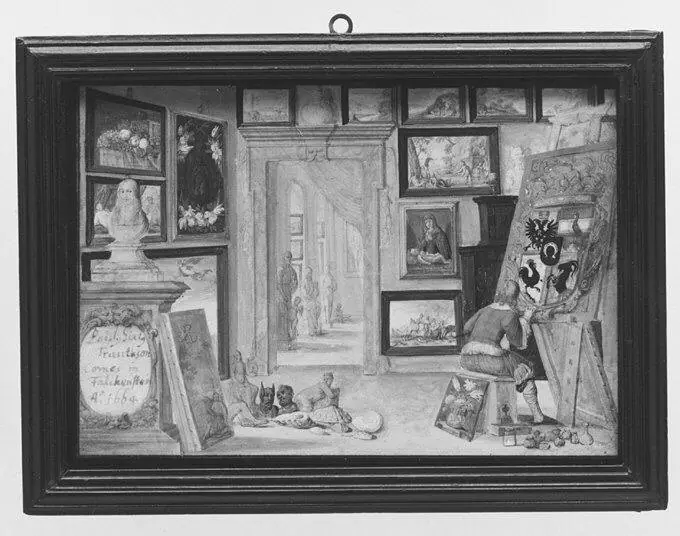 An Artist Painting a Heraldic Shield in a Cabinet of Curiosities
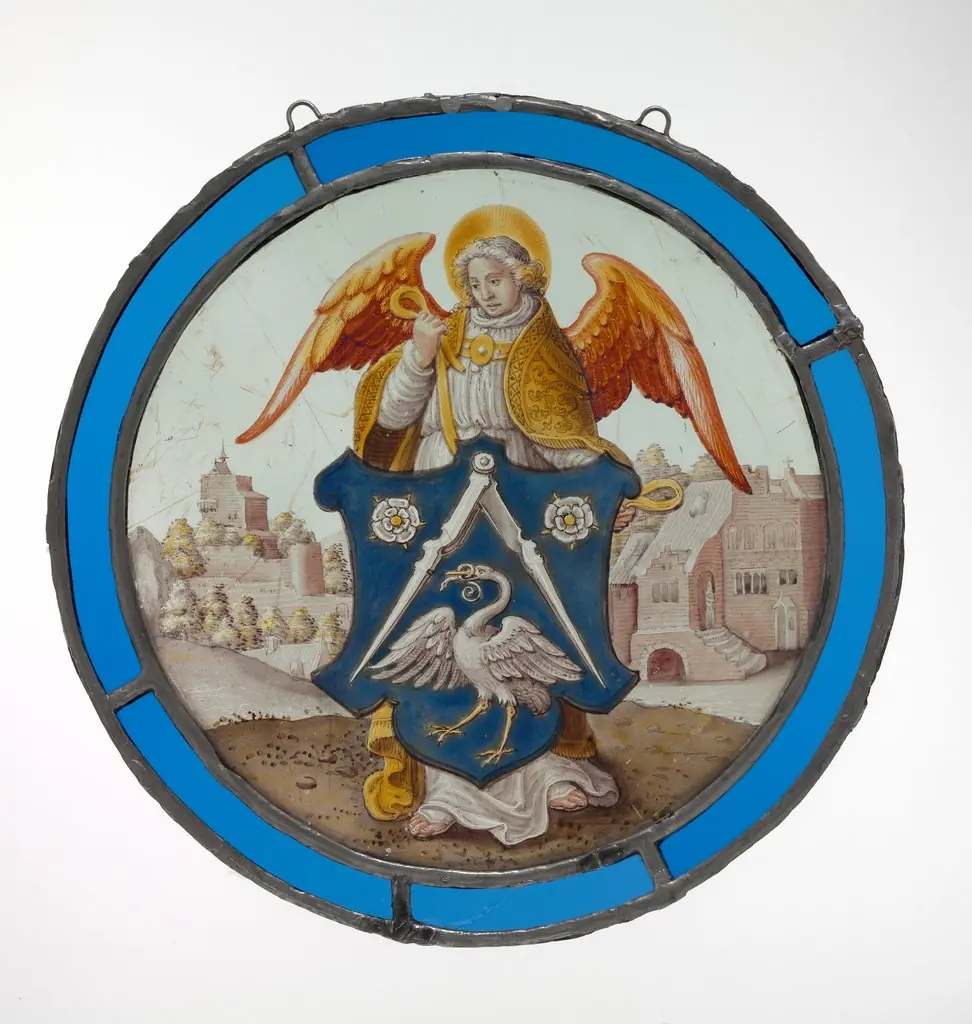 Angel Supporting a Heraldic Shield