Artwork
Untitled
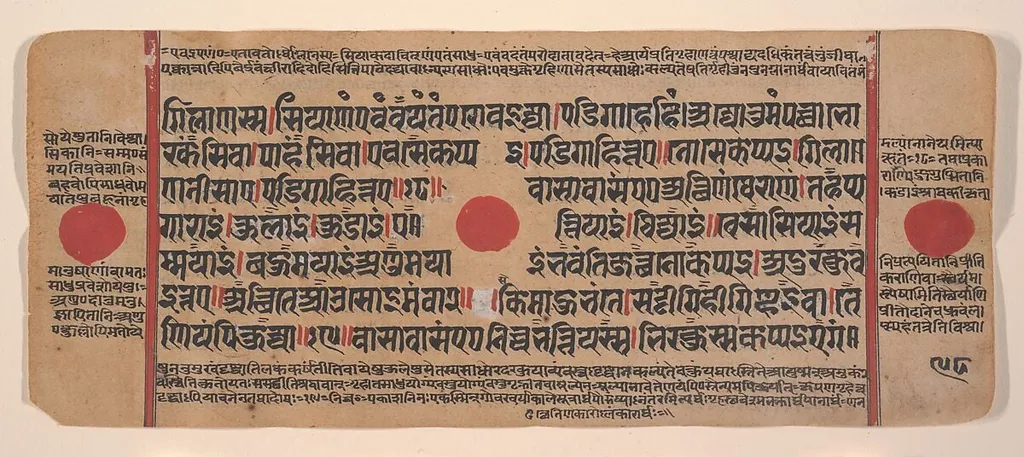
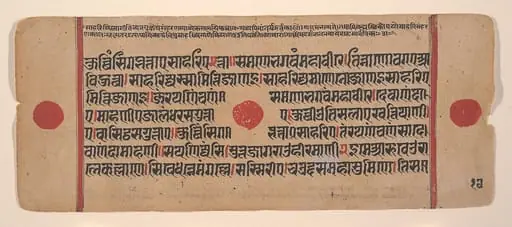
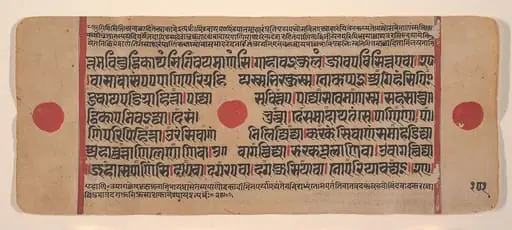
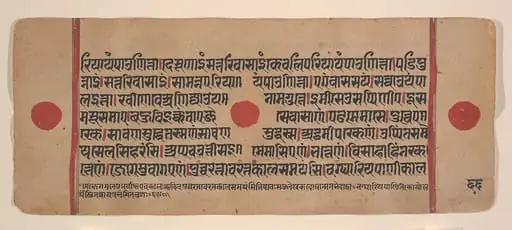
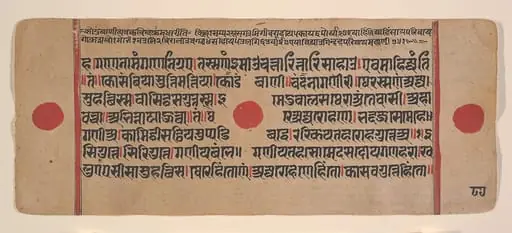
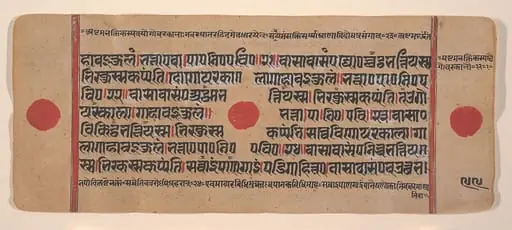
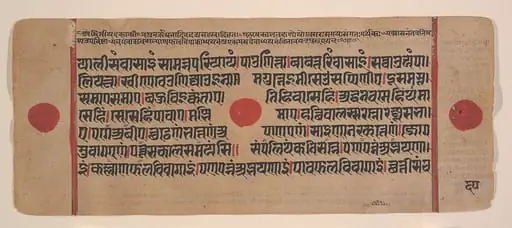
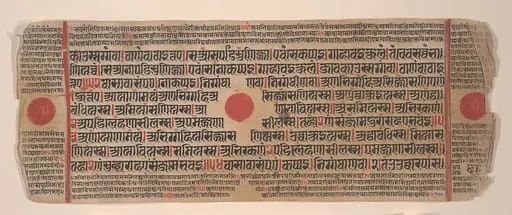
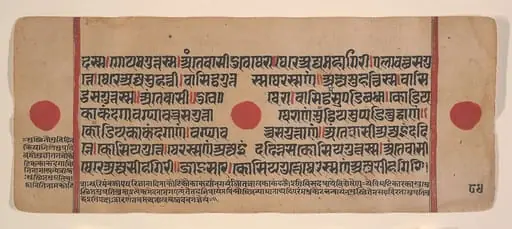
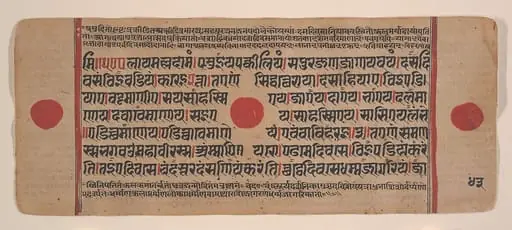
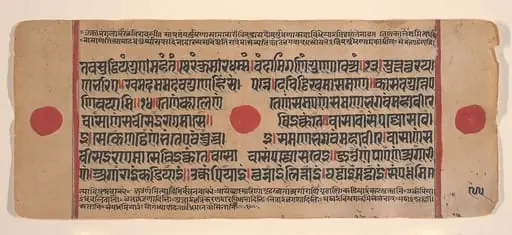
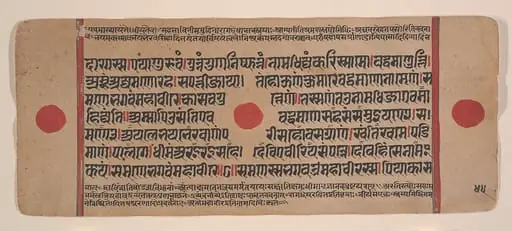
Untitled is a watercolor painting. It dates from 1449 and is held in the collection of the Metropolitan Museum of Art.
About this work
Subject & Meaning
Its creation in the fifteenth century reflects the devotional artistic practice of Jain communities, using gold highlights to emphasize sacred motifs.
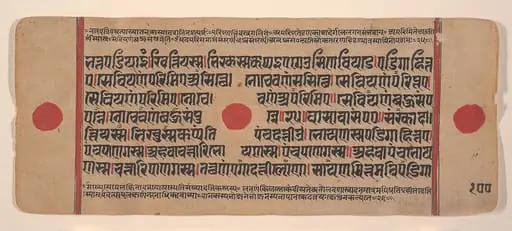
The work, titled Untitled, is a 1449 Indian painting executed in ink, opaque watercolor and gold on paper. It belongs to the religious genre and, according to cataloguing data, depicts subjects drawn from Jainism. As a religious painting, its iconography follows Jain visual conventions, though specific narrative elements are not recorded.
The piece was produced in India and now resides in the Metropolitan Museum of Art, where it is catalogued under accession number 55.121.38.64. Its creation in the fifteenth century reflects the devotional artistic practice of Jain communities, using gold highlights to emphasize sacred motifs.
History & Provenance
The painting Untitled, dated 1449 and attributed to an anonymous Indian artist, was executed in ink, opaque watercolor and gold on paper and portrays Jain religious themes. It was created in India and later entered the collection of the Metropolitan Museum of Art, where it is catalogued under accession number 55.121.38.64. No documentation of a specific commission or subsequent owners is recorded; the work’s provenance is limited to its acquisition by the museum.
Its dating and iconographic program are documented in scholarly references that identify the piece as a 15th‑century Jain manuscript painting.
The work is held by the Metropolitan Museum of Art, where it is catalogued under accession number 55.121.38.64. The painting is classified in the museum's collection as a painting in the religious genre, depicting Jainism. No specific exhibition history is provided in the available sources.
Overview
This untitled painting, rendered with ink, opaque watercolor, and gold on paper, originates from a Jain manuscript created in Gujarat, India, during the 15th century. It depicts a woman in a red sari seated on an ornate rug, holding a book. Around her, smaller figures are shown kneeling in prayer beneath a sky composed of flat blue and gold leaf.
Technique & Style
The artist employed a combination of ink, opaque watercolor, and gold on paper. Gold leaf was strategically applied to denote sacred illumination, while colors were built up through thin, translucent layers known as glazing. The stylistic characteristics suggest it was produced in a workshop environment, where multiple artisans often collaborated on different aspects of a single manuscript page.
Artist & collection