Artwork
Untitled
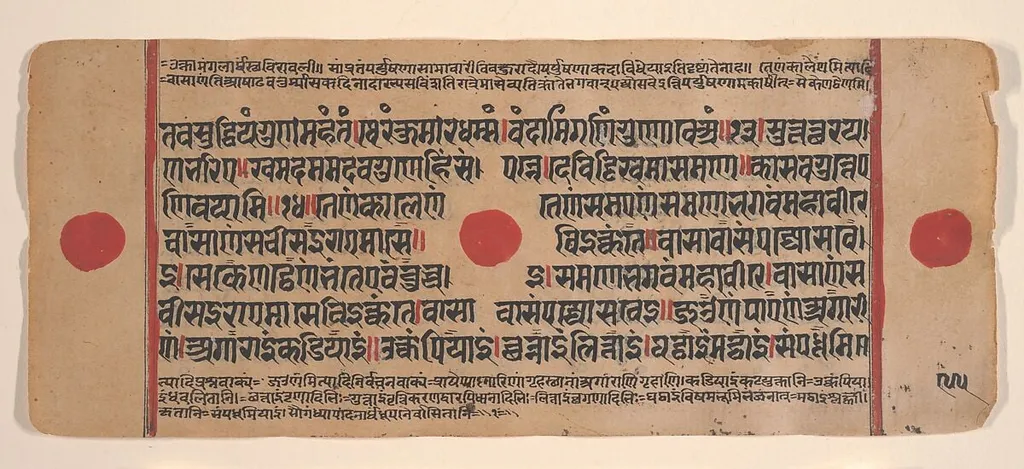
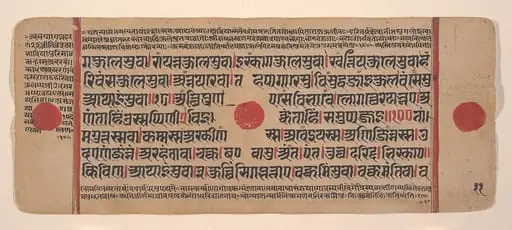
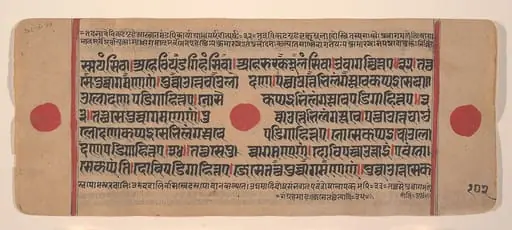
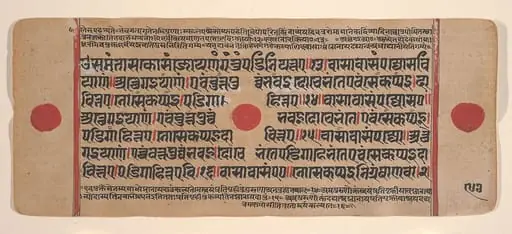
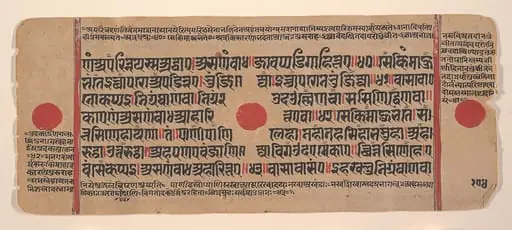
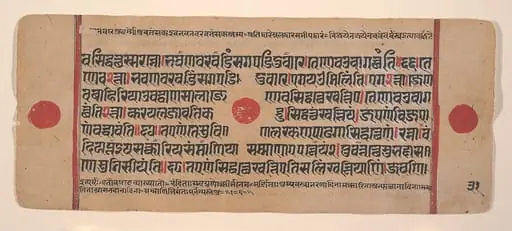
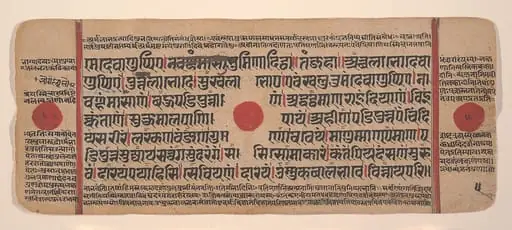
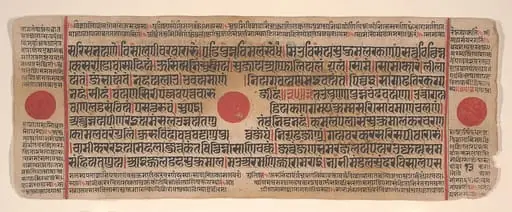
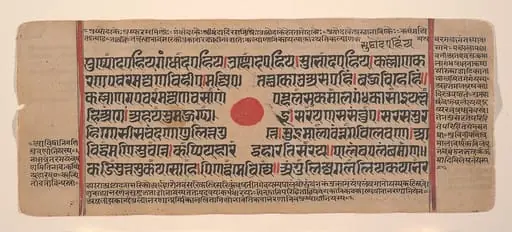
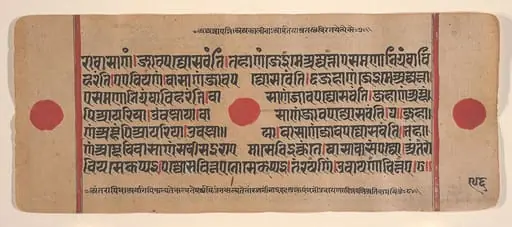
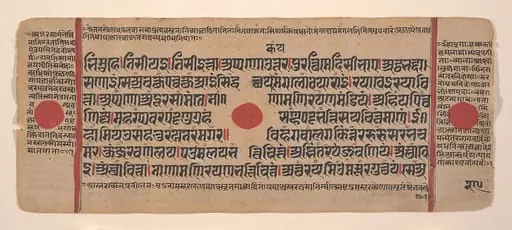
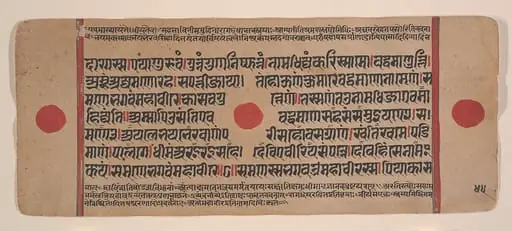
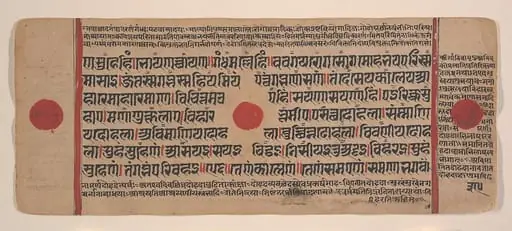
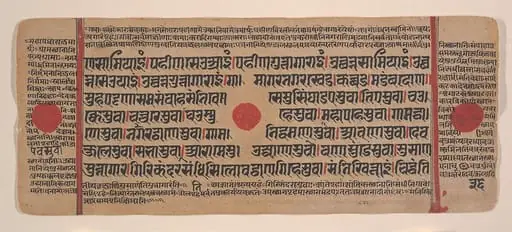
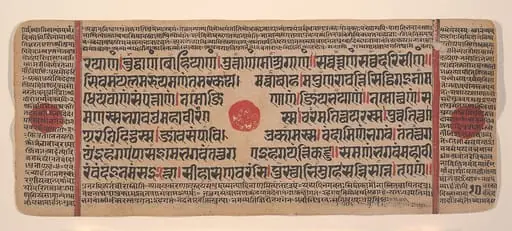
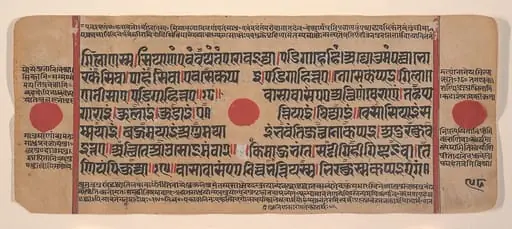
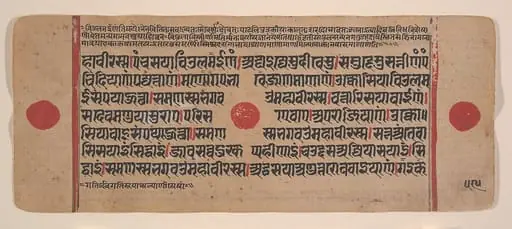
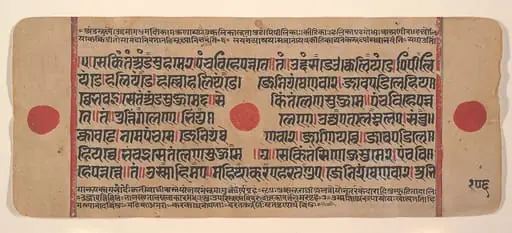
Untitled is a watercolor painting. It dates from 1449 and is held in the collection of the Metropolitan Museum of Art.
- Accession no.
- 55.121.38.67
- Credit line
- Rogers Fund, 1955
About this work
Subject & Meaning
As part of the Metropolitan Museum of Art's collection, the piece functions as a devotional object, embodying the religious atmosphere of its time and place.
The work is an anonymous 15th-century Jain religious painting created in India in 1449. Its subject belongs to the Jain tradition, likely depicting a saintly figure or symbolic narrative that conveys core Jain themes of non-violence and spiritual renunciation. The modest figural style and use of gold accents reflect Jain iconographic conventions that emphasize inner purity and detachment from worldly concerns.
As part of the Metropolitan Museum of Art's collection, the piece functions as a devotional object, embodying the religious atmosphere of its time and place.
Technique & Style
Created in 1449 in India, this anonymous religious painting utilizes ink, opaque watercolor, and gold applied to a paper support. The work measures 11.1 cm in height and 27 cm in width, reflecting the typical dimensions of Jain manuscript illustrations from the period. The artist employed a technique involving the layering of opaque pigments and metallic gold to depict Jain religious subjects on a delicate paper ground.
This combination of materials suggests a high level of craftsmanship intended for devotional use within the Jain tradition. The stylistic approach aligns with the visual conventions of 15th-century Indian religious art, characterized by precise line work and the strategic use of gold to highlight sacred elements.
History & Provenance
Untitled is a 1449 ink, opaque watercolor, and gold painting on paper, produced in India by an anonymous artist specializing in Jain religious imagery. The work, classified as a painting within the genre of religious art, was created for an unknown patron and later entered the collection of the Metropolitan Museum of Art, where it is catalogued under accession number 55.121.38.67. It depicts Jain themes, and measures 11.1 × 27 cm. No surviving record of earlier ownership before its museum acquisition is known.
Overview
This untitled painting, rendered with ink, opaque watercolor, and gold on paper, depicts a woman seated on a golden throne. Originating from a Jain manuscript in Gujarat, India, the work showcases precise draftsmanship and a vibrant palette. The extensive use of radiant gold leaf in the background signifies the sacred context of the imagery, reflecting the spiritual importance of the text it once accompanied.
Context
This painting is an integral component of a Jain manuscript produced in Gujarat, India. Jainism, a religion emphasizing non-violence and disciplined living, often commissioned such illustrated texts to convey spiritual teachings. The artwork's visual language and symbolic elements are deeply rooted in these religious principles, serving to illuminate the sacred narratives and philosophical tenets for its devout audience.
Artist & collection