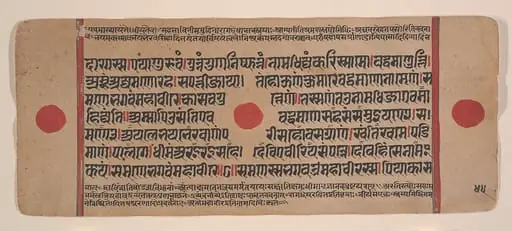
Artwork
Untitled
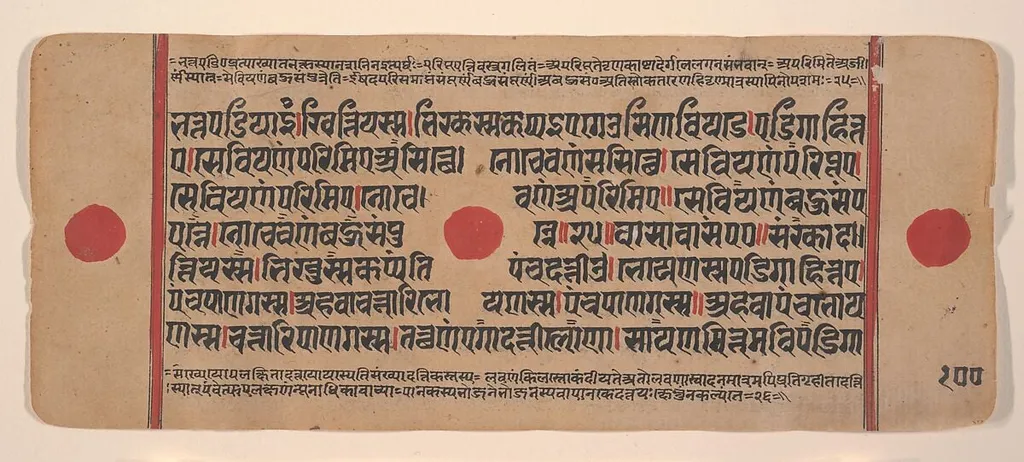
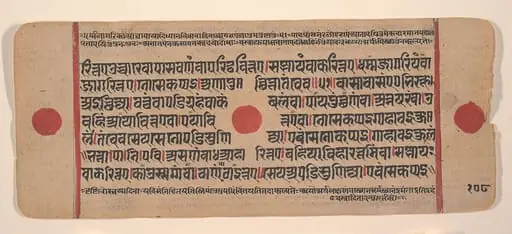
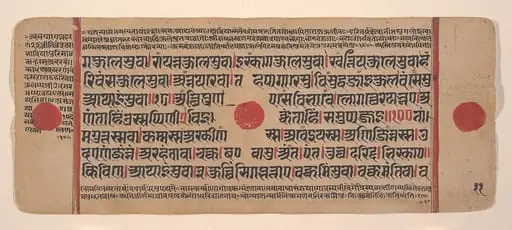
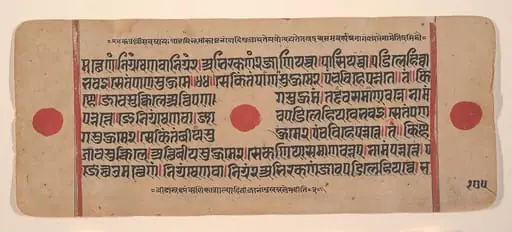
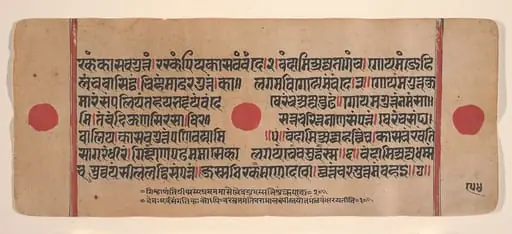
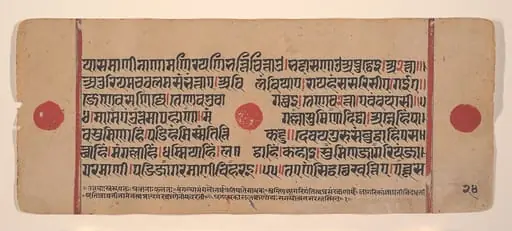
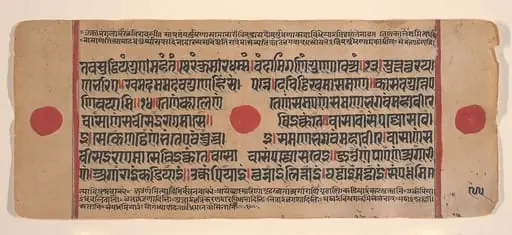
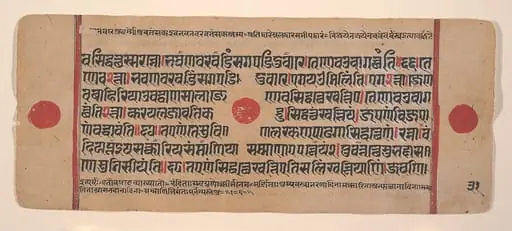
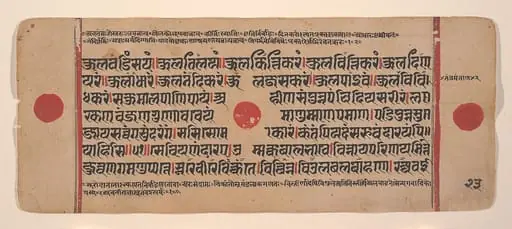
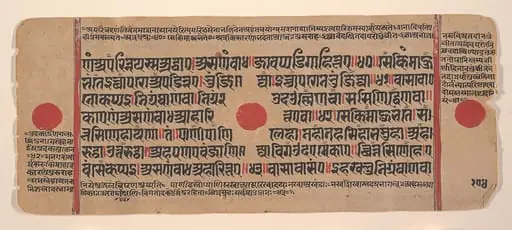
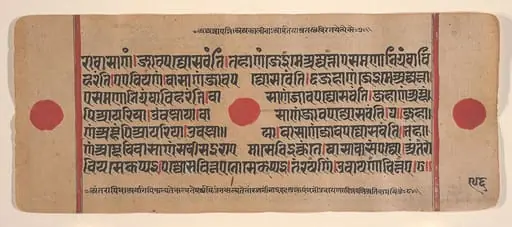
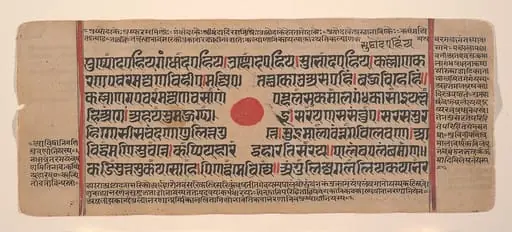
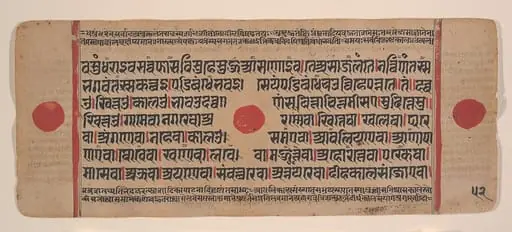
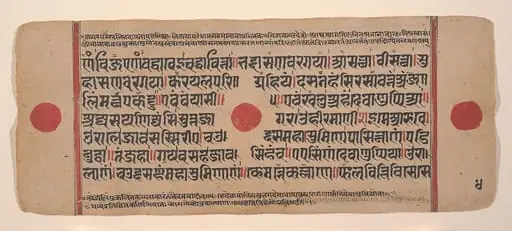
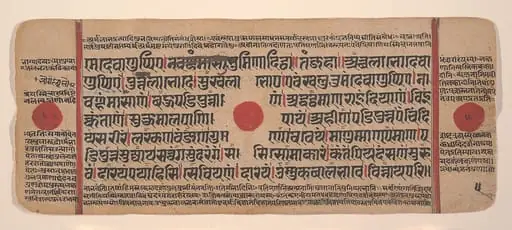
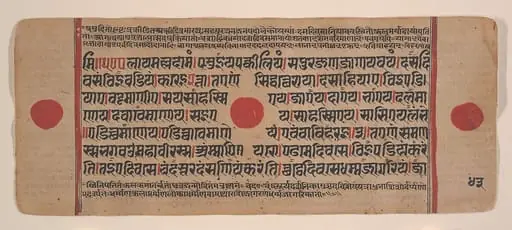
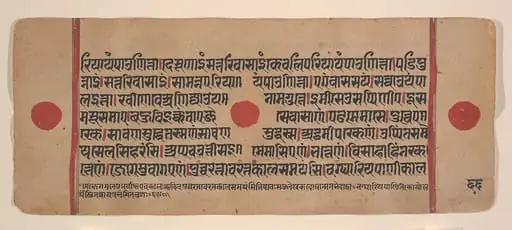
Untitled is a watercolor painting. It dates from 1449 and is held in the collection of the Metropolitan Museum of Art.
About this work
Subject & Meaning
Produced in 1449 in India, it belongs to the devotional visual tradition associated with the Jain faith, rendered in ink, opaque watercolor, and gold on paper.
This untitled work is classified as a religious painting that depicts Jainism. Produced in 1449 in India, it belongs to the devotional visual tradition associated with the Jain faith, rendered in ink, opaque watercolor, and gold on paper. Its small horizontal format, measuring 11.1 by 27 centimeters, is characteristic of Jain manuscript and devotional painting of the period, where sacred imagery was conveyed through richly pigmented and gilded surfaces.
As a religious work depicting Jainism, the painting would have functioned within a devotional or didactic context, presenting Jain sacred subjects for veneration, contemplation, or instruction. The use of gold leaf alongside opaque watercolor reflects the high value placed on such images as objects of spiritual merit and ritual focus within Jain worship practices.
Technique & Style
The work is executed in ink and opaque watercolor with gold on paper, a combination characteristic of fifteenth-century Indian manuscript and devotional painting traditions. Its modest dimensions, 11.1 cm in height by 27 cm in width, indicate a small-scale format suited to intimate religious use. The piece is classified as a painting rather than a sculpture or applied work, and its religious genre aligns with its depiction of Jainism.
The use of gold leaf or gold pigment alongside opaque watercolor suggests careful, layered handling typical of workshops producing devotional imagery, where luminosity and fine detail were prized. The horizontal orientation implied by the width exceeding the height is consistent with narrative or processional compositions common to Jain religious painting of the period.
History & Provenance
The painting Untitled was produced in India in 1449 by an anonymous artist working in the Jain religious tradition. Executed in ink, opaque watercolor and gold on paper, the work measures 11.1 cm in height by 27 cm in width. Its subject matter depicts Jainism, aligning with its classification as a religious painting.
Following its creation, the piece entered the collection of the Metropolitan Museum of Art in New York, where it remains on view. The attribution to an anonymous painter and the lack of documented commissioning details reflect the early Indian artistic practice of unattributed devotional works.
The untitled painting, created in 1449, is held in the collection of the Metropolitan Museum of Art in New York. The work bears the accession number 55.121.38.62 within the museum's records. As a religious artwork depicting Jainism, it was produced in India using ink, opaque watercolor, and gold on paper.
The source material identifies the piece as a painting by an anonymous artist, measuring 11.1 cm in height and 27 cm in width.
Overview
This untitled painting, rendered in ink, opaque watercolor, and gold on paper, originates from a Jain manuscript created in Gujarat, India. It depicts a central female figure, likely a teacher, surrounded by attentive listeners, all set against a luminous golden backdrop. The work exemplifies the meticulous artistry characteristic of such devotional texts.
Context
This painting was originally conceived as an illustration within a Jain manuscript from Gujarat, a region in India historically significant for its rich tradition of manuscript production. Such works served to illuminate sacred texts, visually reinforcing the core tenets of Jainism, which advocate for non-violence and a profound reverence for every living being and natural element.
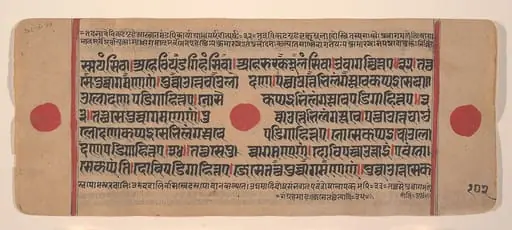
Artist & collection