Artwork
Untitled
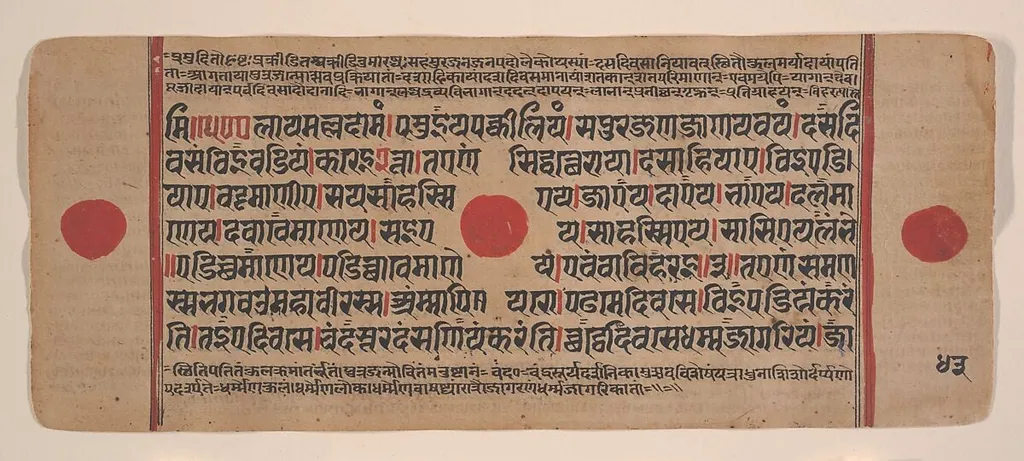
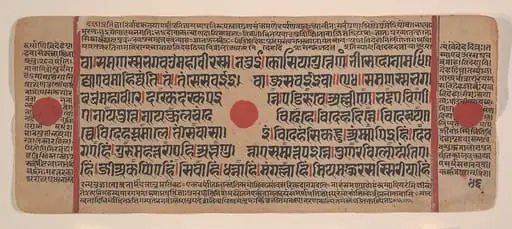
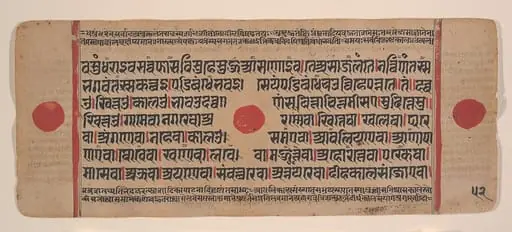
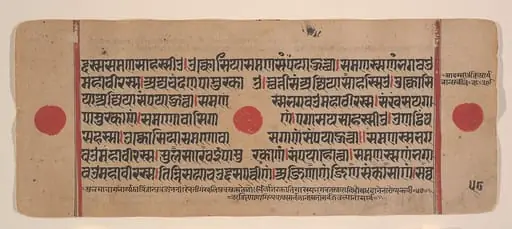
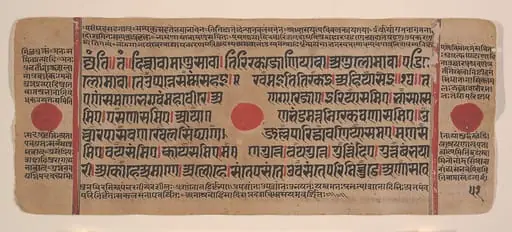
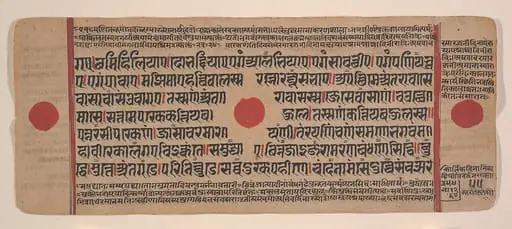
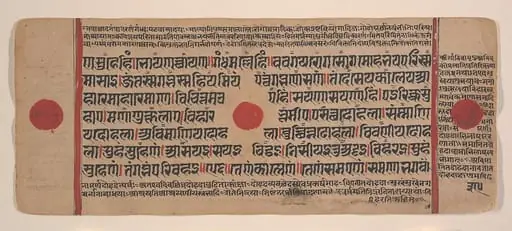
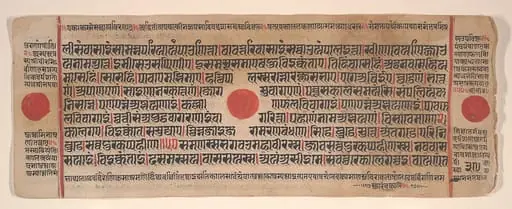
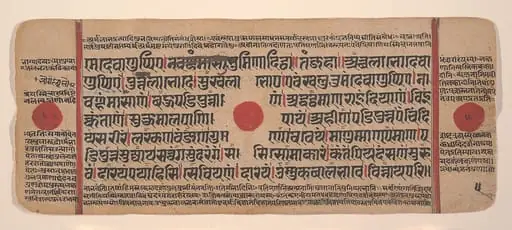
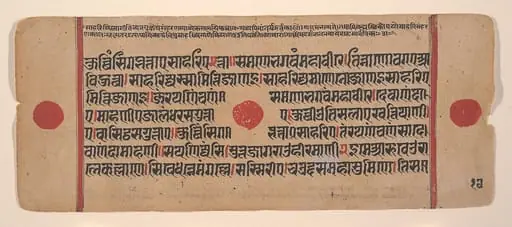
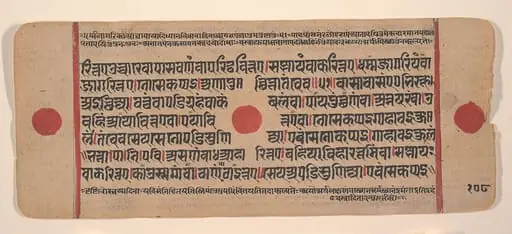
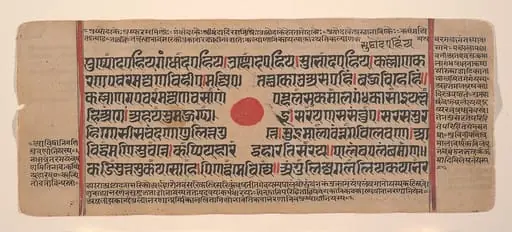
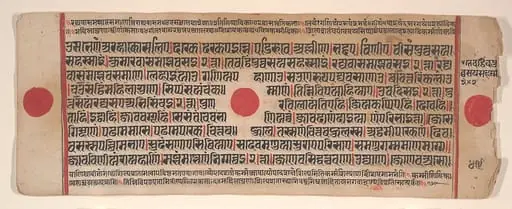
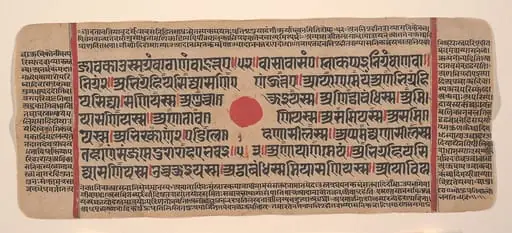
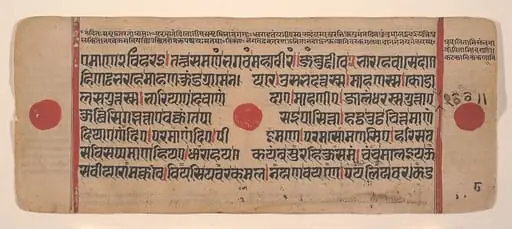
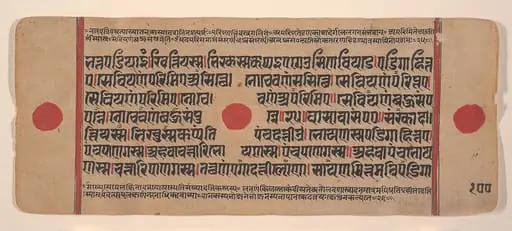
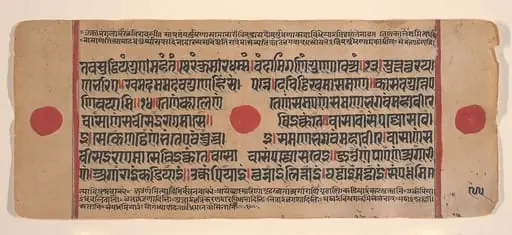
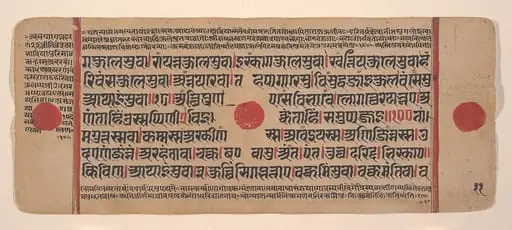
Untitled is a watercolor painting. It dates from 1449 and is held in the collection of the Metropolitan Museum of Art.
- Accession no.
- 55.121.38.102
- Credit line
- Rogers Fund, 1955
About this work
Subject & Meaning
Executed in ink, opaque watercolor, and gold on paper, the imagery serves as a visual representation of Jain spiritual concepts.
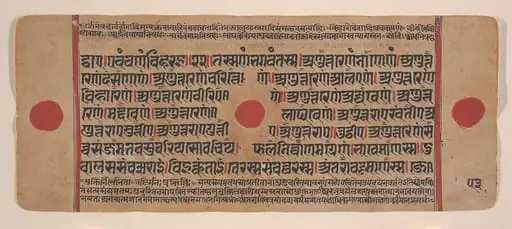
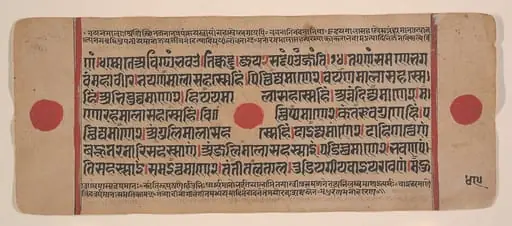
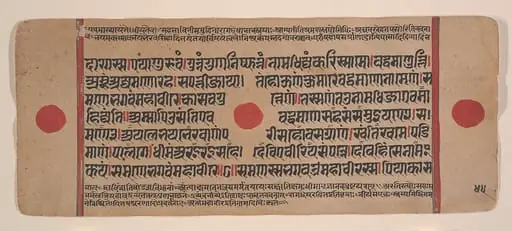
Created in 1449, this anonymous Indian work functions as a piece of religious art specifically depicting themes of Jainism. Executed in ink, opaque watercolor, and gold on paper, the imagery serves as a visual representation of Jain spiritual concepts. While the specific figures or narrative scenes are not detailed in the available records, the work's classification and subject matter confirm its role within the iconographic tradition of the Jain faith.
The use of gold and specific pigments likely underscores the sacred nature of the depicted elements, aligning with the manuscript painting conventions of fifteenth-century India. As an untitled piece, its meaning is derived entirely from its religious genre and explicit association with Jain doctrine.
Technique & Style
Created in 1449 in India, this anonymous religious painting employs a traditional Asian manuscript technique utilizing ink, opaque watercolor, and gold applied directly onto a paper support. The work measures 11.1 centimeters in height by 27 centimeters in width, reflecting the compact scale typical of Jain devotional imagery from this period. Stylistically, the piece is defined by its religious genre and specific depiction of Jainism, rendered through the precise layering of opaque pigments and metallic gold leaf.
The handling of materials demonstrates a mastery of the opaque watercolor medium, allowing for vibrant coloration alongside the luminous application of gold, which serves to elevate the spiritual subject matter. The combination of these specific materials and the small format supports its classification as a painting within the broader category of Indian religious art.
History & Provenance
The work titled Untitled is an anonymous Jain religious painting executed in ink, opaque watercolor, and gold on paper in 1449 in India. It measures 11.1 × 27 cm and was entered into the Metropolitan Museum of Art's collection (accession 55.121.38.102), where it remains on view. The painting's creation is attributed to an unidentified Indian artist, and its date is documented both in the museum's catalog entry and in the internal record.
No earlier owners or sale history are recorded, indicating that the work entered the museum through a direct acquisition or donation, and it has been part of the Met's holdings since at least the early 20th century.
The work is held in the collection of the Metropolitan Museum of Art in New York. It is cataloged under the accession number 55.121.38.102. Created in 1449, this ink and opaque watercolor painting on paper, which depicts themes related to Jainism, originates from India.
The provided sources confirm the museum's ownership and the specific inventory identifier but do not list any past or current exhibitions for this piece.
Context
Scholarship identifies this untitled Jain religious painting of 1449 as an early example of Indian manuscript art, noting its execution in ink, opaque watercolor and gold on paper. The work is attributed to an anonymous painter and is housed in the Metropolitan Museum of Art, where it is catalogued as a religious painting depicting Jainism. Its stylistic features are discussed in studies of 15th‑century Jain devotional art, situating it within the broader context of South Asian religious painting traditions.
The painting’s provenance, classification, and physical dimensions (height 11.1 cm, width 27 cm) are documented in its museum record, reinforcing its significance in the historical study of Jain visual culture.
Overview
This untitled painting, rendered with ink, opaque watercolor, and gold on paper, originates from a Jain manuscript produced in Gujarat, India. The small-scale work depicts a central figure seated on a golden throne beneath a red canopy, encircled by floral motifs and miniature attendants. Its creation as a page within a sacred text indicates its primary function was for close study and contemplation rather than public display.
Artist & collection