Artist
Movement
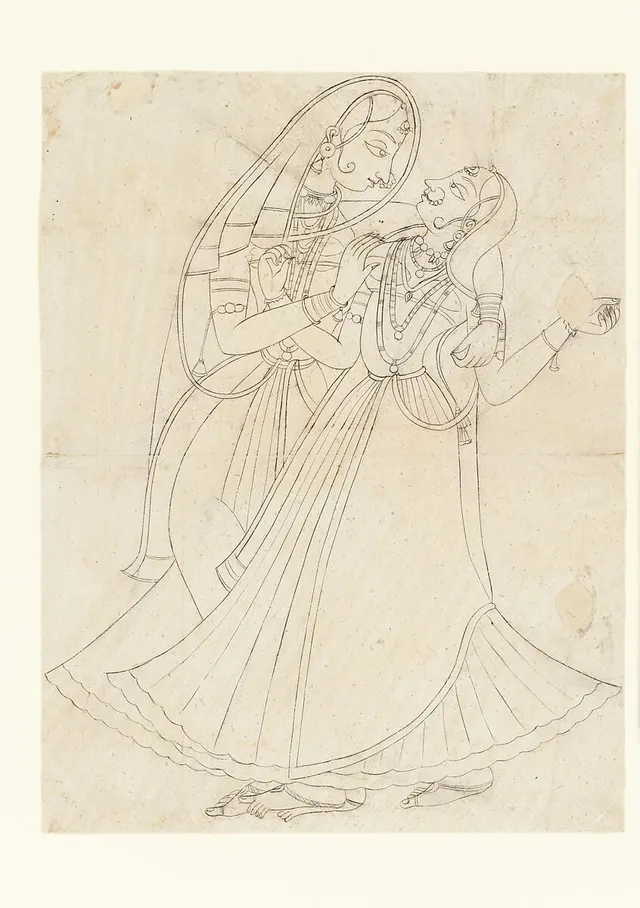
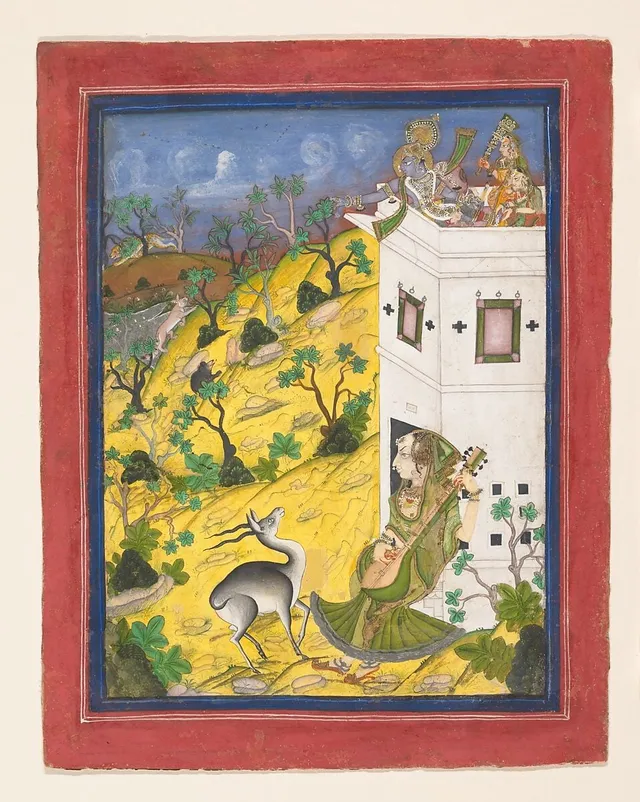
Indian Miniature is an art movement of the 1550–1900 period. The gallery holds 211 works in this movement, including works by Bhadrabahu, Pradyumnasuri and Devachandra. Browse Indian Miniature paintings, portraits, pictures and artworks from the world's public-domain museum collections.
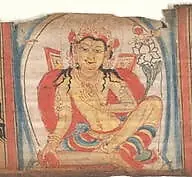
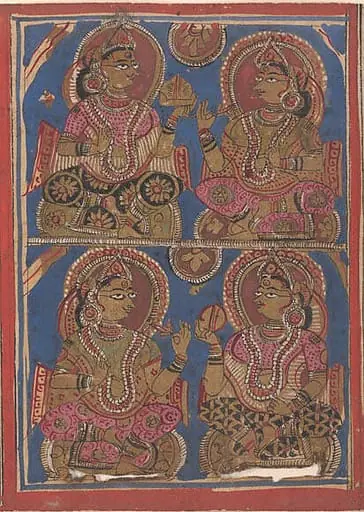
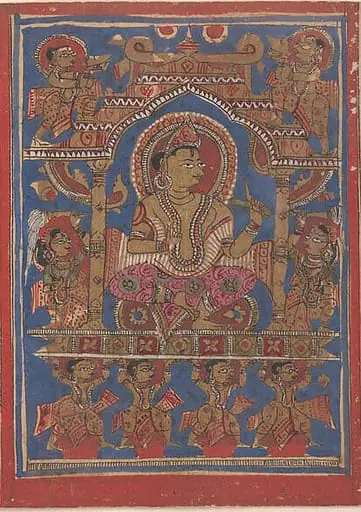
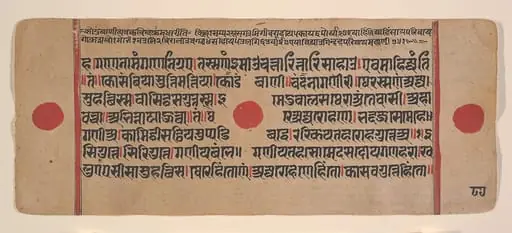
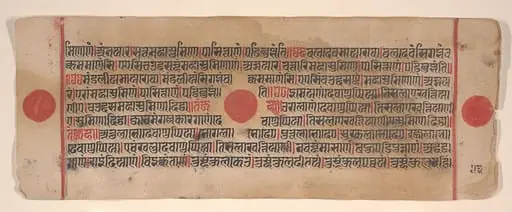
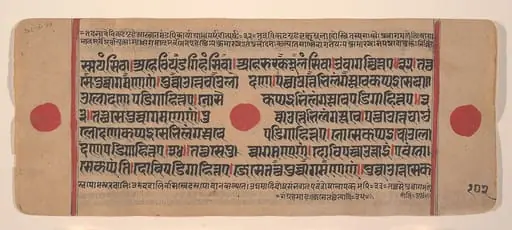
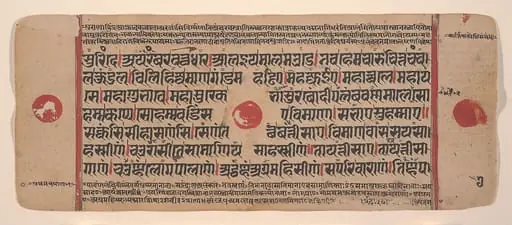
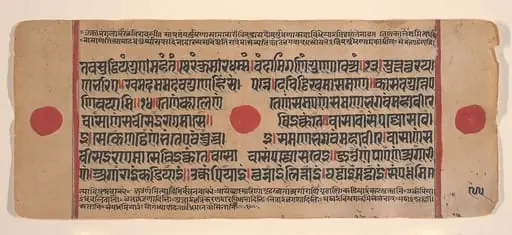
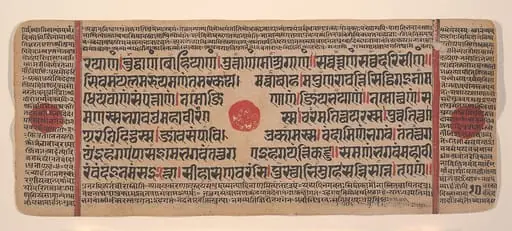
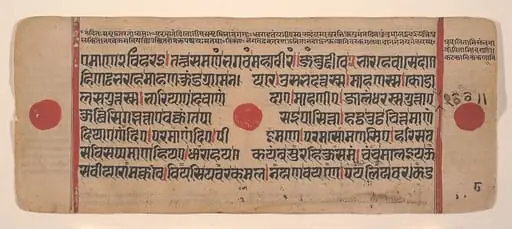
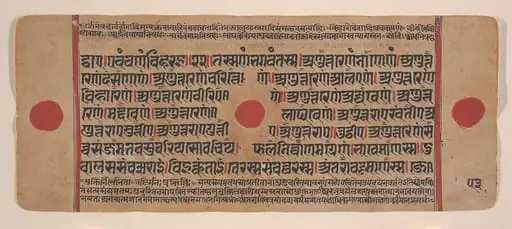
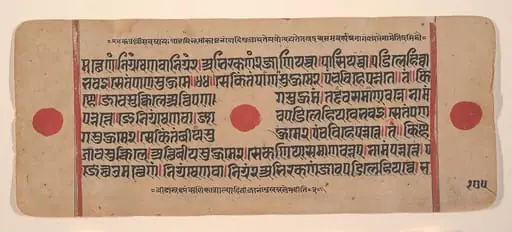
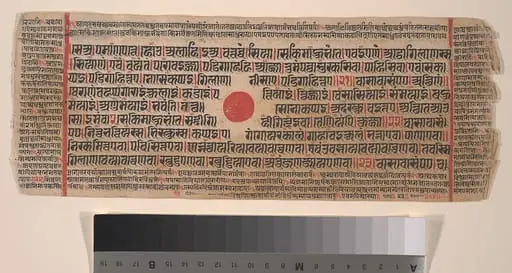
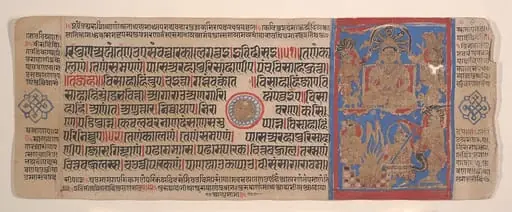
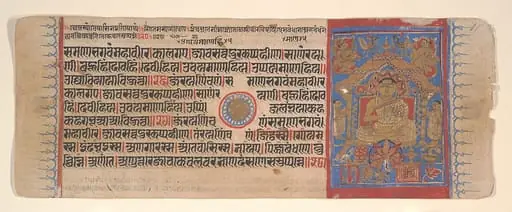
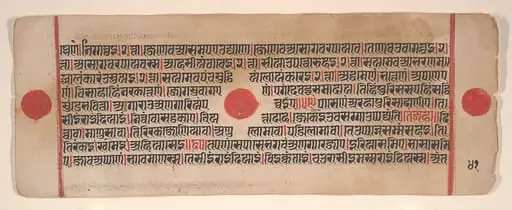
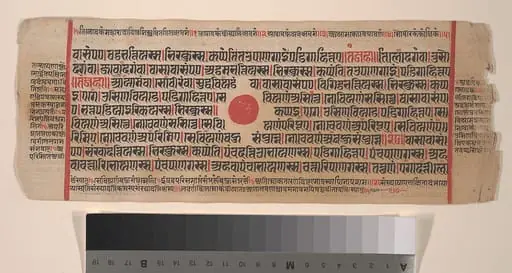
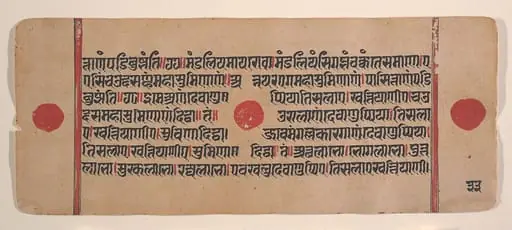
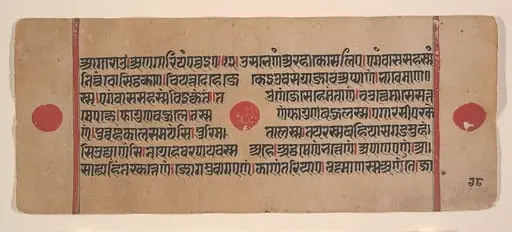
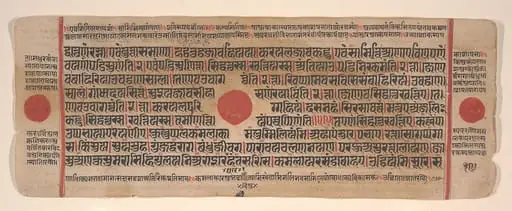
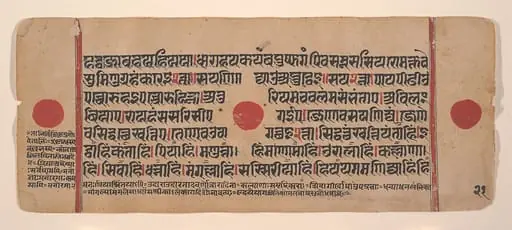
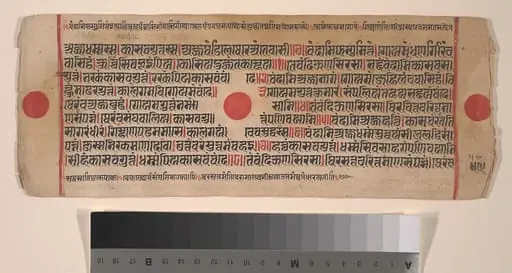
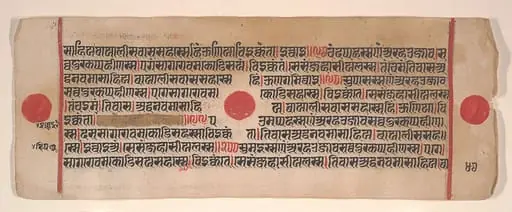
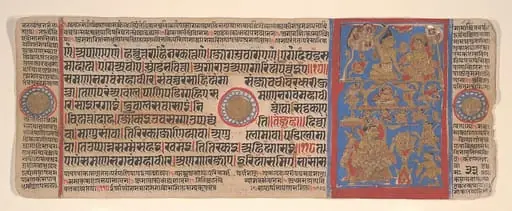
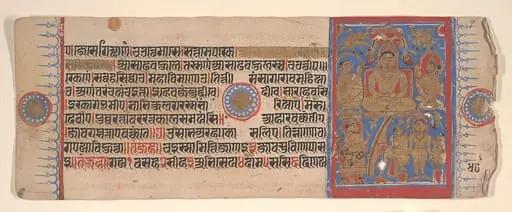
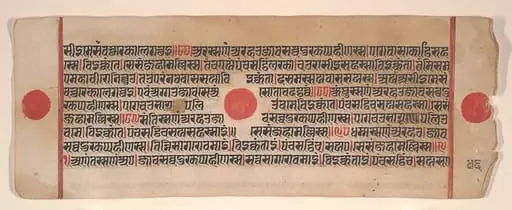
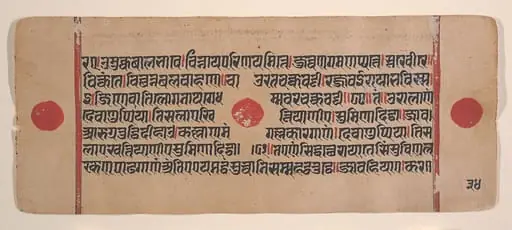
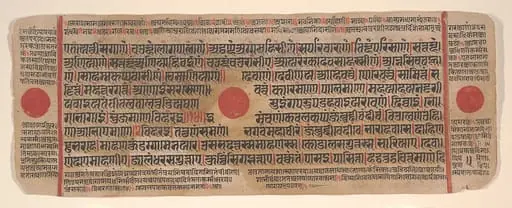
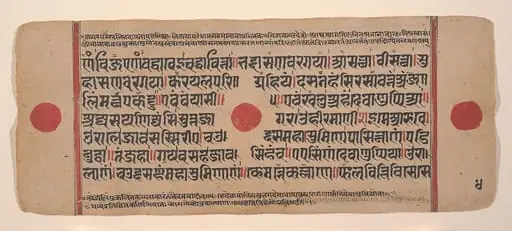
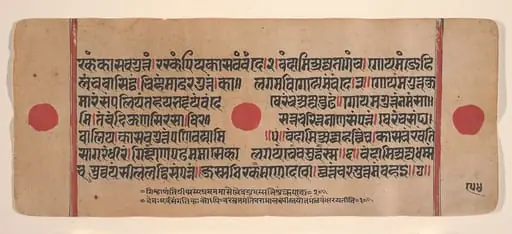
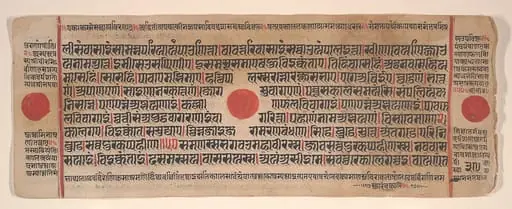
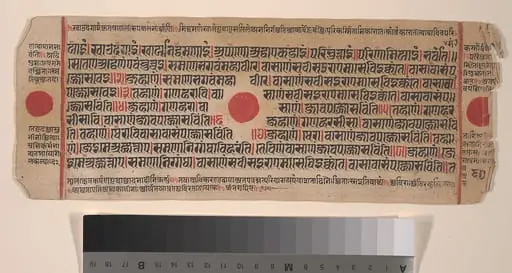
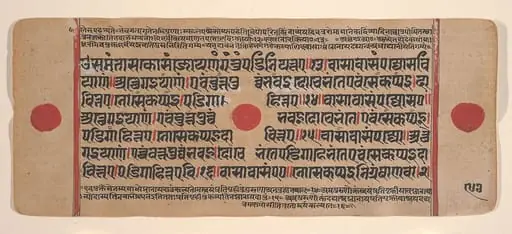
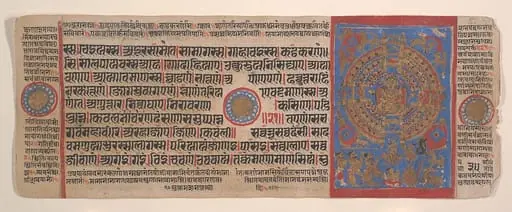
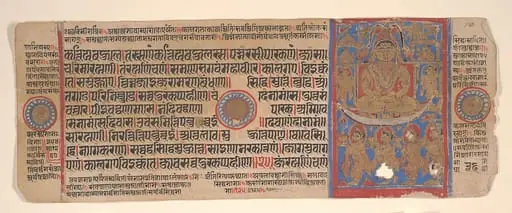
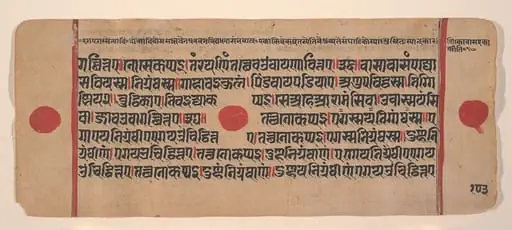
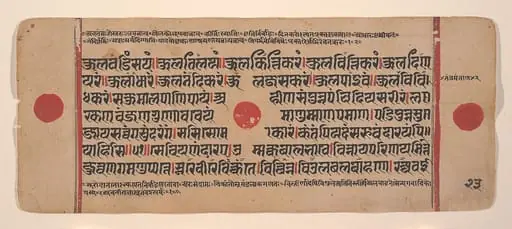
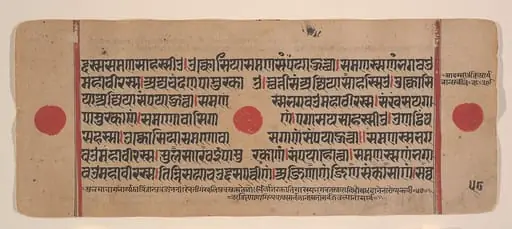
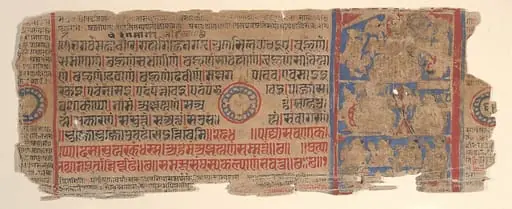
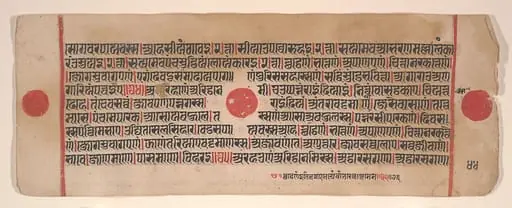
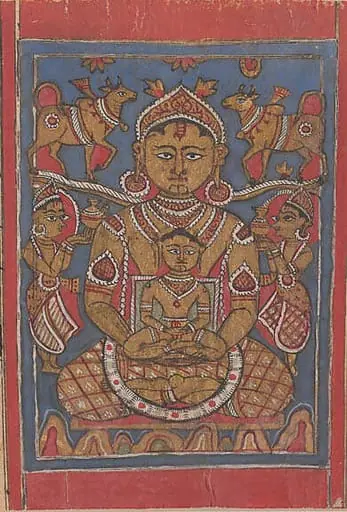
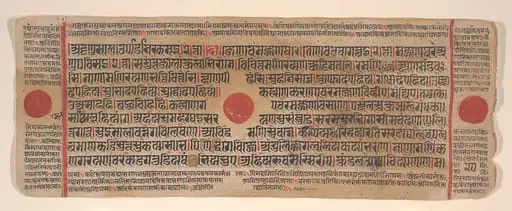
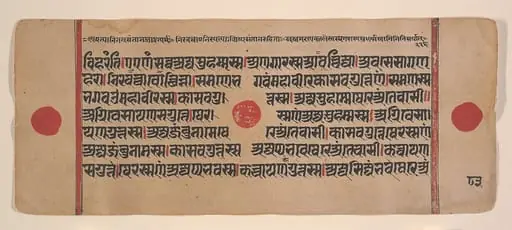
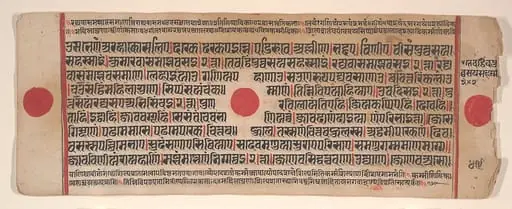
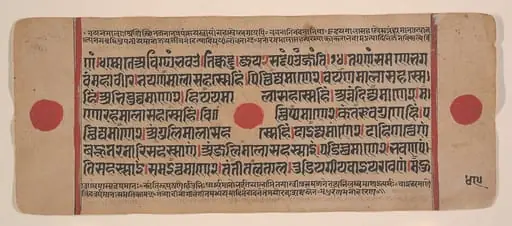
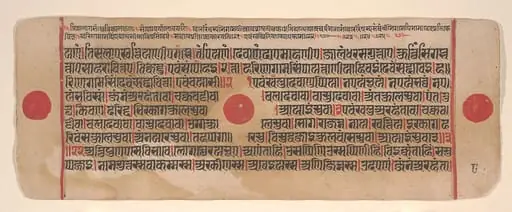
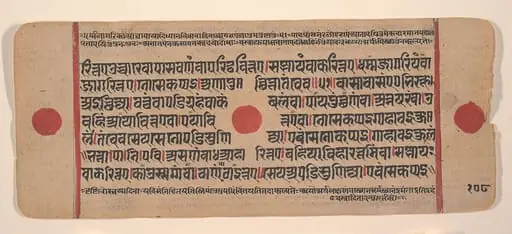
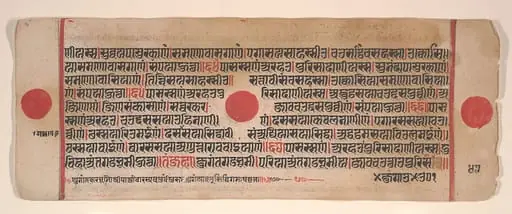
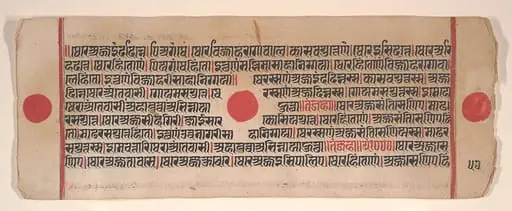
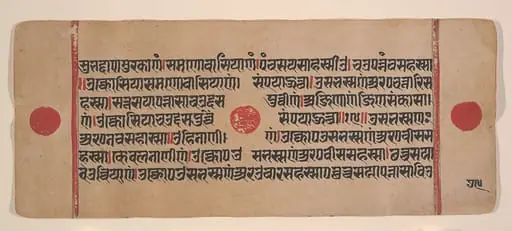
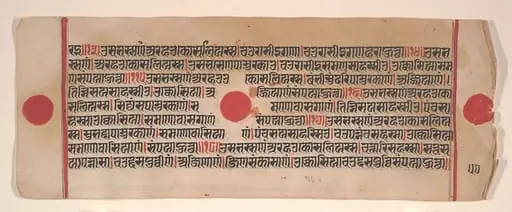
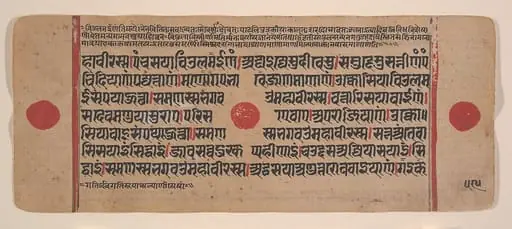
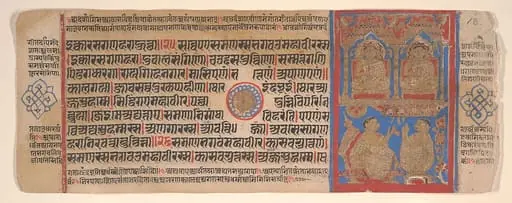
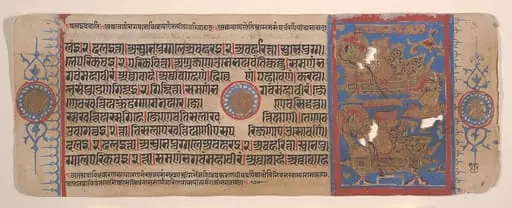
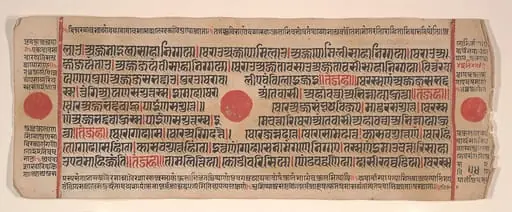
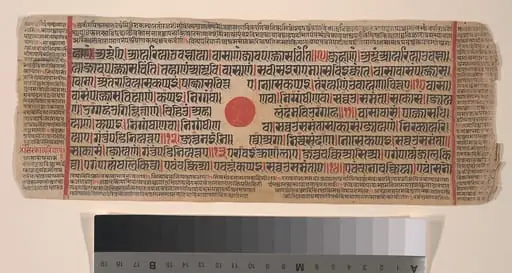
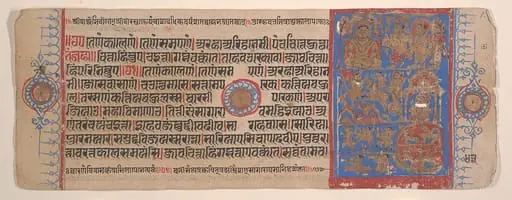
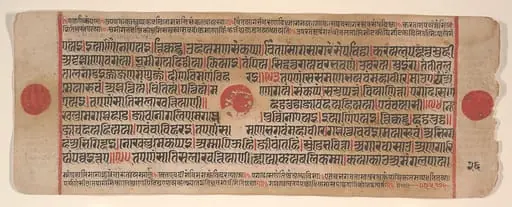
Indian miniature painting names not a single style but a continuous tradition of small, intensely detailed pictures made on the subcontinent to be held in the hand, bound into albums (muraqqa), or set among the pages of a manuscript. Its deepest roots lie in illustrated religious books: the palm-leaf manuscripts of the Buddhist Pala kingdoms of eastern India around the eleventh and twelfth centuries, and the Jain manuscripts of western India, above all the Kalpasutra copied and painted in Gujarat. By the fifteenth century these Jain pages had abandoned palm leaf for paper and grown opulent, with figures set against grounds of lapis-lazuli blue and lavish gold leaf.
The tradition was transformed in the sixteenth century under the Mughal emperors. Akbar's vast project to illustrate the Hamzanama—roughly 1,400 large paintings produced over some fifteen years by a workshop of around a hundred artists led by the Persian masters Mir Sayyid Ali and Abd al-Samad—fused Persian refinement with Indian color and observation, defining the early Mughal school. Painters such as Basawan and Daswanth brought a new naturalism to crowded, ordered compositions; under Jahangir, an emperor obsessed with precise observation, Ustad Mansur produced exacting studies of birds, beasts and flowers, including a famous likeness of the dodo.
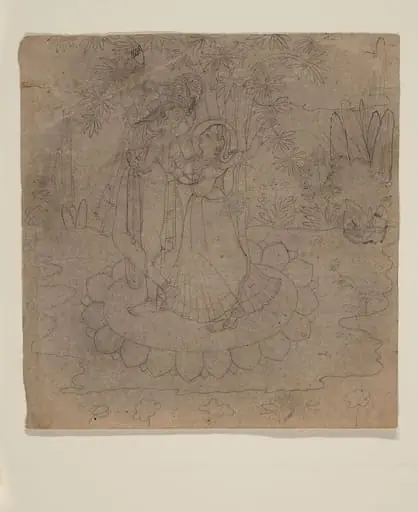
Mughal aesthetics radiated outward into the Hindu courts. The Rajput, or Rajasthani, schools of Mewar, Marwar and Kishangarh favored bold, flat color and devotional and heroic themes: Sahibdin painted Ramayana and Bhagavata Purana series at Mewar, while at Kishangarh, Nihal Chand created the idealized, lotus-eyed images of Radha and Krishna—modeled on the courtesan-poet Bani Thani—often called the finest of all Rajasthani miniatures. In the Himalayan foothills the Pahari schools of Basohli, Guler and Kangra cultivated a softer, lyrical manner, its masters Manaku and Nainsukh distilling the love of Radha and Krishna into delicate landscapes.
Technically the works share much: opaque watercolor and ground mineral and vegetable pigments, gold and silver, applied to burnished wasli paper with brushes of a few fine hairs, yielding flat patterning, jewel-like surfaces and minute detail. Court patronage declined under British rule, but the tradition was deliberately revived in the early twentieth century by Abanindranath Tagore and the Bengal School, who looked back to Mughal and Rajput models to forge a modern, distinctly Indian art.
 Untitled
 Untitled
 Untitled
 Untitled
 Untitled
 Untitled
 Untitled
 Untitled
 Untitled
 Untitled
 Untitled
 Untitled
 Untitled
 Untitled
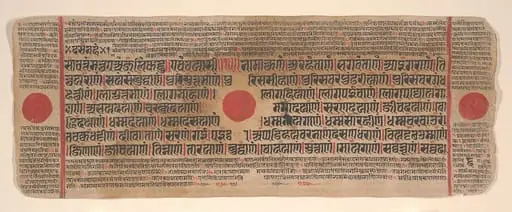 Untitled
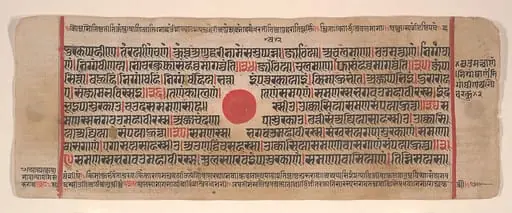 Untitled
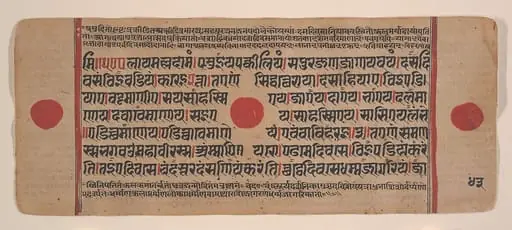 Untitled
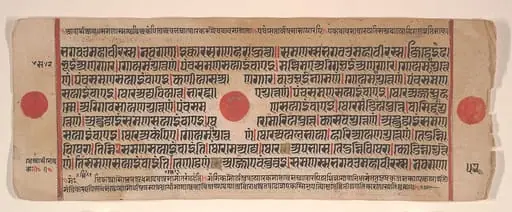 Untitled
 Untitled
 Untitled
 Untitled
 Untitled
 Untitled
 Untitled
 Untitled
 Untitled
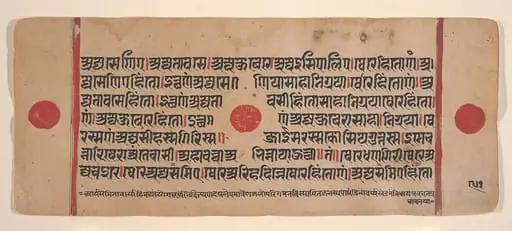 Untitled
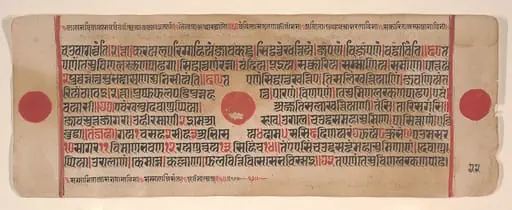 Untitled
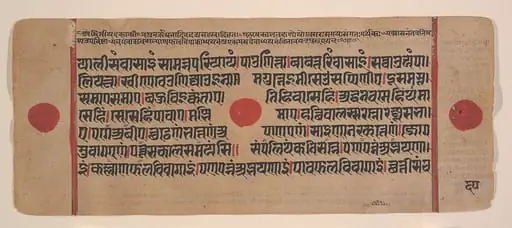 Untitled
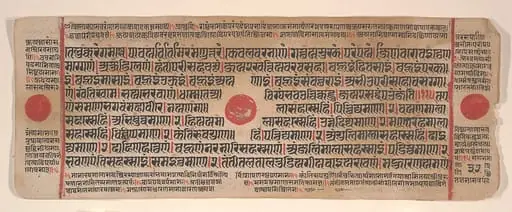 Untitled
 Untitled
 Untitled
 Untitled
 Untitled
 Untitled
 Untitled
 Untitled
 Untitled
 Untitled
 Untitled
 Untitled
 Untitled
 Untitled
 Untitled
 Untitled
 Untitled
 Untitled
 Untitled
 Untitled
 Untitled
 Untitled
 Untitled
 Untitled
 Untitled
 Untitled
 Untitled
 Untitled
 Untitled
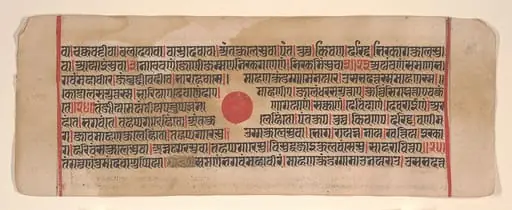 Untitled
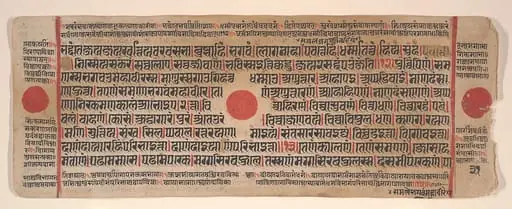 Untitled
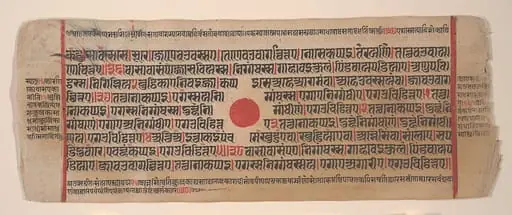 Untitled
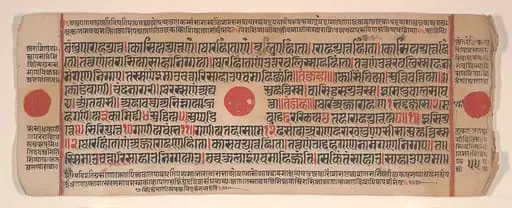 Untitled
 Untitled
 Untitled
 Untitled
 Untitled
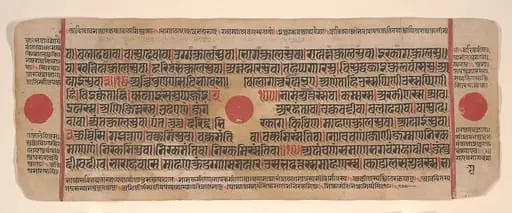 Untitled
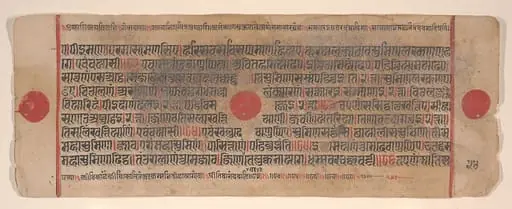 Untitled
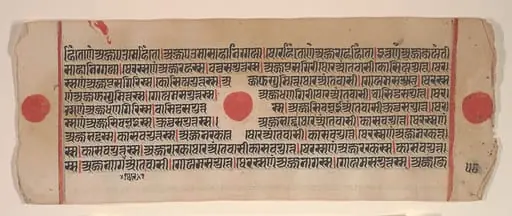 Untitled
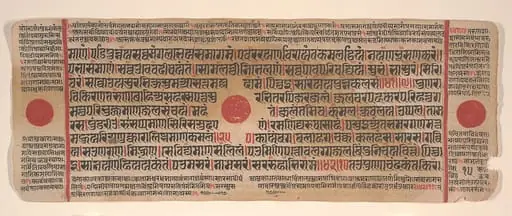 Untitled
 Untitled
 Untitled
 Untitled
 Untitled
 Untitled
 Untitled
 Untitled
 Untitled
 Untitled
 Untitled
 Untitled
 Untitled
 Untitled
 Untitled
 Untitled
 Untitled
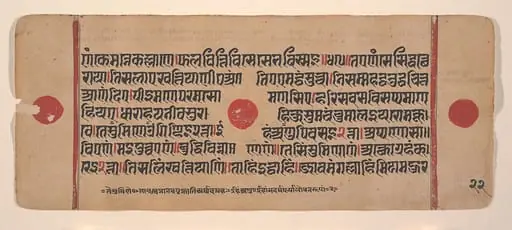 Untitled
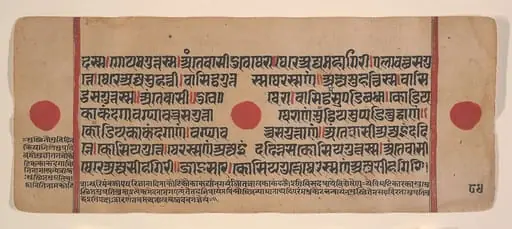 Untitled
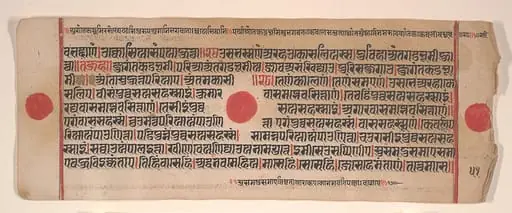 Untitled
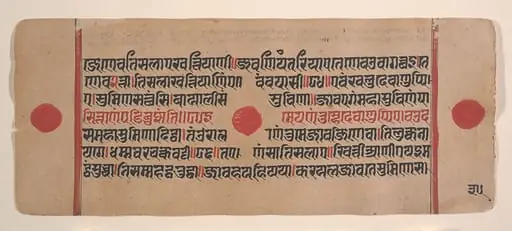 Untitled
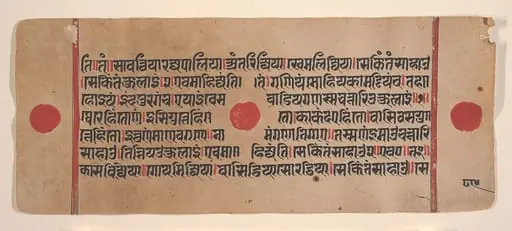 Untitled
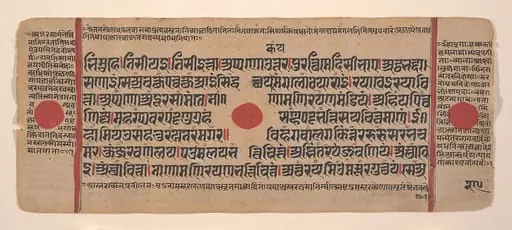 Untitled
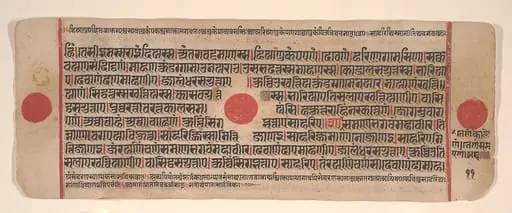 Untitled
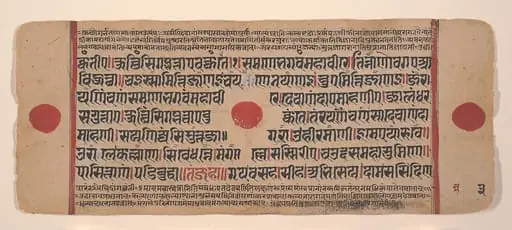 Untitled
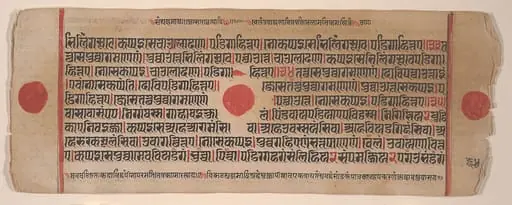 Untitled
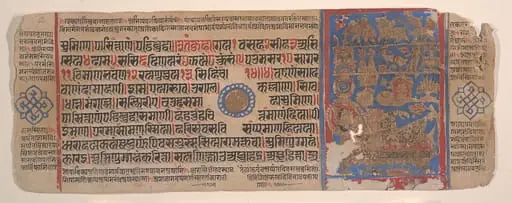 Untitled
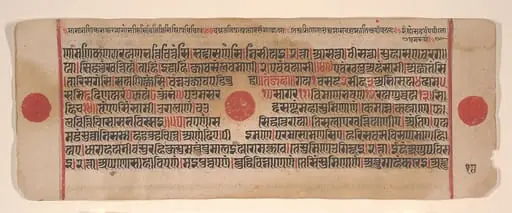 Untitled
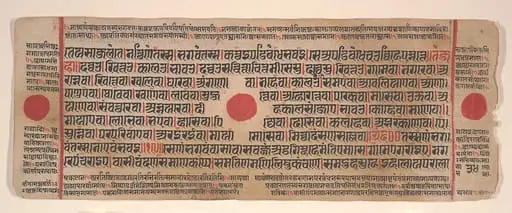 Untitled
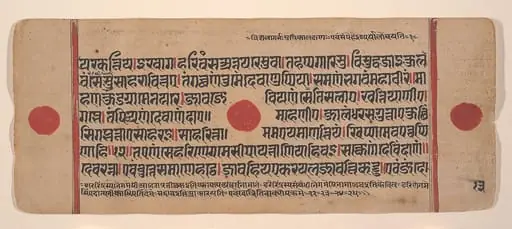 Untitled
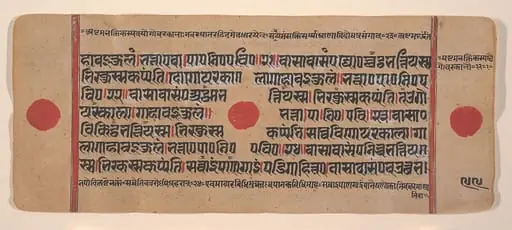 Untitled
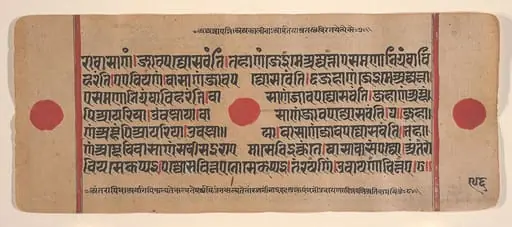 Untitled
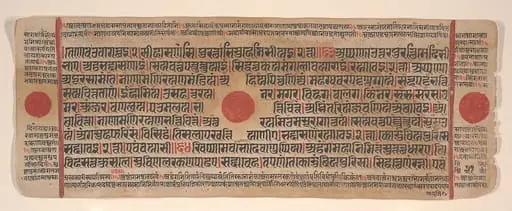 Untitled
 Untitled
 Untitled
 Untitled
 Untitled
 Untitled
 Untitled
 Untitled
 Untitled
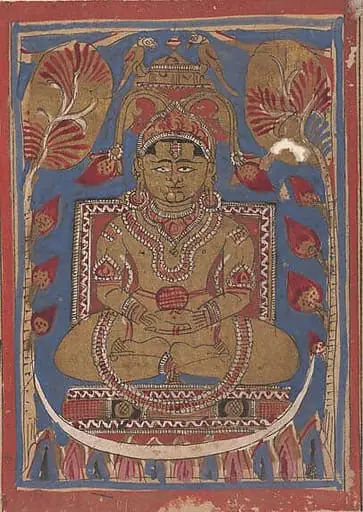 Untitled
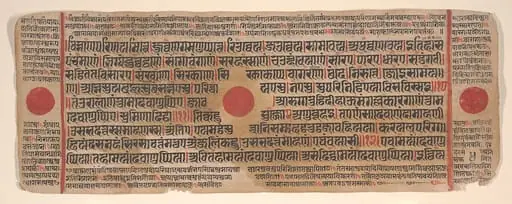 Untitled
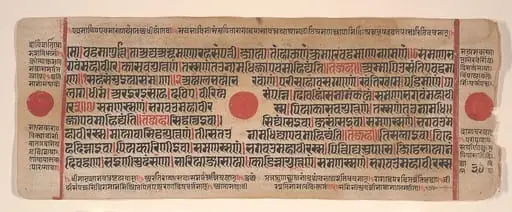 Untitled
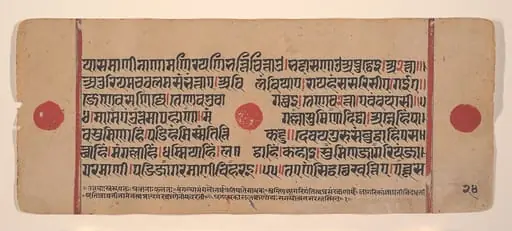 Untitled
 Untitled
 Untitled
 Untitled
 Untitled
 Untitled
 Untitled
 Untitled
 Untitled
 Untitled
 Untitled
 Untitled
 Untitled
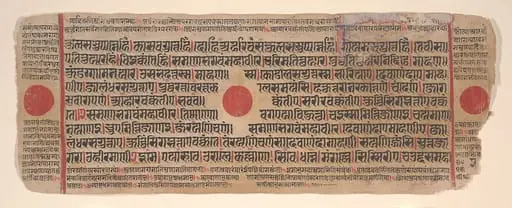 Untitled
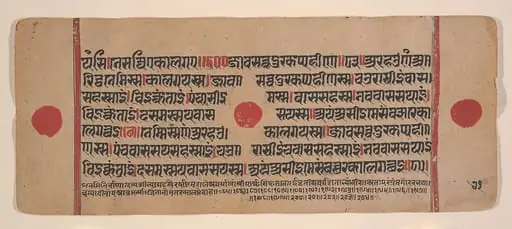 Untitled
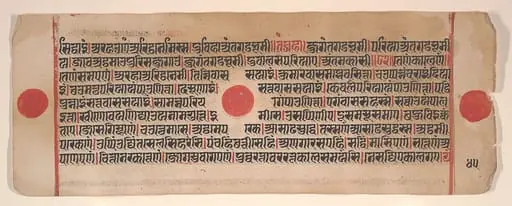 Untitled
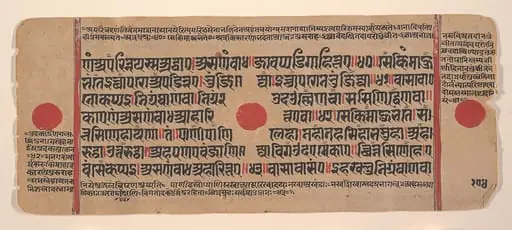 Untitled
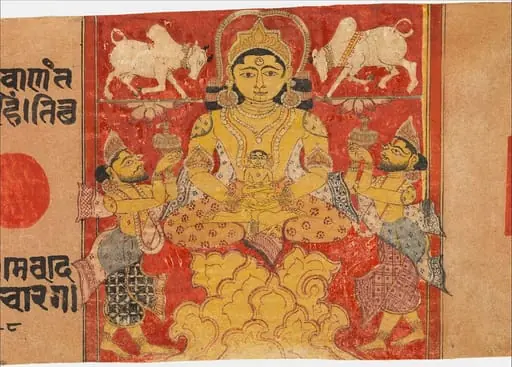 Untitled
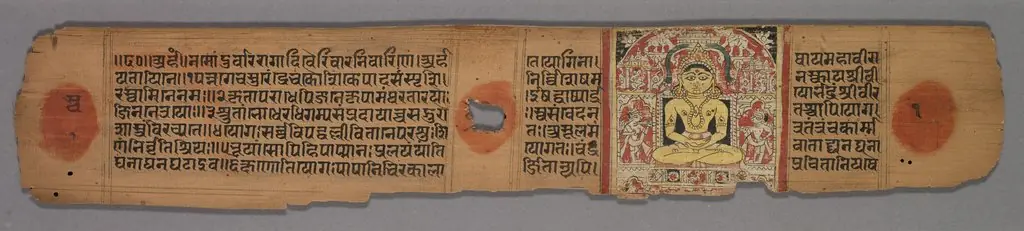 Seated Rishabha Enthroned, Folio 1 verso of a Yoga-shastra of Hemachandra
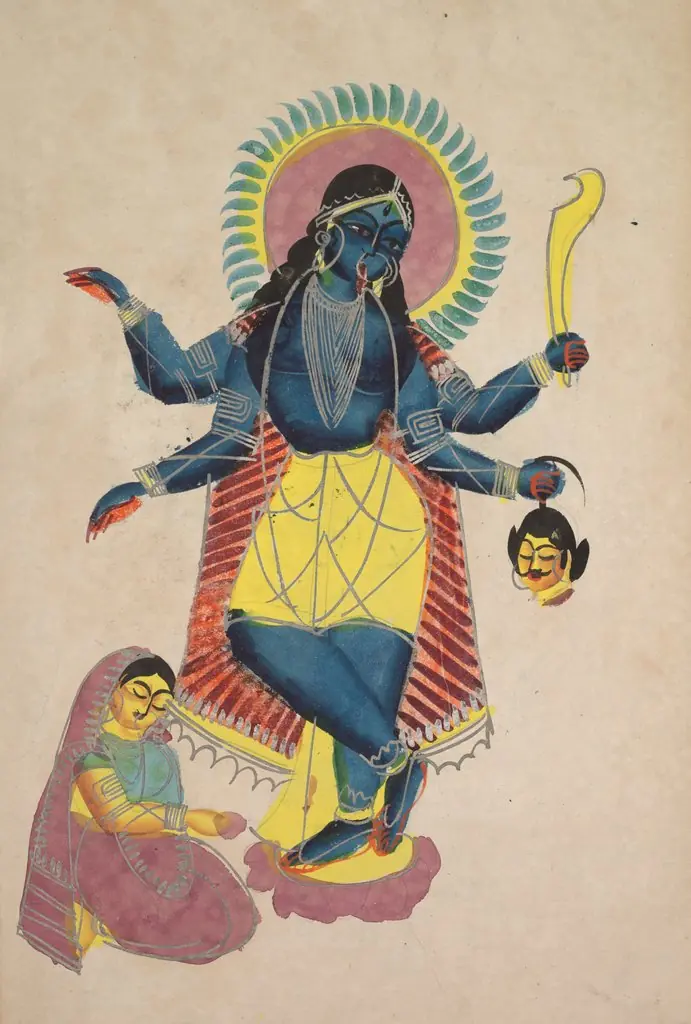 Krishna as Kali worshipped by Radha (recto), from a Kalighat album
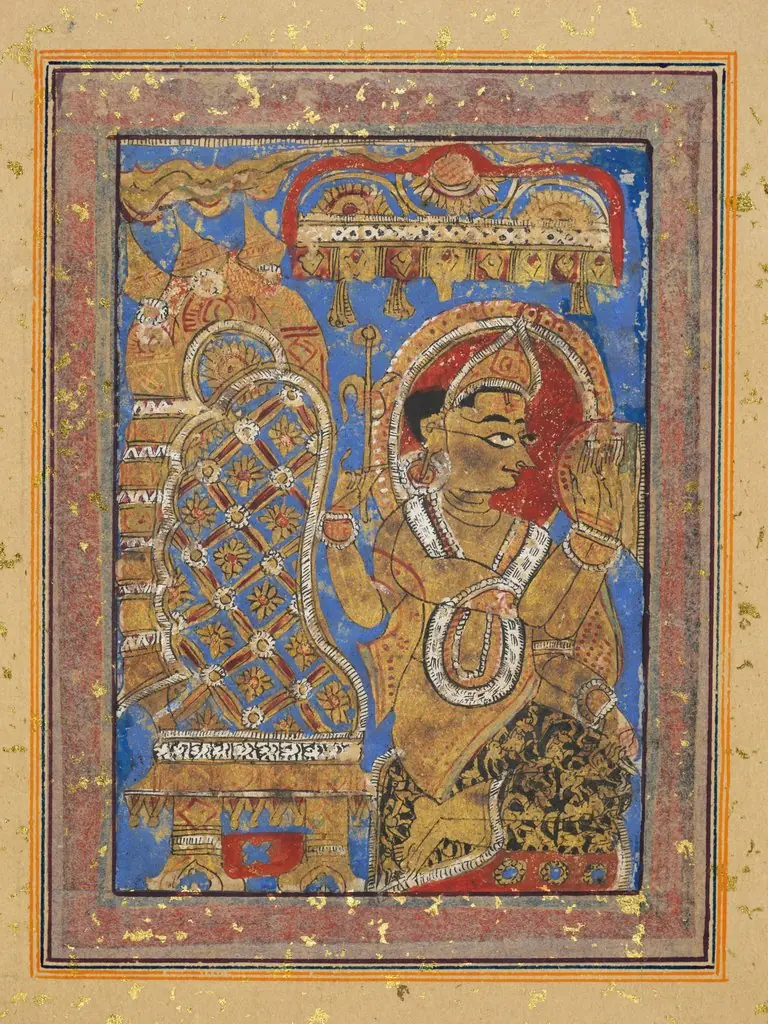 Painting from a Kalpa-sutra: Indra Praises the Embryo of Mahavira in the Womb of the Brahman Woman Devananda
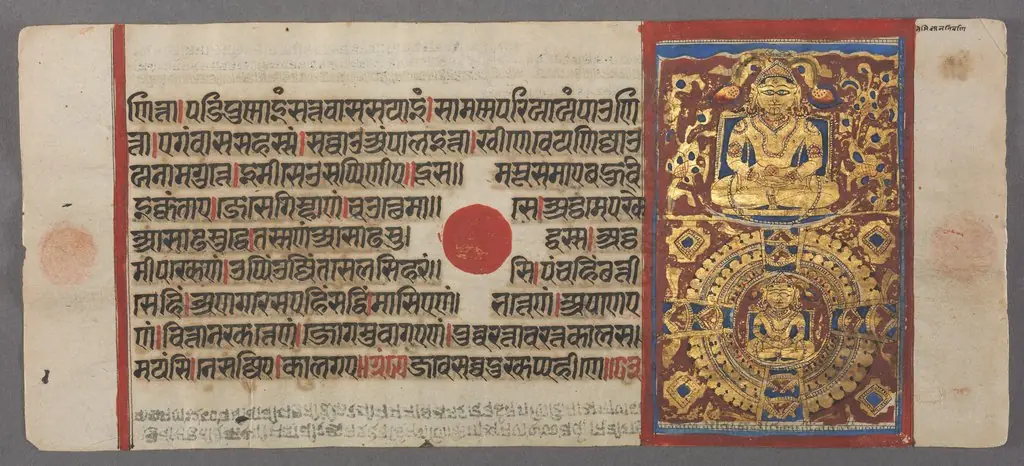 Teaching and Liberation of Nemi, from the Kalpa-sutra
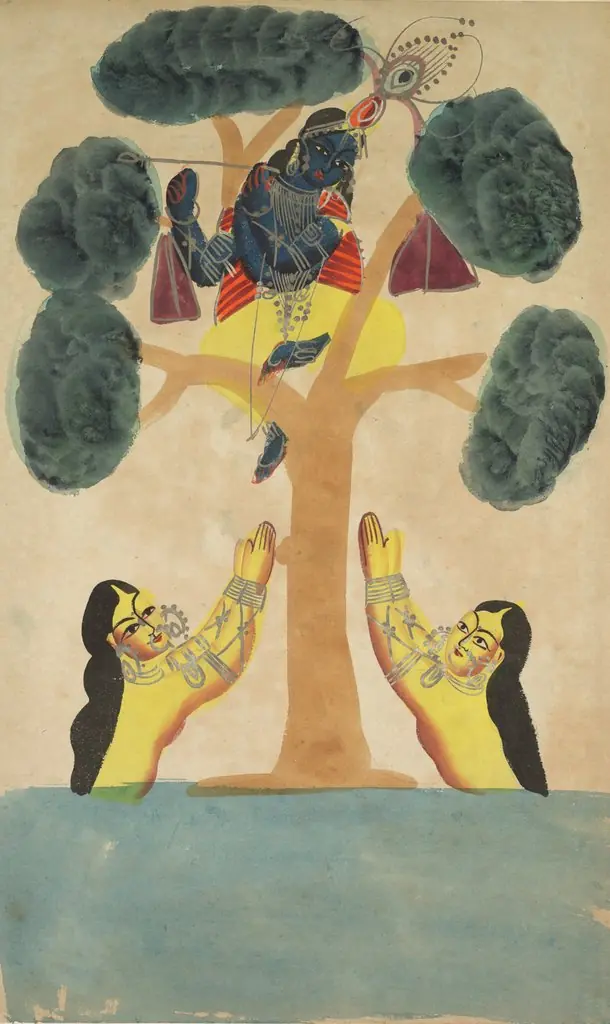 Krishna Steals the Clothes of the Cowgirls (Gopis) (recto), from a Kalighat album
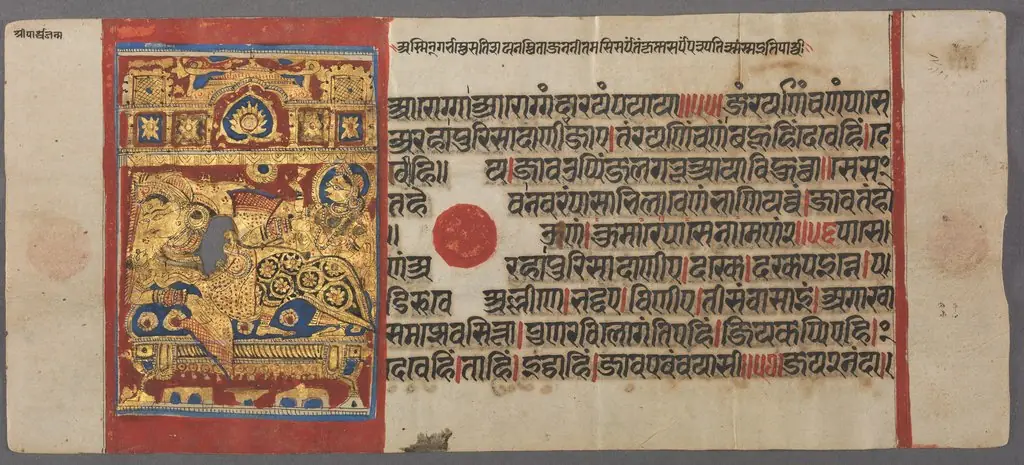 Birth of Parshva to Queen Vama, from the Kalpa-sutra
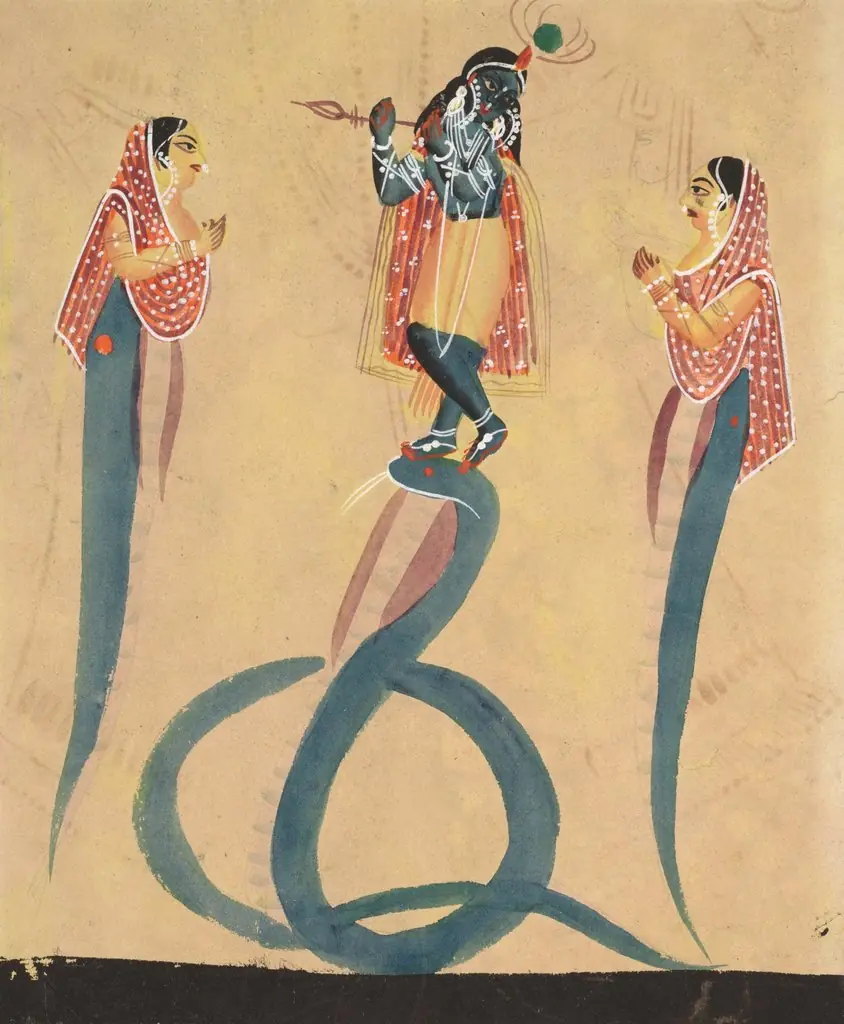 Krishna quells the serpent Kaliya (verso), from a Kalighat album
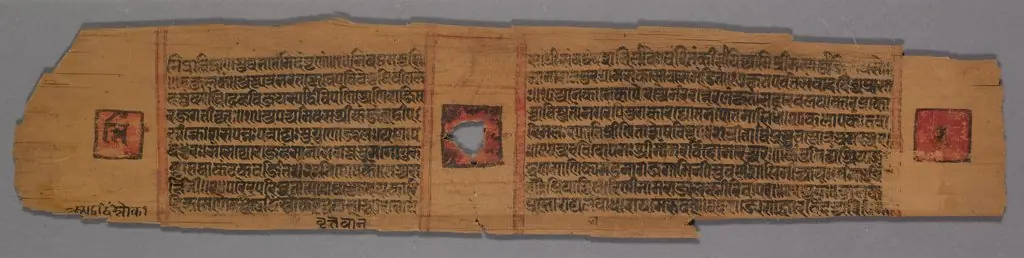 Monk preaching to a disciple with a lay audience, folio 2 (recto) from a Parshvanatha Charitra (Life and Stories of Lord Parshva) of Bhavadeva-suri
 Kalpa-sutra Manuscript with 24 Miniatures: King Siddhartha Rises and Bathes
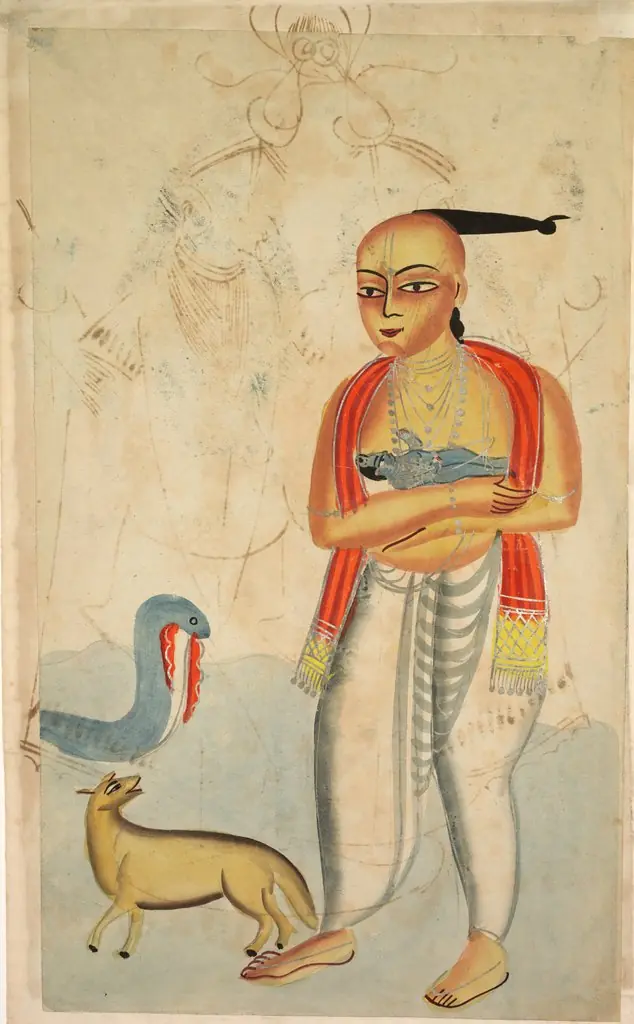 Vasudeva (Krishna's Father) Fleeing with Krishna Encounters a Cobra and a Jackal (verso), from a Kalighat album
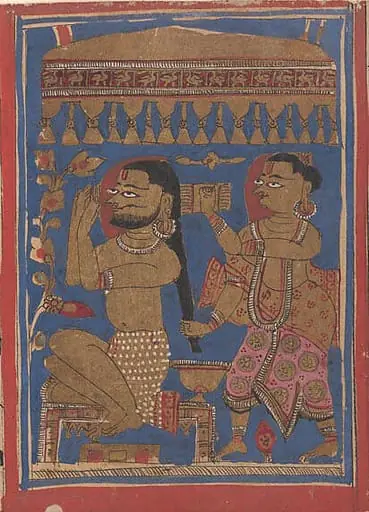
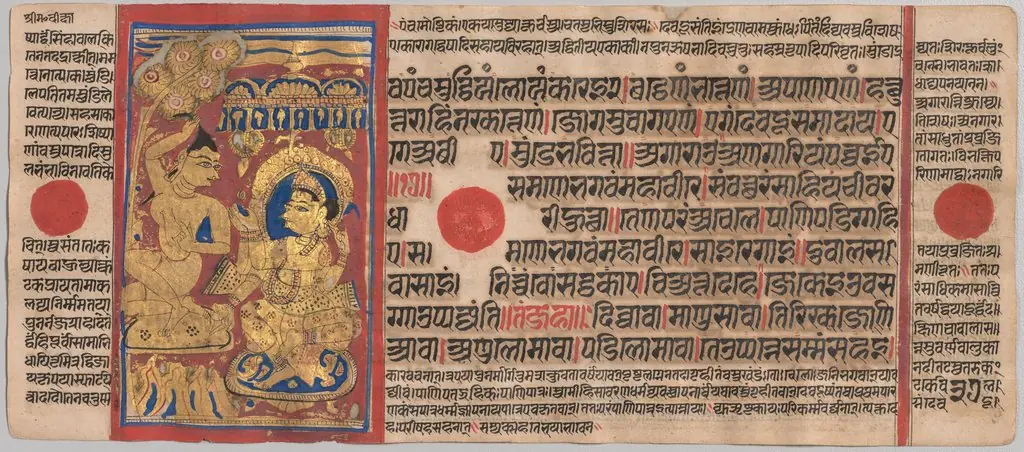 Kalpa-sutra Manuscript with 24 Miniatures: Mahavira's Tonsure
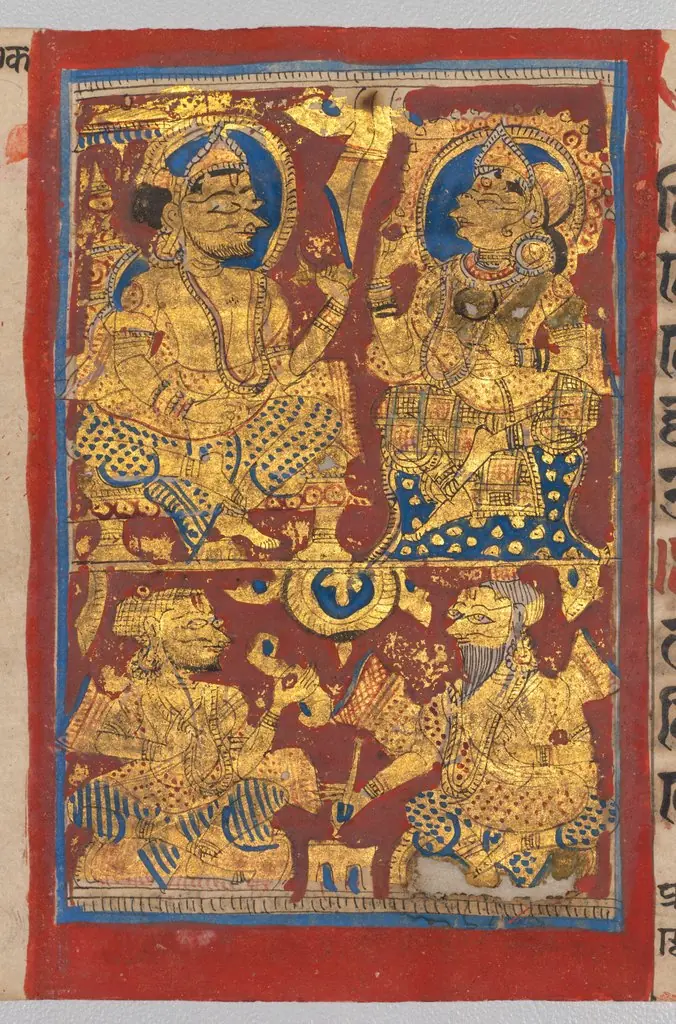 Kalpa-sutra manuscript with 24 illuminations
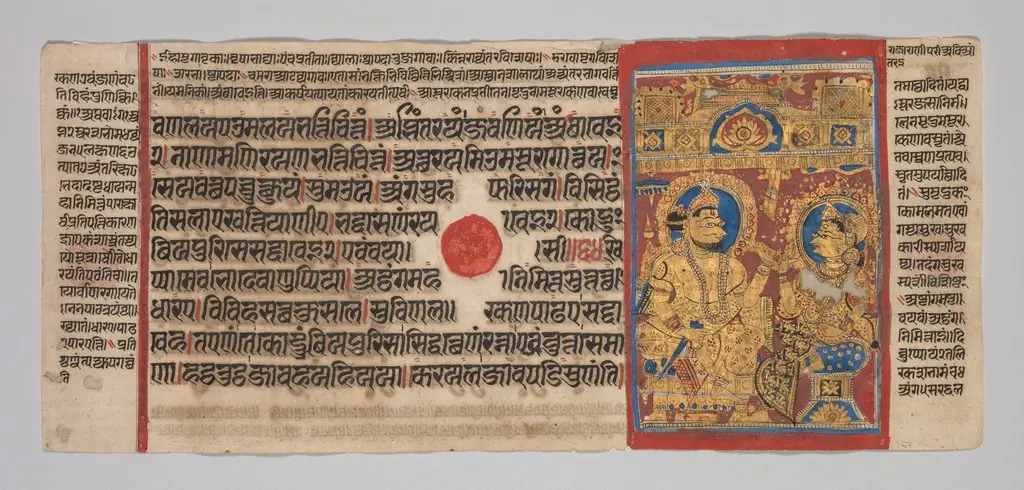 Kalpa-sutra Manuscript with 24 Miniatures: Siddhartha Hears the Recitation of Trisala's Dreams
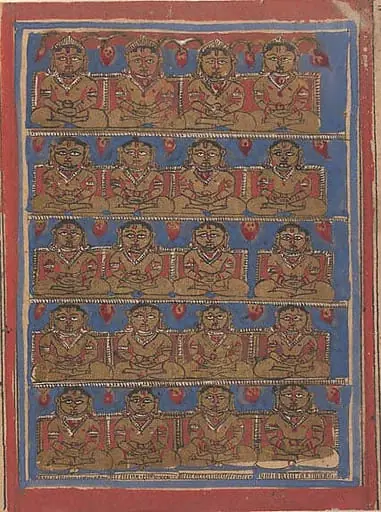 Untitled
 Untitled
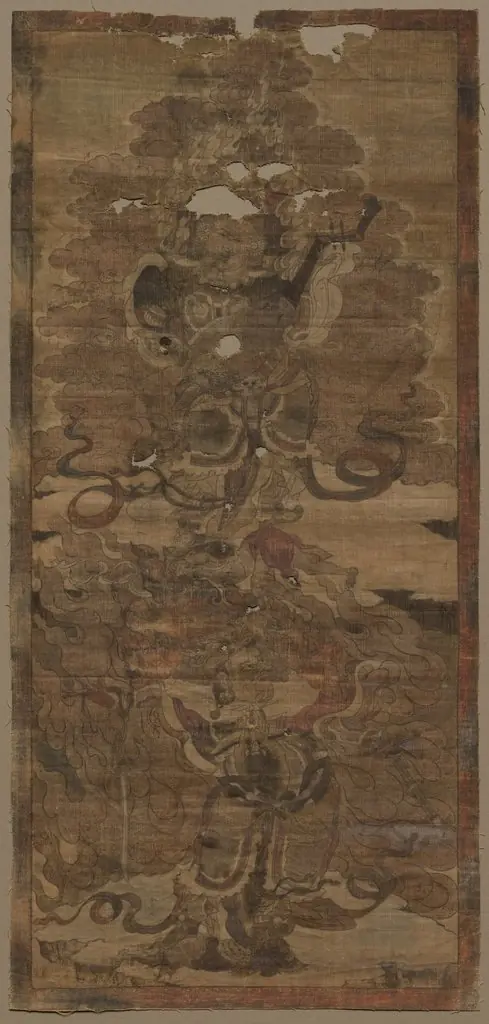 Guardian Kings: Dhrtarastra and Virupaksa
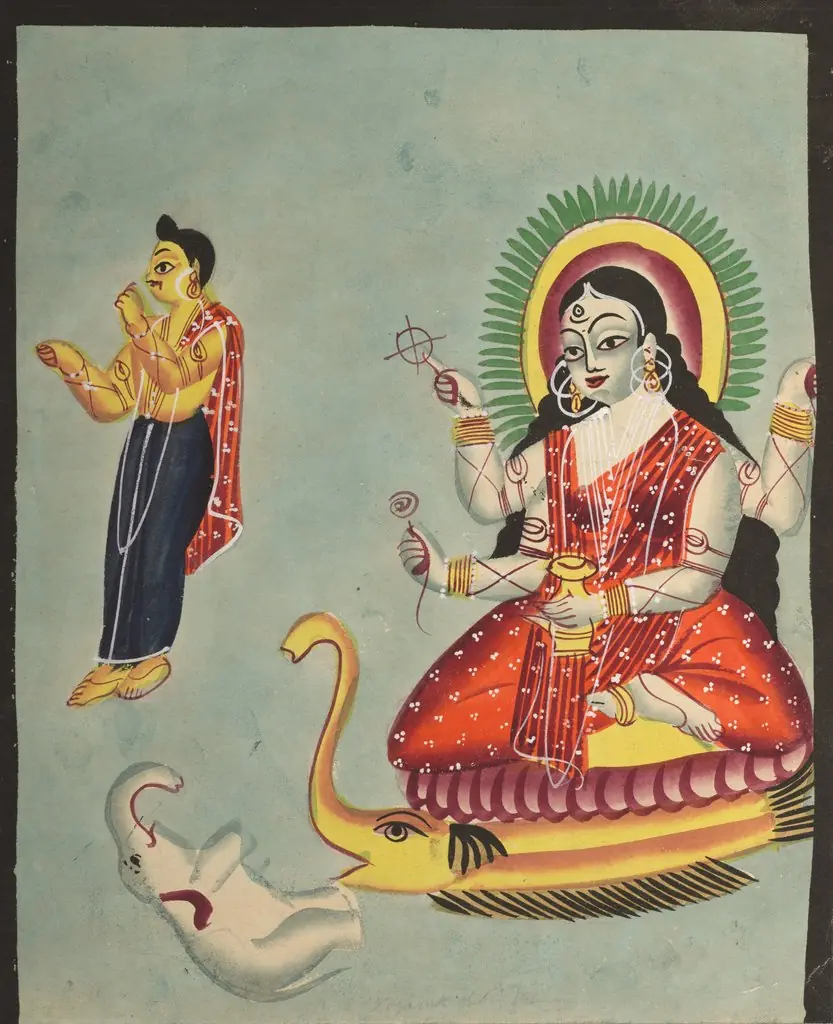 The Goddess Ganga, from a Kalighat album
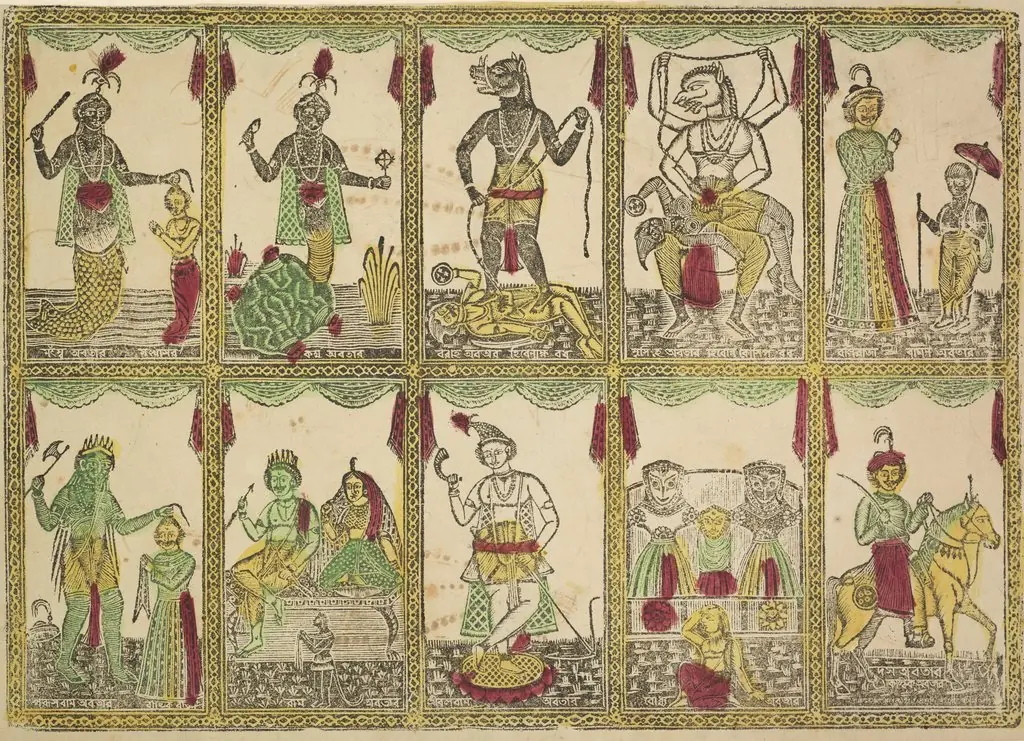 Das Avataras, Ten Incarnations of Vishnu (verso), from a Kalighat album
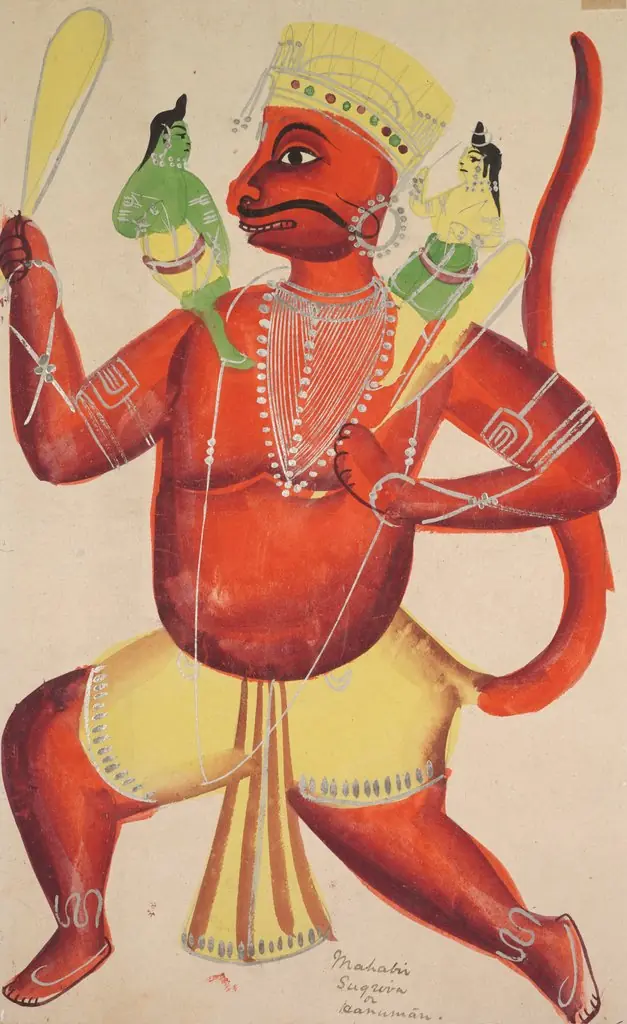 Hanuman with Rama and Lakshmana on his shoulders, from a Kalighat album
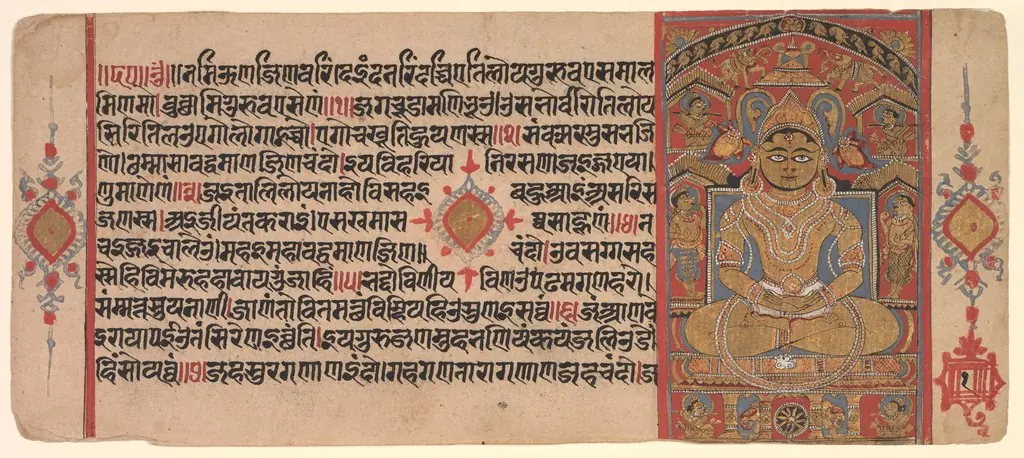 Seated Jina Rishabha Enshrined, from a Jain Manuscript: Kalpa-Sutra
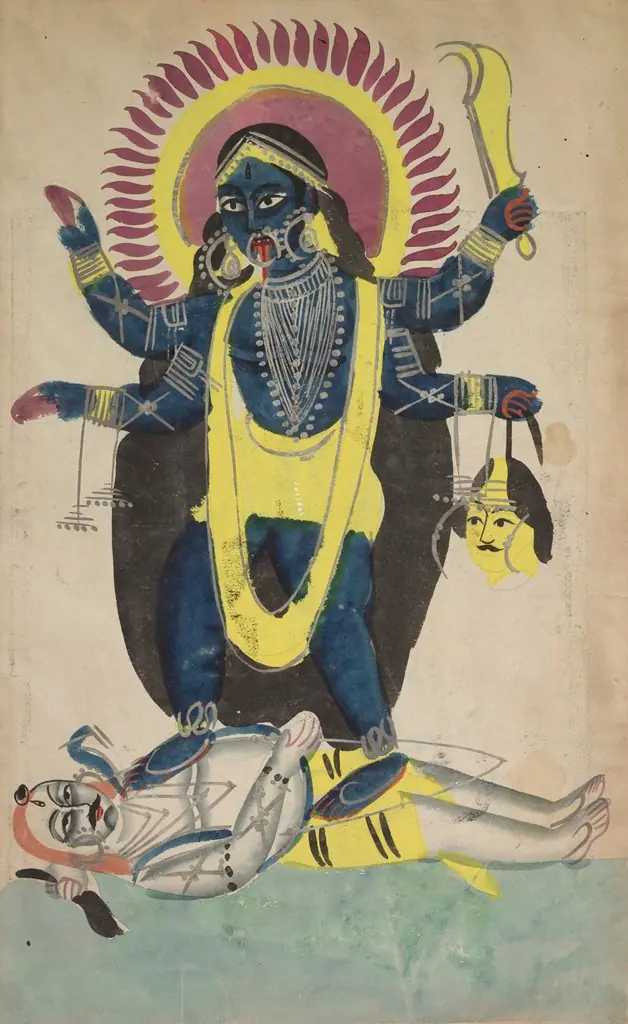 Leaf from a Kalighat album: Two Aspects of Kali
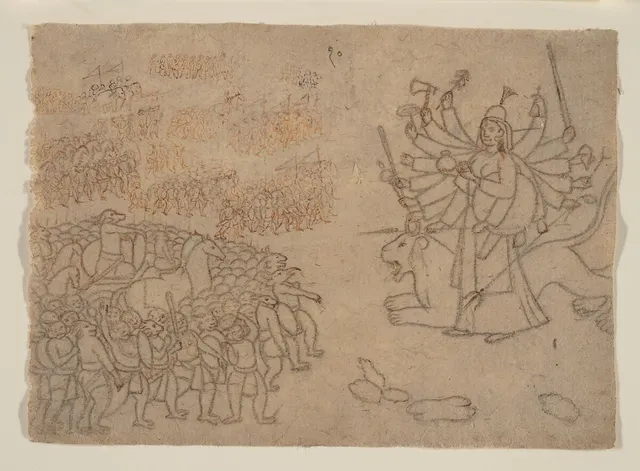
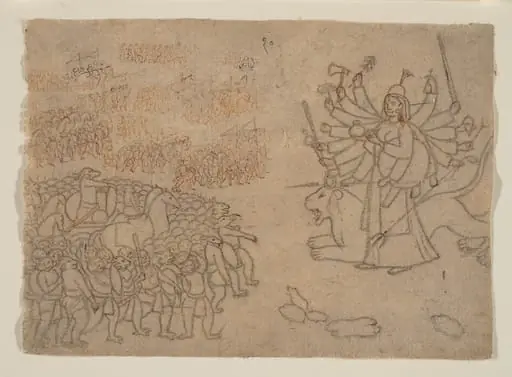
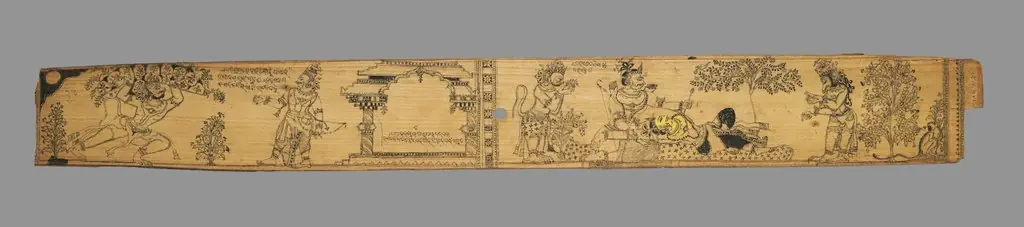 The Monkeys and Bears Fight Ravana and His Demons (verso), from a Romance of Chandrabhanu and Lavanyavati of Upendra Bhanja (Indian, died 1740)
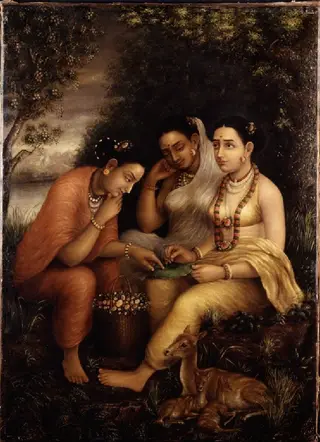 Shakuntala writing a love letter on a lotus leaf
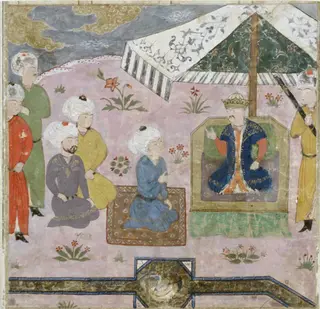 Miniature Painting of Audience Scene
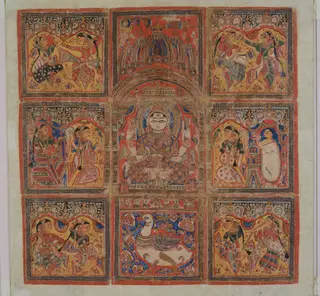 Saraswati Pata
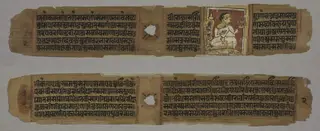 Folio 2, from a Kalpa-sutra and Story of Kalakacharya: Monk Holding a Flower (recto); text (verso)
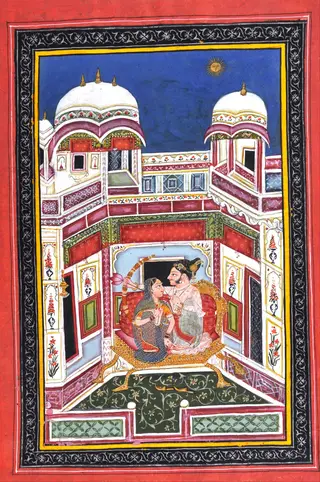 Ragaputra Vibhasha-Based on the Indian classical musical modeUniara,
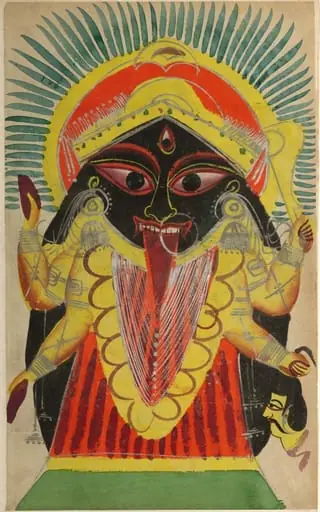 The Goddess Kali (recto), from a Kalighat album
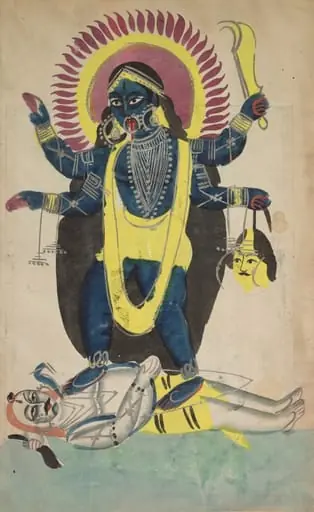 Kali Dancing on Shiva (recto), from a Kalighat album
 Folio 2, from a Kalpa-sutra and Story of Kalakacharya of Devachandra: Enthroned Monk Gautama (recto); Text (verso)
 Folio 2 (verso), from a Great Poem about Twos (Dvyashraya Mahakavya) of Hemachandra with Commentary by Abhayatilaka
 Monk Teaching Lay Disciple: Colophon page from a Kalpa-sutra and Story of Kalakacharya of Devachandra
 The Monk Gautama, Enthroned: Folio 2 (recto), from a Kalpa-sutra and Story of Kalakacharya of Devachandra
 Two nuns teaching lay women, colophon page of folio 167 (recto) from a Kalpa-sutra and Story of Kalakacharya
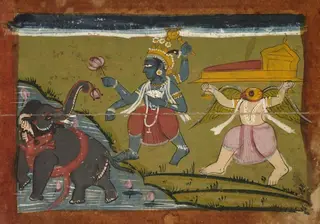 Gajendra Moksha: The Salvation of the King of the Elephants
 Folio 1, from a Great Poem about Twos (Dvyashraya Mahakavya) of Hemachandra with Commentary by Abhayatilaka
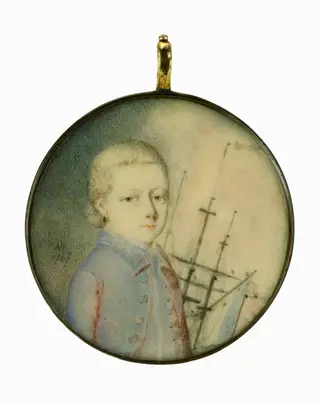 Miniature painting
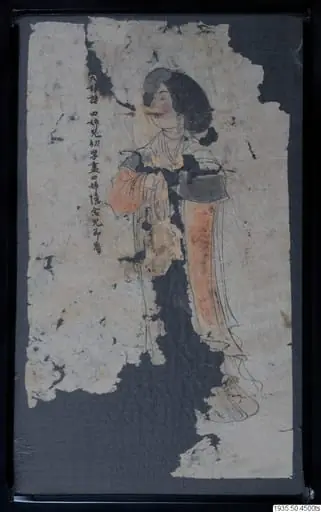 painting, drawing,
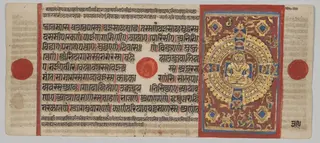 Mahavira's Omniscience and First Teaching (Samavasarana), Folio 39 (verso), from a Kalpa-sutra
 The Monkeys and Bears Fight Ravana and His Demons (verso), from a Romance of Chandrabhanu and Lavanyavati of Upendra Bhanja (Indian, died 1740)
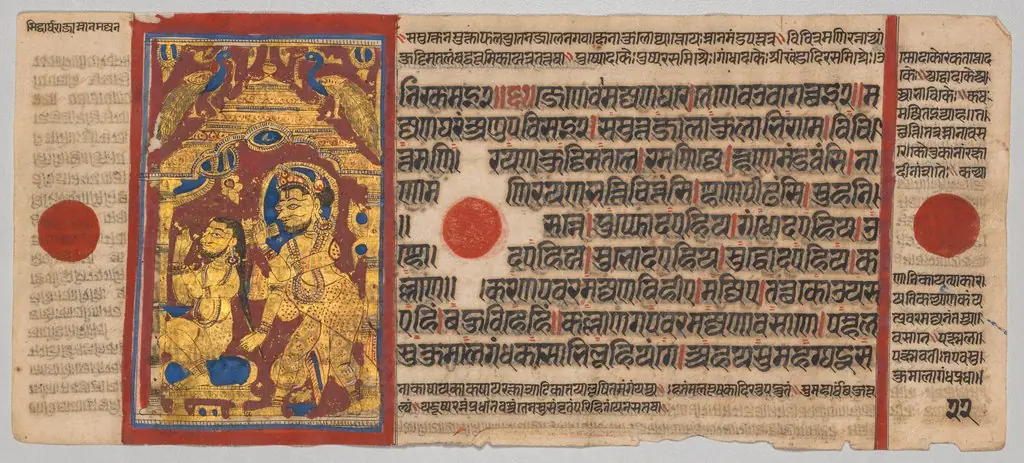
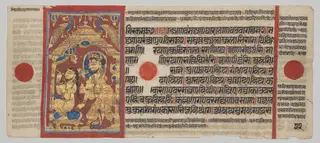 King Siddhartha's Morning Bath, Folio 22 (verso), from a Kalpa-sutra
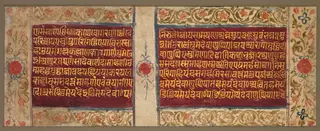 Text, folio 5 (verso), from Brahman Rishabhadatta's speech, from a Kalpa-sutra
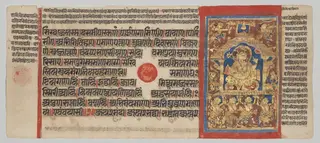 Mahavira Rides in His Initiation Palanquin, Folio 36 (recto), from a Kalpa-sutra
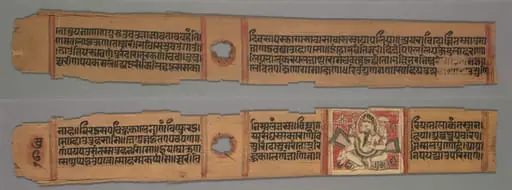 Folio from a Kalpa-sutra and Story of Kalakacharya of Devachandra: Text (recto); Brahmanshanti Yaksha (verso)
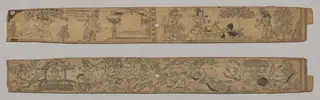 Leaf from a Romance of Chandrabhanu and Lavanyavati of Upendra Bhanja (Indian, died 1740)
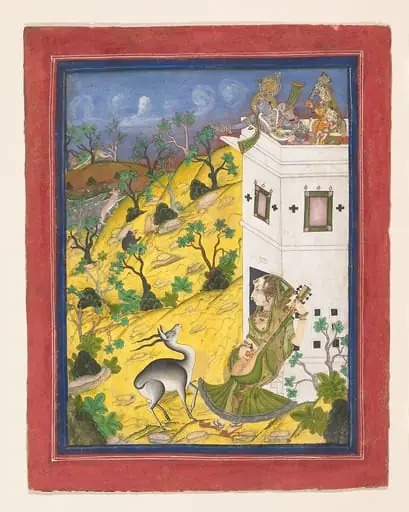
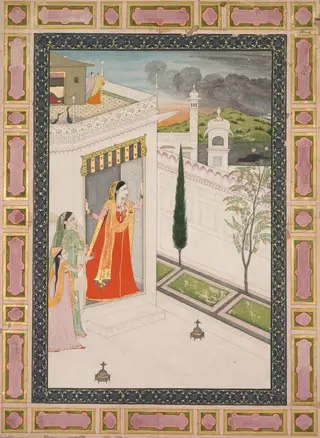 Augury of the crow (Vasakasajja Nayika)
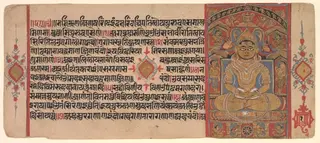 Seated Jina Rishabha Enshrined, from a Jain Manuscript: Kalpa-Sutra
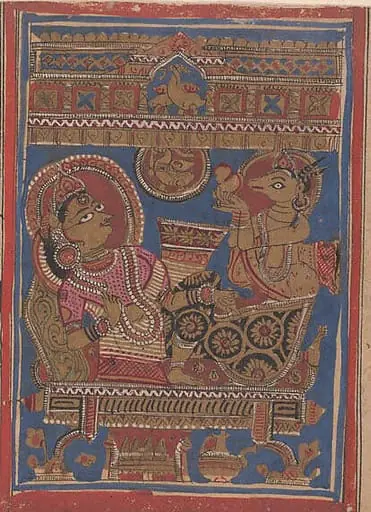
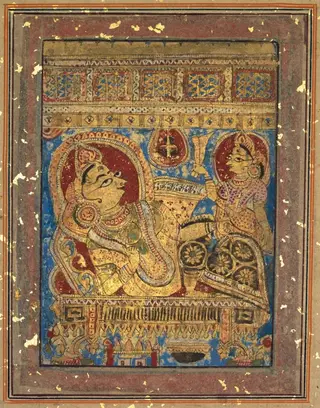 Painting from a Kalpa-sutra: Queen Trishala Reclining
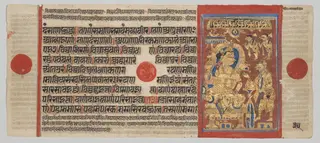 Mahavira Gives Away his Possessions, Folio 35 (verso), from a Kalpa-sutra
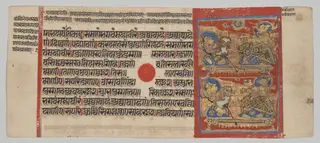 Transfer of the Embryo of Mahavira, Folio 12 (recto), from a Kalpa-sutra
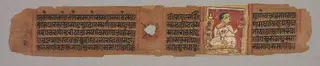 Monk Holding a Flower: Folio 2 (recto), from a Kalpa-sutra and Story of Kalakacharya
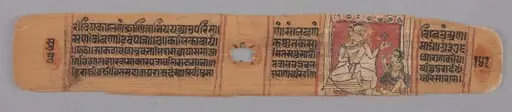 Monk Holding a Flower Venerated by a Lay Disciple: Folio 141 (verso), from a Kalpa-sutra and Story of Kalakacharya
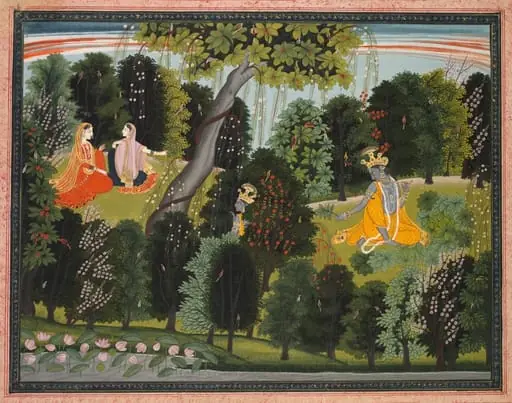 Sakhi persuades Radha to meet Krishna, from a Gita Govinda (Song of the Cowherd) of Jayadeva
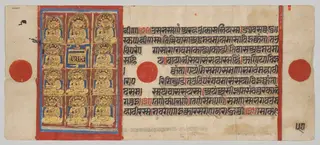 The Eleven Principal Disciples (Ganadharas) of Mahavira, Folio 57 (verso), from a Kalpa-sutra
 Brahmanshanti Yaksha: Folio (verso), from a Kalpa-sutra and Story of Kalaka of Devachandra
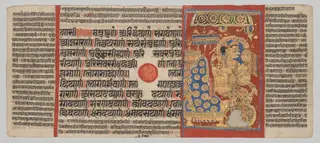 Indra Venerates the Embryo of Mahavira, Folio 7 (recto), from a Kalpa-sutra
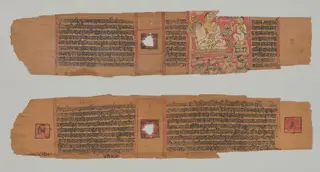 Folio 2 from a Parshvanatha Charitra (Life and Stories of Lord Parshva) of Bhavadeva-suri: Monk preaching to a disciple with a lay audience (recto); Text (verso)
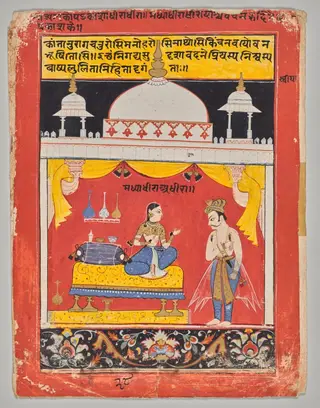 A Young, Angry Heroine, Folio 28 from a Rasamanjari
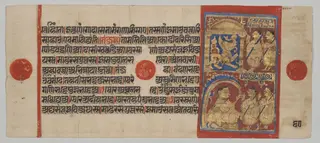 The Lion's Cave with Sthulabhadra and His Sisters, Folio 60 (verso), from a Kalpa-sutra
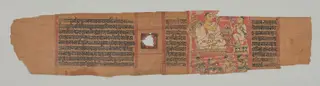 Monk preaching to a disciple with a lay audience, folio 2 (recto) from a Parshvanatha Charitra (Life and Stories of Lord Parshva) of Bhavadeva-suri
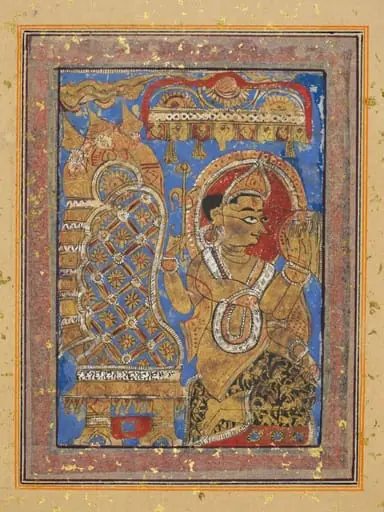 Painting from a Kalpa-sutra: Indra Praises the Embryo of Mahavira in the Womb of the Brahman Woman Devananda
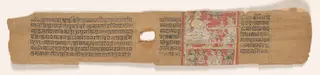 Jain monk with disciple and two laymen, two nuns, and a laywoman, folio 22 (recto) from a Yoga-shastra of Hemachandra
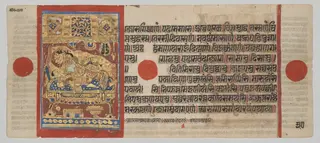 Birth of Mahavira, folio 30 (verso), from a Kalpa-sutra
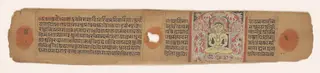 Rishabha enthroned, folio 1 (verso) from a Yoga-shastra of Hemachandra
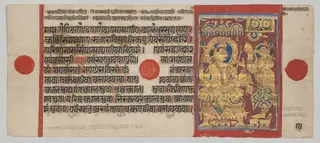 Indra Commands Harinaigameshin to Transfer the Embryo of Mahavira, Folio 9 (verso), from a Kalpa-sutra
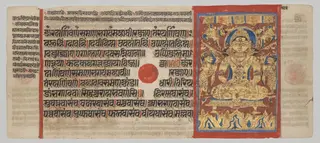 Ritual Bath of Mahavira, Folio 31 (recto), from a Kalpa-sutra
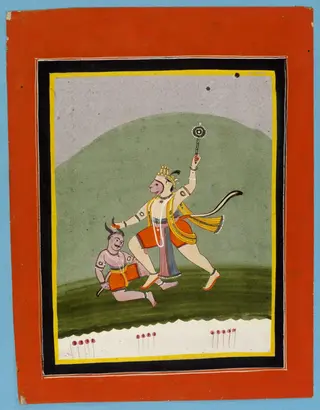 Hanuman striking a demon
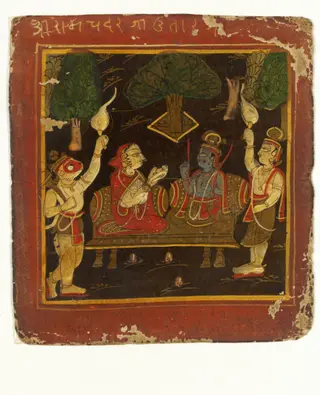 Rama and Sita, Lakshman and Hanuman
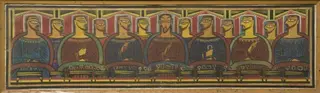 The Last Supper
Indian Miniature is an art movement. Small, finely detailed paintings from the Indian subcontinent, made for albums and manuscripts.
Artifact World Gallery holds 211 public-domain Indian Miniature works, all free to view and download.
Key Indian Miniature artists in the collection include Bhadrabahu, Pradyumnasuri and Devachandra.
Indian Miniature dates from 1550–1900.
Indian Miniature works in the collection are held by Metropolitan Museum of Art, Cleveland Museum of Art and Victoria and Albert Museum.
Your cart is empty
Browse artworks →