Artwork
Untitled
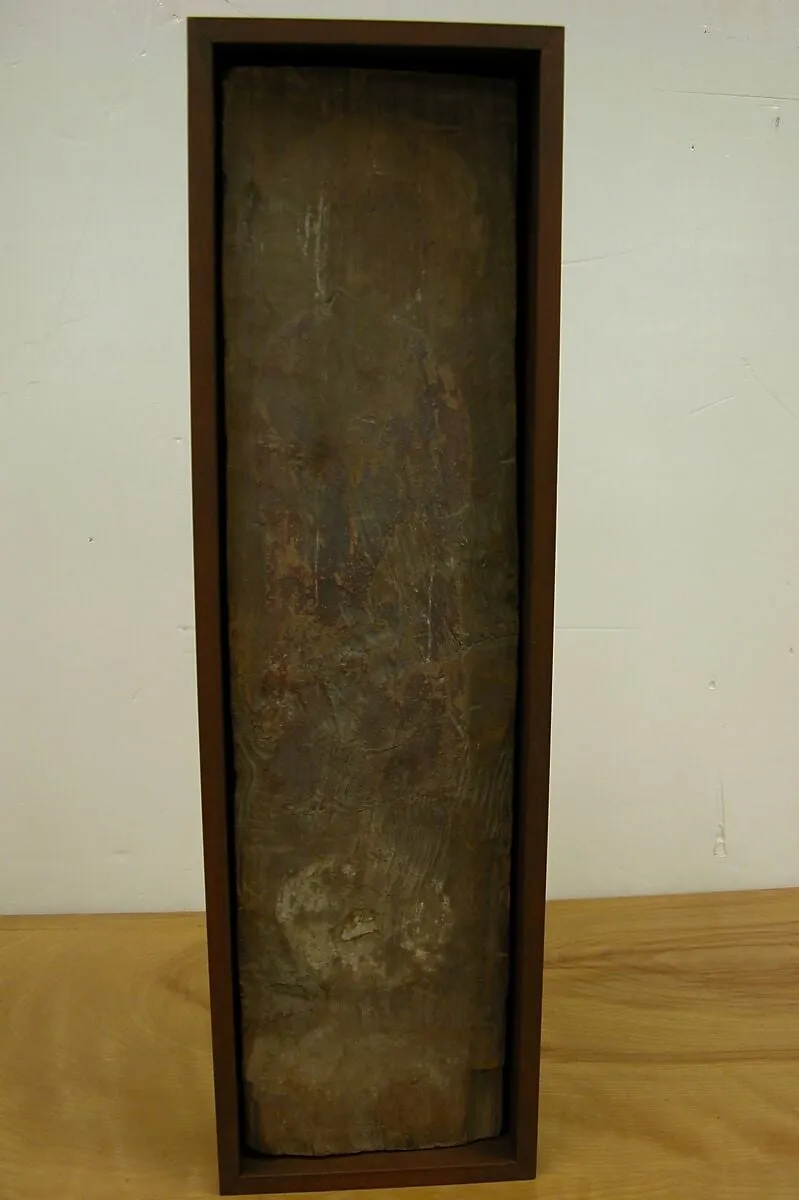
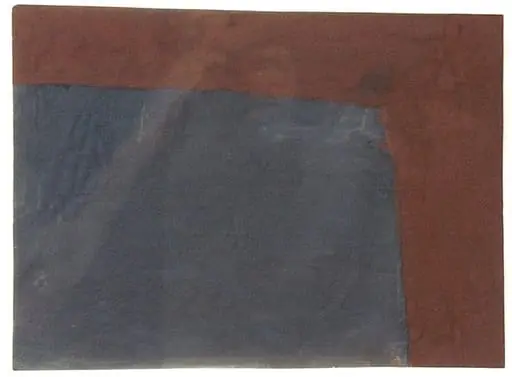
Untitled is a wood painting. It dates from 700 and is held in the collection of the Metropolitan Museum of Art.
About this work
Subject & Meaning
The painting presents the historical Buddha seated in meditation, a standard iconographic formula in early Buddhist art.
The painting presents the historical Buddha seated in meditation, a standard iconographic formula in early Buddhist art. Its water‑based pigment on wood medium and 8th‑century date place it within the early medieval tradition of Buddhist iconography, where the Buddha is identified by his ushnisha and elongated earlobes, attributes that signal his enlightenment. As a religious work housed in a museum collection, the piece functions as an object of veneration and teaching, embodying core Buddhist concepts of impermanence and the path to awakening. The absence of a named artist underscores the anonymous production of devotional images in this period.
History & Provenance
The artwork, titled Untitled, is a religious painting created circa 700 CE by an anonymous artist. Executed in water-based pigment on wood, the piece depicts Buddha and is classified within the genre of religious art. While the specific commissioning patron and the detailed chain of ownership prior to its current location remain undocumented in the available records, the work is currently held in the collection of the Metropolitan Museum of Art.
The dating is established as 700, reflecting its origins in the early medieval period of Buddhist artistic production. No further details regarding its creation history or intermediate provenance steps are provided in the source material.
The work is held in the collection of the Metropolitan Museum of Art, which also serves as its current location. While the piece is identified within the museum's holdings, the provided records do not specify a unique inventory or accession number for this anonymous eighth-century painting. Furthermore, there is no information available in the source material regarding any past or current exhibitions featuring this specific depiction of Buddha.
Legacy
The painting’s legacy is rooted in its status as an early example of Buddhist visual culture preserved in a major public collection. Its presence in the Metropolitan Museum of Art has made it a reference point for scholarship on early religious art of Asia, shaping interpretations of how Buddha was visualized in the early medieval period. The work’s anonymous authorship and water‑based pigment technique on wood underscore the transmission of Buddhist iconography across regions, influencing later artistic representations of the figure.
Overview
This untitled painting from 7th-century Central Asia depicts a Buddha figure seated on a lotus, rendered with water-based pigments on a small wooden panel. The artwork's modest scale and direct execution contribute to its intimate character. It offers insight into the artistic practices and religious expressions prevalent in the region during a period when resources for art production were often limited.
Technique & Style
Executed with water-based pigments on a wooden support, the painting exhibits a distinctive technique. The application of paint is thin and translucent, allowing the natural grain of the wood panel to remain visible beneath the surface. This approach, along with the simplicity of the depicted forms, lends the piece an unadorned aesthetic, emphasizing the raw material and the directness of the artistic process.
Context
The creation of this painting reflects the presence and influence of Buddhism in Central Asia during the 7th century. Its construction from readily available, often salvaged, materials underscores the practical realities faced by artists in the region. Such works were typically created for personal devotion or small monastic settings, embodying a spiritual practice that adapted to local conditions and available means.
Artist & collection

- Icoana de factură catolică îl reprezintă pe sfântul Teodor Tiron (306 d. Hr) sărbătorit pe 17 februarie.Sf. Teodor înveșmântat ca oștean: coif cu pene, armura și mantie roșie. În dreapta ține un coif cu stânga sulița. În planul doi o biserică catolică. Pe fondul alb, de o parte și alta a sfântului câte tulpină cu o floare roșie. Cromatica: predomină roșul(inclusiv ca desen) albastru, bleu, negru, maro, auriu, verde deschis, verde închis, fond alb.Ramă îngustă, patru stinghiii îmbinate oblic la colțuri.
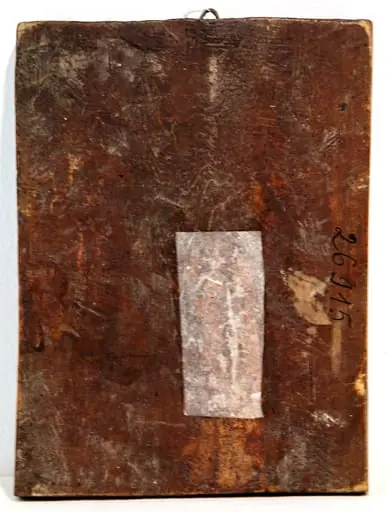 Icoana reprezintă un sfânt militar, din comparațiile efectuate s-a ajuns la concluzia că ar fi vorba de sf. Mare mucenic Teodor Stratilat, un mare general care cârmuia cetatea Heracleea, pe vremea împăratului Licinius(308-321). Sfântul este pictat din semiprofil,în picioare, până deasupra genunchilor. Este înveșmântat în costum de oștean medieval, cu armură și mantie lungă, roșie, prinsă pe umărul drept. În mâna dreaptă ține o cruce mică iar cu stânga, pe care o are lăsată în jos, sprijină un scut pe care se observă o figură antropomorfă în relief. Capul este descoperit, părul și barba scurte, luminate de razele aureolei. Trăsăturile bărbătești, ferme, sunt redate într-o manieră cu influențe academice, la fel ca și realizarea faldurilor. Proporțiile sunt respectate. În dreapta sfântului, în colțul de sus se distinge capul și aureola din raze ale unui înger. La momentul executării fotografiei, icoana era destul de deteriorată, statul pictral exfoliat grundul și suportul de lemn prezentau crăpături în partea de jos.
 Icoaitud
 Icoaă di
 Untitled
 Untitled
 Icoana îl reprezintă pe Isus în picioare, într-o mandrolă de lumină, cu raze, asemănător iconografiei "Învierii". Cu dreapta binecuvintează, în stânga ține Cartea Sfântă deschisă. Chipul este mai plin, sobru, părul lung îi cade pe umeri. Tunica este de culoare roșie, mantia verde, se observă existența "klavului", simbolul "Celui trimis". În jumătatea de jos a icoanei apar două personaje, în stânga fiind sigur Maica Domnului. Conform reprezentărilor canonice, cel din dreapta ar putea fi Sf Ioan Botezătorul sau apostolul Ioan. Veșmintele sunt de culori închise, aureolele întrunecate. Liniile nu sunt fine, ceea ce nu împiedică o anume expresivitate a chipurilor. După modul de realizare a faldurilor i se poate atribui meșterului o oarecare experiență și, de ce nu, școală.
 Icoana este pictată pe dosul unei bucăți de sticlă dreptunghiulară, în ax vertical; Sf. Dumitru, izvorâtorul de mir, care se prăznuiește pe 26 octombrie, este unul din sfinții reprezentați ca războinici, deși din viața lui nu se deduc fapte de arme. Semnificația este cea a războiului nevăzut cu patimile.În concepția populară Sf. Dimitrie este cel care dezleagă iarna, corespondentul Sf. Gheorghe care leagă iarna și dezleagă primăvara. Reprezentările lor sunt deasemenea asemănătoare, fie călare, Sf. Gheorghe pe cal alb și Sf. Dimitrie pe cal roșu. Aici Sf. Dimitrie 3/4, este redat ușor din semiprofil, în picioare, în mâna dreaptă cu o suliță iar în stânga avînd o cruce. Mantie roșie, lungă, cămașă verde închis, zale.Chipul este realizat în manieră naivă, expresiv.Părul lung, negru este revărsat pe umeri. Câmp bleu, cu un chenar din flori mari, roșii cu frunze în aceeași nuanță de verde pe care zugravul a mai utilizat-o. Inscripția este pe fond alb, într-un chenar dreptunghiular plasat în spatele aureolei. Pictura are caracteristicile specifice picturii niculene:stângăcia, simplitatea și primitivismul desenului; compoziția sumară, culorile intense. Rama- 4 șipci de brad profilate, culoarea lemnului natur.
 Sfinții Împărați Constantin și Elena, plasați sub brațele crucii pe care a fost răstignit Iisus. Crucea, cu brațele drepte, trilobate, în centrul compoziției, ușor asimetric. La întretăierea brațelor raze multicolore(orange, albastru și roșu, roșu și alb). Sfinții reprezentați cu veșminte împărătești, coroane înalte pe cap, mantii roșii și tunici bleumarin cu borduri aurite, bogat decorate. Ambii sunt tineri, cu părul lung, castaniu revărsat pe umeri. Aureolele și coroana Elenei aurite. Împărăteasa ține o ramură în mâna dreaptă, împăratul un sceptru. Deasupra crucii pe niște nori albi și înconjurați de raze, Dumnezeu Tatăl(bătrân, cu nimbul triunghiular)și Isus Hristos cu aură circulară, îneșmântați în roșu și albastru.Sunt flancați de câte un heruvim așezat pe norișori. Câmp albastru de Prusia, decorat cu steluțe albe și roșii, colțurile de sus ale icoanei acoperite de draperii roșii și cafenii. Sfinții plasați deasupra unor nori albi cu margini dantelate, gri. Fondul în 2/3 inferioară este de culoare vernil cu brâuri surmontate de forme ovoidale, pictate cu vernil roșu și bleumarin. Paleta cromatică este variată: roșu, galben, negru, alb, verde-oliv, bleu, albastru, cafeniu. Compoziția este echilibrată, dar încărcată. Desenul îngrijit, cu stângăcii. Rama este de lemn de brad, profilată la interior(culoare brun roșcat), la exterior decorată cu motiv de culoare mai închisă realizat cu pieptenele.
 Maniera naivă. Sfântul este redat 3/4, din ușor semiprofil, binecuvântînd cu un gest stângaci cu mâna dreaptă, în stânga ținând cartea sfântă.Este redat cu capul descoperit, părul și barba cărunte, trăsăturile feței expresive, ușor stângace, cu atenție acordată unor detalii(ex. albul ochilor) Înveșmântat simplu, cu sacos roșu peste stiharul bleumarin, epitrahil verde cu cruci negre. În jurul capului are aureolă trasată cu un instrument!. Fondul sugerează cerul albastru separat cu o linie închisă de o porțiune roșie cu elemente vegetale?, porțiunea de jos sugerând pământul. Scrisul este dezordonat, studiat parcă. În stânga se află inscripționat anul, iar în dreapta io inscripție cu litere chirilice care ar putea aminti despre "GORGE AL BOINII DIN BROȘTENI?)(posibil comanditarul) Chenar dintr-o linie albă, subțire. Icoana a fost restaurată.
 "Isea d
 Scena Cinei celei de Taină se desfășoară într-un interior sugerat de elemente arhitectonice, coloane, candelabru, candele. În centrul icoanei este Mântuitorul Iisus Hristos binecuvântând mâncarea, la masă, alături de ucenici și apostoli. Cu brațul stâng îl ține lipit de piept pe Ioan cel iubit. Pe masă sunt așezate un potir pentru vin și tacâmuri și farfurioare mici.Personajele au chipurile expresive, veșmintele personajelor și faldurile feței de masă, cât și draperiile sunt pictate cu măiestrie de pictor. Veșmintele sunt predominant roșii. Cromatica este armonioasă și echilibrată, pornindu-se gradual dinspre exterior înspre interior, de la albastru spre alb, ajungându-se la albul luminos al mesei celor dăruite. Compoziția este încadrată de elemente de arhitectură, coloane, arcade, creându-se, astfel, intimitatea Cinei celei de Taină. Totul este concentric, strângându-se în jurul Potirului. Elemente de arhitectură se întrezăresc printre cele 5 coloane. Se întrezărește o cruce formată din axa verticală Potirul și candela și cea orizontală - brațele Îmbrățișării Mântuitorului - Dragostea jertfelnică atotcuprinzătoare. Icoana este a lui Savu Moga, din Arpașu de Sus, Țara Făgărașului. Icoana este datată 1877. Inscripția din româno-chirilică se traduce Cina cea de Taină.