Artwork
Untitled
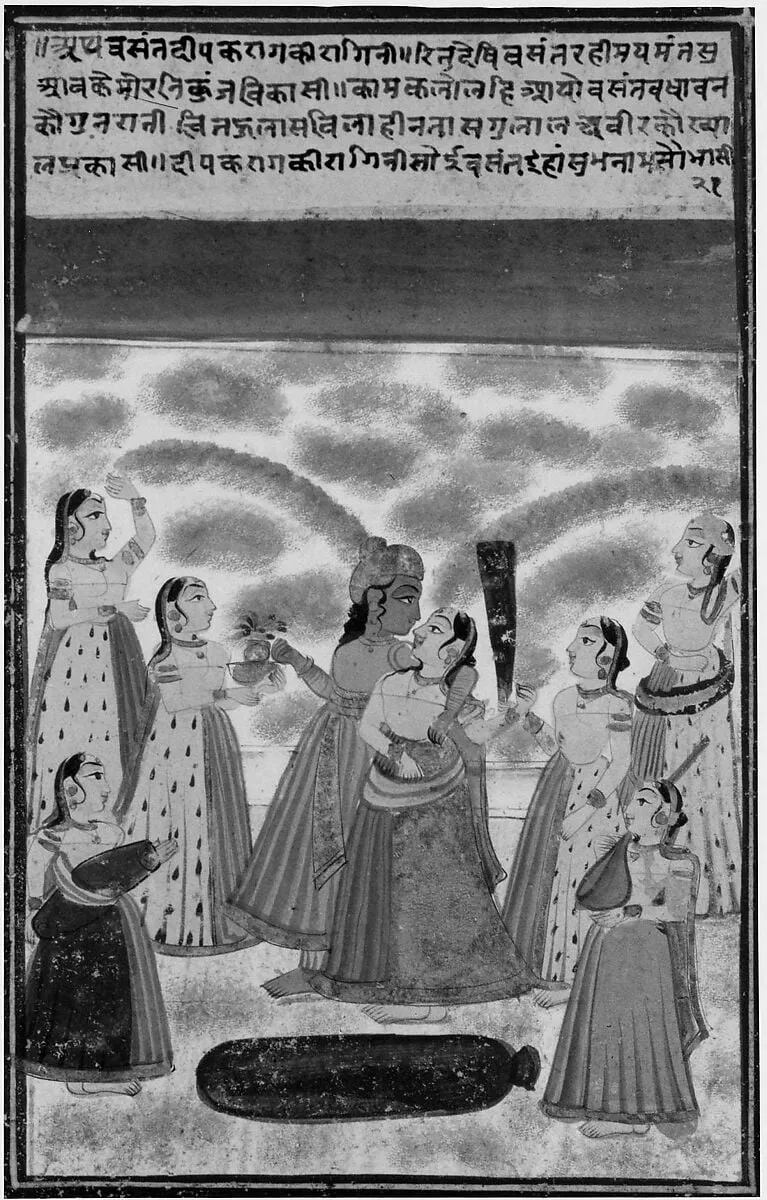
Untitled is a gold painting. It dates from 1885 and is held in the collection of the Metropolitan Museum of Art.
About this work
Subject & Meaning
Rendered in colors and gold on paper, the piece belongs to the religious genre, emphasizing devotional themes rather than secular narrative.
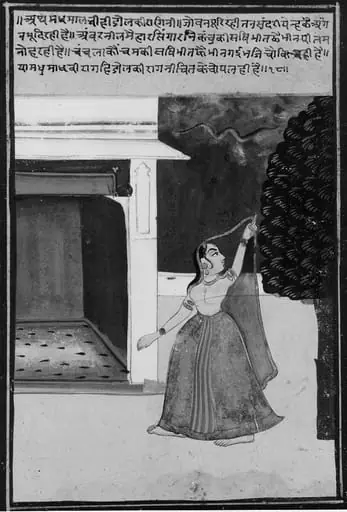
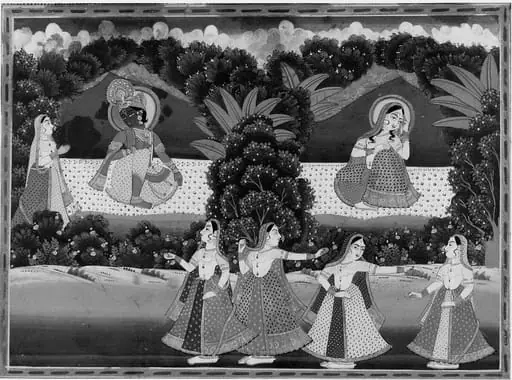
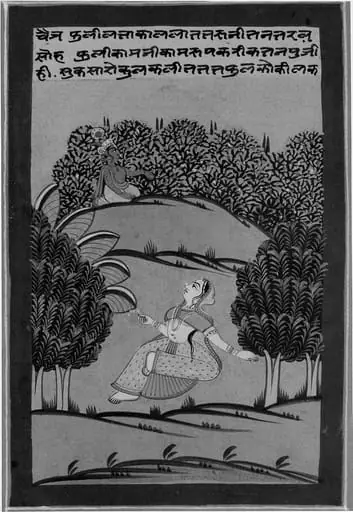
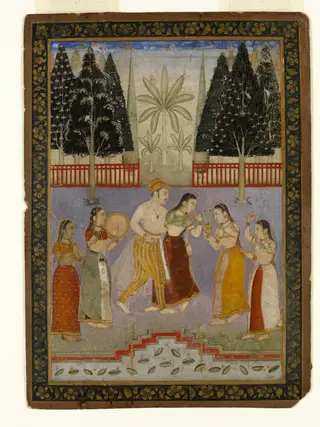
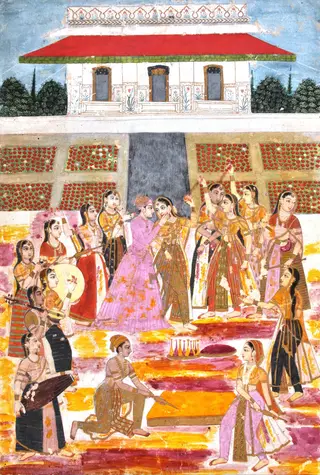
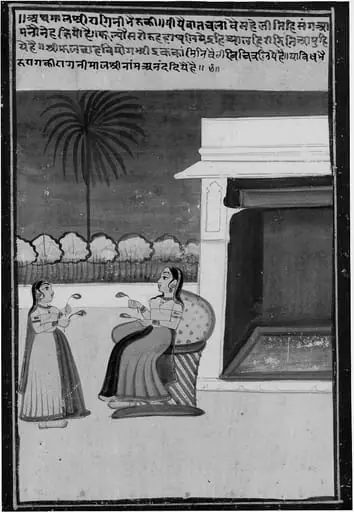
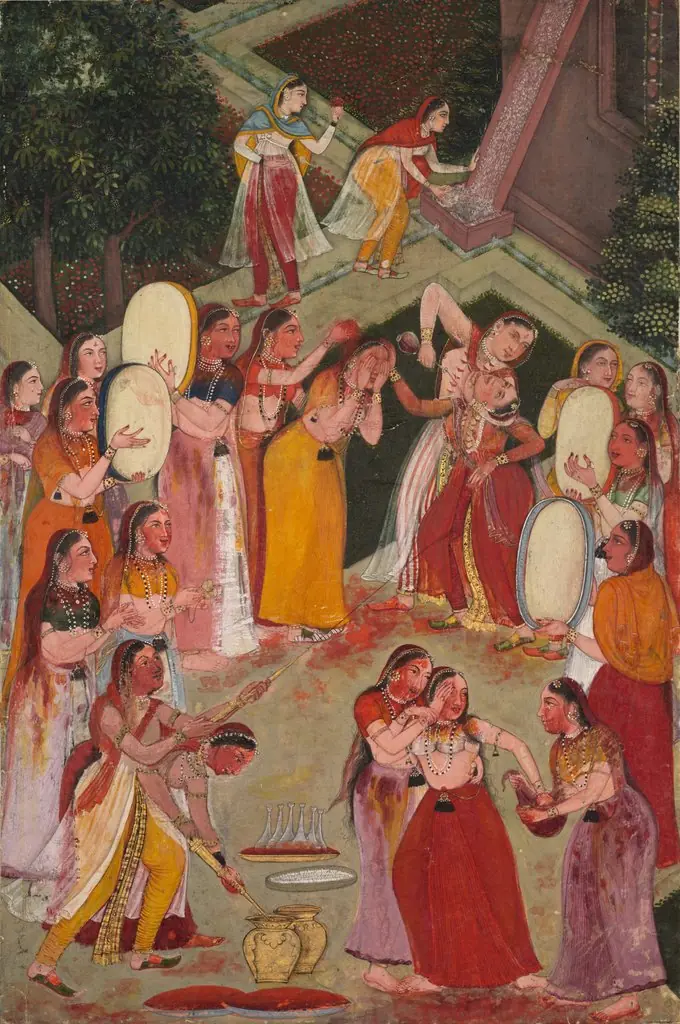
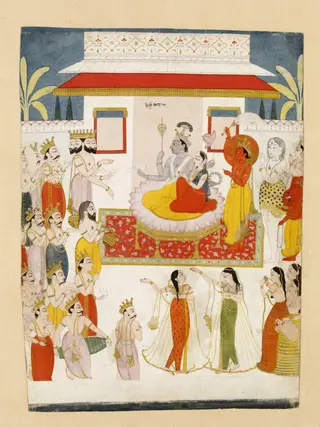
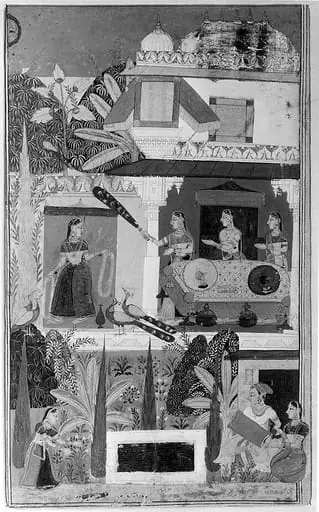
The work depicts the Hindu deities Krishna and Rādhā, central figures in Vaishnavite religious iconography. Created in India in 1885, the painting portrays the divine couple alongside a musical instrument, a common attribute symbolizing Krishna's role as a flute player and the harmonious nature of their spiritual union. Rendered in colors and gold on paper, the piece belongs to the religious genre, emphasizing devotional themes rather than secular narrative.
The presence of the woman, identified as Rādhā, alongside Krishna highlights the tradition of divine love and devotion. As an anonymous creation from the late 19th century, the artwork serves as a visual representation of these sacred figures, using gold and vibrant pigments to elevate the spiritual significance of the scene.
Technique & Style
Executed in colors and gold on paper, this small-scale devotional painting measures 24.4 by 18.1 centimeters. The combination of pigment and gold leaf on a paper support is characteristic of late nineteenth-century Indian religious works, allowing for fine linear detail alongside luminous metallic highlights. The modest dimensions and delicate handling of the medium suit the intimate devotional genre, while the gilded elements lend the sacred figures of Krishna and Rādhā a radiant presence.
History & Provenance
The artwork, an untitled painting created in India in 1885, is attributed to an anonymous artist. Executed in colors and gold on paper, the piece depicts Krishna and Rādhā alongside a woman and a musical instrument. While the specific commissioning patron and the chain of ownership remain undocumented, the work is held in the collection of the Metropolitan Museum of Art. No accession number, credit line, gallery assignment, or exhibition history is recorded in the available sources.
Legacy
The painting Untitled (1885), attributed to an anonymous Indian artist, entered the Metropolitan Museum of Art’s collection and quickly became a touchstone for studies of 19th‑century Indian religious art. Its depiction of Krishna, Rādhā, a musical instrument and a woman, rendered in colors and gold on paper, exemplifies the devotional miniature tradition. Because the work is catalogued in the museum’s catalogue and discussed in scholarly literature, it has shaped the understanding of anonymous painterly practice in India and continues to inform exhibitions on South Asian devotional imagery.
Overview
This untitled painting, rendered with colors and gold on paper, depicts a vibrant scene from Hindu mythology. Originating from India, it features the deity Krishna alongside women and musical instruments, with particular prominence given to Radha. The artwork is characterized by its detailed composition and rich visual elements, offering a glimpse into traditional narrative art.
Context
This painting emerges from a rich tradition of art in India, where such visual narratives played a crucial role in religious and cultural life. Artworks depicting Hindu deities and mythological events were common, serving both devotional purposes and as expressions of courtly or regional patronage. Its style and subject matter align with broader artistic currents prevalent in the Indian subcontinent.
Artist & collection