Artwork
Virgin and Child
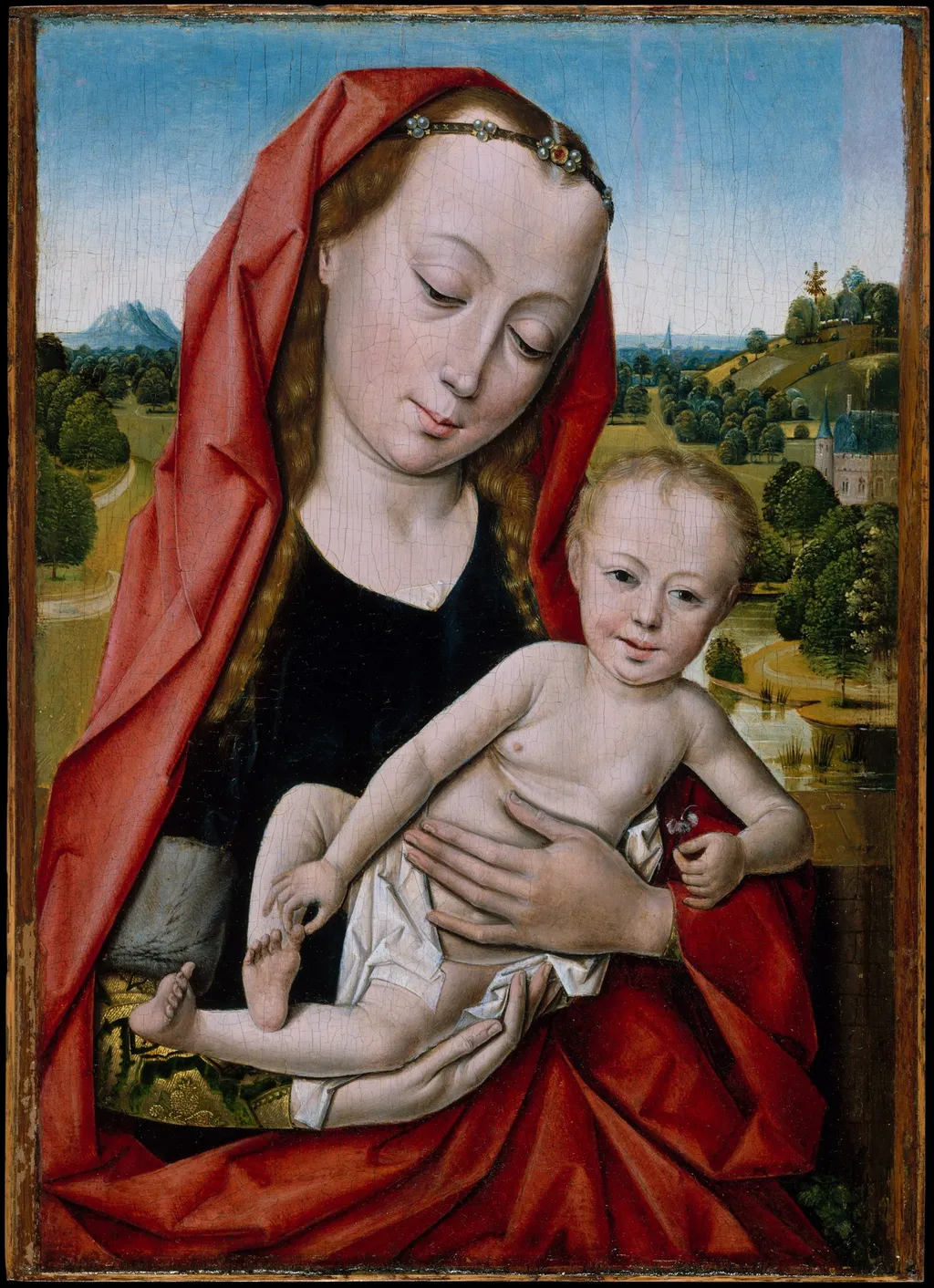
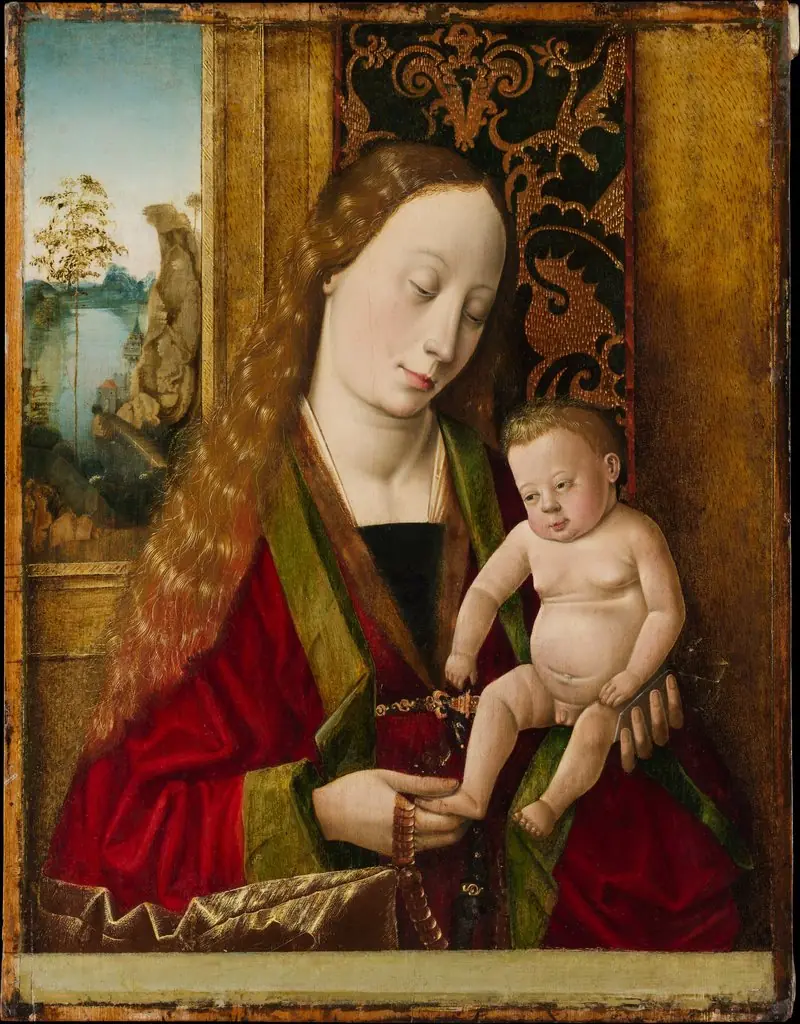
Virgin and Child is an oil painting. It dates from 1475 and is held in the collection of the Metropolitan Museum of Art.
About this work
Subject & Meaning
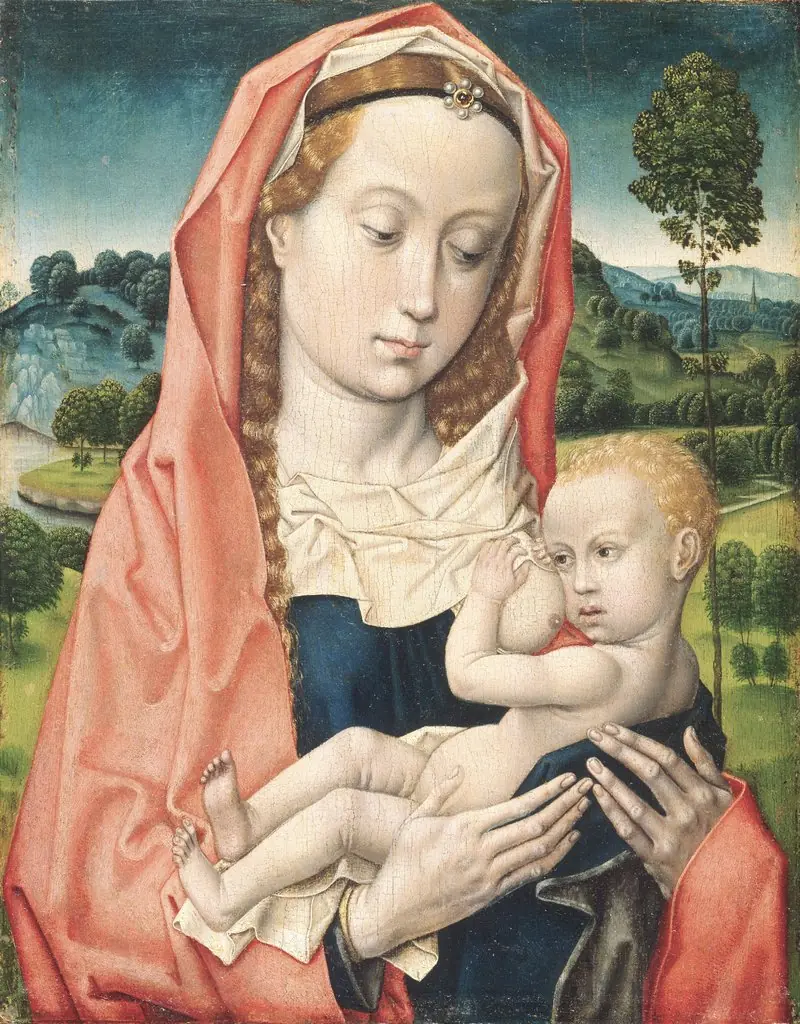
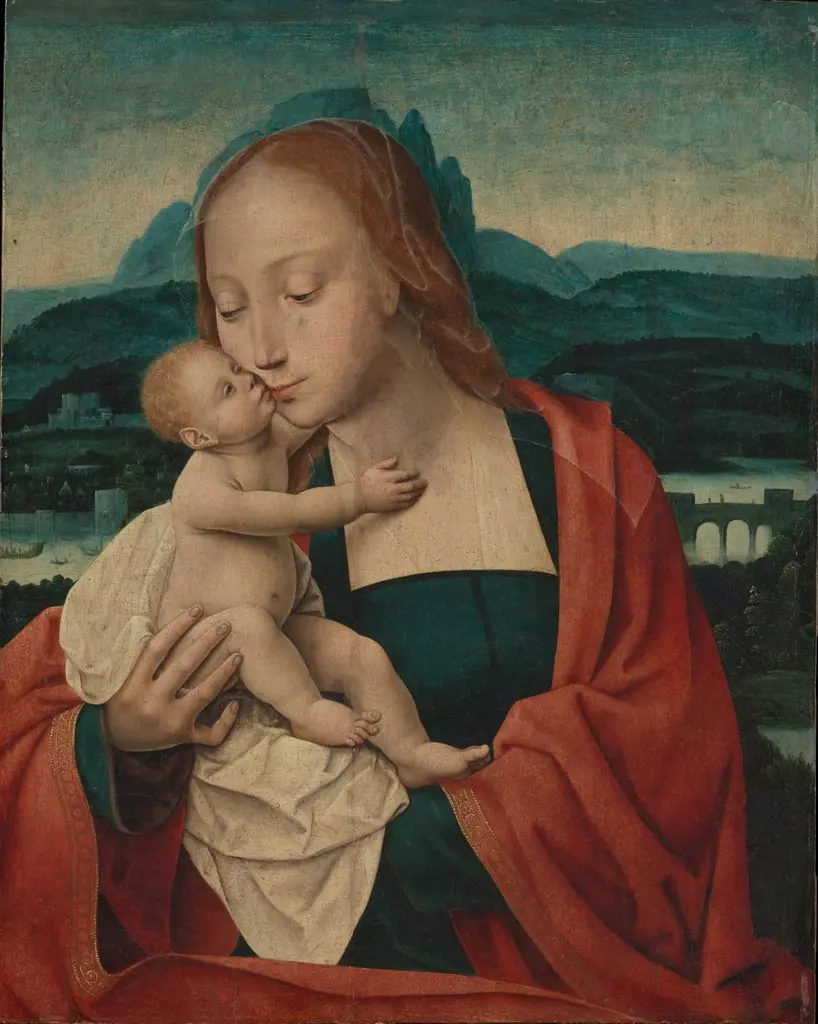
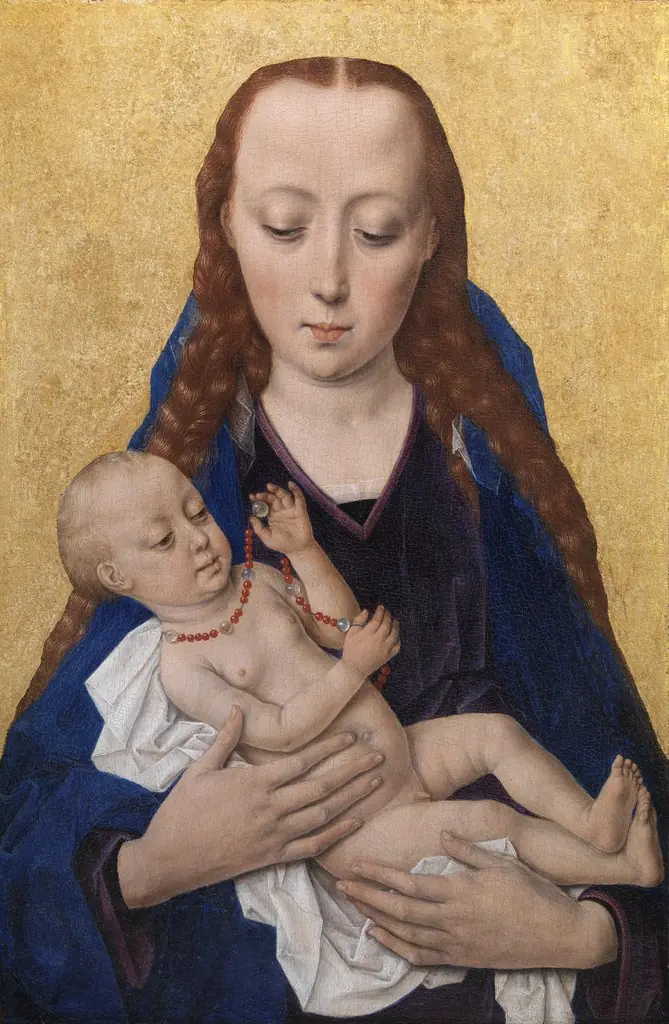
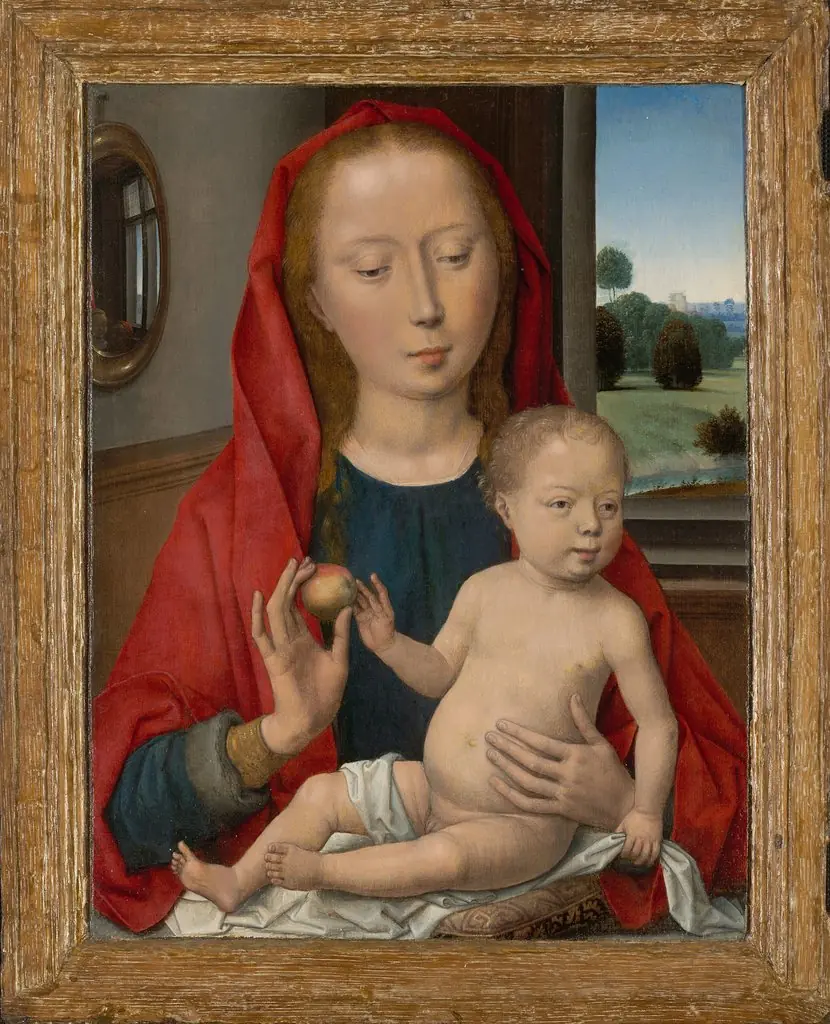
Created circa 1475 by the Workshop of Dieric Bouts, this oil painting on panel depicts the Madonna and Child, a central subject in religious art.
Created circa 1475 by the Workshop of Dieric Bouts, this oil painting on panel depicts the Madonna and Child, a central subject in religious art. The composition features the Virgin Mary holding the Christ Child, representing the theological incarnation of God. As a work of religious genre, the image serves as a devotional focus, emphasizing the human and divine nature of Jesus through his presentation as an infant with his mother.
The specific iconography aligns with Northern Renaissance traditions where the intimate interaction between mother and son underscores themes of tenderness and impending sacrifice, though the work primarily functions as a visual representation of the holy family for contemplation.
Technique & Style
The Virgin and Child is executed in oil paint on a wooden panel, a support typical of Early Netherlandish devotional works. The painting measures 28.6 cm in height and 19.7 cm in width and is dated to 1475. Oil medium enables fine modeling of the figures, and the composition depicts the Virgin seated with the Child on her lap, a common devotional arrangement.
The work’s formal qualities include a restrained palette, delicate detailing of clothing, and a balanced, intimate arrangement that emphasizes the sacred relationship between mother and child.
History & Provenance
Created circa 1475, this oil painting on panel is attributed to the Workshop of Dieric Bouts. The work, which depicts the Madonna and Child, entered the collection of the Metropolitan Museum of Art in 1982 under the accession number 1982.60.16. While the specific original commissioner and the detailed ownership chain prior to its museum acquisition are not provided in the available records, the piece is firmly established as a religious genre work from the late 15th century. The painting measures approximately 28.6 by 19.7 units and remains housed within the Metropolitan Museum of Art.
The work titled Virgin and Child is held by the Metropolitan Museum of Art in New York. Its accession number, assigned when it entered the collection, is 1982.60.16. The painting, executed in oil on panel around 1475, depicts the Virgin Mary with the infant Christ and is classified as a religious work.
It is part of the museum’s permanent collection of European paintings and has been displayed in the museum’s European Paintings galleries as part of the ongoing display of Renaissance art. Documentation does not record any specific exhibition history beyond its inclusion in the museum’s regular rotation of collection pieces.
Overview
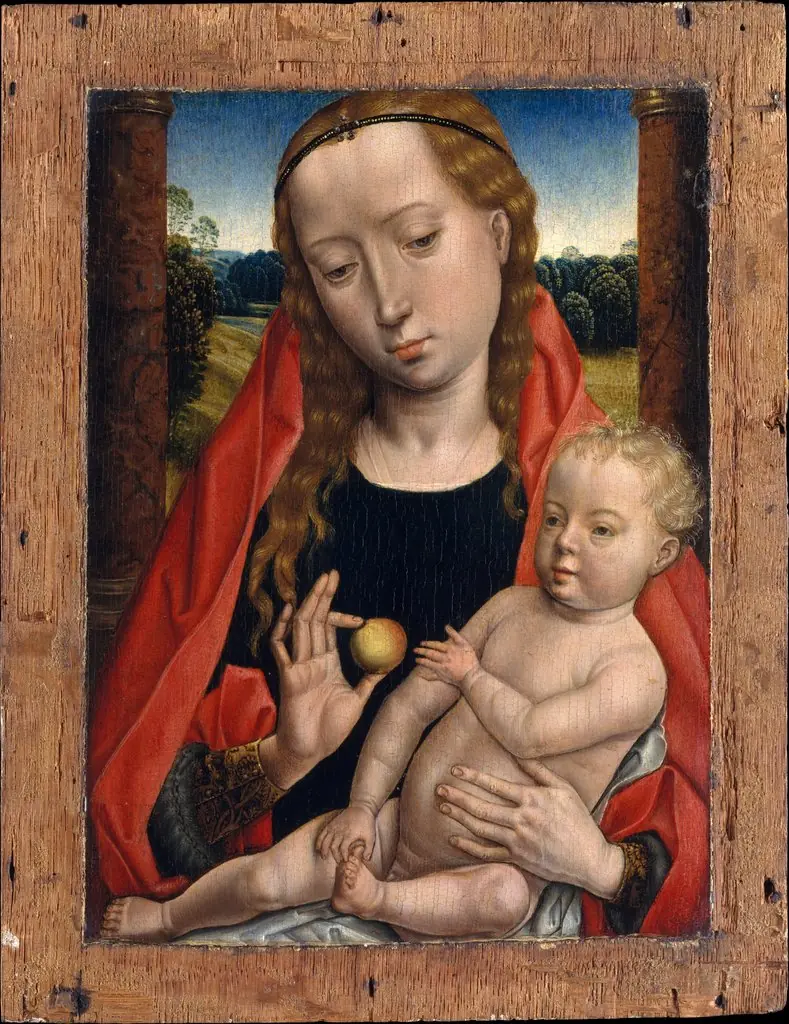
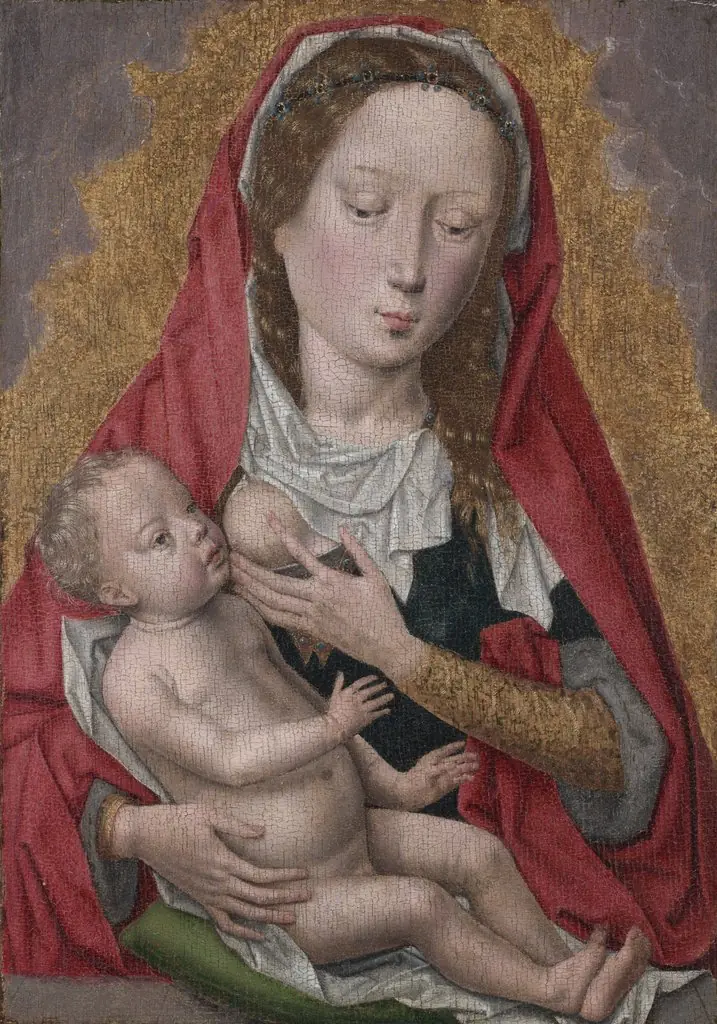
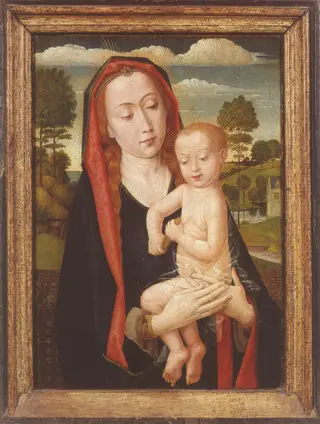
This painting, titled Virgin and Child, depicts a central theme in Christian art, rendered in oil paint. It presents a serene portrayal of the Virgin Mary embracing the infant Jesus. The composition combines the tender interaction between mother and child with a detailed landscape background, characteristic of devotional imagery. The work's soft yet vibrant palette contributes to its overall gentle and contemplative atmosphere.
Context
The depiction of the Virgin and Child is a foundational subject within Christian art history, serving as a powerful symbol of divine love and maternal devotion. This painting participates in a long-standing artistic tradition, where artists across centuries have interpreted the intimate bond between Mary and Jesus. Such images were widely commissioned for both private contemplation and public veneration, reflecting deep spiritual significance within religious practice.
Artist & collection